
Diving at Mononaftis (Greece)
Navigating Mononaftis presents a compelling challenge for divers seeking diverse underwater topography. A prominent "lonely sailor" rock structure defines the site's character, inviting exploration into its surrounding reef, canyons, and small caves. Adapting to varied depths, from 18 m / 59 ft for less experienced divers to over 30 m / 100 ft for the more advanced, requires careful planning. Demanding attention to detail, Mononaftis promises rewards for those who embrace its intricate layout.
Evening condition tracking at Mononaftis features an air temperature of 21.5°C. We have recorded wave heights measuring 0.6 m during this period. These figures outline the environmental parameters currently present.
Dive Site Location & Key Facts
Dive Site Overview
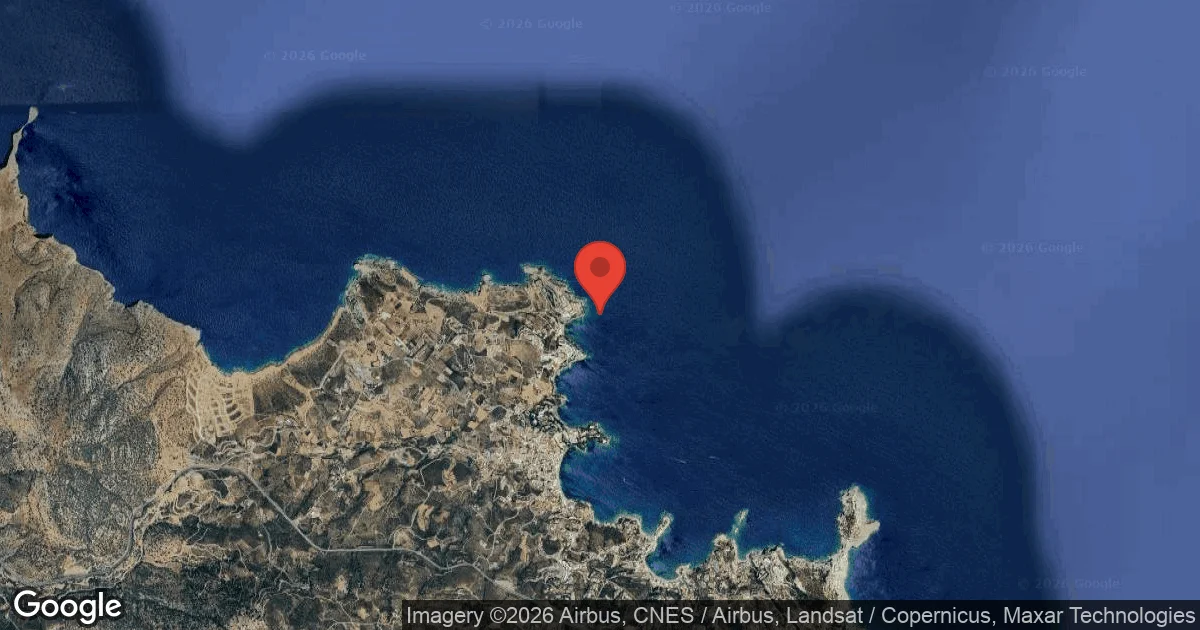
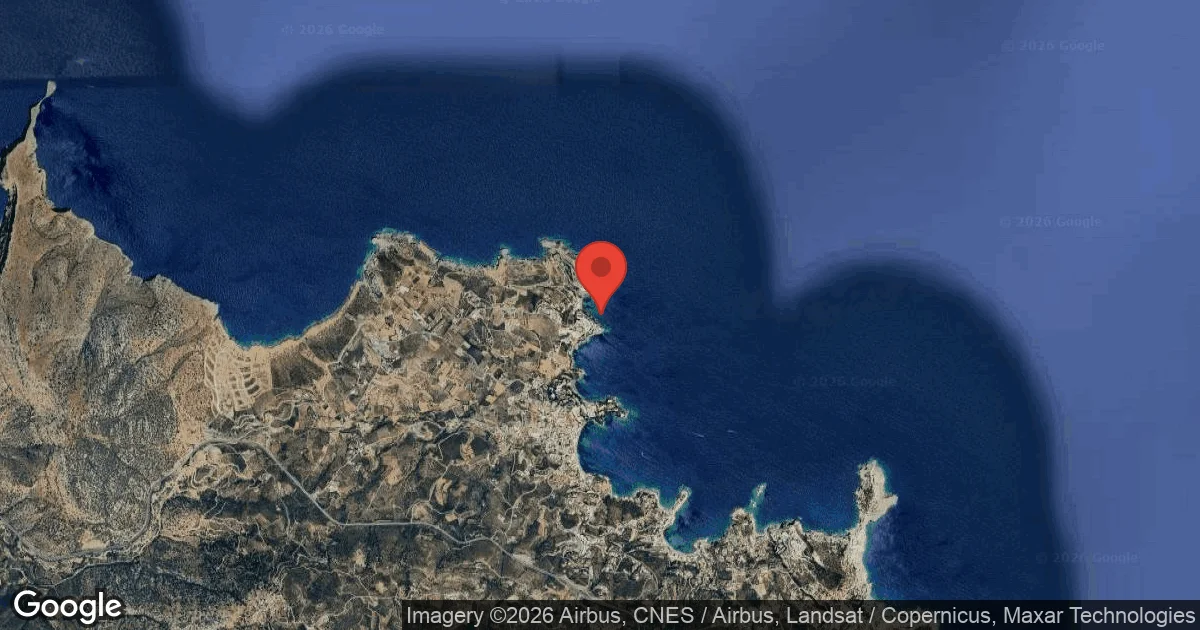
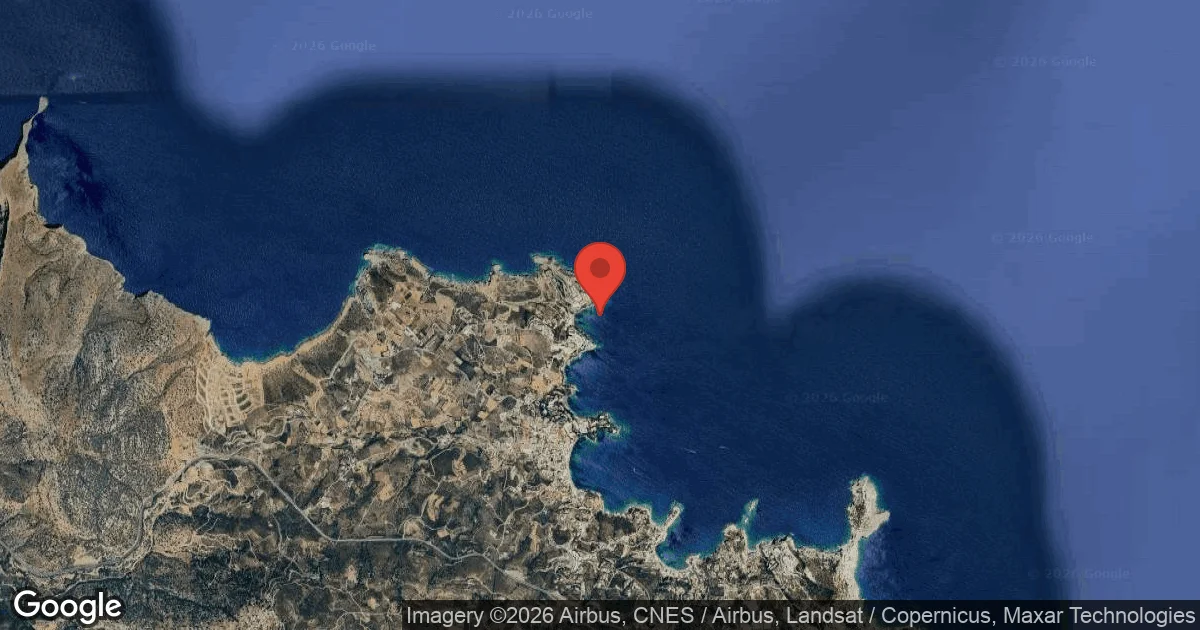
Mononaftis, known as the "lonely sailor" for its distinctive rock formation rising about 50 meters offshore, unravels an expansive underwater landscape near Agia Pelagia, Crete. Supporting a broad range of certified divers and beginners alike, this site features rich aquatic life and complex geological features.
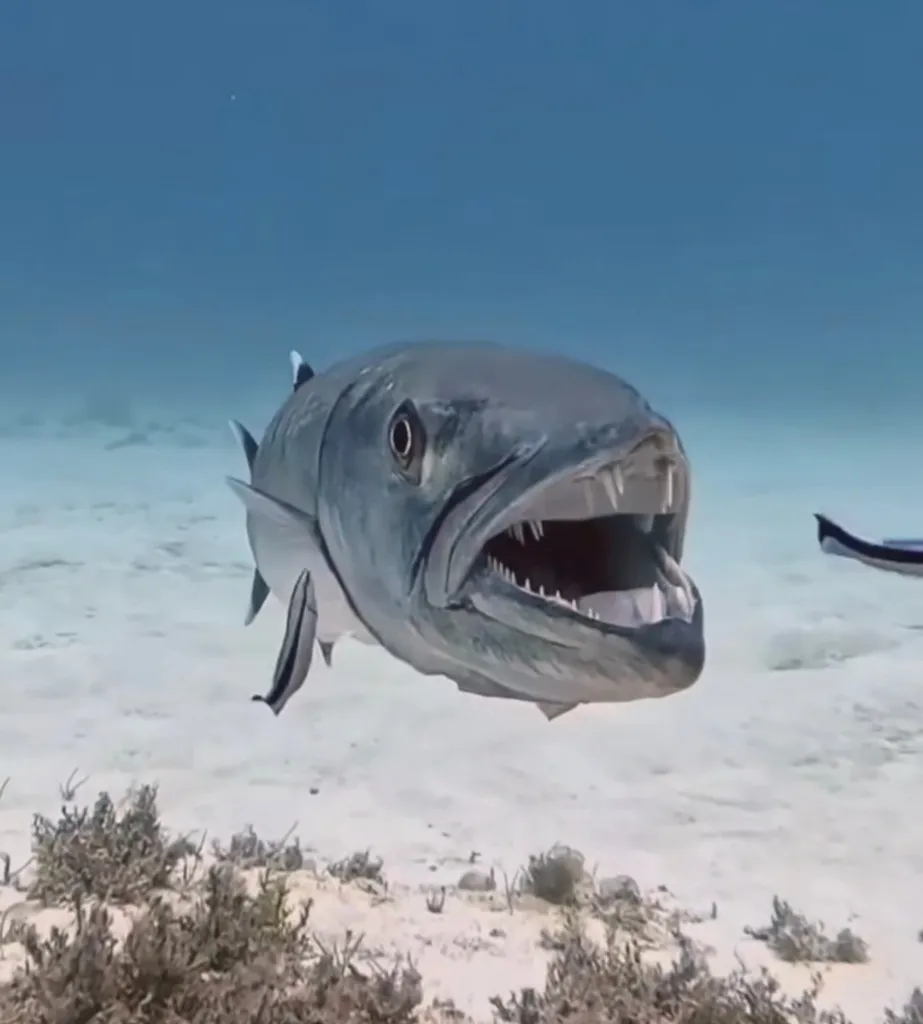
Beneath the surface, divers navigate through an intricate network of reefs, encounter dramatic canyons, and explore numerous small caves and rocky cavities. One particular dive trajectory guides divers along a vibrant reef to a depth of around 30 meters before looping back towards the shore. Along this route, it's common to encounter large schools of barracudas, offering opportunities to swim alongside them or observe their impressive circular formations.
A maximum depth at Mononaftis can reach around 28 meters, though specific tours cater to varying experience levels, with depths ranging from approximately 18 meters for Level 1 certified divers to over 30 meters for those with advanced certifications. Entry into the water is possible both by boat and directly from the shore, providing flexibility for dive operators.
Site topography and marine density foster a rewarding dive for those seeking an active exploration experience.
Conditions are Excellent
07:00 - 14:00
Optimal conditions expected
Current conditions near Mononaftis show 22° air, 26° sea temperature, 0.7 m waves, and 24 km/h wind. Forecast data is refreshed regularly to ensure accuracy.
Best Time to Dive
Optimal visibility at Mononaftis often aligns with calmer sea conditions and warmer months. Diving here is consistently rated "Good" throughout the entire year, yet specific periods offer enhanced comfort and clarity. From April through October, conditions generally present as ideal. During these months, average air temperatures range from 16.5-28.5°C / 62-83°F, reducing the need for heavy surface gear. Rainfall is notably minimal, dropping to an average of just 0.02 mm in July and remaining below 1.8 mm through October, which typically contributes to less runoff and clearer coastal waters. Water temperatures also become more inviting, ranging between 20-28°C / 68-82.4°F, lessening thermal stress and allowing for longer bottom times. While colder months still offer viable diving, the combination of warm air, low precipitation, and comfortable water temperatures from late spring to early autumn usually provides the most rewarding dive experiences in terms of visibility and overall enjoyment.
PEAK SEASON SCORE
Scores combine air & water temps, waves, wind & rainfall for overall conditions.
BEST MONTHS TO DIVE
Monthly records compiled from satellite and marine observation nodes over the last 3 years. Data provided by Open-Meteo and MET Norway.
Dive Experience & Conditions
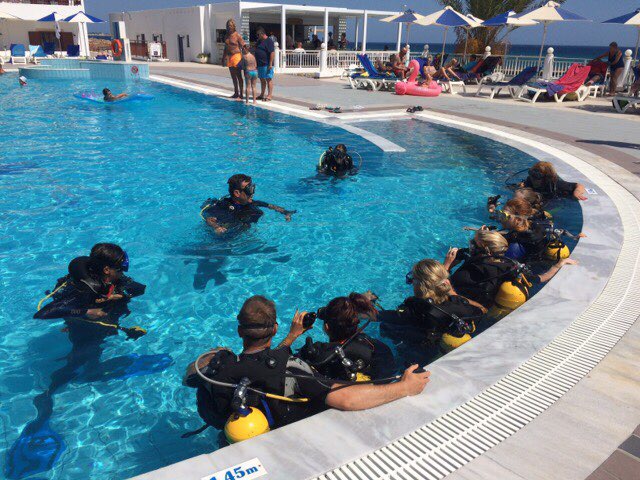
Diving at Mononaftis immerses divers in a generally calm environment, though localized current dynamics can vary, particularly around the exposed "lonely sailor" rock. Water conditions in this Cretan bay typically present a comfortable temperature range of 20-28°C / 68-82.4°F, influencing thermal exposure and wetsuit choices. Mononaftis supports a diverse range of experience levels, from introductory dives for beginners as young as eight, to guided adventure dives for certified individuals. Beginner groups, often capped at eight participants with a 1:4 instructor-to-diver ratio, practice initial skills in shallower, protected areas before progressing to their first underwater breaths. Certified divers can explore deeper sections, with possibilities extending to typical entry-level certification depths of around 18 meters or beyond 30 meters for those with advanced training. Underwater scenery shifts between expansive reefs, intriguing canyons, and smaller cavernous formations, all navigable with typical Mediterranean current patterns that are not consistently reported as strong, but always warrant attention.
Dive Difficulty & Safety Guidelines
Successfully navigating Mononaftis requires adherence to standard diving safety practices, ensuring a smooth experience across its varied topography. All participants are briefed on equipment use and dive theory before entering the water. While suitable for beginners, comfort in water and the ability to float are essential prerequisites for all introductory dives.
Certain health conditions or pregnancy may preclude participation, so divers should review medical guidelines before booking. It's critical for all divers to plan their post-dive activities carefully; a minimum surface interval of 24 hours before flying is mandated to mitigate decompression sickness risks.
Given the site's diverse depths, divers must respect their certification limits and always dive within their training. Local instructors are adept at adapting experiences to individual skill levels, reinforcing a proactive approach to safety. Proper planning ensures a safe exploration of Mononaftis's underwater environment.
Recommended Equipment
- Dive Computer
- DSMB
This gear list is based on verified equipment signals for Mononaftis, Greece. Always confirm final gear choices with your dive operator, guide, or liveaboard.
Recommended Dive Suit
With water temperatures around 26°C (80°F), many divers find a 2-3mm shorty or light wetsuit provides comfortable protection.
Local conditions can vary slightly across different parts of the same dive site.
Surface conditions are expected to warm up slightly in the coming days. A warming trend is expected over the next few days.
Emergency & Medical Support
Essential information to help you plan your dive trip to Mononaftis.

Hyperbaric chambers are a critical part of dive safety infrastructure. Availability varies significantly by region, and not all dive areas have immediate access.
Before diving, it's recommended to:
- confirm nearest medical facilities
- check emergency procedures with local dive operators
- ensure dive insurance covers evacuation if required
Divers Alert Network
Diving emergency assistance available through DAN Europe.
+39 0642115685- 24/7 emergency hotline
- Diving medical assistance
- Evacuation coordination
Emergency contacts are provided for reference. Always verify local emergency services before diving.
Closest Listed Hyperbaric Chambers
Showing listed hyperbaric chamber facilities within 200 km of this dive site.
Distances are approximate straight-line distances and may not reflect emergency travel time.
TKYI/NNK
24/7 ListedChania, Greece•Approx. 82 km straight-line
TKYI/NNK
24/7 ListedInformation is provided for reference and planning purposes only. Dive Navigator does not verify operational status, staffing, availability, or quality of care at listed facilities. In an emergency, contact local emergency services, DAN, your dive operator, or the chamber directly. Do not travel to a facility without calling ahead.
Marine Life at Mononaftis
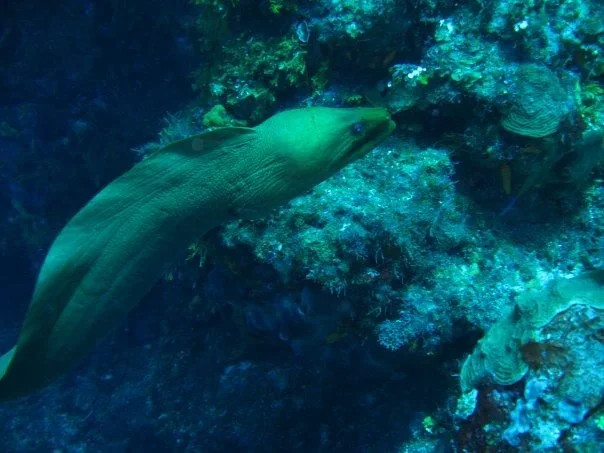
Mononaftis' aquatic environment flourishes with a wide array of fascinating creatures, making each dive a vibrant exploration. Divers frequently encounter schools of barracudas gliding through the water column, along with the elusive octopus and intriguing moray eels tucked into crevices.
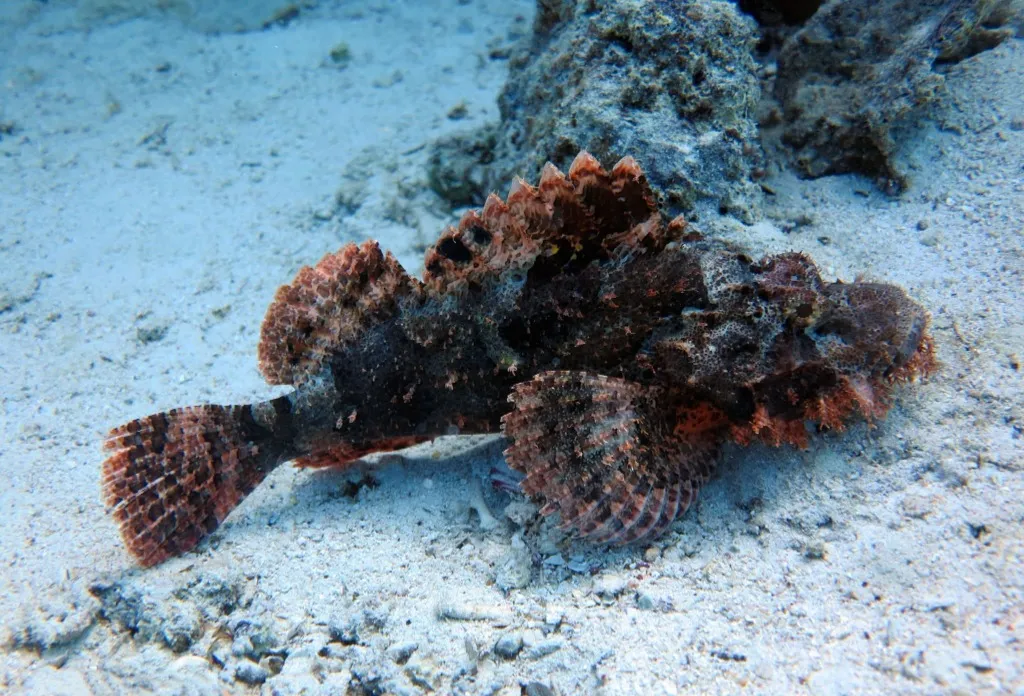
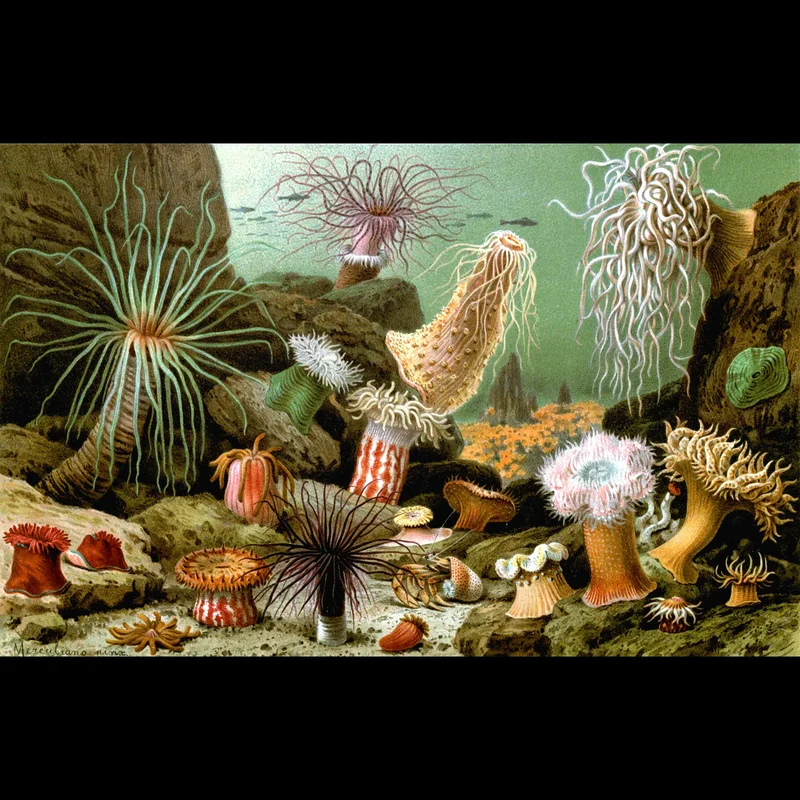
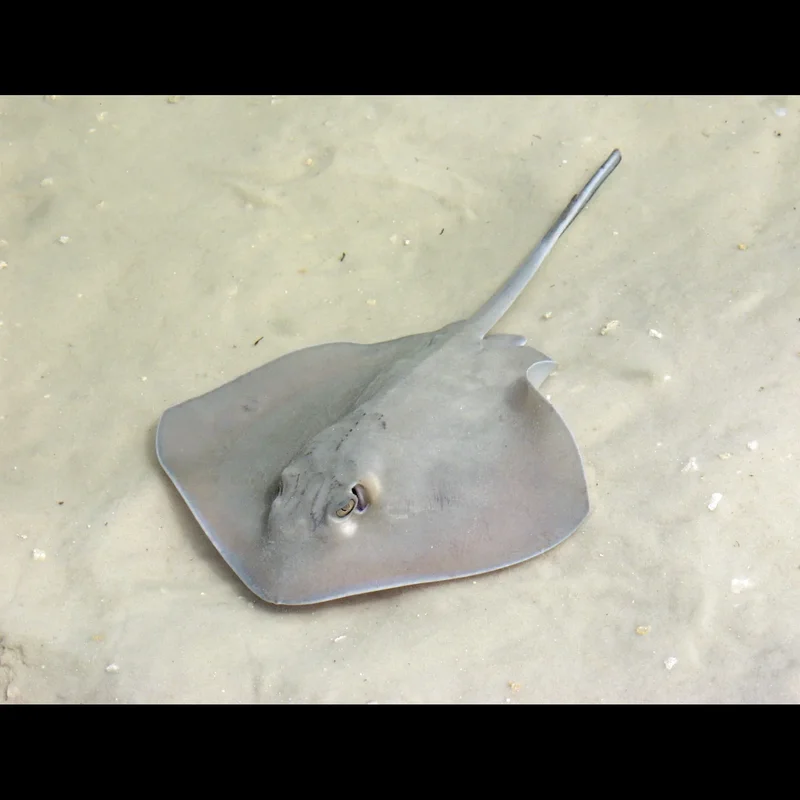
Expect to observe groupers, salemas, and various bream species like banded and saddled bream populating reef structures. The site is also home to stingrays, sea rabbits, well-camouflaged red and black scorpion fish, all coexisting amidst colorful sponges and sea anemones.
Keep an eye out for numerous pretty shells scattered across the seabed, adding to the site's rich biodiversity.
Dive Sites Near Mononaftis
View all dive sites in GreeceDiscover more underwater gems in this area.
Dive Centers Near Mononaftis
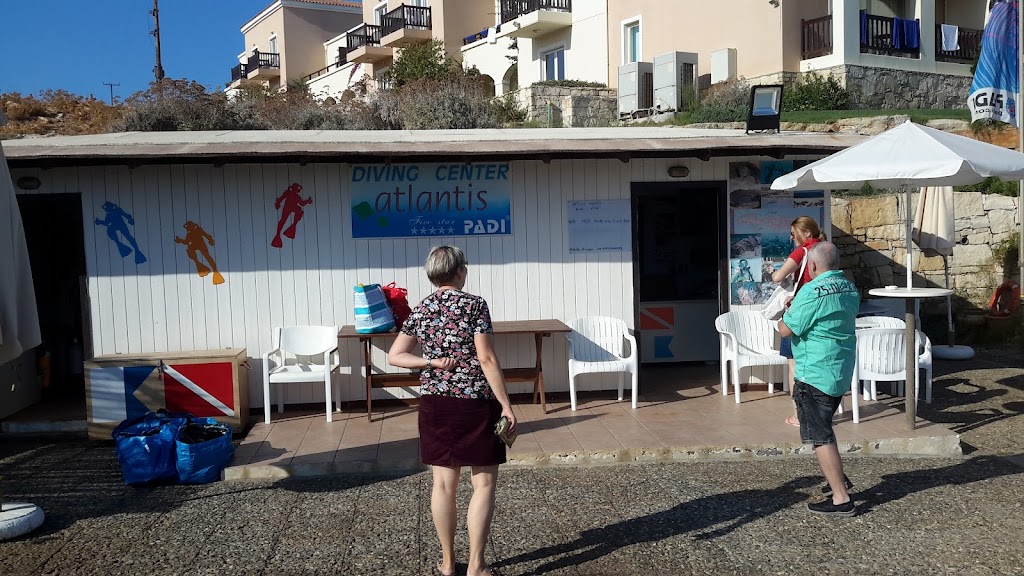
Today: 08:30 - 19:30
Nearest Airports
Nearest airports to help plan travel to this dive area.
Search Flights
Check available flights and routes on Expedia, using the nearby airports listed in this section.
Search Flights on ExpediaFrequently Asked Questions
What is the maximum depth for diving at Mononaftis?
The maximum reported depth for diving at Mononaftis is around 28 meters, translating to approximately 91 feet. Specific dive tours cater to different certification levels, ranging from about 18 meters for entry-level certified divers to over 30 meters for those with advanced training.
Is Mononaftis suitable for beginner divers?
Yes, Mononaftis is highly suitable for beginners, with introductory "Discover Scuba Diving" programs available. Participants as young as eight years old can join, provided they are comfortable floating in water.
What kind of marine life can I expect to see?
The site is rich in marine fauna, including schools of barracudas, octopus, and moray eels. You might also spot groupers, salemas, various bream species, stingrays, sea rabbits, and scorpion fish among sponges and anemones.
How do divers enter the water at Mononaftis?
Divers can access the site either by boat or directly from the shore. This flexibility allows for different dive operational approaches depending on the dive center and planned itinerary.
What are the typical water temperatures?
Water temperatures in Mononaftis Bay vary by season, generally ranging between 20-28°C (68-82.4°F). This comfortable range supports enjoyable diving for much of the year.
Are there any specific geological features to explore?
Mononaftis offers diverse underwater scenery, including extensive reefs, impressive canyons, and several small caves. The prominent "lonely sailor" rock itself provides a significant focal point for exploration.
Do I need to be a strong swimmer to dive at Mononaftis?
While you don't need to be an expert swimmer, you should be able to float and feel comfortable in the water. This ensures your safety and enjoyment during introductory dives, especially when getting accustomed to the equipment.
Planning to dive Mononaftis?
Send one inquiry and receive offers directly from the best verified local dive operators.
Conditions are Excellent
07:00 - 14:00
Optimal conditions expected
Current conditions near Mononaftis show 22° air, 26° sea temperature, 0.7 m waves, and 24 km/h wind. Forecast data is refreshed regularly to ensure accuracy.