
Diving at Amphora Cave (Greece)
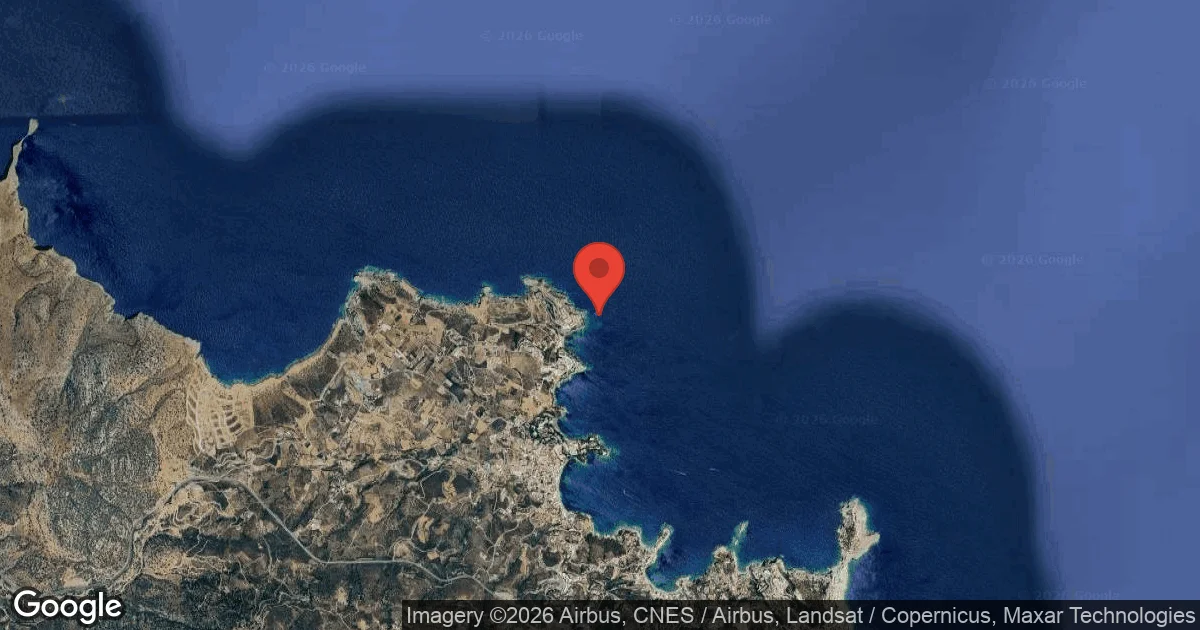
Beneath the calm surface off Crete, Amphora Cave beckons divers with its historical remnants and geological formations. Water temperatures in the wider region typically range from 18-26°C (64-79°F) during peak diving months, ensuring comfortable conditions. This small cave environment offers a distinct experience within the Aegean Sea, primarily accessible by boat.
As evening covers Amphora Cave, the local air temperature is measured at 24.5°C. The current wave height at the surface is recorded at 0.9 m. These late-day readings characterize the surface conditions for the night.
Dive Site Location & Key Facts
Dive Site Overview
Exploring Amphora Cave offers divers a tangible link to ancient maritime history, making it a distinctive site off the coast of Crete. The cavern's namesake comes from its impressive collection of ancient amphoras, scattered across the seafloor, providing a compelling underwater archaeological experience.
Reaching a maximum depth of 18 m (60 ft), this dive is within recreational limits, yet its nature as an overhead environment necessitates specialized training for direct penetration. Accessing the cave primarily occurs by boat, navigating to a sheltered spot that typically provides calm conditions at the surface. Visibility in the surrounding waters often extends from 15 to 25 meters, allowing for clear views of both the historical artifacts and the surrounding rock formations.
While generally considered suitable for certified divers, those intending to enter the cave structure must hold appropriate cave diving certification. It presents a more intimate, focused dive experience compared to extensive reef systems, emphasizing observation of its unique historical and geological features.
Conditions are Excellent
07:00 - 14:00
Optimal conditions expected
Current conditions near Amphora Cave show 24° air, 27° sea temperature, 0.7 m waves, and 25 km/h wind. Forecast data is refreshed regularly to ensure accuracy.
Best Time to Dive
Seasonal conditions significantly influence the diving experience at Amphora Cave. The summer months, particularly June through September, are generally optimal due to the warmest air temperatures, averaging from 25-28.5°C (77-83°F), and minimal rainfall, often less than 1 mm (0.04 inches). Wave heights also tend to be calmer during this period, averaging around 0.7-0.8 meters, which can facilitate easier boat access and entry. While diving is rated 'Good' year-round based on overall climate data, the driest and calmest conditions are observed from late spring through early autumn, when average air temperatures are well above 20°C (68°F).
PEAK SEASON SCORE
Scores combine air & water temps, waves, wind & rainfall for overall conditions.
BEST MONTHS TO DIVE
Monthly records compiled from satellite and marine observation nodes over the last 3 years. Data provided by Open-Meteo and MET Norway.
Dive Experience & Conditions
Descending into the Aegean, divers encounter Amphora Cave at a maximum depth of 18 m (60 ft). The entrance typically leads into a small, manageable cavern adorned with ancient amphoras. Conditions are often calm within the immediate vicinity of the cave, benefiting from sheltered positioning. The prevailing currents are generally limited, contributing to a relaxed dive pace. Visibility around the site commonly hovers between 15 and 25 meters, though this can vary with localized weather patterns. Water temperatures are not consistently reported for this exact site but generally range between 18-26°C (64-79°F) in the Mediterranean during the main diving season.
Dive Difficulty & Safety Guidelines
Entering any overhead environment, such as Amphora Cave, requires specialized training and adherence to strict protocols. Divers without cave certification must not penetrate the cave's interior. Always carry a reliable dive torch to illuminate the cave's features and ensure proper navigation.
Given the historical significance of the amphoras, maintaining neutral buoyancy and refraining from touching or disturbing any artifacts is paramount. Always dive within your certification limits and follow local guidelines provided by dive operators, ensuring a safe and responsible exploration of this unique archaeological site.
Recommended Equipment
Overhead environment. Do not enter beyond training and gas planning limits.
- Dive Computer
- Primary & Backup Lights
- Reel / Spool
- Cutting Tool
This gear list is based on verified equipment signals for Amphora Cave, Greece. Always confirm final gear choices with your dive operator, guide, or liveaboard.
Recommended Dive Suit
Conditions in the coming days are expected to stay within a similar temperature range.
Factors such as dive duration, depth, and activity level can influence how warm a diver feels underwater. Stronger winds may also make surface intervals feel cooler than usual.
2-3mm shorty or light wetsuit typically balances flexibility and thermal protection in these temperatures. Consider warmer surface protection (like a boat coat) due to brisk winds. The surrounding waters at Amphora Cave are currently registering temperatures of roughly 27°C (80°F). Surface air temperatures are resting at 24°C (76°F).
Emergency & Medical Support
Essential information to help you plan your dive trip to Amphora Cave.

Hyperbaric chambers are a critical part of dive safety infrastructure. Availability varies significantly by region, and not all dive areas have immediate access.
Before diving, it's recommended to:
- confirm nearest medical facilities
- check emergency procedures with local dive operators
- ensure dive insurance covers evacuation if required
Divers Alert Network
Diving emergency assistance available through DAN Europe.
+39 0642115685- 24/7 emergency hotline
- Diving medical assistance
- Evacuation coordination
Emergency contacts are provided for reference. Always verify local emergency services before diving.
Closest Listed Hyperbaric Chambers
Showing listed hyperbaric chamber facilities within 200 km of this dive site.
Distances are approximate straight-line distances and may not reflect emergency travel time.
TKYI/NNK
24/7 ListedChania, Greece•Approx. 82 km straight-line
TKYI/NNK
24/7 ListedInformation is provided for reference and planning purposes only. Dive Navigator does not verify operational status, staffing, availability, or quality of care at listed facilities. In an emergency, contact local emergency services, DAN, your dive operator, or the chamber directly. Do not travel to a facility without calling ahead.
Marine Life at Amphora Cave
The rugged underwater landscape around Amphora Cave is home to diverse Mediterranean marine life, though the cave itself is primarily a historical feature. Around the entrance and in the shallower sections, divers may spot various reef fish darting among the rocks.
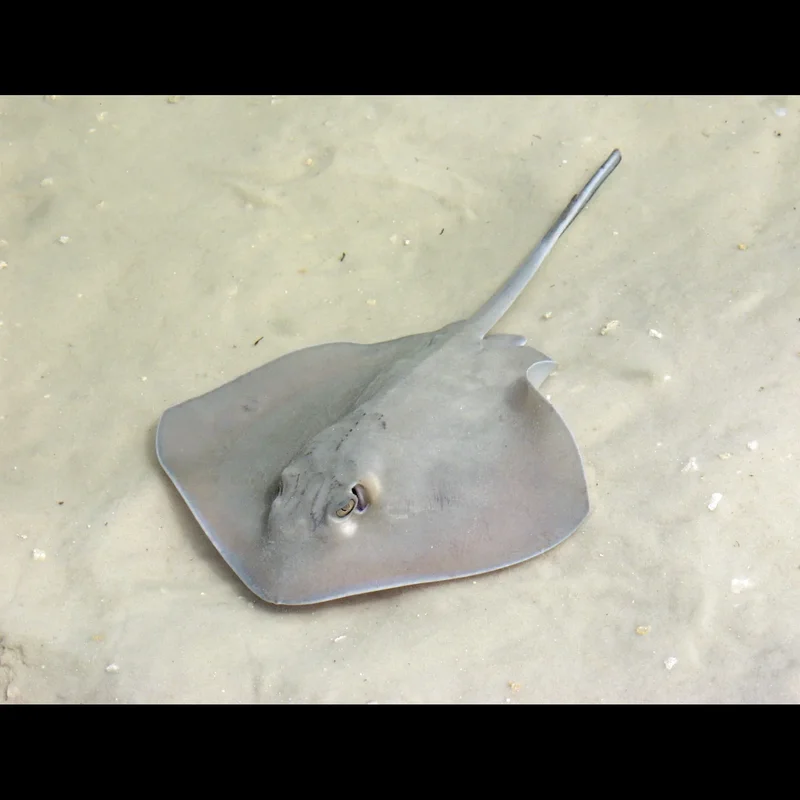
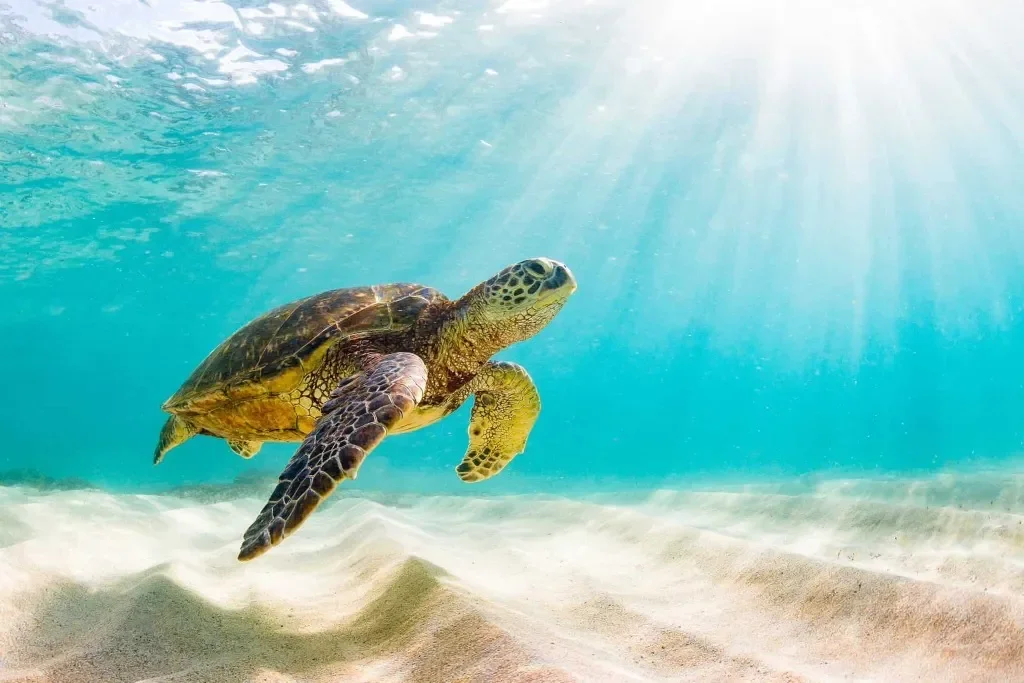
Potential sightings in the broader region include green turtles and stingrays, especially over sandy bottoms and seagrass patches adjacent to the main cave structure. Crustaceans and smaller invertebrates often inhabit crevices and overhangs, blending into the rock formations.
Dive Sites Near Amphora Cave
View all dive sites in GreeceDiscover more underwater gems in this area.
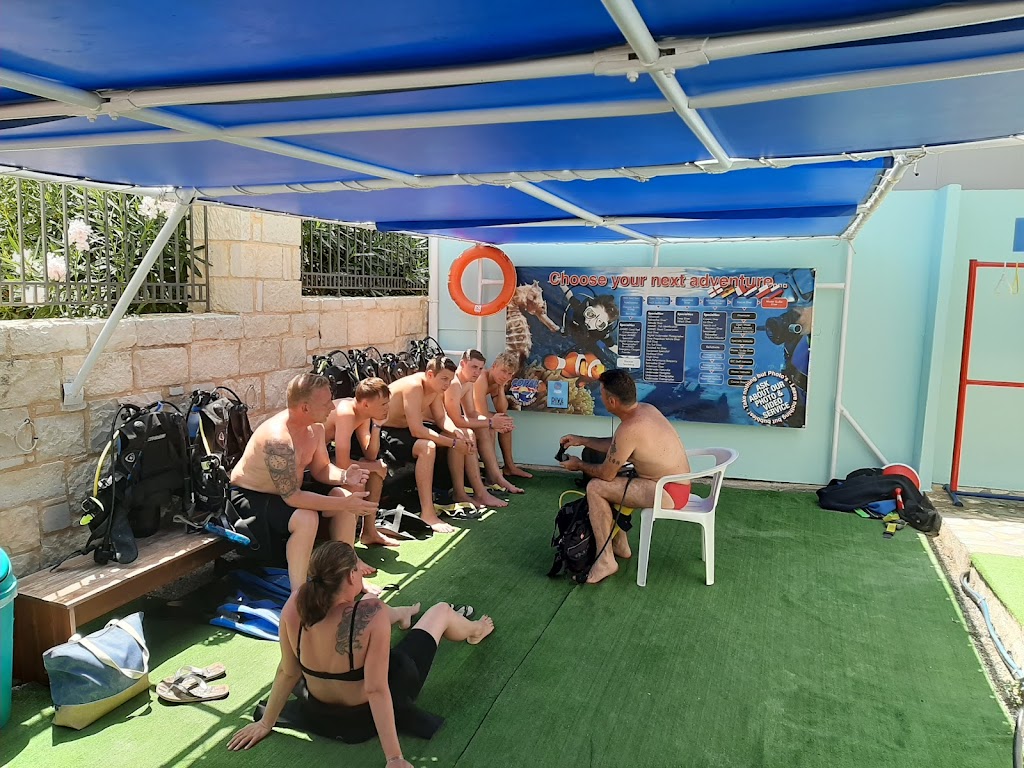
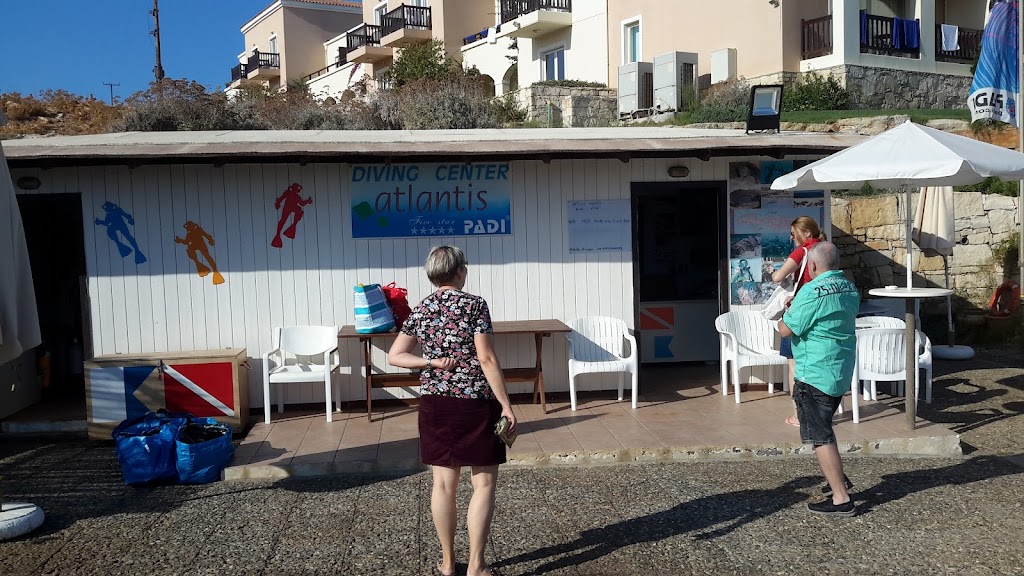
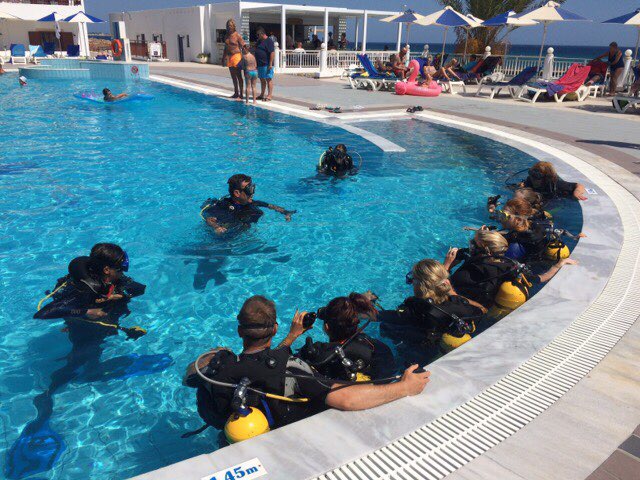
Dive Centers Near Amphora Cave
Today: 08:30 - 19:30
Nearest Airports
Nearest airports to help plan travel to this dive area.
Search Flights
Check available flights and routes on Expedia, using the nearby airports listed in this section.
Search Flights on ExpediaFrequently Asked Questions
What is the maximum depth of Amphora Cave?
Amphora Cave reaches a maximum depth of 18 m (60 ft), making it accessible for recreational divers who meet the necessary certification requirements for overhead environments.
Do I need special certification to dive Amphora Cave?
Yes, to enter the cave itself, which is an overhead environment, you should possess appropriate cave diving certification. Recreational divers without this certification should not penetrate the cave's interior.
What is the water temperature typically like?
Specific water temperatures for Amphora Cave are not consistently reported. However, in the wider Mediterranean region around Crete, temperatures generally range from 18-26°C (64-79°F) during the primary diving season.
What kind of marine life can be seen?
While the cave's main draw is its historical amphoras, the surrounding reef and sandy areas may reveal common Mediterranean species. Divers might encounter reef fish, and there's a possibility of seeing green turtles or stingrays in adjacent seagrass areas.
Is Amphora Cave suitable for beginners?
The site itself, particularly the outer areas, can be suitable for certified divers of various levels. However, entering the cave requires specific training and certification for overhead environments, so beginners should only observe from the entrance.
Planning to dive Amphora Cave?
Send one inquiry and receive offers directly from the best verified local dive operators.
Conditions are Excellent
07:00 - 14:00
Optimal conditions expected
Current conditions near Amphora Cave show 24° air, 27° sea temperature, 0.7 m waves, and 25 km/h wind. Forecast data is refreshed regularly to ensure accuracy.