
Diving at Shipwreck Named Africa (Greece)
Shipwreck Africa presents a distinctive shallow wreck experience, largely accessible within easy recreational limits. Divers can explore its structure, gaining a new perspective on a historical vessel now close to the shore. Maritime remnants transform into accessible underwater landscapes here.
Tonight's objective overview for Shipwreck Named Africa shows an air temperature of 25°C. The measured surface conditions include wave heights around 0.5 m. This environmental data is logged for the close of the day.
Dive Site Location & Key Facts
Dive Site Overview
Resting off the coast of Milos, the Shipwreck Africa offers a distinctive dive into maritime history. Originally sunken in 2004 near Sarakiniko beach, this vessel has since drifted closer to shore due to persistent local currents.
Now lying within a recreational depth range, its substantial length of over 90 meters (295 ft) provides ample structure for exploration. Divers can make a shore entry to access the remaining sections of the boat, which has become an integral part of the local underwater environment. Functioning as an artificial reef, it supports a diverse array of Mediterranean marine life.
This wreck is ideal for those keen on exploring without the demands of deeper, more technical sites, allowing for extended bottom times to fully appreciate its features and resident ecosystem.
Conditions are Good
07:00 - 14:00
Optimal conditions expected
Current conditions near Shipwreck Named Africa show 25° air, 25° sea temperature, 0.6 m waves, and 31 km/h wind. Forecast data is refreshed regularly to ensure accuracy.
Best Time to Dive
Optimal diving conditions for the Shipwreck Africa typically span from May through October, aligning with consistently good dive scores during these months. Air temperatures during this period range from 20°C (68°F) to 28°C (82°F), contributing to comfortable surface intervals. Rain becomes minimal, often less than 0.7 mm (0.03 inches) per month, and average wave heights remain below 0.9 meters (3 ft), creating calmer sea states. In contrast, winter months like January and February see moderate dive scores, with cooler air temperatures averaging 13.5-14°C (56-57°F) and higher average wave heights exceeding 1.4 meters (4.6 ft). While diving is possible year-round, the warmer, calmer conditions of the late spring to early autumn provide the most favorable experience.
PEAK SEASON SCORE
Scores combine air & water temps, waves, wind & rainfall for overall conditions.
BEST MONTHS TO DIVE
Monthly records compiled from satellite and marine observation nodes over the last 3 years. Data provided by Open-Meteo and MET Norway.
Dive Experience & Conditions
Divers approach Shipwreck Africa via a shore entry, navigating its structure. Its repositioning close to shore resulted from consistent local currents, which remain a factor during the dive. While generally suitable for Open Water certified divers due to its recreational depth, understanding and managing these variable currents is beneficial. Exploring the more than 90-meter-long vessel provides opportunities to observe how its features have adapted to the marine environment. Shallower sections allow for good ambient light penetration, enhancing visibility and making wreck details clear. It's a relatively straightforward dive, rewarding those who enjoy exploring accessible underwater history.
Dive Difficulty & Safety Guidelines
Approaching Shipwreck Africa requires understanding local conditions, particularly varying currents that led to its present position close to shore. While it's a shallow dive, divers should be aware of how currents might affect navigation and buoyancy control, especially during a shore entry. Its maximum depth is within recreational limits.
PADI Open Water Diver certification or equivalent is useful training for this site, ensuring fundamental skills are in place. Always dive with a buddy, conducting thorough buddy checks before entering the water.
Adhering to responsible wreck diving practices, like avoiding penetration into unstable sections, helps preserve the site for future exploration and ensures diver safety.
Recommended Equipment
Overhead / entanglement risk. Wreck penetration requires proper training.
- Dive Computer
- Primary & Backup Lights
- Wreck Reel
- Cutting Tool
- Hard-soled Dive Boots
This gear list is based on verified equipment signals for Shipwreck Named Africa, Greece. Always confirm final gear choices with your dive operator, guide, or liveaboard.
Recommended Dive Suit
For divers planning standard recreational dives, 3mm wetsuit is usually a suitable option. Consider warmer surface protection (like a boat coat) due to brisk winds. Divers vary widely in how quickly they feel cold underwater.
Conditions at Shipwreck Named Africa currently place the water temperature near 25°C (76°F). Surface air temperatures are resting at 25°C (77°F).
The forecast outlook suggests that temperatures will stay close to current levels.
Emergency & Medical Support
Essential information to help you plan your dive trip to Shipwreck named Africa.

Hyperbaric chambers are a critical part of dive safety infrastructure. Availability varies significantly by region, and not all dive areas have immediate access.
Before diving, it's recommended to:
- confirm nearest medical facilities
- check emergency procedures with local dive operators
- ensure dive insurance covers evacuation if required
Divers Alert Network
Diving emergency assistance available through DAN Europe.
+39 0642115685- 24/7 emergency hotline
- Diving medical assistance
- Evacuation coordination
Emergency contacts are provided for reference. Always verify local emergency services before diving.
Closest Listed Hyperbaric Chambers
Showing listed hyperbaric chamber facilities within 200 km of this dive site.
Distances are approximate straight-line distances and may not reflect emergency travel time.
TKYI/NNK
24/7 ListedChania, Greece•Approx. 140 km straight-line
TKYI/NNK
24/7 ListedInformation is provided for reference and planning purposes only. Dive Navigator does not verify operational status, staffing, availability, or quality of care at listed facilities. In an emergency, contact local emergency services, DAN, your dive operator, or the chamber directly. Do not travel to a facility without calling ahead.
Hyperbaric Medicine Dpt
N. Faliro, Greece•Approx. 151 km straight-line
Hyperbaric Medicine Dpt
Information is provided for reference and planning purposes only. Dive Navigator does not verify operational status, staffing, availability, or quality of care at listed facilities. In an emergency, contact local emergency services, DAN, your dive operator, or the chamber directly. Do not travel to a facility without calling ahead.
MKYI/NNA (DHDM/ANH)
24/7 ListedICU CapableAthens, Greece•Approx. 151 km straight-line
MKYI/NNA (DHDM/ANH)
24/7 ListedICU CapableInformation is provided for reference and planning purposes only. Dive Navigator does not verify operational status, staffing, availability, or quality of care at listed facilities. In an emergency, contact local emergency services, DAN, your dive operator, or the chamber directly. Do not travel to a facility without calling ahead.
Marine Life at Shipwreck Named Africa
Shipwreck Africa serves as a flourishing artificial reef, attracting a variety of Mediterranean marine life. Divers exploring its structure commonly observe schools of fish seeking shelter within its nooks and crannies.
Wreck surfaces are gradually colonized by algae and other marine growth, creating microhabitats for smaller invertebrates. It attracts diverse Mediterranean marine life, with some reports even noting occasional sightings of larger pelagic species passing by the area.
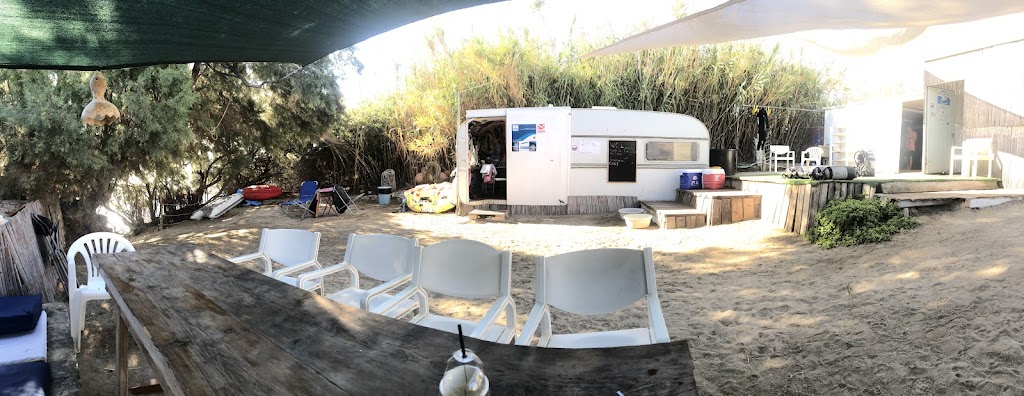
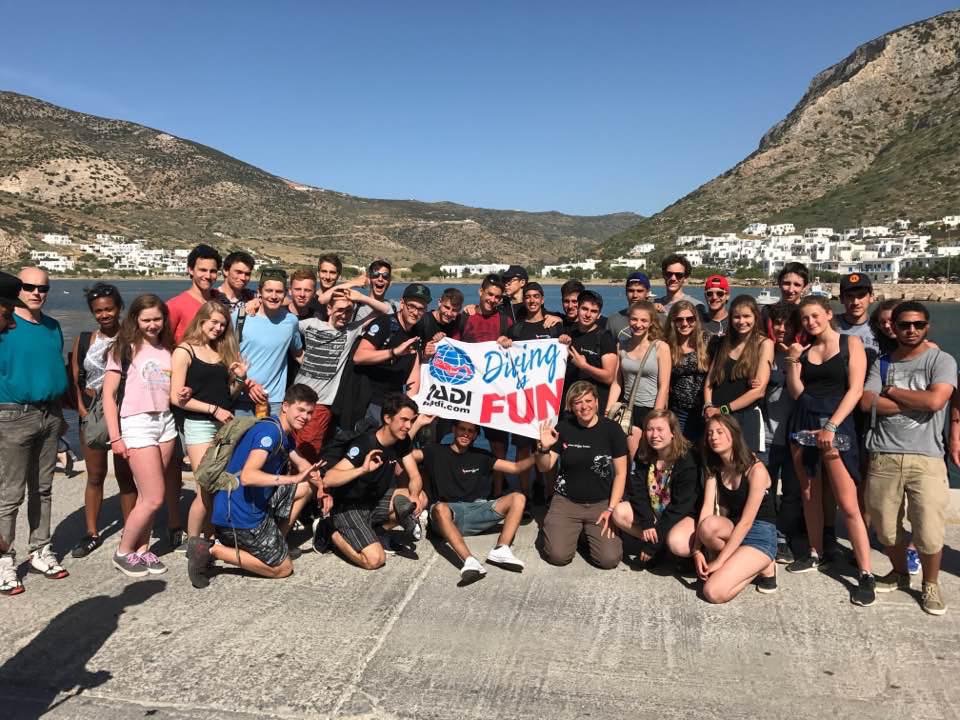
Dive Centers Near Shipwreck Named Africa
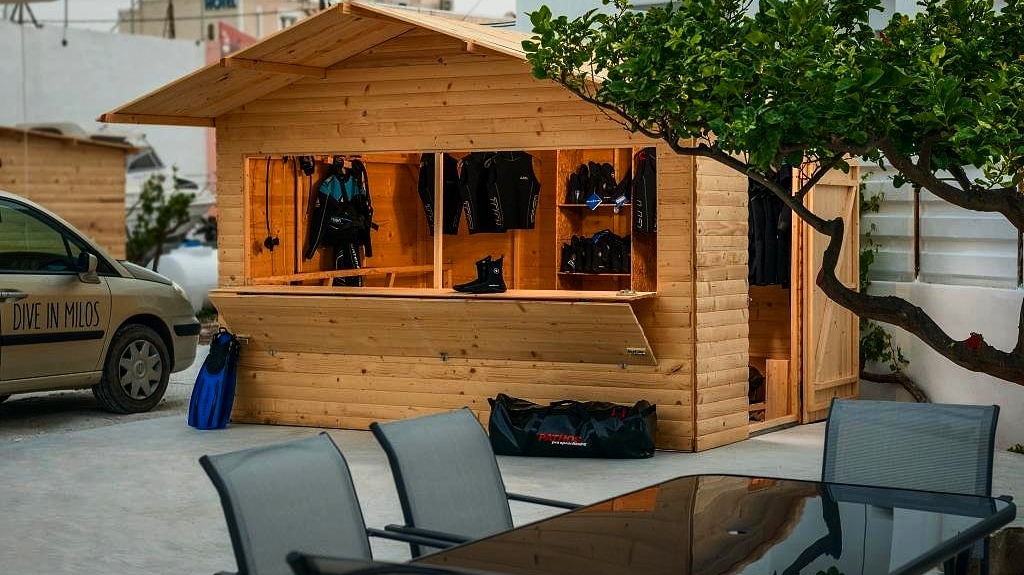
Today: 09:00 - 22:00
Nearest Airports
Nearest airports to help plan travel to this dive area.
Search Flights
Check available flights and routes on Expedia, using the nearby airports listed in this section.
Search Flights on ExpediaFrequently Asked Questions
What is the maximum depth of the Shipwreck Africa?
Shipwreck Africa lies at a maximum depth of 10 m (32 ft), making it an accessible dive for recreational divers. Its shallow nature allows for extended bottom times and good visibility.
What kind of certification is needed to dive this wreck?
A PADI Open Water Diver certification or equivalent entry-level certification is suitable for diving Shipwreck Africa. Its shallow depth and general accessibility make it appropriate for newer divers.
How do divers access the Shipwreck Africa?
Divers typically access the wreck via a shore entry. Its close proximity to the coast allows swimming out to the site directly from the beach.
When is the best time of year to dive the Africa wreck?
Generally, May through October offers the best conditions for diving this wreck. During these months, conditions are calmer, with less rain, lower wave heights, and warmer air temperatures.
Are there currents at the Shipwreck Africa site?
Yes, currents are a factor at this dive site. Its drift to the current position resulted from local currents, so divers should be prepared for varying conditions and plan accordingly.
What kind of marine life can be seen around the wreck?
Shipwreck Africa hosts a variety of Mediterranean marine life, acting as an artificial reef. Expect to see various schooling fish, smaller invertebrates, and diverse reef inhabitants that have colonized the wreck over time.
Planning to dive Shipwreck Named Africa?
Send one inquiry and receive offers directly from the best verified local dive operators.
Conditions are Good
07:00 - 14:00
Optimal conditions expected
Current conditions near Shipwreck Named Africa show 25° air, 25° sea temperature, 0.6 m waves, and 31 km/h wind. Forecast data is refreshed regularly to ensure accuracy.