
Diving at Lake Kleifarvatn (Iceland)
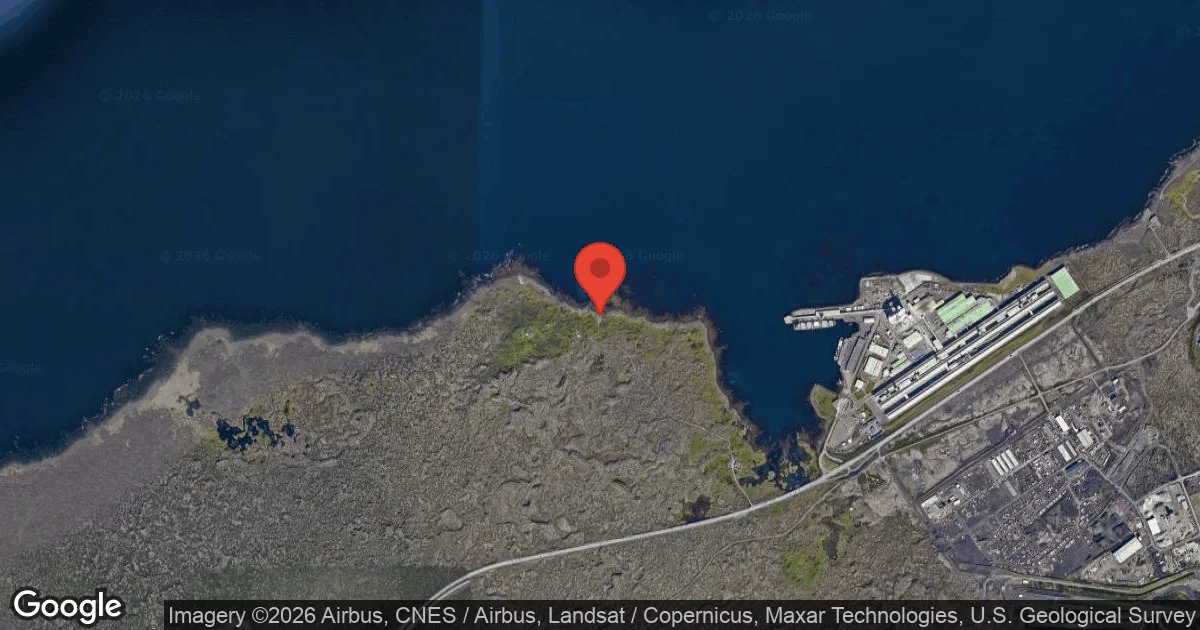
Lake Kleifarvatn is Iceland's largest lake on the Reykjanes peninsula, an impressive volcanic landscape. Nestled amidst steep, vividly colored hills and unusual lava formations, it lies directly on the Mid-Atlantic Ridge where continental plates diverge. This unique geological placement defines its underwater features, creating an otherworldly diving environment just 30 km (18.6 miles) outside of Reykjavík.
Starting the day at Lake Kleifarvatn, the ambient air temperature is recorded at 6.5°C. Ongoing monitoring shows wave heights measuring 1.5 m. This data represents the current surface conditions for early activities.
Dive Site Location & Key Facts
Dive Site Overview
Lake Kleifarvatn presents an extraordinary dive, a rare opportunity to witness the earth's raw power directly beneath the surface. This massive body of water, covering approximately eight to ten square kilometers, plunges to a remarkable maximum depth of 90-97 meters (295-318 ft), positioning it among Iceland's deepest lakes.
The primary attraction for divers are the active underwater hot springs, recently discovered around 10 meters (33 ft) from the shore along one side of the lake. These geothermal vents manifest as a large crater continuously expelling warm water and gases from the lakebed. Descending into this area, divers often perceive subtle vibrations transmitted through the surrounding rock formations, a direct consequence of gas bubbles vigorously pushing their way through the lake floor.
This creates a uniquely tactile and auditory experience, underlining the site's placement on the Mid-Atlantic Ridge. Furthermore, the lake's water levels are known to fluctuate significantly, influenced by shifts in groundwater levels and the absence of visible surface drainage.
These dynamic changes mean the underwater topography and access points can evolve, presenting a constantly changing, geologically active dive landscape that demands awareness and adaptability from those exploring its depths.
Conditions are Moderate
High Swell Advisory. Not recommended.
Current conditions near Lake Kleifarvatn show 6° air, 11° sea temperature, 2.2 m waves, and 23 km/h wind. Forecast data is refreshed regularly to ensure accuracy.
Best Time to Dive
Diving conditions at Lake Kleifarvatn are most favorable during the summer months, specifically June, July, and August, when dive scores reach a 'Moderate' rating. Air temperatures during this period average around 8-10.5°C (46-51°F), making surface intervals more tolerable than in colder seasons. Rainfall remains relatively low, averaging 4.7-5.6 mm (0.18-0.22 inches) per month, contributing to more stable surface conditions. Conversely, winter months, particularly March and December, are rated 'Unsafe' for diving. During this time, air temperatures hover around or below freezing, from -1 to 0.5°C (34-33°F), and the lake can partially freeze over, halting all diving and fishing activities. Higher wind speeds and increased surface chop are also common in the colder months, further complicating access and safety.
PEAK SEASON SCORE
Scores combine air & water temps, waves, wind & rainfall for overall conditions.
BEST MONTHS TO DIVE
Monthly records compiled from satellite and marine observation nodes over the last 3 years. Data provided by Open-Meteo and MET Norway.
Dive Experience & Conditions
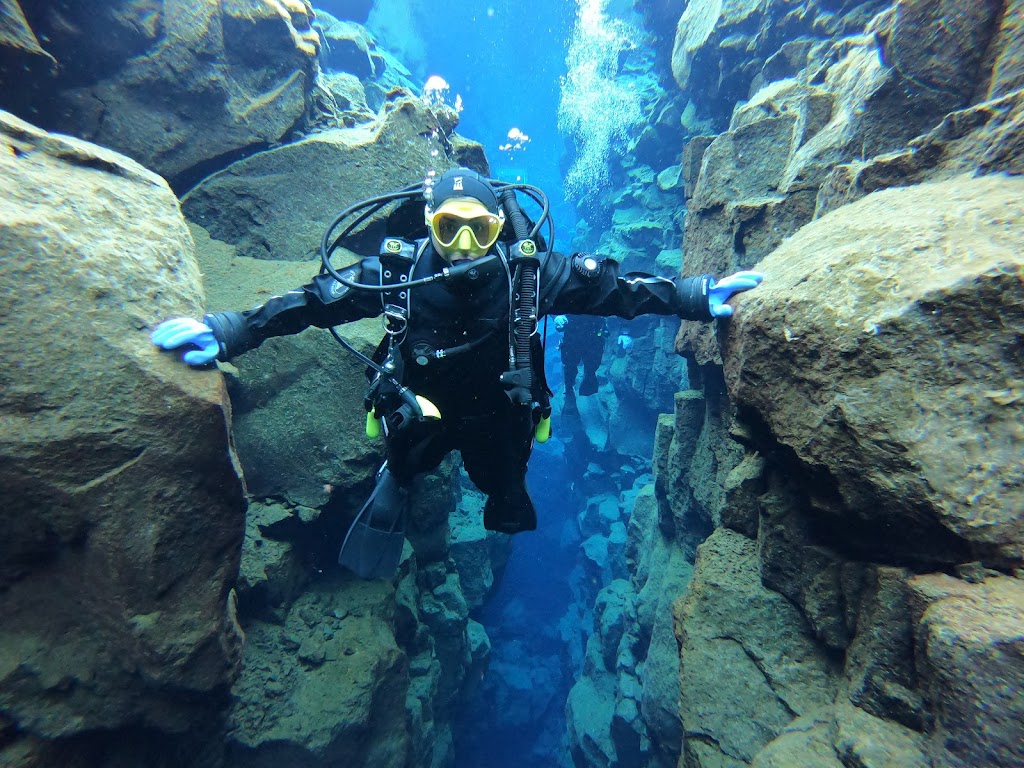
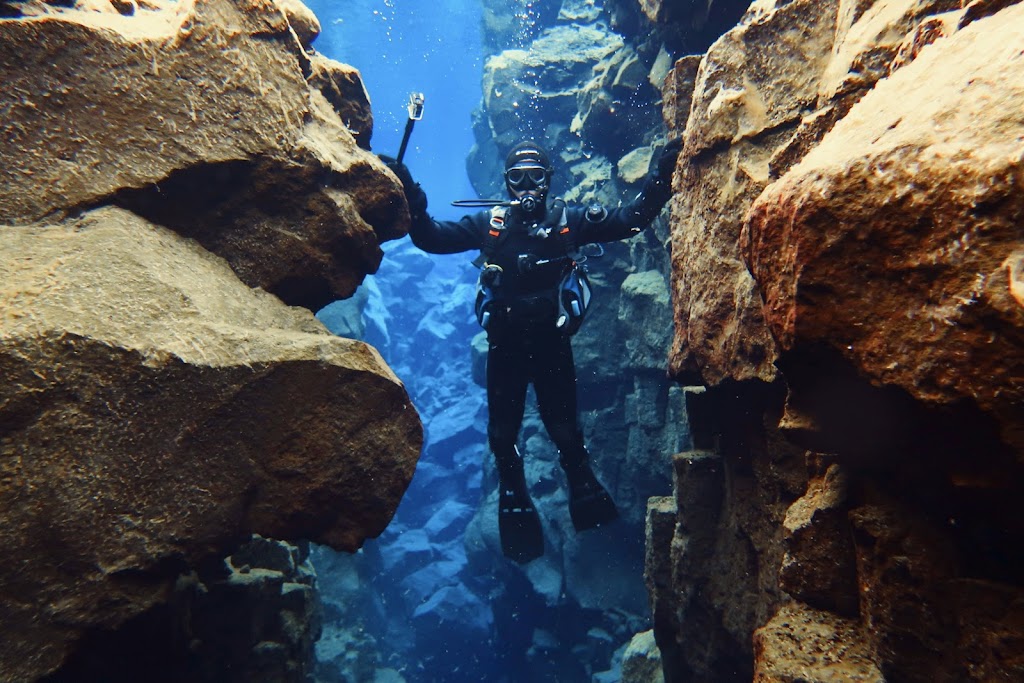
Exploring Lake Kleifarvatn reveals a depth profile that varies from shallow shoreline access to a maximum of 97 meters (318 ft). The primary draw lies in the active underwater hot springs, typically found around 10 meters (33 ft) from the shore. Here, divers encounter a large crater continuously expelling warm water and gases. You can often feel subtle vibrations transmitted through the rock formations due to the pressure of the escaping air bubbles. These geological features create a surreal environment, a direct connection to the Mid-Atlantic Ridge's geothermal energy. The lake's water levels are known to rise and fall, influenced by groundwater changes and past seismic activity, which means entry points and underwater topography can shift.
Dive Difficulty & Safety Guidelines
Diving in Lake Kleifarvatn requires careful consideration of its unique environmental challenges. The cold water temperatures, even with geothermal activity, necessitate appropriate thermal protection. Water levels in the lake fluctuate considerably, primarily due to groundwater changes and historical seismic events, so divers must verify current access conditions before planning an excursion.
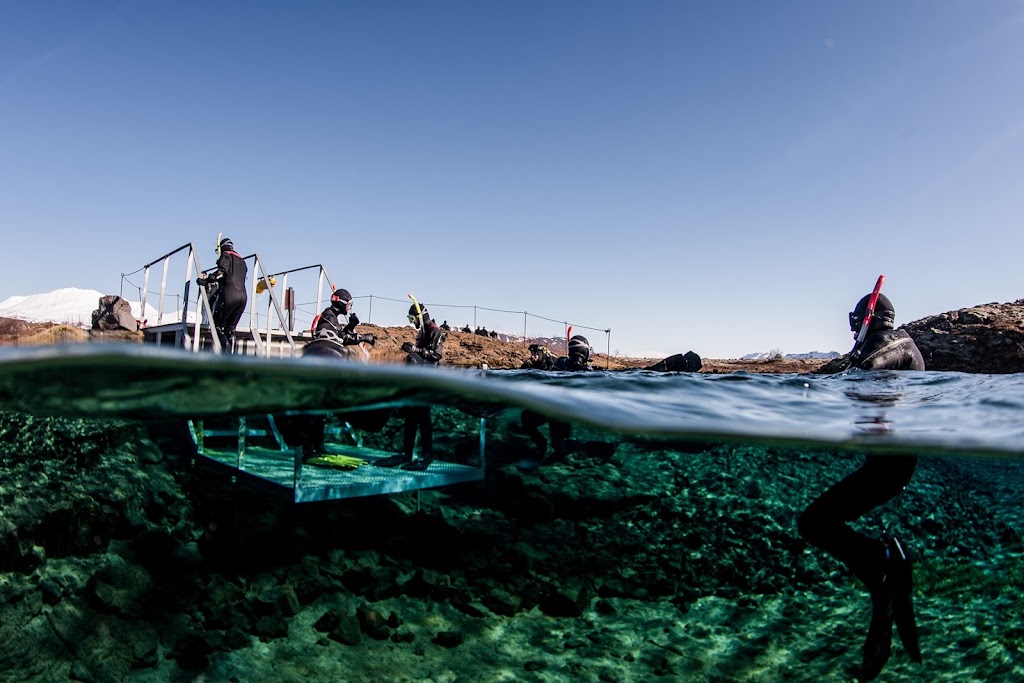
While there are no specific hazards listed in internal databases, the presence of underwater hot springs and gas emissions means divers should exercise caution and maintain awareness of their surroundings. Adequate training for dry suit diving and cold-water environments is essential for a safe experience here. Always check local advisories for current conditions.
Recommended Equipment
- Dive Computer
This gear list is based on verified equipment signals for Lake Kleifarvatn, Iceland. Always confirm final gear choices with your dive operator, guide, or liveaboard.
Recommended Dive Suit
In conditions like these, many divers prefer diving with drysuit (strongly recommended). Strong cold advisory: dress warmly immediately after exiting the water.
Current readings at Lake Kleifarvatn show water temperatures near 11°C (52°F). Surface air temperatures are resting at 6°C (43°F).
Forecast models indicate that diving conditions should remain largely unchanged.
Emergency & Medical Support
Essential information to help you plan your dive trip to Lake Kleifarvatn.

Hyperbaric chambers are a critical part of dive safety infrastructure. Availability varies significantly by region, and not all dive areas have immediate access.
Before diving, it's recommended to:
- confirm nearest medical facilities
- check emergency procedures with local dive operators
- ensure dive insurance covers evacuation if required
Divers Alert Network
Diving emergency assistance available through DAN Europe.
+39 0642115685- 24/7 emergency hotline
- Diving medical assistance
- Evacuation coordination
Emergency contacts are provided for reference. Always verify local emergency services before diving.
Marine Life at Lake Kleifarvatn
While not a coral reef, Lake Kleifarvatn offers a distinctive type of aquatic encounter. The lake is known for its unusually large brown trout and char, which thrive in its cold waters and are popular among summer anglers.
Observing these larger fish species in their natural, geothermally influenced habitat provides a unique perspective. Beyond the tangible, local lore also speaks of a serpent-like monster, adding a mythological dimension to the deep, mysterious waters, though actual sightings remain unconfirmed.
Dive Sites Near Lake Kleifarvatn
View all dive sites in IcelandDiscover more underwater gems in this area.
Dive Centers Near Lake Kleifarvatn
Today: Closed
Nearest Airports
Nearest airports to help plan travel to this dive area.
Search Flights
Check available flights and routes on Expedia, using the nearby airports listed in this section.
Search Flights on ExpediaFrequently Asked Questions
What makes Lake Kleifarvatn a unique dive site?
Kleifarvatn sits on the Mid-Atlantic Ridge, featuring active underwater hot springs and gas-emitting craters that create palpable vibrations. Its volcanic landscape and fluctuating water levels further contribute to a distinct, geothermally influenced dive experience.
What is the typical water temperature for diving?
While specific water temperature data is not consistently reported, the lake is known for its cold water, typical of Icelandic lakes, despite the presence of warm geothermal vents. Divers should prepare for cold water conditions.
Are there any specific marine animals to look for?
The lake is home to unusually large brown trout and char. While not abundant in species diversity, the chance to observe these sizeable fish in a cold, geothermal lake environment is notable.
How do water levels affect diving at Kleifarvatn?
Water levels at Lake Kleifarvatn constantly rise and fall due to groundwater changes and tectonic activity. Divers must frequently check conditions as these fluctuations can impact access to dive sites and alter underwater topography.
When is the optimal time for diving in Lake Kleifarvatn?
The best time to dive is during the summer months, from June to August, when air temperatures are mildest and surface conditions are more stable. Winter diving is generally discouraged due to freezing conditions and low dive scores.
What safety precautions should divers take?
Divers should be proficient in dry suit diving and cold-water techniques. It's crucial to monitor current water levels for safe entry and exit, and be aware of the geothermal activity, including gas emissions and subtle vibrations from the lakebed.
Planning to dive Lake Kleifarvatn?
Send one inquiry and receive offers directly from the best verified local dive operators.
Conditions are Moderate
High Swell Advisory. Not recommended.
Current conditions near Lake Kleifarvatn show 6° air, 11° sea temperature, 2.2 m waves, and 23 km/h wind. Forecast data is refreshed regularly to ensure accuracy.