
Diving at Canyon Wall (India)
Near Havelock Island in India's Andaman archipelago, The Wall is an iconic dive site distinguished by its dramatic topography. In the channel between Havelock and Peel Island, often marked by the nearby lighthouse, its distinct wall-like reef structure presents itself. It caters to a broad range of certified divers, from those seeking shallower exploration along a coral ridge to experienced individuals venturing into its deeper vertical drop-offs.
Tonight's objective overview for Canyon Wall shows an air temperature of 25.5°C. The measured surface conditions include wave heights around 0.5 m. This environmental data is logged for the close of the day.
Dive Site Location & Key Facts
Dive Site Overview
Exploring The Wall reveals a dive site that masterfully blends accessibility for new divers with invigorating challenges for the seasoned. Its unique topography features a coral-covered ridge starting around 10-12 m (30-40 ft), transitioning swiftly into a dramatic drop-off.
Divers can descend along this impressive wall to depths extending beyond 40 m (130 ft), with the deepest point reaching up to 55 m (180 ft). The site’s varied terrain, comprising coral rocks and sandy beds, creates diverse microhabitats. Discovered early, around 2004, this location remains a staple, just a 10 to 15-minute boat ride from Havelock.
It's a hunting hotspot for schooling fish and home to smaller, fascinating reef inhabitants. The vibrant soft corals, displaying hues from purple and green to yellow, pink, and white, adorn the reef, making each descent an immersive visual experience.
Conditions are Good
Optimal conditions expected
Current conditions near Canyon Wall show 26° air, 29° sea temperature, 0.6 m waves, and 22 km/h wind. Forecast data is refreshed regularly to ensure accuracy.
Best Time to Dive
Diving conditions at The Wall are typically favorable for much of the year, providing ample opportunities for a rewarding experience. The prime diving period, with consistently good dive scores, generally spans from February through October. During these months, air temperatures are comfortably warm, averaging between 26.5°C and 30.5°C (79.3-86.5°F), and rain is minimal, ranging from 0.3mm to 8.8mm. Wave heights are also lower, usually between 0.7 m and 1.0 m, ensuring calmer surface conditions. As the year progresses into November, December, and January, conditions transition to moderate dive scores. Air temperatures remain pleasant, averaging 25°C to 26.5°C (77-80°F), but rain events become more frequent, reaching up to 12.4mm in November. Additionally, wave heights tend to be higher during this period, from 1.1 m to 1.3 m. Water temperatures are not consistently reported but typically remain warm in this tropical climate.
PEAK SEASON SCORE
Scores combine air & water temps, waves, wind & rainfall for overall conditions.
BEST MONTHS TO DIVE
Monthly records compiled from satellite and marine observation nodes over the last 3 years. Data provided by Open-Meteo and MET Norway.
Dive Experience & Conditions
Current flow dynamics profoundly shape the dive experience at The Wall. Divers frequently encounter medium to strong currents at deeper sections, which can provide exhilarating drifts for experienced individuals. Such currents, however, necessitate careful planning and good buoyancy control, especially when exploring the wall's full extent. For beginners, diving here is still possible and encouraged, provided they are accompanied and guided by a certified instructor who can navigate them through the more sheltered areas. Reef structure includes multiple underwater reefs, with two primary formations about 30 meters apart horizontally. Its sharp drop-off provides a dramatic visual as the reef plunges into the blue. Shallower parts of the reef begin at approximately 10 m (30 ft), offering a relaxed start before deeper sections of the wall are explored. Water temperatures vary depending on conditions but generally support comfortable diving.
Dive Difficulty & Safety Guidelines
Approaching The Wall requires consideration of diver skill and certification levels due to its variable depths and potential currents. It’s accessible for certified divers of all levels; however, individuals without extensive experience should always dive under the direct supervision of an instructor. The site descends from a shallow ridge at about 10 m (30 ft) to its maximum depth of 55 m (180 ft).
Divers planning to explore the deeper sections must possess appropriate deep diving certifications and adhere strictly to no-decompression limits. Medium to strong currents can occur, particularly at depth, demanding proficient finning techniques and situational awareness.
Always conduct thorough gear checks, plan your dive within your limits, and maintain visual contact with your buddy or group to ensure a safe and enjoyable exploration of this dynamic site.
Recommended Equipment
Deep dive hazard. Increased narcosis and gas consumption risk.
Overhead / entanglement risk. Wreck penetration requires proper training.
- Dive Computer
- DSMB
- Primary & Backup Lights
- Wreck Reel
- Cutting Tool
This gear list is based on verified equipment signals for Canyon Wall, India. Always confirm final gear choices with your dive operator, guide, or liveaboard.
Recommended Dive Suit
A warming trend is expected over the next few days. A warming trend is expected over the next few days.
Factors such as dive duration, depth, and activity level can influence how warm a diver feels underwater.
Dive skin or rash guard typically balances flexibility and thermal protection in these temperatures. A hood or vest is suggested for sensitive divers due to surface winds. Divers preparing to enter the water at Canyon Wall will likely find temperatures around 29°C (84°F) today. Surface air temperatures are resting at 26°C (78°F).
Emergency & Medical Support
Essential information to help you plan your dive trip to Canyon Wall.

Hyperbaric chambers are a critical part of dive safety infrastructure. Availability varies significantly by region, and not all dive areas have immediate access.
Before diving, it's recommended to:
- confirm nearest medical facilities
- check emergency procedures with local dive operators
- ensure dive insurance covers evacuation if required
Divers Alert Network
Diving emergency assistance available through DAN World.
+1-919-684-9111- 24/7 emergency hotline
- Diving medical assistance
- Evacuation coordination
Emergency contacts are provided for reference. Always verify local emergency services before diving.
Marine Life at Canyon Wall
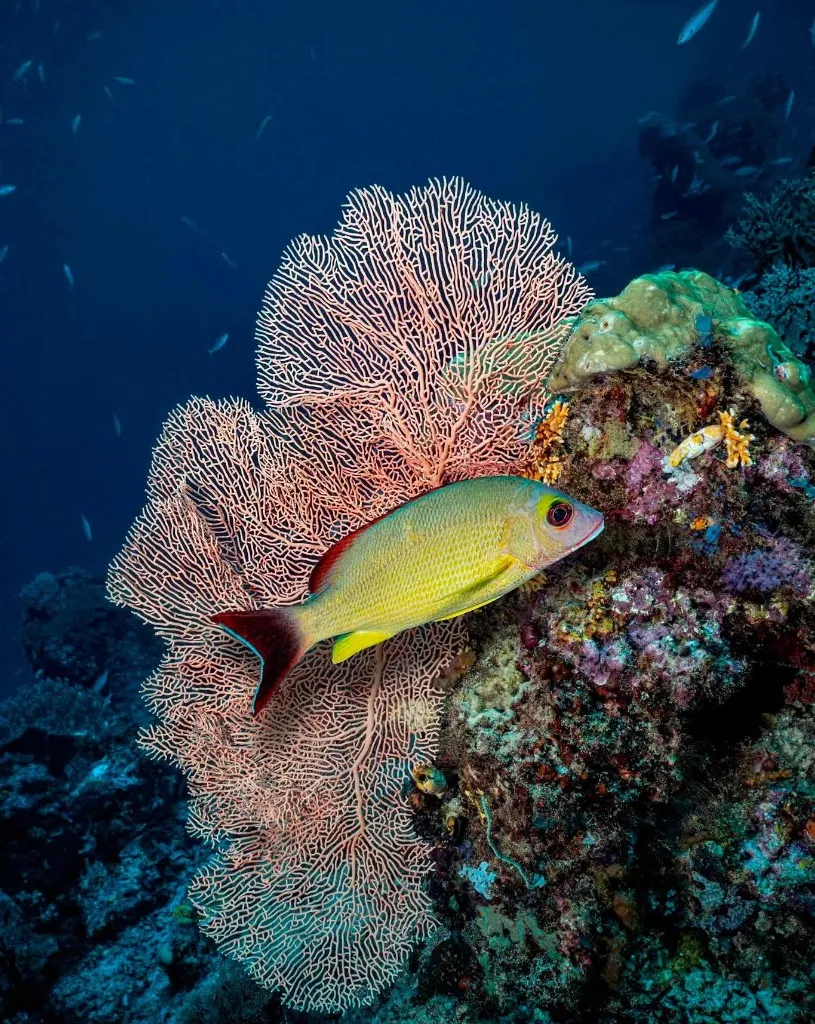
The underwater landscape of The Wall provides diverse habitats supporting a wide array of marine species. Along the colorful reef, soft corals in hues of purple, green, yellow, pink, and white create a vibrant tapestry.
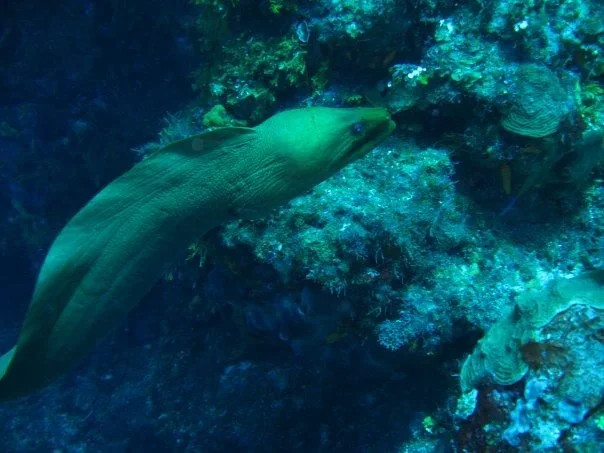
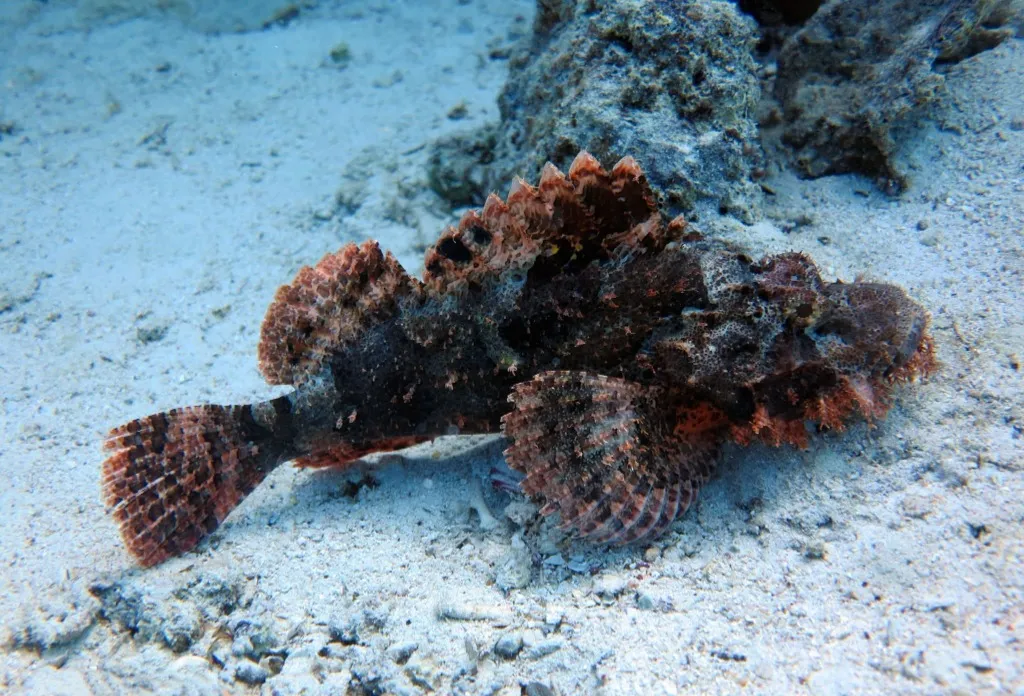
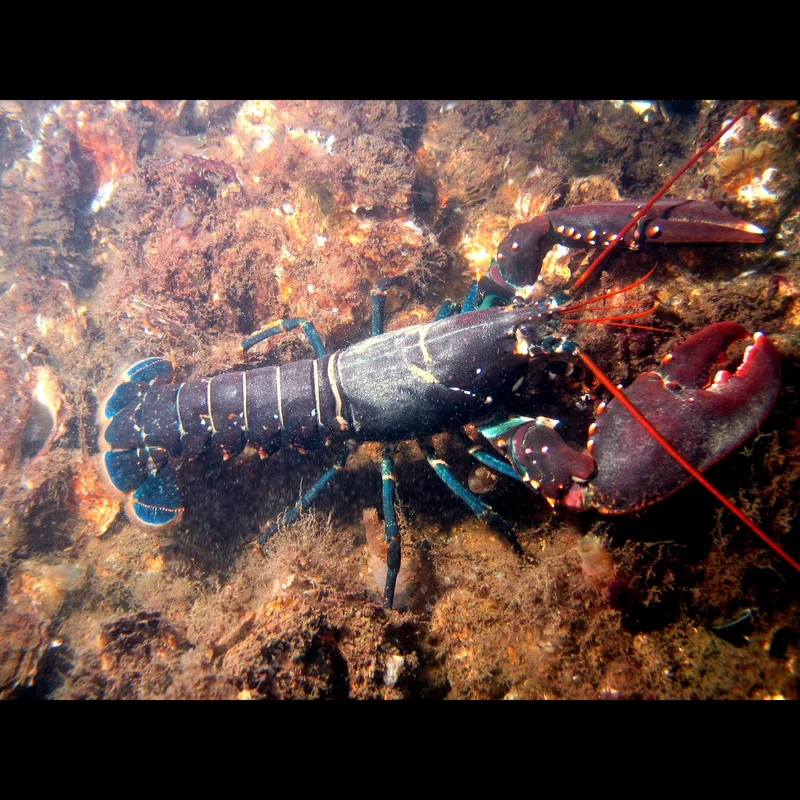
The top of the wall is a micro-organism rich zone, home to fascinating creatures such as stonefish, scorpionfish, various lobsters, anemonefish, lionfish, and several shrimp species. Moving further into the blue, the site acts as a hunting action hotspot where divers can observe large schooling fish.
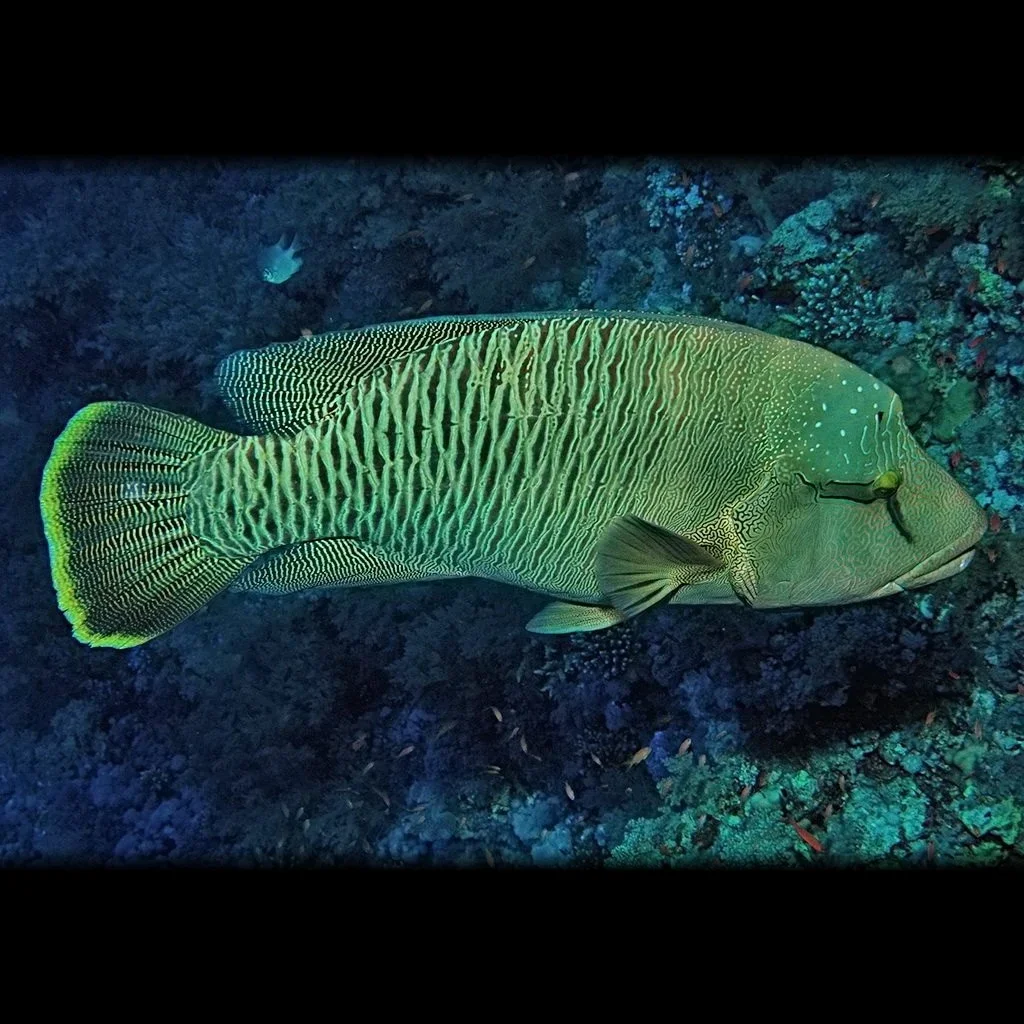
Jackfish, fusiliers, snappers, and bannerfish are commonly seen, and barracuda sometimes make an appearance. Additionally, the reef is known to harbor octopus, cuttlefish, squids, and a resident harem of Napoleon wrasses.
Dive Sites Near Canyon Wall
View all dive sites in IndiaDiscover more underwater gems in this area.
Dive Centers Near Canyon Wall
Today: 05:00 - 21:00

Nearest Airports
Nearest airports to help plan travel to this dive area.
Search Flights
Check available flights and routes on Expedia, using the nearby airports listed in this section.
Search Flights on ExpediaFrequently Asked Questions
What is the maximum depth at The Wall, Havelock Island?
A significant depth range is offered at The Wall, starting around 10 meters (30 ft) at its shallowest point. From there, the wall plunges down to a maximum reported depth of 55 meters (180 ft), catering to different certification levels.
Is The Wall suitable for beginner divers?
Yes, The Wall is suitable for beginners, especially when accompanied by an instructor. While deeper sections can have strong currents, instructors can guide new divers through shallower, more manageable areas of the site.
What kind of marine life can be seen at The Wall?
Rich marine observations characterize this site, including soft corals of various colors. Divers can spot large schooling fish like jackfish, fusiliers, snappers, and barracuda. The reef top hosts stonefish, scorpionfish, lobsters, anemonefish, lionfish, and shrimps.
Where is The Wall dive site located?
Found near Havelock Island, also known as Swaraj Dweep, in India, The Wall dive site sits in the channel that runs between Havelock and Peel Island, often identified by the nearby lighthouse.
Are there strong currents at The Wall?
Yes, divers can expect to encounter medium to strong currents, particularly at deeper sections of The Wall. These currents make it an exciting dive for experienced individuals and require careful management for all divers.
What type of topography does The Wall feature?
Its topography is characterized by a ridge starting at shallower depths that transitions into a dramatic, sharp drop-off. This site also includes a combination of soft and hard corals adorning the rock face, and some small caves.
How long does it take to reach The Wall by boat from Havelock Island?
Reaching The Wall dive site from Havelock Island is a relatively quick trip. It typically takes about 10 to 15 minutes by boat from most local dive operators.
Planning to dive Canyon Wall?
Send one inquiry and receive offers directly from the best verified local dive operators.
Conditions are Good
Optimal conditions expected
Current conditions near Canyon Wall show 26° air, 29° sea temperature, 0.6 m waves, and 22 km/h wind. Forecast data is refreshed regularly to ensure accuracy.