
Diving at Temple Reef (India)
Temple Reef presents a distinctive underwater landscape, structured around both natural formations and an intentional artificial reef. This site integrates various metal structures, old scooters, and palm leaves to create habitat. Exploring these features reveals how human-made elements can foster marine growth. It's an accessible dive experience, blending natural and constructed environments.
Tonight's objective overview for Temple Reef shows an air temperature of 30°C. The measured surface conditions include wave heights around 0.5 m. This environmental data is logged for the close of the day.
Dive Site Location & Key Facts
Dive Site Overview
What distinguishes Temple Reef is its blend of purpose-built artificial reef structures alongside natural marine formations off the coast of Pondicherry. Divers will encounter a varied topography featuring deliberately sunk items like scooters, metal structures, and bundles of palm leaves that collectively form a complex habitat.
This artificial reef design supports a diverse ecosystem, offering shelter and foraging grounds for numerous species. The site is part of a larger network of 26 dive sites in the region, which includes natural reefs and several wrecks, like a recently discovered trawler. While some sites like Aravind's Wall showcase gorgonian fan corals, Temple Reef itself focuses on the evolution of life around its artificial components.
Depths at Temple Reef typically range within recreational limits, with some nearby areas, such as 3 Roses and Botanical Garden, descending to technical depths. Water temperatures are not consistently reported in available data, but air temperatures indicate a generally warm climate throughout the year, suggesting comfortable diving conditions.
Conditions are Good
Optimal conditions expected
Current conditions near Temple Reef show 30° air, 30° sea temperature, 0.7 m waves, and 25 km/h wind. Forecast data is refreshed regularly to ensure accuracy.
Best Time to Dive
Planning a dive at Temple Reef is generally best between February and October, aligning with months rated 'Good' for diving conditions. During this period, average air temperatures range from 26.5°C (80°F) in February to a peak of around 29.5°C (85°F) in May, ensuring comfortable surface intervals. Rain activity is notably low during these months, often less than 5 mm (0.2 inches) monthly, which typically translates to better visibility. Wave heights also tend to be lower, usually below 1 meter (3.3 ft), and wind speeds are more moderate, making for smoother boat rides and calmer entries. Conversely, November, December, and January fall into the 'Moderate' dive score category, characterized by higher average wave heights reaching up to 1.2 meters (3.9 ft) and increased rainfall, which can sometimes impact visibility and surface conditions.
PEAK SEASON SCORE
Scores combine air & water temps, waves, wind & rainfall for overall conditions.
BEST MONTHS TO DIVE
Monthly records compiled from satellite and marine observation nodes over the last 3 years. Data provided by Open-Meteo and MET Norway.
Dive Experience & Conditions
Diving here provides an immersive experience into a thriving artificial habitat. You'll descend onto an array of structures, from old scooters to metal frames, each now serving as a substrate for marine life. The reef systems, both natural and artificial, often experience gentle drift currents, which can make for an effortless exploration as you glide over the corals. Visibility varies depending on conditions, but during optimal months, it allows for clear views of the vibrant surroundings. Water movement can fluctuate, occasionally bringing stronger currents, especially further offshore where sites tagged for drift diving exist. While specific water temperatures aren't consistently reported, the warm air temperatures suggest relatively mild water, suitable for prolonged dives without heavy thermal protection.
Dive Difficulty & Safety Guidelines
For a safe dive at Temple Reef, always adhere to standard diving protocols and listen to your dive guide's briefing. As some sites here involve drift diving, understanding and practicing proper current procedures is crucial. Be prepared for varied wave and wind conditions; while usually moderate, waves can reach over a meter (3.3 ft) during certain times of the year, particularly from November to January, which might impact surface operations.
Perform thorough buddy checks and monitor your air consumption, especially when exploring deeper sections or covering larger areas on a drift dive. There are no specific hazards consistently reported for this site, but general awareness of your surroundings and marine life interactions is always recommended.
Maintaining neutral buoyancy helps protect the delicate reef structures, both natural and artificial.
Recommended Equipment
Overhead / entanglement risk. Wreck penetration requires proper training.
Current and surface separation risk. Local briefing strongly recommended.
- Dive Computer
- DSMB
- Primary & Backup Lights
- Wreck Reel
- Reel / Spool
- Cutting Tool
This gear list is based on verified equipment signals for Temple Reef, India. Always confirm final gear choices with your dive operator, guide, or liveaboard.
Recommended Dive Suit
Exposure protection is partly a personal preference.
Dive skin or rash guard typically provides a reliable level of thermal protection for dives here. A hood or vest is suggested for sensitive divers due to surface winds. The coming days appear slightly cooler according to the latest forecast. Cooler days are ahead; you might want a warmer option for later in the week. Carrying a secondary suit is common practice among experienced divers.
Current temperature readings suggest that the water at Temple Reef is around 30°C (86°F). Surface air temperatures are resting at 30°C (86°F).
Emergency & Medical Support
Essential information to help you plan your dive trip to Temple Reef.

Hyperbaric chambers are a critical part of dive safety infrastructure. Availability varies significantly by region, and not all dive areas have immediate access.
Before diving, it's recommended to:
- confirm nearest medical facilities
- check emergency procedures with local dive operators
- ensure dive insurance covers evacuation if required
Divers Alert Network
Diving emergency assistance available through DAN World.
+1-919-684-9111- 24/7 emergency hotline
- Diving medical assistance
- Evacuation coordination
Emergency contacts are provided for reference. Always verify local emergency services before diving.
Marine Life at Temple Reef
Descending into Temple Reef, you'll first notice the inventive artificial structures that now host an array of marine life. Fish species commonly observed on Indian reefs find shelter and food among the palm leaves and metal.
While no specific marine life is consistently reported, the 'reef' and 'wreck' tags imply a healthy population of reef fish and invertebrates. Aravind's Wall, a nearby site, is noted for its beautiful gorgonian fan corals, hinting at the potential for similar sightings in the broader region.
Expect to see smaller reef inhabitants thriving in and around the varied textures of the artificial structures, adapting to this unique underwater environment.

Dive Sites Near Temple Reef
View all dive sites in IndiaDiscover more underwater gems in this area.
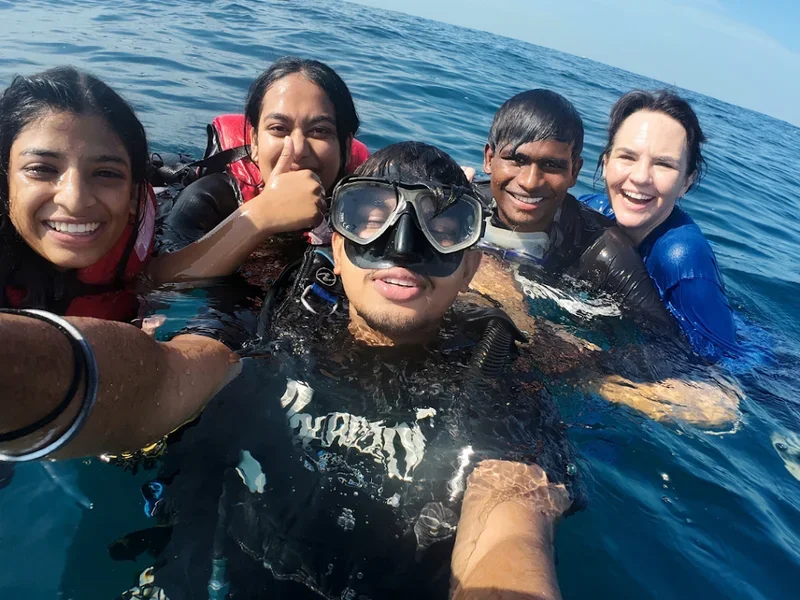
Dive Centers Near Temple Reef
Today: 05:00 - 21:00

Nearest Airports
Nearest airports to help plan travel to this dive area.
Search Flights
Check available flights and routes on Expedia, using the nearby airports listed in this section.
Search Flights on ExpediaFrequently Asked Questions
What kind of structures comprise Temple Reef?
Temple Reef is an artificial reef built using a variety of materials including palm leaves, old scooters, and various other metal structures. These elements were intentionally deployed to create new habitats for marine life, fostering biodiversity in the area.
Are there natural reef formations at Temple Reef?
While Temple Reef is primarily known for its artificial structures, it is part of a larger dive area that includes both artificial and natural dive sites. Other nearby sites, such as Aravind's Wall, feature natural formations like gorgonian fan corals.
What is the typical depth range for diving at Temple Reef?
Diving at Temple Reef generally occurs within recreational depth limits. While specific depths for this site are not consistently reported, other sites in the vicinity, like 3 Roses and Botanical Garden, can extend to technical depths.
When is the best time to visit Temple Reef for diving?
The optimal time for diving at Temple Reef is typically from February to October. These months offer 'Good' dive conditions with comfortable air temperatures, lower rainfall, and more favorable wave and wind conditions.
What are the common water conditions like?
Water conditions can vary, but the site is associated with drift diving, indicating the presence of currents. Wave heights are generally below 1 meter (3.3 ft) during peak dive season, and while water temperature isn't consistently reported, the warm climate suggests mild water.
Is Temple Reef suitable for beginners?
The presence of drift diving and varying depths suggests that while some areas might be beginner-friendly, divers should have appropriate certification and experience for specific sites. Always consult with a local dive operator who can assess your skill level and guide you to suitable spots.
What kind of marine life can I expect to see?
Given its structure as both an artificial and natural reef, Temple Reef supports a diverse ecosystem. Divers can anticipate encountering various reef fish, invertebrates, and potentially gorgonian fan corals in the broader dive region.
Planning to dive Temple Reef?
Send one inquiry and receive offers directly from the best verified local dive operators.
Conditions are Good
Optimal conditions expected
Current conditions near Temple Reef show 30° air, 30° sea temperature, 0.7 m waves, and 25 km/h wind. Forecast data is refreshed regularly to ensure accuracy.