
Diving at Chicken Reef (Indonesia)
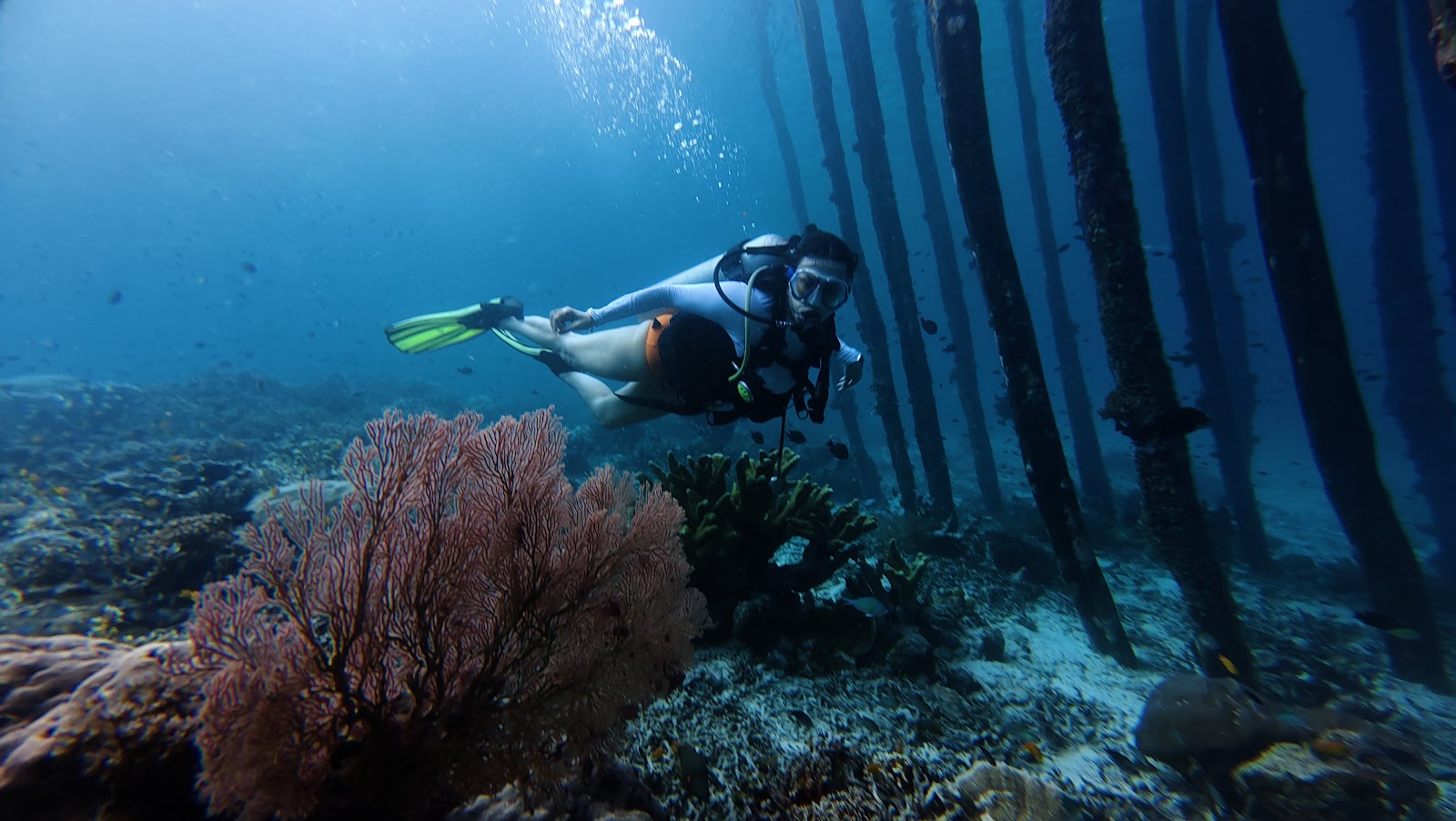
Rolling backward off the boat at Chicken Reef, the initial moments are unhurried, inviting divers into a gentle descent. Clear water soon reveals a subtly sloping coral reef rather than an abrupt wall or pinnacle. There's no immediate dramatic drop-off or singular spectacle. Instead, the underwater world gradually unfolds, setting a calm, observant tone for the dive ahead.
Tonight's objective overview for Chicken Reef shows an air temperature of 27°C. The measured surface conditions include wave heights around 0.1 m. This environmental data is logged for the close of the day.
Dive Site Location & Key Facts
Dive Site Overview
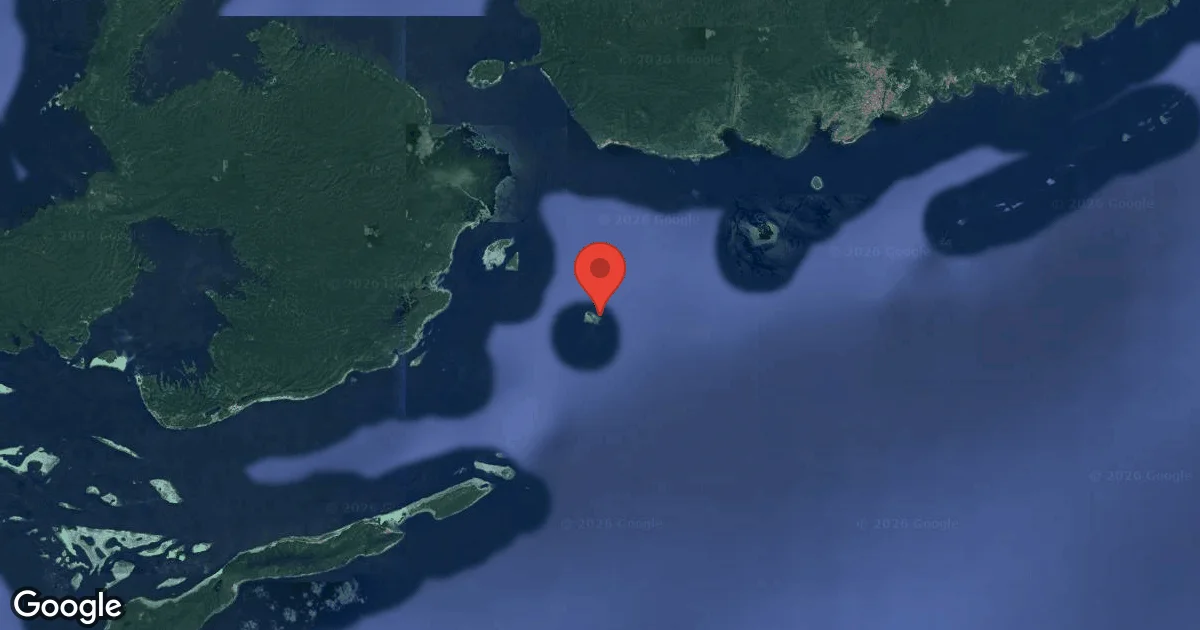
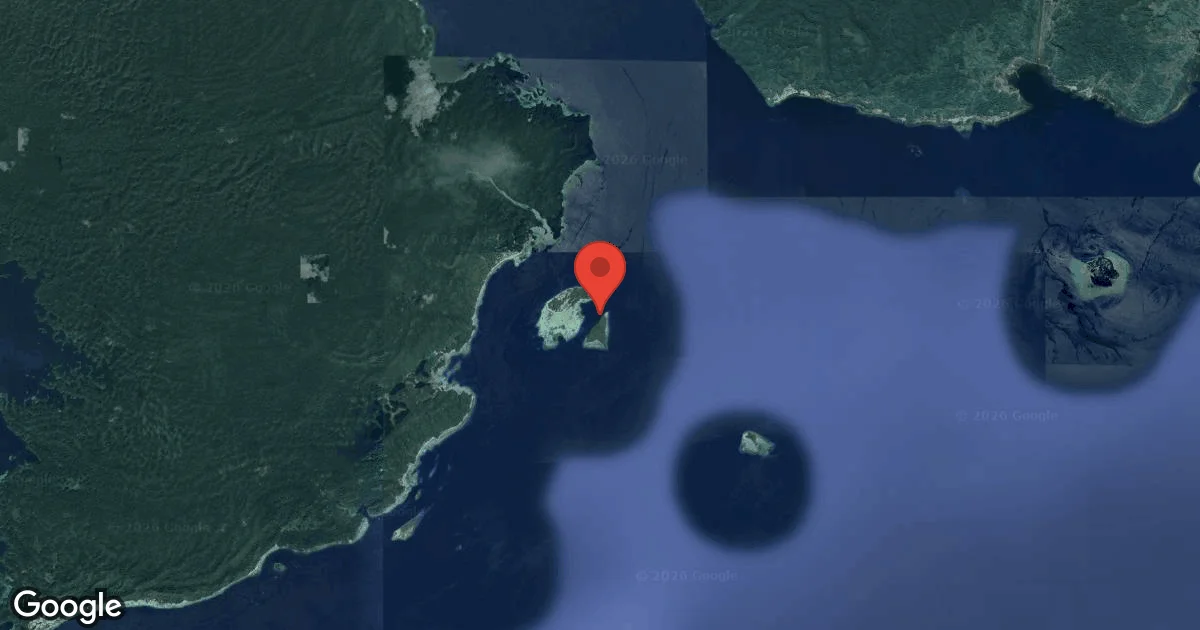
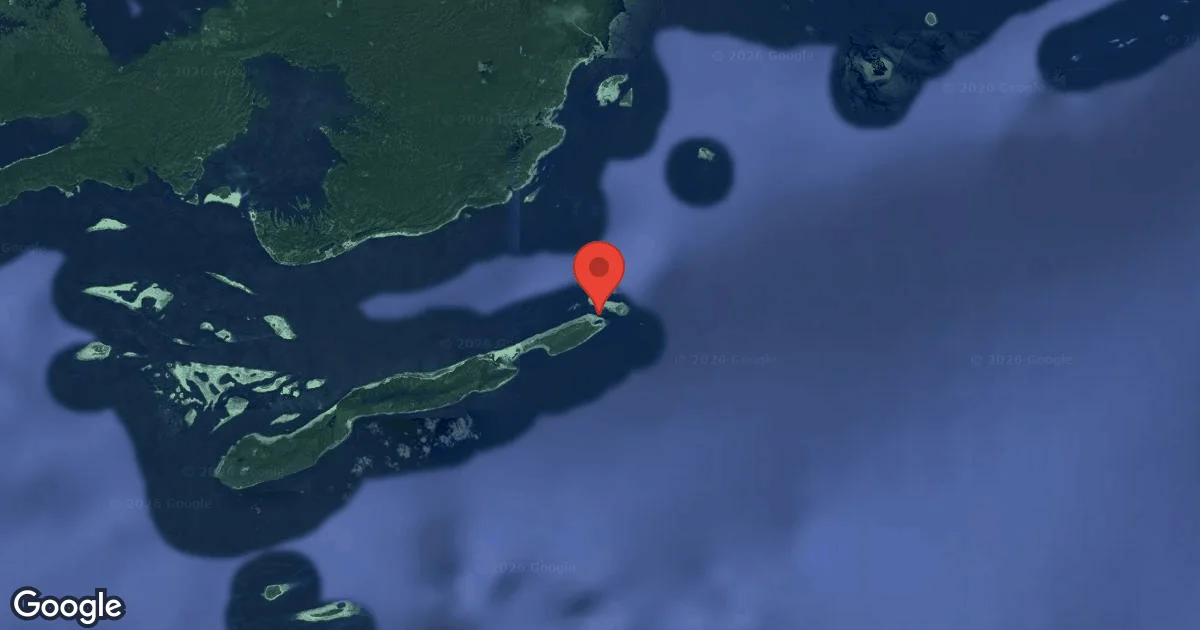
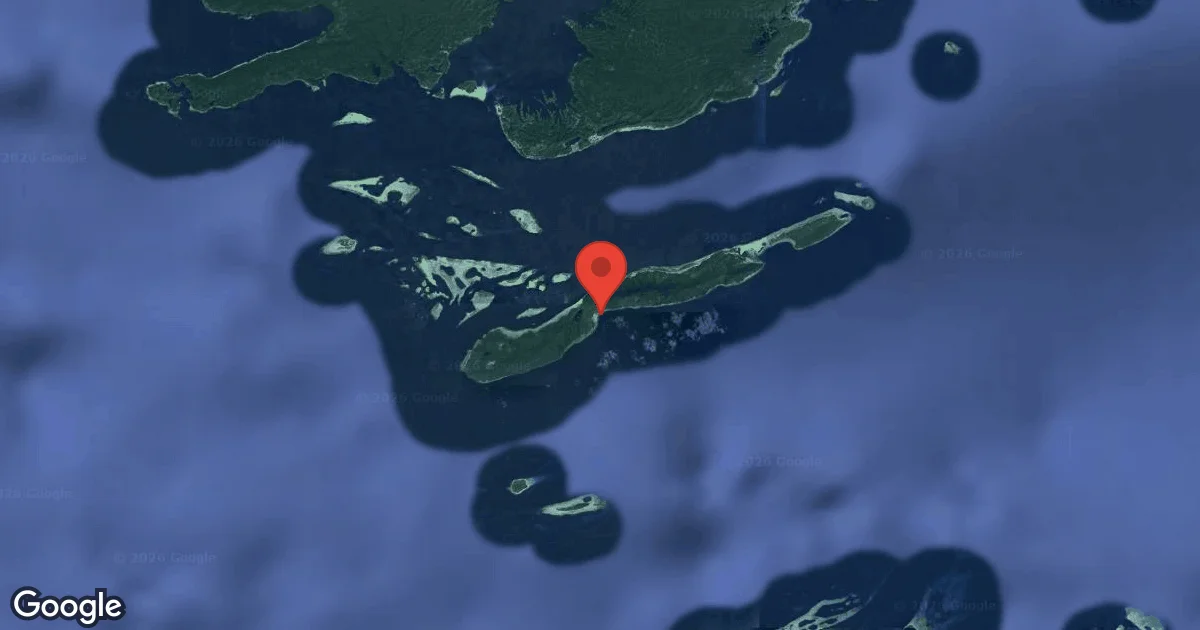
Chicken Reef is a submerged pinnacle, presenting itself as a scenic reef slope within Raja Ampat's biodiverse Dampier Strait, northeast of Kri Island. This site descends from shallow sections at 5 m (16 ft) to a maximum recreational depth of 20 m (66 ft), characterized by healthy, dense coral growth across both soft and hard varieties.
Its central placement in the Dampier Strait means tidal flows consistently funnel nutrients, sustaining the rich biomass observed here. These currents are a defining feature, influencing dive plans as a controlled drift along the slope. Operators typically schedule morning dives when natural light is strongest, often targeting a 60-minute profile depending on current strength and air consumption.
This dynamic environment supports a balanced ecosystem rather than relying on isolated dramatic events, ensuring a consistently rewarding experience.
Conditions are Excellent
07:00 - 14:00
Optimal conditions expected
Current conditions near Chicken Reef show 27° air, 30° sea temperature, 0.2 m waves, and 24 km/h wind. Forecast data is refreshed regularly to ensure accuracy.
Best Time to Dive
Unlike locations with stark seasonal shifts, Chicken Reef maintains generally favorable conditions year-round, making it a dependable dive destination. While specific water temperatures aren't consistently reported, air temperatures hover between 26.5-27.5°C (80-82°F) across all months, suggesting a consistently warm environment. The period from January through March, and again from September to December, often registers "Excellent" dive scores. These months are typically characterized by minimal wave heights averaging around 0.2-0.3 m (0.7-1 ft) and lighter winds averaging 11-14 km/h (7-9 mph). Rain activity remains relatively moderate throughout the year, averaging 6-15 mm, with no pronounced wet season drastically impacting diveability. Even during months scoring "Good" (April to August), conditions remain highly suitable, with rain averaging 10-15 mm and air temperatures staying stable, ensuring comfortable topside conditions.
PEAK SEASON SCORE
Scores combine air & water temps, waves, wind & rainfall for overall conditions.
BEST MONTHS TO DIVE
Monthly records compiled from satellite and marine observation nodes over the last 3 years. Data provided by Open-Meteo and MET Norway.
Dive Experience & Conditions
Entering the water at Chicken Reef is not primarily about adrenaline; it's an experience focused on observing a thriving reef ecosystem. Conditions typically involve mild to moderate currents, which necessitate confident buoyancy control. The dive unfolds as a controlled drift along the sloping reef structure, a common approach for most operators. Divers manage the flow by adjusting their depth; shallower sections often provide natural shelter from stronger currents. This site isn't static, but it also doesn't present an aggressive current challenge, making it well-suited for Advanced Open Water divers comfortable with drift diving and precise buoyancy.
Dive Difficulty & Safety Guidelines
Managing currents and maintaining excellent buoyancy control are paramount when diving Chicken Reef. Detailed dive briefings cover current direction and anticipated strength, along with planned entry points, drift lines, and surfacing procedures for pickup.
Due to the dense and healthy coral cover, careful positioning prevents accidental contact damage to the reef. Unlike some exposed pinnacles in the region where reef hooks are standard practice, this site's sloping structure means they are typically not required, as divers can adjust depth to mitigate current flow.
Recommended Equipment
- Dive Computer
- DSMB
This gear list is based on verified equipment signals for Chicken Reef, Indonesia. Always confirm final gear choices with your dive operator, guide, or liveaboard.
Recommended Dive Suit
Dive skin or rash guard is widely used for recreational dives in waters of this temperature. Water conditions at Chicken Reef are currently measured at approximately 30°C (85°F). Surface air temperatures are resting at 27°C (81°F).
Short-term weather patterns suggest stable conditions for divers visiting the area.
Water temperatures can occasionally shift throughout the day depending on currents and depth layers.
Emergency & Medical Support
Essential information to help you plan your dive trip to Chicken reef.

Hyperbaric chambers are a critical part of dive safety infrastructure. Availability varies significantly by region, and not all dive areas have immediate access.
Before diving, it's recommended to:
- confirm nearest medical facilities
- check emergency procedures with local dive operators
- ensure dive insurance covers evacuation if required
Divers Alert Network
Diving emergency assistance available through DAN World.
+1-919-684-9111- 24/7 emergency hotline
- Diving medical assistance
- Evacuation coordination
Emergency contacts are provided for reference. Always verify local emergency services before diving.
Marine Life at Chicken Reef
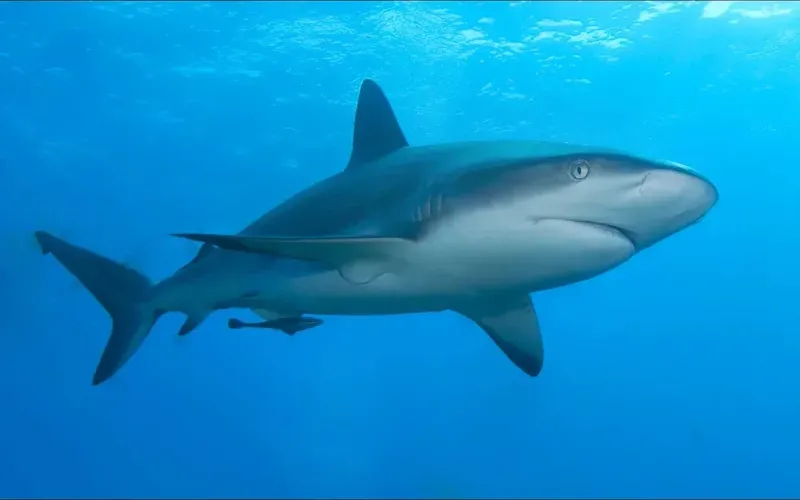
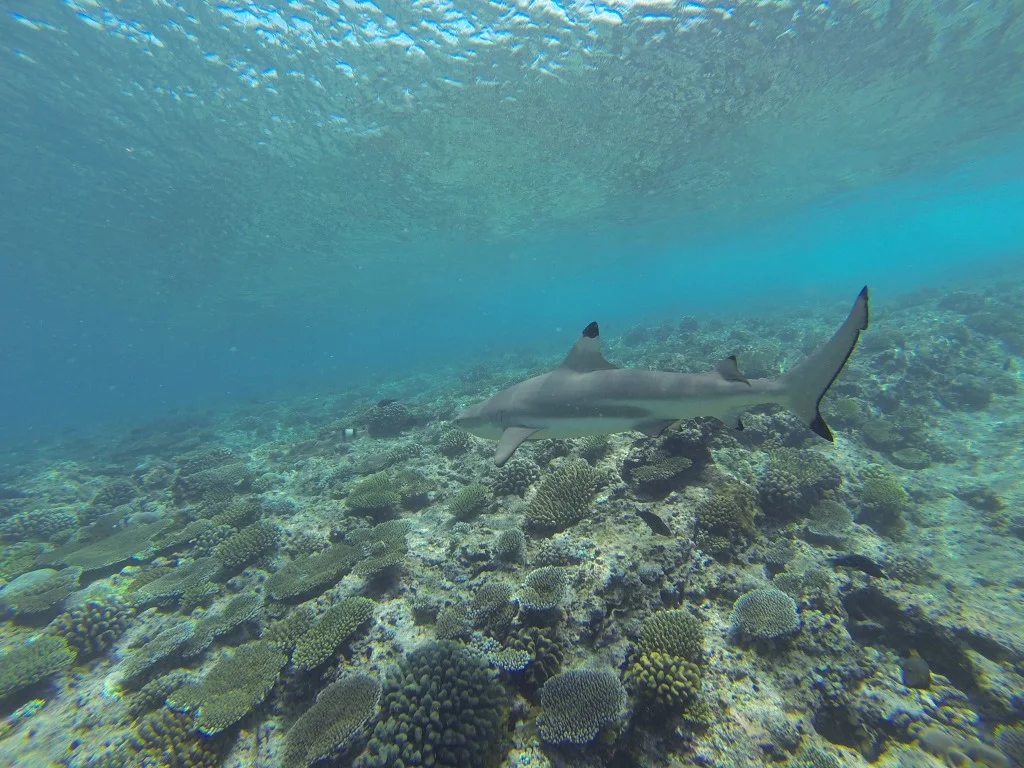
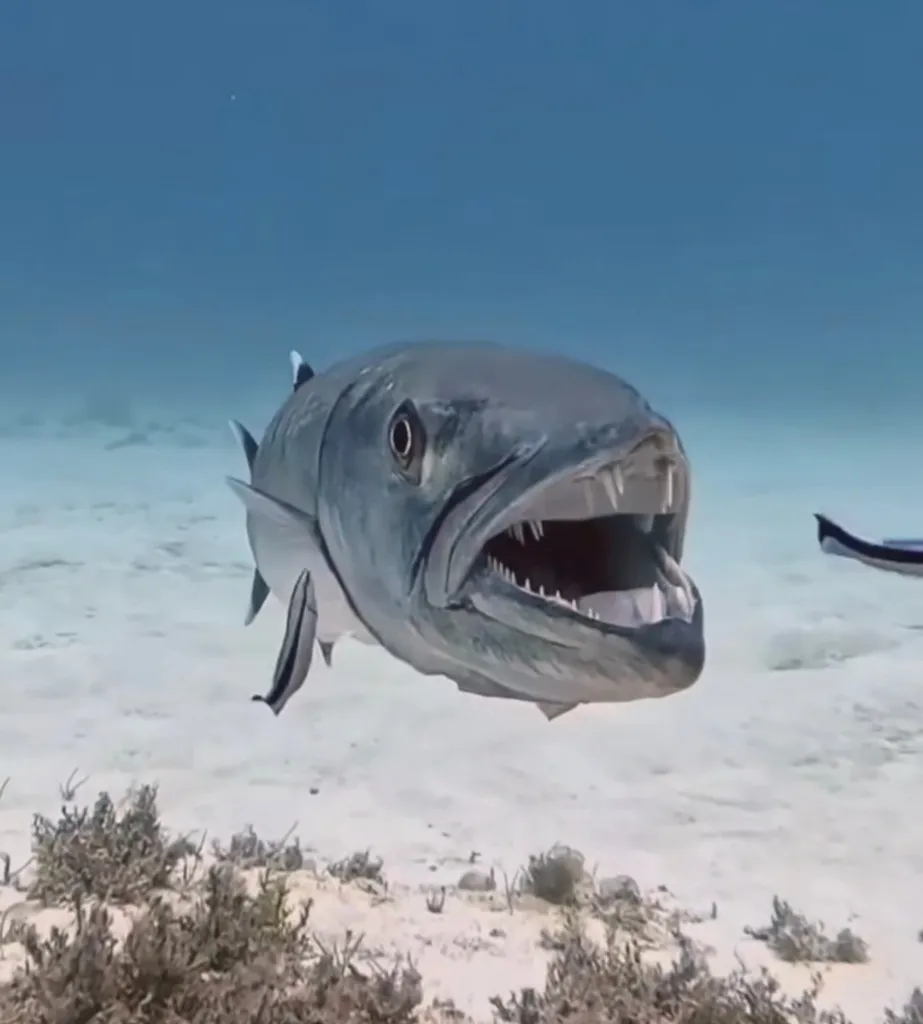
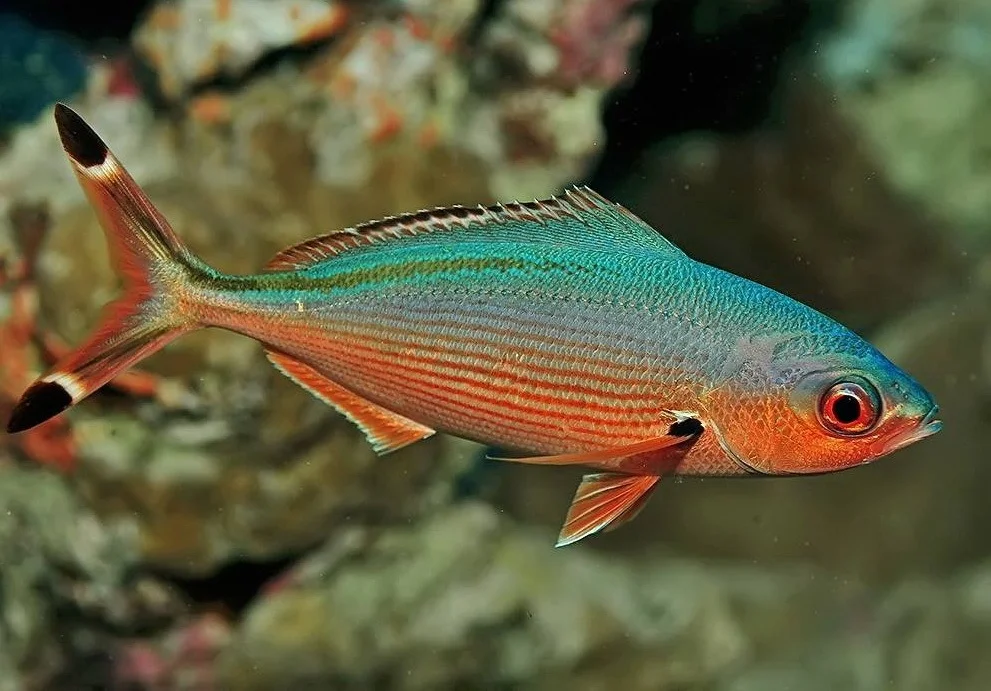
While Chicken Reef doesn't always provide a single, dramatic wildlife encounter, it delivers a profound sense of ecological completeness. Divers regularly encounter cruising grey reef sharks and schools of barracuda.
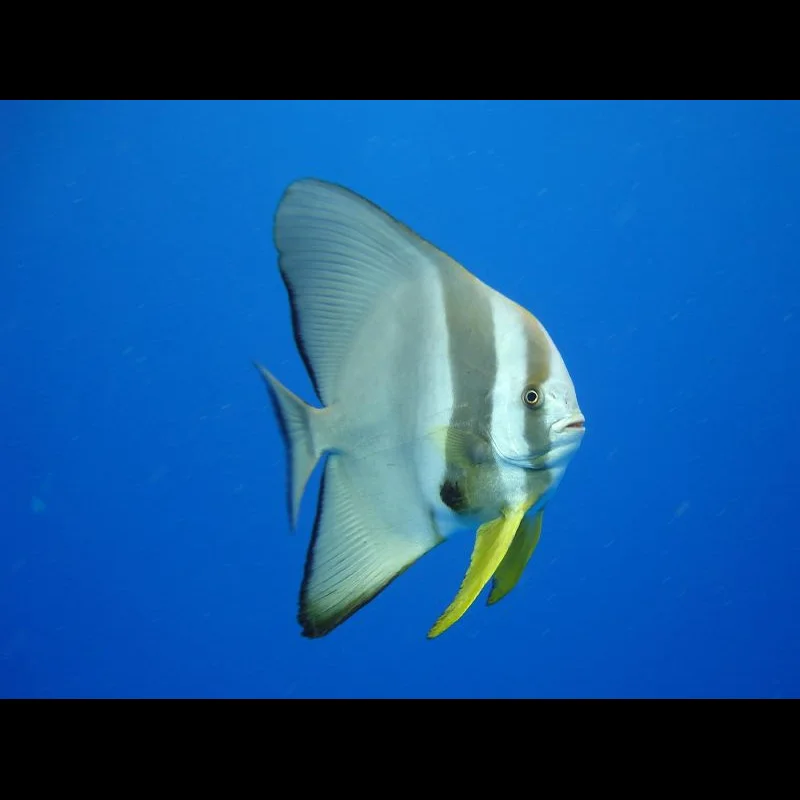
Large congregations of fusiliers, sweetlips, batfish, and surgeonfish are commonly observed, contributing to the site's vibrant energy. Dense clouds of anthias hover above the corals, adding splashes of color to the healthy reef structures, showcasing the overall reef-scale biodiversity and balanced ecosystem function.
Dive Sites Near Chicken Reef
View all dive sites in IndonesiaDiscover more underwater gems in this area.
Dive Centers Near Chicken Reef






Nearest Airports
Nearest airports to help plan travel to this dive area.
Search Flights
Check available flights and routes on Expedia, using the nearby airports listed in this section.
Search Flights on ExpediaFrequently Asked Questions
Is Chicken Reef suitable for beginner divers?
Chicken Reef is best suited to Advanced Open Water divers or those comfortable in mild to moderate current. While it is not an extreme current site, good buoyancy control and awareness are important due to the sloping reef structure and tidal flow.
What marine life can you see at Chicken Reef?
Divers regularly encounter grey reef sharks, barracuda, large schools of fusiliers, sweetlips, batfish, surgeonfish, and dense anthias clouds. While macro life exists, Chicken Reef is primarily known for reef-scale biodiversity and ecosystem balance rather than rare critters.
Is Chicken Reef better than Cape Kri?
They offer different experiences. Cape Kri is known for record-breaking biodiversity counts and dramatic wall structure. Chicken Reef is more about sustained reef health, layered marine life, and balanced ecosystem function.
Is Chicken Reef a drift dive?
Yes. Most dives at Chicken Reef follow a controlled drift along the sloping reef. Divers often adjust their depth to manage the flow, finding natural shelter in shallower sections.
Where is Chicken Reef located?
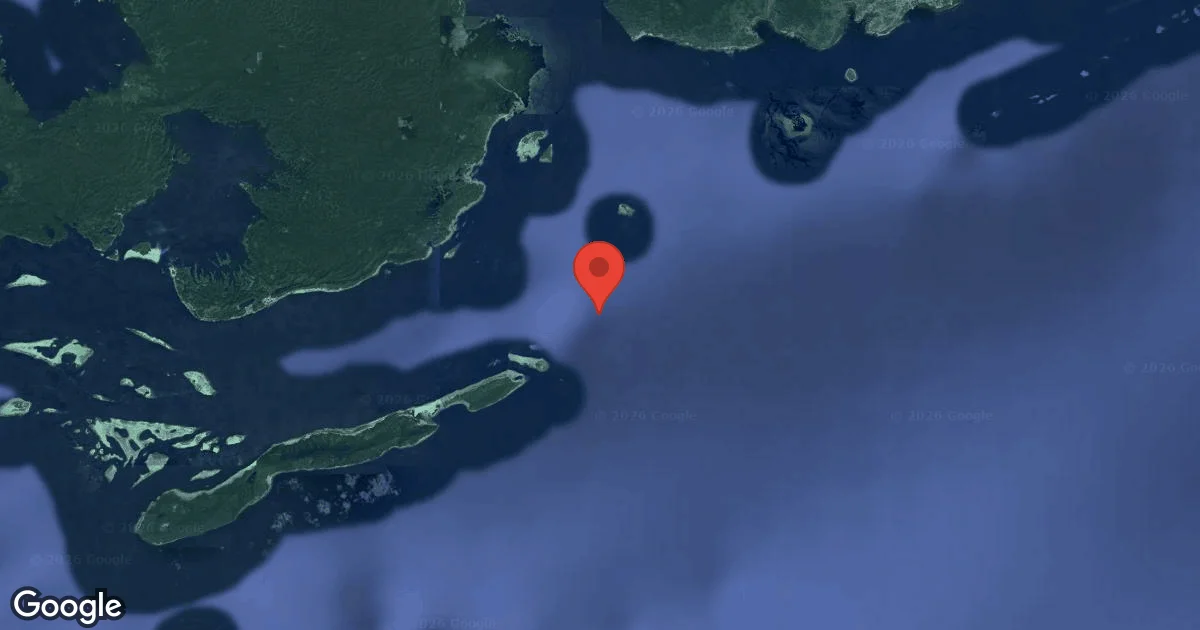
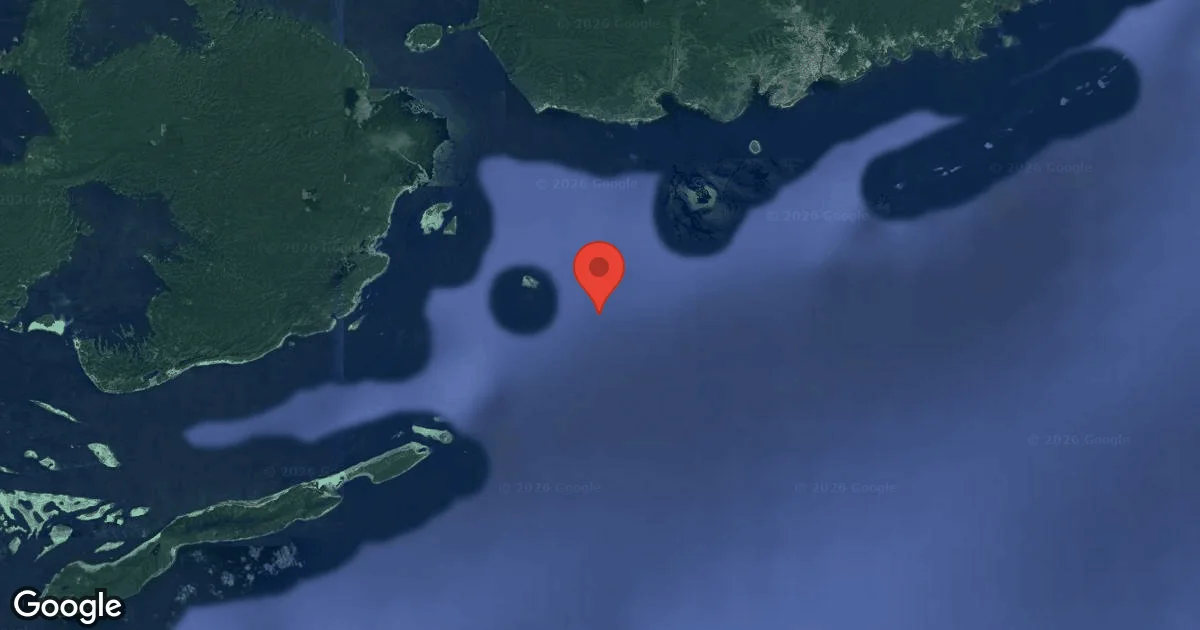
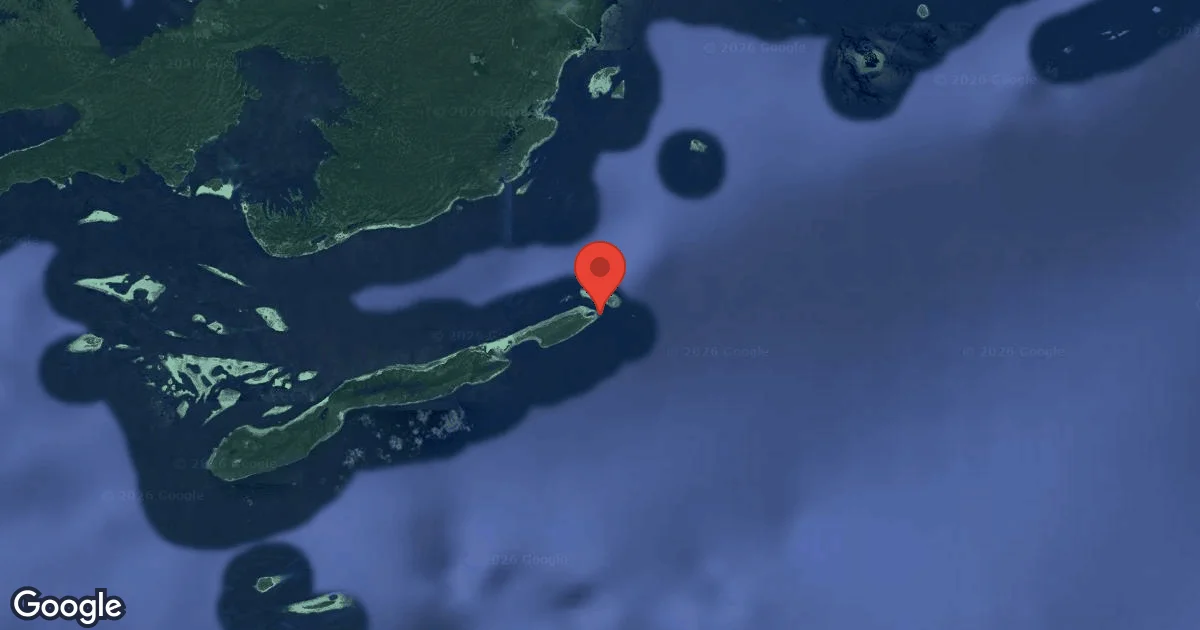
Chicken Reef is centrally located within the Dampier Strait in Raja Ampat, Indonesia. It sits northeast of Kri Island, making it accessible from both liveaboards and select land-based resorts in the region.
What is the typical depth range for diving Chicken Reef?
Chicken Reef is a reef slope site that starts at a shallow 5 meters (16 feet) and gradually descends. Recreational dives typically explore depths down to 20 meters (66 feet).
Planning to dive Chicken Reef?
Send one inquiry and receive offers directly from the best verified local dive operators.
Conditions are Excellent
07:00 - 14:00
Optimal conditions expected
Current conditions near Chicken Reef show 27° air, 30° sea temperature, 0.2 m waves, and 24 km/h wind. Forecast data is refreshed regularly to ensure accuracy.