
Diving at Yenkoranu Jetty (Indonesia)
To fully appreciate Yenkoranu Jetty, divers should consider the prevailing currents and plan their trajectory along the sloping reef. Its accessible depth range makes it suitable for various skill levels, from beginners exploring the shallows to experienced divers navigating the outer edge. Anticipate a dynamic drift experience, especially along deeper sections, for a complete view of this vibrant site near Kri Island.
Evening condition tracking at Yenkoranu Jetty features an air temperature of 26.5°C. We have recorded wave heights measuring 0.3 m during this period. These figures outline the environmental parameters currently present.
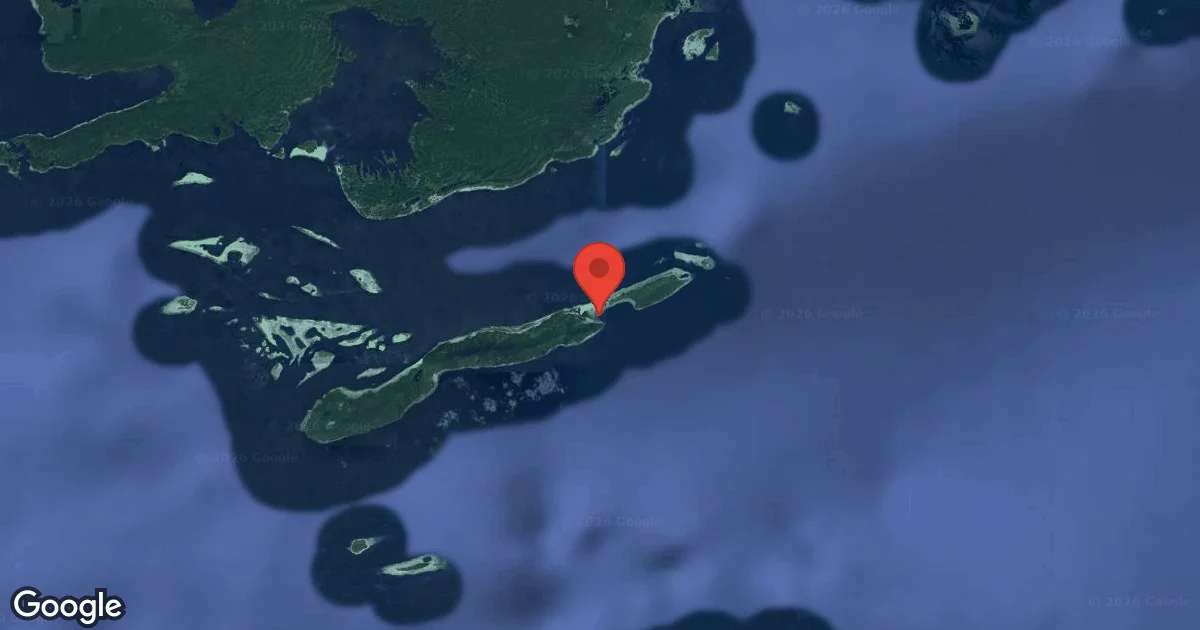
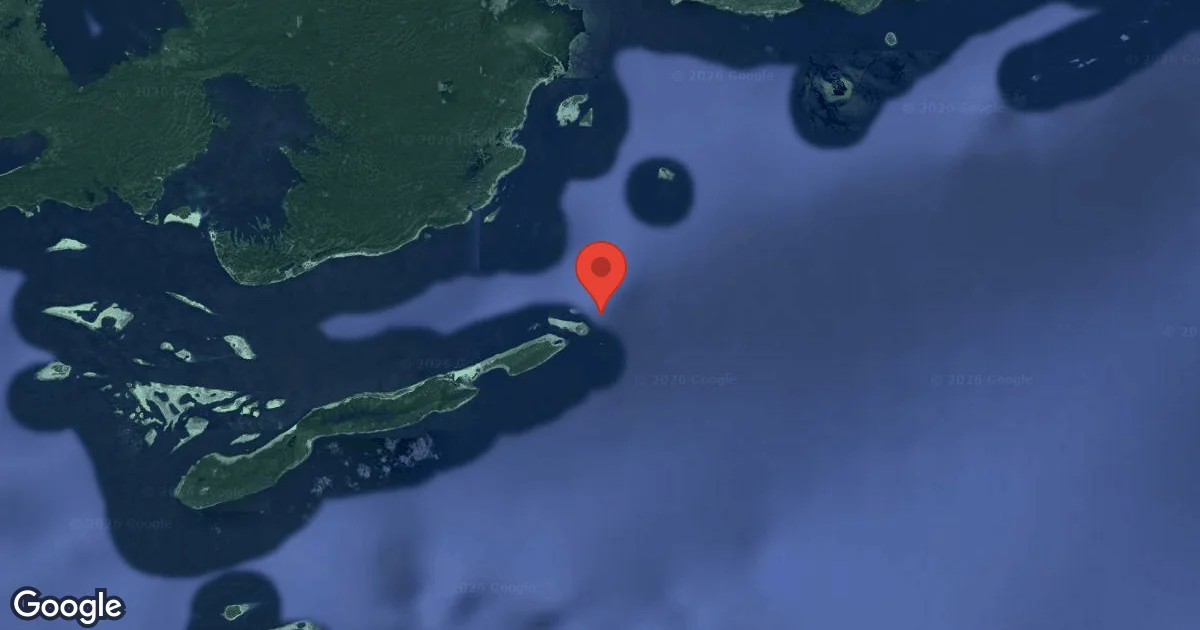
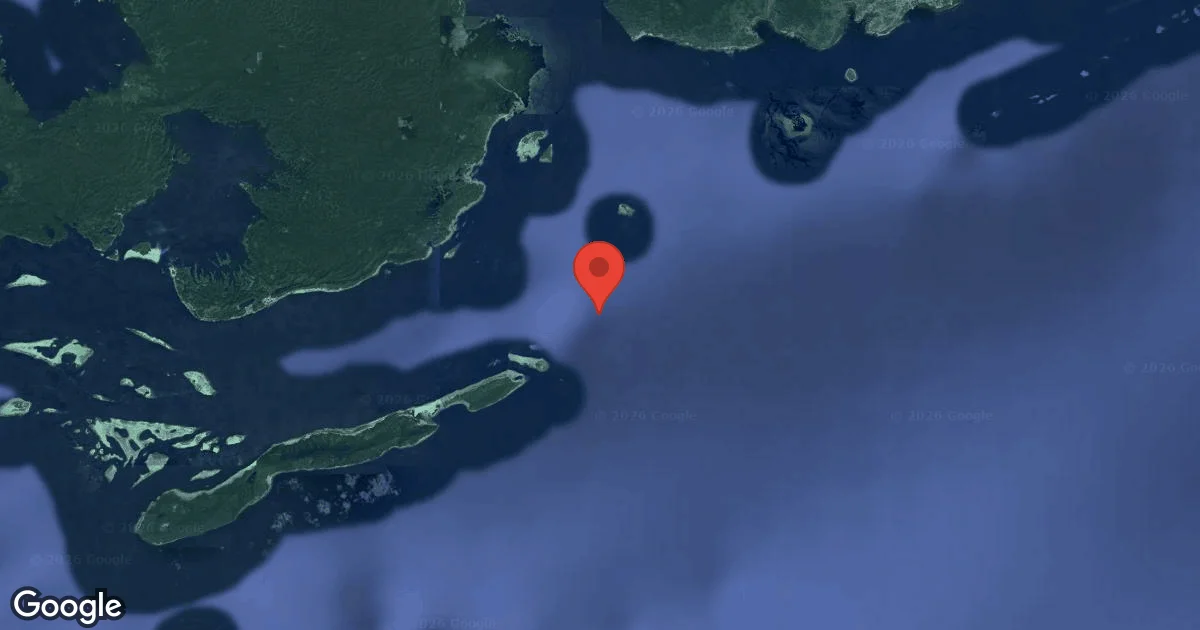
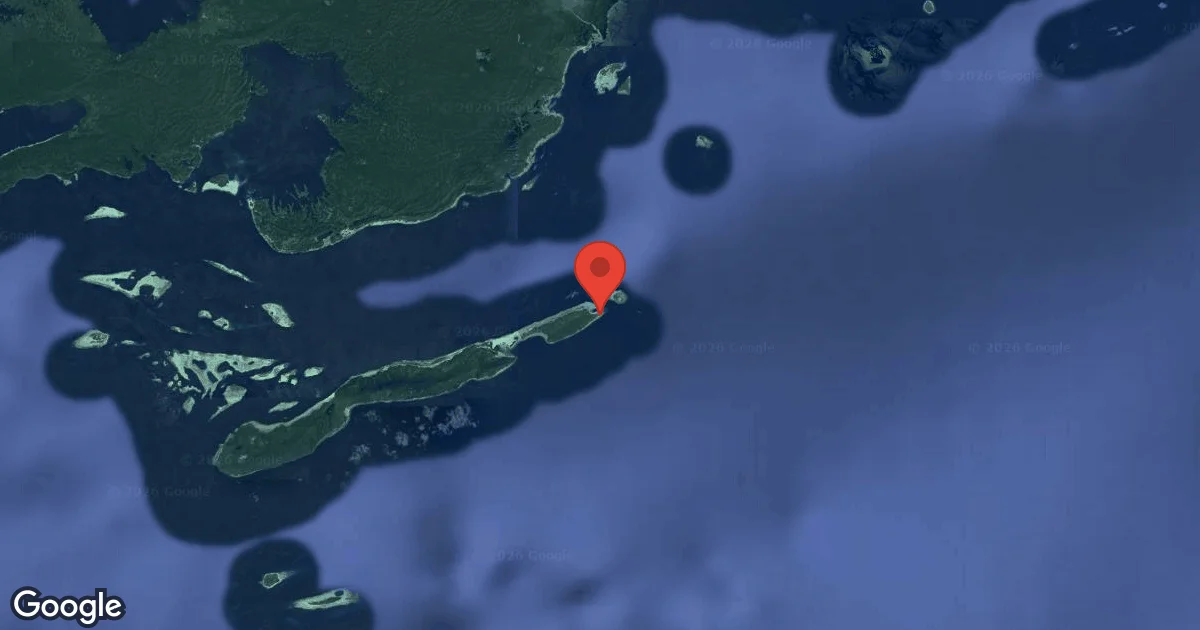
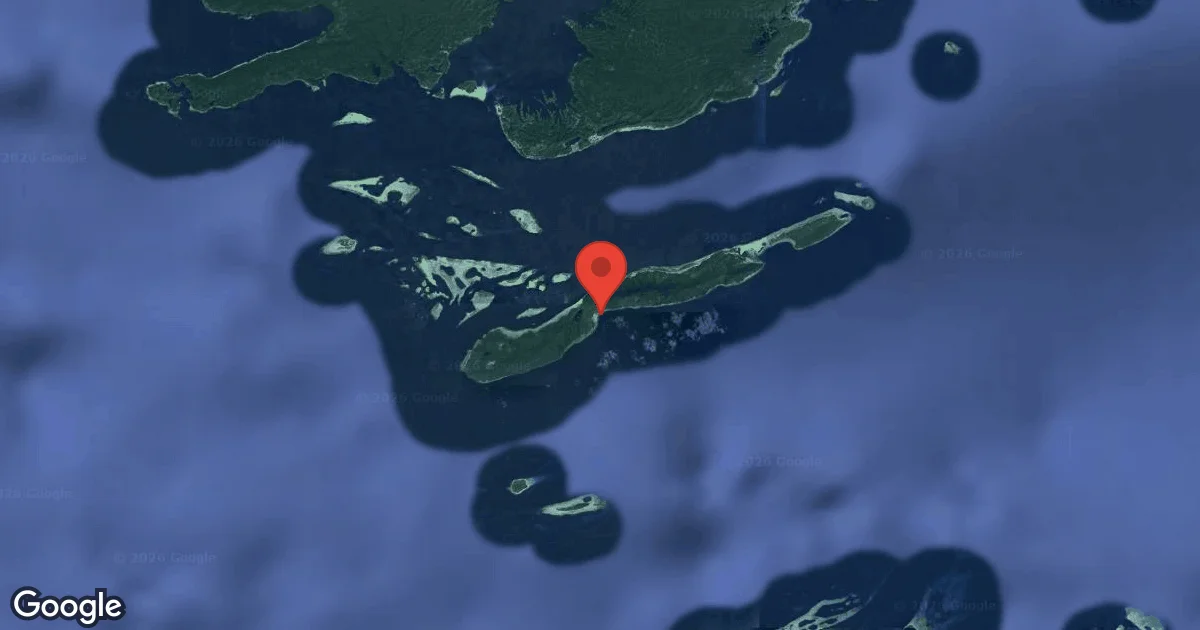
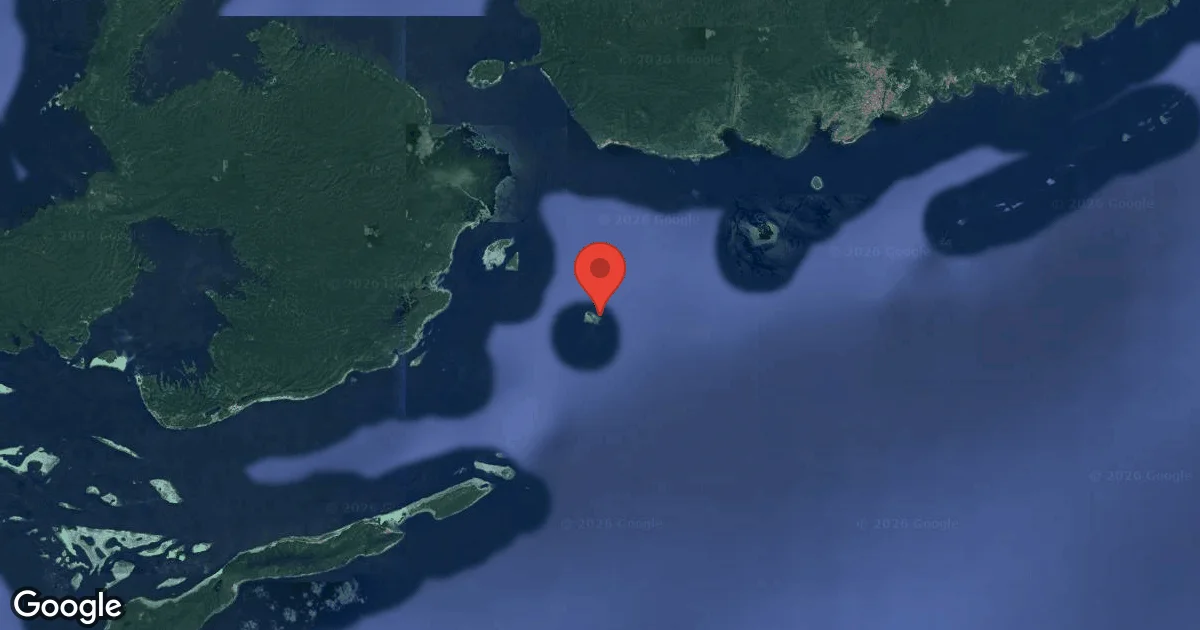
Dive Site Location & Key Facts
Dive Site Overview
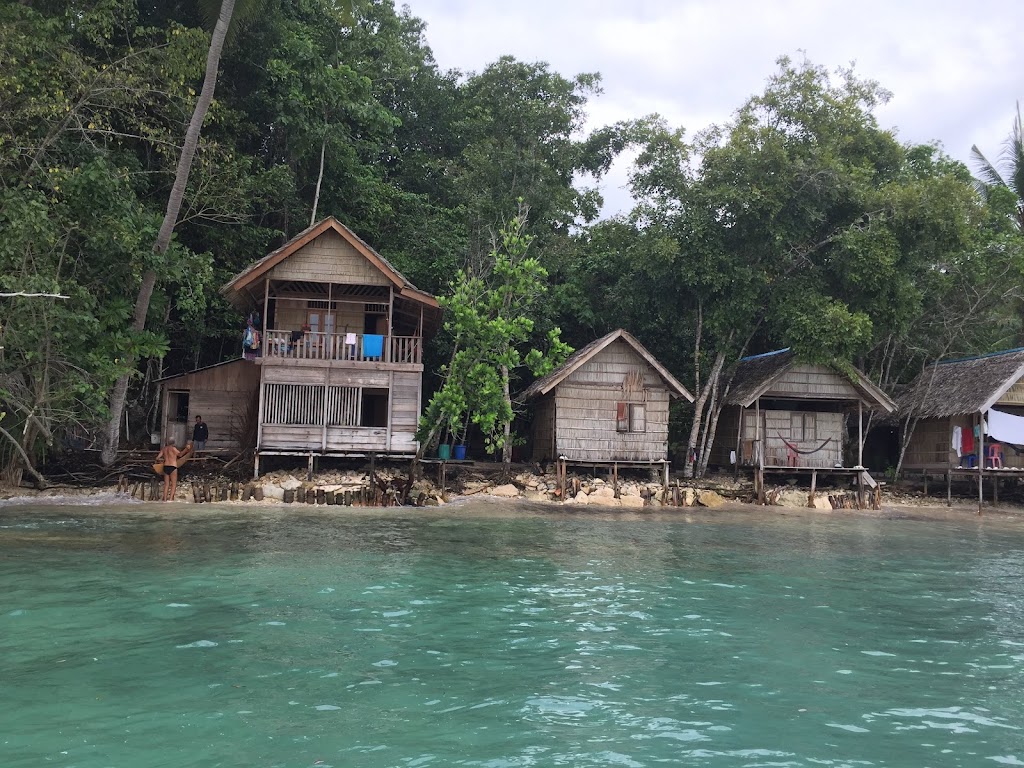
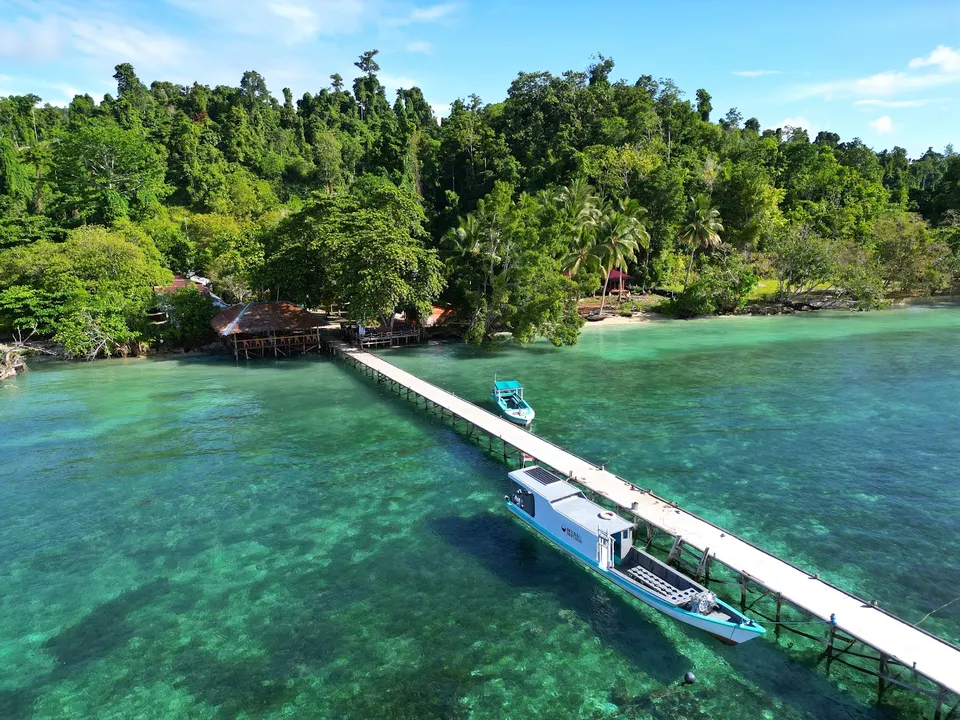
Approaching Yenkoranu Jetty reveals a site characterized by a gentle reef slope, beginning at a shallow 3 meters (10 ft) and gradually descending to a maximum depth of 25-30 meters (82-100 ft). Dives often begin near the Yenkoranu homestay or jetty, allowing divers to drift along the reef with the prevailing currents.
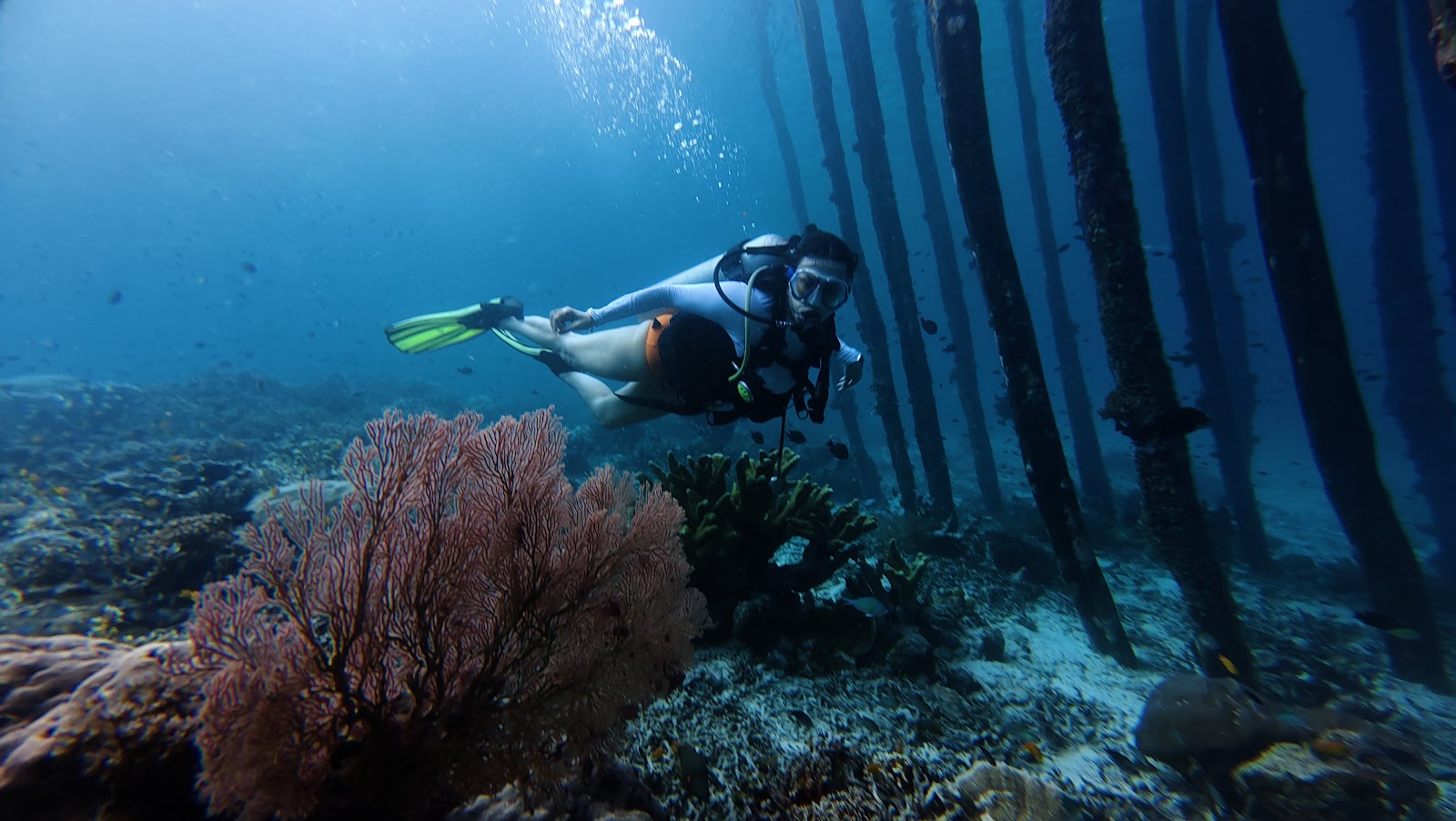
This site acts as a flexible reef dive and snorkel location, showcasing healthy coral formations across its profile. Its unique proximity to the village jetty draws in a diverse array of marine life, making surface intervals here just as engaging as the underwater exploration. Divers can expect a blend of smaller reef inhabitants and larger pelagic species, particularly where the slope meets the open ocean. A typical dive here offers a relaxed yet engaging profile, adapting well to varying conditions.
Conditions are Excellent
07:00 - 14:00
Optimal conditions expected
Current conditions near Yenkoranu Jetty show 26° air, 29° sea temperature, 0.2 m waves, and 20 km/h wind. Forecast data is refreshed regularly to ensure accuracy.
Best Time to Dive
Optimizing a visit to Yenkoranu Jetty often means aligning with periods of excellent visibility and calmer seas. This location consistently reports high dive scores year-round, with particularly excellent conditions from January through March, September, October, November, and December. Calmest seas and the clearest planning window typically span from October to April. During these months, average air temperatures hover around 27-28°C (81-82°F), with relatively low monthly rainfall, ensuring comfortable surface conditions. Water temperature consistently holds at a warm 29-30°C (84-86°F) throughout the year. Minimal wave heights (averaging 0.2-0.3 meters) frequently mean easy entries and smoother boat rides.
PEAK SEASON SCORE
Scores combine air & water temps, waves, wind & rainfall for overall conditions.
BEST MONTHS TO DIVE
Monthly records compiled from satellite and marine observation nodes over the last 3 years. Data provided by Open-Meteo and MET Norway.
Dive Experience & Conditions
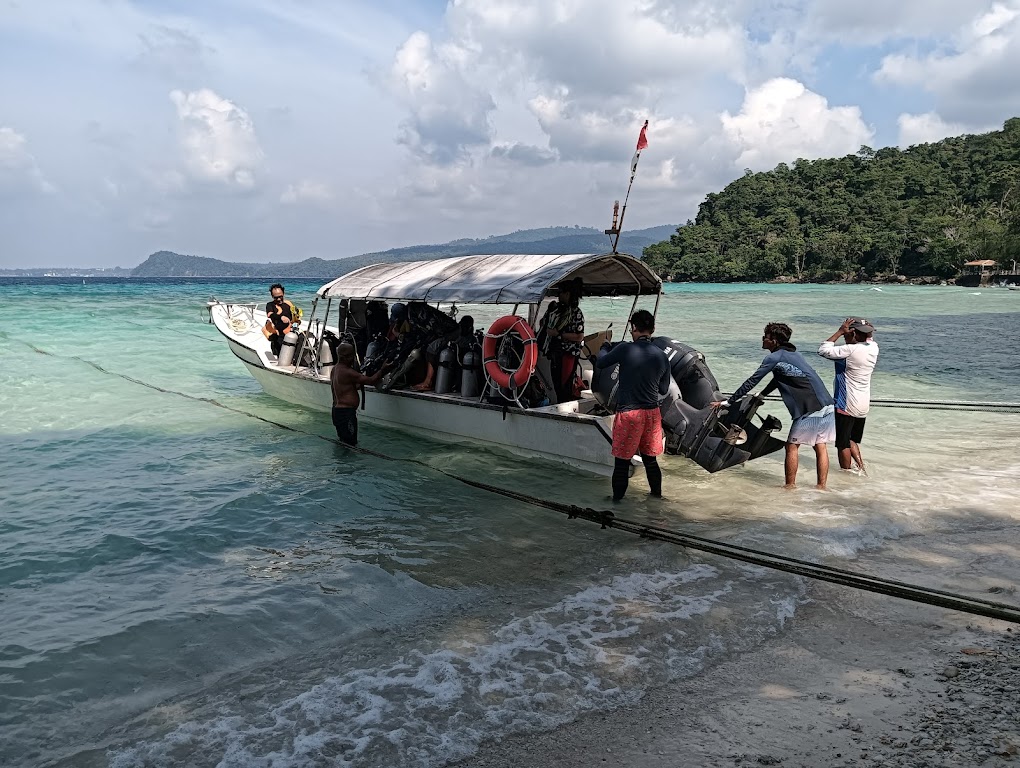
Beginning a dive at Yenkoranu Jetty typically involves a simple entry, often by boat near the jetty or from the nearby shore. Divers initially encounter a gentle sloping reef in the shallow areas, providing an ideal starting point for a relaxed descent. Moving deeper, the reef gradually slopes down towards its maximum recreational depth. Visibility generally holds strong at approximately 18 meters, allowing for clear views of the expanding reef structure. Divers should prepare for moderate currents, as the site is commonly experienced as a drift dive along the outer slope. Consistently warm water temperatures of 29-30°C (84-86°F) ensure thermal comfort throughout the dive, which can be enjoyed during the day or as a night dive.
Dive Difficulty & Safety Guidelines
Navigating Yenkoranu Jetty requires careful attention to the prevailing conditions, particularly the potential for strong currents. As a common drift dive, maintaining situational awareness and staying close to your dive buddy is essential. Divers should also be mindful of large marine life sightings in the blue, which can include various shark species.
It's crucial for all visitors to carry the required Raja Ampat Marine Park entry permit or card, as these are mandatory for diving within the protected area. Planning for current-driven navigation and understanding your personal limits will contribute to a safe and enjoyable experience at this dynamic site.
Recommended Equipment
Current and surface separation risk. Local briefing strongly recommended.
- Dive Computer
- DSMB
- Reel / Spool
This gear list is based on verified equipment signals for Yenkoranu Jetty, Indonesia. Always confirm final gear choices with your dive operator, guide, or liveaboard.
Recommended Dive Suit
The latest conditions reported around Yenkoranu Jetty place the water temperature close to 29°C (85°F). Surface air temperatures are resting at 26°C (79°F).
Dive skin or rash guard is generally considered suitable for water temperatures like this. Consider warmer surface protection (like a boat coat) due to brisk winds.
Forecast trends indicate similar diving conditions over the next few days.
Due to technical issues with our weather providers, data hasn't been fetched for over 48 hours. The data above reflects the conditions at the time of the last successful fetch.
Emergency & Medical Support
Essential information to help you plan your dive trip to Yenkoranu Jetty.

Hyperbaric chambers are a critical part of dive safety infrastructure. Availability varies significantly by region, and not all dive areas have immediate access.
Before diving, it's recommended to:
- confirm nearest medical facilities
- check emergency procedures with local dive operators
- ensure dive insurance covers evacuation if required
Divers Alert Network
Diving emergency assistance available through DAN World.
+1-919-684-9111- 24/7 emergency hotline
- Diving medical assistance
- Evacuation coordination
Emergency contacts are provided for reference. Always verify local emergency services before diving.
Marine Life at Yenkoranu Jetty
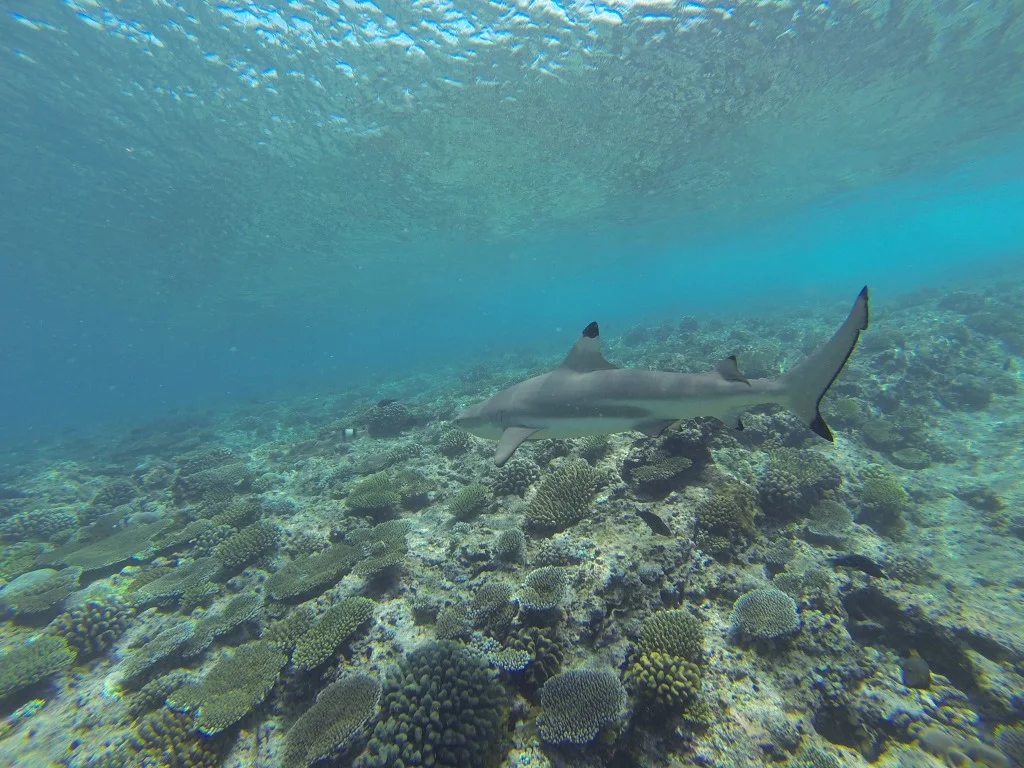
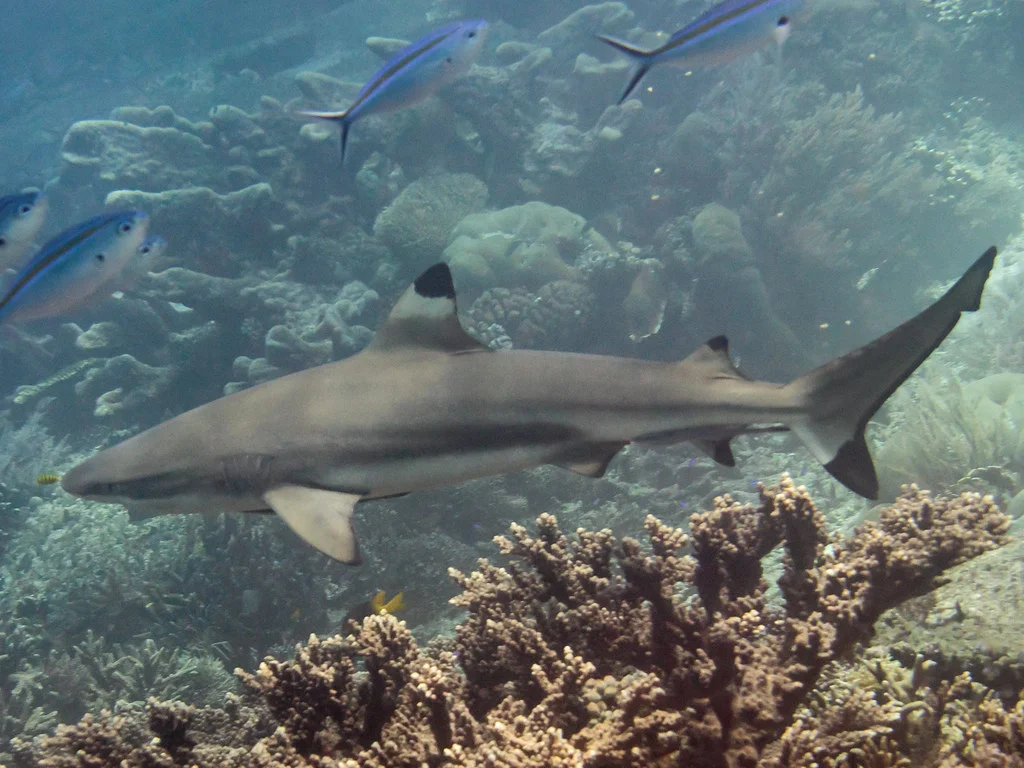
The vibrant underwater landscape of Yenkoranu Jetty is a magnet for diverse marine inhabitants. Along the sloping reef, divers frequently encounter blacktip reef sharks and whitetip reef sharks patrolling the edges.
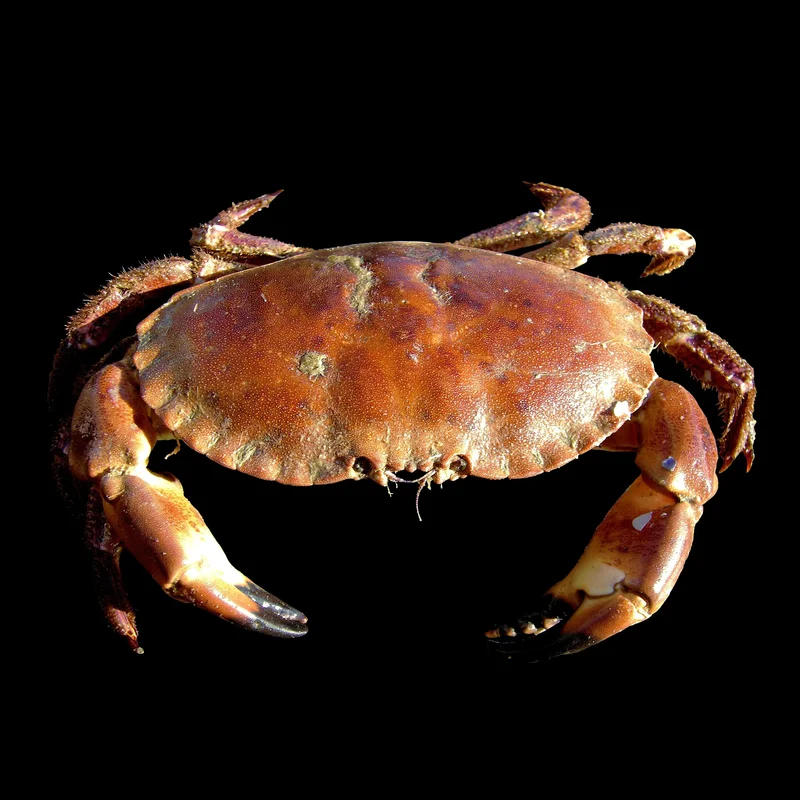
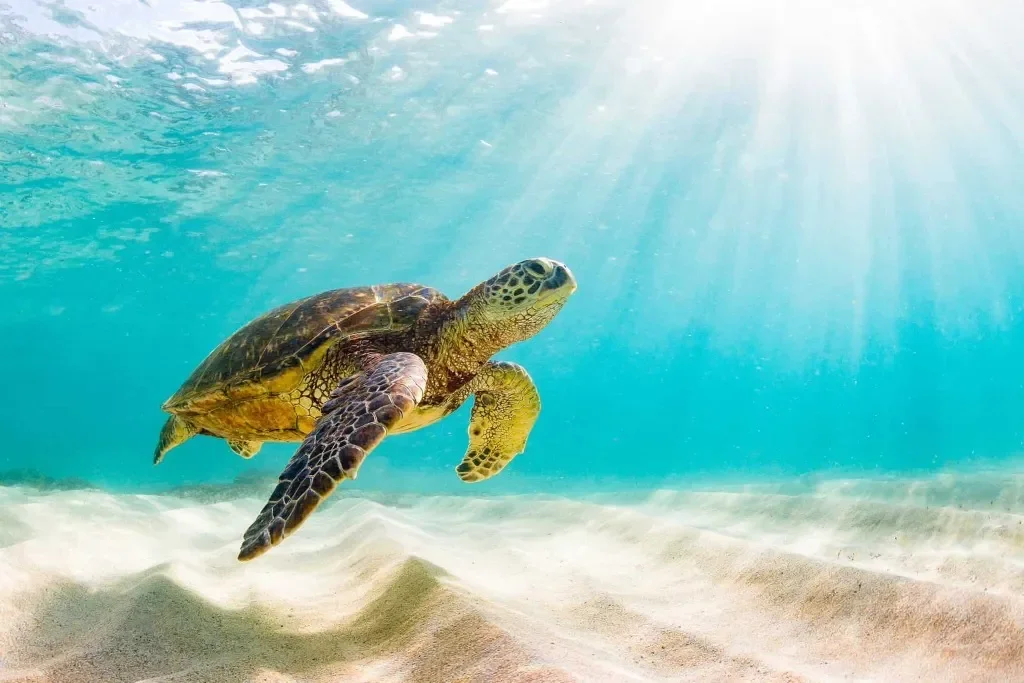
Green turtles are commonly sighted, gracefully navigating the coral formations. Smaller residents like crabs and shrimp occupy various crevices, enriching the reef's texture.
Pufferfish are also a regular sight, blending into the healthy coral environment. The jetty's structure itself often congregates schooling fish, providing dynamic activity against the backdrop of the reef.

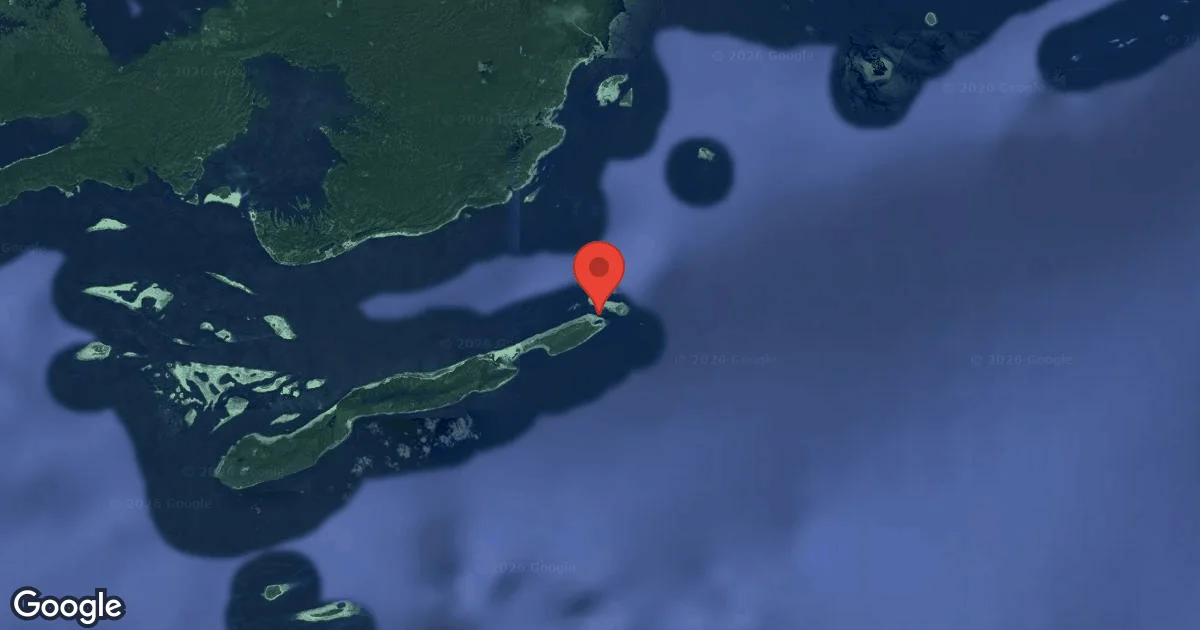
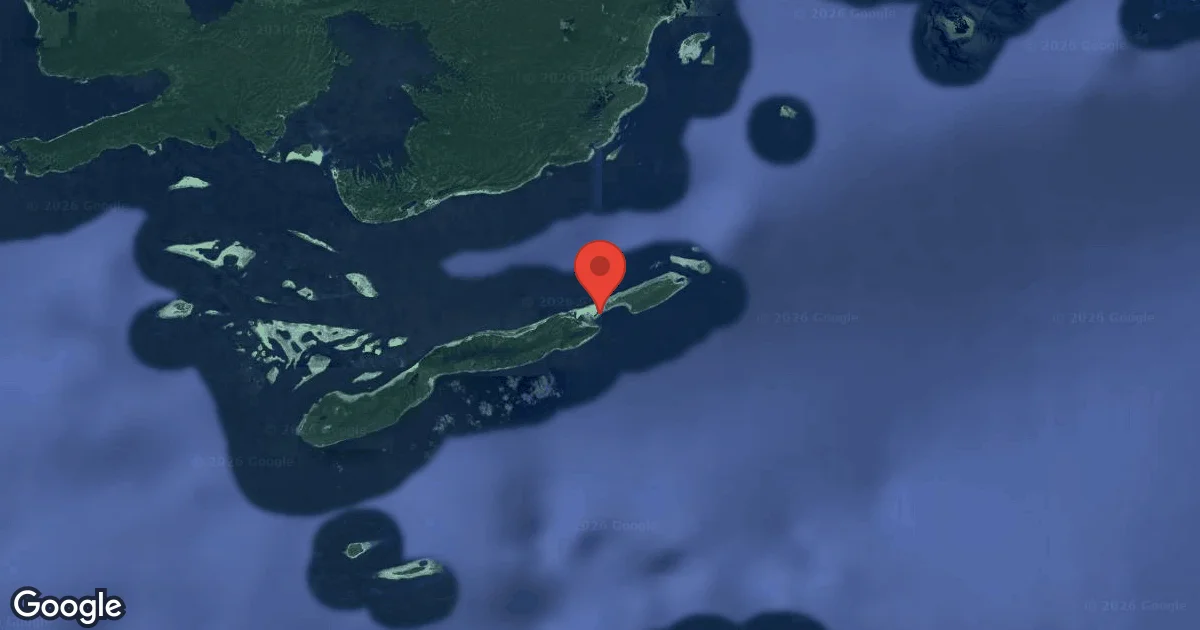
Dive Sites Near Yenkoranu Jetty
View all dive sites in IndonesiaDiscover more underwater gems in this area.
Dive Centers Near Yenkoranu Jetty

Nearest Airports
Nearest airports to help plan travel to this dive area.
Search Flights
Check available flights and routes on Expedia, using the nearby airports listed in this section.
Search Flights on ExpediaFrequently Asked Questions
Where is Yenkoranu Jetty located in Raja Ampat?
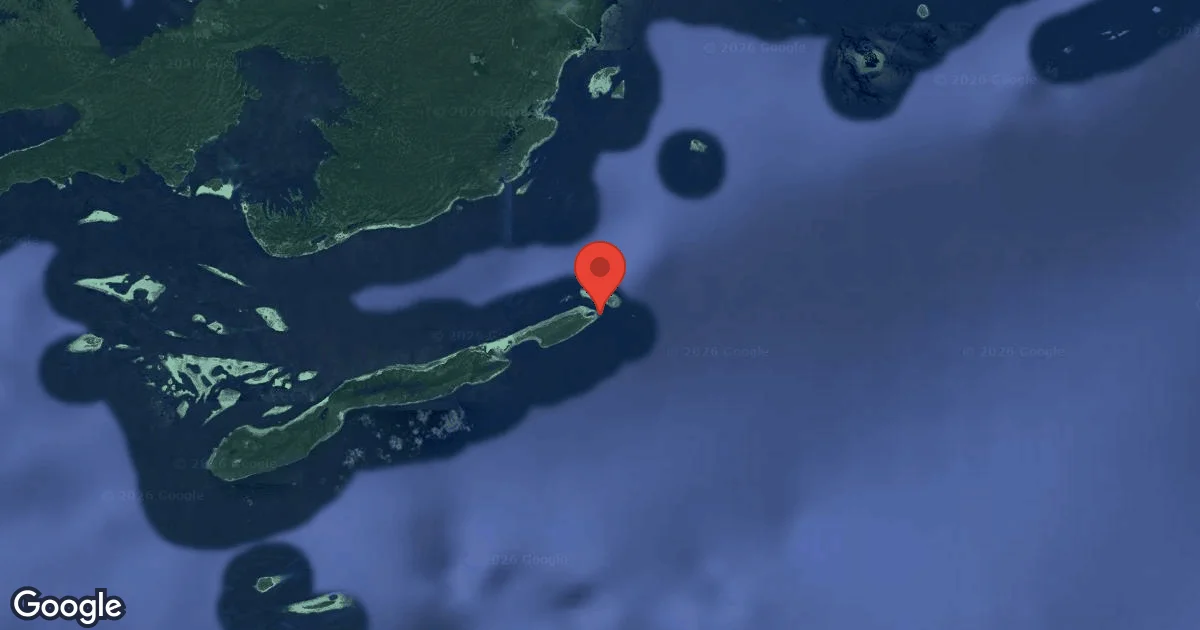
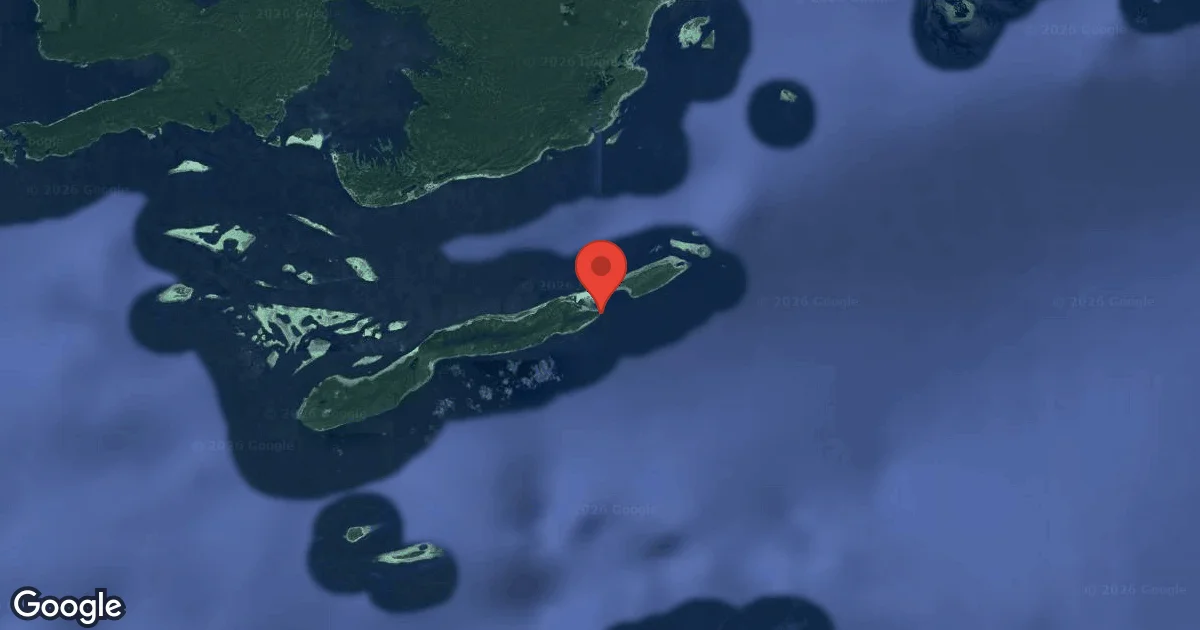
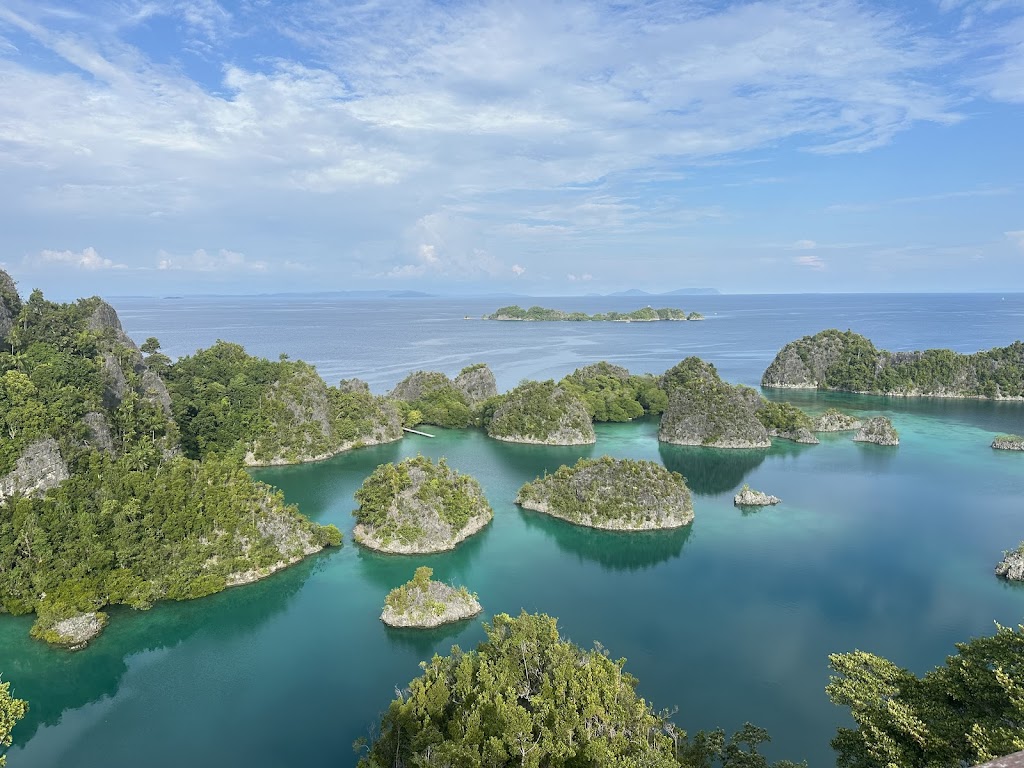
Yenkoranu Jetty is situated near the village of Yenkoranu on Kri Island, within the Raja Ampat archipelago. It's readily accessible and often supported by local dive operators in the region.
What kind of dive site is Yenkoranu Jetty?
This is primarily a sloping reef dive, beginning shallow and descending to deeper recreational depths. It often involves a mild drift along its outer slope, providing a dynamic underwater journey suitable for both snorkeling and diving.
What is the typical depth range for diving at Yenkoranu?
Dives at Yenkoranu Jetty generally start at a shallow 3 meters (10 ft) and gradually extend down to about 25 to 30 meters, within recreational limits. This profile caters to a broad range of diver experience levels.
Is Yenkoranu Jetty suitable for beginners?
Yes, its shallow upper slope provides an excellent entry point for beginners and snorkelers. More experienced divers can explore the deeper sections where currents might be more pronounced.
What marine life is commonly seen at Yenkoranu Jetty?
Divers often report sightings of blacktip and whitetip reef sharks, green turtles, and various schooling fish. Crabs, shrimp, and pufferfish are also common inhabitants observed along the reef structure.
Do visitors need permits to dive Yenkoranu Jetty?
Yes, as part of the Raja Ampat Marine Park, visitors are required to carry the necessary marine park permit or entry card. This regulation applies to all diving and snorkeling activities within the park.
What visibility should divers expect at Yenkoranu Jetty?
Divers typically experience good visibility at Yenkoranu, with reported averages around 18 meters. Conditions can vary based on local weather and currents, but clear water is generally common.
When is the best time to dive Yenkoranu Jetty?
Generally, diving is possible year-round, supported by consistently warm water temperatures. Calmer seas and clearer conditions are frequently observed from October to April, often aligning with periods of excellent dive scores.
Planning to dive Yenkoranu Jetty?
Send one inquiry and receive offers directly from the best verified local dive operators.
Conditions are Excellent
07:00 - 14:00
Optimal conditions expected
Current conditions near Yenkoranu Jetty show 26° air, 29° sea temperature, 0.2 m waves, and 20 km/h wind. Forecast data is refreshed regularly to ensure accuracy.