
Diving at Sauwandarek Jetty (Indonesia)
Sauwandarek Jetty is a vibrant sanctuary, particularly known for its resident green turtles and schooling batfish that gather around the jetty pilings. Underwater structures and gently sloping reefs create a protected environment, drawing in a rich diversity of life. Divers often encounter playful interactions and photographic opportunities with these creatures, making it a compelling spot for marine life enthusiasts. Expect close-up observations in a relatively calm setting.
As evening covers Sauwandarek Jetty, the local air temperature is measured at 27.5°C. The current wave height at the surface is recorded at 0.2 m. These late-day readings characterize the surface conditions for the night.
Dive Site Location & Key Facts
Dive Site Overview
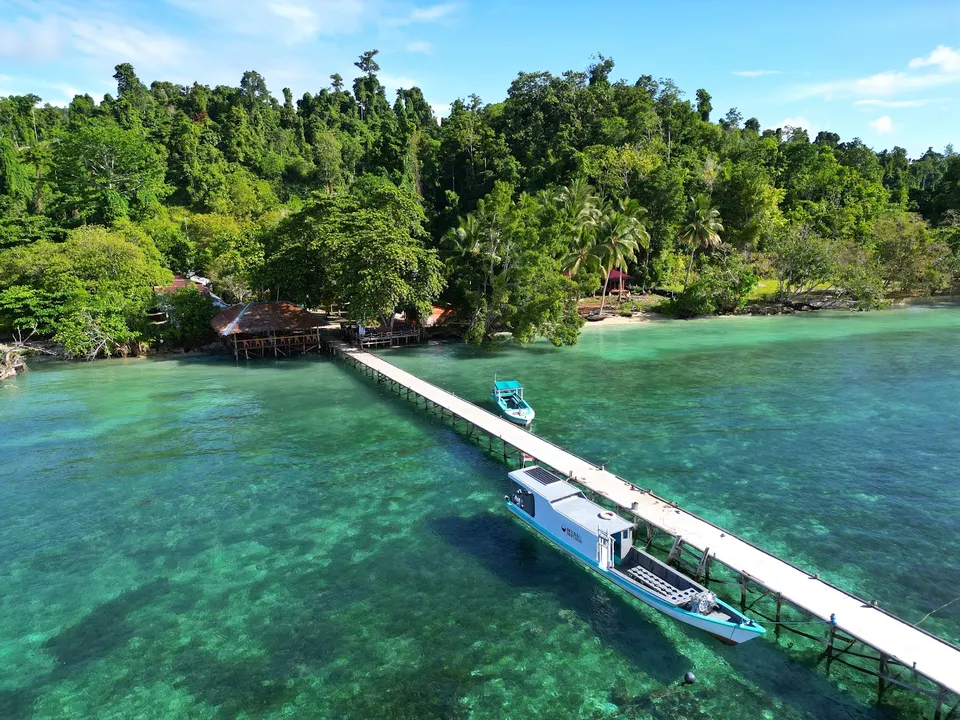
Don't let the unassuming, slightly dilapidated appearance of Sauwandarek village or its working jetty deceive you; beneath the surface lies an exceptionally rich dive experience in Raja Ampat. A natural bay, protected from Mansuar's stronger currents, hosts a gently sloping reef system stretching both east and west from the main structure.
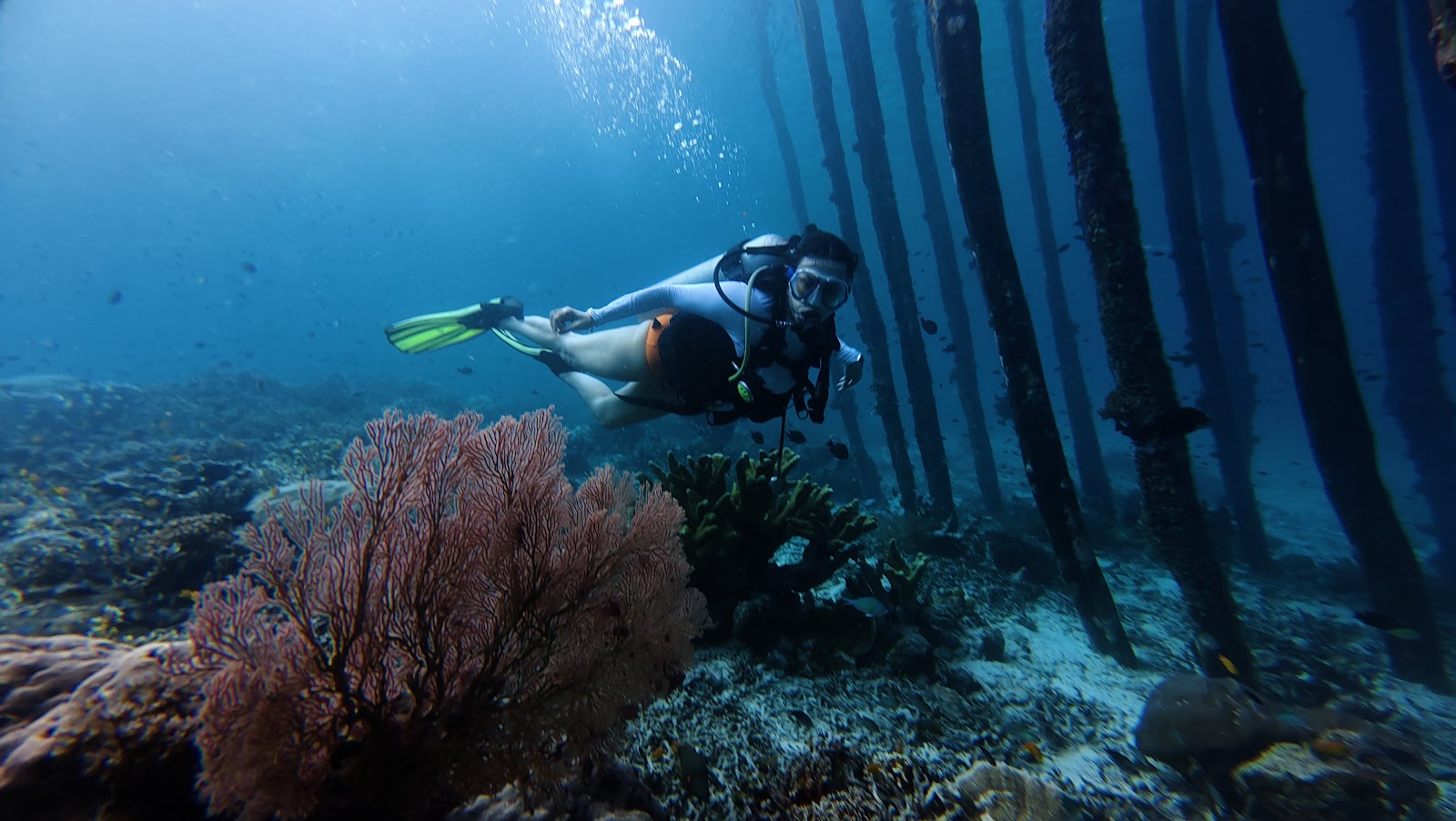
Divers can explore impressive rock formations covered in vibrant hard and soft corals, from massive sea fans to colorful anemones, creating an awe-inspiring topography. Its proximity to the Dampier Straits ensures consistent schooling fish, adding dynamic movement to the reef scene. Maximum depth at Sauwandarek Jetty reaches approximately 28 m (91 ft), accommodating a wide range of skill sets.
Exploration often culminates in the shallows around the jetty, offering extended bottom time and interactions with curious marine residents. Under the jetty itself, a coral regrowth project features frames shaped like airplanes and letters, a testament to local conservation efforts and a unique habitat for marine life.
Here, the junction of human activity and pristine nature creates an unique underwater tapestry, allowing for both wide-angle panoramas and close-up macro photography. It genuinely caters to all levels, from novice snorkelers to seasoned divers.
Conditions are Good
07:00 - 14:00
Optimal conditions expected
Current conditions near Sauwandarek Jetty show 27° air, 28° sea temperature, 0.3 m waves, and 29 km/h wind. Forecast data is refreshed regularly to ensure accuracy.
Best Time to Dive
Regionally, Sauwandarek Jetty consistently offers favorable diving conditions throughout the year, though some months present an even better experience. Dive scores are frequently rated "Excellent" from January to May, and again from July to December, with "Good" scores in February, March, and June. Air temperatures remain stable, averaging 27-28.5°C (81-83°F) across all seasons. Rain activity is generally low, typically ranging from 6.4-10.5 mm monthly, ensuring consistently good surface conditions. While specific water temperature data is not consistently reported, the tropical climate suggests warm waters year-round. Divers seeking the calmest surface conditions might observe slightly lower wave heights, around 0.2 m (0.7 ft), during the middle of the year, particularly from May to October, although waves remain relatively mild throughout.
PEAK SEASON SCORE
Scores combine air & water temps, waves, wind & rainfall for overall conditions.
BEST MONTHS TO DIVE
Monthly records compiled from satellite and marine observation nodes over the last 3 years. Data provided by Open-Meteo and MET Norway.
Dive Experience & Conditions
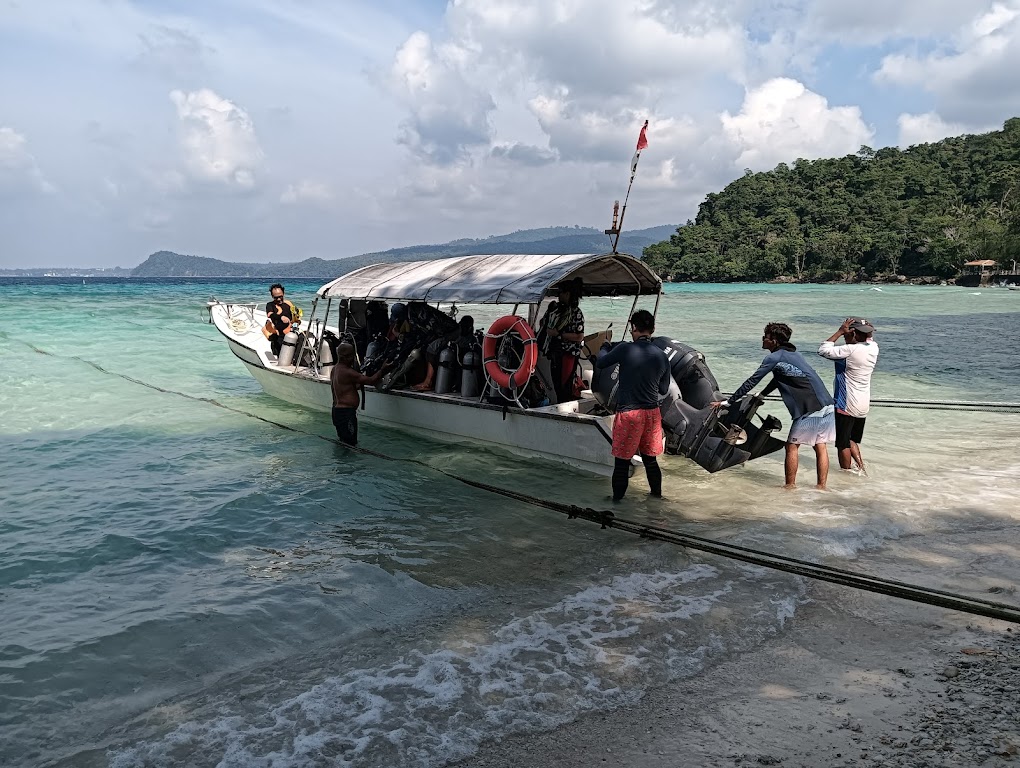
Dives typically begin by boat, with the specific entry point—east or west of the jetty—determined by the prevailing tide. Descending, divers first encounter the gently sloping reef, a vibrant landscape of hard and soft corals forming impressive rock structures. Visibility here is generally quite good due to the bay's protected nature. As you progress, the reef reveals diverse formations and the potential for a wide array of macro life hidden among the corals. Its natural bay location shields it from the stronger currents often experienced around Mansuan, offering mostly gentle current movements, especially when dived on the correct tides. Reaching the jetty itself, the density of schooling fish increases dramatically, often including a large school of curious batfish. Ultimately, exploration culminates in the shallow waters around the jetty structure, where the coral regrowth project provides an intriguing foreground for marine observation.
Dive Difficulty & Safety Guidelines
While Sauwandarek Jetty is suitable for all diver levels, understanding local conditions enhances the experience. Generally protected within a bay, it minimizes the impact of stronger currents often found in the broader Mansuar area.
However, planning dives around the turn of the tide is advisable to optimize encounters with schooling fish and ensure the gentlest conditions for exploration. Given the abundance of macro life and intricate coral formations, maintaining excellent buoyancy control is crucial to protect the delicate ecosystem.
Divers should remain mindful of the working jetty overhead, ensuring safe distances from any boat activity. Always dive with a reputable local guide who understands the nuances of the tides and currents specific to Raja Ampat.
Recommended Equipment
- Dive Computer
- DSMB
This gear list is based on verified equipment signals for Sauwandarek Jetty, Indonesia. Always confirm final gear choices with your dive operator, guide, or liveaboard.
Recommended Dive Suit
With water temperatures around 28°C (83°F), many divers find a 2-3mm shorty or light wetsuit provides comfortable protection.
Local dive briefings can provide the most accurate guidance.
The forecast outlook suggests that temperatures will stay close to current levels.
Emergency & Medical Support
Essential information to help you plan your dive trip to Sauwandarek Jetty.

Hyperbaric chambers are a critical part of dive safety infrastructure. Availability varies significantly by region, and not all dive areas have immediate access.
Before diving, it's recommended to:
- confirm nearest medical facilities
- check emergency procedures with local dive operators
- ensure dive insurance covers evacuation if required
Divers Alert Network
Diving emergency assistance available through DAN World.
+1-919-684-9111- 24/7 emergency hotline
- Diving medical assistance
- Evacuation coordination
Emergency contacts are provided for reference. Always verify local emergency services before diving.
Marine Life at Sauwandarek Jetty
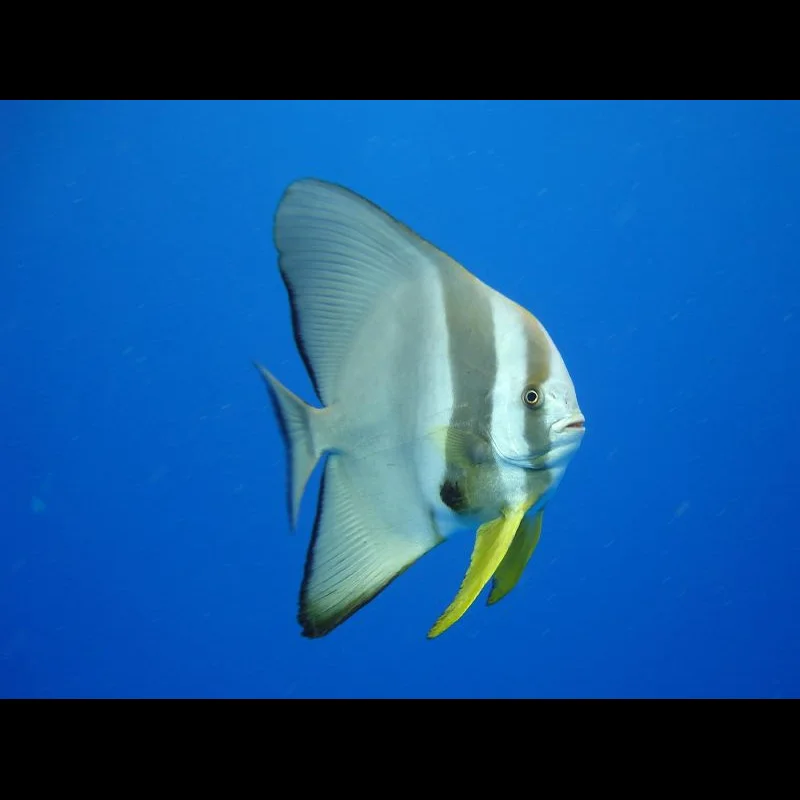
Sauwandarek Jetty's underwater landscape is defined by its prolific marine inhabitants, creating dynamic and interactive scenes. Immediately under the jetty, large schools of batfish are a prominent feature, often known to interact playfully with divers.
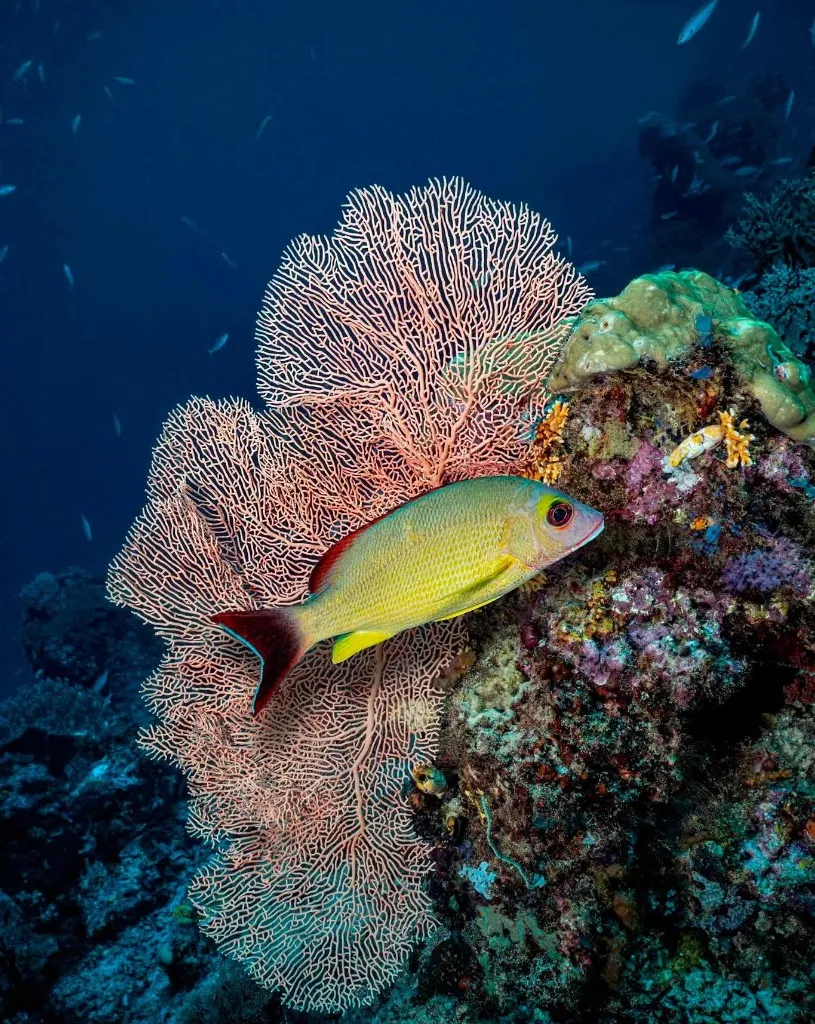
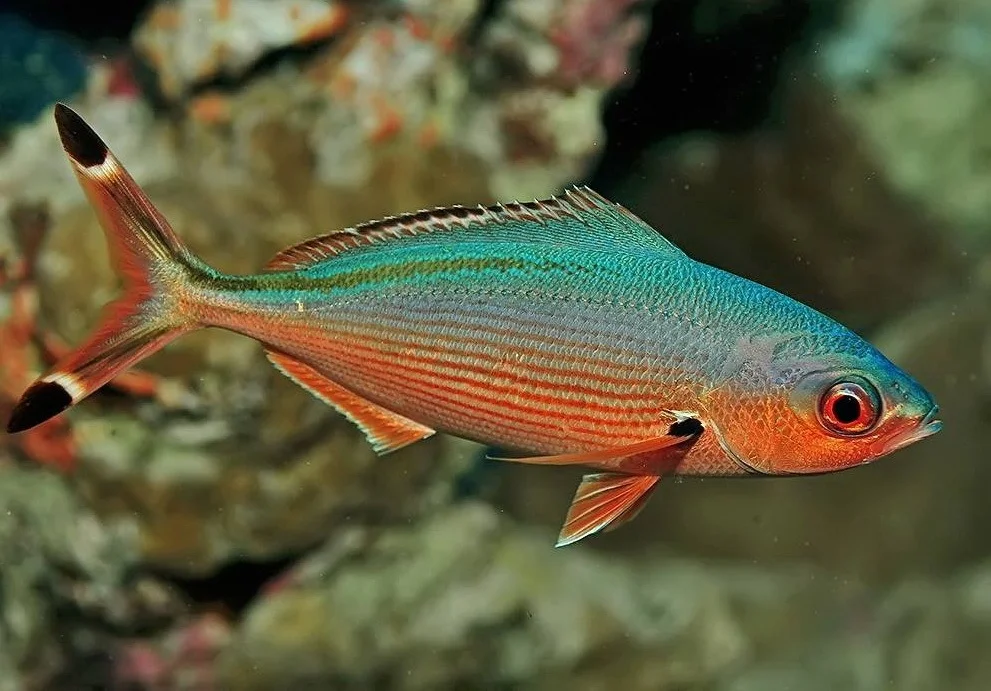
Green turtles are commonly observed here, with one particularly large female known to reside in the reef's rock formations. Sloping reefs are also home to masses of fusiliers, trevally, and snapper, often brought in by currents from the nearby Dampier Straits.
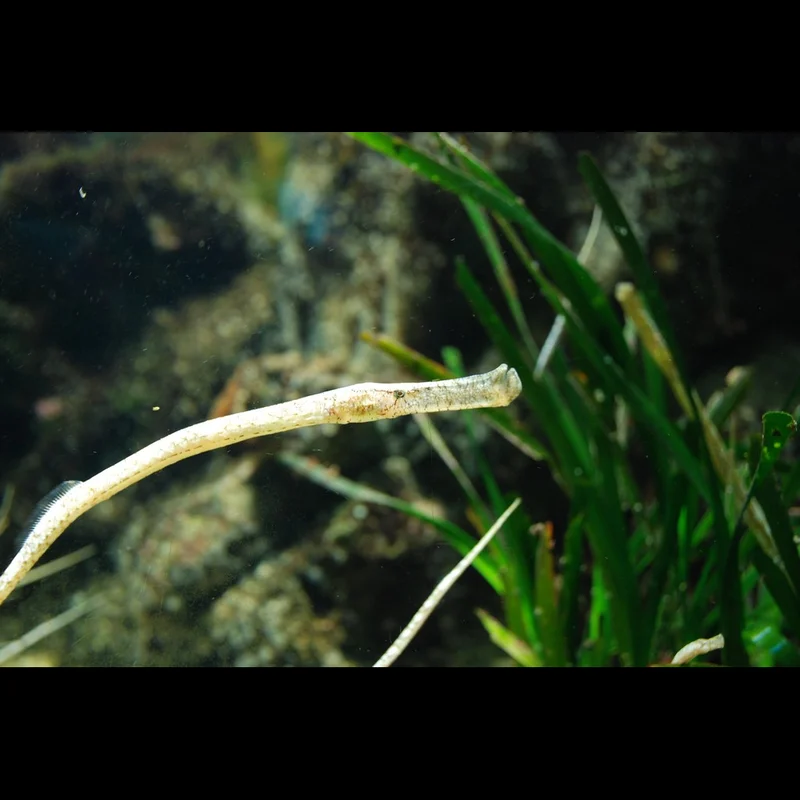
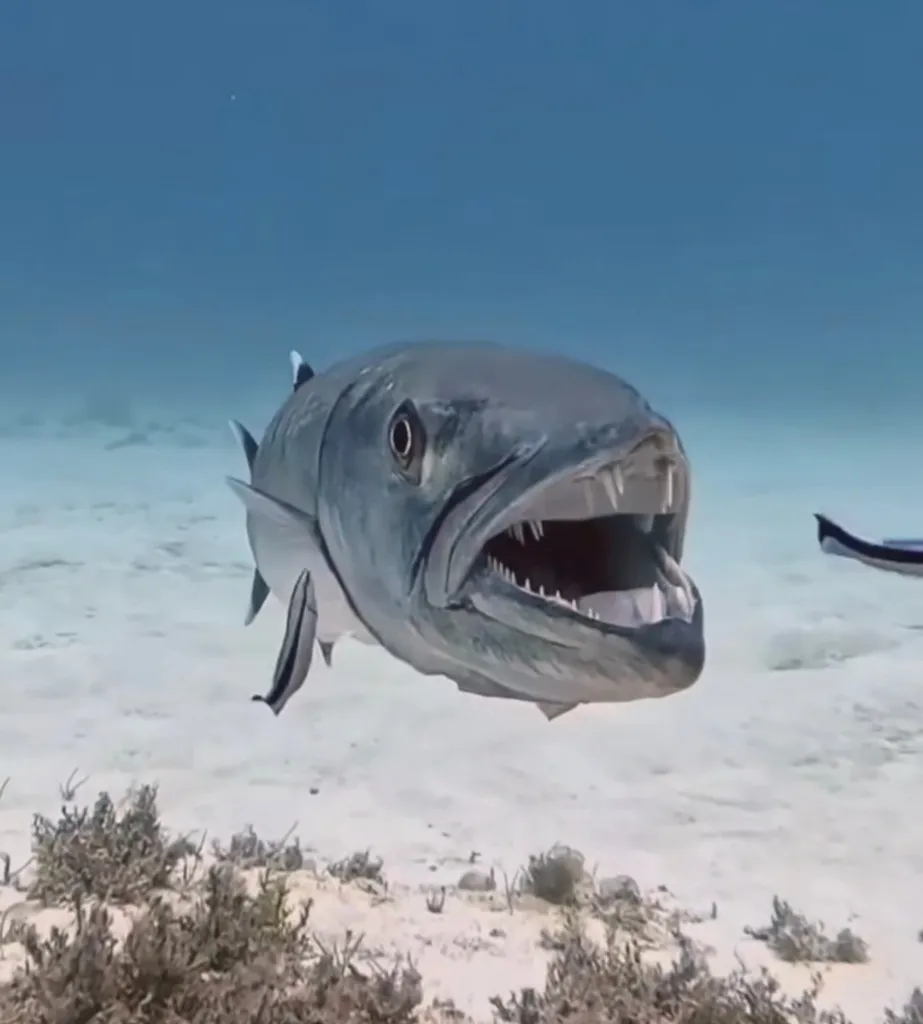
For those with a keen eye, coral formations conceal a wealth of macro life, including nudibranchs, pipefish, and occasionally blue-ringed octopus or pygmy seahorses. Off the reef slopes, barracuda and bumphead parrotfish can be spotted patrolling the coast.
Dive Sites Near Sauwandarek Jetty
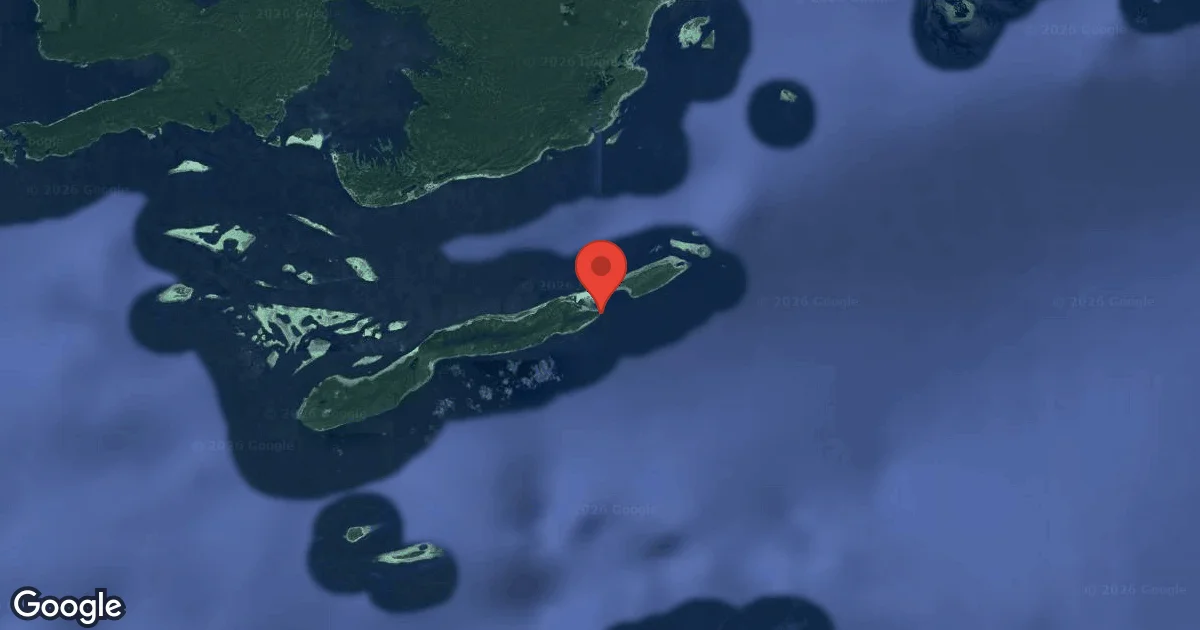
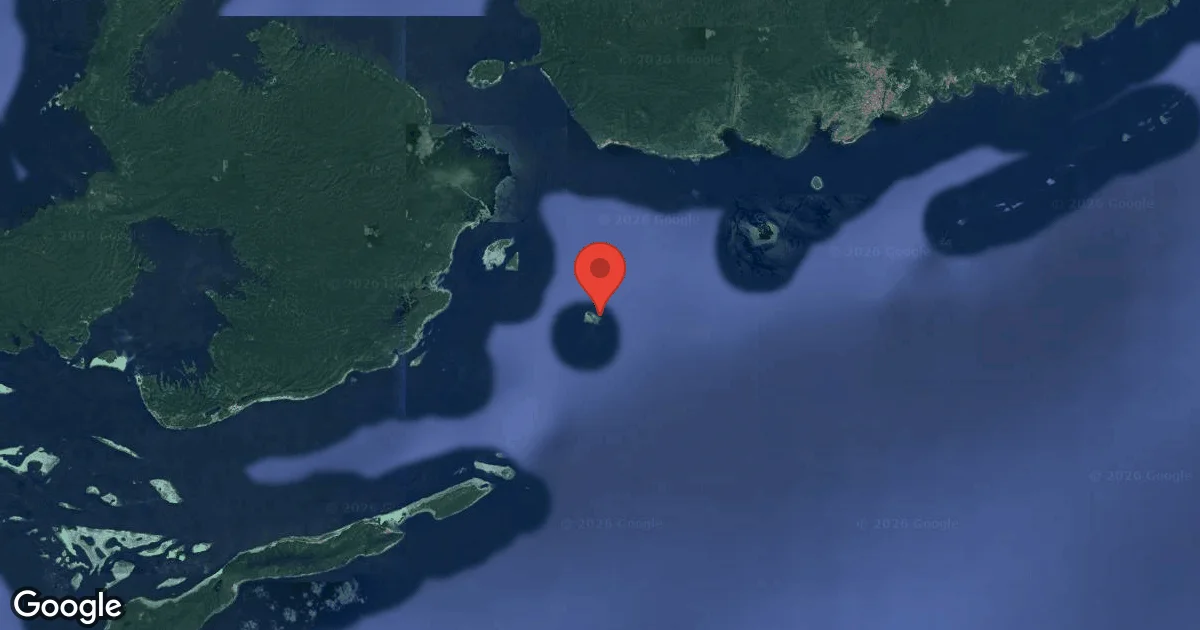
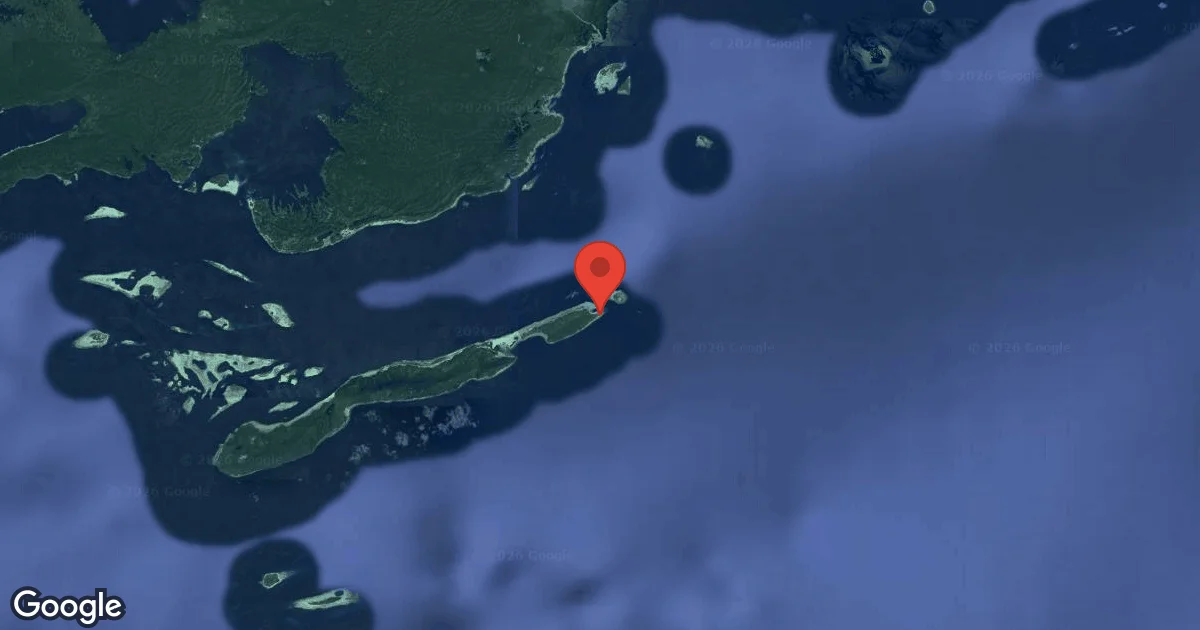
View all dive sites in IndonesiaDiscover more underwater gems in this area.
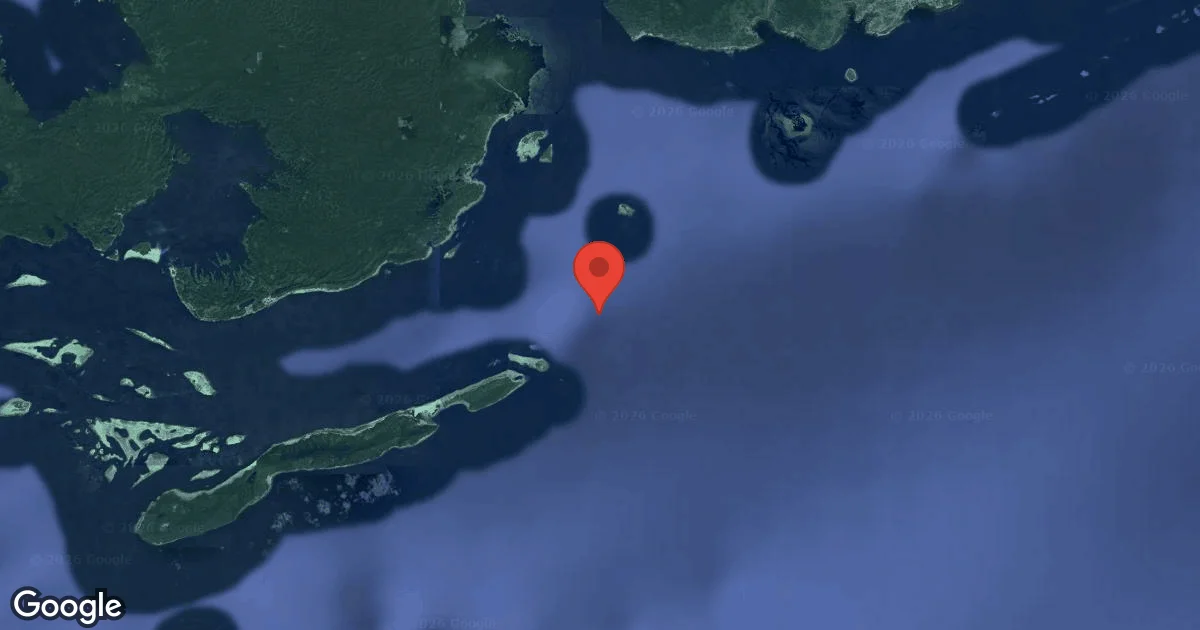
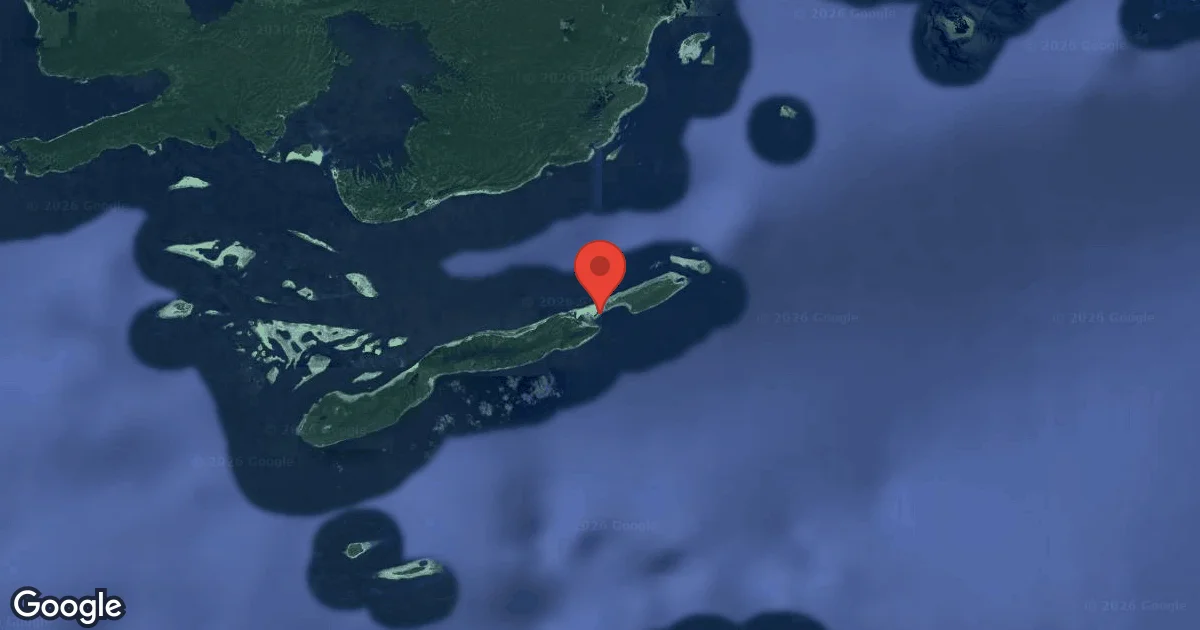
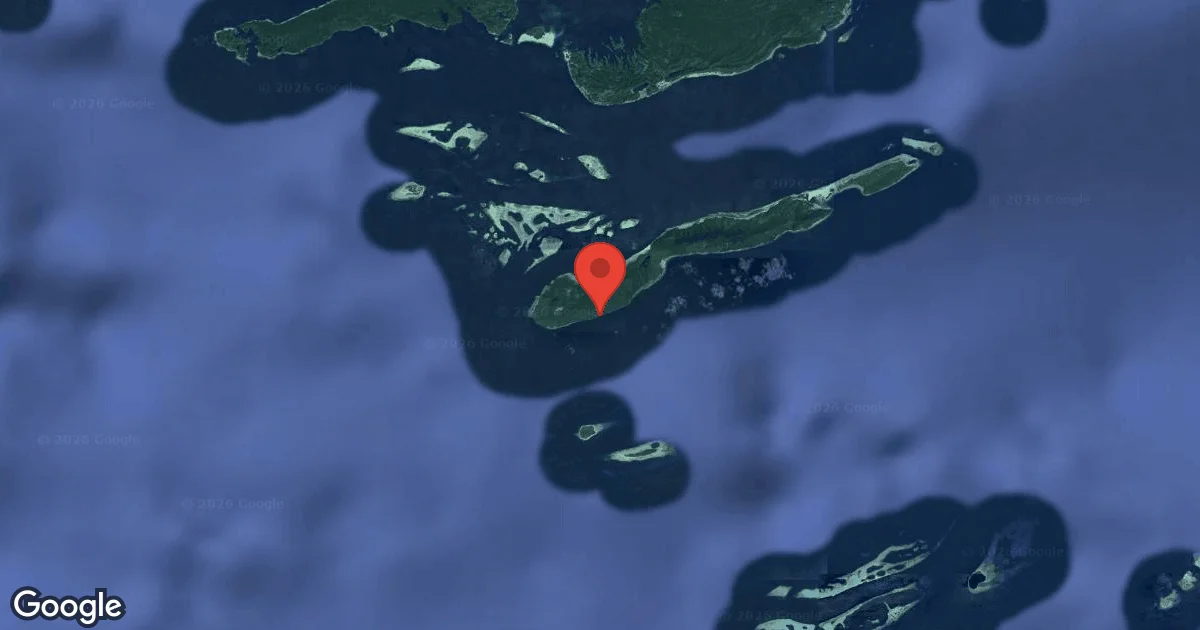
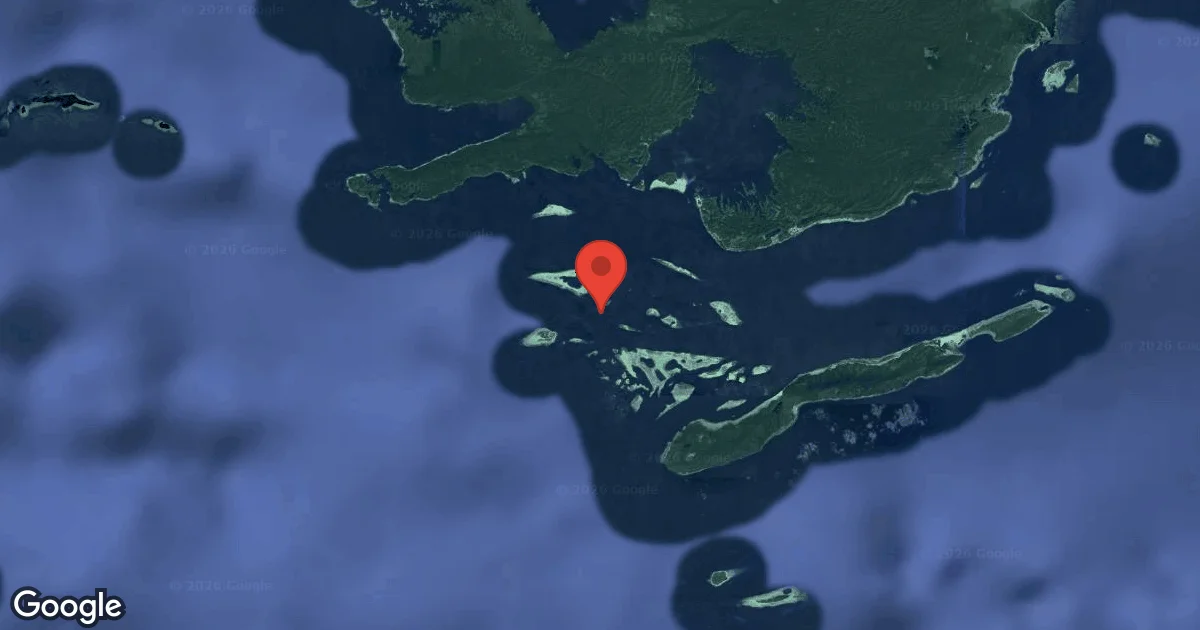
Dive Centers Near Sauwandarek Jetty
Nearest Airports
Nearest airports to help plan travel to this dive area.
Search Flights
Check available flights and routes on Expedia, using the nearby airports listed in this section.
Search Flights on ExpediaFrequently Asked Questions
Is Sauwandarek Jetty suitable for beginner divers?
Yes, this dive site is considered suitable for all levels of divers. The maximum depth of 28 m (91 ft) and generally gentle currents, especially when dived on the correct tides, make it accessible for beginners. Snorkeling is also excellent here.
What marine life can I expect to see at Sauwandarek Jetty?
You can anticipate encountering large schools of batfish, numerous turtles (including a resident green turtle), and schooling fusiliers, trevally, and snapper. For macro enthusiasts, nudibranchs, pipefish, blue-ringed octopus, and pygmy seahorses can be spotted. Barracuda and bumphead parrotfish are also observed off the reef slopes.
Are there strong currents at Sauwandarek Jetty?
The jetty is located within a natural bay, which provides protection from the stronger currents known to flow around Mansuar. Generally, the site experiences gentle current movements, particularly when planned around the turn of the tide. Its proximity to the Dampier Straits does, however, contribute to the abundance of schooling fish.
What is the maximum diving depth at Sauwandarek Jetty?
The maximum diving depth at Sauwandarek Jetty is approximately 28 m (91 ft).
Is snorkeling possible at Sauwandarek Jetty?
Yes, Sauwandarek Jetty is an ideal location for snorkeling. The shallow areas around the jetty and the upper reef slopes offer plenty of marine life and coral formations close to the surface, making it enjoyable for snorkelers.
What is the purpose of the structures located under the jetty?
Under the jetty, you'll find frames shaped like airplanes and letters, which are part of a coral regrowth project. This initiative involves the local community, helping to restore damaged reef areas and serving as an educational platform for conservation.
When is the best time to dive Sauwandarek Jetty for optimal conditions?
Diving is generally good year-round, with "Excellent" dive scores frequently recorded from January to May and July to December. While conditions are consistently favorable, planning your dive around the turn of the tide can optimize encounters with marine life and ensure the gentlest currents for exploration.
Planning to dive Sauwandarek Jetty?
Send one inquiry and receive offers directly from the best verified local dive operators.
Conditions are Good
07:00 - 14:00
Optimal conditions expected
Current conditions near Sauwandarek Jetty show 27° air, 28° sea temperature, 0.3 m waves, and 29 km/h wind. Forecast data is refreshed regularly to ensure accuracy.