
Diving at Cape Kri (Indonesia)
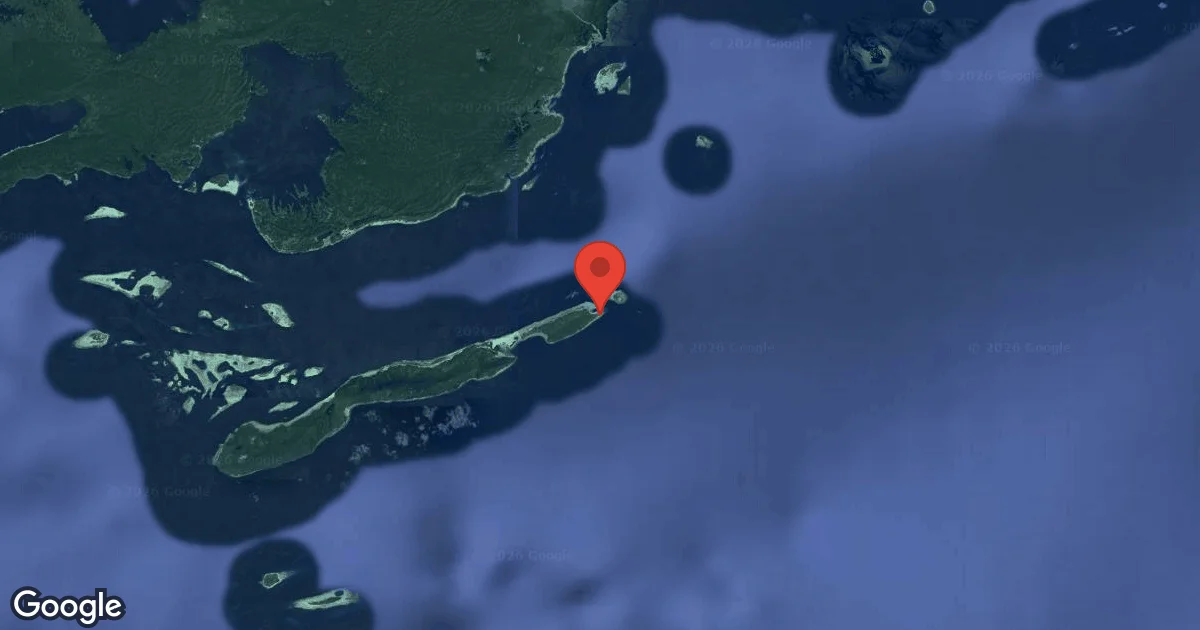
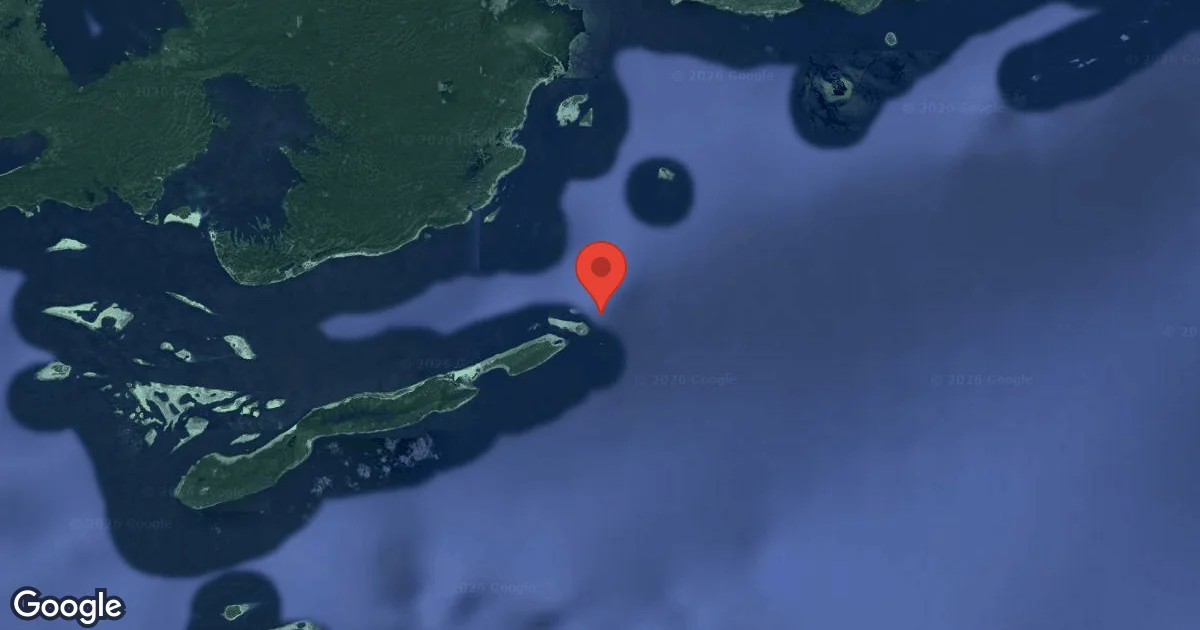
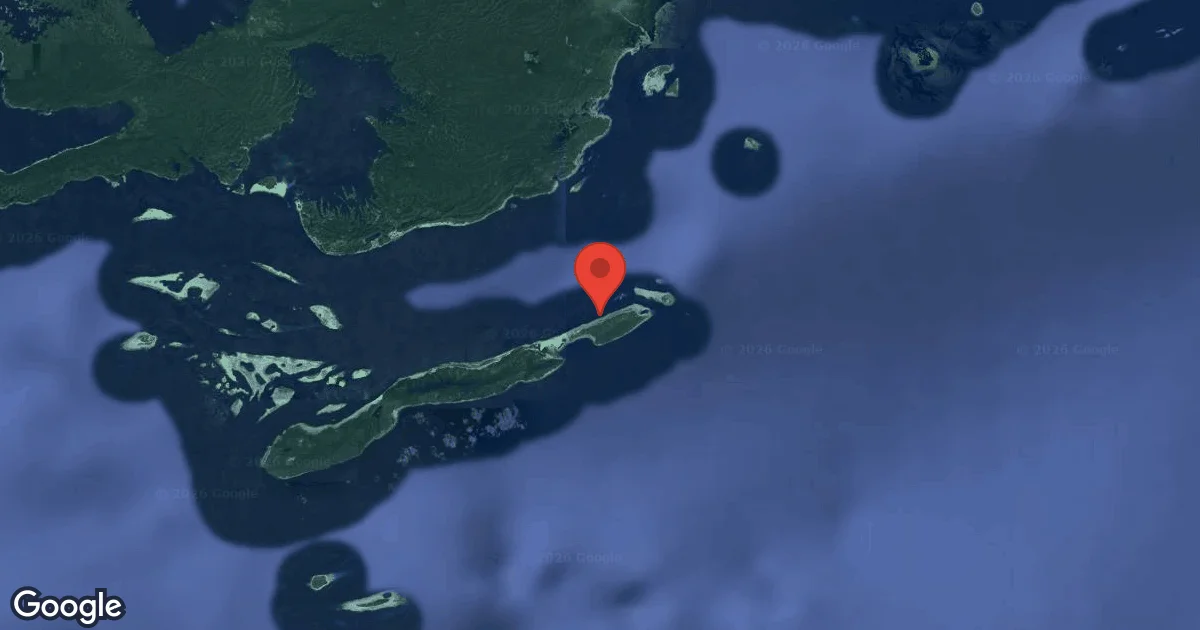
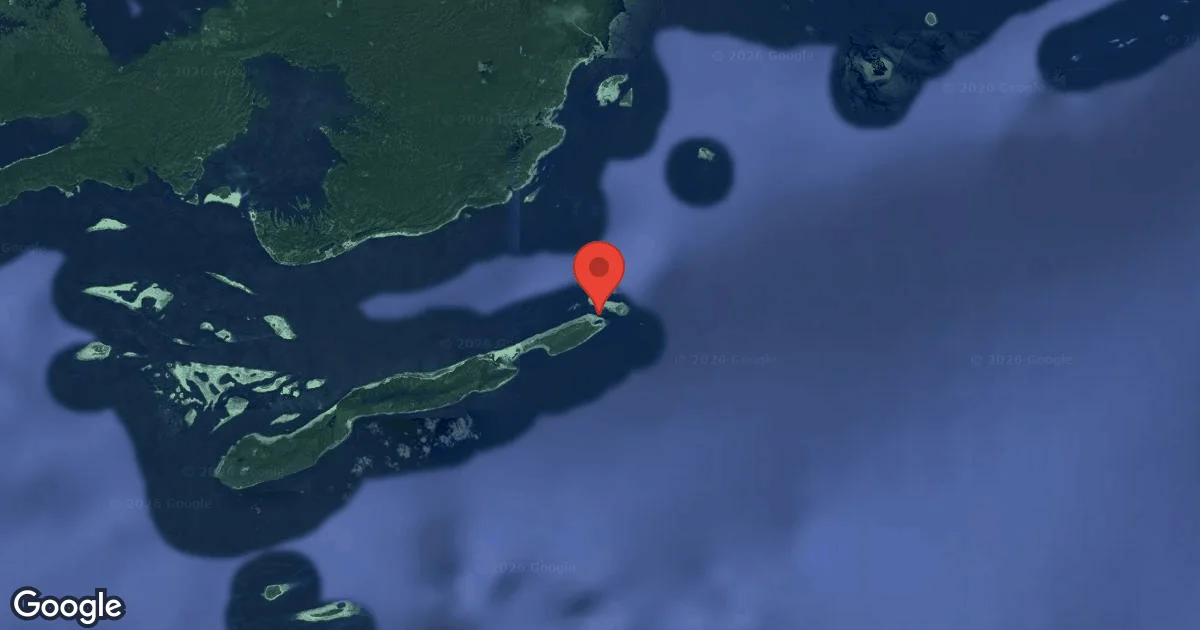
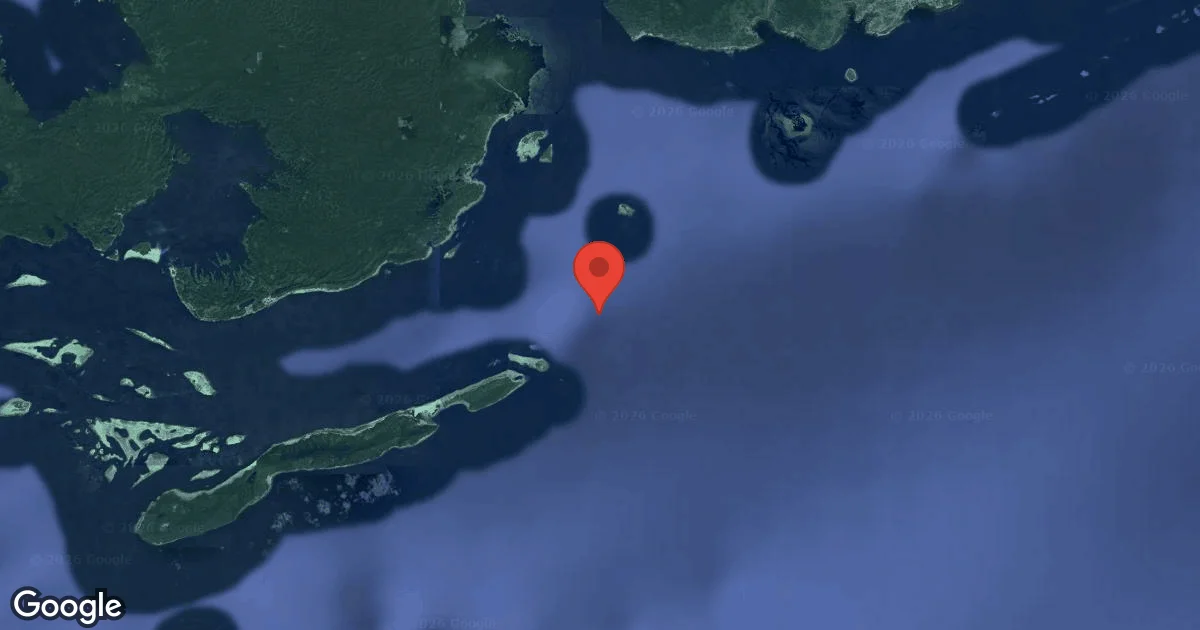
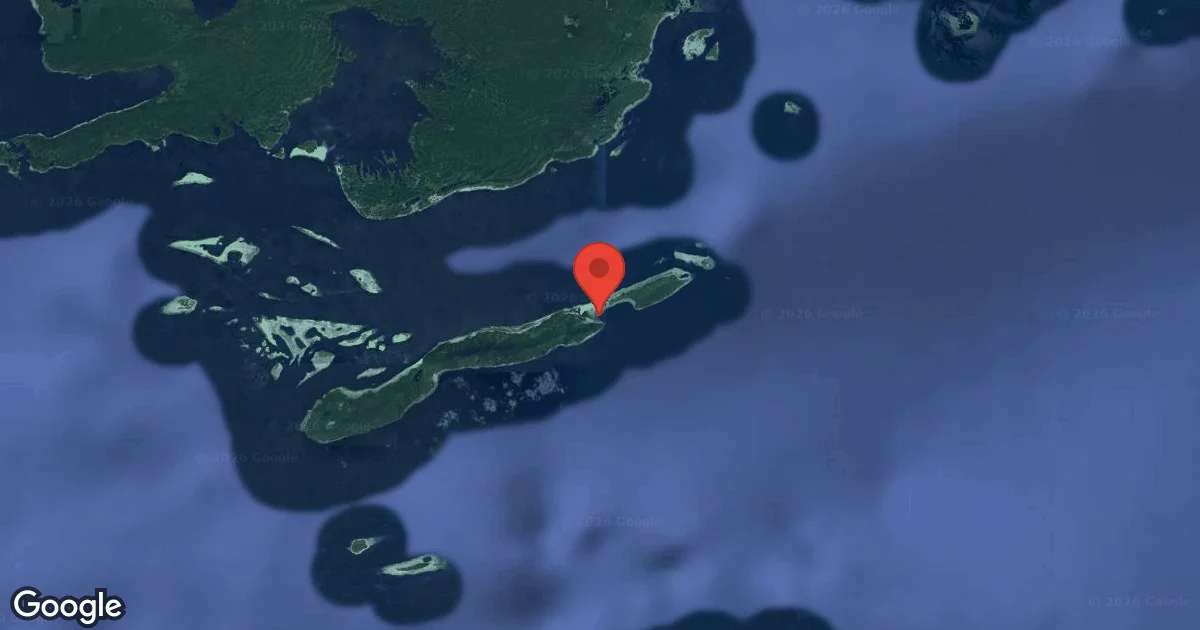
Cape Kri, situated on the eastern tip of Kri Island in Raja Ampat, Indonesia, presents a dynamic underwater topography. Its physical structure transitions from shallow coral gardens interspersed with sandy patches at the reef top to a steady sloping reef. Further out, a distinct drop-off gives way to dramatic wall dives and expansive slopes, stretching for kilometers along the southern coast.
Tonight's objective overview for Cape Kri shows an air temperature of 26°C. The measured surface conditions include wave heights around 0.1 m. This environmental data is logged for the close of the day.
Dive Site Location & Key Facts
Dive Site Overview
Diving Cape Kri immerses you in an extraordinarily active marine environment. Prevailing currents often converge here, creating a veritable superhighway for marine life.
This confluence establishes a rich feeding ground, consistently attracting immense schools of fish and a diverse array of other creatures. The site's biomass is often exceptional, with activity highly concentrated along the reef's structure.
Notably, marine biologist Dr. Gerald Allen recorded 374 distinct species in just 90 minutes here, earning it a world record for single-dive species count. Such biodiversity underscores the location's profound ecological significance within Raja Ampat.
While currents can be quite strong, the local topography facilitates an accessible drift experience, often commencing from the west and flowing towards the reef's eastern end. This enables a relatively effortless journey for divers, guiding them past vibrant, dynamic reef sections.
Dive profiles typically follow a gently sloping reef, which then transitions into dramatic wall dives. These deeper explorations can reach maximum depths of 40 m (131 ft). Exploring these depths reveals different ecosystems, from brilliant shallow coral gardens teeming with smaller life to the deeper, current-swept ledges where larger pelagics patrol.
An immersive encounter with an incredibly vital and thriving ecosystem awaits those exploring Cape Kri.
Conditions are Excellent
07:00 - 14:00
Optimal conditions expected
Current conditions near Cape Kri show 26° air, 30° sea temperature, 0.2 m waves, and 24 km/h wind. Forecast data is refreshed regularly to ensure accuracy.
Best Time to Dive
For optimal diving experiences at Cape Kri, consider the subtle interplay of conditions throughout the year. While the site offers good diving conditions consistently, certain periods and tidal phases can significantly enhance marine activity. Air temperatures remain stable, typically around 26.5-27.5°C (80-82°F), with moderate rainfall that generally doesn't impact underwater visibility. Water temperatures are comfortably warm, ranging from 27-30°C (81-86°F) year-round. Visibility usually stays excellent, often exceeding 20 meters (65 feet), though it may vary slightly with plankton blooms or strong current-induced water movement. Optimal diving frequently occurs during dawn or dusk, as these times coincide with peak feeding activity for many species. Planning dives around the approaching peak of the current can also be highly rewarding. This timing pushes schooling fish into more concentrated areas along the reef, intensifying sightings and creating a truly spectacular display. Consult local dive operators for specific tidal charts to align your dive with the most dynamic conditions. This strategic approach ensures you encounter Cape Kri when its marine life is most vibrant and active.
PEAK SEASON SCORE
Scores combine air & water temps, waves, wind & rainfall for overall conditions.
BEST MONTHS TO DIVE
Monthly records compiled from satellite and marine observation nodes over the last 3 years. Data provided by Open-Meteo and MET Norway.
Dive Experience & Conditions
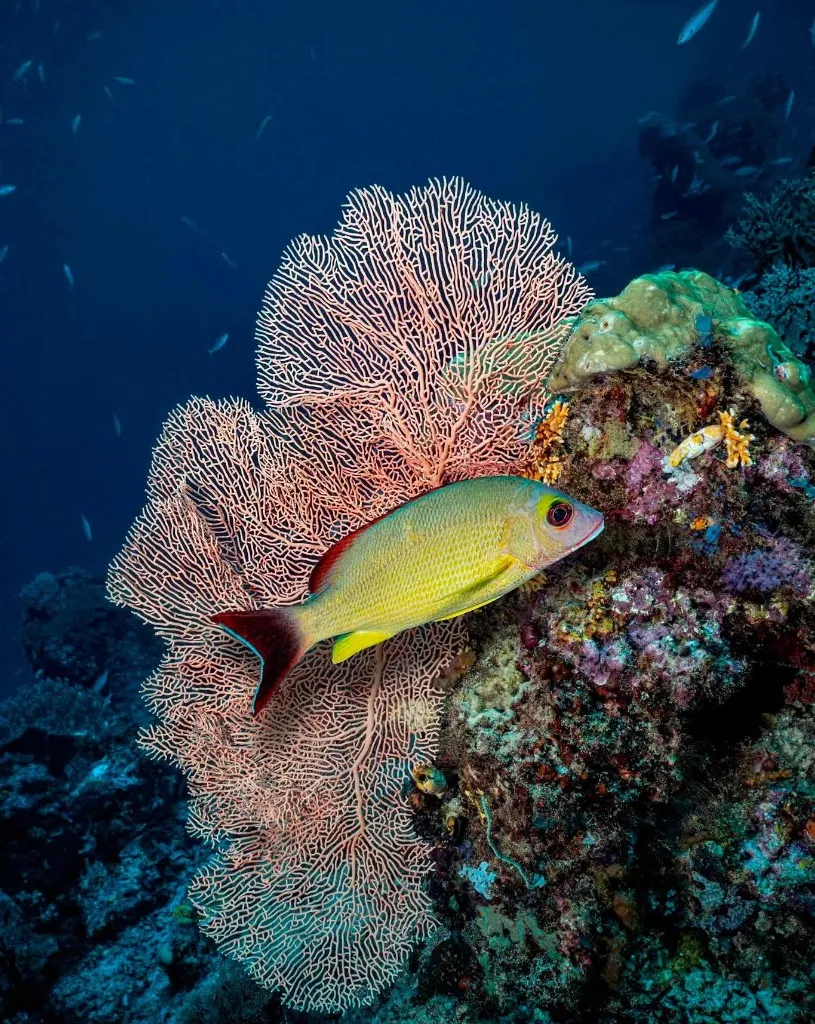
The experience of diving Cape Kri is characterized by its powerful, life-sustaining currents. Divers can expect an exhilarating drift as they are propelled along the reef's contours. Gliding through the water, one observes an exceptionally healthy and vibrant coral ecosystem, comprising a diverse range of hard corals, soft corals, sponges, and expansive sea fans. This consistent water movement delivers a rich supply of nutrients, directly fueling the site's phenomenal marine activity and supporting the prolific growth seen across the reef. While these currents can be robust, particularly along exposed sections, the typical drift profile often feels manageable, guiding divers effortlessly through dense schools of fish. Water temperatures remain consistently warm, hovering around 27-30°C (81-86°F), contributing to comfortable multi-dive days. Visibility tends to be very good throughout the year, usually providing clear, far-reaching underwater views that showcase the vastness of the fish biomass. The dynamic interaction between the reef structure and the strong water flow creates an ever-changing spectacle. Divers should be comfortable with drift diving techniques to fully appreciate the effortless journey this site provides.
Dive Difficulty & Safety Guidelines
Approaching Cape Kri requires careful consideration of its dynamic currents, which can be quite strong, especially at the surface. Divers should plan their entry as the current reaches its peak for optimal drift diving, typically moving from west to east along the reef. Though described as an easy drift, even for newer divers, maintaining situational awareness and buoyancy control is crucial.
Snorkeling here isn't recommended due to the strong surface currents and the reef's depth. Ensure you dive with a qualified guide familiar with local conditions and current patterns to maximize safety and enjoyment.
Recommended Equipment
Deep dive hazard. Increased narcosis and gas consumption risk.
- Dive Computer
- DSMB
- Primary & Backup Lights
This gear list is based on verified equipment signals for Cape Kri, Indonesia. Always confirm final gear choices with your dive operator, guide, or liveaboard.
Recommended Dive Suit
Subtle variations in currents or depth can sometimes influence perceived water temperature.
Dive skin or rash guard tends to perform well in water temperatures like those currently observed here. A hood or vest is suggested for sensitive divers due to surface winds. Forecast models show minimal temperature variation in the coming days.
Current temperature readings suggest that the water at Cape Kri is around 30°C (85°F). Surface air temperatures are resting at 26°C (79°F).
Emergency & Medical Support
Essential information to help you plan your dive trip to Cape Kri.

Hyperbaric chambers are a critical part of dive safety infrastructure. Availability varies significantly by region, and not all dive areas have immediate access.
Before diving, it's recommended to:
- confirm nearest medical facilities
- check emergency procedures with local dive operators
- ensure dive insurance covers evacuation if required
Divers Alert Network
Diving emergency assistance available through DAN World.
+1-919-684-9111- 24/7 emergency hotline
- Diving medical assistance
- Evacuation coordination
Emergency contacts are provided for reference. Always verify local emergency services before diving.
Marine Life at Cape Kri
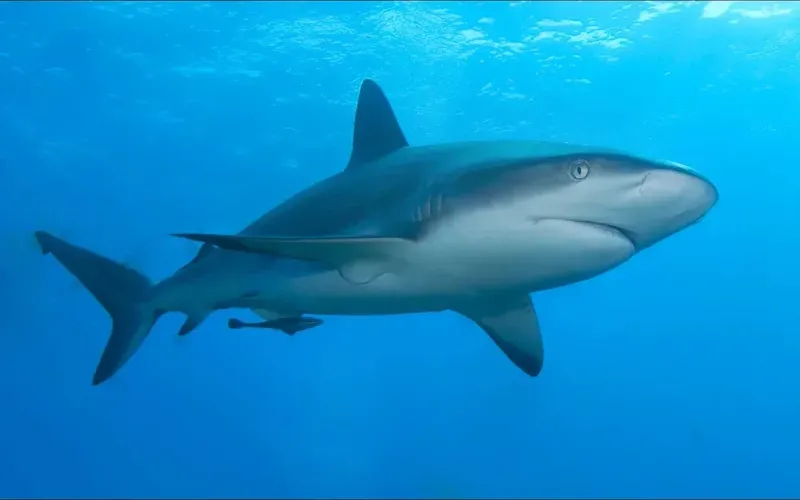
What immediately stands out at Cape Kri is the sheer volume of fish life, often appearing as massive schools of snappers, jacks, sweetlips, and triggerfish. Look closely, and you might spot predators like barracuda, reef sharks, and even larger oceanic sharks patrolling the deeper sections.
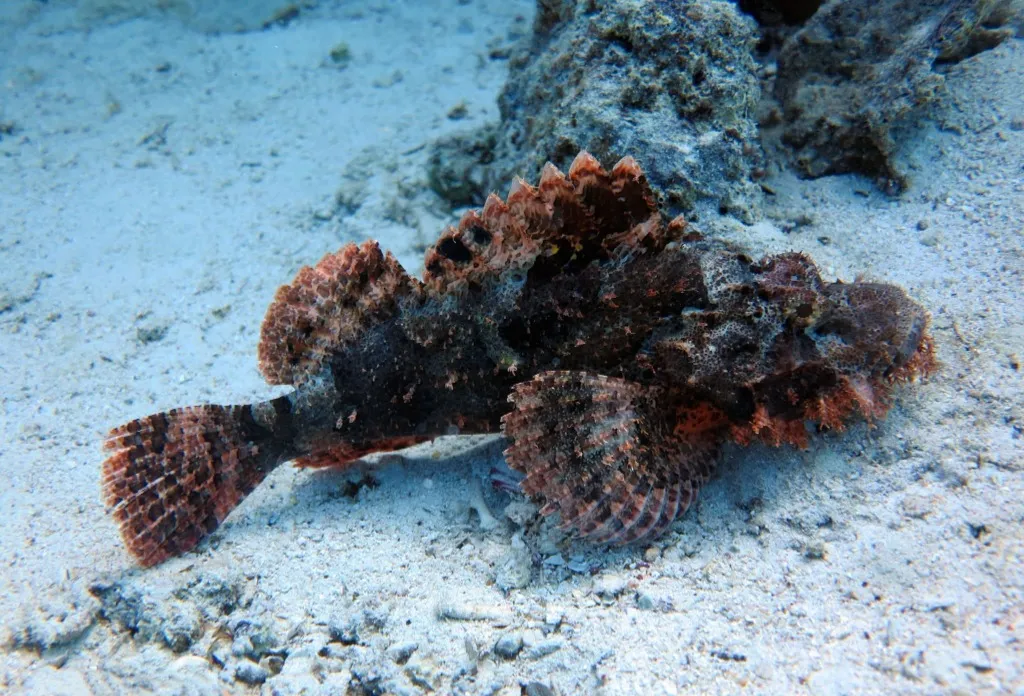
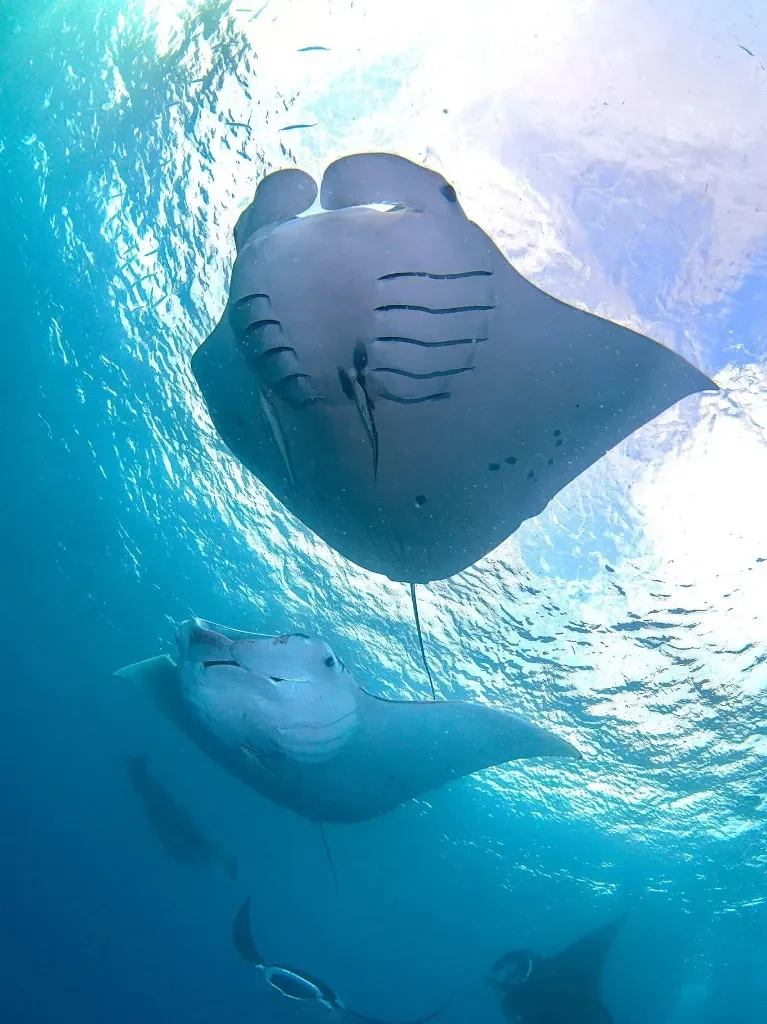
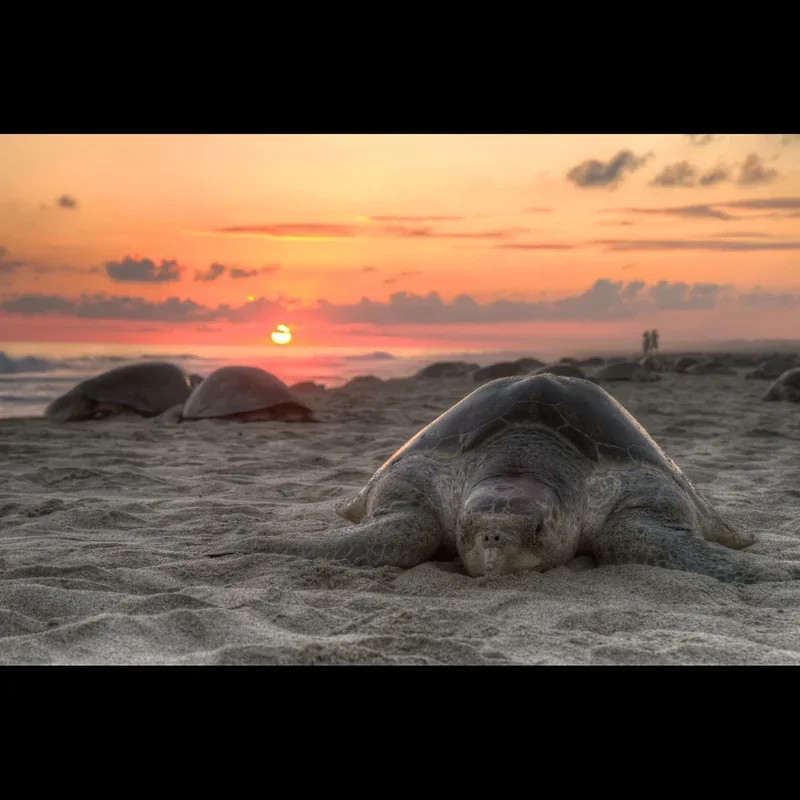
Depending on the season and specific conditions, manta rays and sea turtles may also make an appearance. For those with an eye for the small, the reef also hosts diverse macro life, including nudibranchs, shrimps, pygmy seahorses, flatworms, and various scorpionfish.
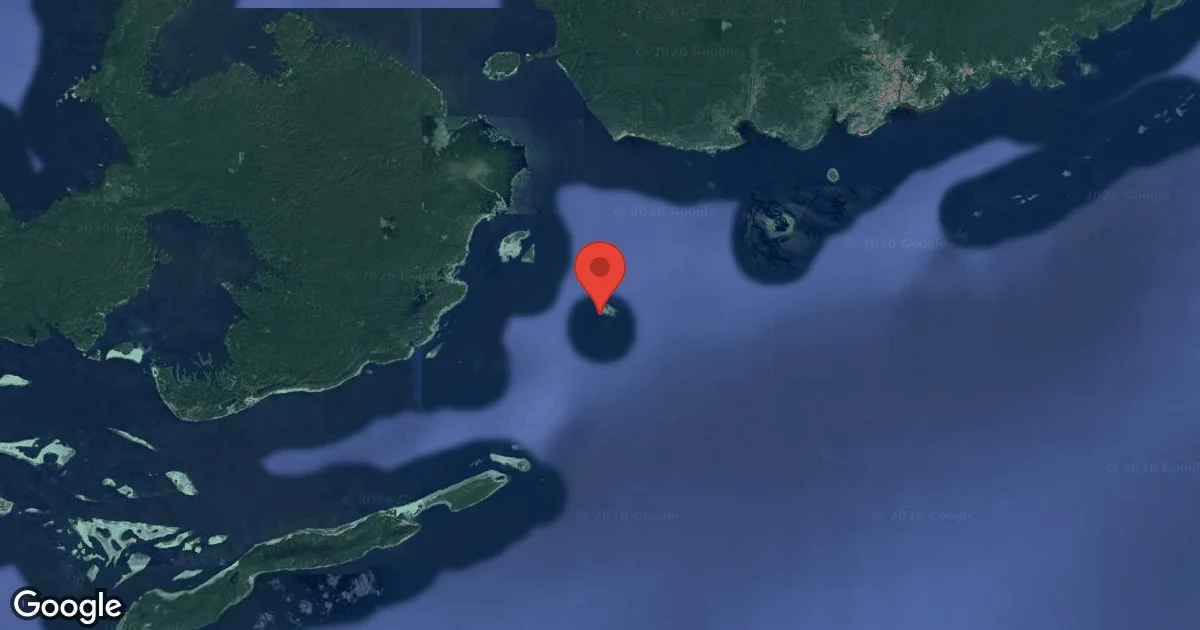
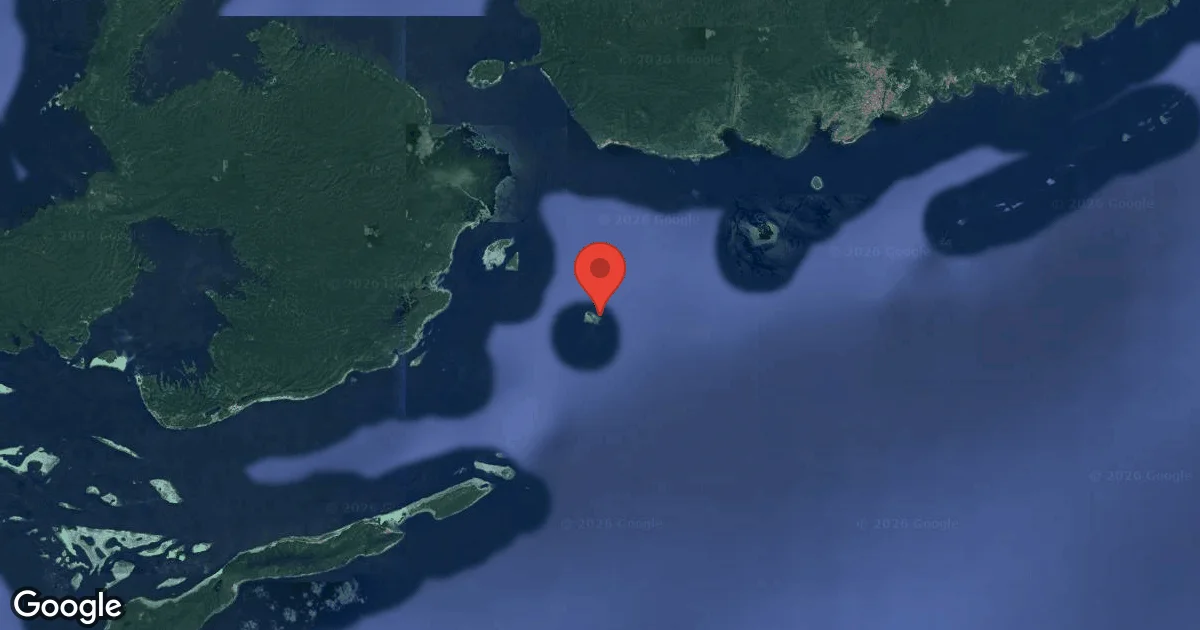
Dive Sites Near Cape Kri
View all dive sites in IndonesiaDiscover more underwater gems in this area.
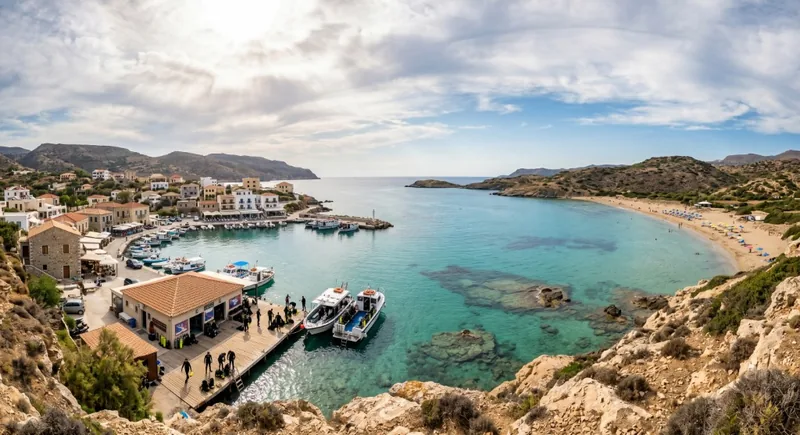
Dive Centers Near Cape Kri
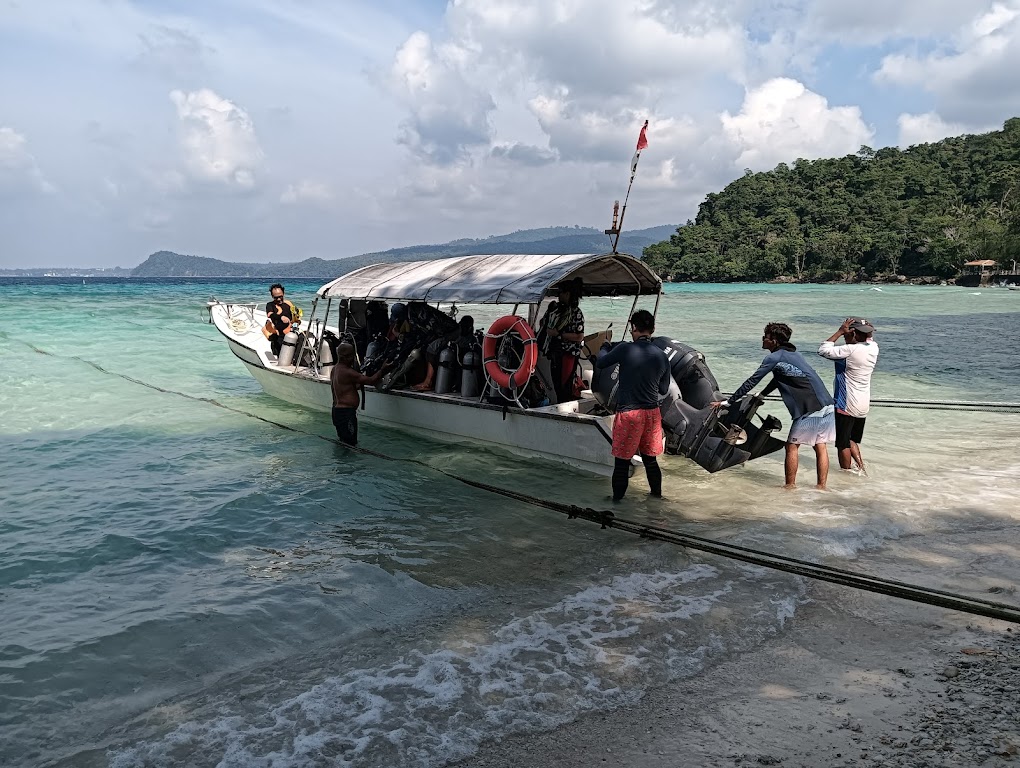
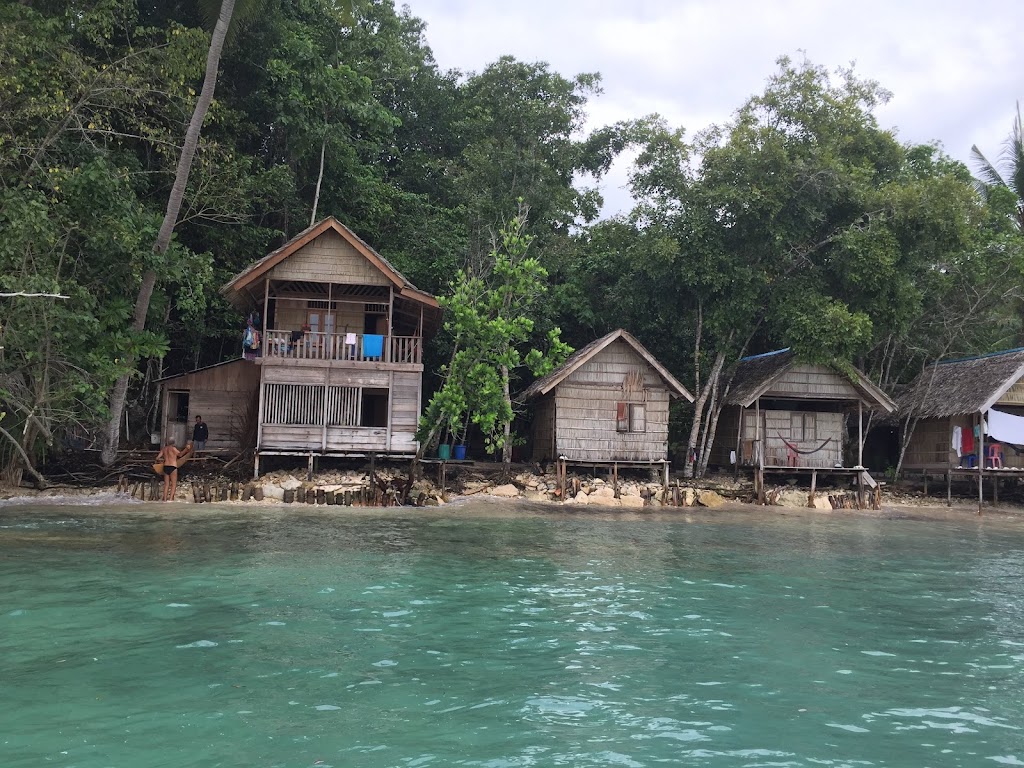
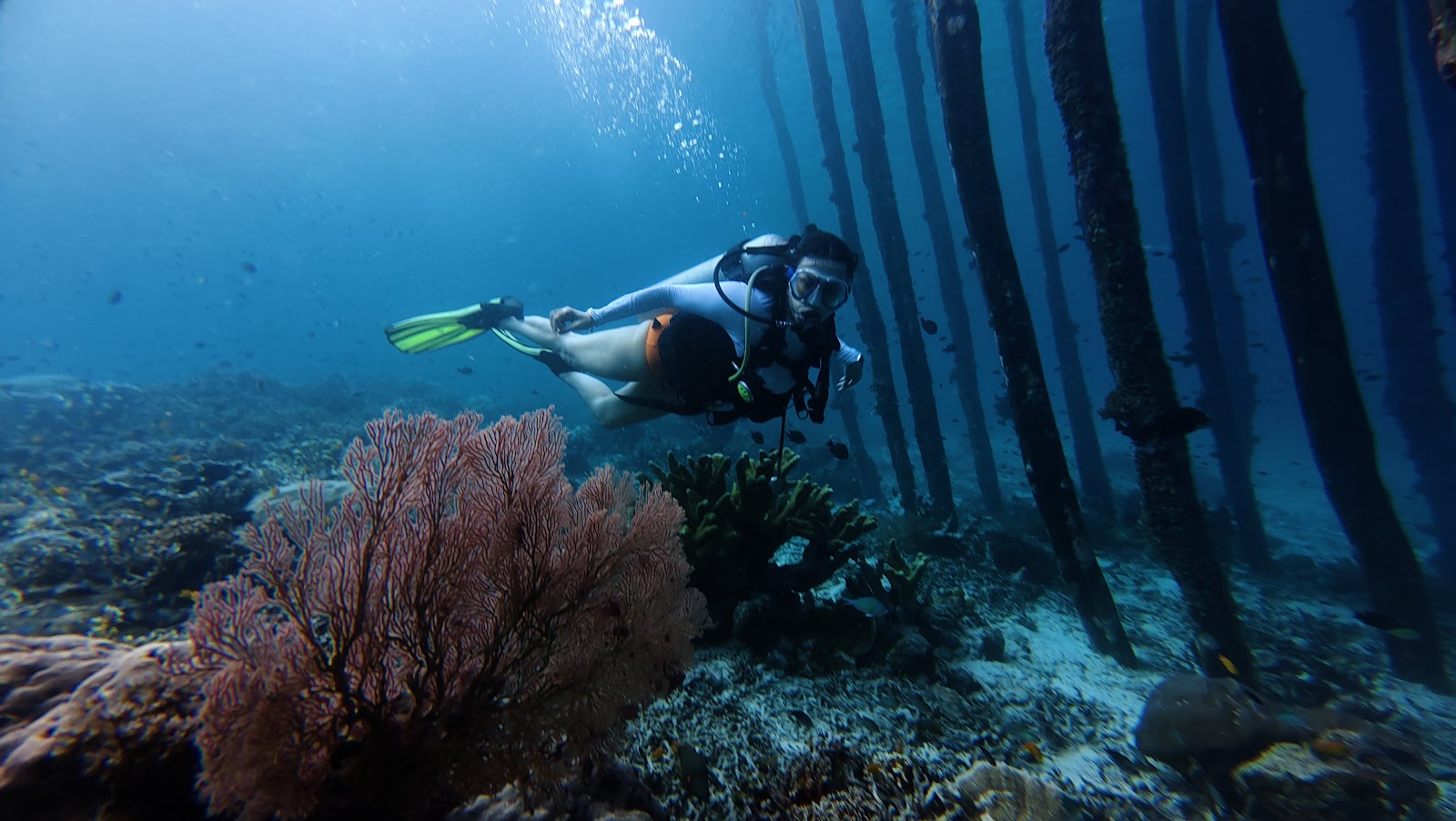
Nearest Airports
Nearest airports to help plan travel to this dive area.
Search Flights
Check available flights and routes on Expedia, using the nearby airports listed in this section.
Search Flights on ExpediaFrequently Asked Questions
How do I get to Cape Kri?
To reach Cape Kri, travelers typically fly into Sorong, Indonesia. From there, you'll take a ferry to Waisai, the main town on Waigeo Island. Finally, a private speedboat transfer is required to Kri Island, the closest landmass to the dive site.
What makes Cape Kri particularly noteworthy?
Cape Kri holds a world record for the highest number of fish species documented on a single dive. Marine biologist Dr. Gerald R. Allen recorded 374 distinct species in 90 minutes here, establishing it as a globally recognized hotspot for marine biodiversity.
Is Cape Kri suitable for all diver levels?
Yes, it can accommodate various experience levels. While the currents can be strong, the drift dive along the reef is often described as manageable even for less experienced divers. It features both gentle sloping reefs and deeper wall dives.
What are the water temperatures like at Cape Kri?
Water temperatures at Cape Kri are consistently warm throughout the year, generally ranging from 27°C to 30°C (81-86°F). This provides comfortable diving conditions on most days.
Can I snorkel at Cape Kri?
Snorkeling is not typically recommended at Cape Kri. The reef isn't particularly shallow, and surface currents can be strong, posing potential challenges for snorkelers.
What kind of marine life can I expect to see?
Divers often encounter massive schools of snappers, jacks, and sweetlips. Larger predators such as barracuda and various reef sharks are common. The site also supports diverse macro life, including nudibranchs and pygmy seahorses, along with occasional manta rays and sea turtles.
Planning to dive Cape Kri?
Send one inquiry and receive offers directly from the best verified local dive operators.
Conditions are Excellent
07:00 - 14:00
Optimal conditions expected
Current conditions near Cape Kri show 26° air, 30° sea temperature, 0.2 m waves, and 24 km/h wind. Forecast data is refreshed regularly to ensure accuracy.