
Diving at Manta Point (Indonesia)
Descending into Manta Point, divers often experience an immediate sense of anticipation, knowing this site functions as a significant cleaning station. Primary action unfolds in shallower depths, allowing for extended observations of marine interactions. Here, large reef mantas glide gracefully, approaching specific rock formations for interaction with cleaner wrasse. An immersive experience awaits, with depths extending from the surface down to approximately 20 m / 66 ft.
Tonight's objective overview for Manta Point shows an air temperature of 25.5°C. The measured surface conditions include wave heights around 0.3 m. This environmental data is logged for the close of the day.
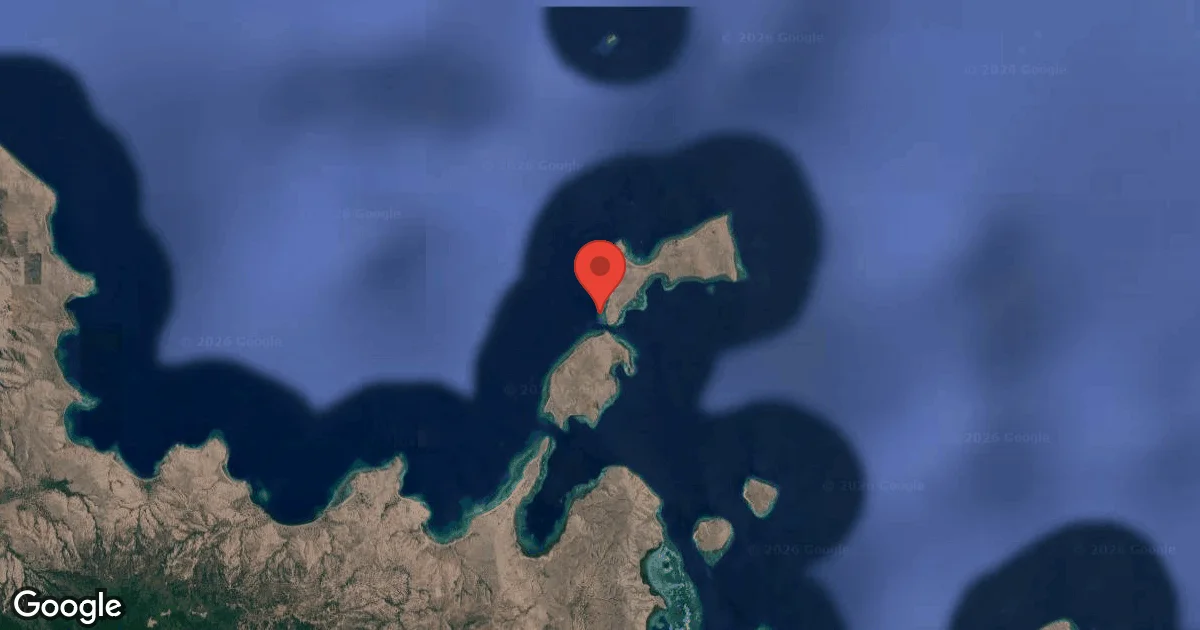
Dive Site Location & Key Facts
Dive Site Overview
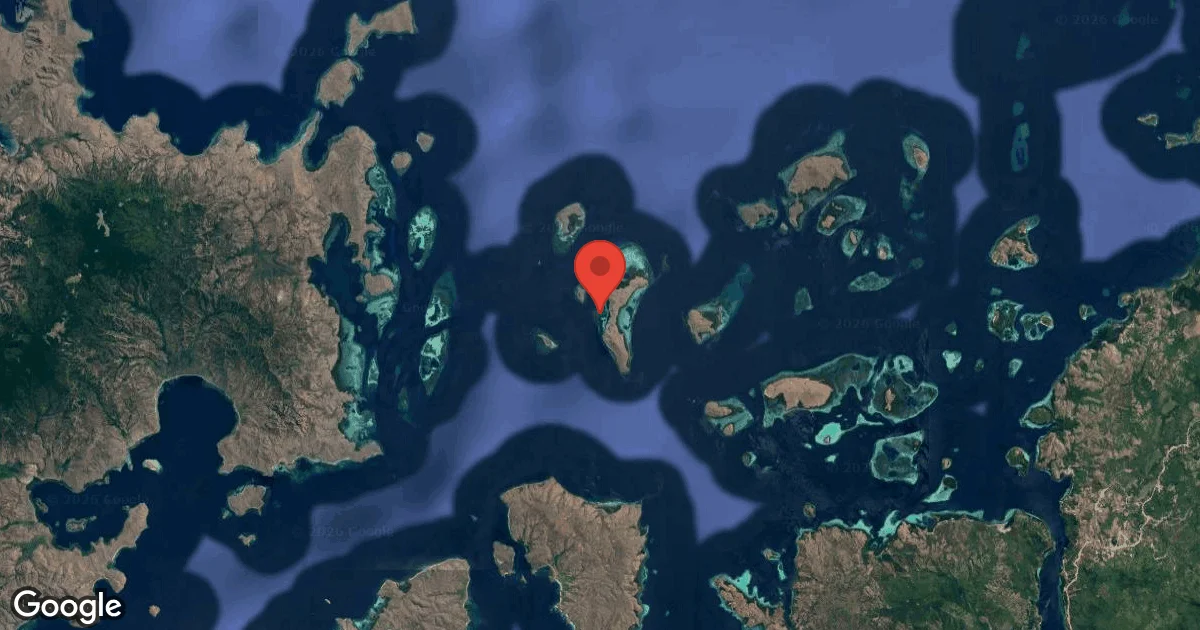
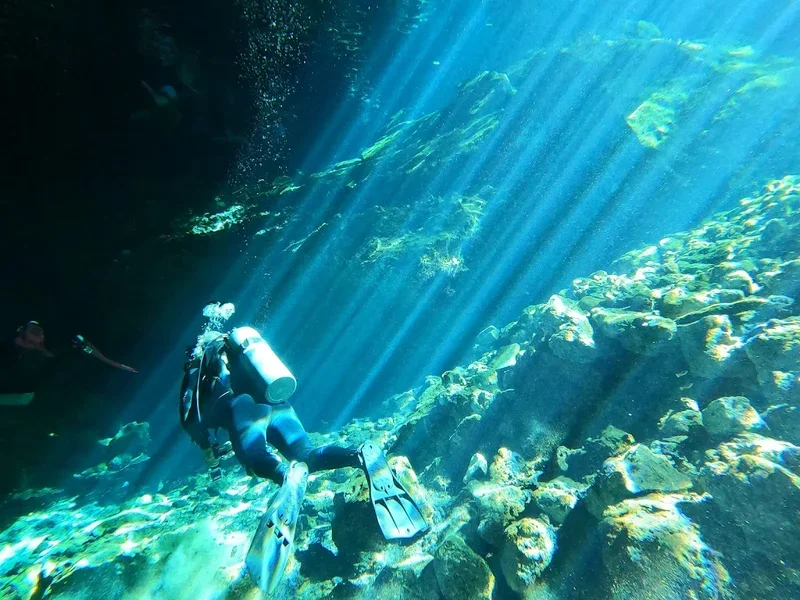
Manta Point's topography, positioned on Nusa Penida's southwest coast, consists mainly of dramatic limestone cliffs plunging directly into the ocean. This creates an underwater landscape dominated by substantial limestone rock formations and scattered small sandy bays, rather than extensive coral gardens.
While hard and soft corals are present, they aren't the primary draw; a raw, rugged geological structure sets the stage. Central attraction is a naturally formed cleaning station, identified as a prominent rock formation, located barely 5 m / 16 ft below the surface. This crucial setup provides a vital service for marine life.
Reef mantas are drawn to this spot year-round, utilizing resident cleaner wrasse to remove parasites. Beyond cleaning, the site also serves as a crucial area for social interactions and opportunistic feeding when plankton aggregates, making it a dynamic hub of activity, especially in the shallower zones where most manta encounters occur.
Conditions are Good
Optimal conditions expected
Current conditions near Manta Point show 26° air, 28° sea temperature, 0.5 m waves, and 28 km/h wind. Forecast data is refreshed regularly to ensure accuracy.
Best Time to Dive
Planning a dive to Manta Point often revolves around maximizing manta ray encounters and comfortable surface conditions. Divers can generally expect average underwater clarity, typically ranging between 10 to 15 meters, which is usually sufficient for observing the large reef mantas. Manta rays are reliably sighted throughout the year, making it a highly consistent destination for these interactions. Nevertheless, there are usually 4-5 weeks annually when sightings become less frequent, though exact timings can vary. For surface comfort and trip logistics, the period from June to October tends to offer the most favorable conditions, characterized by the lowest rainfalls and consistently pleasant air temperatures, which average between 27°C to 29°C / 81-84°F. While mantas are present year-round, these dryer months often provide the calmest surface seas, which enhances boat travel and overall diver comfort.
PEAK SEASON SCORE
Scores combine air & water temps, waves, wind & rainfall for overall conditions.
BEST MONTHS TO DIVE
Monthly records compiled from satellite and marine observation nodes over the last 3 years. Data provided by Open-Meteo and MET Norway.
Dive Experience & Conditions
Current dynamics at Manta Point are notably mild or absent, even at deeper sections of the wall where molas are occasionally spotted. A primary concern influencing dive conditions is surface swell, which at times, can reach over 4 meters, rendering the site unsuitable for diving. Dive operators strictly monitor forecasts; they won't typically send boats if swells are predicted to be around 1.6 to 1.7 meters or higher. Water here is consistently cool, often feeling refreshing as cooler waters from the south flow in. This persistent chill makes a 5mm or 7mm wetsuit a common recommendation for diver comfort.
Dive Difficulty & Safety Guidelines
Foremost safety consideration at Manta Point is the prevailing surface swell, which can dramatically impact both access and overall diver safety. Dive operators prioritize welfare, consistently monitoring forecasts and will cancel or divert trips if conditions are deemed unsafe, typically when swells are predicted to exceed 1.6 to 1.7 meters. Such conditions can make boat handling challenging and entry or exit procedures hazardous.
Divers should proactively consult with their chosen dive operator about the specific forecast for their planned dive dates, not just rely on general weather. Always follow your dive guide's instructions, particularly concerning safe entry and exit techniques from the boat, as ocean conditions can change rapidly.
Maintaining excellent buoyancy control is also vital, especially around the cleaning station, to avoid disturbing the ecosystem and other divers.
Recommended Equipment
Current and surface separation risk. Local briefing strongly recommended.
- Dive Computer
- DSMB
- Reel / Spool
This gear list is based on verified equipment signals for Manta Point, Indonesia. Always confirm final gear choices with your dive operator, guide, or liveaboard.
Recommended Dive Suit
Thermal protection such as 2-3mm shorty or light wetsuit is commonly used for water temperatures in this range. A hood or vest is suggested for sensitive divers due to surface winds.
Current readings at Manta Point show water temperatures near 28°C (82°F). Surface air temperatures are resting at 26°C (78°F).
The next few days appear likely to bring similar environmental conditions.
Emergency & Medical Support
Essential information to help you plan your dive trip to Manta Point.

Hyperbaric chambers are a critical part of dive safety infrastructure. Availability varies significantly by region, and not all dive areas have immediate access.
Before diving, it's recommended to:
- confirm nearest medical facilities
- check emergency procedures with local dive operators
- ensure dive insurance covers evacuation if required
Divers Alert Network
Diving emergency assistance available through DAN World.
+1-919-684-9111- 24/7 emergency hotline
- Diving medical assistance
- Evacuation coordination
Emergency contacts are provided for reference. Always verify local emergency services before diving.
Marine Life at Manta Point
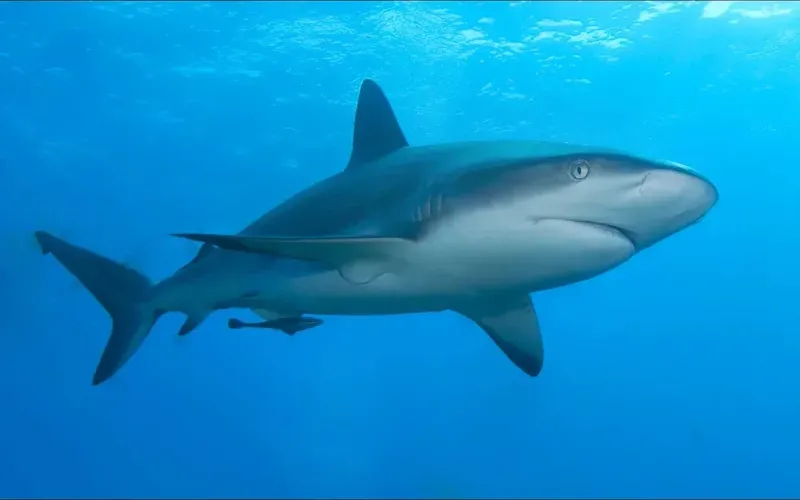
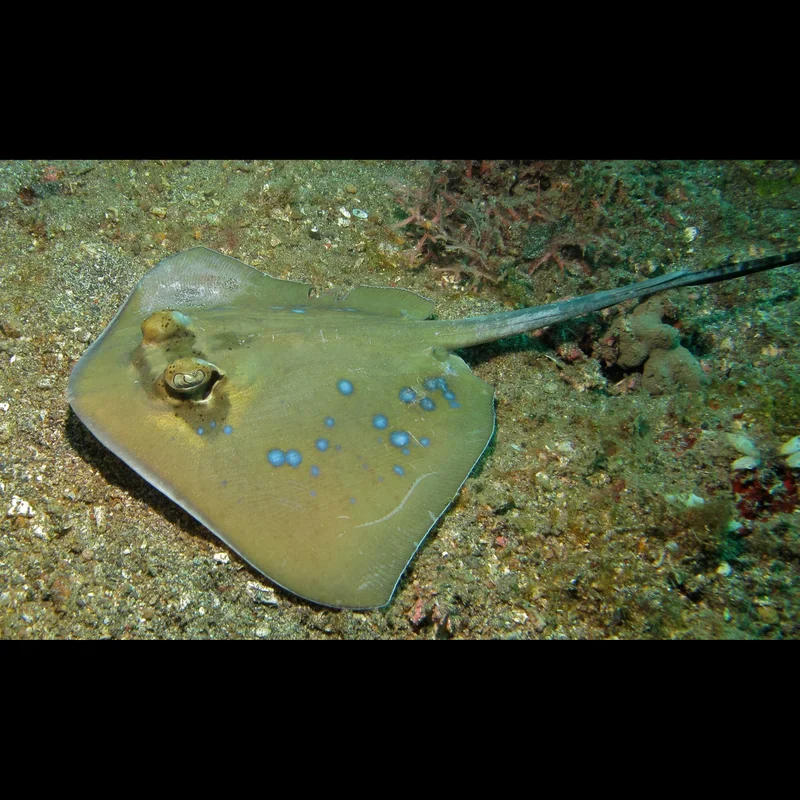
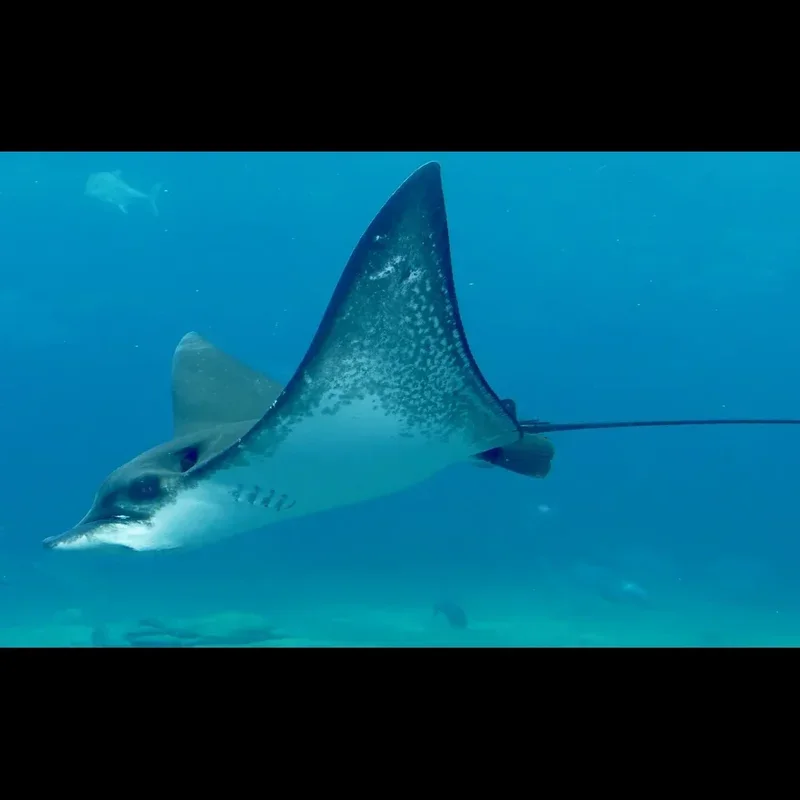
Manta Point is fundamentally a cleaning station, drawing a diverse array of marine life, most notably reef mantas (Mobula alfredi). These majestic filter feeders, capable of reaching 5 meters (16 ft) in wingspan, visit the site to have parasites removed by cleaner wrasse. Beyond the constant presence of mantas, observant divers may also spot blue spotted stingrays, eagle rays, bamboo reef sharks, turtles, and the occasional Mola mola, adding to the site's rich biodiversity.

Dive Sites Near Manta Point
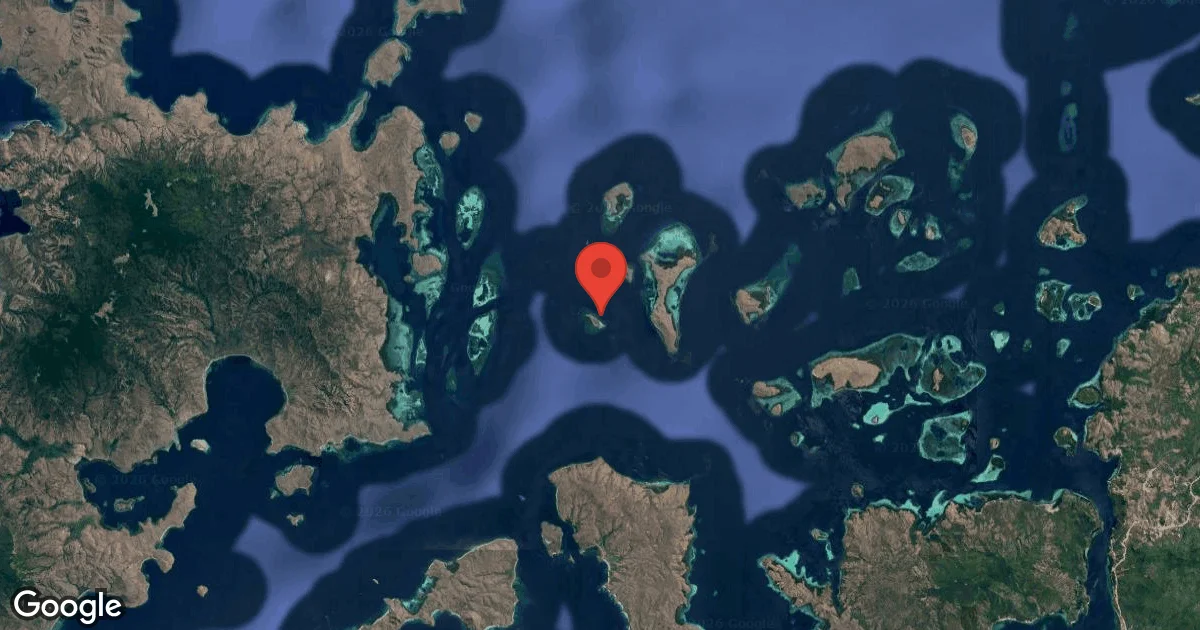
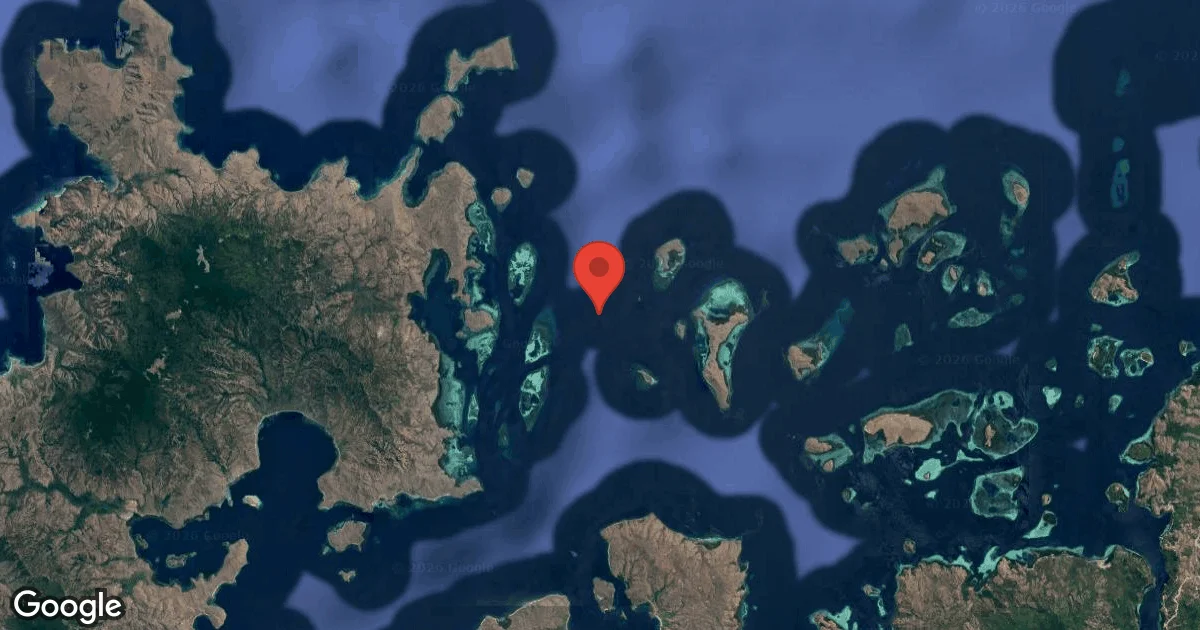
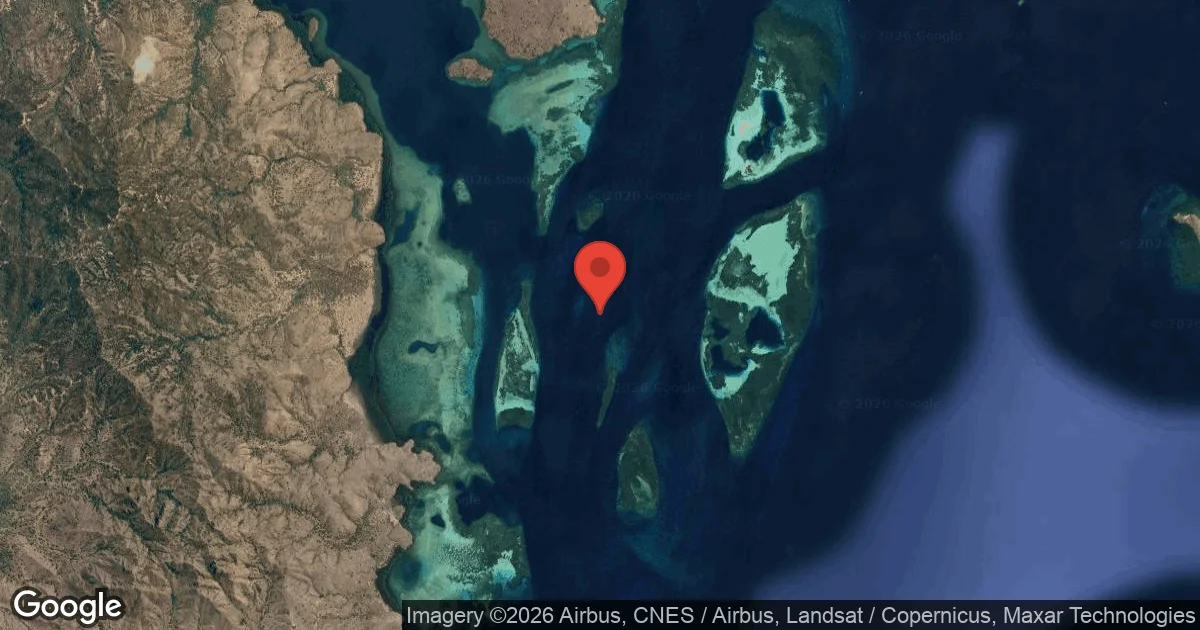
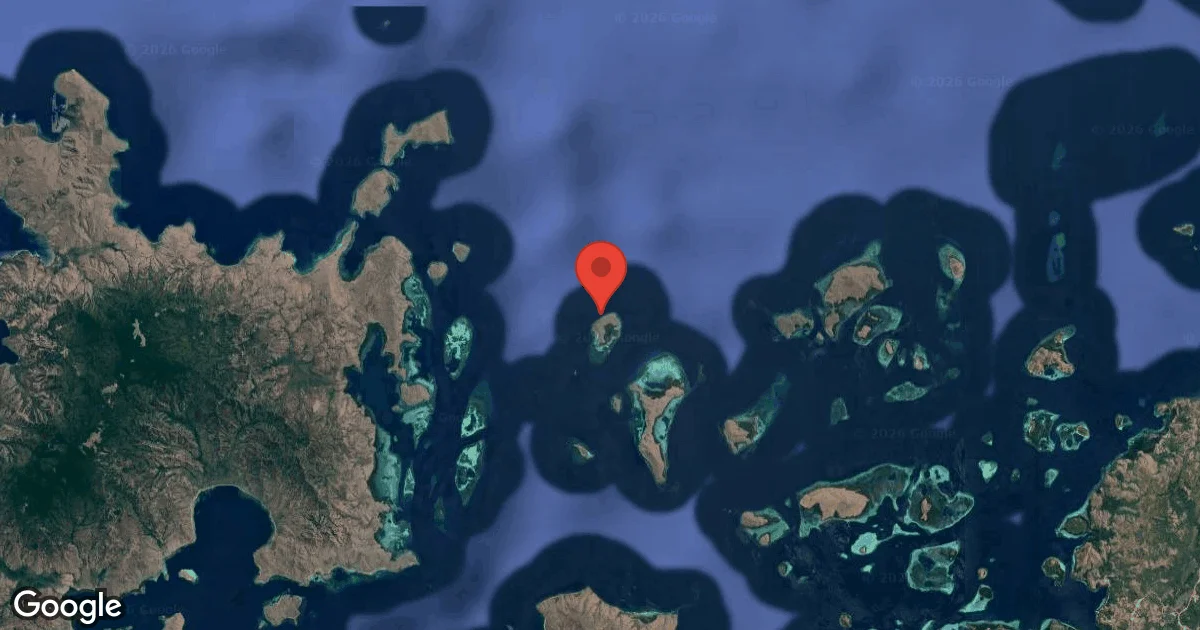
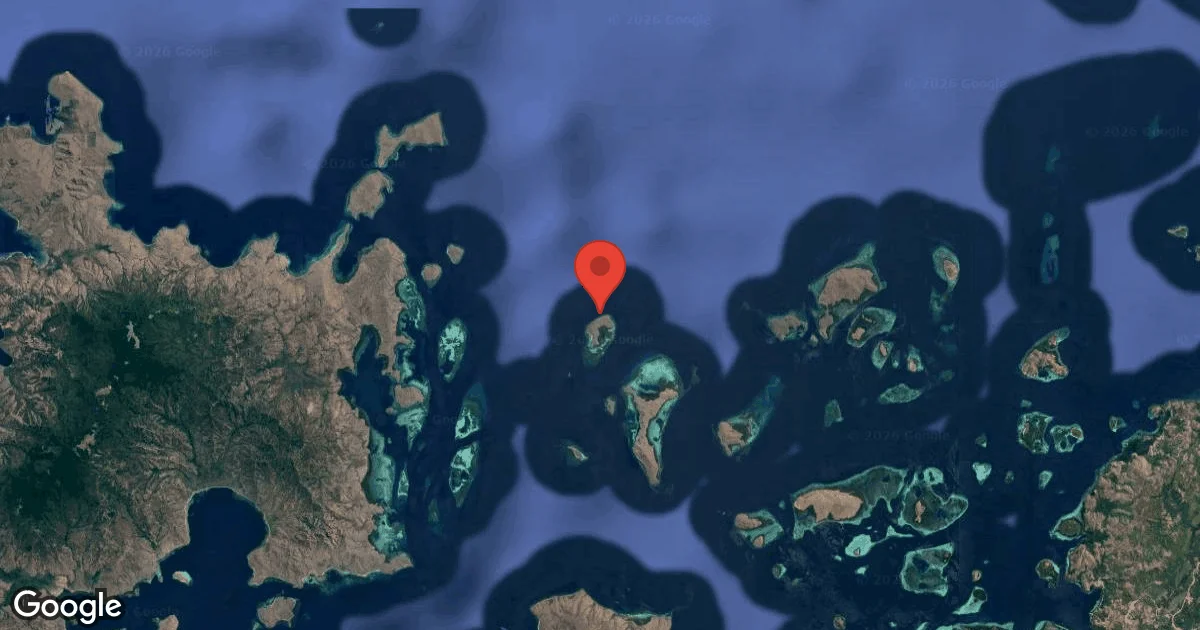
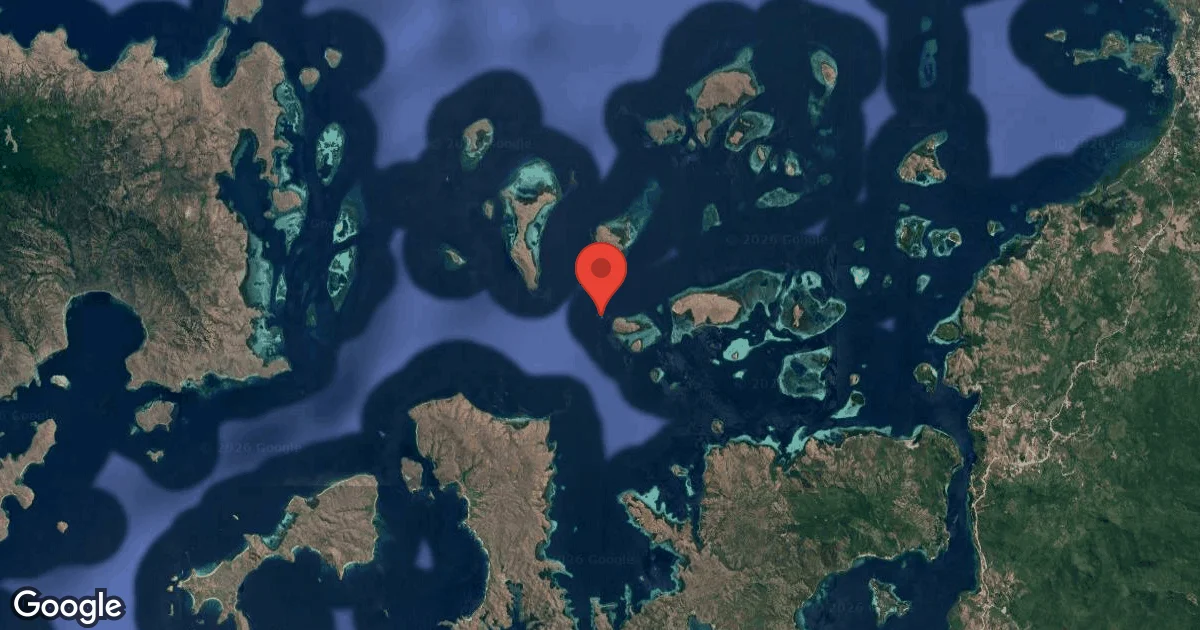
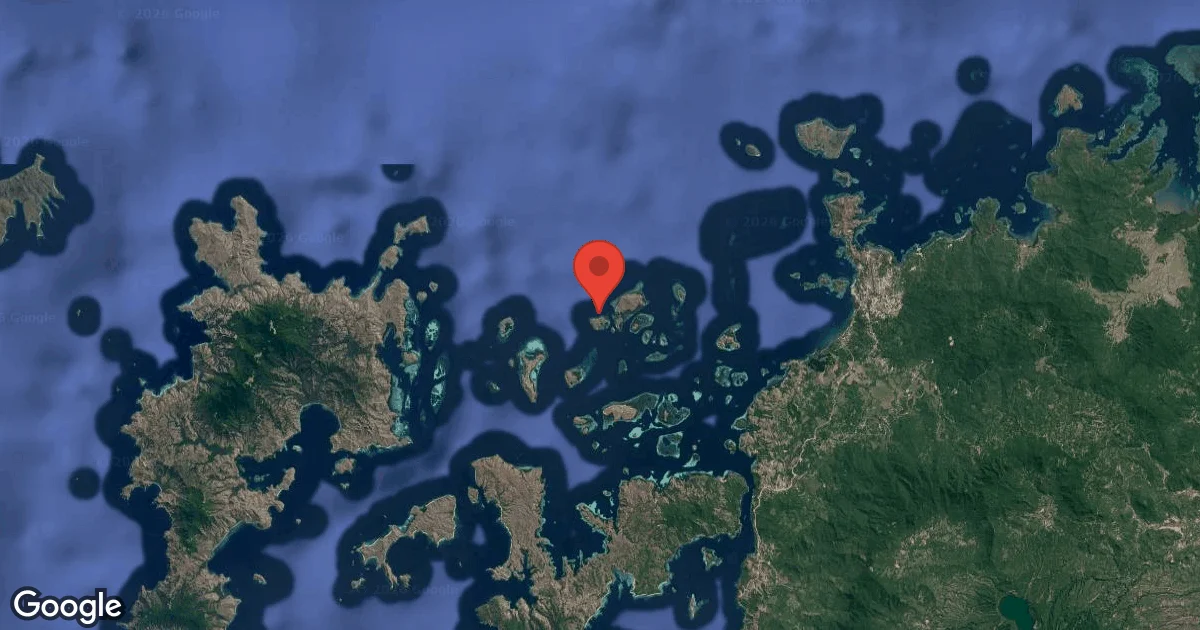
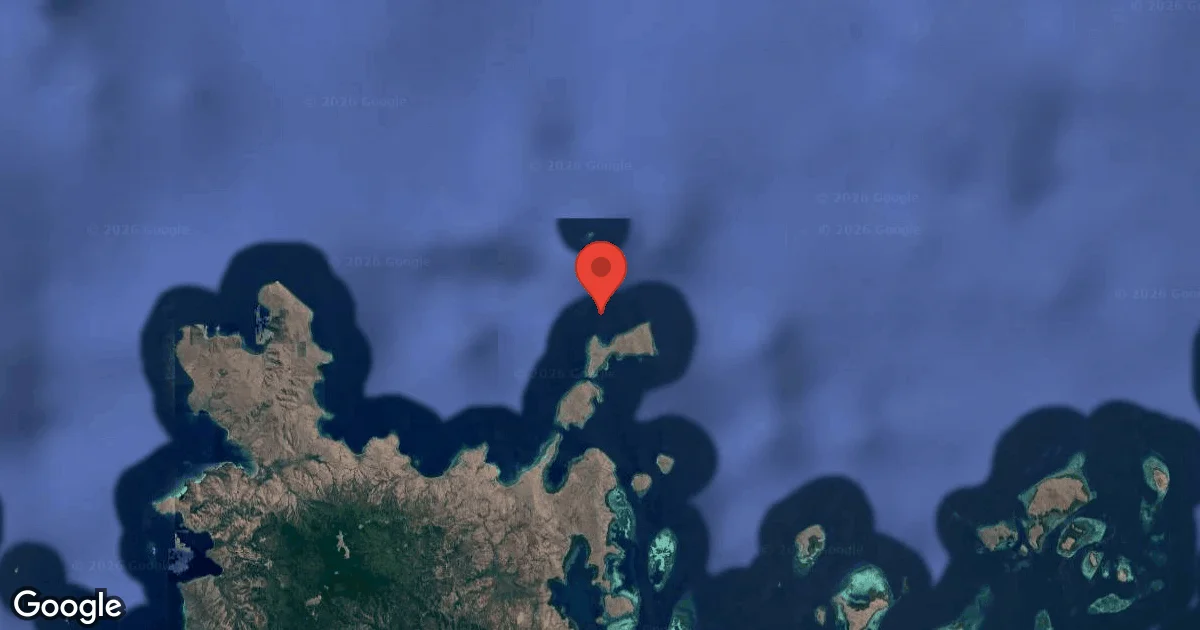
View all dive sites in IndonesiaDiscover more underwater gems in this area.
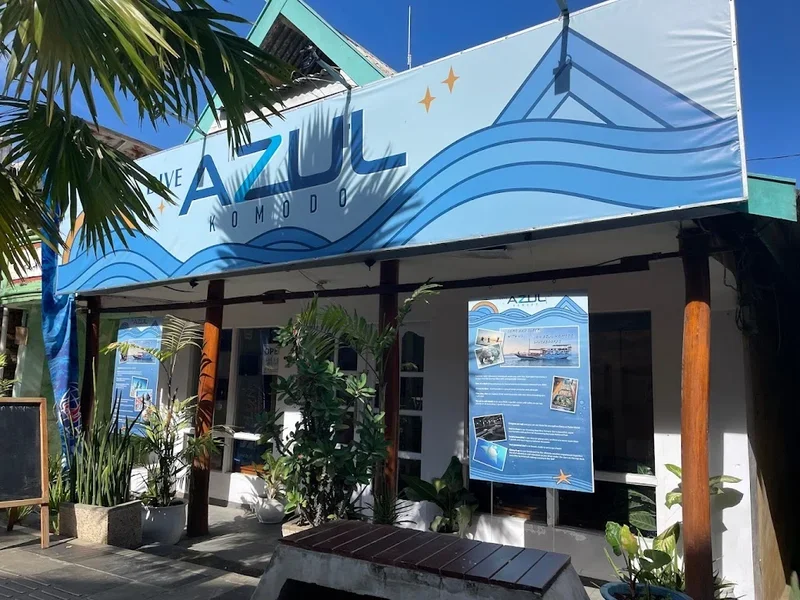
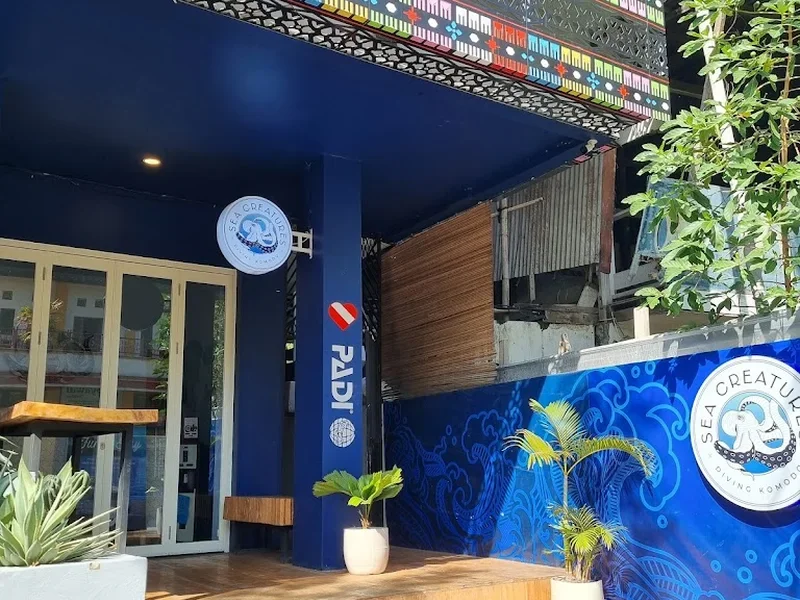
Dive Centers Near Manta Point
Today: 10:00 - 19:00

Nearest Airports
Nearest airports to help plan travel to this dive area.
Search Flights
Check available flights and routes on Expedia, using the nearby airports listed in this section.
Search Flights on ExpediaFrequently Asked Questions
Why are there so many manta rays at Manta Point?
This site functions as a natural cleaning station, attracting manta rays and other marine species. Smaller wrasse and parasitic copepods congregate here to clean the bodies of larger marine animals, creating a symbiotic ecosystem that mantas frequent for maintenance.
Can non-certified divers or snorkelers visit Manta Point?
Yes, Manta Point is suitable for both scuba diving and snorkeling. Much of the manta activity occurs in the shallower depths, making it an excellent location for snorkelers to observe these animals from the surface.
What's the typical depth range for encountering mantas?
While the site's depth extends down to approximately 20 meters, most manta ray interactions happen within the first 1 to 12 meters of the surface. The primary cleaning station rock is just a few meters deep.
How much does a dive trip to Manta Point usually cost?
Costs vary depending on your departure point. From Bali (e.g., Sanur), a day trip including two dives, meals, and transport might cost around $170 USD. Diving directly from Nusa Penida is generally more affordable, roughly $100 USD for a similar two-dive trip.
Are strong currents a concern at Manta Point?
Manta Point is not typically known for strong currents, even at its deeper sections. The main environmental factor that can affect diving here is surface swell, which can make entry and exit challenging on certain days.
How reliably can I expect to see manta rays?
Sightings are highly consistent, with a reported 90% chance of encountering mantas throughout the year. However, there are specific periods, usually totaling about 4-5 weeks annually, when their presence may be less frequent.
Planning to dive Manta Point?
Send one inquiry and receive offers directly from the best verified local dive operators.
Conditions are Good
Optimal conditions expected
Current conditions near Manta Point show 26° air, 28° sea temperature, 0.5 m waves, and 28 km/h wind. Forecast data is refreshed regularly to ensure accuracy.