
Diving at Crystal Rock (Indonesia)
Approaching Crystal Rock requires understanding its dynamic nature; this isn't a passive reef dive. The site acts as a high-energy seamount, drawing substantial pelagic action with its unique combination of strong currents and nutrient-rich upwellings. Divers should be prepared for a fast-paced environment and plan movements carefully with their guide. Expect breathtaking encounters with large schools of fish and powerful predators drawn to the abundant food source.
Early observations for Crystal Rock report a surface air temperature of 27°C. The water surface is currently presenting wave heights of 0.3 m. Consider these environmental metrics before beginning your descent.
Dive Site Location & Key Facts
Dive Site Overview
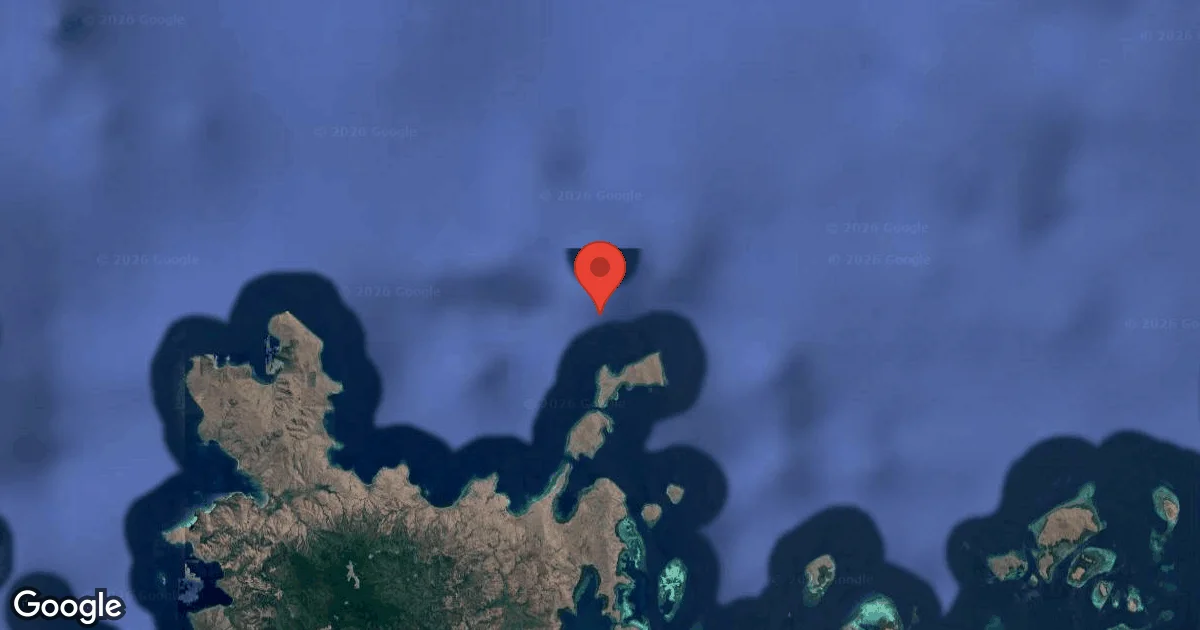
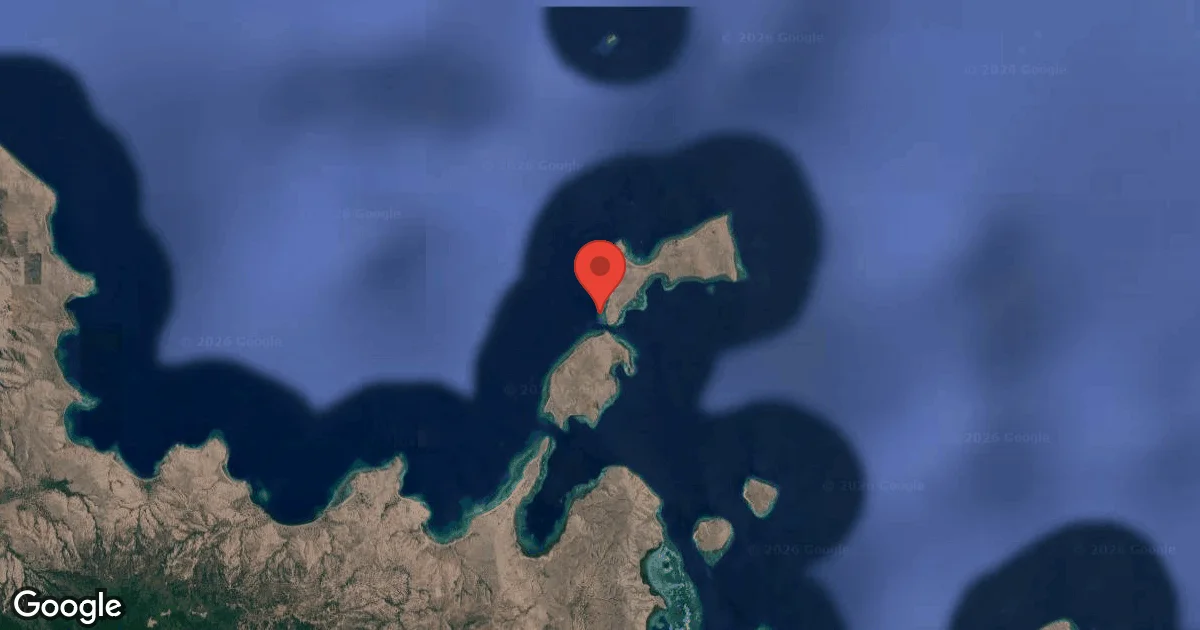
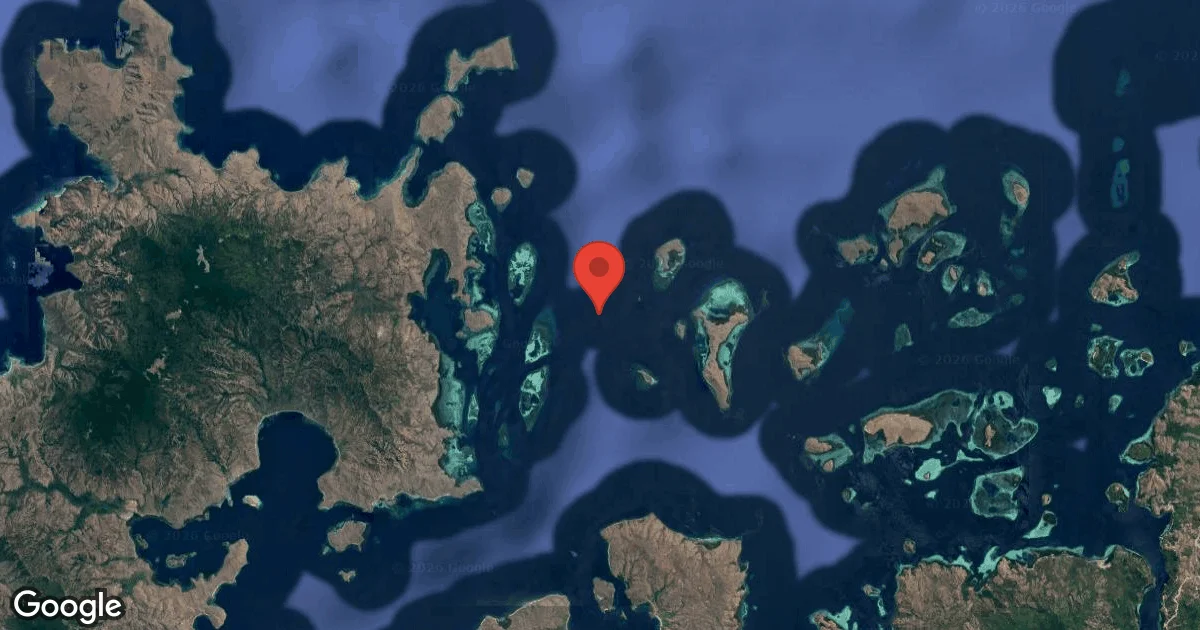
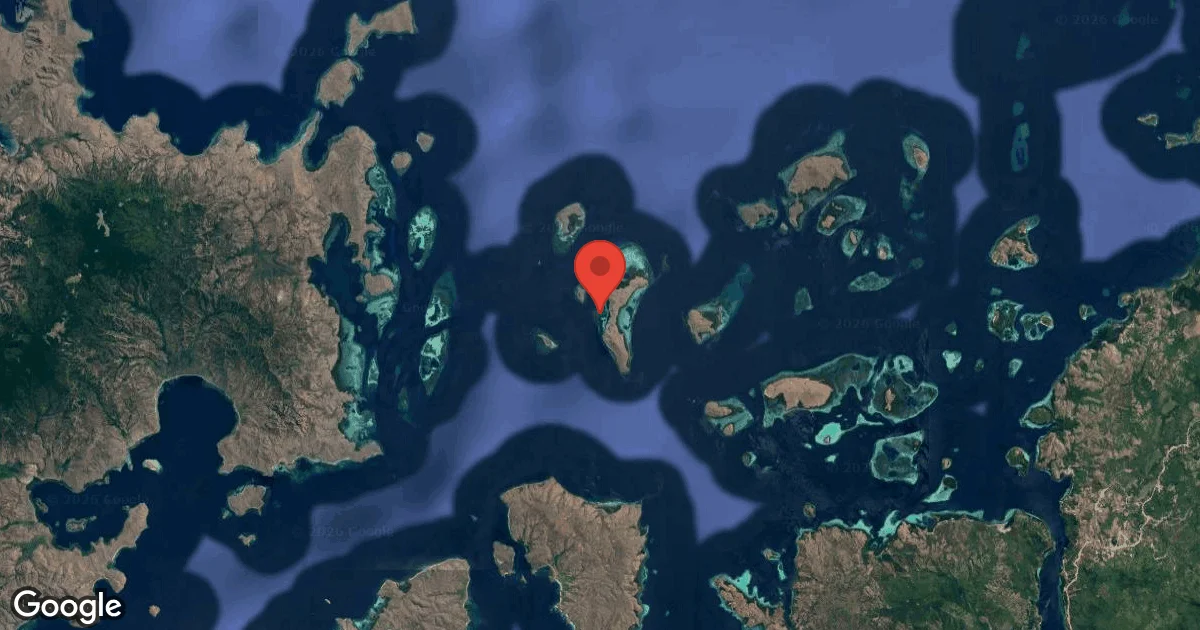
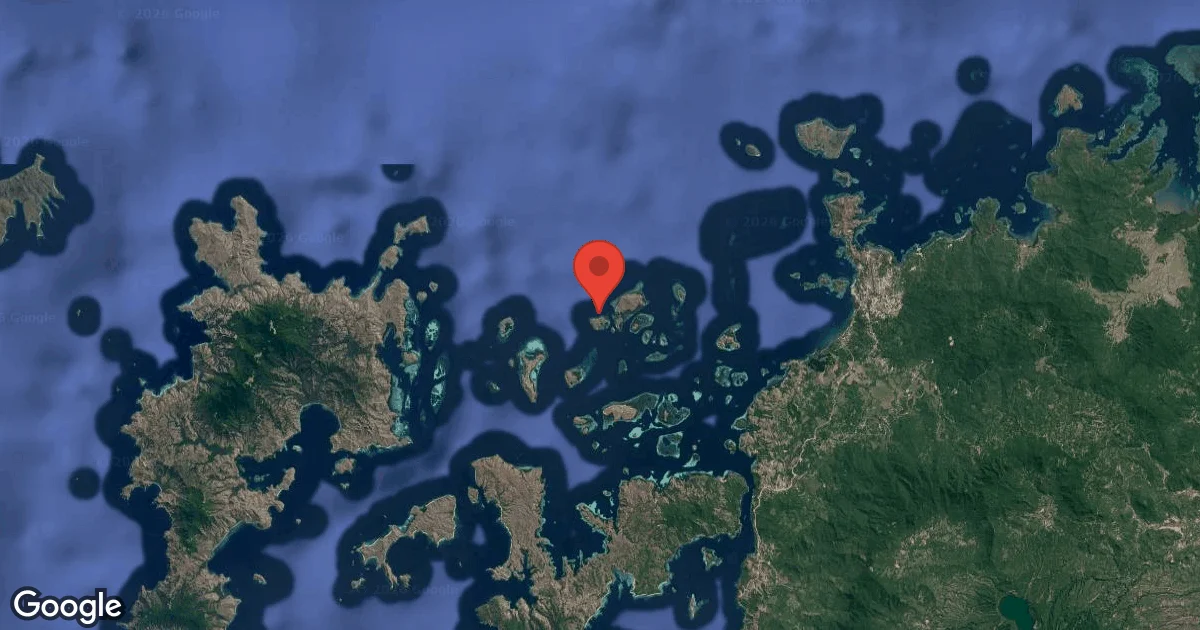
Imagine a dive where the underwater landscape pulsates with life, constantly shifting with the ocean's rhythm. Crystal Rock delivers just that, standing as a prominent high-energy seamount and reef system within the northern reaches of Komodo National Park.
This area is characterized by cold upwellings and nutrient-rich waters, fueling an incredibly vibrant ecosystem. Unlike calmer shallow coral gardens, Crystal Rock is defined by its exposure to open water, dramatic underwater topography, and often significant currents that transform a simple dive into a spectacular blue-water experience.
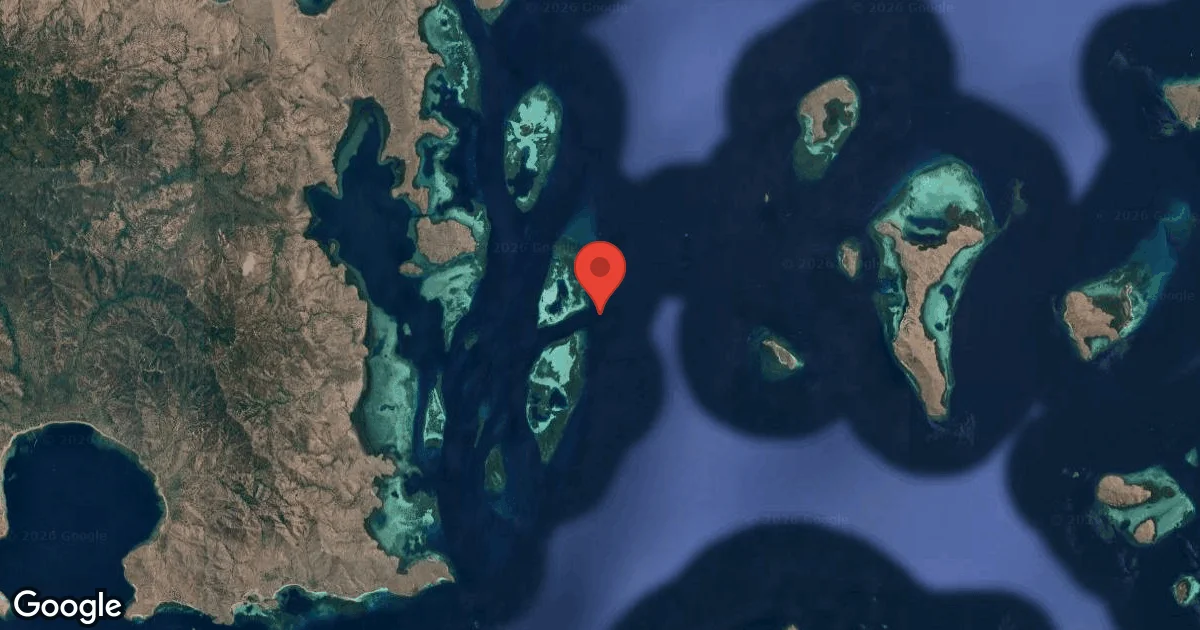
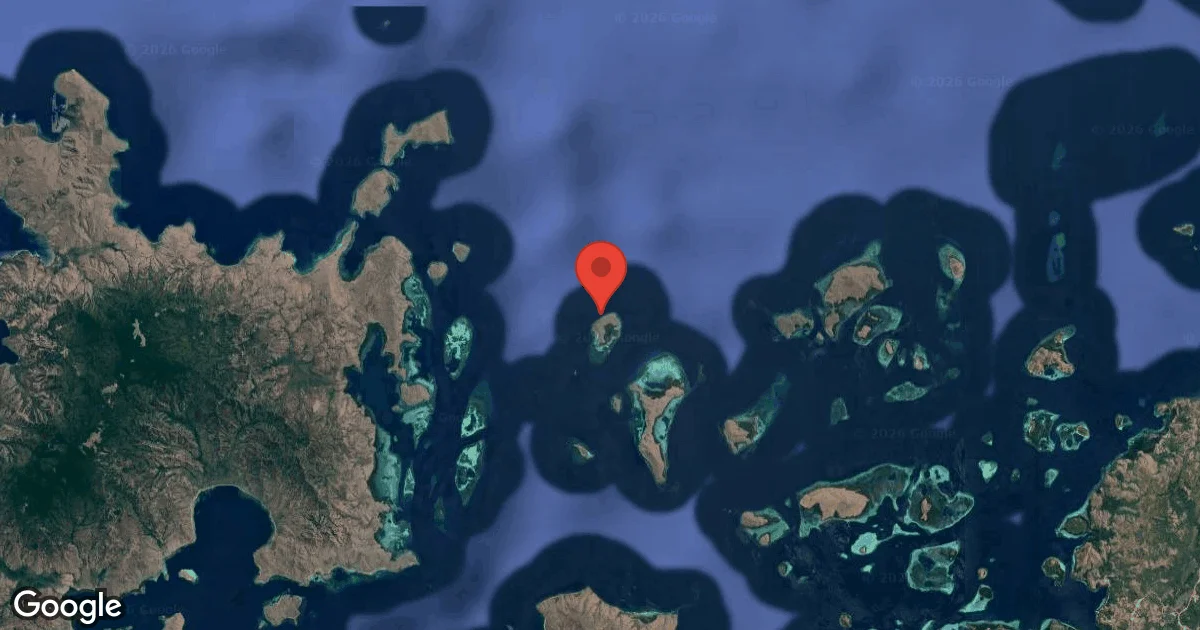
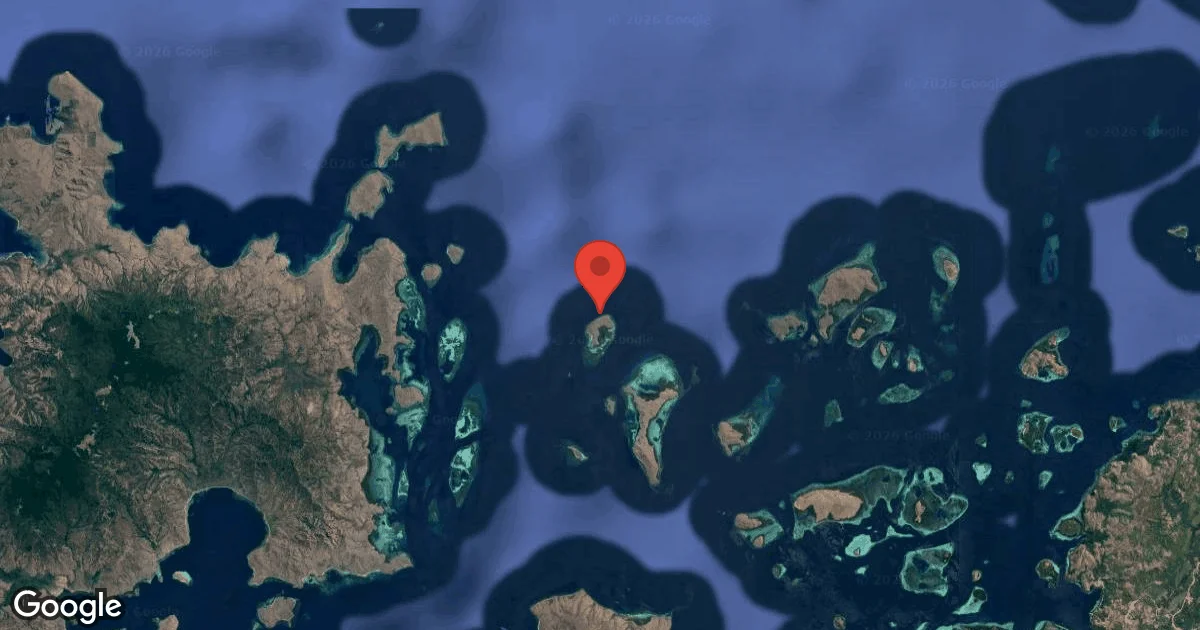
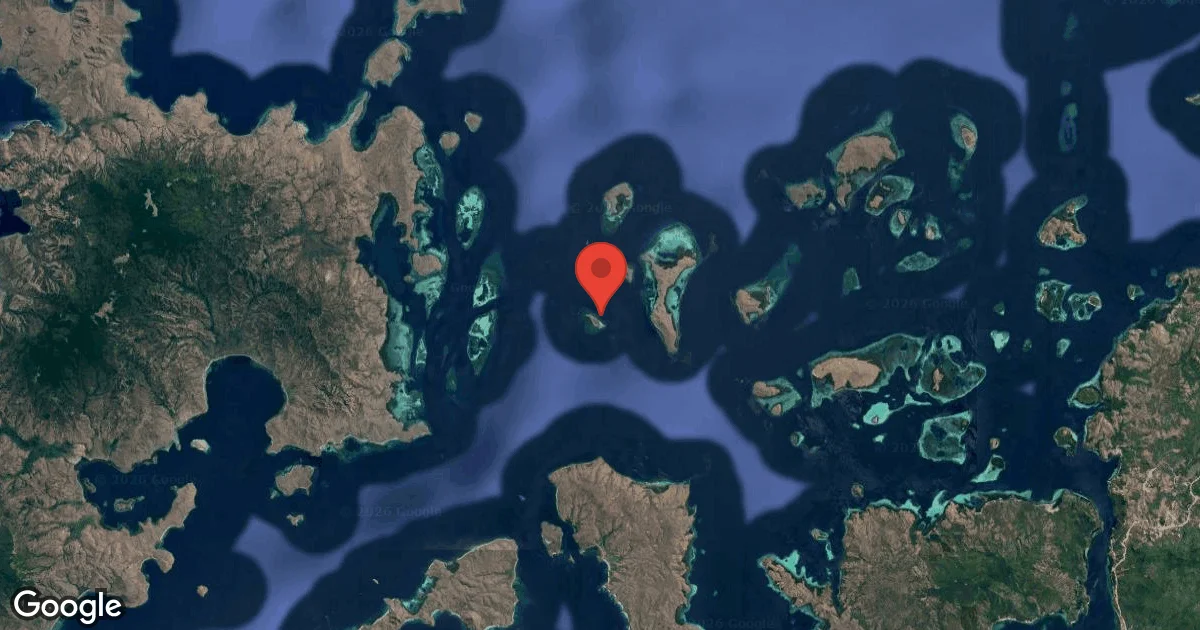
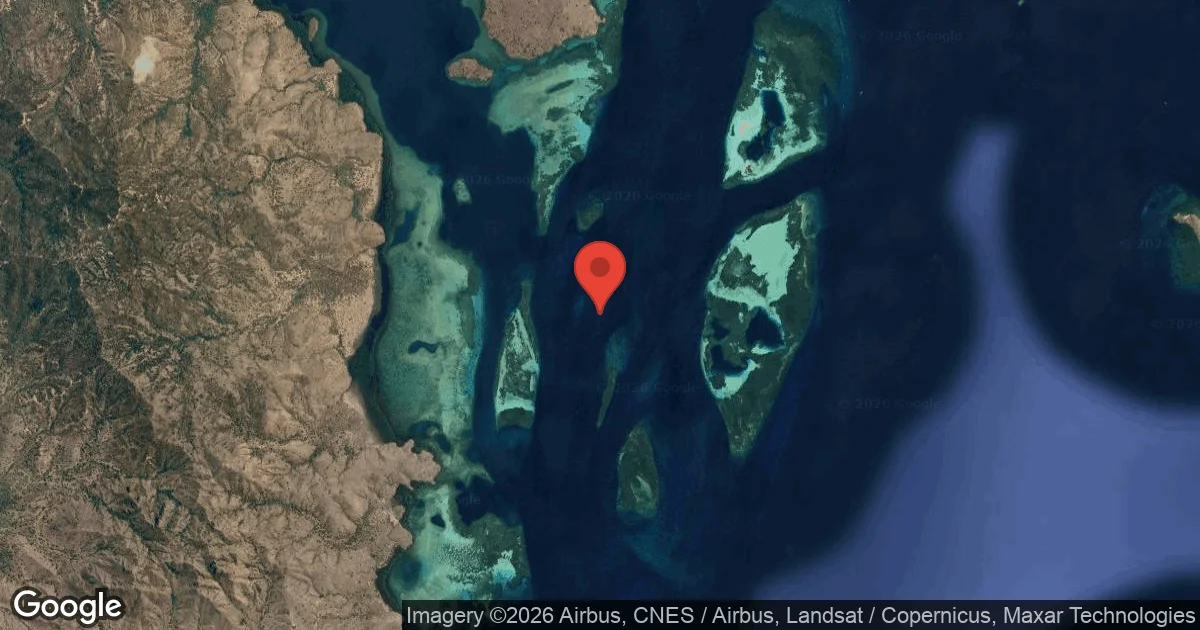
The site's structure offers both shelter and feeding grounds, concentrating immense schools of fusiliers and jacks, while hunting trevally and reef sharks patrol the edges. Visibility can be exceptional, sometimes exceeding 30 m (100 ft), enhancing the sense of immersion in this pelagic spectacle. Its location, only 300 meters from Castle Rock, places it within a high-action zone of the park.
Conditions are Excellent
07:00 - 14:00
Optimal conditions expected
Current conditions near Crystal Rock show 27° air, 28° sea temperature, 0.5 m waves, and 18 km/h wind. Forecast data is refreshed regularly to ensure accuracy.
Best Time to Dive
Optimal visibility at Crystal Rock generally coincides with the drier months, offering clear conditions that enhance the pelagic encounters. April to November consistently receives "Excellent" dive scores, presenting the most favorable window for visiting. During this period, average monthly rainfall drops significantly, particularly from May to October, with values often below 1 mm, minimizing runoff and maximizing underwater clarity. Air temperatures during these prime months remain comfortable, averaging between 27°C (81°F) in April and 28.5°C (83°F) in November. While water temperatures can fluctuate due to localized cold upwellings, these months typically feature more stable surface conditions, with average wave heights ranging from 0.3 m to 0.5 m (1.0 to 1.6 ft). Even with occasional stronger winds, reduced rain and wave activity contribute to a truly immersive dive experience, highlighting the site's rich biodiversity.
PEAK SEASON SCORE
Scores combine air & water temps, waves, wind & rainfall for overall conditions.
BEST MONTHS TO DIVE
Monthly records compiled from satellite and marine observation nodes over the last 3 years. Data provided by Open-Meteo and MET Norway.
Dive Experience & Conditions
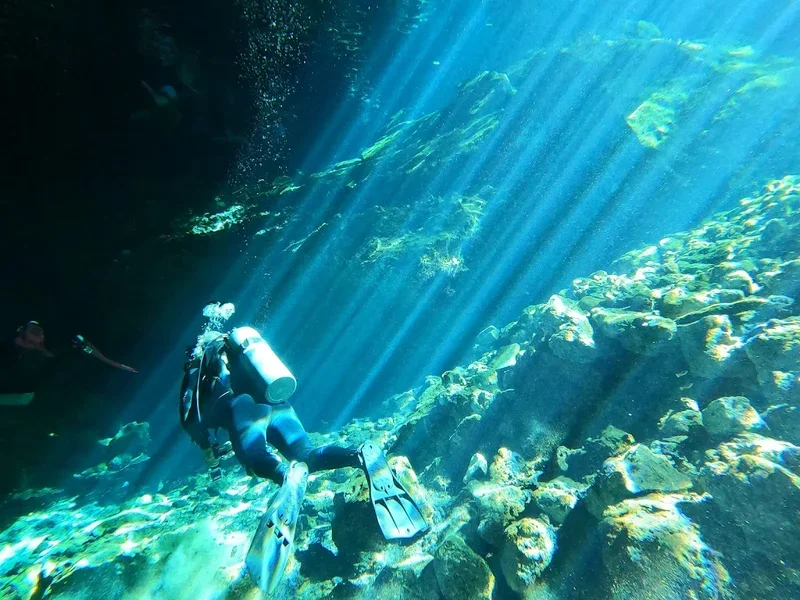
The moment you descend at Crystal Rock, the energetic flow of the Komodo currents becomes immediately apparent. This isn't a dive for casual drifting; currents here can be very strong, necessitating precise planning and close coordination with your dive guide. Crystal Rock is an underwater seamount, where volcanic rocks form the base of an incredibly diverse reef system. Its topography features steep drops and sheltered lee sides. Rock faces and walls are encrusted with barrel sponges, a vibrant array of soft corals, and large fan corals. While the exposed areas are swept by currents, the protected lee offers a haven for macro life, presenting an exciting contrast. Visibility often extends beyond 30 m (100 ft), providing expansive views of the underwater action. Expect cooler water temperatures at times due to persistent upwellings, adding to the dynamic nature of this site.
Dive Difficulty & Safety Guidelines
Navigating the challenging conditions at Crystal Rock requires a prepared mindset and adherence to strict safety protocols. Strong, often unpredictable currents are a signature feature of this site, making it unsuitable for novice divers. It's imperative that divers possess adequate experience in drift diving and maintain constant proximity to their dive guide.
Guides are crucial for identifying safe zones and managing the dive trajectory. Given the exposure to open water and steep drop-offs, good buoyancy control and situational awareness are essential.
Always carry appropriate signaling devices. Planning multiple dives at this site can reveal different conditions and aspects, but each visit demands a careful assessment of the prevailing currents before entry. Your personal safety hinges on respecting the site's powerful dynamics.
Recommended Equipment
- Dive Computer
This gear list is based on verified equipment signals for Crystal Rock, Indonesia. Always confirm final gear choices with your dive operator, guide, or liveaboard.
Recommended Dive Suit
With water temperatures around 28°C (83°F), many divers find a 2-3mm shorty or light wetsuit provides comfortable protection.
Local conditions can vary slightly across different parts of the same dive site.
Weather projections show fairly stable environmental conditions ahead.
Due to technical issues with our weather providers, data hasn't been fetched for over 48 hours. The data above reflects the conditions at the time of the last successful fetch.
Emergency & Medical Support
Essential information to help you plan your dive trip to Crystal Rock.

Hyperbaric chambers are a critical part of dive safety infrastructure. Availability varies significantly by region, and not all dive areas have immediate access.
Before diving, it's recommended to:
- confirm nearest medical facilities
- check emergency procedures with local dive operators
- ensure dive insurance covers evacuation if required
Divers Alert Network
Diving emergency assistance available through DAN World.
+1-919-684-9111- 24/7 emergency hotline
- Diving medical assistance
- Evacuation coordination
Emergency contacts are provided for reference. Always verify local emergency services before diving.
Marine Life at Crystal Rock
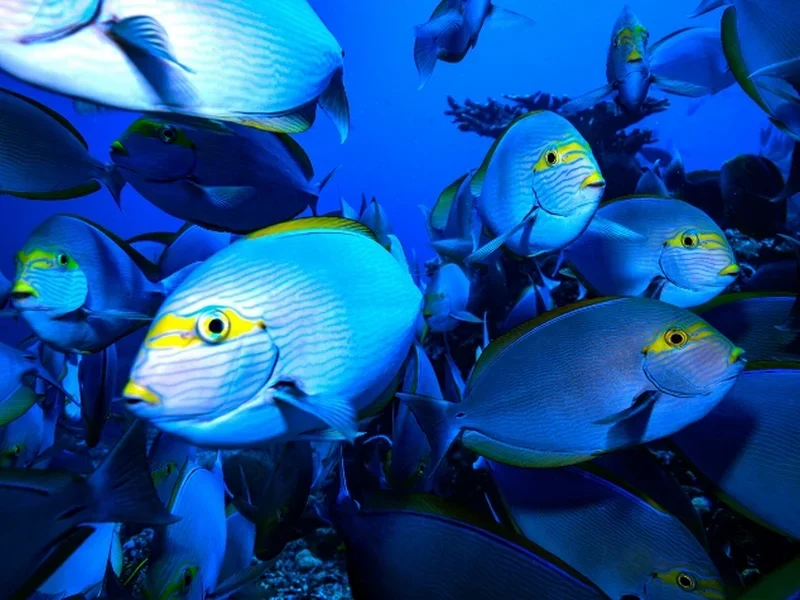
Upon descending, the sheer volume of schooling fish immediately captures attention. Walls of shimmering fusiliers and surgeonfish stack in the water column, often accompanied by barracuda and swift tuna on the hunt.
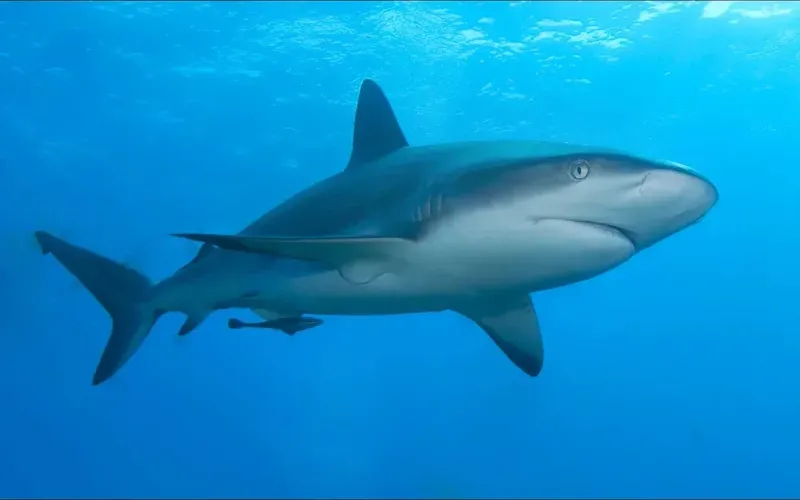
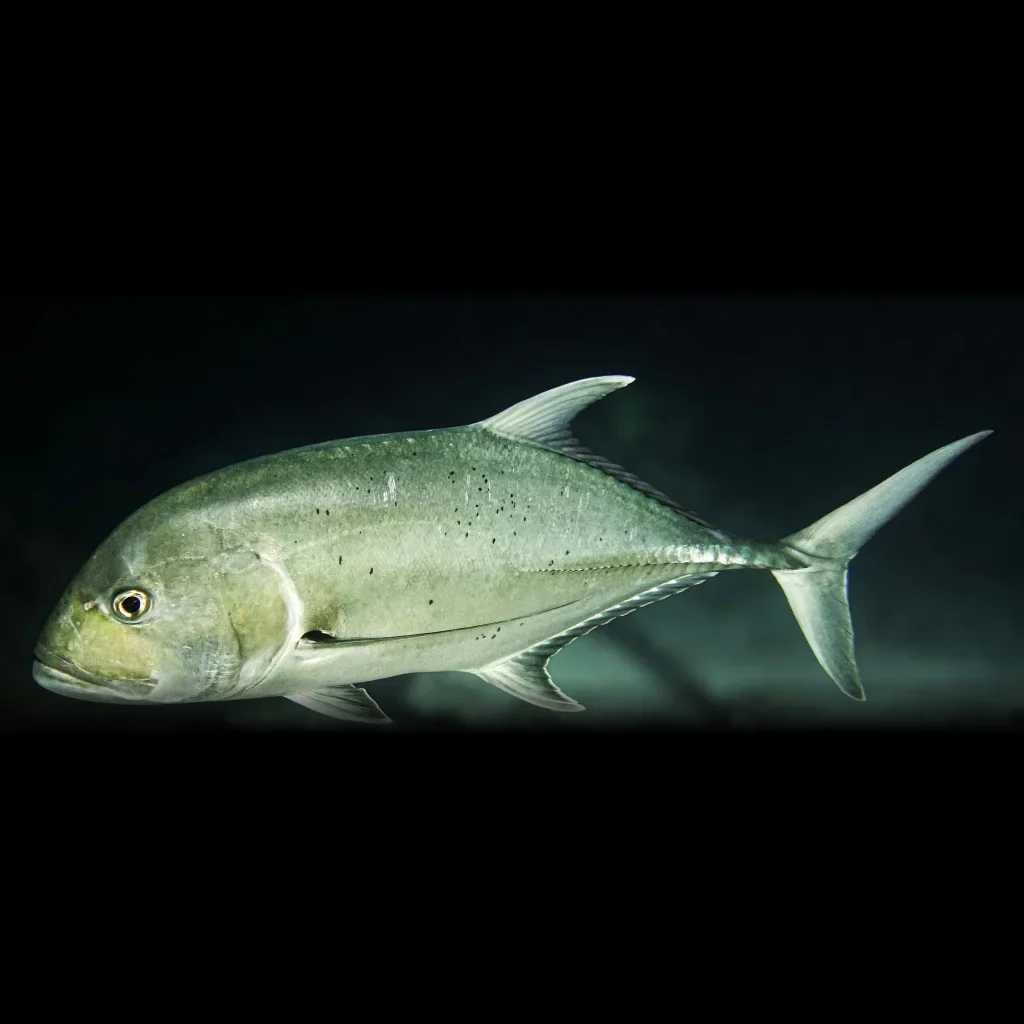
Giant Trevally (GTs) are a prominent sight, cruising purposefully before bursting into baitballs. White-tip and black-tip reef sharks commonly patrol the reef; on favorable days, grey reef sharks may also appear.
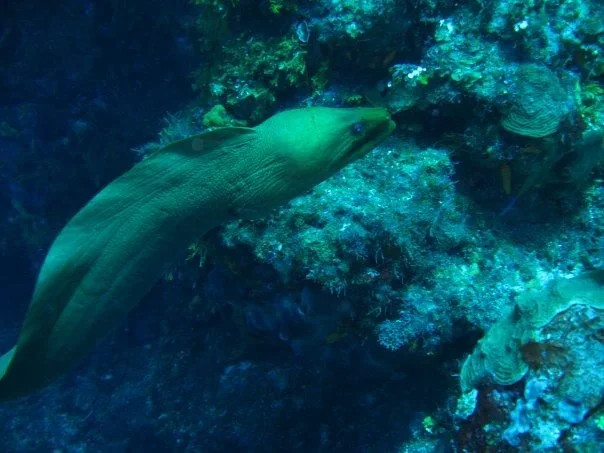
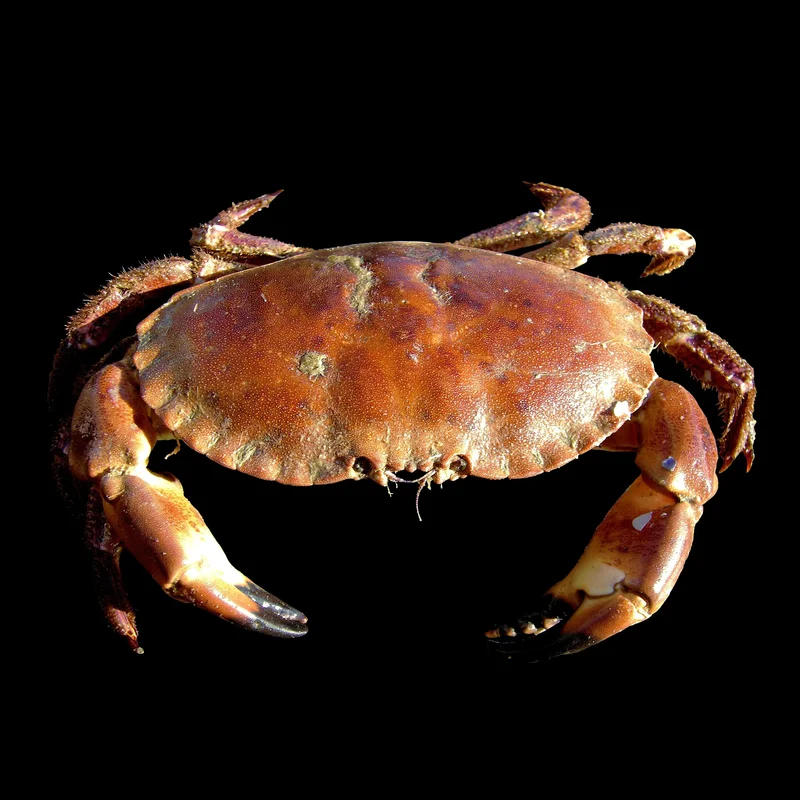
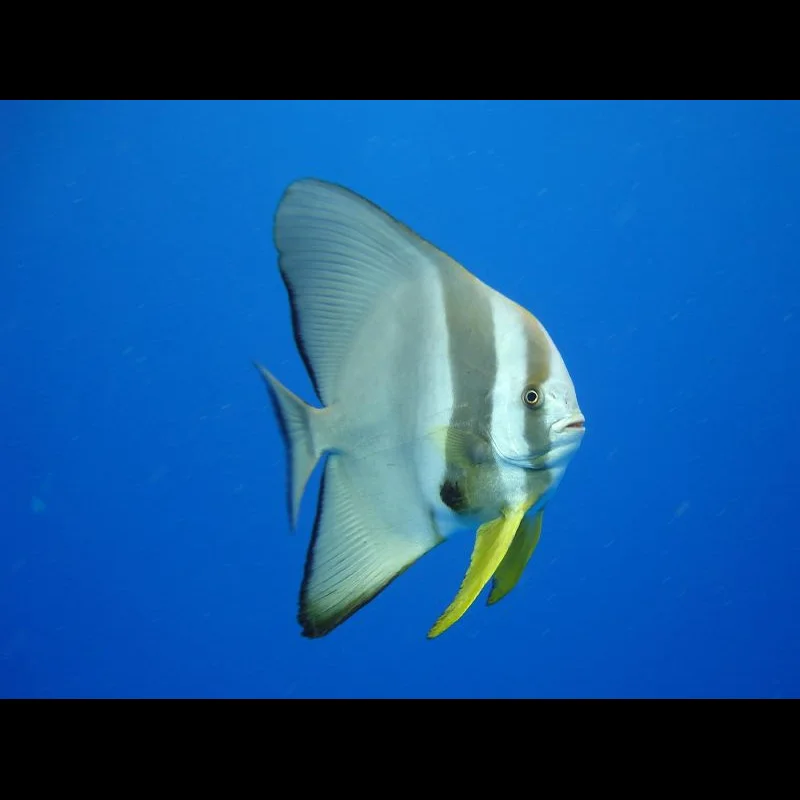
Curious batfish often approach divers, while turtles, primarily hawksbills, graze over the coral. In the vibrant hard and soft corals, expect moray eels, lionfish, octopuses, and cuttlefish. Look closely in the more protected areas for pygmy seahorses, diverse nudibranchs, small crabs, and shrimps, showcasing the site's remarkable macro opportunities.
Dive Sites Near Crystal Rock
View all dive sites in IndonesiaDiscover more underwater gems in this area.
Dive Centers Near Crystal Rock
Today: 10:00 - 19:00
Nearest Airports
Nearest airports to help plan travel to this dive area.
Search Flights
Check available flights and routes on Expedia, using the nearby airports listed in this section.
Search Flights on ExpediaFrequently Asked Questions
Is Crystal Rock suitable for beginner divers?
No, Crystal Rock is not recommended for beginners. It features strong, often unpredictable currents and exposed open water conditions that require experience in drift diving and excellent buoyancy control. Divers should have appropriate certification and feel comfortable in challenging environments.
What kind of currents can I expect at Crystal Rock?
The site is known for strong and dynamic currents. These currents can be quite powerful, sometimes creating significant drift conditions. Divers must stay close to their guide and be prepared for potential changes in current direction and strength throughout the dive.
What marine life is commonly seen at Crystal Rock?
Crystal Rock is a magnet for pelagic action, with large schools of fusiliers, jacks, barracuda, and tuna. You can also expect to see Giant Trevally, white-tip, black-tip, and sometimes grey reef sharks. Many macro subjects like pygmy seahorses, nudibranchs, and various crustaceans are found in sheltered areas.
What is the visibility like at Crystal Rock?
Visibility at Crystal Rock can be spectacular, frequently exceeding 30 m (100 ft). The nutrient-rich upwellings generally maintain clear water, especially during the drier season, allowing for expansive views of the vibrant marine ecosystem.
Are water temperatures consistent at this dive site?
Water temperatures at Crystal Rock can fluctuate considerably. The presence of cold upwellings in the Komodo National Park's northern corridor means divers should be prepared for cooler conditions than some other Indonesian sites. Thermal protection is highly advisable.
How is the topography of Crystal Rock described?
Crystal Rock is an underwater seamount characterized by volcanic rocks, steep drops, and reef walls. These structures are covered in a rich tapestry of hard and soft corals, including barrel sponges and large fan corals. It presents diverse microhabitats, from current-swept pinnacles to sheltered coral gardens.
Planning to dive Crystal Rock?
Send one inquiry and receive offers directly from the best verified local dive operators.
Conditions are Excellent
07:00 - 14:00
Optimal conditions expected
Current conditions near Crystal Rock show 27° air, 28° sea temperature, 0.5 m waves, and 18 km/h wind. Forecast data is refreshed regularly to ensure accuracy.