
Diving at Cauldron (Indonesia)
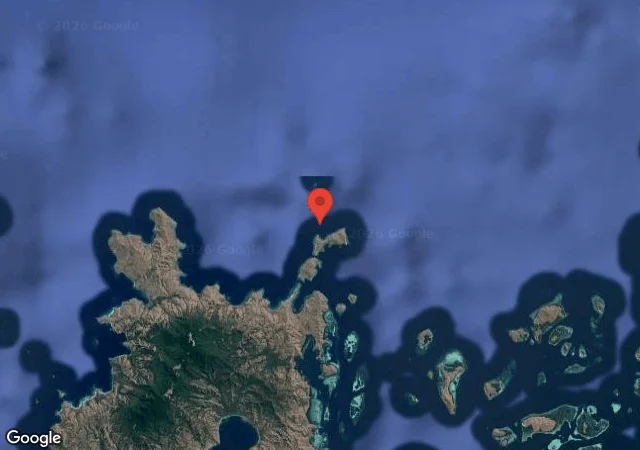
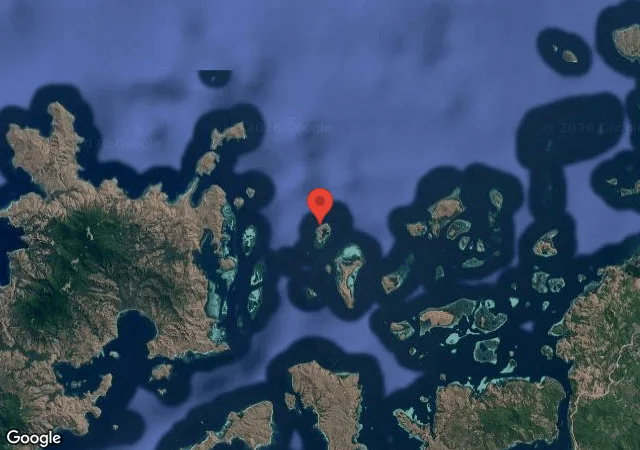
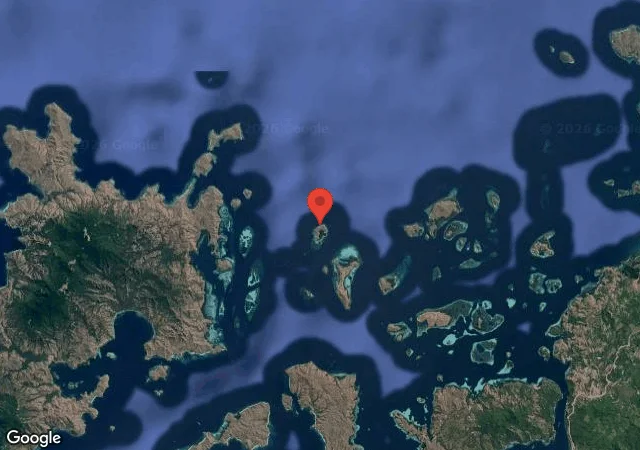
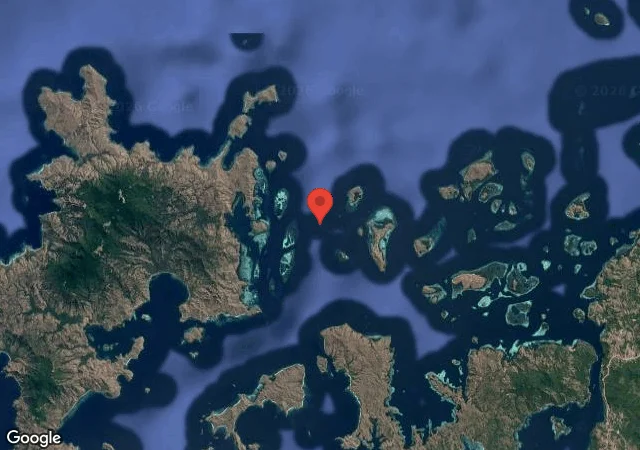
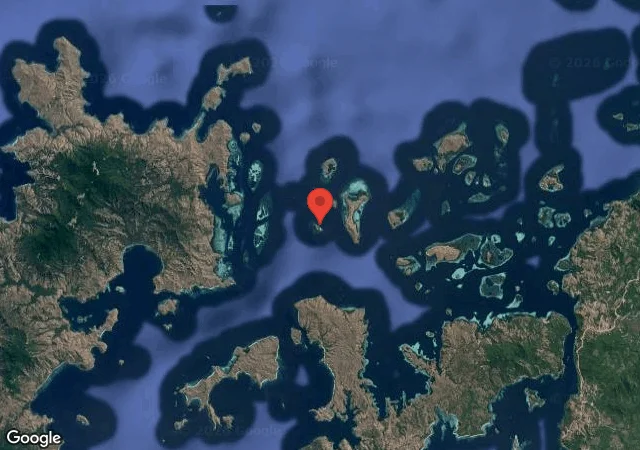
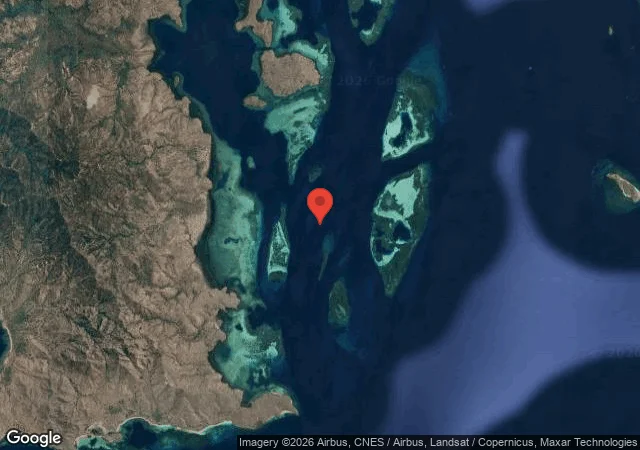
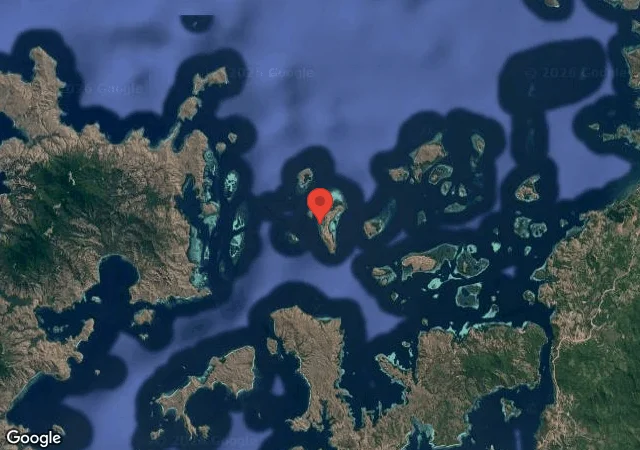
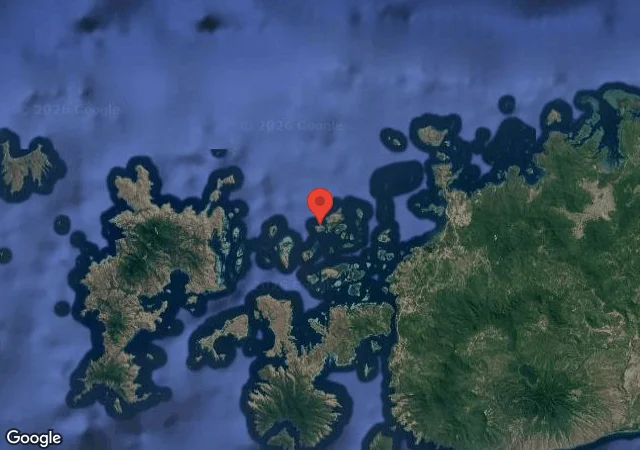
The Cauldron, nestled within Komodo National Park, stands out as a challenging yet rewarding dive for advanced divers. Positioned between Gili Lawa Laut and Gili Lawa Darat, this site contrasts serene reef sections with exhilarating, powerful currents. It's a key drift dive in Indonesia, known for its dynamic underwater landscape that keeps divers engaged.
Tonight's objective overview for Cauldron shows an air temperature of 26°C. The measured surface conditions include wave heights around 0.4 m. This environmental data is logged for the close of the day.
Dive Site Location & Key Facts
Dive Site Overview
Cauldron presents a distinctive underwater topography, shaped by the area's robust currents, transitioning through varied environments during a single drift. Diving usually begins on a vibrant coral reef slope, found west of Gili Lawa Laut island, which gradually descends to a sandy bottom.
Initial exploration here often allows for closer observation of reef inhabitants like garden eels and glassfish. Progressing, the landscape transforms into the iconic "Cauldron"—a substantial bowl-shaped hollow, clearly carved out by the continuous flow of water. This basin acts as a natural funnel, concentrating marine life and often strong currents.
Further eastward, divers navigate a coral rubble runway, providing habitat for various macro life forms. Beyond this, a highlight, often called 'The Shotgun,' involves being propelled by a powerful surge of water through a narrow channel.
Its dynamic nature defines Cauldron, offering exhilarating drift sections interspersed with calmer areas for focused observation. Active participation and awareness of surroundings are demanded, especially with changing conditions.
Maximum depths here generally remain within recreational limits, typically around 23 m (75 ft), though divers will experience varied depths throughout the drift.
Conditions are Excellent
07:00 - 14:00
Optimal conditions expected
Current conditions near Cauldron show 26° air, 28° sea temperature, N/A waves, and 17 km/h wind. Forecast data is refreshed regularly to ensure accuracy.
Best Time to Dive
Understanding seasonal patterns is key for planning a dive at Cauldron, with the dry season from April to November presenting the optimal window. During these months, the average air temperature hovers between 27°C and 29°C (81-84°F), providing comfortable surface conditions. Rainfall is significantly lower, averaging 0.4 to 4.2 mm, contributing to better visibility. Wave heights remain relatively low, typically ranging from 0.3 to 0.5 meters, which supports smoother boat journeys to the site. Wind speeds are consistent but manageable, generally between 14.7 and 22.8 km/h. While diving is possible year-round, the experience during the falling tide within this dry season offers the most exhilarating conditions, as divers are swept along by amplified currents amidst a high abundance of marine life. Dive scores during this period are predominantly rated "Excellent," occasionally "Good" in July.
PEAK SEASON SCORE
Scores combine air & water temps, waves, wind & rainfall for overall conditions.
BEST MONTHS TO DIVE
Monthly records compiled from satellite and marine observation nodes over the last 3 years. Data provided by Open-Meteo and MET Norway.
Dive Experience & Conditions
Descending into the Cauldron immediately immerses divers into a dynamic environment. The dive generally commences on a thriving coral reef, allowing a gradual acclimatization to the water movement before entering the primary channel. Currents here are a defining feature, often described as a thrilling "underwater roller coaster," due to their potentially strong and unpredictable nature. Divers are propelled through the channel, experiencing significant drift, which demands robust buoyancy control and advanced drift diving skills. Water temperature varies depending on the specific conditions and seasonal influences. The site's topography shifts from coral gardens to sandy flats and then into the iconic 'Cauldron' basin, requiring divers to be constantly aware of their surroundings and depth. Navigating this channel necessitates attention to dive guides, who meticulously check conditions before entry, especially regarding the falling tide, which creates the most intense drift experience.
Dive Difficulty & Safety Guidelines
Currents are the primary consideration when diving Cauldron; their strength and unpredictability necessitate a high level of diver proficiency. Due to the powerful flows that can 'shoot' divers through the channel, this site is recommended for certified Advanced Open Water divers with demonstrable experience in drift diving. Always adhere strictly to the dive brief provided by your guide, as conditions can change rapidly.
Maintaining excellent buoyancy control is crucial to avoid unintended descents or ascents, particularly when moving through areas of fluctuating current. Close proximity to your dive buddy and group is also important given the swift pace of the drift.
Prioritize clear communication with your guide about comfort levels. Local operators prioritize safety by checking current conditions diligently before each dive.
Recommended Equipment
Current and surface separation risk. Local briefing strongly recommended.
- Dive Computer
- DSMB
- Reel / Spool
This gear list is based on verified equipment signals for Cauldron, Indonesia. Always confirm final gear choices with your dive operator, guide, or liveaboard.
Recommended Dive Suit
Divers planning relaxed exploration may appreciate the warmth of 2-3mm shorty or light wetsuit. A hood or vest is suggested for sensitive divers due to surface winds. Divers often notice that perceived temperature can feel cooler during deeper or longer dives.
Conditions at Cauldron currently place the water temperature near 28°C (82°F). Surface air temperatures are resting at 26°C (79°F).
Conditions are expected to stay fairly consistent in the days ahead.
Emergency & Medical Support
Essential information to help you plan your dive trip to Cauldron.

Hyperbaric chambers are a critical part of dive safety infrastructure. Availability varies significantly by region, and not all dive areas have immediate access.
Before diving, it's recommended to:
- confirm nearest medical facilities
- check emergency procedures with local dive operators
- ensure dive insurance covers evacuation if required
Divers Alert Network
Diving emergency assistance available through DAN World.
+1-919-684-9111- 24/7 emergency hotline
- Diving medical assistance
- Evacuation coordination
Emergency contacts are provided for reference. Always verify local emergency services before diving.
Marine Life at Cauldron
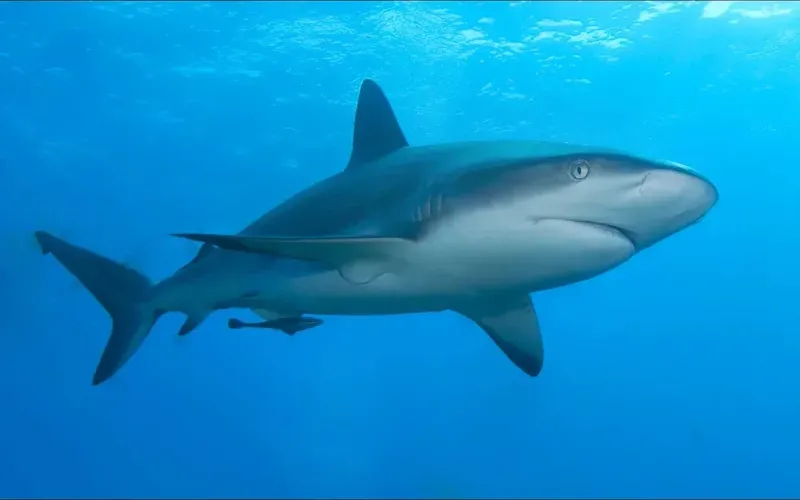
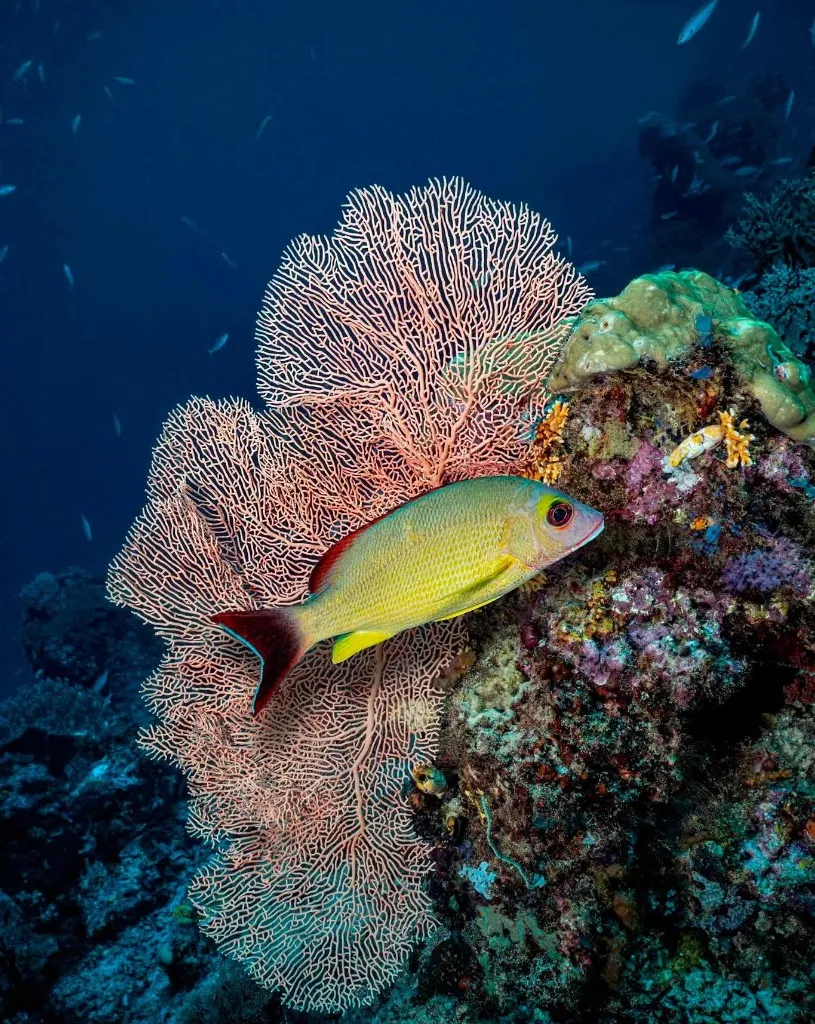
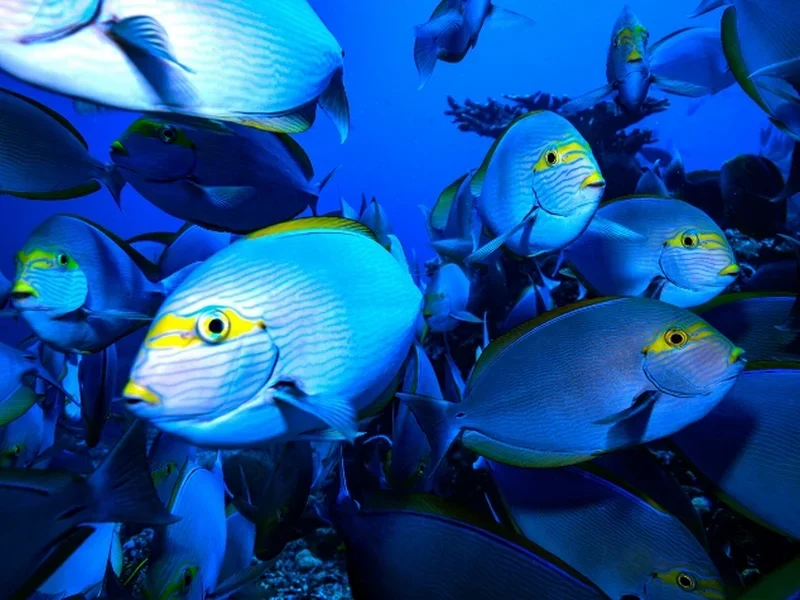
Upon entering Cauldron, the sheer abundance of pelagic activity often captures immediate attention, especially the larger inhabitants. White-tip reef sharks are a frequent sight, patrolling the currents, often alongside schools of snappers and surgeonfish.
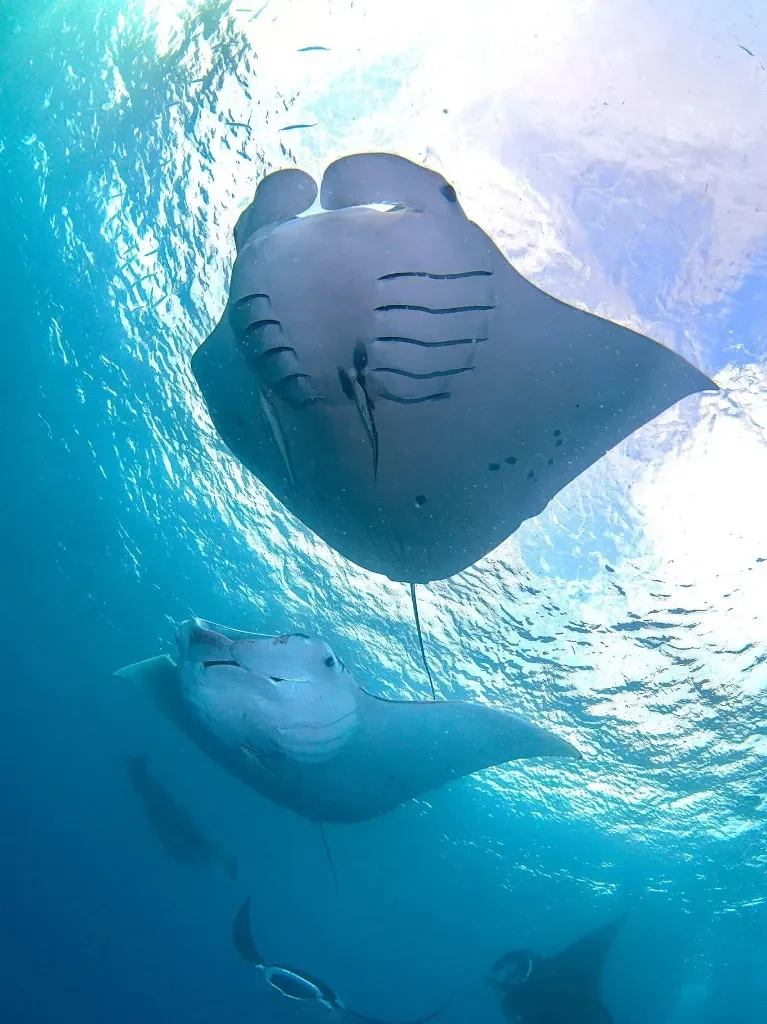
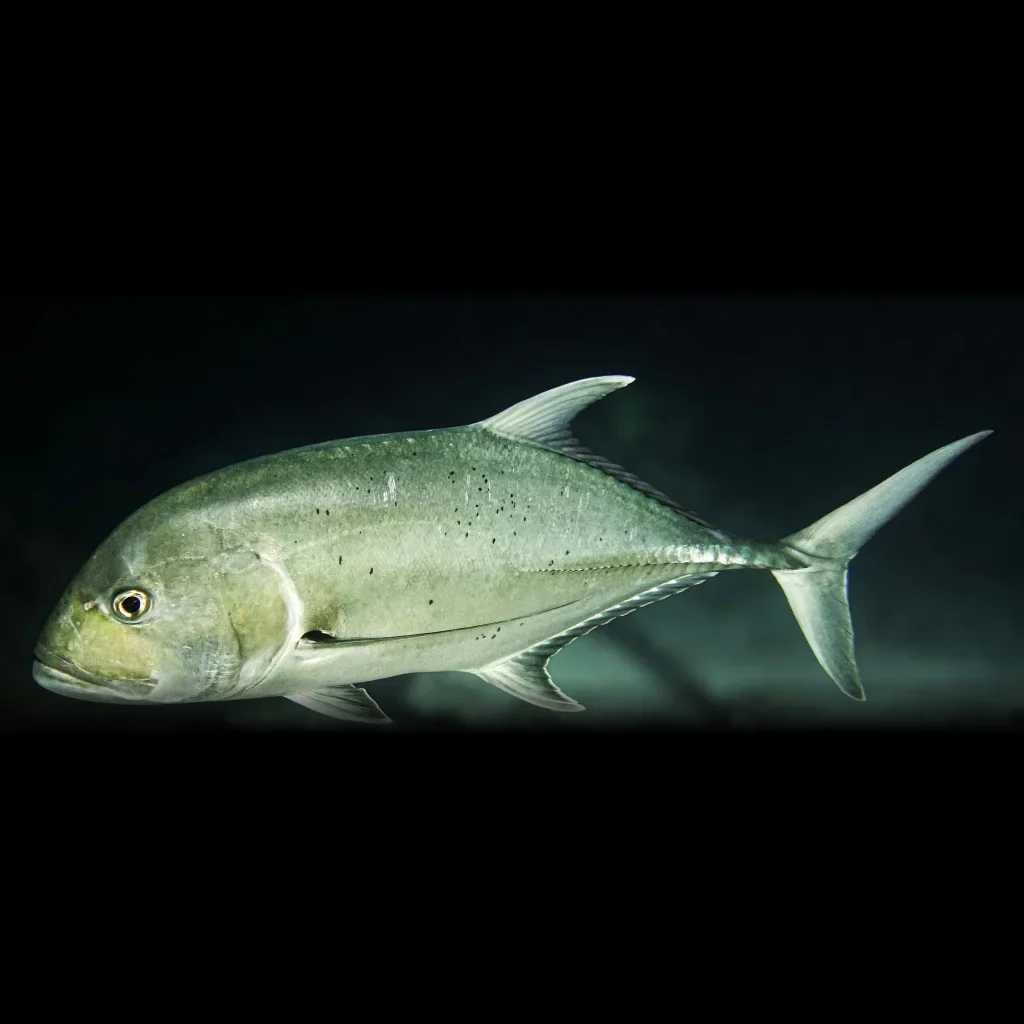
Giant trevally also cruise these waters. Looking up and out into the blue, divers often spot majestic manta rays, eagle rays, and devil rays gliding by, with May to August noted as prime months for these encounters.
Closer to the reef and sandy bottom areas, garden eels sway in the current, while glassfish shimmer in schools. For those with a keen eye for smaller creatures, the coral rubble sections and deeper areas may reveal unique macro life, including pygmy seahorses, though these require careful searching.
Dive Sites Near Cauldron
View all dive sites in IndonesiaDiscover more underwater gems in this area.
Dive Centers Near Cauldron
Today: 10:00 - 19:00

Nearest Airports
Nearest airports to help plan travel to this dive area.
Search Flights
Check available flights and routes on Expedia, using the nearby airports listed in this section.
Search Flights on ExpediaFrequently Asked Questions
Is Cauldron suitable for beginner divers?
No, this dive site is not recommended for beginners. Its strong and unpredictable currents require advanced skills and experience in drift diving. Certified Advanced Open Water divers are best suited for this environment.
What is "The Shotgun" at Cauldron?
"The Shotgun" refers to a specific section of The Cauldron where powerful currents funnel divers through a narrow channel. This creates a thrilling, fast-paced drift experience. It's a highlight of the dive for experienced individuals.
What types of marine life can I expect to see?
You can expect a diverse range, from large pelagics like white-tip reef sharks, manta rays, and giant trevally to schools of snappers and surgeonfish. Garden eels, glassfish, and unique macro life, including pygmy seahorses, are also present.
When is the best time to dive Cauldron?
The dry season, from April to November, offers the most optimal diving conditions with lower rainfall and excellent visibility. Diving during a falling tide within this period provides the most exhilarating experience.
What is the maximum depth at Cauldron?
The maximum depth typically reached at Cauldron is around 23 meters (75 feet). Divers will experience varying depths as they drift through the channel and over the reef structures.
Are the currents always strong at Cauldron?
Currents are a defining characteristic and can be very strong and unpredictable. Dive guides carefully check conditions before entry, as the strength varies, especially with the tide. Diving on a falling tide usually brings the strongest flows.
Is Cauldron only accessible via liveaboard?
No, Cauldron is accessible via both daily dive trips and liveaboard itineraries in Komodo National Park. Many local operators offer excursions to this site.
What certification level is needed for Cauldron?
Divers should hold at least an Advanced Open Water certification. It is also crucial to have prior experience with drift diving due to the site's dynamic currents.
Planning to dive Cauldron?
Send one inquiry and receive offers directly from the best verified local dive operators.
Conditions are Excellent
07:00 - 14:00
Optimal conditions expected
Current conditions near Cauldron show 26° air, 28° sea temperature, N/A waves, and 17 km/h wind. Forecast data is refreshed regularly to ensure accuracy.