
Diving at Tetawa Besar (Indonesia)
Navigating the currents at Tatawa Besar is a primary consideration for divers, as conditions here often feature a lively drift. While generally considered one of Komodo National Park's more relaxed drift dives, strong currents can occur. Prepare for dynamic underwater movement and listen closely to local guidance; situational awareness is key to a safe and enjoyable dive experience.
Tonight's objective overview for Tetawa Besar shows an air temperature of 25.5°C. The measured surface conditions include wave heights around 0.4 m. This environmental data is logged for the close of the day.
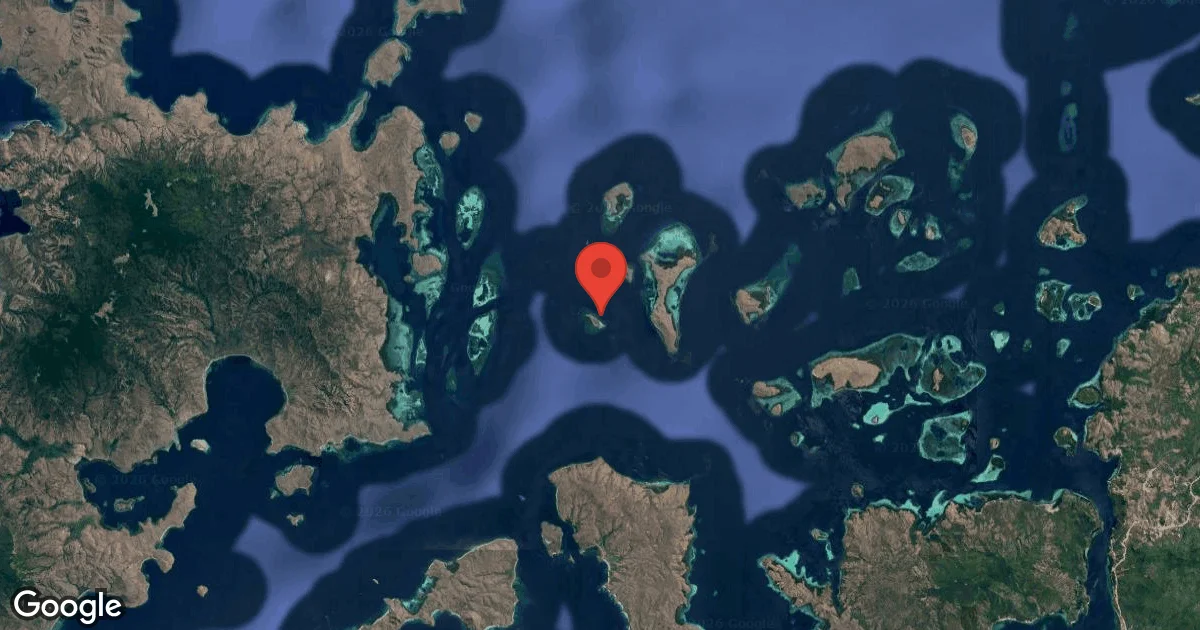
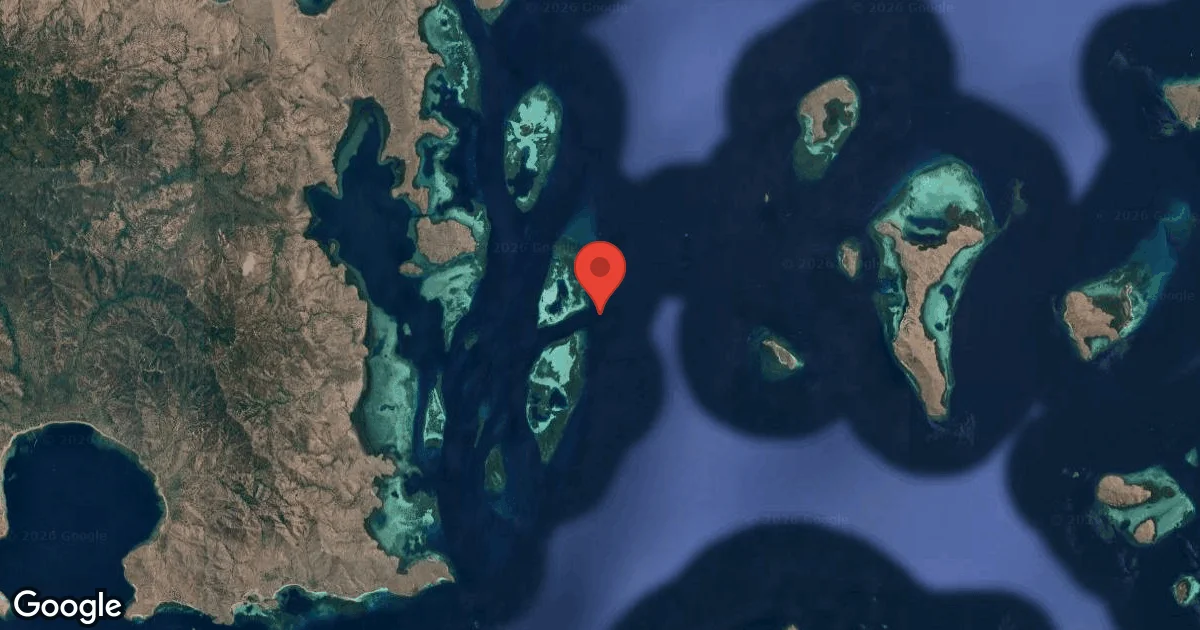
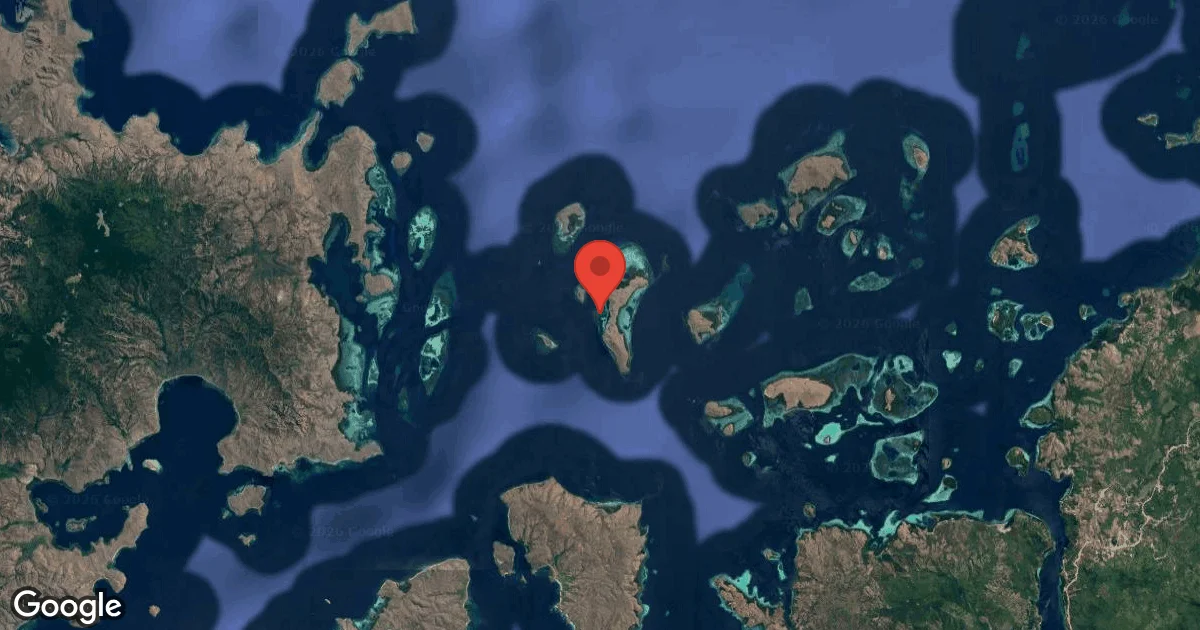
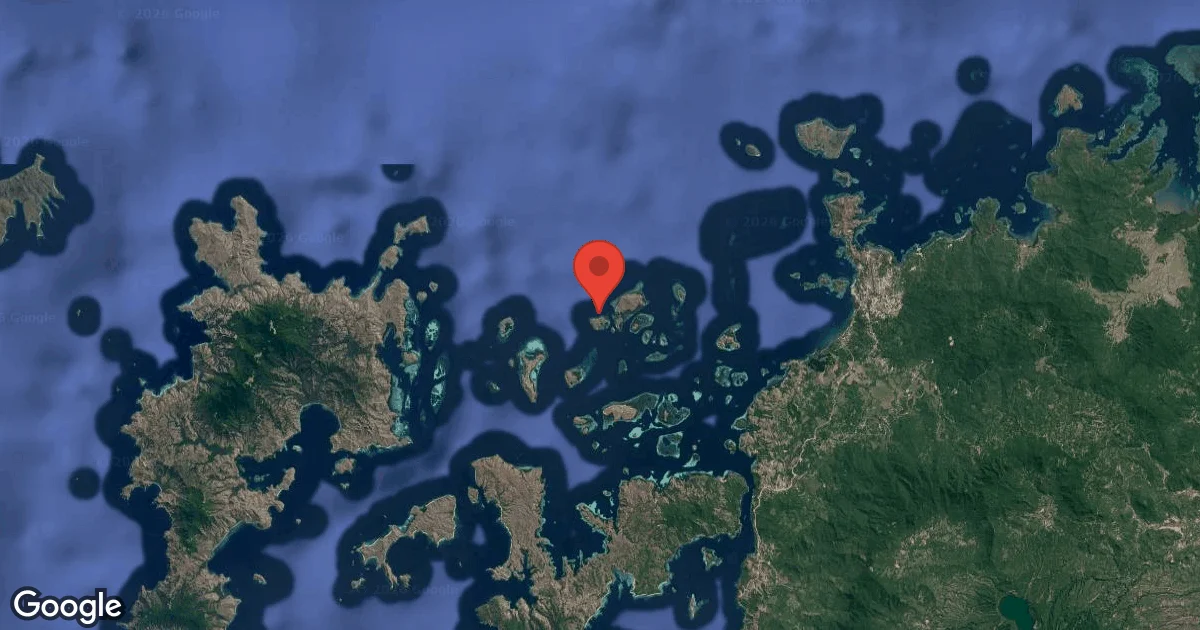
Dive Site Location & Key Facts
Dive Site Overview
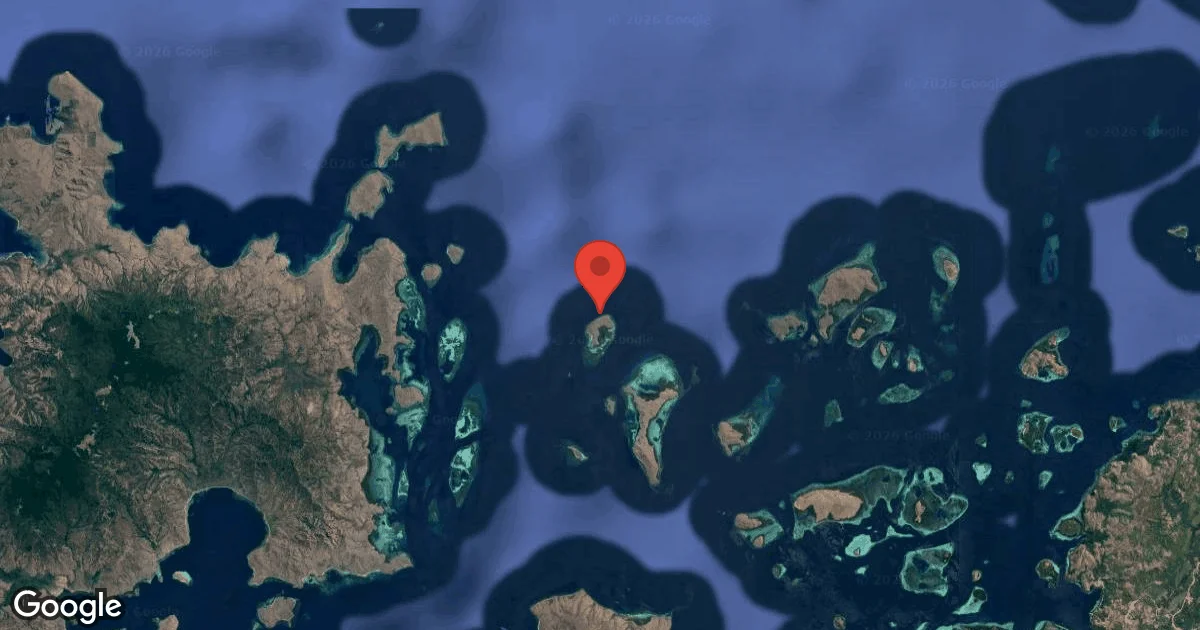
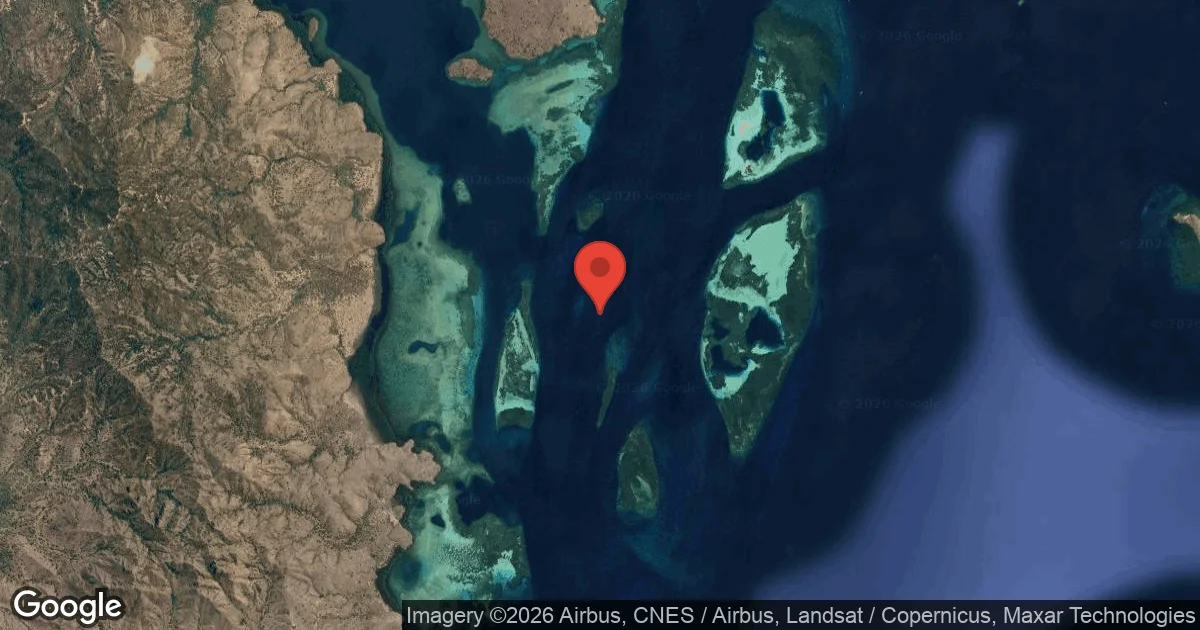
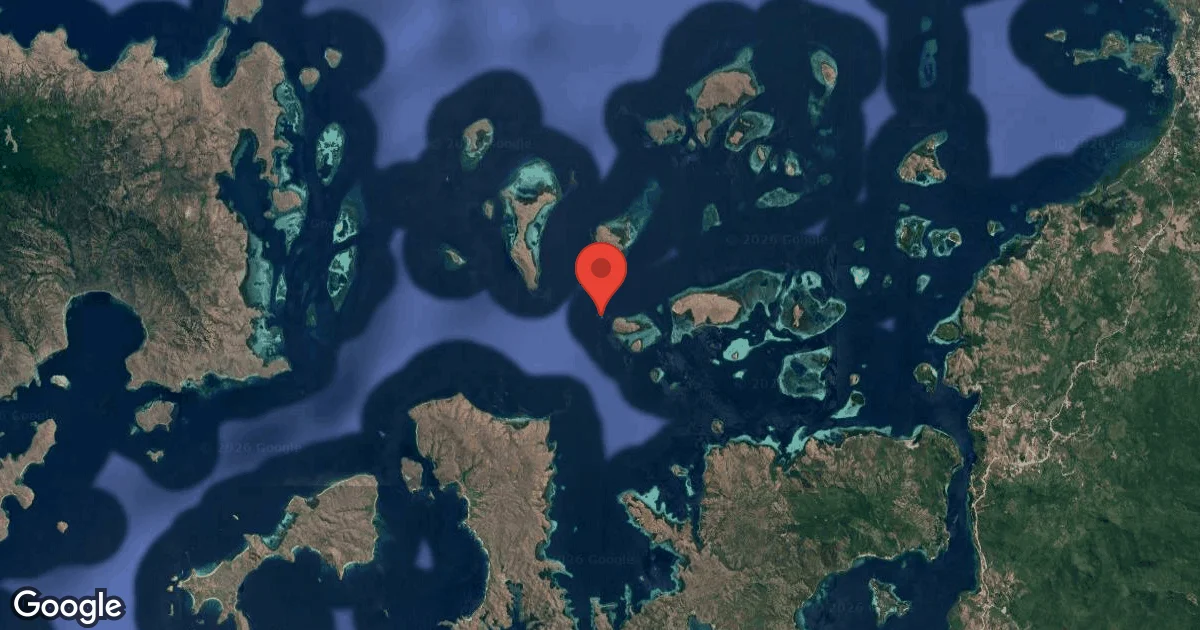
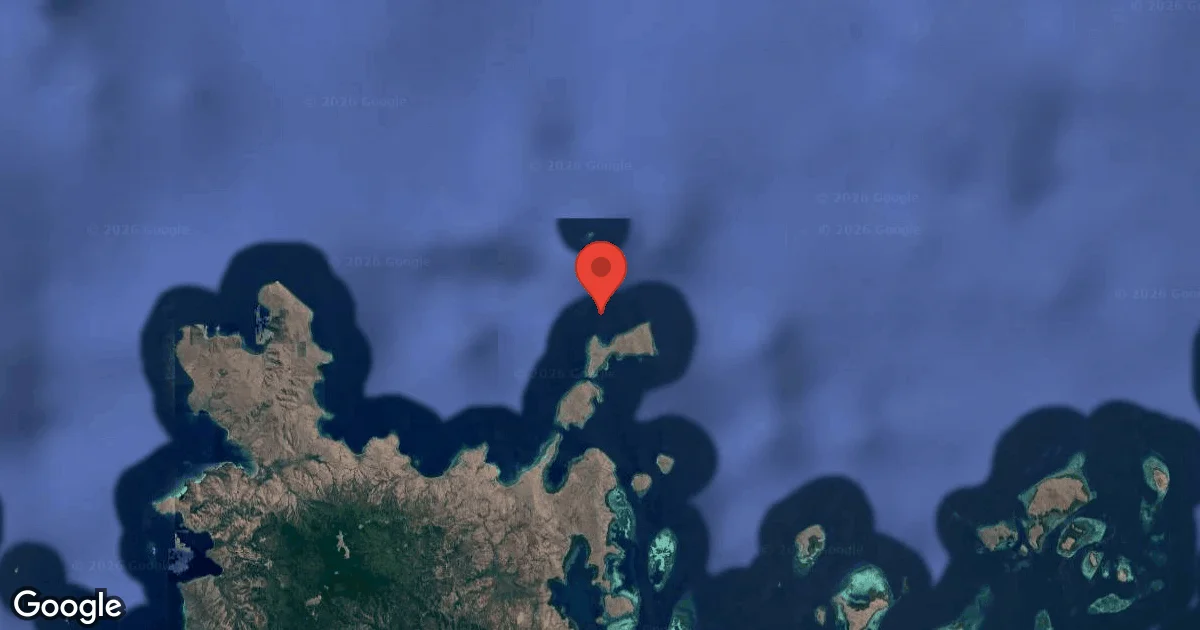
Tatawa Besar, meaning 'big laugh' in Bahasa Indonesian, is a vibrant dive site located within the north central expanse of Komodo National Park. This particular locale is celebrated for its spectacular coral gardens and a consistently thriving marine ecosystem.
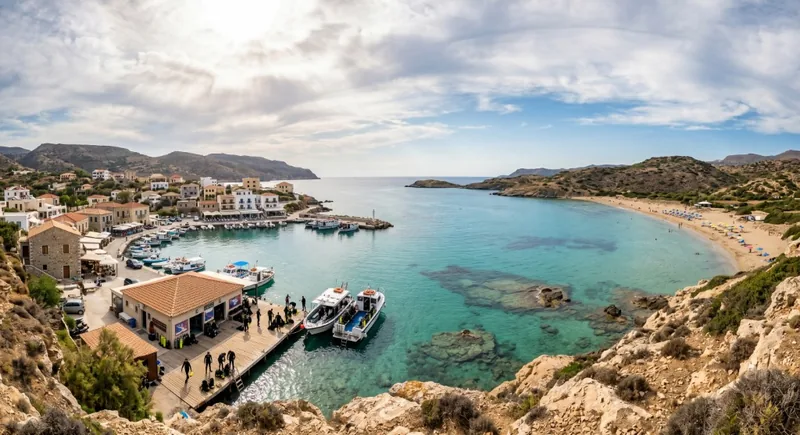
Above the waves, the island itself presents a picturesque blend of arid rocky terrain, white sand beaches, and healthy mangrove fringes, setting a striking scene for surface intervals. Underwater, the site provides engaging drift dives, defined by its remarkably diverse topography. Sloping coral reefs gracefully transition into expansive sandy patches and feature scattered, intriguing isolated bommies.
Such variety fosters distinct micro-habitats, supporting a broad spectrum of marine life from small reef inhabitants to larger pelagics moving through the currents. Dynamic water movement characterizes Tatawa Besar, making an understanding of current patterns crucial for safely navigating and appreciating its rich biodiversity.
Generally suitable for divers across various experience levels, those comfortable with drift diving will find exploration most rewarding, discovering new facets of the reef as currents guide their journey through shallower and deeper sections. The diverse underwater landscape, shaped by strong currents, reveals the reef's resilience and its inhabitants' adaptations.
Conditions are Good
07:00 - 14:00
Optimal conditions expected
Current conditions near Tetawa Besar show 26° air, 28° sea temperature, 0.4 m waves, and 25 km/h wind. Forecast data is refreshed regularly to ensure accuracy.
Best Time to Dive
Optimal dive conditions typically prevail at Tatawa Besar from April through November, when the dive score is consistently rated as excellent. During these months, average air temperatures range comfortably from 27-28.5°C (81-83°F), accompanied by minimal rainfall, often less than 1 mm (0.04 inches) monthly. The dry season, peaking between May and October, offers the most favorable surface conditions with lower wave heights and less wind, enhancing overall comfort for boat travel and surface intervals. Although January, February, and December still offer good dive scores, these months see slightly higher average rainfall, ranging from 6.6-8.5 mm (0.26-0.33 inches), which might occasionally impact visibility or surface conditions.
PEAK SEASON SCORE
Scores combine air & water temps, waves, wind & rainfall for overall conditions.
BEST MONTHS TO DIVE
Monthly records compiled from satellite and marine observation nodes over the last 3 years. Data provided by Open-Meteo and MET Norway.
Dive Experience & Conditions
Upon entering the water at Tatawa Besar, divers often begin their descent over a shallow top reef, typically around 4-5 meters (13-16 ft) deep, directly in front of a white sandy beach. This reef plateaus out from the island before gently sloping down to depths of 35-40 meters (115-130 ft). Hard corals dominate much of the topography, presenting vast fields of table corals, intricate soft corals, various sponges, and delicate sea fans. Dives here are primarily drift dives, conducted along the north easterly side of the island which faces the open ocean, increasing the potential for pelagic sightings. Descending on a falling tide with the reef kept on the right shoulder, divers typically traverse from the north westerly tip in a south easterly direction. Currents can range from mild to strong, occasionally producing up and down currents due to changing underwater topography, but these are manageable with proper buoyancy and finning techniques.
Dive Difficulty & Safety Guidelines
When planning a dive at Tatawa Besar, understanding and respecting the dynamic currents is paramount. Always attend the dive site briefing thoroughly; your guide will detail expected current strengths and directions, along with specific entry and exit points. Maintaining close proximity to your dive guide is essential, especially given the potential for varied current behavior at different depths across the sloping reef.
Divers should strive to stay at the same depth level as their guide to effectively manage any vertical current shifts. Practicing excellent neutral buoyancy and being mindful of fin placement is critical to avoid accidental contact with the delicate coral formations, ensuring reef protection while enjoying the drift. Follow all instructions given by your guide underwater to maximize safety.
Recommended Equipment
Deep dive hazard. Increased narcosis and gas consumption risk.
Current and surface separation risk. Local briefing strongly recommended.
- Dive Computer
- DSMB
- Primary & Backup Lights
- Reel / Spool
This gear list is based on verified equipment signals for Tetawa Besar, Indonesia. Always confirm final gear choices with your dive operator, guide, or liveaboard.
Recommended Dive Suit
Short-term weather patterns suggest stable conditions for divers visiting the area.
Thermal protection such as 2-3mm shorty or light wetsuit is commonly used in similar temperatures.
Current dive conditions indicate that water temperatures around Tetawa Besar are sitting at roughly 28°C (82°F). Surface air temperatures are resting at 26°C (78°F).
Due to technical issues with our weather providers, data hasn't been fetched for over 48 hours. The data above reflects the conditions at the time of the last successful fetch.
Emergency & Medical Support
Essential information to help you plan your dive trip to TETAWA BESAR.

Hyperbaric chambers are a critical part of dive safety infrastructure. Availability varies significantly by region, and not all dive areas have immediate access.
Before diving, it's recommended to:
- confirm nearest medical facilities
- check emergency procedures with local dive operators
- ensure dive insurance covers evacuation if required
Divers Alert Network
Diving emergency assistance available through DAN World.
+1-919-684-9111- 24/7 emergency hotline
- Diving medical assistance
- Evacuation coordination
Emergency contacts are provided for reference. Always verify local emergency services before diving.
Marine Life at Tetawa Besar
Diving here immediately draws attention to the vibrant colors of the extensive coral gardens, a hallmark of its position within the Coral Triangle. Divers will frequently encounter impressive fields of various hard corals, including large table corals and branching staghorn coral, interspersed with giant sponges and swaying sea fans.
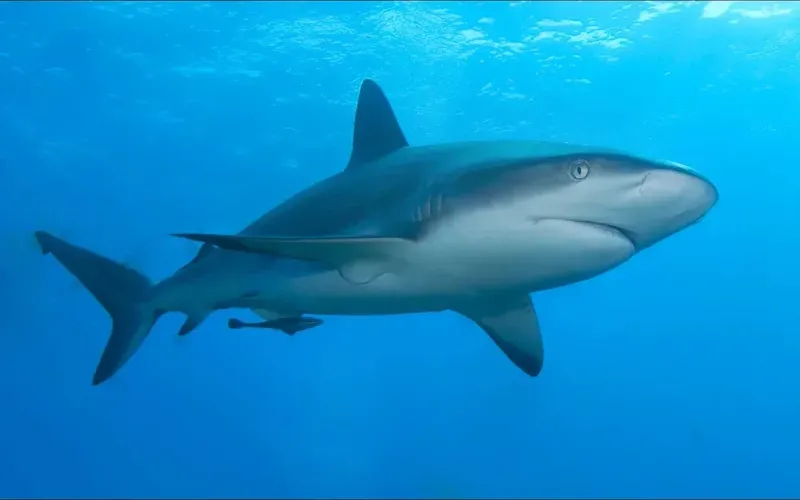
Look closely beneath the table corals for resting juvenile white-tip reef sharks. Out in the blue, keep an eye out for larger pelagics such as white-tip and black-tip reef sharks, alongside schools of colorful reef fish that inhabit the lively ecosystem.

Dive Sites Near Tetawa Besar
View all dive sites in IndonesiaDiscover more underwater gems in this area.
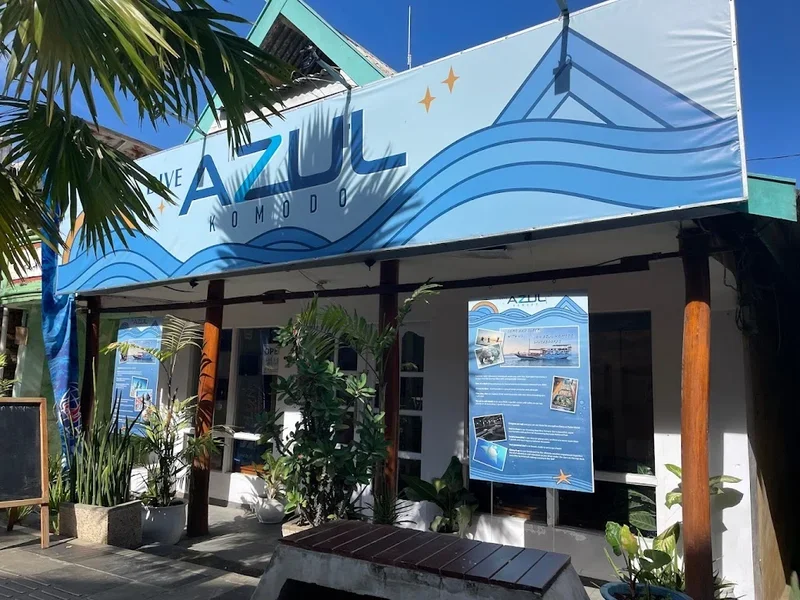
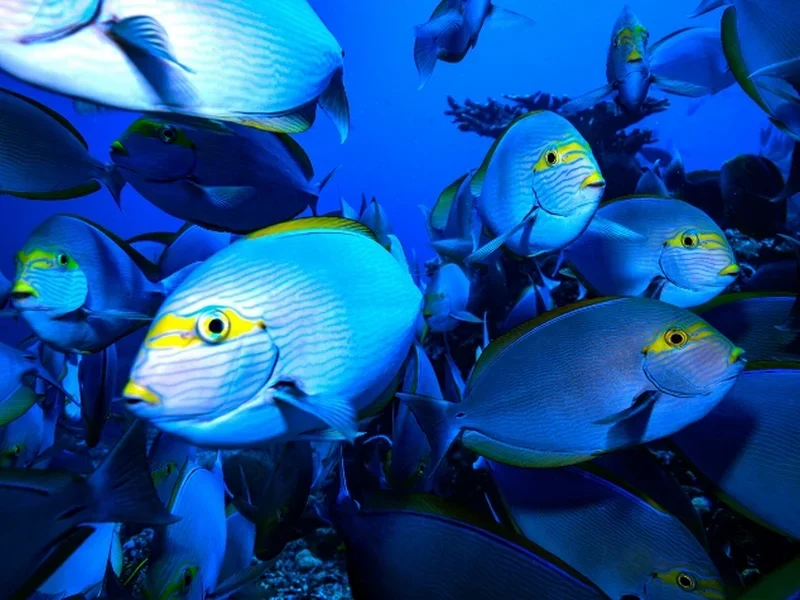
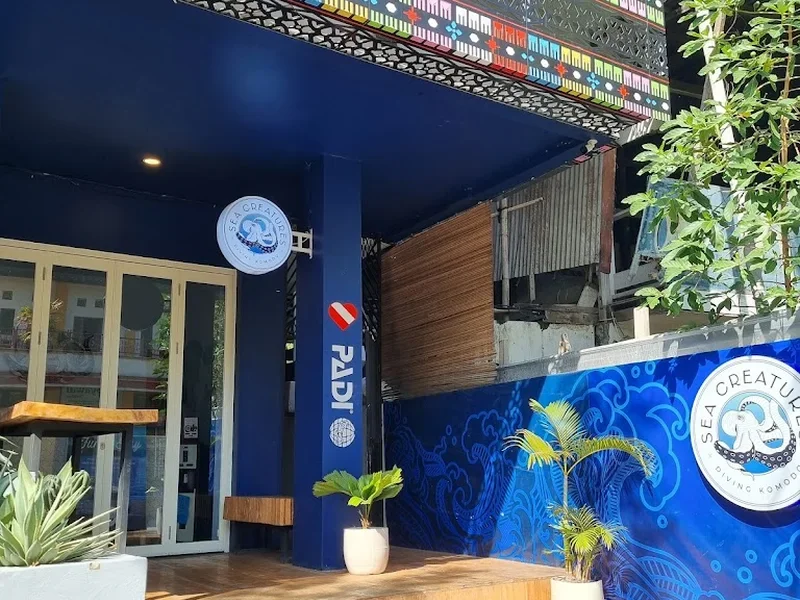
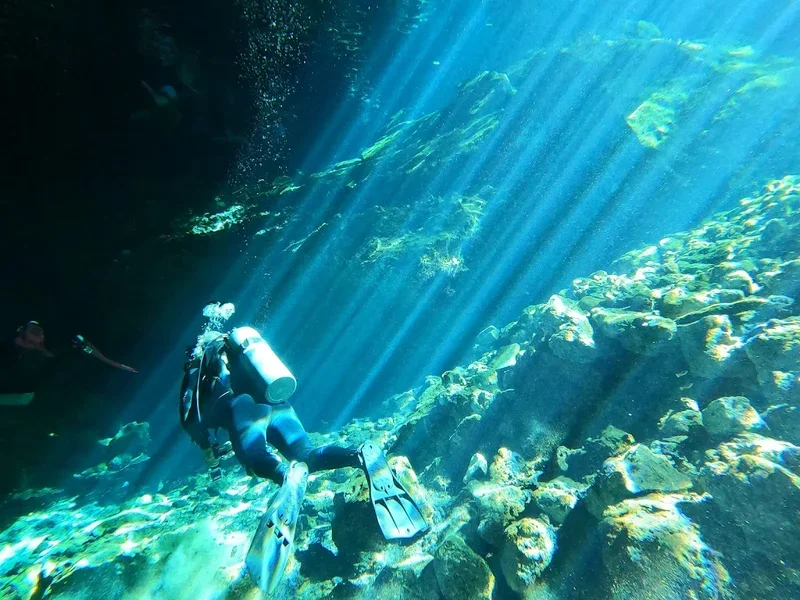
Dive Centers Near Tetawa Besar
Today: 10:00 - 19:00
Nearest Airports
Nearest airports to help plan travel to this dive area.
Search Flights
Check available flights and routes on Expedia, using the nearby airports listed in this section.
Search Flights on ExpediaFrequently Asked Questions
What is the typical depth range for dives at Tatawa Besar?
The dive site features a shallow top reef starting at 4-5 meters (13-16 ft), which then gently slopes down. Divers can explore depths reaching up to 35-40 meters (115-130 ft).
Are there strong currents at Tatawa Besar?
Yes, currents are a key feature and can range from mild to strong. Tatawa Besar is primarily a drift dive site, often considered one of the more relaxing drifts in Komodo National Park, but can still be speedy at times.
What kind of marine life can be expected?
The site is rich in marine biodiversity, notably for its colorful coral gardens. Divers can expect to see various reef sharks, like white-tip and black-tip reef sharks, abundant schools of reef fish, and a variety of hard and soft corals.
Is Tatawa Besar suitable for beginner divers?
While it is a drift dive, it's often considered manageable for various experience levels. However, beginners should be comfortable with drift diving techniques and always dive with an experienced guide who can manage currents.
What are the best months to dive Tatawa Besar?
The period from April to November generally offers excellent diving conditions with stable air temperatures and minimal rainfall. These months provide the most comfortable surface conditions for boat travel.
How should divers prepare for the currents?
Listen carefully to your dive briefing for current predictions. Maintaining good neutral buoyancy, staying close to your guide, and being prepared to adjust your body and fin position for up and down currents are key strategies.
Planning to dive Tetawa Besar?
Send one inquiry and receive offers directly from the best verified local dive operators.
Conditions are Good
07:00 - 14:00
Optimal conditions expected
Current conditions near Tetawa Besar show 26° air, 28° sea temperature, 0.4 m waves, and 25 km/h wind. Forecast data is refreshed regularly to ensure accuracy.