
Diving at Batu Bolong (Indonesia)
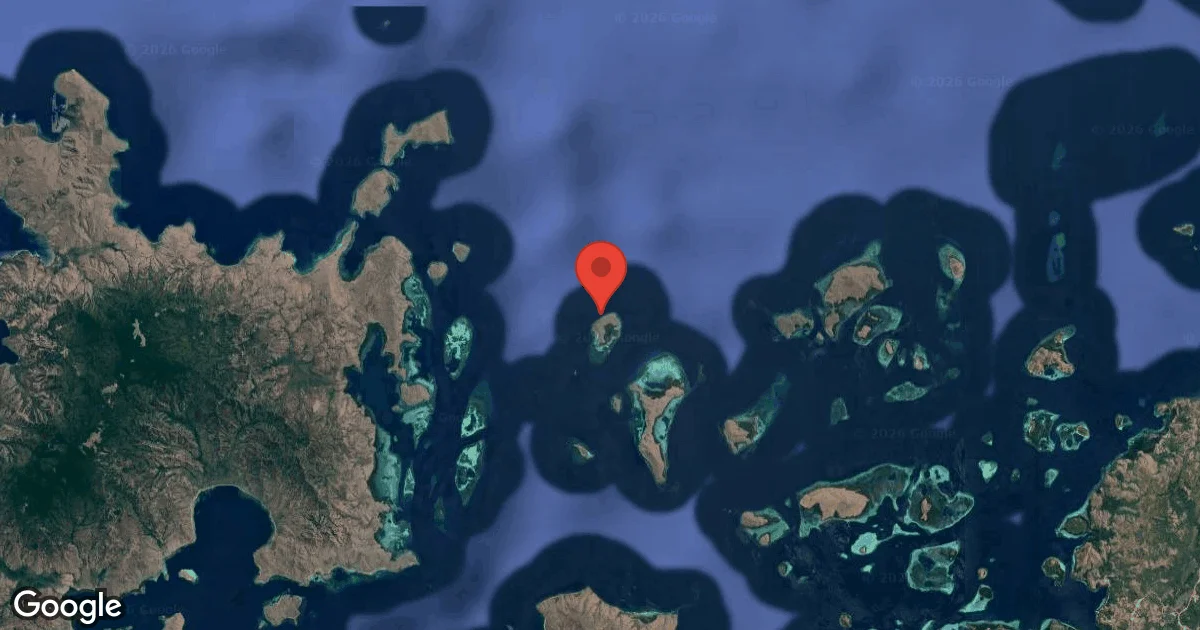
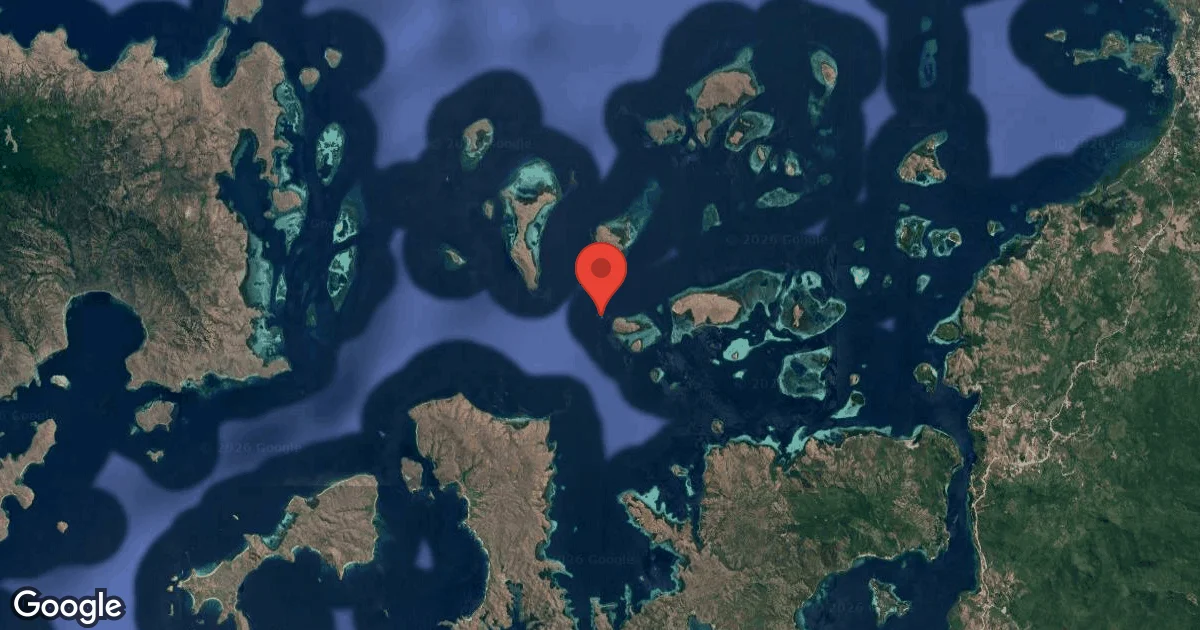
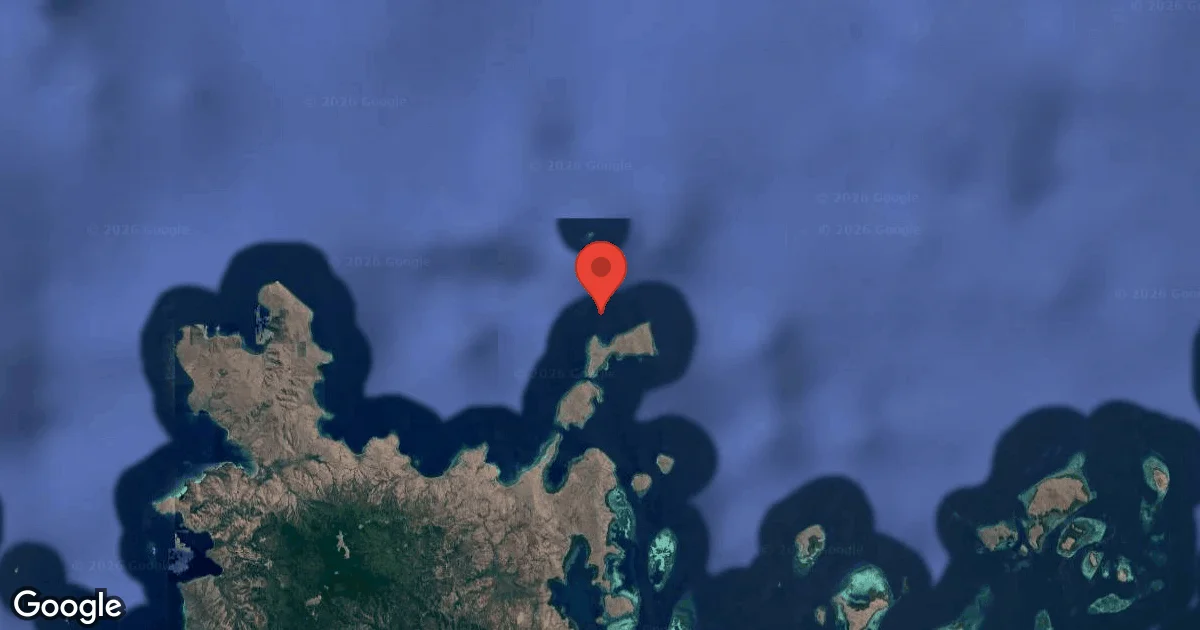
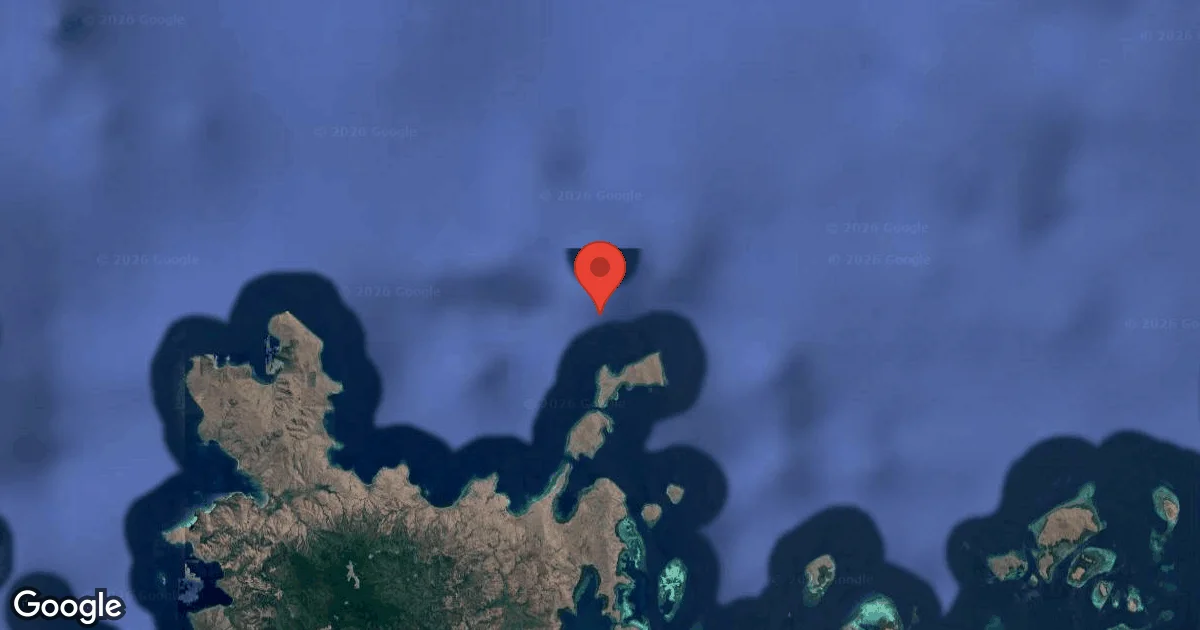
Rising prominently between Komodo Island and Tatawa Besar, Batu Bolong appears as a simple rock with a distinctive hole. Below the surface, it transforms into an incredibly vibrant underwater ecosystem, often described as a living aquarium. Exceptional biodiversity and intact coral formations cement its status as a premier diving destination within Komodo National Park. This remarkable site remains a key feature in many Komodo dive itineraries, drawing experienced divers.
Evening condition tracking at Batu Bolong features an air temperature of 26.5°C. We have recorded wave heights measuring 0.3 m during this period. These figures outline the environmental parameters currently present.
Dive Site Location & Key Facts
Dive Site Overview
A dive here feels like stepping into the ocean's very heartbeat, immersing divers in a world where conditions and marine life combine for an unforgettable experience. Descending into clear blue, the site unfolds as a jagged underwater mountain, revealing an explosion of color and constant motion.
Dive routes primarily navigate the sheltered eastern flank of the pinnacle, the only area deemed safe for recreational divers, generally manageable for current. Reefs on this side boast terraced hard corals, expansive staghorn forests, and multi-layered plate corals, all supporting extraordinary density of fish.
Batu Bolong's structural integrity is becoming rare across Southeast Asia, offering a glimpse into what untouched reefs once looked like. Currents, while fueling its vibrant ecosystem, can shift rapidly.
Guides enforce the iconic "don't cross the middle" rule, preventing divers from entering powerful down-currents on exposed western and southern faces. Protection offered by the pinnacle, coupled with its sheer volume of marine activity, makes a dive at Batu Bolong not just a visual spectacle but a deeply immersive encounter.
It truly showcases what a living, breathing reef can be, leaving a lasting impression on even seasoned divers.
Conditions are Excellent
07:00 - 14:00
Optimal conditions expected
Current conditions near Batu Bolong show 27° air, 28° sea temperature, 0.5 m waves, and 23 km/h wind. Forecast data is refreshed regularly to ensure accuracy.
Best Time to Dive
Diving Batu Bolong is possible throughout the year, but conditions vary significantly between dry and wet seasons. May through October, the dry season, generally offers most favorable conditions, marked by an "Excellent" dive score consistently. During these months, air temperatures typically range from 26.5-28.5°C / 80-83°F, with minimal rainfall averaging 0.07-0.76 mm. Seas are often calmer, and currents tend to be more predictable, contributing to optimal visibility for underwater photography. In contrast, November to April marks the wet season, still providing "Good" dive scores, yet introducing more variable conditions. Air temperatures remain warm, averaging 27.5-28.5°C / 82-83°F, but rainfall increases, reaching up to 8.5 mm in December and January. While marine life remains abundant year-round, visibility can decrease during this period. Water temperature is not consistently reported for Batu Bolong, but generally remains warm in the region. For ideal clarity and more stable conditions, dry season presents the best window.
PEAK SEASON SCORE
Scores combine air & water temps, waves, wind & rainfall for overall conditions.
BEST MONTHS TO DIVE
Monthly records compiled from satellite and marine observation nodes over the last 3 years. Data provided by Open-Meteo and MET Norway.
Dive Experience & Conditions
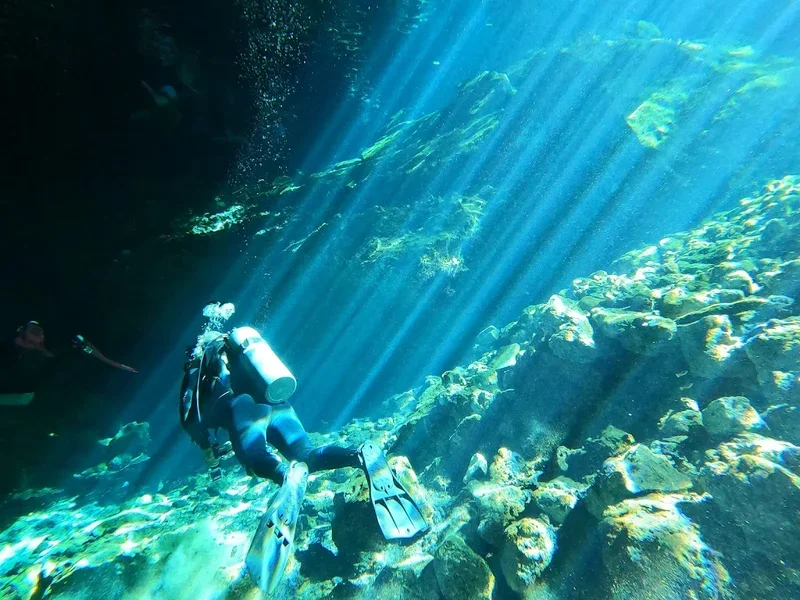
Entering the water here, divers typically begin a descent onto a steep wall that drops into the deep blue. A dramatic visual contrast unfolds between the rich reef to your right and the endless ocean to your left. On its sheltered eastern side, currents are dynamic yet manageable, concentrating the site's incredible biodiversity. As divers move along the slope, Batu Bolong unfolds like a living amphitheater, presenting an overwhelming density of marine life. Pockets of calm behind coral ridges offer brief sanctuaries to stabilize, observe, and capture photos. Given strong, changeable currents, intermediate to advanced certification levels are generally recommended. Not a site for beginners, precise buoyancy control is crucial to stay within protected zones. While no specific depth limits are uniformly enforced beyond recreational limits, the wall drops significantly, allowing for varied profiles as deep as 30 m / 100 ft for experienced divers; much action is shallower.
Dive Difficulty & Safety Guidelines
Diving Batu Bolong demands profound respect for its unique environment and conditions, which present specific challenges. Guides strictly enforce a cardinal rule: "don't cross the middle." A central ridge divides the safe, protected side from exposed western and southern flanks. These flanks are subject to extreme down-currents capable of pulling divers rapidly downwards.
Even highly experienced divers avoid such zones. Safe navigation requires attentive listening to your local dive leader and maintaining excellent buoyancy control.
Powerful, often shifting currents mean the site is unsuitable for beginner divers; operators typically have experience requirements. Reef hooks are not utilized here; proper current diving techniques prove essential for staying stable.
Recommended Equipment
- Dive Computer
- DSMB
This gear list is based on verified equipment signals for Batu Bolong, Indonesia. Always confirm final gear choices with your dive operator, guide, or liveaboard.
Recommended Dive Suit
The latest conditions reported around Batu Bolong place the water temperature close to 28°C (82°F). Surface air temperatures are resting at 27°C (80°F).
2-3mm shorty or light wetsuit is generally considered suitable for water temperatures like this.
Forecast trends indicate similar diving conditions over the next few days.
Emergency & Medical Support
Essential information to help you plan your dive trip to Batu Bolong.

Hyperbaric chambers are a critical part of dive safety infrastructure. Availability varies significantly by region, and not all dive areas have immediate access.
Before diving, it's recommended to:
- confirm nearest medical facilities
- check emergency procedures with local dive operators
- ensure dive insurance covers evacuation if required
Divers Alert Network
Diving emergency assistance available through DAN World.
+1-919-684-9111- 24/7 emergency hotline
- Diving medical assistance
- Evacuation coordination
Emergency contacts are provided for reference. Always verify local emergency services before diving.
Marine Life at Batu Bolong
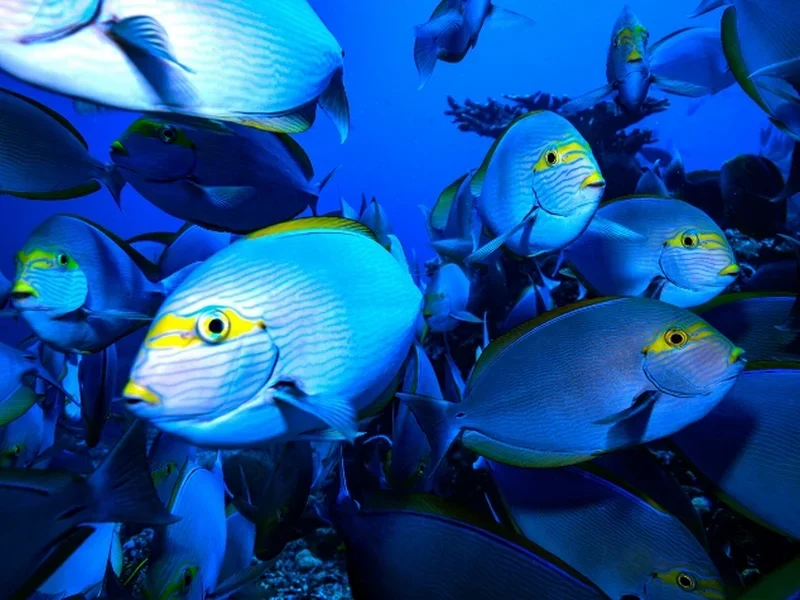
Batu Bolong is a spectacle of marine activity, boasting one of Komodo's highest densities of fish life. Divers will witness huge schools of anthias, fusiliers, and surgeonfish creating vibrant, moving tapestries across the reef.
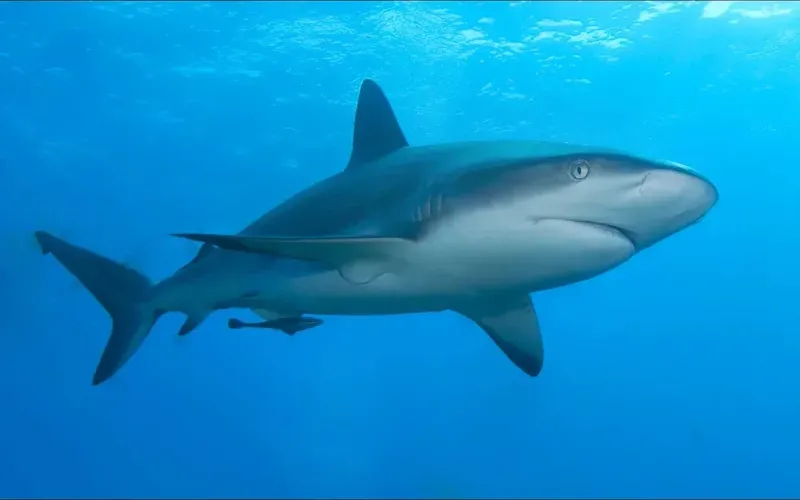
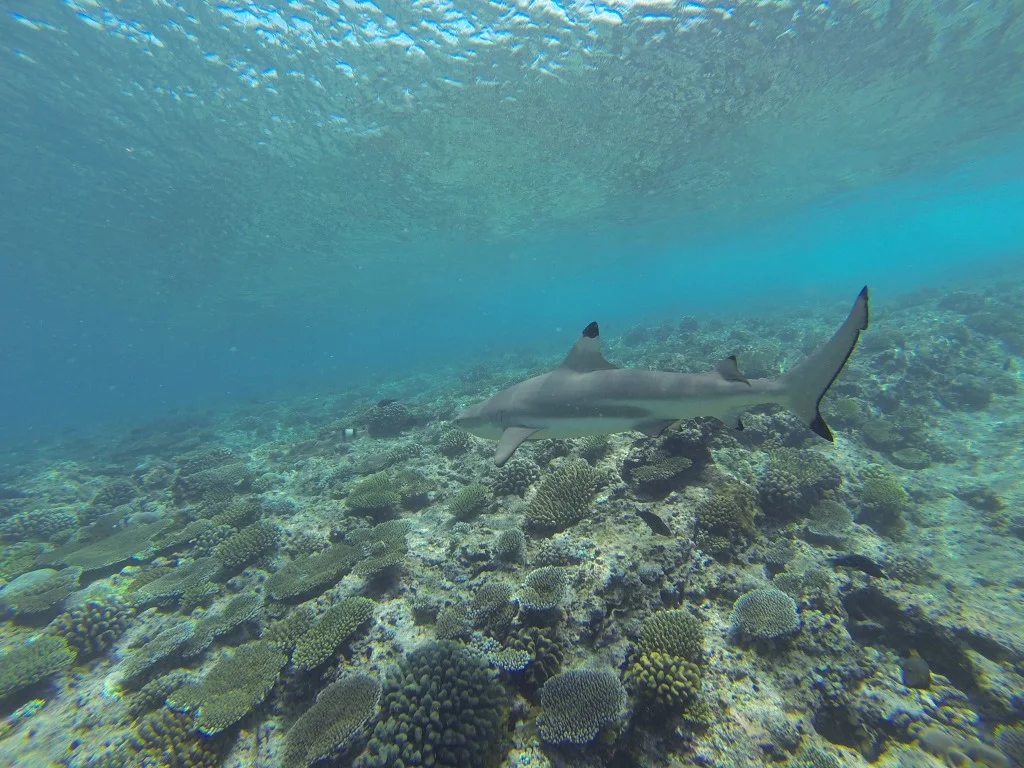
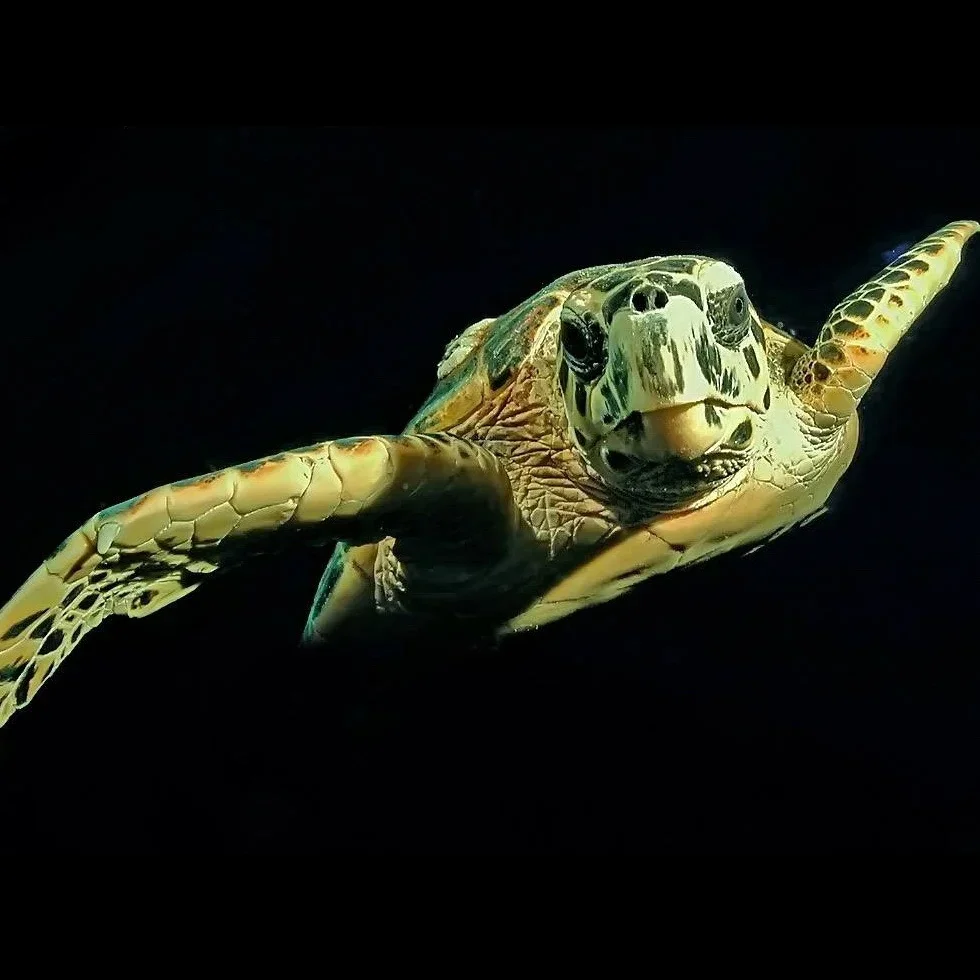
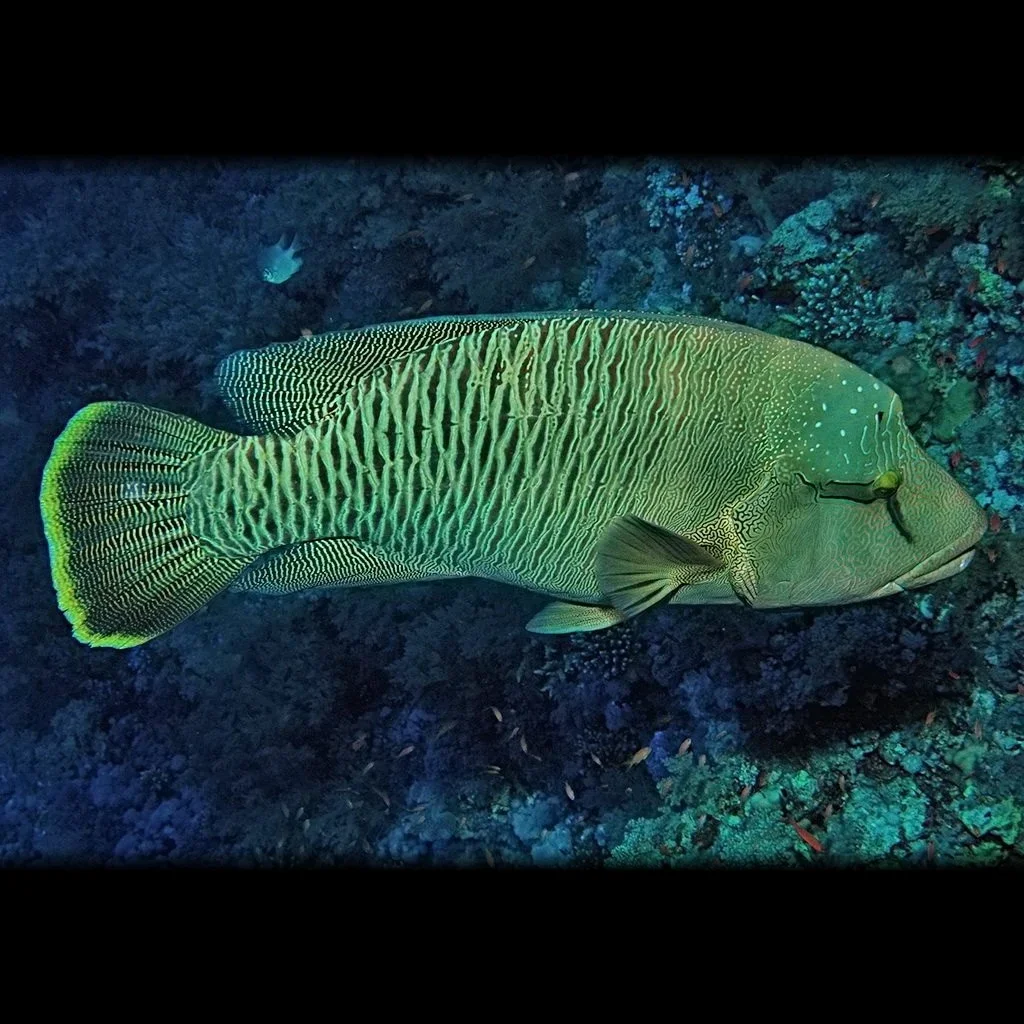
Larger pelagics such as giant trevallies and rainbow runners are often seen hunting, while white-tip reef sharks patrol deeper ledges. Hawksbill turtles cruise gracefully among the coral terraces, and impressive napoleon wrasse make slow, imposing appearances.
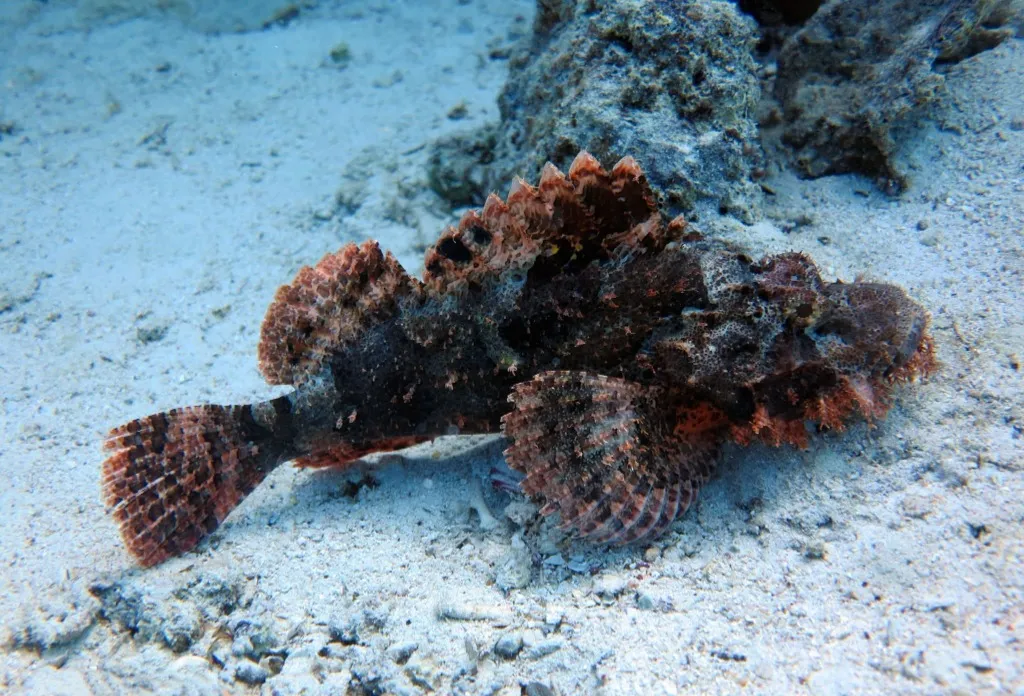
For those with a keen eye, sheltered pockets can also reveal a fascinating array of macro life, including nudibranchs, pygmy seahorses, and leaf scorpionfish.
Dive Sites Near Batu Bolong
View all dive sites in IndonesiaDiscover more underwater gems in this area.
Dive Centers Near Batu Bolong
Today: 10:00 - 19:00
Nearest Airports
Nearest airports to help plan travel to this dive area.
Search Flights
Check available flights and routes on Expedia, using the nearby airports listed in this section.
Search Flights on ExpediaFrequently Asked Questions
Is Batu Bolong safe for beginners?
Generally, no, this site is not recommended for beginners. Strong, changeable currents and the need for precise buoyancy control make it more suitable for intermediate to advanced divers. Dive operators typically enforce experience requirements for safety.
Why can’t you cross the middle of the site?
The middle of the site, specifically the top "saddle" of the pinnacle, separates a safe, protected side from exposed western and southern faces. These unprotected areas can generate powerful down-currents, which pose a significant risk of pulling divers rapidly downwards and away from the reef.
What kind of marine life will I see?
Batu Bolong offers an extraordinary mix of both wide-angle and macro life. Expect to see massive schools of reef fish, cruising hawksbill turtles, giant trevallies, rainbow runners, white-tip reef sharks, and large napoleon wrasse. Keen observers might also spot nudibranchs, pygmy seahorses, and leaf scorpionfish.
Can I dive Batu Bolong year-round?
Yes, Batu Bolong can be dived in any season, with marine life remaining abundant throughout the year. However, the dry season (May–October) typically offers better visibility, calmer seas, and more predictable currents compared to the wet season (November–April), when conditions can vary more.
Do I need a reef hook at Batu Bolong?
No, reef hooks are not used at Batu Bolong. Divers manage themselves in the current using proper diving techniques, relying on buoyancy control to stay within designated safe zones.
What makes the coral at Batu Bolong so special?
The coral integrity at Batu Bolong is exceptionally high, appearing ancient and untouched. This pristine condition is largely due to anchoring being impossible and diver access being limited to only one protected side, allowing the reef to flourish without widespread disturbance.
Where can I find Batu Bolong?
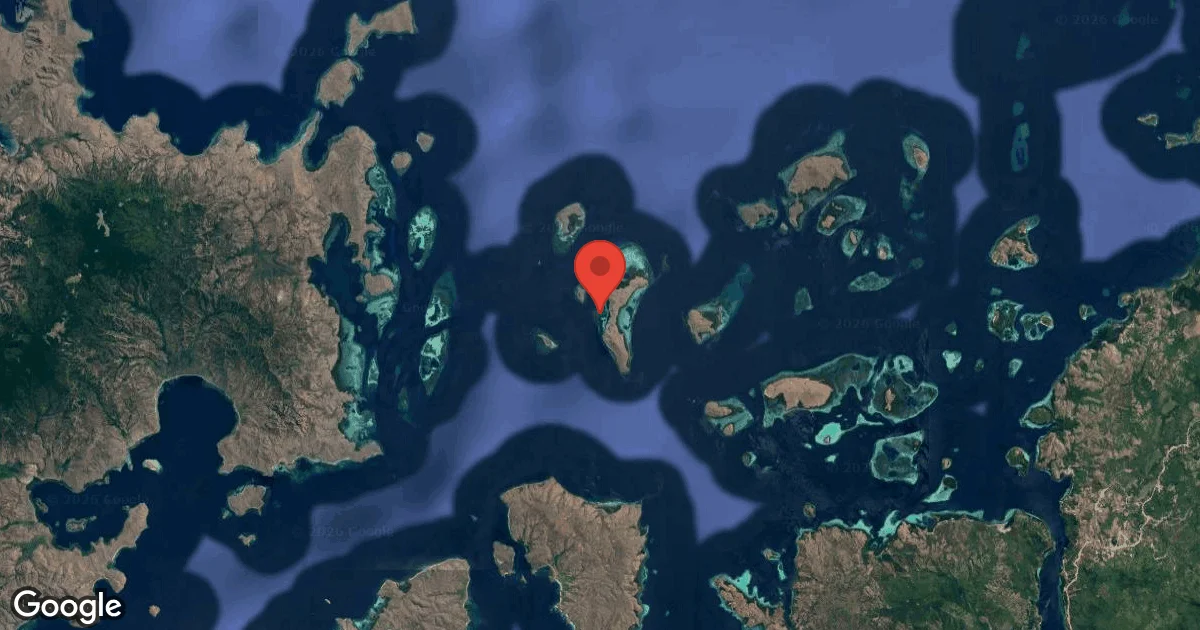
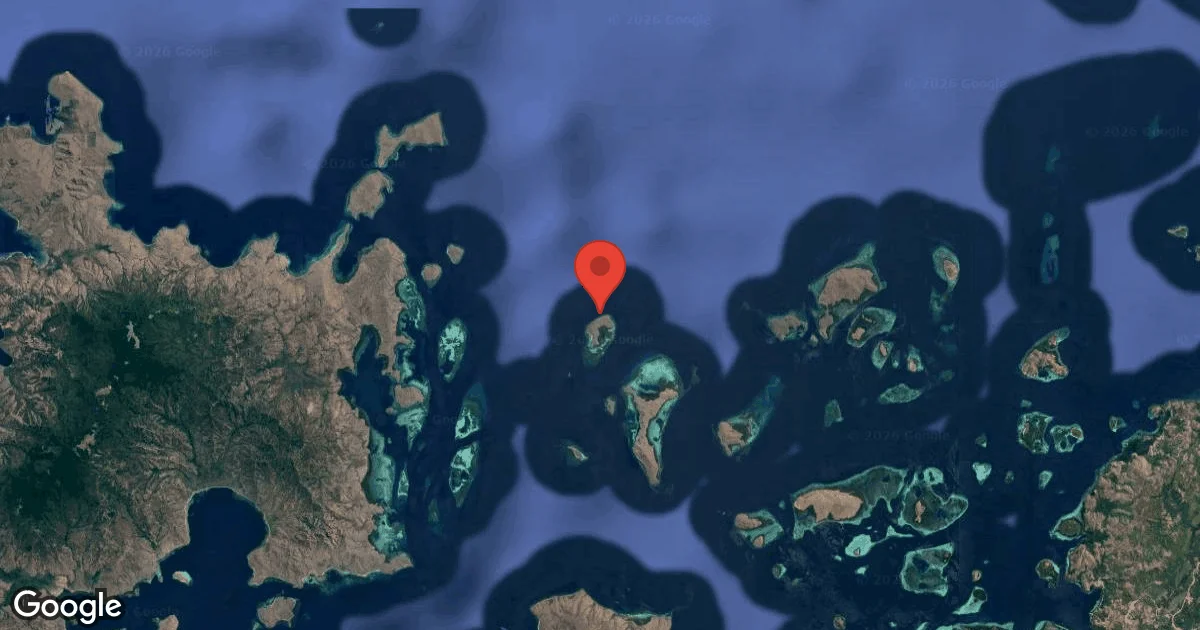
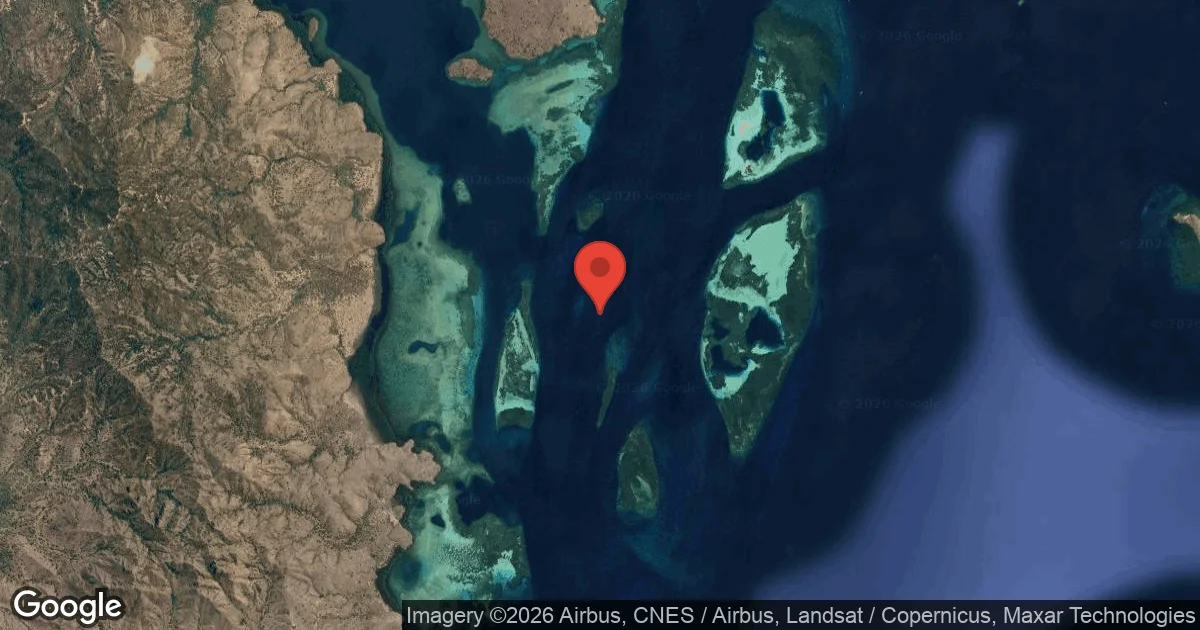
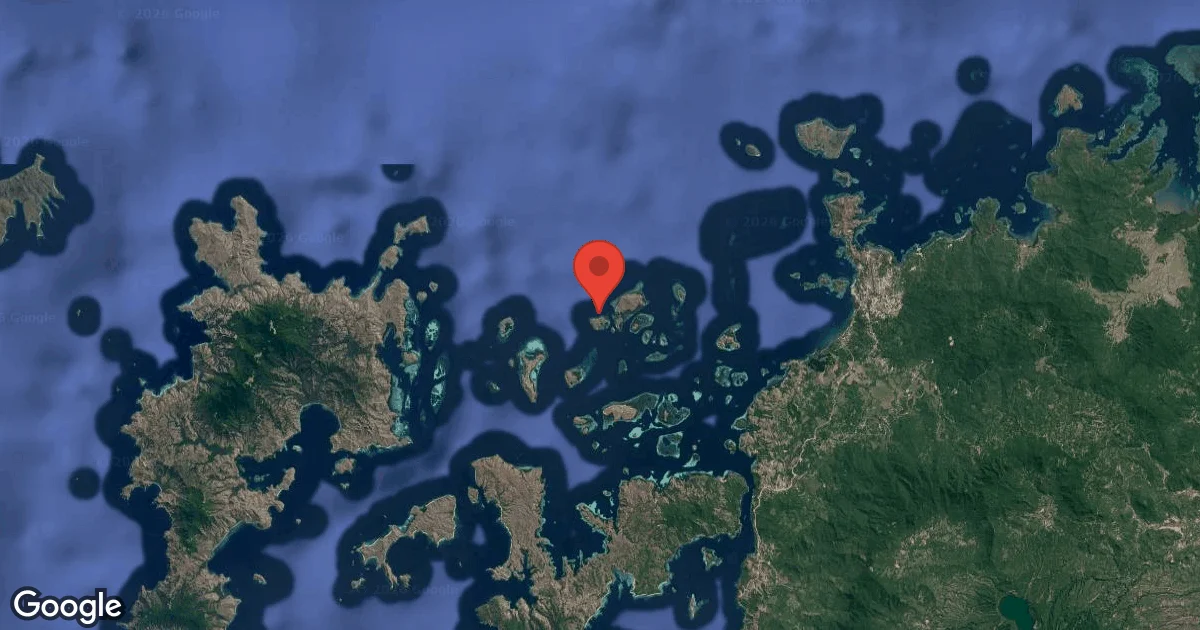
Batu Bolong rises prominently between Komodo Island and Tatawa Besar, within the Komodo National Park. Its presence offers convenient access for many dive trips visiting the park.
Planning to dive Batu Bolong?
Send one inquiry and receive offers directly from the best verified local dive operators.
Conditions are Excellent
07:00 - 14:00
Optimal conditions expected
Current conditions near Batu Bolong show 27° air, 28° sea temperature, 0.5 m waves, and 23 km/h wind. Forecast data is refreshed regularly to ensure accuracy.