
Diving at Manta Point Komodo (Indonesia)
Initiating a drift at Manta Point, divers encounter a substantial cleaning station. Prevailing currents swiftly guide you along reef contours where reef manta rays frequently gather. Located within Komodo National Park, the site demands attentiveness to your position as water movement dictates much of the experience, delivering encounters with large pelagics.
Evening condition tracking at Manta Point Komodo features an air temperature of 26°C. We have recorded wave heights measuring 0.4 m during this period. These figures outline the environmental parameters currently present.
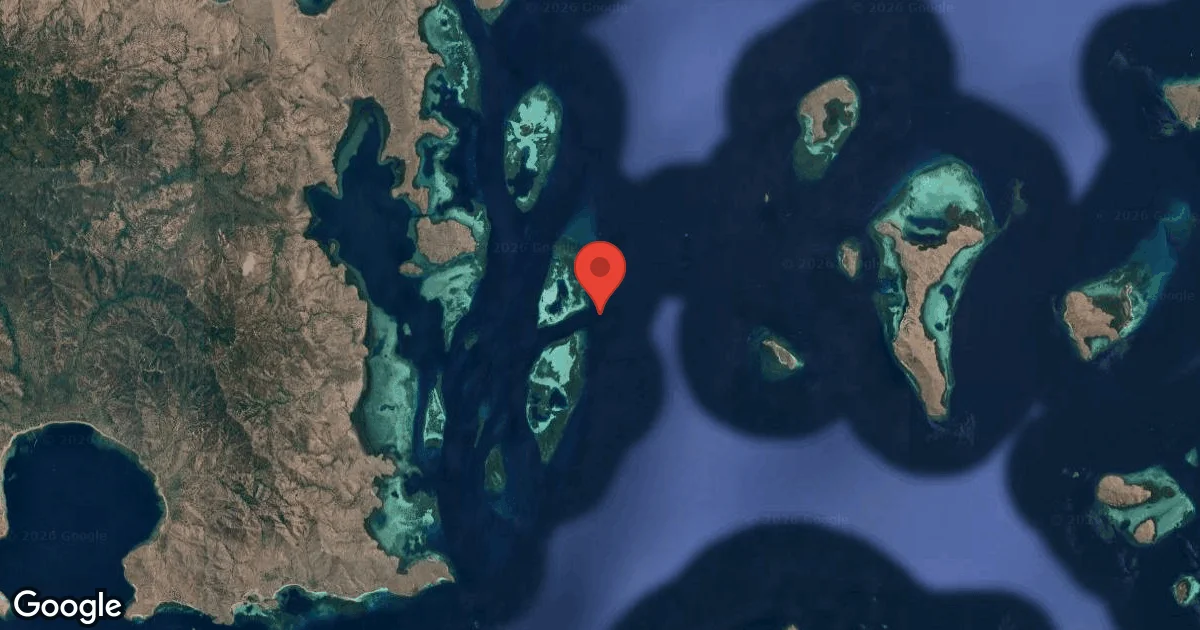
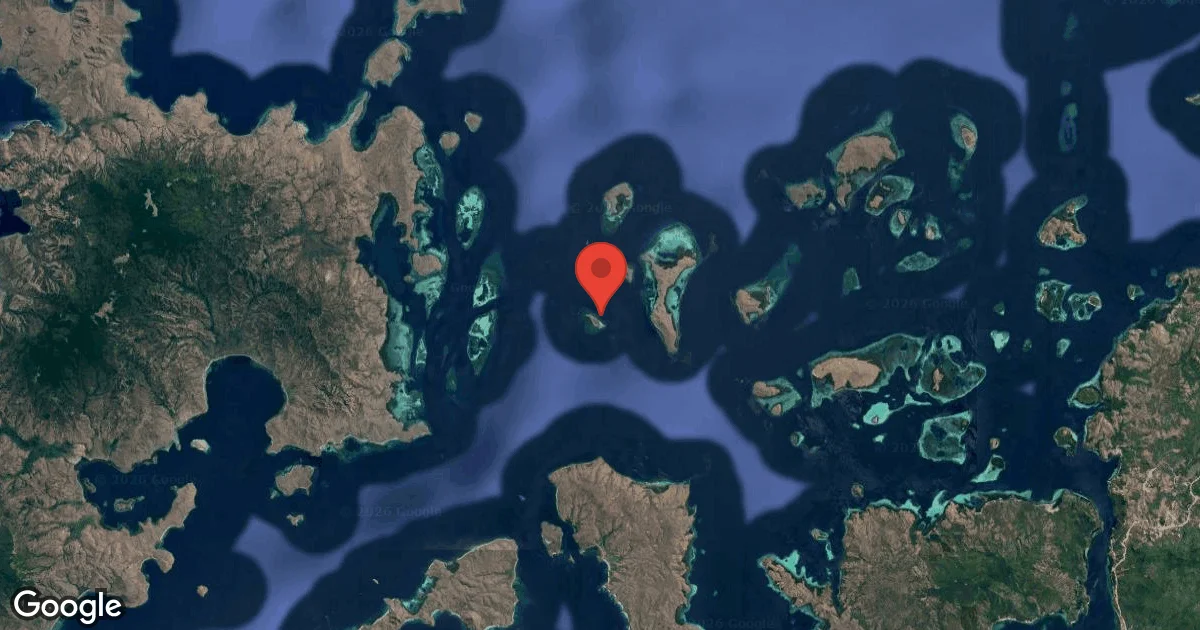
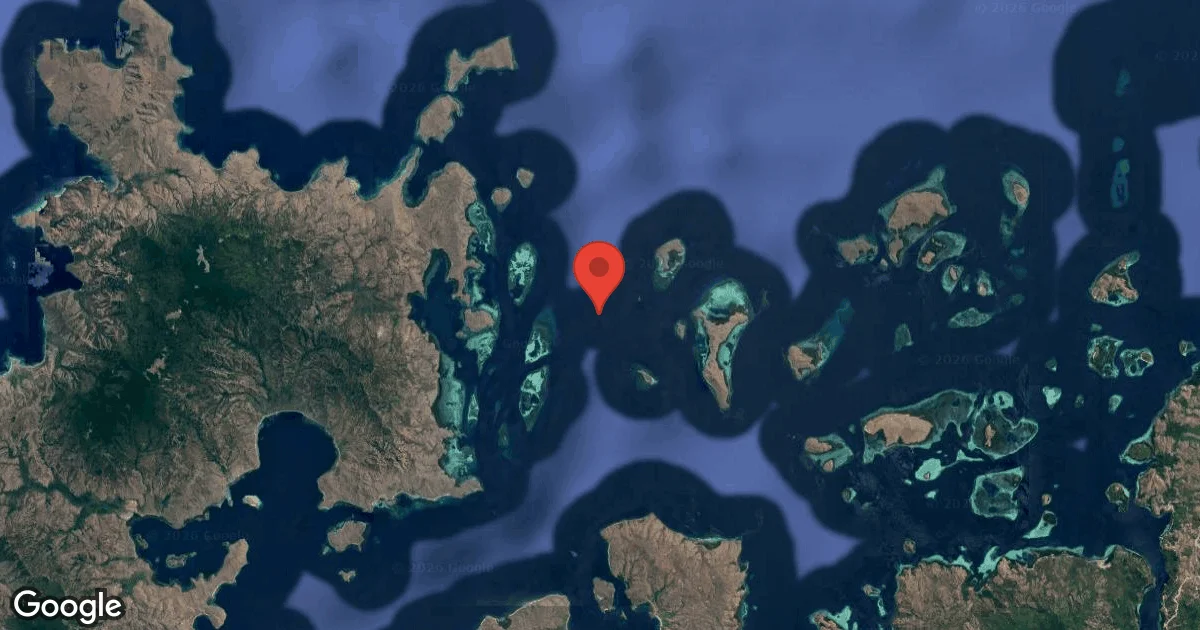
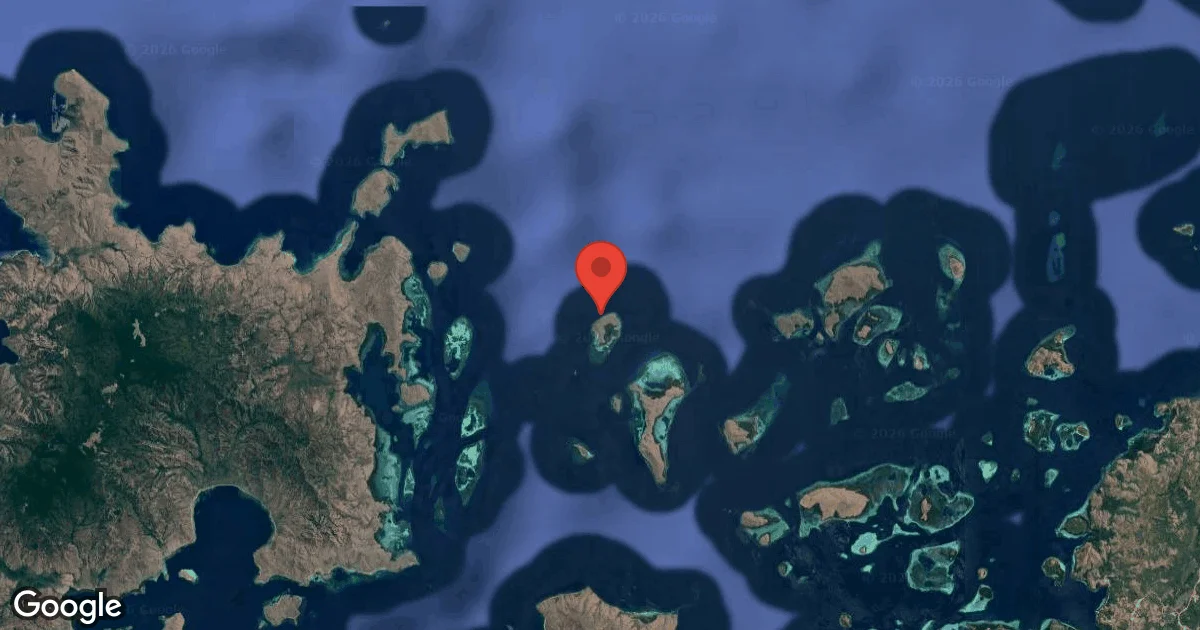
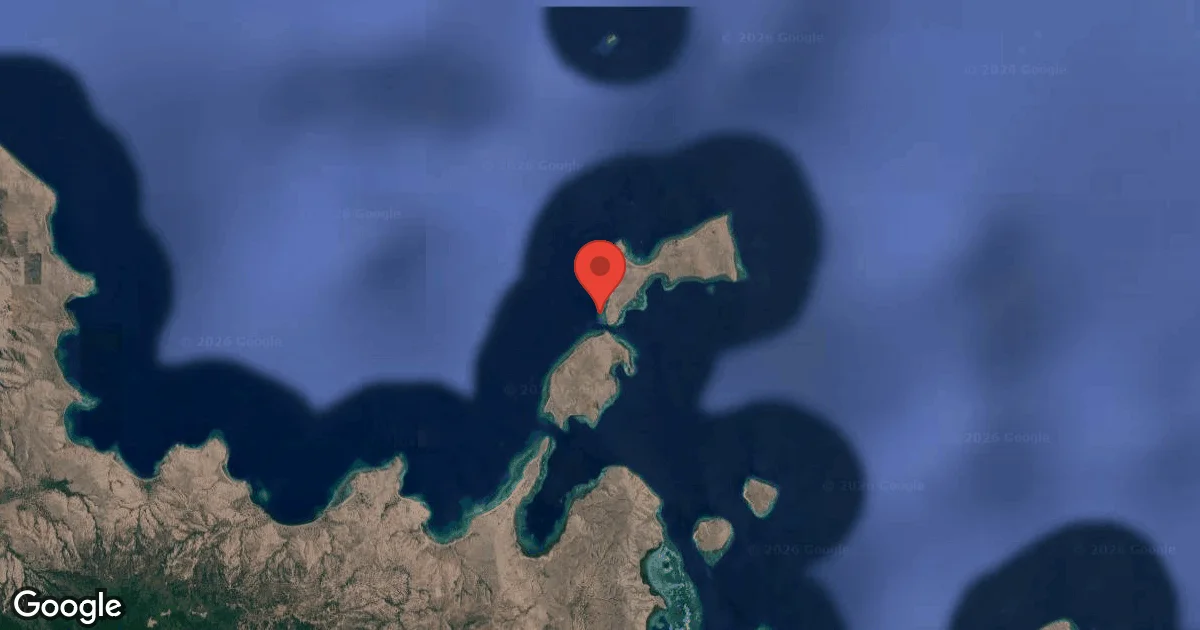
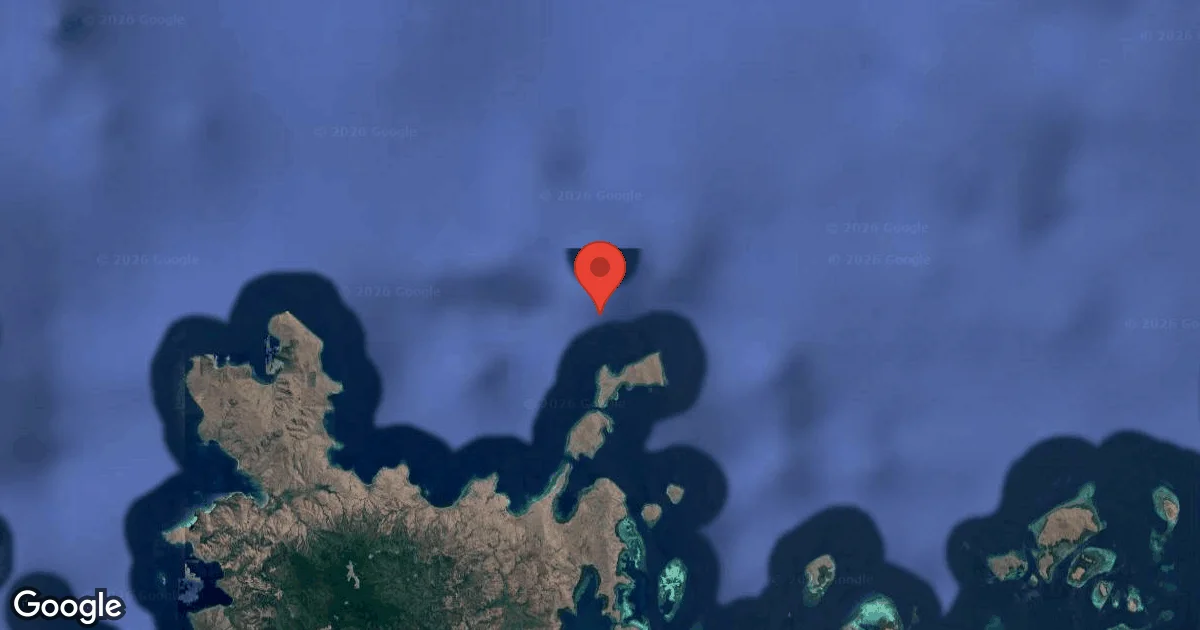
Dive Site Location & Key Facts
Dive Site Overview
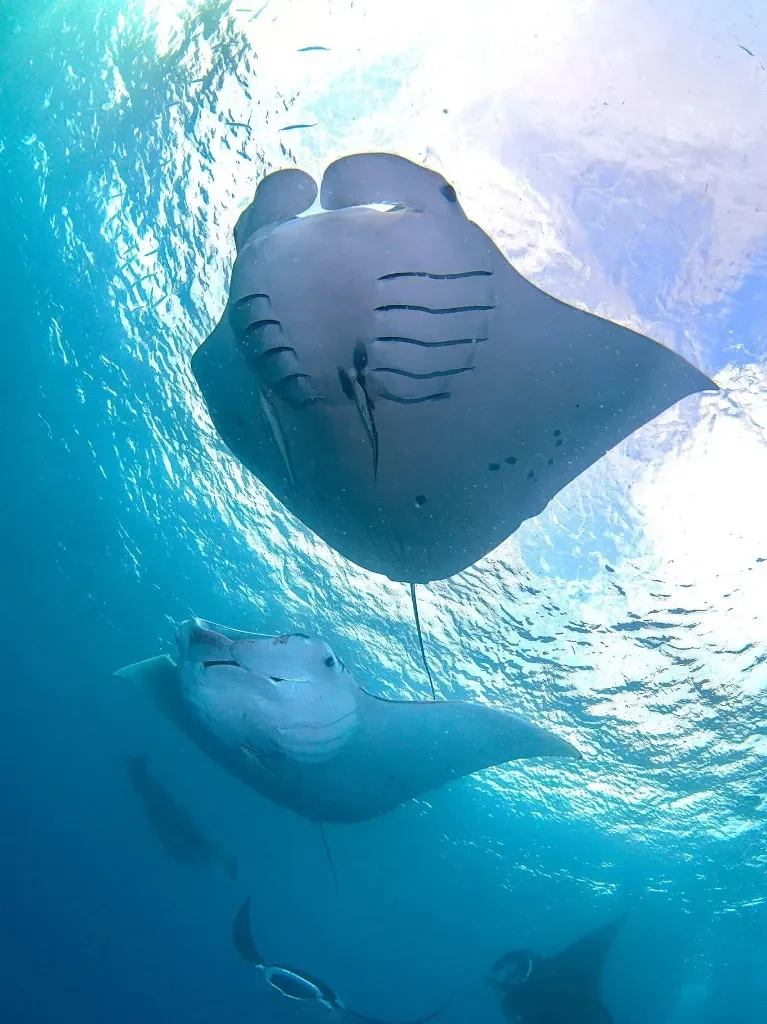
Known locally as Karang Makassar, a vast, shallow plateau defines this dive site, functioning as a prominent reef manta ray cleaning station. Underwater topography primarily consists of a sandy bottom interspersed with coral bommies and small reef patches, extending to a maximum depth of 12 meters / 39 feet.
Its structure guides the strong currents characteristic of Komodo National Park, channeling nutrient-rich water. An ideal environment for large pelagic species results from this. Divers typically experience a drift dive, moving across the cleaning station where manta rays congregate to be groomed by smaller fish.
Current intensity varies, directly influencing drift speed and trajectory. Visibility also fluctuates, though often remains excellent, enhancing views of the cleaning activity.
While the main attraction lies in manta interactions, the site also supports a diverse array of smaller reef inhabitants and coral formations throughout its expansive profile.
Conditions are Good
Optimal conditions expected
Current conditions near Manta Point Komodo show 26° air, 28° sea temperature, 0.5 m waves, and 28 km/h wind. Forecast data is refreshed regularly to ensure accuracy.
Best Time to Dive
Optimal visibility at Manta Point often coincides with its peak season for manta ray encounters. Consistently reported as the best time to visit, June to September offers the highest probabilities for seeing mantas. Favorable weather patterns align with this, bringing average air temperatures of 27-28°C / 81-82°F and notably low rainfall, often less than 1 mm during July and August. Excellent dive scores, however, extend beyond this timeframe, from March to April and again from September to December. During "excellent" months, average air temperatures stay comfortably between 27-29°C / 81-84°F. Wave heights average around 0.4-0.7 meters / 1.3-2.3 ft year-round, while wind speeds tend to be lower outside the June-September period, potentially offering calmer surface conditions. Manta sightings are frequent year-round, but dryer months tend to offer the clearest water and most predictable conditions for these captivating drift dives.
PEAK SEASON SCORE
Scores combine air & water temps, waves, wind & rainfall for overall conditions.
BEST MONTHS TO DIVE
Monthly records compiled from satellite and marine observation nodes over the last 3 years. Data provided by Open-Meteo and MET Norway.
Dive Experience & Conditions
A relatively shallow dive, Manta Point reaches a maximum depth of 12 meters / 39 feet, facilitating extended bottom times for observing main attractions. Consistent and often strong current defines diving here. Divers will experience a drift dive, requiring good buoyancy control and comfort in moving water. While a PADI Open Water Diver certification is the minimum, it's recommended to have at least 20 logged dives, especially for central Komodo trips where currents can be significant. Dive guides always adapt to the group's experience level, prioritizing safety. Water temperature varies, not consistently reported with a narrow range, influenced by seasonal upwellings in the Komodo area. Expect conditions where a 3mm wetsuit provides adequate thermal protection given the moderate temperatures.
Dive Difficulty & Safety Guidelines
Powerful and unpredictable currents are the primary consideration at Manta Point. These can be strong, necessitating excellent buoyancy control and active finning, particularly when approaching or departing cleaning stations. Always stay close to your dive guide, who will brief you thoroughly on the day's conditions and adapt the dive plan to the group's experience.
Using a Surface Marker Buoy (SMB) is crucial for safe ascents and to signal the boat in case of a surface drift. Furthermore, Komodo National Park enforces a daily visitor quota of 1,000, so booking in advance, especially for peak season (June–September), is strongly advised.
Respecting marine life and maintaining a safe distance from mantas and other creatures is essential for their protection and your safety.
Recommended Equipment
Current and surface separation risk. Local briefing strongly recommended.
- Dive Computer
- DSMB
- Reel / Spool
This gear list is based on verified equipment signals for Manta Point Komodo, Indonesia. Always confirm final gear choices with your dive operator, guide, or liveaboard.
Recommended Dive Suit
The latest conditions reported around Manta Point Komodo place the water temperature close to 28°C (82°F). Surface air temperatures are resting at 26°C (78°F).
For the majority of recreational dives here, 2-3mm shorty or light wetsuit should provide suitable protection. A hood or vest is suggested for sensitive divers due to surface winds.
Environmental conditions are expected to remain consistent in the short-term outlook.
Emergency & Medical Support
Essential information to help you plan your dive trip to Manta point Komodo.

Hyperbaric chambers are a critical part of dive safety infrastructure. Availability varies significantly by region, and not all dive areas have immediate access.
Before diving, it's recommended to:
- confirm nearest medical facilities
- check emergency procedures with local dive operators
- ensure dive insurance covers evacuation if required
Divers Alert Network
Diving emergency assistance available through DAN World.
+1-919-684-9111- 24/7 emergency hotline
- Diving medical assistance
- Evacuation coordination
Emergency contacts are provided for reference. Always verify local emergency services before diving.
Marine Life at Manta Point Komodo
Varied underwater landscapes at Manta Point, characterized by sandy flats and scattered coral bommies, create an ideal habitat for reef manta rays. Operating as a significant cleaning station, the site sees mantas regularly visit, offering frequent and often close encounters.
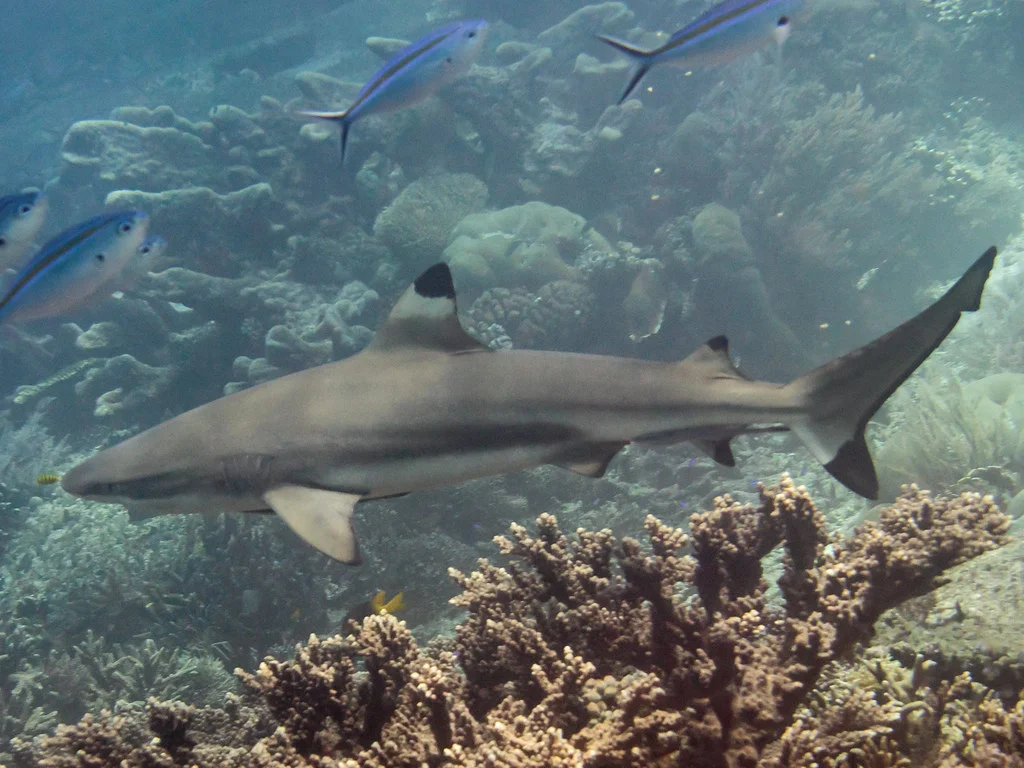
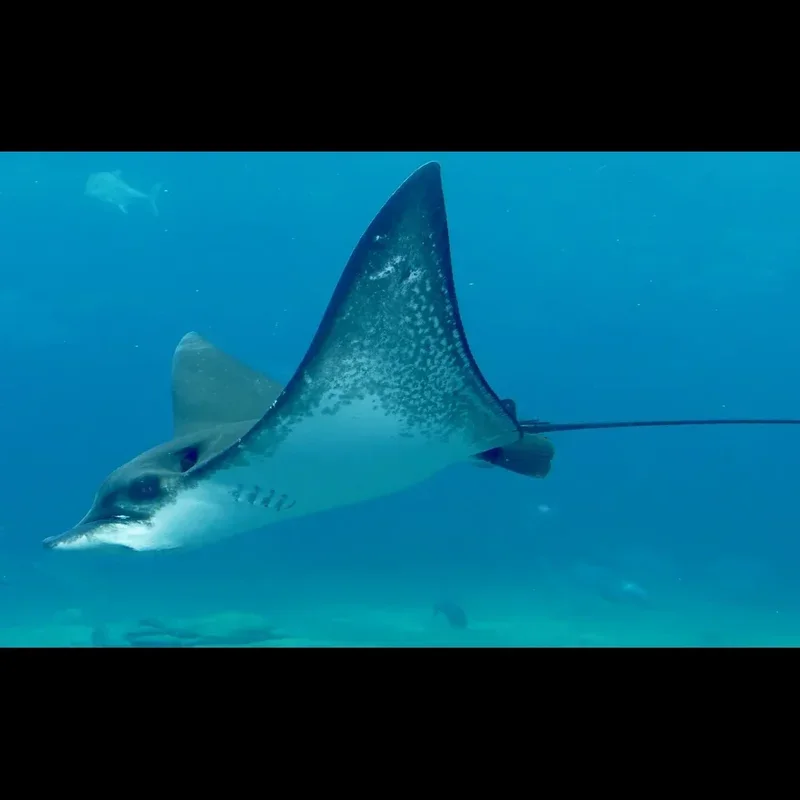
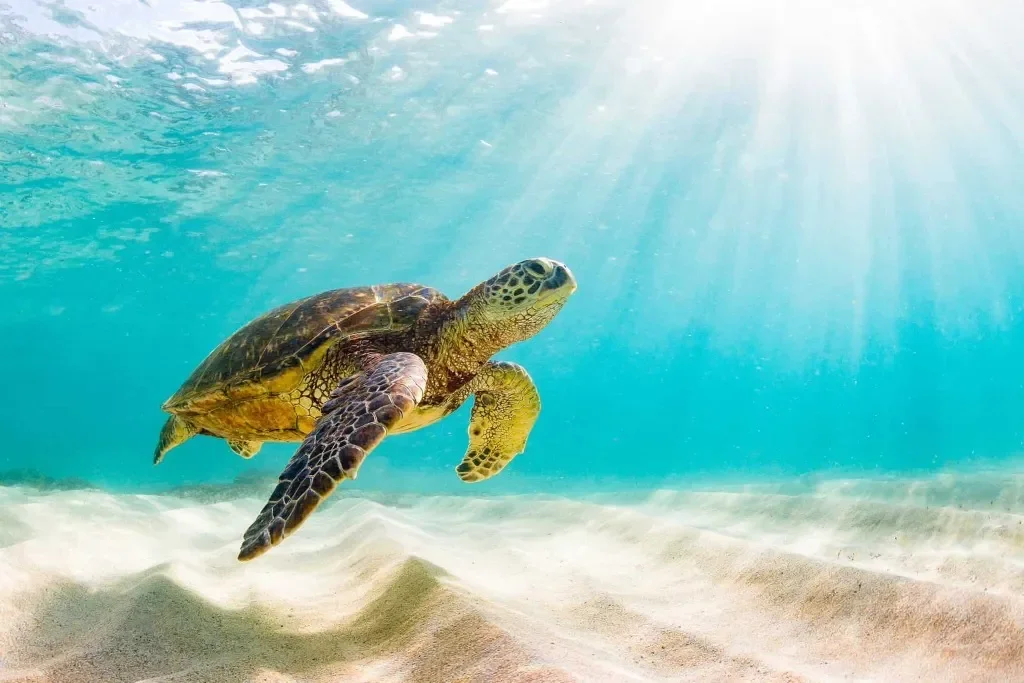
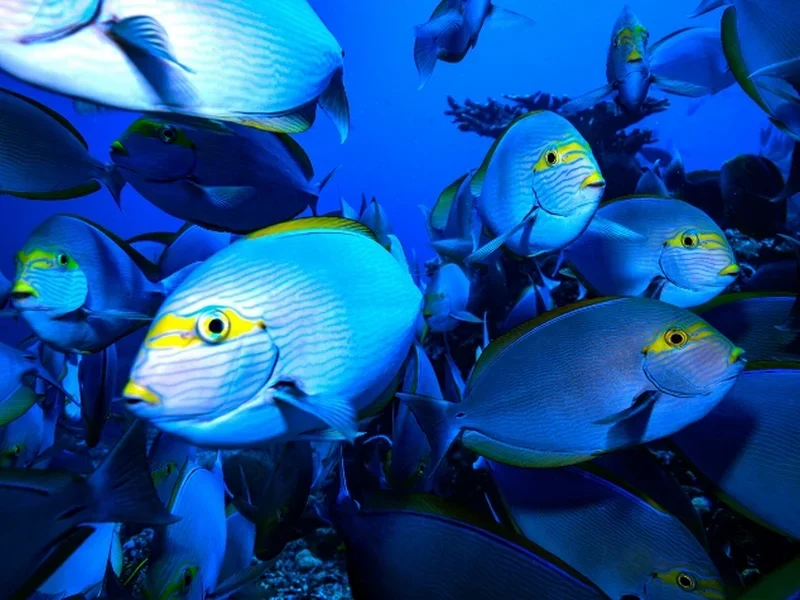
Beyond the majestic mantas, divers commonly observe blacktip reef sharks patrolling the area, along with eagle rays gliding through currents. Green sea turtles are also sighted, navigating the cleaning station environment.
Nutrient-rich waters support a vibrant ecosystem, attracting a diverse range of marine creatures that interact with the topography.

Dive Sites Near Manta Point Komodo
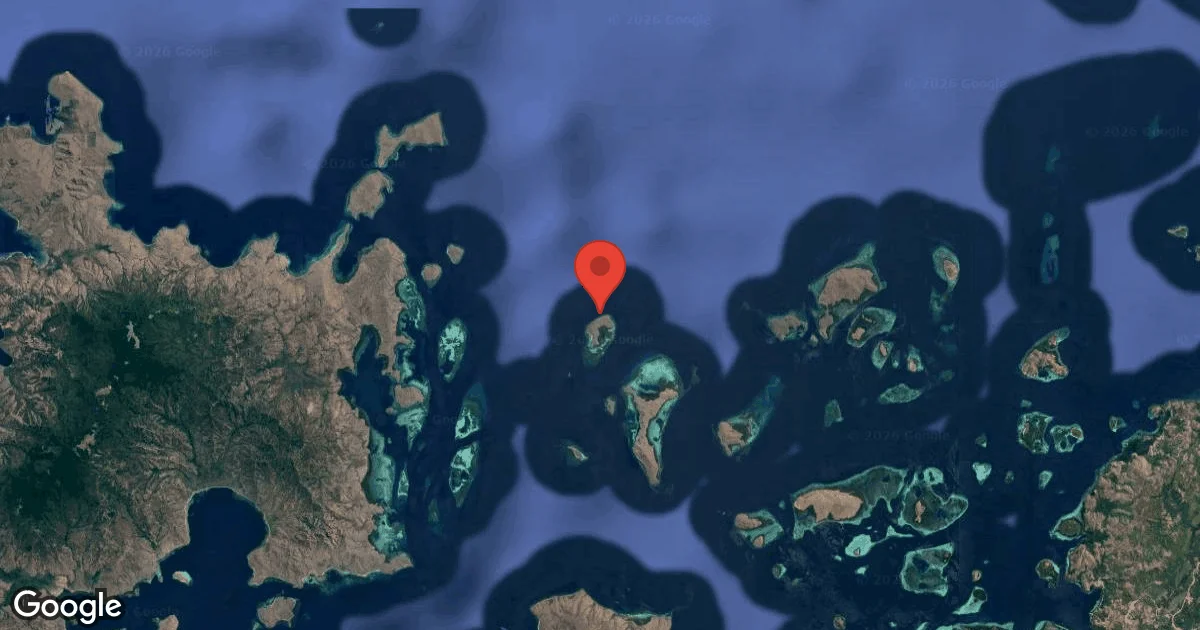
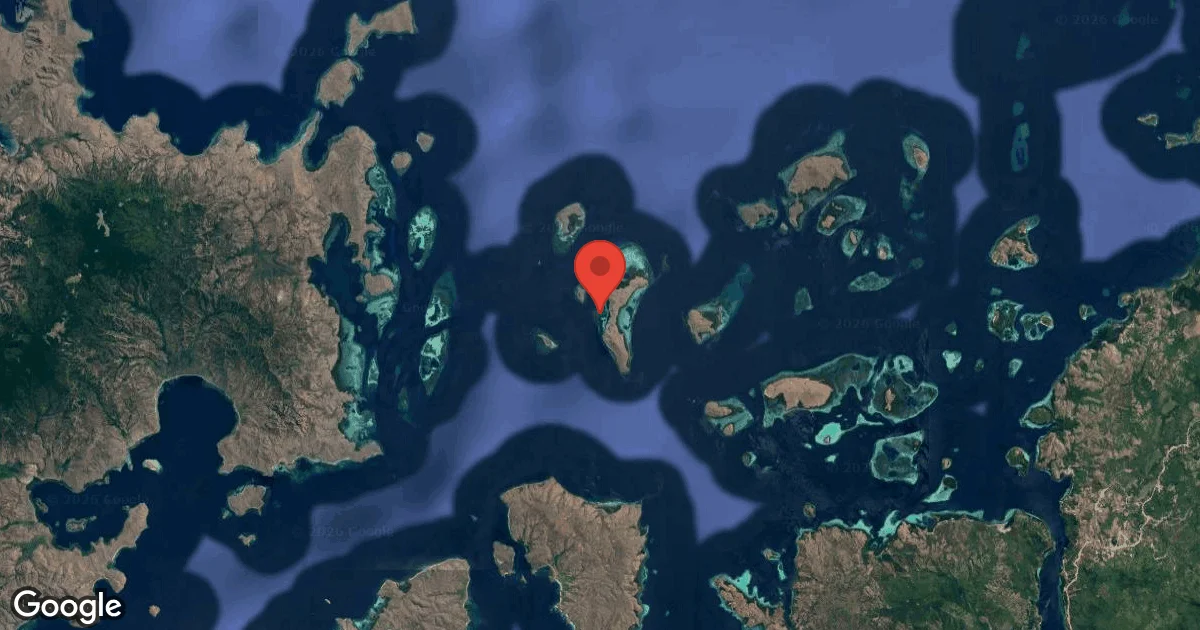
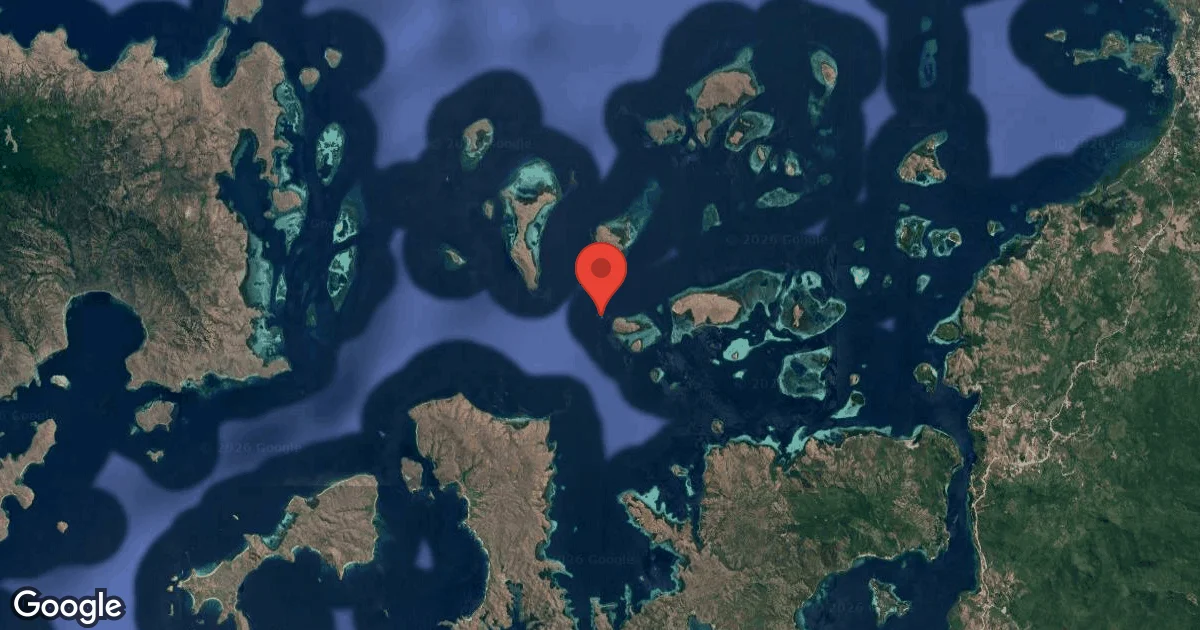
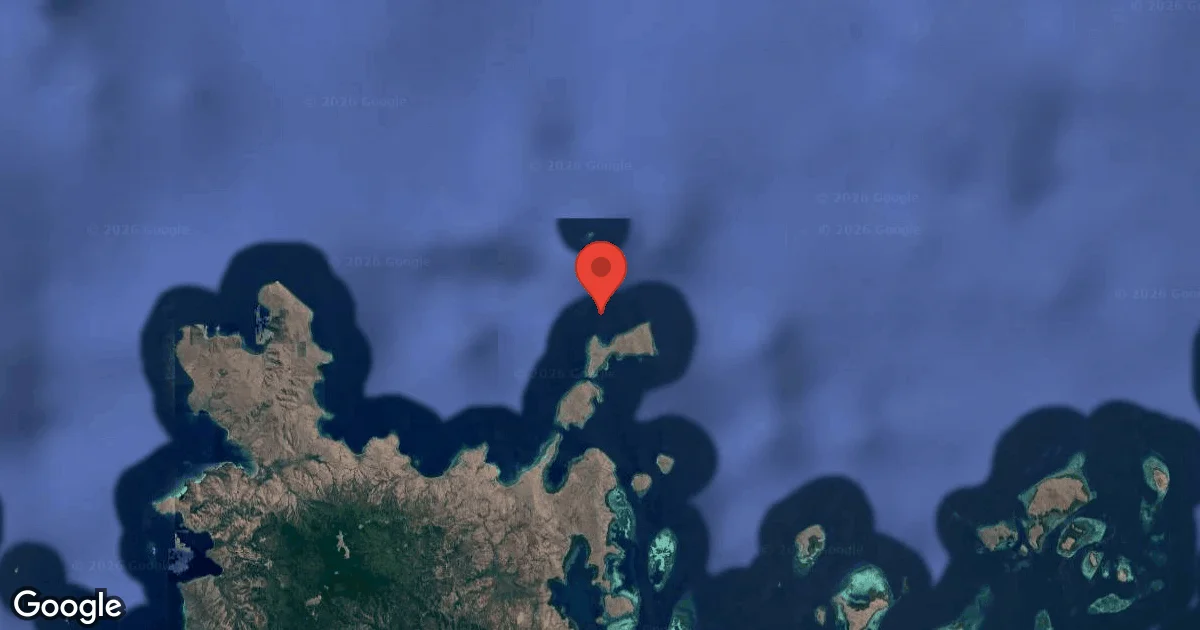
View all dive sites in IndonesiaDiscover more underwater gems in this area.
Dive Centers Near Manta Point Komodo
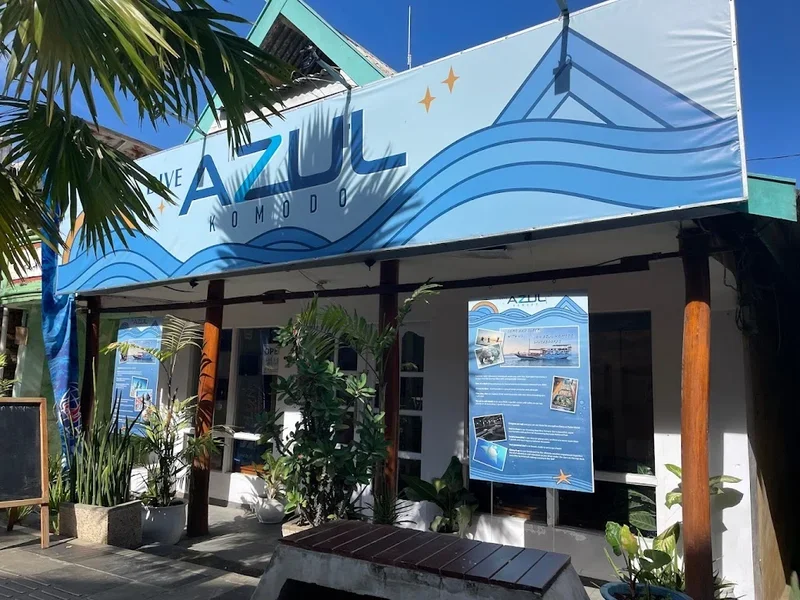
Today: 10:00 - 19:00
Nearest Airports
Nearest airports to help plan travel to this dive area.
Search Flights
Check available flights and routes on Expedia, using the nearby airports listed in this section.
Search Flights on ExpediaFrequently Asked Questions
What dive level is required for Manta Point?
A minimum PADI Open Water Diver certification or equivalent is required. For central Komodo trips, it's recommended to have at least 20 logged dives due to the potential for strong currents.
Are manta ray sightings guaranteed at Manta Point?
Manta rays are frequently seen year-round at Manta Point (Karang Makassar), as it's a known cleaning station. While their presence isn't 100% guaranteed as they are wild animals, sightings are common throughout the year.
Are Komodo National Park fees included in dive trip prices?
When booking with most operators, Komodo National Park entrance fees are fully included in the displayed price. There should be no hidden charges at the dock.
Is Nitrox included in dive packages?
Yes, Nitrox fills are typically included for certified Nitrox divers at no extra cost. This can help extend your bottom time and reduce nitrogen loading, which is ideal for multi-dive days.
What is the typical group size for dives at Manta Point?
Most operators maintain a strict maximum of 8 guests per boat, often with a ratio of no more than 6 divers per guide. This policy aims to ensure safety and a quality experience without crowded tours.
How are the currents handled at Manta Point?
Currents at Manta Point can be strong and require comfort with drift diving techniques. Your dive guide will provide a full briefing on conditions and will always adapt the dive plan to the group's experience level, prioritizing safety.
When is the peak season for manta ray encounters?
June to September is generally considered the peak manta season at Manta Point, offering the highest encounter rates with these majestic creatures. However, sightings are frequent throughout the entire year.
Planning to dive Manta Point Komodo?
Send one inquiry and receive offers directly from the best verified local dive operators.
Conditions are Good
Optimal conditions expected
Current conditions near Manta Point Komodo show 26° air, 28° sea temperature, 0.5 m waves, and 28 km/h wind. Forecast data is refreshed regularly to ensure accuracy.