
Diving atHot Springs / Underwater Volcano (Indonesia)
Diving Indonesia's hot springs and underwater volcanoes presents a truly unique challenge, particularly for certified divers seeking an extraordinary experience. These sites, such as Mahengetang and Sangeang, require preparedness for unusual conditions, including active hydrothermal vents and variable water temperatures. It's an environment where the earth's raw power is visibly and tangibly present, offering an unparalleled opportunity to explore landscapes shaped by ongoing geological forces. Divers comfortable with dynamic environments will find these locations especially rewarding.
Tonight's objective overview for Hot Springs / Underwater Volcano shows an air temperature of 27.7°C. The measured surface conditions include wave heights around 0.32m. This environmental data is logged for the close of the day.
Dive Site Coordinates
5.8423, 95.2887
Dive Site Characteristics
Key Dive Site Facts
Dive Site Overview
Diving amidst the hot springs and underwater volcanoes of Indonesia provides a direct encounter with the Pacific Ring of Fire's immense geological activity. This region, hosting a significant portion of the world's active volcanoes, constantly shapes the seafloor.
Locations like Banua WuHu at Mahengetang exemplify this, rising over 400 m / 1312 ft from the seabed, with recent activity reported as late as 1968, though ongoing hydrothermal emissions persist. Similarly, Sangeang's Hot Rocks site, last erupting in 2014, offers insight into the dynamic forces at play, where volcanic gases bubble from a black sandy bottom.
These underwater formations are not static; historical records indicate new volcanic craters appearing and disappearing, highlighting the transient nature of these underwater landscapes. The unique conditions, including the shallow shoal at Mahengetang and the ever-shifting vents at Pulau Weh's Pria Laot, contribute to a dive experience distinct from typical reef exploration.
Such geological processes foster environments where specific marine life adapts to the warm, mineral-rich waters.
Best Time to Dive
Planning your dive to Indonesia's underwater volcanoes largely depends on seeking optimal surface conditions for boat access and comfortable overall travel. While underwater volcanic activity is constant, the best time to visit generally aligns with Indonesia's drier season. Months like March to October, which consistently show lower rainfall, such as an average of 1.7-4.8 mm during June to September, often offer calmer seas and better visibility. Air temperatures during these periods remain comfortably warm, averaging between 27°C and 29°C / 81-84°F. Although specific water temperature data for these volcanic sites is not consistently reported, the surrounding sea generally ranges from 22-27°C / 72-81°F. It's during these months with good dive scores that divers can most reliably access the more remote volcanic sites without the challenges posed by heavier rains or stronger winds, which can elevate wave heights, particularly in July and September when they average over 1.1 meters.
Climate Historical Averages
Monthly records compiled from satellite and marine observation nodes over the last 3 years. Data provided by Open-Meteo and MET Norway.
Dive Experience & Conditions
Descending into one of these volcanic dive sites, the first thing you notice is often the unique sensory environment. At sites like Sangeang's Hot Rocks or Pulau Weh's Pria Laot, you're greeted by streams of warm, effervescent bubbles rising from the sandy bottom, sometimes described as "champagne diving." The sand itself is typically black, providing a stark contrast that makes marine colors incredibly vivid. Near hydrothermal vents, the water shimmers, creating an ethereal, almost otherworldly visual. A subtle sulfurous scent might be present, particularly near the surface or stronger vents. Some rocks at Sangeang are genuinely hot to the touch, a palpable reminder of the active geology below. Depths for observing these phenomena can range from shallow areas at 5 m / 16 ft down to about 18 m / 59 ft at Pulau Weh, where the vents and cracks vary in shape and size with each visit.
Dive Difficulty & Safety Guidelines
Approaching Indonesia's underwater volcano sites requires a heightened awareness of the dynamic environment. Due to the active nature of these sites, local authorities and dive operators continuously monitor volcanic areas. While significant eruption danger is not typically imminent during recreational dives, the ongoing hydrothermal activity presents unique considerations. Divers are advised to wear a wetsuit for protection against potentially fluctuating water temperatures and the sulfur content, which may cause skin irritation. It also provides abrasion protection, especially around volcanic formations or fire coral. Exercise caution near steam vents, as some rocks can be excessively hot. Recreational limits at sites like Pulau Weh adhere to standard recreational depths, but some pinnacles at Mahengetang extend beyond recreational limits, requiring careful attention to your dive plan and no-decompression limits.
Recommended Equipment
No verified equipment items yet.
Verified equipment recommendations for this dive site are being reviewed and may be added as additional source checks are completed.
Recommended Dive Suit
Repeated dives during the same day can gradually reduce overall body warmth.
The water around Hot Springs / Underwater Volcano is currently holding at approximately 31°C (87°F), setting the tone for today's dives. Surface air temperatures are resting at 28°C (82°F). Divers spending extended time underwater often rely on dive skin or rash guard for balanced warmth and flexibility.
The upcoming forecast points to generally steady conditions in the area.
Conditions last reviewed: 18:00 using the latest environmental data.
Dive Logistics & Preparation
Hyperbaric Chamber
Check local Indonesia medical facilities.
Entry Requirements
View Indonesia Visa Hub
Currency
IDR
Nearest Airports
Nearest airports to help plan travel to this dive area.
Marine Life at Hot Springs / Underwater Volcano
Despite the volcanic activity, these hot spring environments foster surprising biodiversity, attracting species adapted to the unique conditions. The black sandy bottom at sites like Sangeang creates a dramatic backdrop, making the colors of local marine life particularly vibrant. At Banua WuHu near Mahengetang, impressive schools of neon fusiliers navigate the sulfur-covered boulders, often accompanied by curious black-tipped reef sharks. Large humphead parrotfish are frequently observed darting through rising bubbles from steam vents. Even amidst the unusual conditions, giant sea fans wave in the currents, providing shelter and sustenance for various smaller creatures. Boxfish, pufferfish, and rays are also common sightings on these distinctive volcanic reefs.
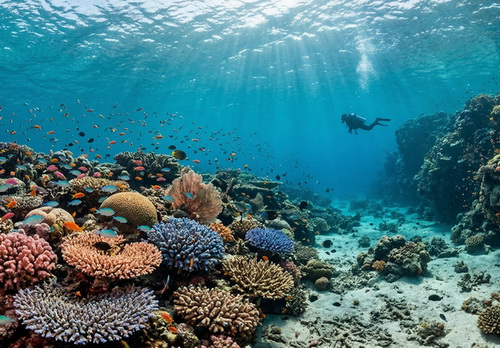
Dive Sites Near Hot Springs / Underwater Volcano
View all dive sites in IndonesiaDiscover more underwater gems in this area.

Dive Centers Near Hot Springs / Underwater Volcano
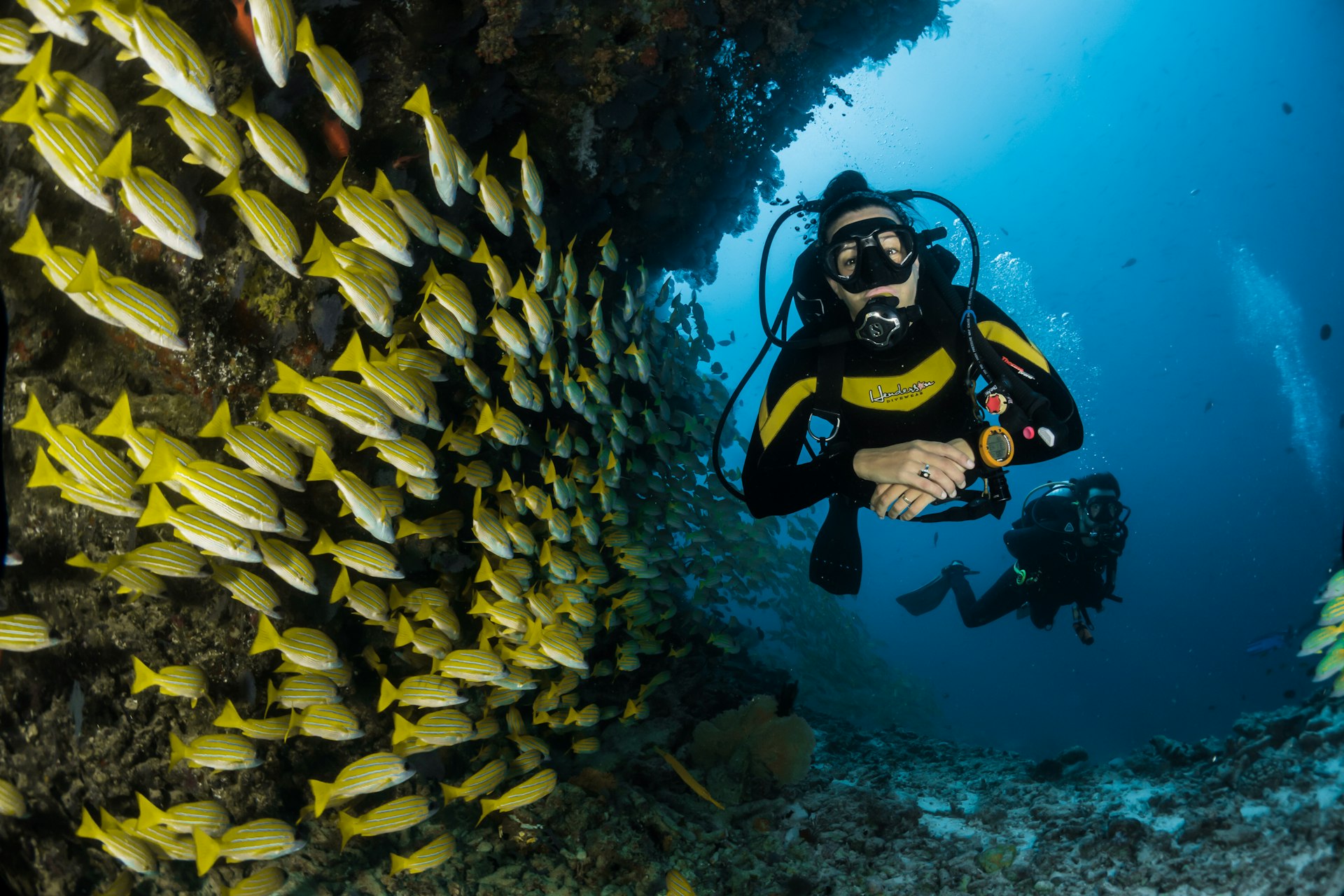
Frequently Asked Questions
Is it safe to dive an active underwater volcano?
Yes, diving active underwater volcanoes like those in Indonesia is generally considered safe. Dive operators and local authorities closely monitor volcanic activity, ensuring dives occur only when conditions are stable and there's no immediate threat of eruption.
What makes these dive sites unique?
These sites offer a direct experience of active geology, featuring hot water bubbles, rising volcanic gases, and black sand seabeds. The presence of hydrothermal vents creates unique underwater landscapes and supports marine life adapted to these specific conditions.
Will I encounter hot water during the dive?
Yes, you can expect to encounter warm water and rising gas bubbles, particularly near active vents and cracks in the seabed. Some rocks might even be hot to the touch, providing a distinct sensory experience.
Is there a strong sulfur smell?
A sulfurous odor can sometimes be detected, especially at the surface or directly above more active vents. This smell is a natural byproduct of the volcanic activity and is typically more noticeable at shallower depths.
What kind of visibility can I expect?
Visibility varies depending on the specific site and conditions; some locations like Sangeang have reported excellent clarity. However, rising gas bubbles and shimmering water around vents can locally affect clarity.
Are these sites suitable for beginner divers?
While some shallow areas are accessible, the dynamic nature and potential for varying conditions mean these sites are generally more suitable for certified divers with some experience. An Open Water Diver certification is a useful training prerequisite for understanding basic dive principles in such environments.
What marine life can be seen there?
Despite the unique environment, these sites host diverse marine life, including schools of neon fusiliers, black-tipped reef sharks, and humphead parrotfish. Boxfish, pufferfish, and rays are also commonly spotted amidst the volcanic formations.
Liveaboards Sailing to Hot Springs / Underwater Volcano
Explore highly rated liveaboards visiting this dive site and discover the best routes in Indonesia.
Resorts & Accommodation
Find partner hotels and dive resorts directly accessing the reef.
Around This Area
Explore top-rated restaurants, activities, and attractions near Hot Springs / Underwater Volcano reviewed by travelers.
Planning to dive Hot Springs / Underwater Volcano?
Send one inquiry and receive offers directly from the best verified local dive operators.