
Diving at Ransiwor (Indonesia)
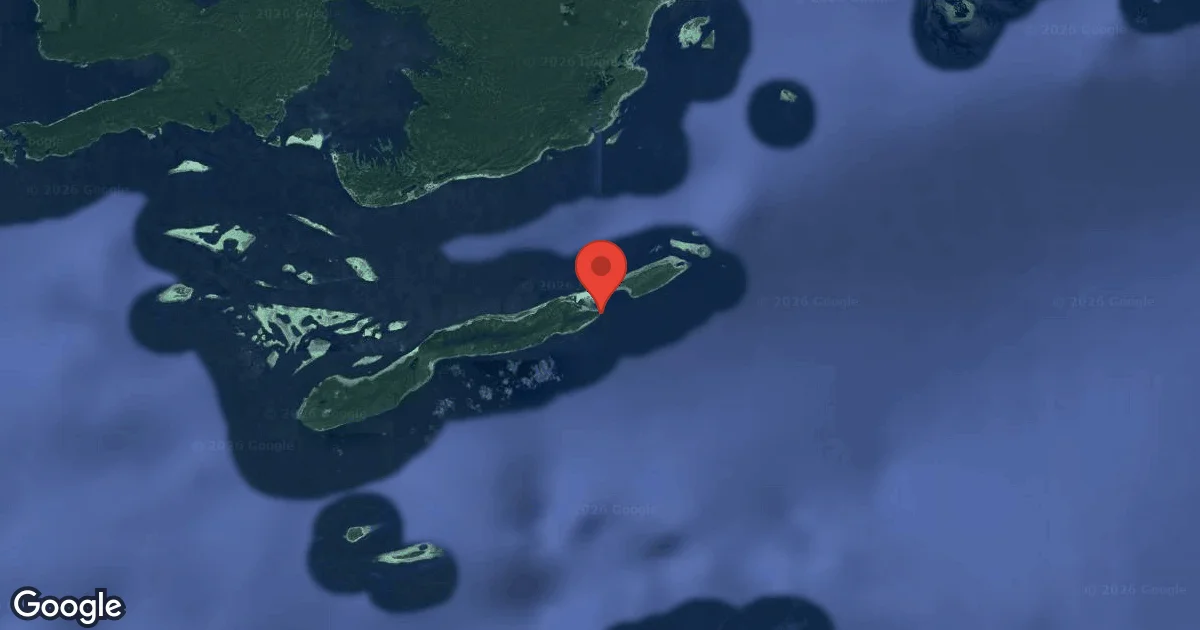
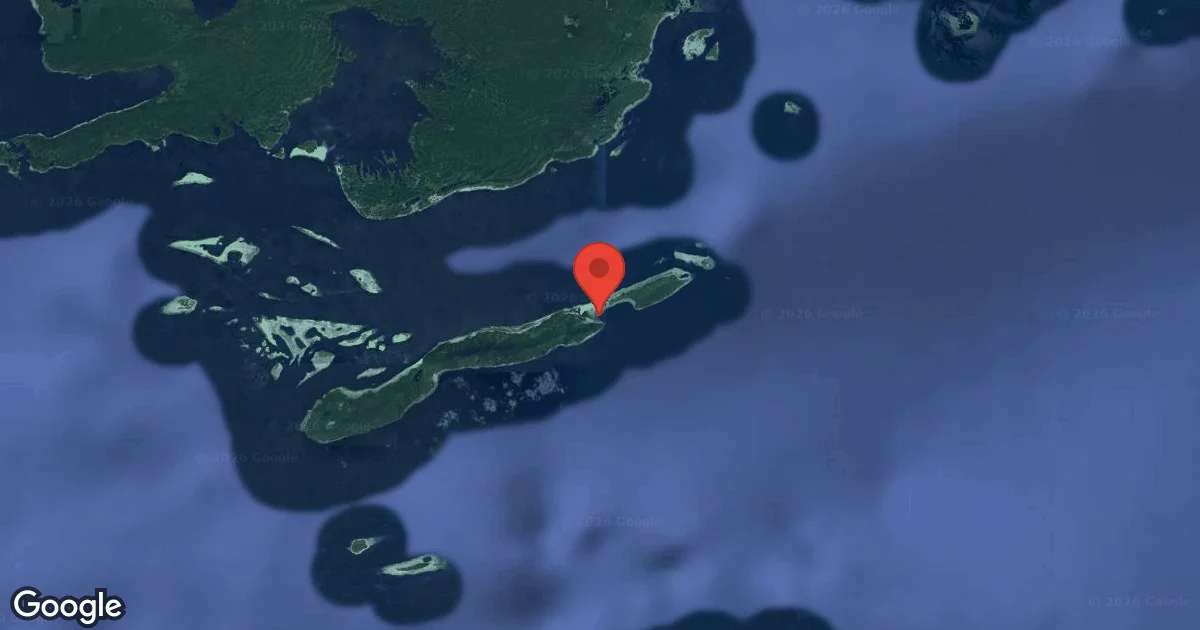
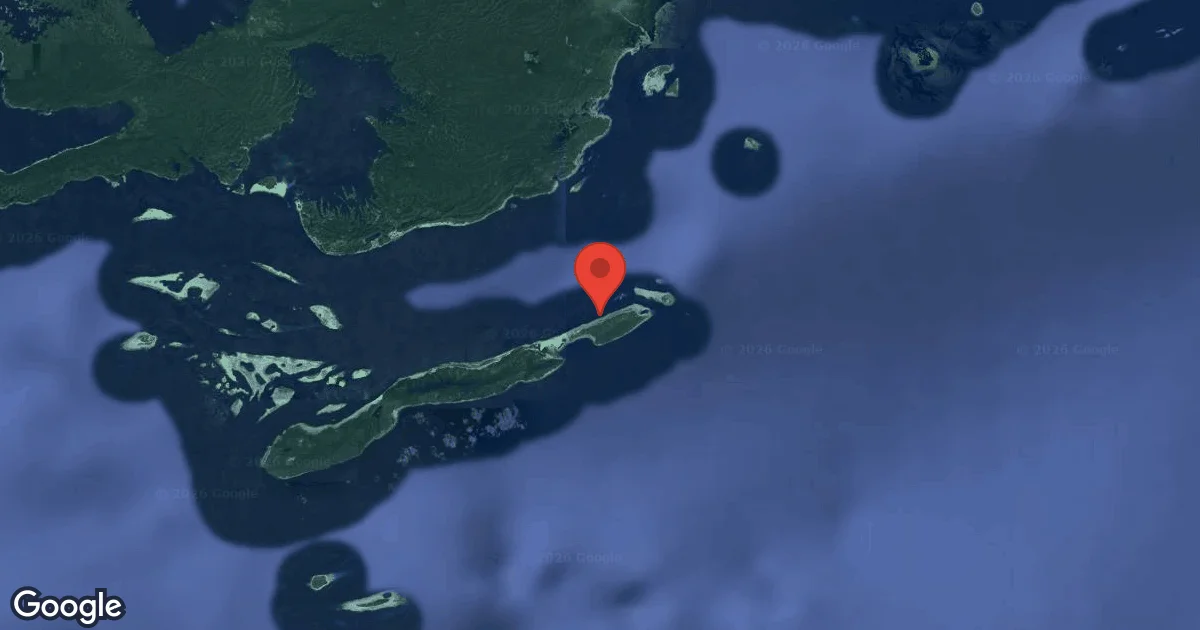
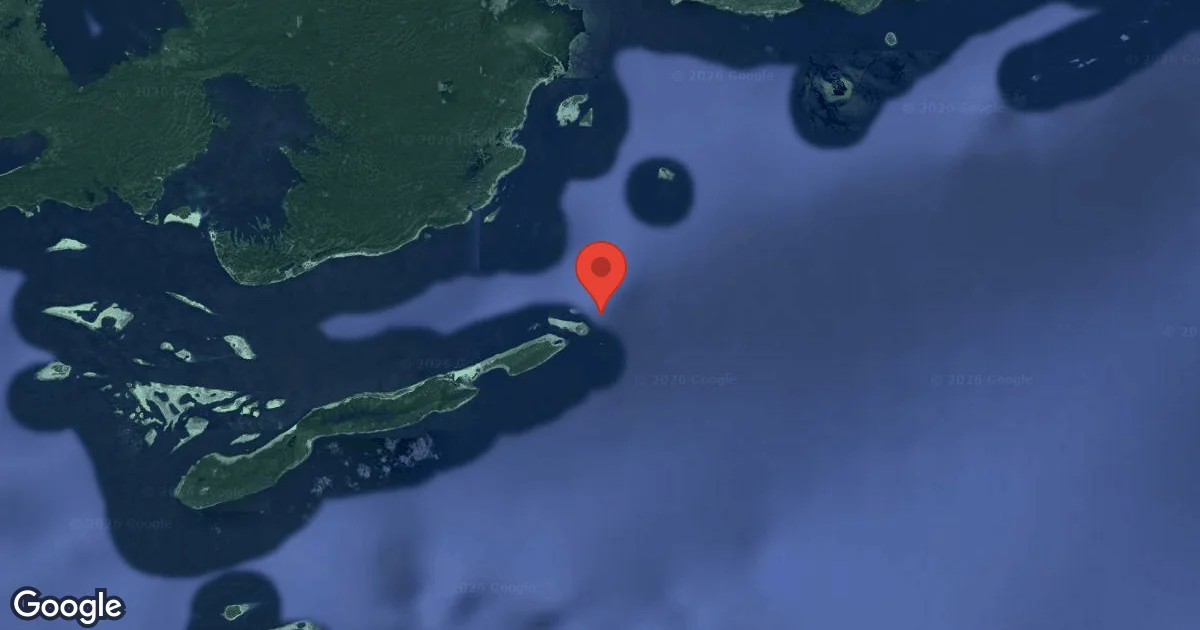
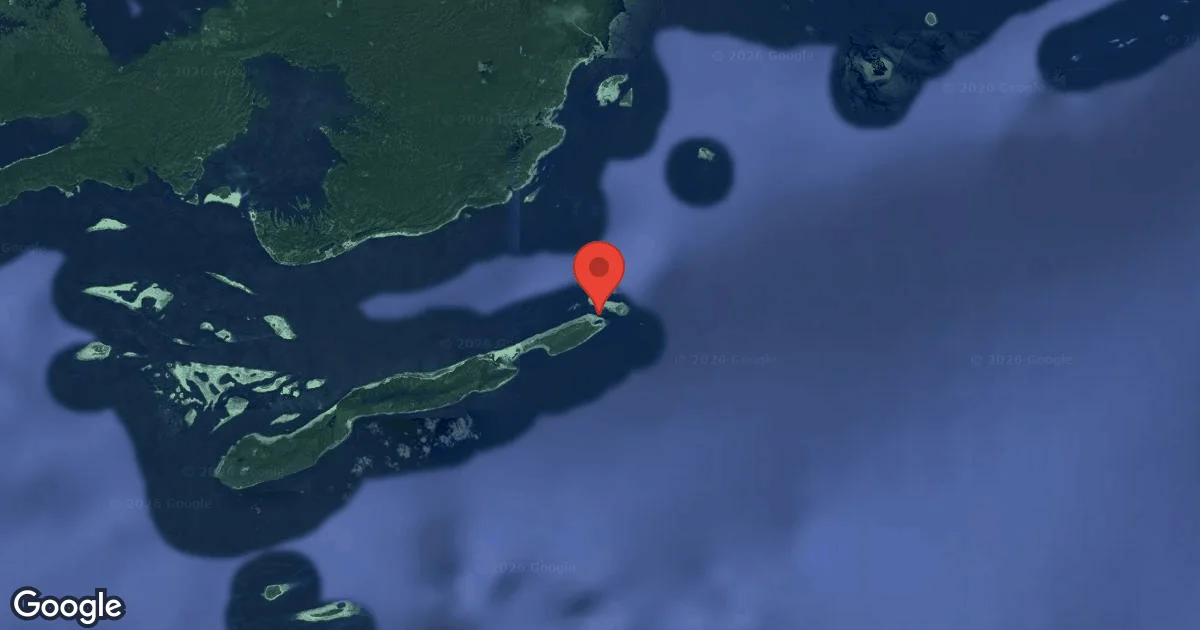
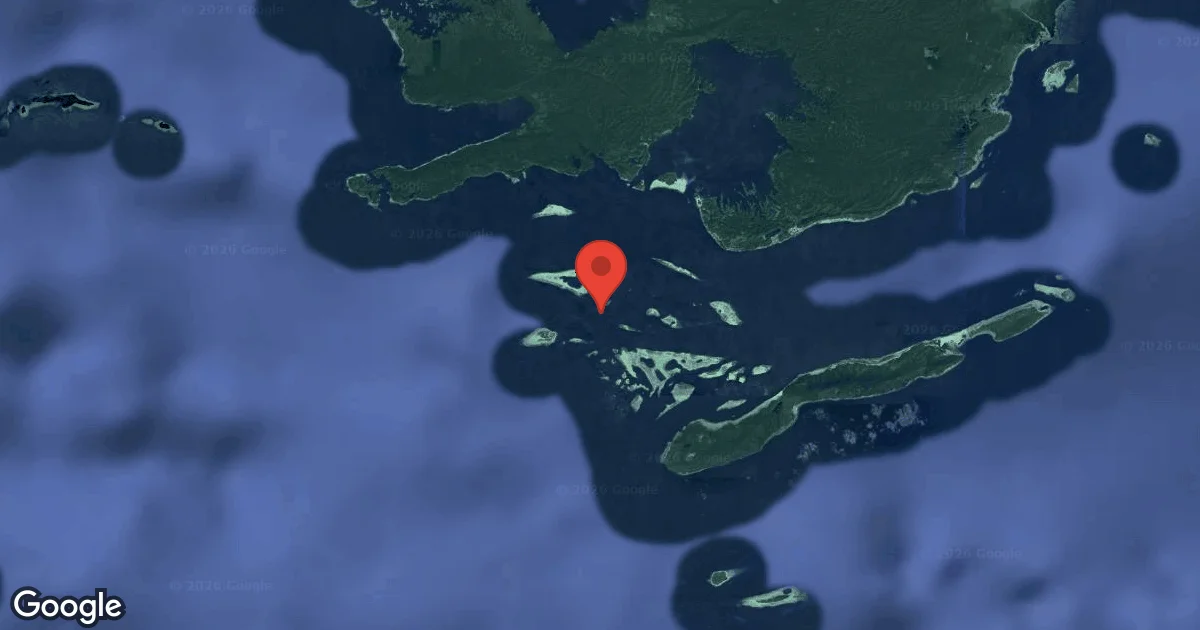
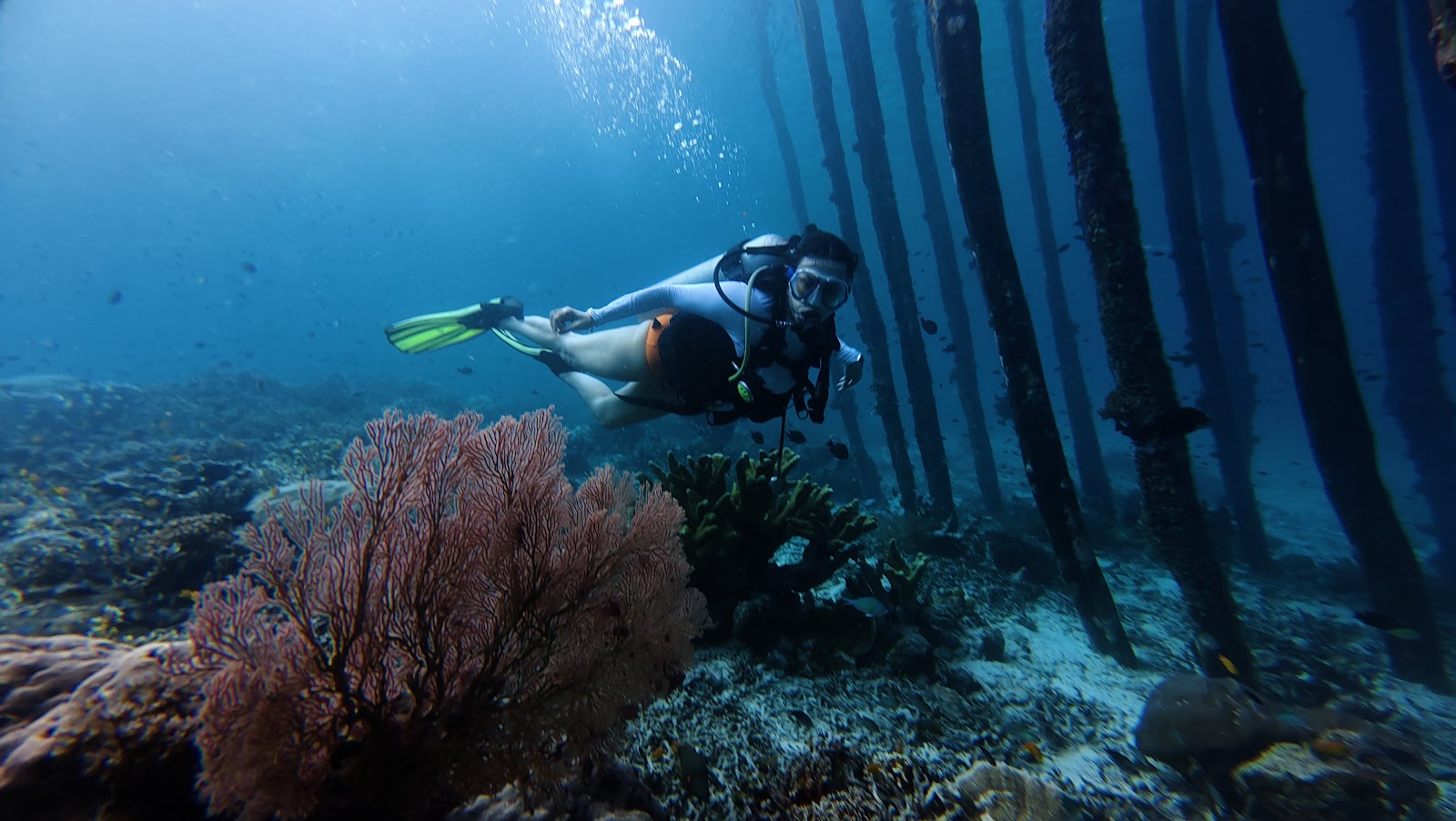
Descending into Ransiwor, divers encounter a vibrant tapestry of coral gardens that cascade down gentle slopes, creating a serene underwater panorama. Water here often feels mild, with a subtle surge that gently sways diverse reef structures. Palau Ransiwor's sheltered northern shore connects to Kri and Mansuar at low tide via sandbanks, highlighting its shallow-to-mid depth topography.
Evening condition tracking at Ransiwor features an air temperature of 26.5°C. We have recorded wave heights measuring 0.2 m during this period. These figures outline the environmental parameters currently present.
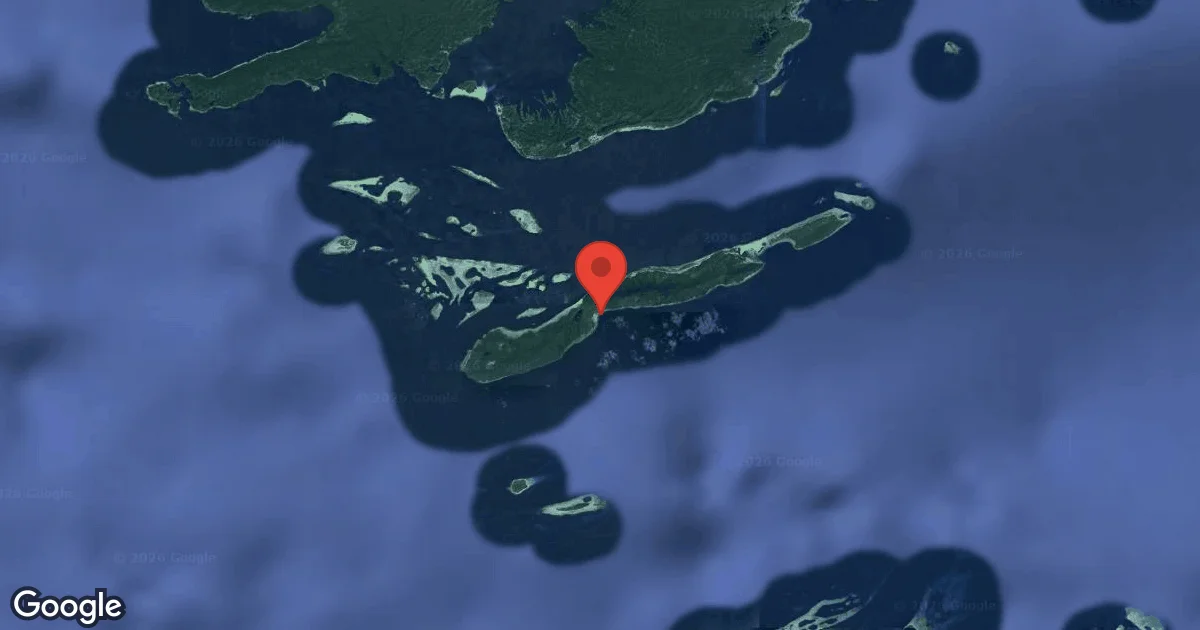
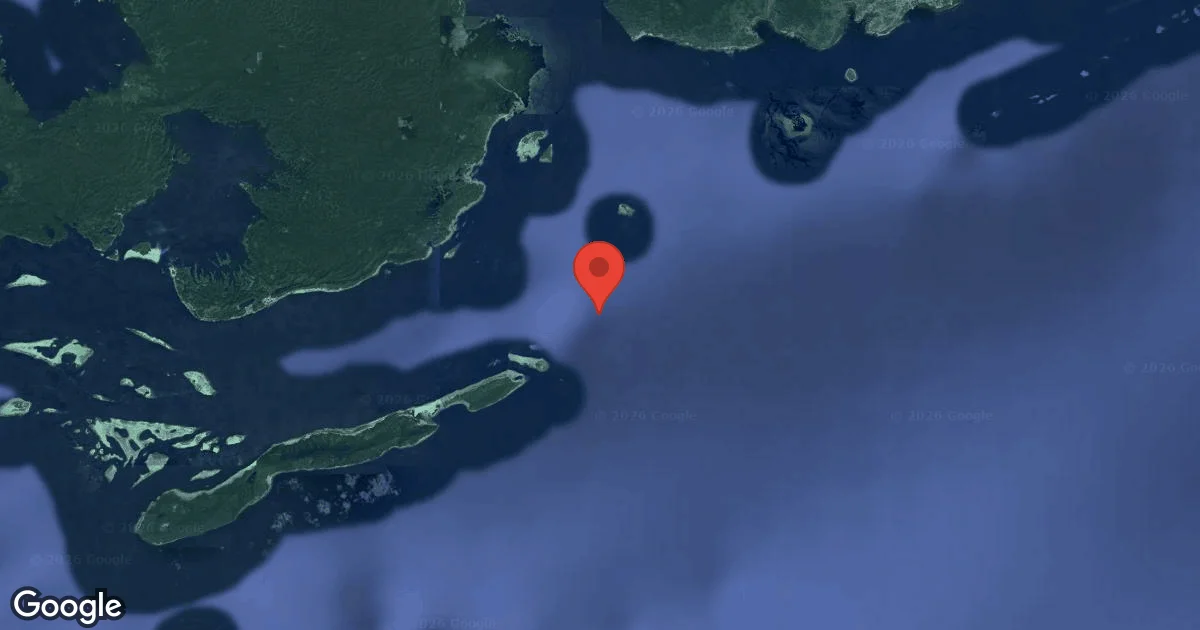
Dive Site Location & Key Facts
Dive Site Overview
Historically, the Raja Ampat region, where Ransiwor is found, holds narratives of discovery and ecological significance, drawing divers into an environment celebrated for its rich biodiversity. While the nearby P-47 Plane Wreck tells a story of World War II, Ransiwor itself presents a living reef history, characterized by healthy coral formations and a thriving ecosystem.
Diving here typically involves exploring extensive coral gardens and walls, revealing a tapestry of soft and hard corals down to a maximum depth of 30 m (100 ft). Ample opportunities exist to observe a variety of marine life, from intricate reef species to occasional pelagic visitors. Conditions generally feature mild currents and moderate surge, making access available for a range of certification levels.
Expansive sandy areas, dotted with coral blocks, characterize the underwater landscape, fostering a diverse habitat for countless creatures. Entry to the site is exclusively by boat, typically arranged through local dive operators who also facilitate mandatory diving permits.
Conditions are Good
07:00 - 14:00
Optimal conditions expected
Current conditions near Ransiwor show 26° air, 29° sea temperature, 0.2 m waves, and 23 km/h wind. Forecast data is refreshed regularly to ensure accuracy.
Best Time to Dive
Optimizing a dive trip to Ransiwor often involves aligning with the calmer conditions between October and March, periods consistently rated 'Excellent' for diving. During these months, the average air temperature hovers around 27-27.5°C (81-82°F), making surface intervals comfortable. Rainfall measurements are generally low, ranging from 6.49 to 8.84 mm. Water temperatures during the summer months typically sit between 27-30°C (81-86°F), while winter sees slightly cooler but still warm averages of 26-29°C (79-84°F). Wave heights remain consistently low, usually around 0.2 m (0.7 ft), with mild wind speeds of 11.9-14.9 km/h (7-9 mph), contributing to pleasant boating and diving experiences. Conversely, April through August, while still offering 'Good' dive conditions, might experience slightly more rain and wind.
PEAK SEASON SCORE
Scores combine air & water temps, waves, wind & rainfall for overall conditions.
BEST MONTHS TO DIVE
Monthly records compiled from satellite and marine observation nodes over the last 3 years. Data provided by Open-Meteo and MET Norway.
Dive Experience & Conditions
Beginning a dive at Ransiwor, entry is typically a straightforward boat drop, allowing divers to descend directly into the site's rich environment. An initial descent often reveals a gentle coral slope, transitioning into deeper walls in some areas. Visibility frequently ranges between 15 m (50 ft) and 30 m (100 ft), depending on local conditions, providing clear views of the extensive coral landscapes. Mild currents are common, though specific channel areas may require attention to tide charts to avoid stronger flows. Moderate surge can be encountered, particularly in shallower sections, adding a dynamic element to the experience. Divers explore a maximum depth, navigating through diverse bottom types that include both vibrant coral gardens and areas of coral sand. The varied environment makes it suitable for intermediate divers; in its shallower, milder current areas, it's considered easy for beginners.
Dive Difficulty & Safety Guidelines
Diver awareness is paramount when planning an excursion to Ransiwor. All divers must obtain the required permits, which are readily available through local dive operators. While conditions are generally manageable, with mild currents and moderate surge, divers should be mindful of localized current variations, especially near channels.
Observing tide charts is a practical step for anticipating these changes and optimizing dive plans. An intermediate certification is recommended for fully appreciating the site's offerings, though parts of the reef are accessible for beginners. Maintaining appropriate buoyancy control is essential to protect the healthy coral structures.
Recommended Equipment
Deep dive hazard. Increased narcosis and gas consumption risk.
- Dive Computer
- DSMB
- Primary & Backup Lights
This gear list is based on verified equipment signals for Ransiwor, Indonesia. Always confirm final gear choices with your dive operator, guide, or liveaboard.
Recommended Dive Suit
Dive skin or rash guard is frequently recommended by dive operators for conditions like these. A hood or vest is suggested for sensitive divers due to surface winds. For divers entering the water at Ransiwor, temperatures are currently hovering around 29°C (85°F). Surface air temperatures are resting at 26°C (79°F).
Forecast trends indicate little change in overall diving conditions during the next few days.
Even small thermoclines can occasionally cause noticeable changes in water temperature.
Emergency & Medical Support
Essential information to help you plan your dive trip to Ransiwor.

Hyperbaric chambers are a critical part of dive safety infrastructure. Availability varies significantly by region, and not all dive areas have immediate access.
Before diving, it's recommended to:
- confirm nearest medical facilities
- check emergency procedures with local dive operators
- ensure dive insurance covers evacuation if required
Divers Alert Network
Diving emergency assistance available through DAN World.
+1-919-684-9111- 24/7 emergency hotline
- Diving medical assistance
- Evacuation coordination
Emergency contacts are provided for reference. Always verify local emergency services before diving.
Marine Life at Ransiwor
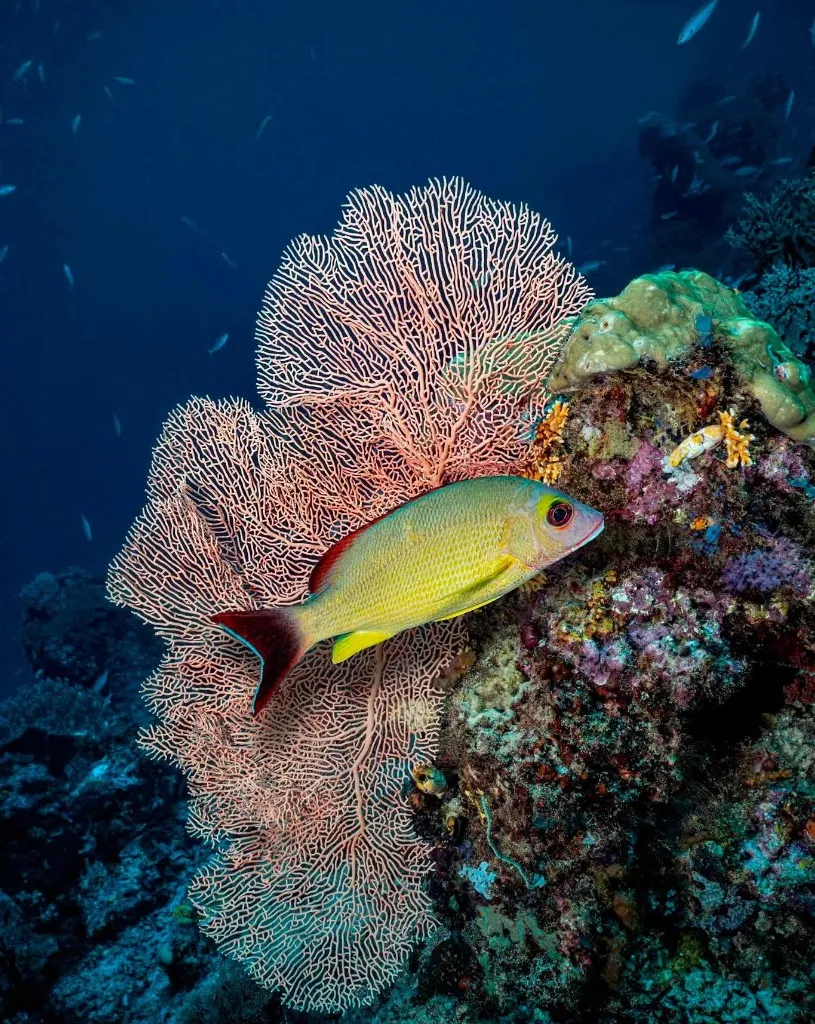
Ransiwor's underwater landscape is a canvas for diverse marine life, integrating seamlessly with vibrant coral structures. Explorers often find pygmy seahorses camouflaged within the gorgonian corals that adorn steeper slopes and walls.
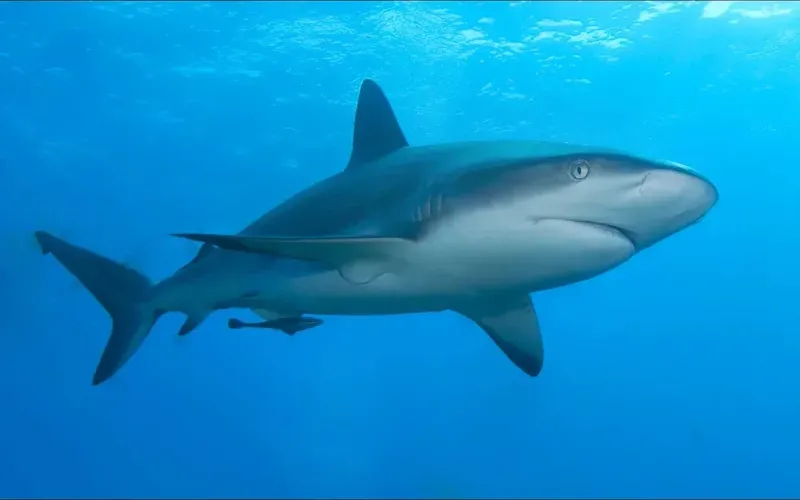
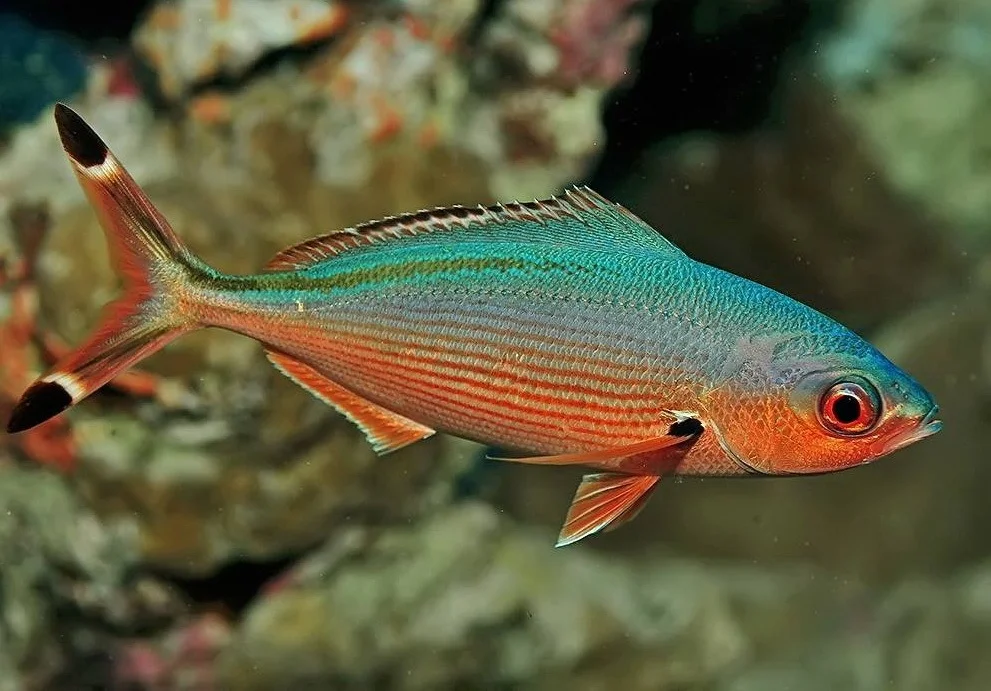
Wobbegong sharks are frequently sighted resting among coral formations. Schools of fusiliers play in shallower sections, providing dynamic displays.
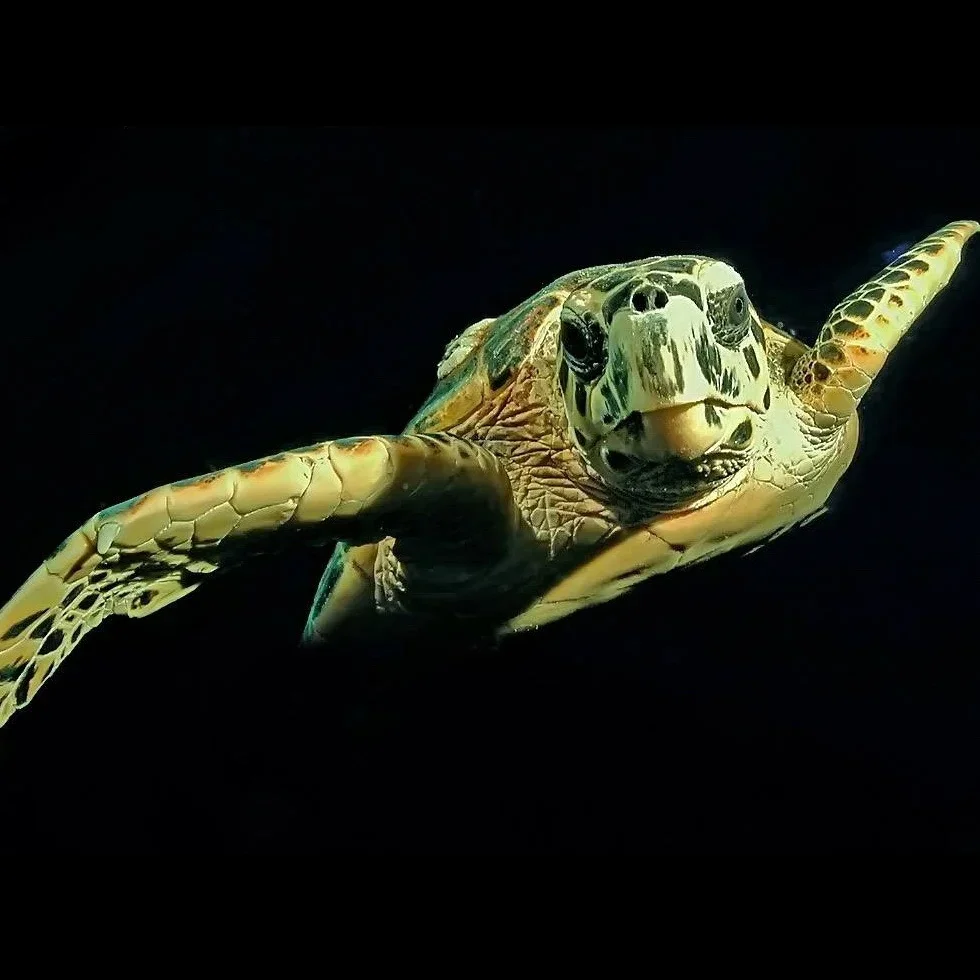
Keep an eye out for larger pelagics in the blue, such as snappers, tuna, and trevally, along with white tip and black tip reef sharks. Green and hawksbill turtles are often seen gracefully navigating the reefs.
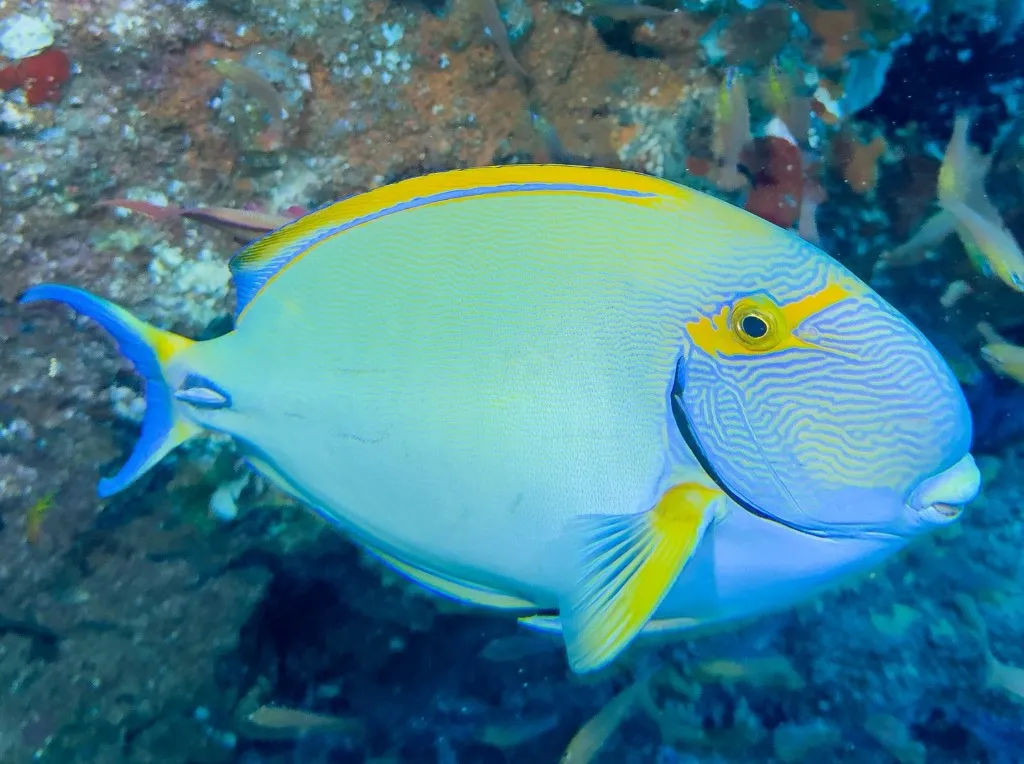
Additionally, surgeonfish and schooling bumphead parrotfish contribute to the site's rich biodiversity.
Dive Sites Near Ransiwor
View all dive sites in IndonesiaDiscover more underwater gems in this area.
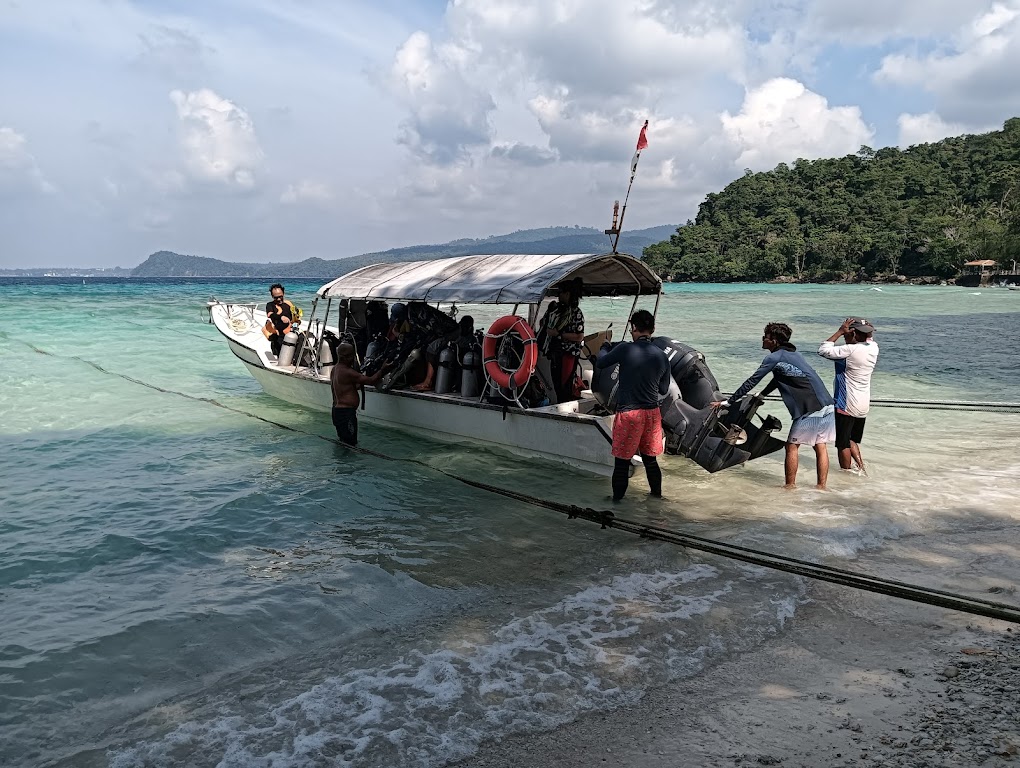
Dive Centers Near Ransiwor


Nearest Airports
Nearest airports to help plan travel to this dive area.
Search Flights
Check available flights and routes on Expedia, using the nearby airports listed in this section.
Search Flights on ExpediaFrequently Asked Questions
What is the typical maximum depth for diving at Ransiwor?
A maximum depth of 30 m (100 ft) is recommended for diving at Ransiwor. That depth range provides access to both shallower coral gardens and deeper wall sections of the reef.
Are diving permits required for Ransiwor?
Yes, diving permits are required to dive at Ransiwor. Local dive operators in the Raja Ampat region typically facilitate obtaining these.
What are the general water conditions at Ransiwor?
Ransiwor typically experiences mild currents and moderate surge. Visibility generally ranges from 15 m (50 ft) to 30 m (100 ft), offering clear views of the underwater environment. Water temperatures are consistently warm, averaging 26-30°C (79-86°F).
Is Ransiwor suitable for beginner divers?
While parts of Ransiwor with milder currents and shallower depths are considered easy for beginners, an intermediate certification is generally recommended to fully appreciate the site's varied topography and potential for moderate surge.
What kind of marine life can I expect to see at Ransiwor?
Divers often encounter pygmy seahorses and wobbegong sharks. The site is also home to schools of fusiliers, snappers, tuna, trevally, white tip and black tip reef sharks, green and hawksbill turtles, and surgeonfish.
How do I access the Ransiwor dive site?
Access to Ransiwor is by boat. Dive operators in the Raja Ampat area organize trips to the site, providing convenient entry points directly over the reef.
What is the best time of year to dive at Ransiwor?
The best time to dive at Ransiwor is generally from October to March. These months offer 'Excellent' dive scores, with stable, warm air and water temperatures, minimal rain, and low wave activity.
Planning to dive Ransiwor?
Send one inquiry and receive offers directly from the best verified local dive operators.
Conditions are Good
07:00 - 14:00
Optimal conditions expected
Current conditions near Ransiwor show 26° air, 29° sea temperature, 0.2 m waves, and 23 km/h wind. Forecast data is refreshed regularly to ensure accuracy.