
Diving at Cape Mansuar (Indonesia)
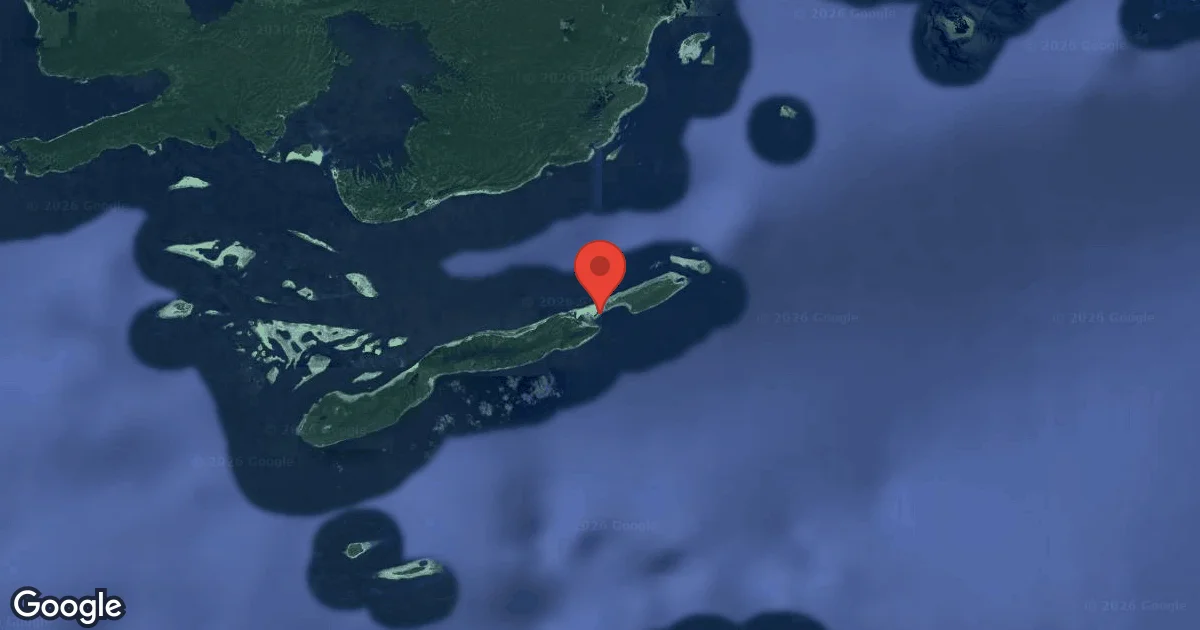
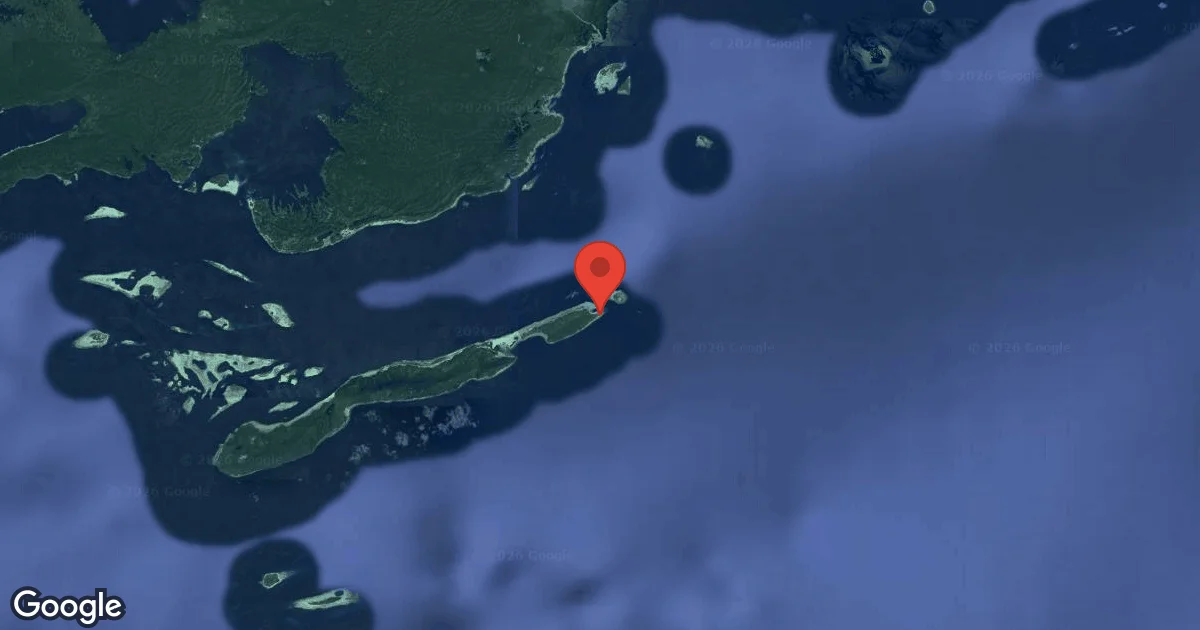
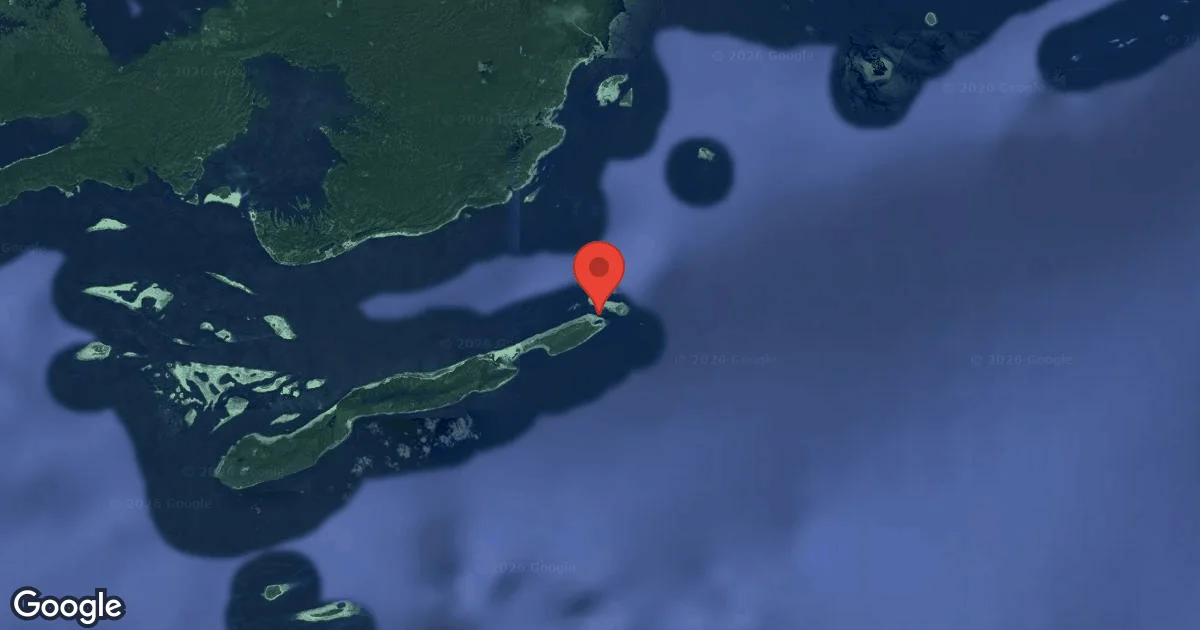
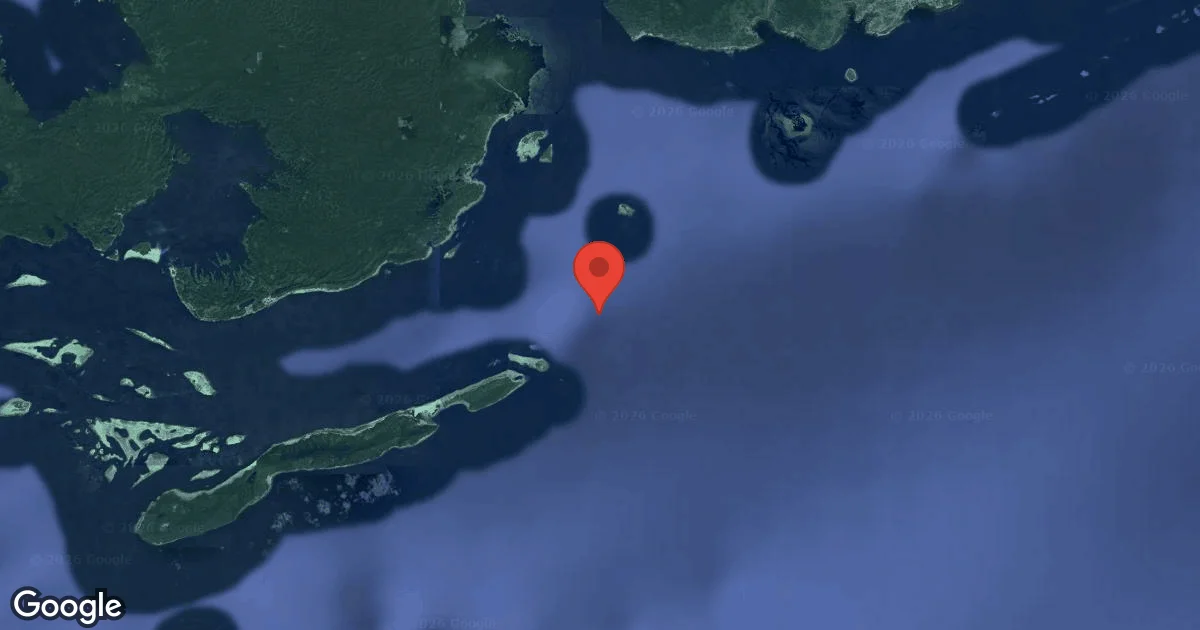
Cape Mansuar distinguishes itself with a dynamic blend of underwater topographies, transitioning from dramatic walls adorned with large seafans to gently sloping coral reefs and vibrant gardens. This site provides an immersive exploration, allowing divers to navigate diverse environments within a single dive. Its southern tip location on Mansuar Island ensures easy access, making it a pivotal dive destination.
Evening condition tracking at Cape Mansuar features an air temperature of 26.5°C. We have recorded wave heights measuring 0.2 m during this period. These figures outline the environmental parameters currently present.
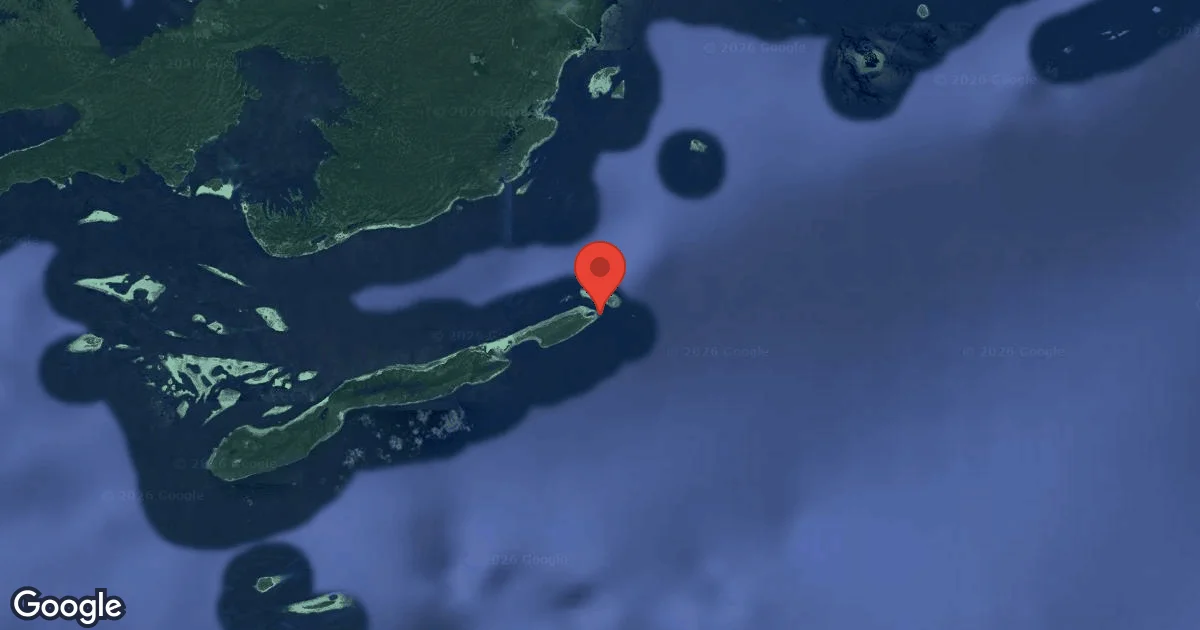
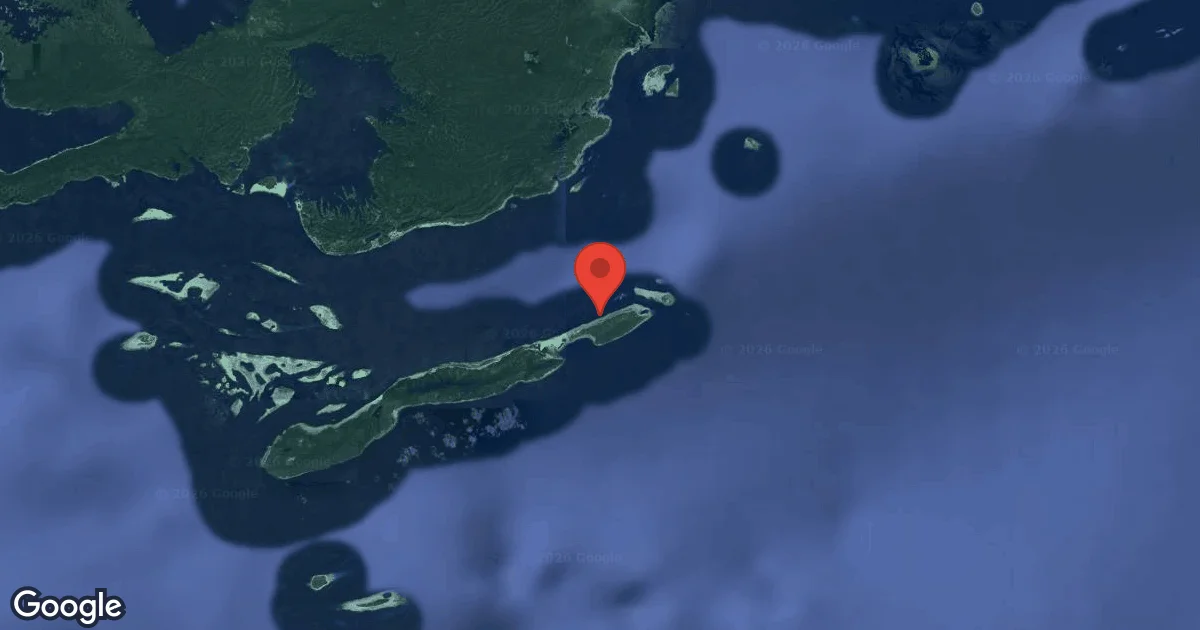
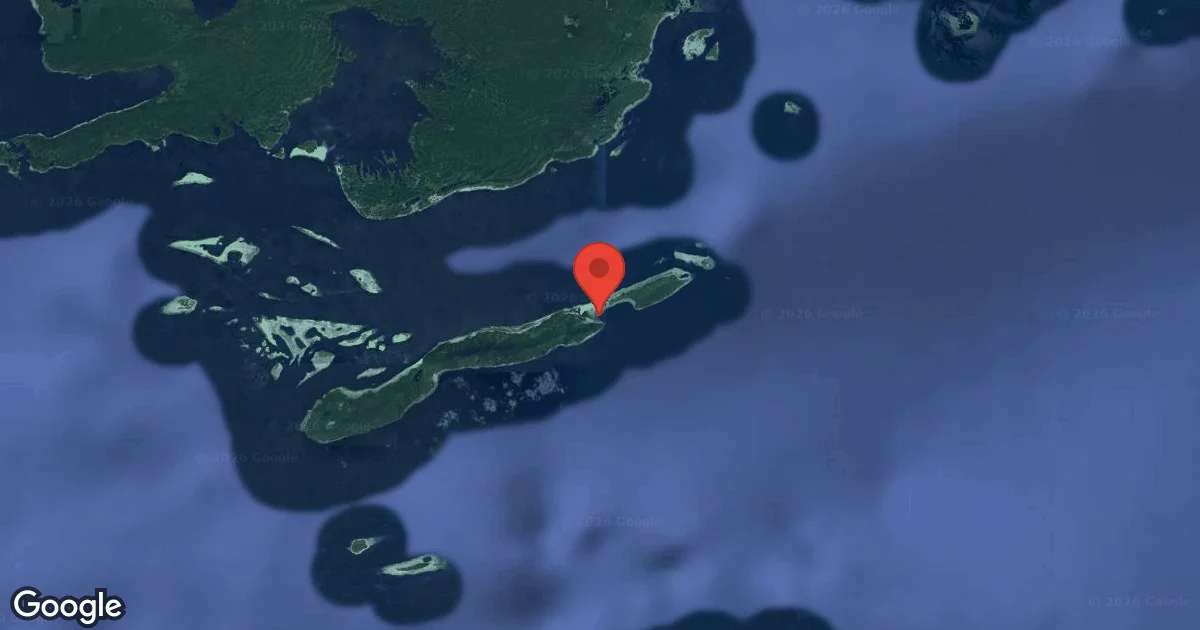
Dive Site Location & Key Facts
Dive Site Overview
A typical dive at Cape Mansuar frequently commences with a thrilling drop into the blue, where divers are often immediately immersed in large, swirling schools of fusiliers. This initial descent sets a vibrant tone for the exploration.
Following a deliberate zig-zag route, divers gradually ascend, meticulously exploring the varied coral formations at different depths. The environment shifts from an initial dramatic wall, extensively covered with large seafans and dense schooling fish, into a less steep, yet equally vibrant, sloping reef as the dive progresses.
Further along this expansive reef, opportunities for spotting diverse macro life become increasingly common, nestled within the intricate coral gardens. While the site primarily caters to recreational limits, reaching a maximum depth of 35 m (115 ft), certain deeper sections are noted for advanced divers.
Its unique underwater topography ensures an engaging and visually rich environment for observation, blending both wide-angle and macro photographic opportunities.
Conditions are Excellent
07:00 - 14:00
Optimal conditions expected
Current conditions near Cape Mansuar show 27° air, 29° sea temperature, 0.2 m waves, and 25 km/h wind. Forecast data is refreshed regularly to ensure accuracy.
Best Time to Dive
Diving Cape Mansuar is possible year-round, as Raja Ampat maintains suitable conditions for diving throughout the seasons. The monthly dive scores consistently range from 'Good' to 'Excellent', indicating generally favorable conditions. Air temperatures remain consistently warm, typically between 27°C (81°F) and 28°C (82°F) across the year, with minimal fluctuations. Rainfall averages are moderate, generally below 10 mm (0.4 inches) monthly, not typically impacting dive visibility significantly. Visibility at the site is generally good, often ranging from 15 to 30 meters (50 to 100 ft) on average, though this can vary. Peak visibility has been noted between May and October, potentially exceeding 30 meters (100 ft).
PEAK SEASON SCORE
Scores combine air & water temps, waves, wind & rainfall for overall conditions.
BEST MONTHS TO DIVE
Monthly records compiled from satellite and marine observation nodes over the last 3 years. Data provided by Open-Meteo and MET Norway.
Dive Experience & Conditions
Navigating Cape Mansuar requires a moderate experience level, particularly due to the potential for strong currents that feed its abundant marine life. Divers comfortable with drift diving and possessing good buoyancy control will find the experience most rewarding. Currents at the site can vary from mild to strong, necessitating careful dive planning. Water temperatures typically remain warm, although specific data isn't consistently reported, general conditions in the region suggest a range of 27-30°C (81-86°F). Entry is usually by boat, providing direct access to the starting point. The site's diverse underwater topographies, including sloping reefs, walls, and coral gardens, create a visually captivating environment, even during brisk drifts.
Dive Difficulty & Safety Guidelines
Managing the currents at Cape Mansuar is a key aspect of safe diving here. Given the potential for strong currents, preparing for drift dives is essential, and good buoyancy control becomes paramount. Dive guides typically monitor tides and currents closely to ensure safe entries and exits.
Carrying a surface marker buoy (SMB) is a sensible precaution for every dive, enabling quick signaling to the surface boat. Reef hooks, often carried by experienced guides, can be utilized responsibly to maintain position in stronger currents, minimizing environmental impact. Prioritizing careful planning with your dive operator will ensure a safe and enjoyable experience.
Recommended Equipment
Deep dive hazard. Increased narcosis and gas consumption risk.
Current and surface separation risk. Local briefing strongly recommended.
- Dive Computer
- DSMB
- Primary & Backup Lights
- Reel / Spool
This gear list is based on verified equipment signals for Cape Mansuar, Indonesia. Always confirm final gear choices with your dive operator, guide, or liveaboard.
Recommended Dive Suit
Divers planning deeper dives may feel cooler than those staying in shallower areas.
Many divers find that dive skin or rash guard offers a comfortable balance between warmth and mobility. A hood or vest is suggested for sensitive divers due to surface winds. Forecast trends indicate similar diving conditions over the next few days.
Water temperatures across the dive area at Cape Mansuar are presently estimated to be around 29°C (85°F). Surface air temperatures are resting at 27°C (80°F).
Emergency & Medical Support
Essential information to help you plan your dive trip to Cape Mansuar.

Hyperbaric chambers are a critical part of dive safety infrastructure. Availability varies significantly by region, and not all dive areas have immediate access.
Before diving, it's recommended to:
- confirm nearest medical facilities
- check emergency procedures with local dive operators
- ensure dive insurance covers evacuation if required
Divers Alert Network
Diving emergency assistance available through DAN World.
+1-919-684-9111- 24/7 emergency hotline
- Diving medical assistance
- Evacuation coordination
Emergency contacts are provided for reference. Always verify local emergency services before diving.
Marine Life at Cape Mansuar
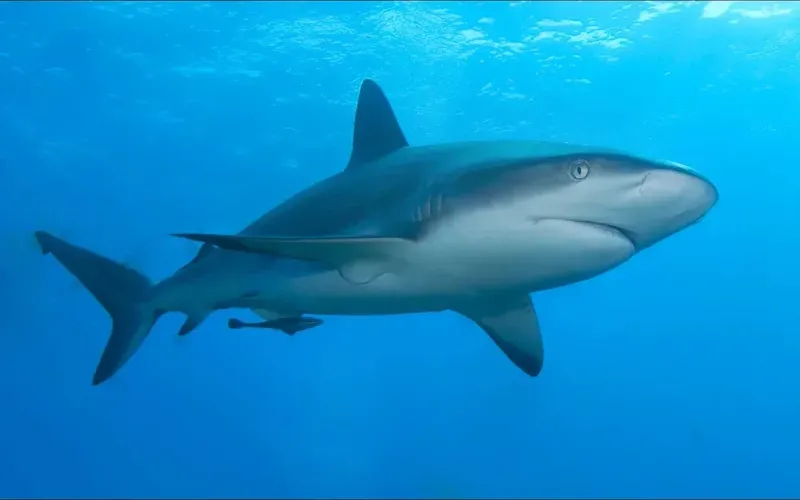
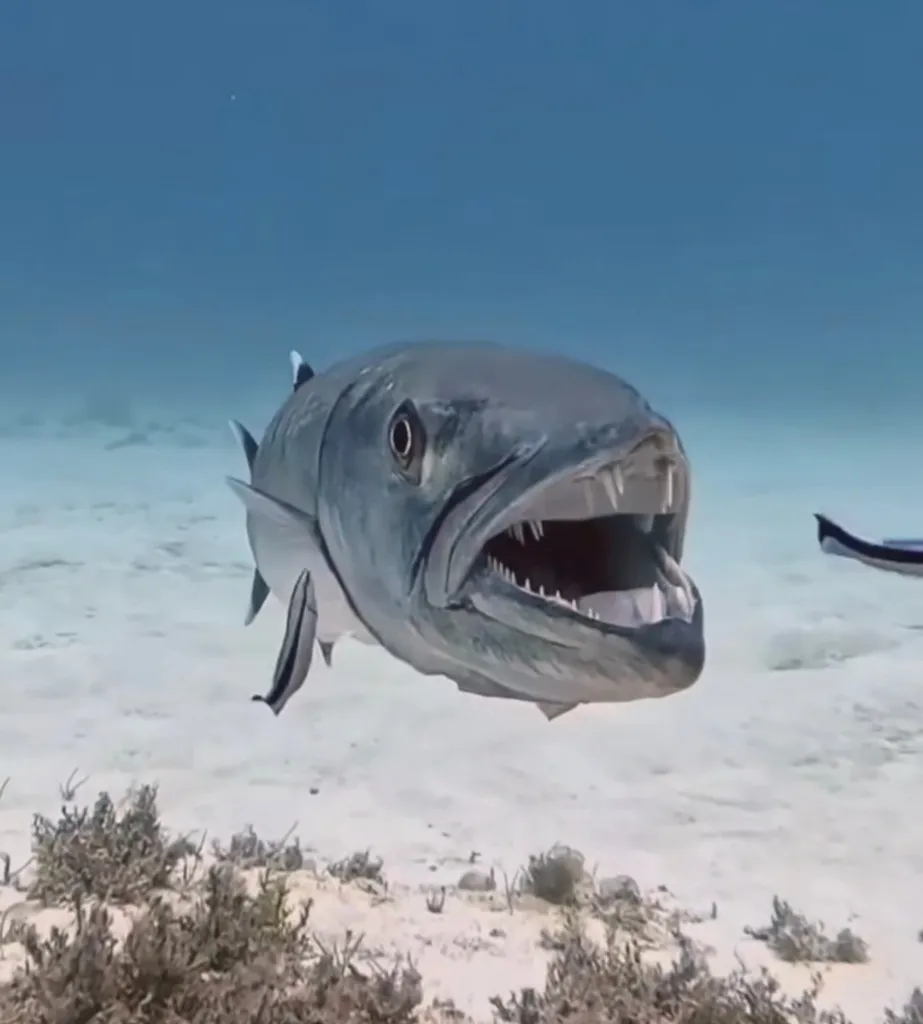
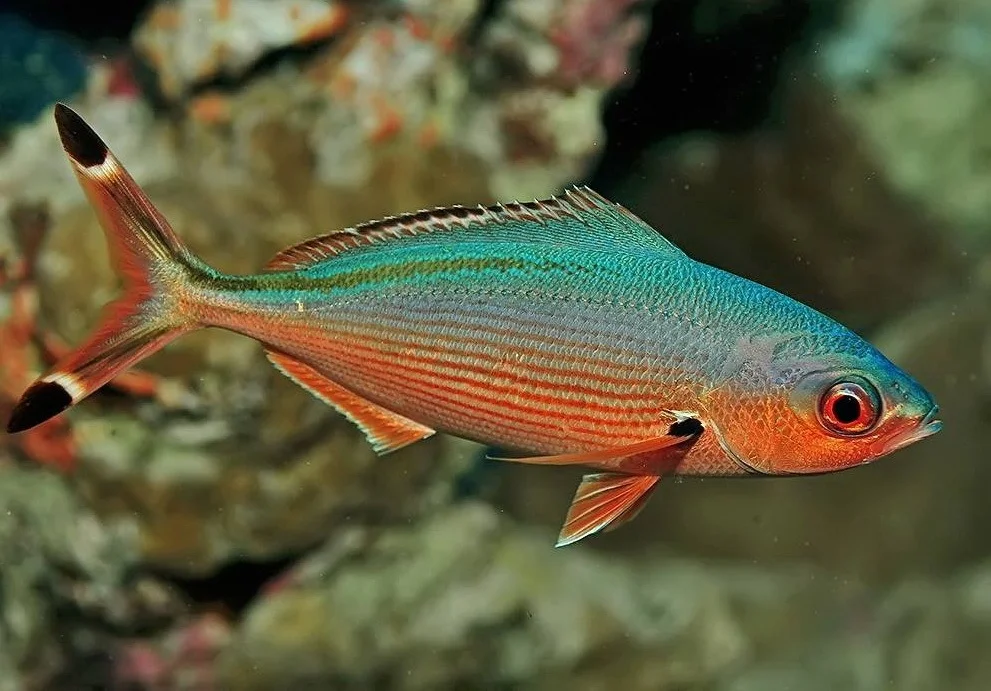
The vibrant underwater landscapes of Cape Mansuar host an impressive array of marine life. Descending into the blue often reveals immense schools of fusiliers, creating a swirling vortex of activity.
Along the sloping coral reefs and walls, divers can anticipate encounters with a wide variety of fish species, including barracuda, trevally, and triggerfish. Bumphead parrotfish are regularly observed, along with various types of reef sharks.
The transition to shallower, more protected sections of the reef also brings opportunities to spot intricate macro life amidst the hard and soft coral structures.

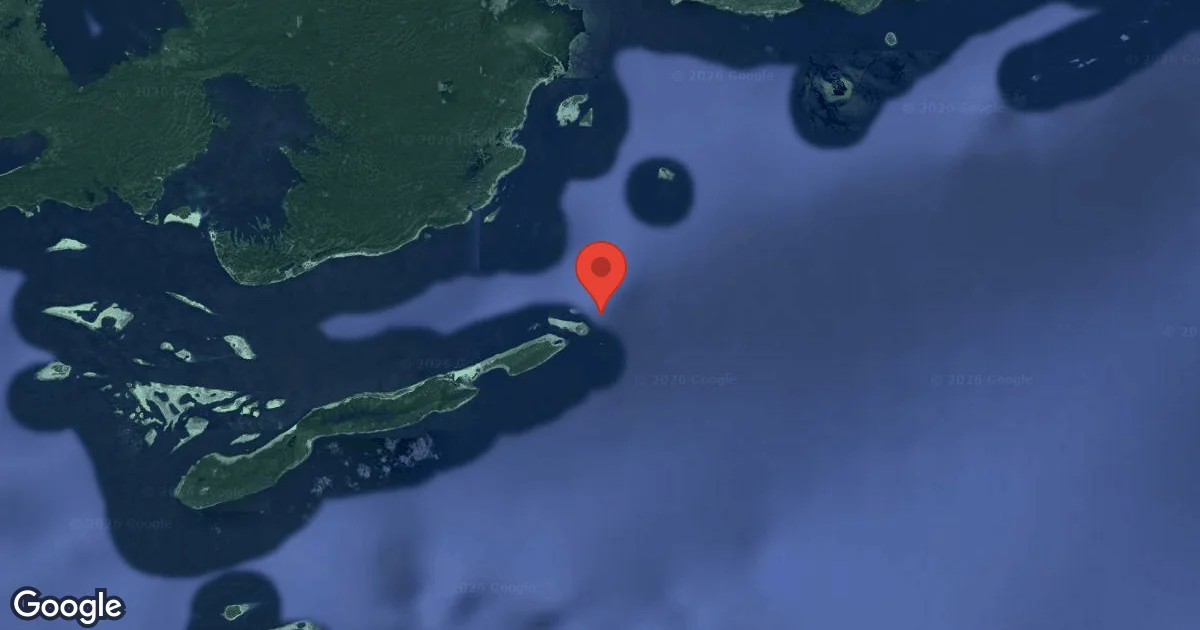
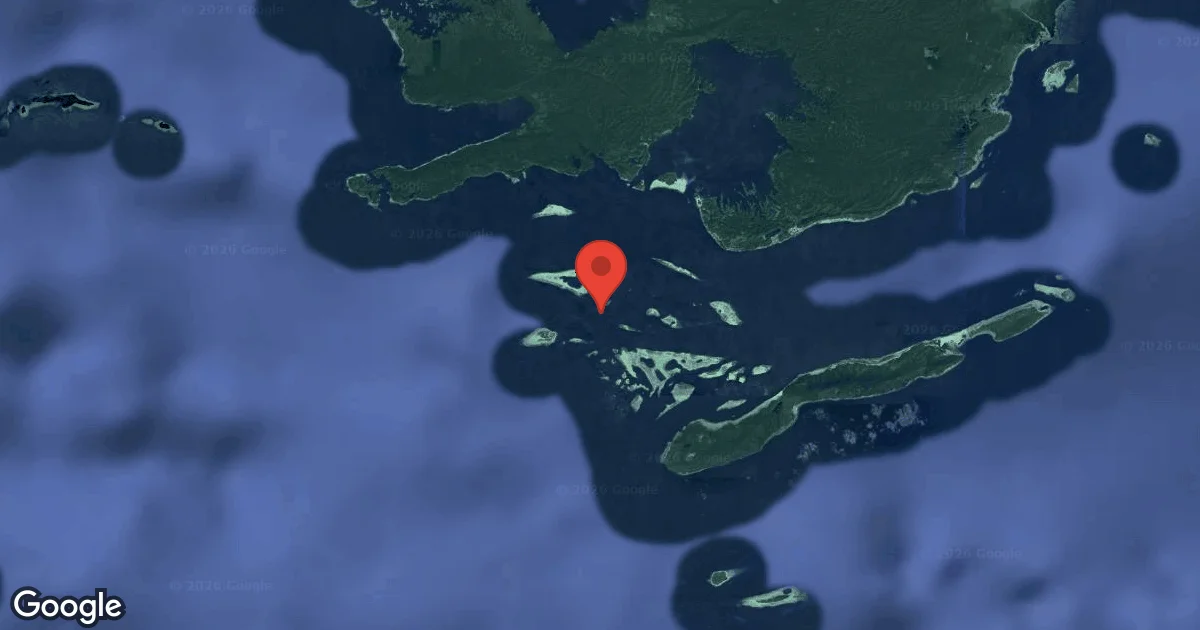
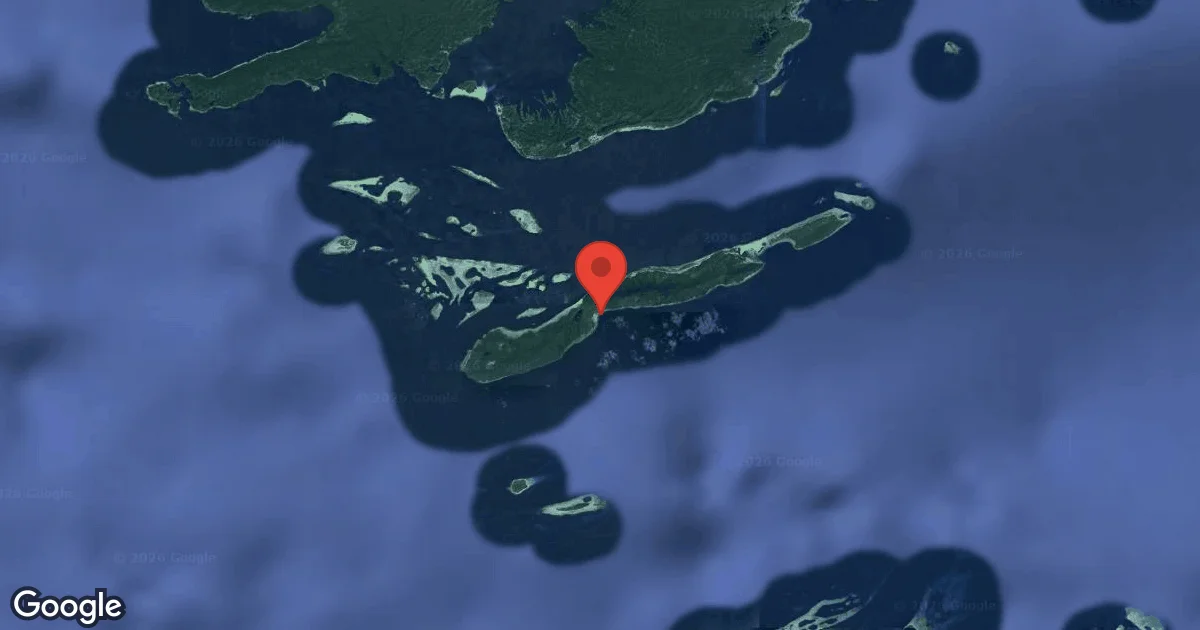
Dive Sites Near Cape Mansuar
View all dive sites in IndonesiaDiscover more underwater gems in this area.
Dive Centers Near Cape Mansuar
Nearest Airports
Nearest airports to help plan travel to this dive area.
Search Flights
Check available flights and routes on Expedia, using the nearby airports listed in this section.
Search Flights on ExpediaFrequently Asked Questions
What is the typical dive profile at Cape Mansuar?
A common dive profile involves a 'zig-zag' route, starting deeper and gradually ascending. This method allows divers to explore various depths and coral formations throughout the dive, maximizing observation opportunities across the diverse terrain.
What is the maximum depth at Cape Mansuar?
Cape Mansuar typically offers a maximum recreational depth of 35 m (115 ft). While some areas may extend deeper, often reaching around 40 meters, these sections are generally explored by advanced open water divers.
Are strong currents common at Cape Mansuar?
Yes, strong currents are a defining characteristic of Cape Mansuar, bringing nutrient-rich waters that sustain the abundant marine life. Conditions can vary from mild to strong, making it ideal for drift diving.
What level of diving experience is recommended for Cape Mansuar?
A moderate experience level is recommended. Divers should be comfortable with drift dives and possess good buoyancy control to safely navigate the varying currents and diverse underwater environments.
What kind of marine life can be seen there?
The site is known for large schools of fish like fusiliers, barracuda, trevally, and triggerfish. Reef sharks and bumphead parrotfish are also common, alongside diverse macro life found within the coral gardens.
Is Cape Mansuar accessible by boat?
Yes, Cape Mansuar is easily accessible by boat. It's located at the southern tip of Mansuar Island, typically just a few minutes' boat ride from local dive centers.
Planning to dive Cape Mansuar?
Send one inquiry and receive offers directly from the best verified local dive operators.
Conditions are Excellent
07:00 - 14:00
Optimal conditions expected
Current conditions near Cape Mansuar show 27° air, 29° sea temperature, 0.2 m waves, and 25 km/h wind. Forecast data is refreshed regularly to ensure accuracy.