
Diving at The Inner Reef: 18-33MTS (Ireland)
Off the Dingle Peninsula, Inner Reef presents a significant wall dive opportunity within Ireland's underwater topography. A substantial rock face here challenges experienced divers. It descends from kelp-fringed shallows to a sandy base. Understanding local conditions and the unique vertical ecosystem is key to a rewarding dive.
Early observations for The Inner Reef: 18-33MTS report a surface air temperature of 15.5°C. The water surface is currently presenting wave heights of 2.7 m. Consider these environmental metrics before beginning your descent.
Dive Site Location & Key Facts
Dive Site Overview
Inner Reef offers a dramatic underwater transition for divers. A descent begins around 18 m (60 ft), where an active kelp forest canopy shades initial reef structures.
Below this verdant zone, a solid, clean rock wall plunges significantly further, reaching maximum depths of 33 m (110 ft) before the substrate shifts to a broad sand bed. Divers can follow this impressive underwater cliff face, which extends for about half a mile, often experiencing a classic drift dive propelled by consistent currents. Its extensive length provides numerous topographical features; anticipate finding deep crevices, substantial overhangs, and small ledges.
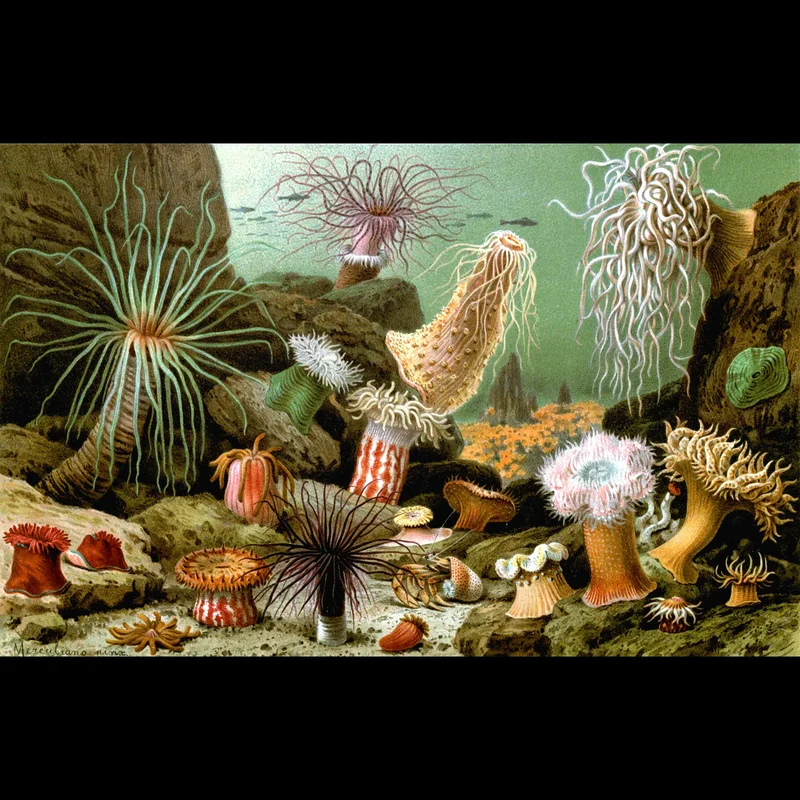
These formations provide shelter for a variety of invertebrates and demersal fish. Throughout the reef, vibrant displays of diverse sponges, anemones, and soft corals cling to the rock, creating a striking mosaic of color against cooler Atlantic waters.
Observing the vertical drop's sheer scale demands attention, yet it rewards with intricate details and a continuous sense of exploration.
Conditions are Poor
High Swell Advisory. Not recommended.
Current conditions near The Inner Reef: 18-33MTS show 15° air, 16° sea temperature, 2.8 m waves, and 48 km/h wind. Forecast data is refreshed regularly to ensure accuracy.
Best Time to Dive
Planning a dive at Inner Reef demands consideration of Ireland's variable Atlantic climate, with conditions often presenting sharp contrasts throughout the year. Most suitable months, typically April through August, register 'Moderate' dive scores. During this period, air temperatures are milder, ranging from 10.5°C (51°F) in April to 16°C (61°F) in August, generally accompanied by lower wave heights, around 1.6-1.9 m (5-6 ft), and reduced wind speeds. Conversely, months like February and December are rated 'Unsafe,' characterized by significantly higher wave heights, sometimes exceeding 3.5 m (11.5 ft), and stronger winds. Rainfall also tends to be lower in warmer months, making surface conditions more manageable for entry and exit. Divers should meticulously consult forecasts, as weather patterns dictate accessibility and overall safety, even within 'Moderate' windows.
PEAK SEASON SCORE
Scores combine air & water temps, waves, wind & rainfall for overall conditions.
BEST MONTHS TO DIVE
Monthly records compiled from satellite and marine observation nodes over the last 3 years. Data provided by Open-Meteo and MET Norway.
Dive Experience & Conditions
Exploring Inner Reef plunges divers into a distinctive vertical landscape. Dives typically begin by traversing a kelp forest at an initial depth, a vibrant zone hosting notable marine diversity. This area acts as a natural entry to the main reef wall. Below, a consistent, solid rock face presents a compelling drift experience along its extensive length. While precise visibility varies depending on local weather patterns and plankton blooms, robust structure provides ample points of interest at every depth. On shallower sections of the wall and especially on the sandy bottom, observant divers might spot species like electric rays and monkfish camouflaged against the seabed. Water temperatures here are consistently cool, typically ranging from 8-12°C (46-54°F).
Dive Difficulty & Safety Guidelines
Inner Reef demands careful consideration as a drift, reef, and wall dive, extending to 33 m (110 ft). Managing descent and ascent rates is crucial, particularly when negotiating transitions from the kelp line to the main wall. Given potential for currents inherent to a drift dive, maintaining strong buoyancy control and staying alert to changing water movement is essential.
Divers must meticulously plan gas management, accounting for depth and potential changes in current speed. Always dive with a reliable buddy and ensure adequate cold-water exposure protection. Conditions in the Irish Atlantic are consistently cool, necessitating appropriate gear.
Recommended Equipment
Current and surface separation risk. Local briefing strongly recommended.
- Dive Computer
- DSMB
- Reel / Spool
This gear list is based on verified equipment signals for The Inner Reef: 18-33MTS, Ireland. Always confirm final gear choices with your dive operator, guide, or liveaboard.
Recommended Dive Suit
Forecast conditions over the next few days suggest temperatures will remain relatively stable.
Two divers in the same water temperature may experience very different comfort levels. Stronger winds may also make surface intervals feel cooler than usual. Surface intervals may feel noticeably cooler once you exit the water.
Many divers find that 5-7mm wetsuit offers the right level of insulation for conditions like these. Strong winds are present; please take strong precautions against rapid cooling during surface intervals. A thermal robe or jacket is recommended between dives. The latest environmental readings for The Inner Reef: 18-33MTS suggest water temperatures around 16°C (61°F). Surface air temperatures are resting at 15°C (60°F).
Emergency & Medical Support
Essential information to help you plan your dive trip to THE INNER REEF: 18-33mts.

Hyperbaric chambers are a critical part of dive safety infrastructure. Availability varies significantly by region, and not all dive areas have immediate access.
Before diving, it's recommended to:
- confirm nearest medical facilities
- check emergency procedures with local dive operators
- ensure dive insurance covers evacuation if required
Divers Alert Network
Diving emergency assistance available through DAN Europe.
+39 0642115685- 24/7 emergency hotline
- Diving medical assistance
- Evacuation coordination
Emergency contacts are provided for reference. Always verify local emergency services before diving.
Closest Listed Hyperbaric Chambers
Showing listed hyperbaric chamber facilities within 200 km of this dive site.
Distances are approximate straight-line distances and may not reflect emergency travel time.
National Hyperbaric Medicine Unit at University Hospital Galway
ICU CapableGalway, Ireland•Approx. 125 km straight-line
National Hyperbaric Medicine Unit at University Hospital Galway
ICU CapableInformation is provided for reference and planning purposes only. Dive Navigator does not verify operational status, staffing, availability, or quality of care at listed facilities. In an emergency, contact local emergency services, DAN, your dive operator, or the chamber directly. Do not travel to a facility without calling ahead.
Marine Life at The Inner Reef: 18-33MTS
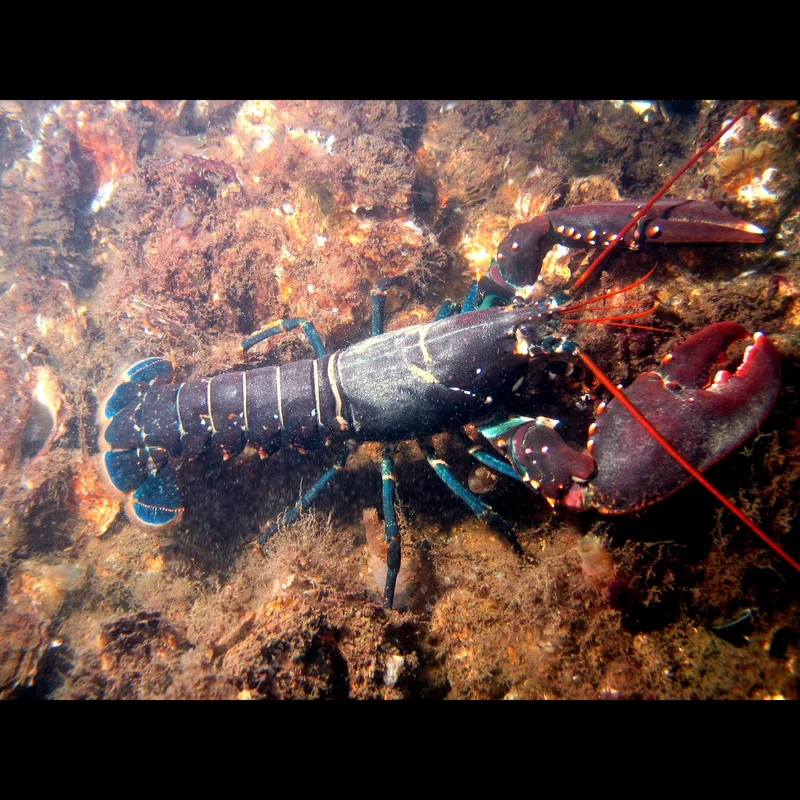
Observing Inner Reef's underwater landscape reveals a diverse array of marine species, intricately integrated with its unique structure. Along the rock wall, divers routinely encounter robust crustaceans such as lobsters and crawfish tucked into crevices.
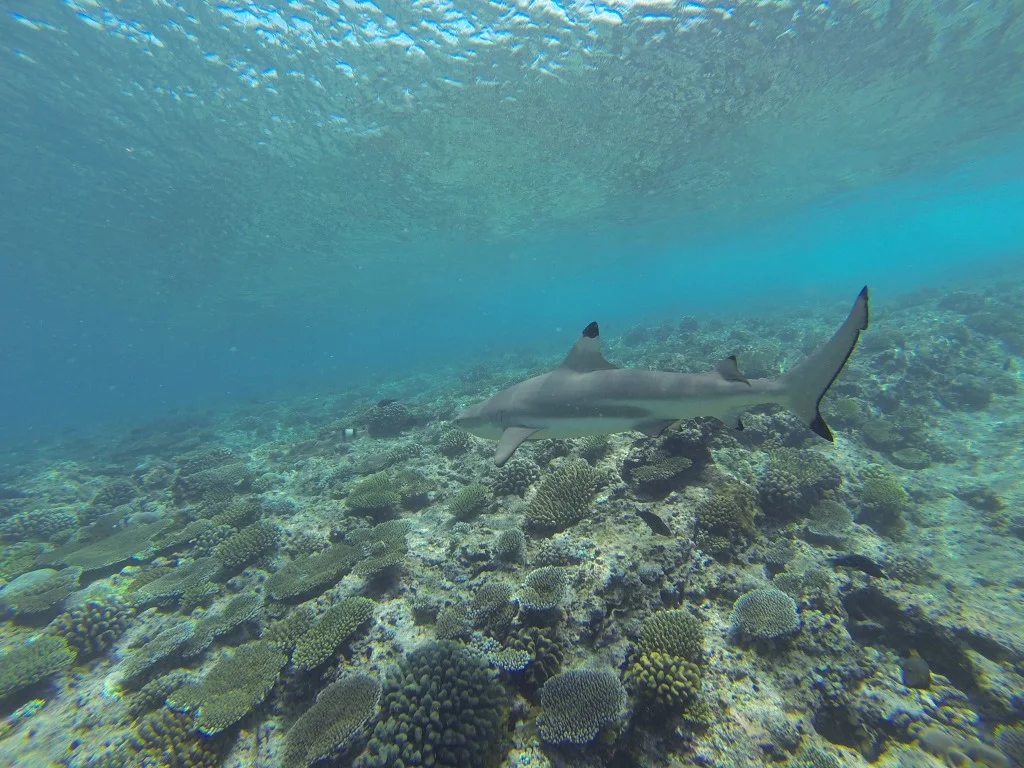
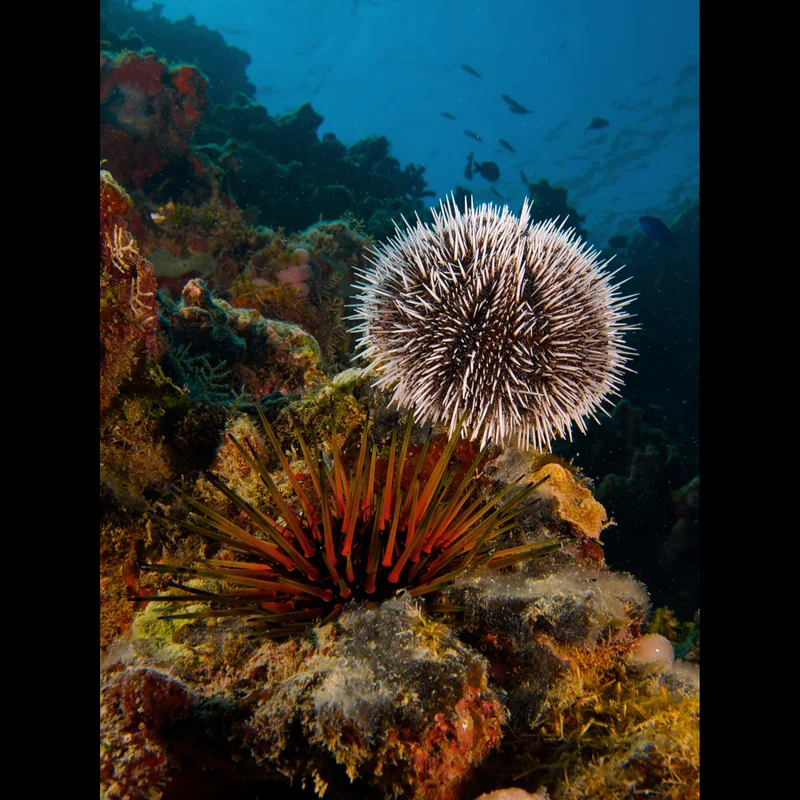
Colorful tapestries of sponges, anemones, and soft corals vividly illuminate the reef face, providing habitat for smaller invertebrates like edible sea urchins and spiny starfish. Cruising deeper sections or resting on the sandy bottom, sightings can include blue sharks and dogfish, while electric rays and monkfish often blend seamlessly with the seafloor environment.

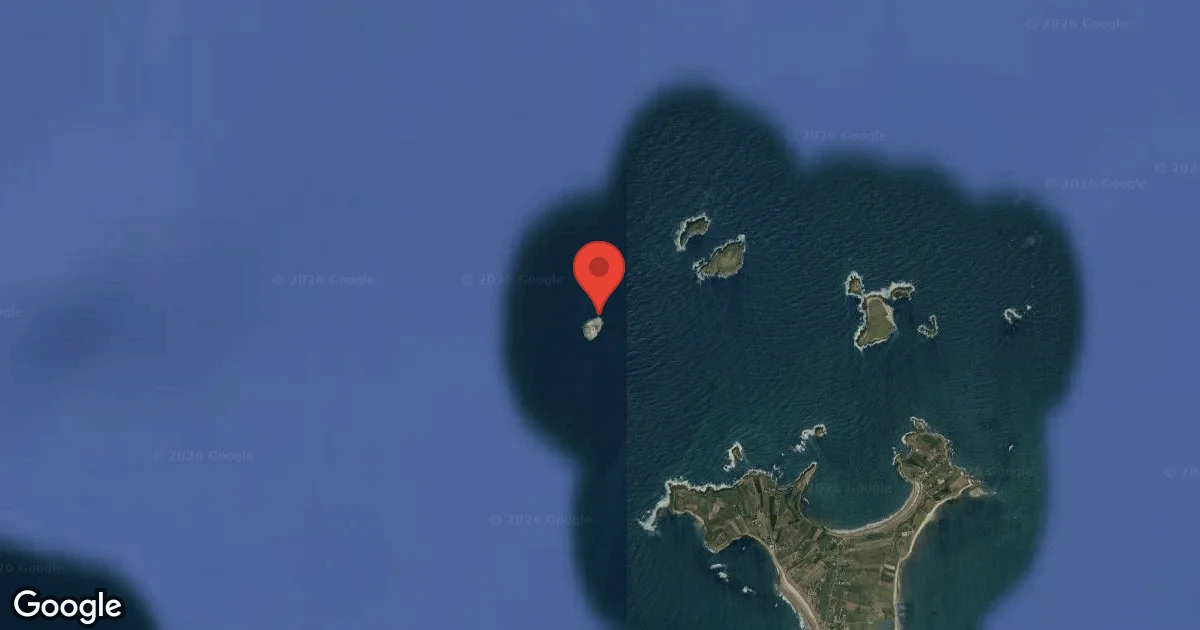
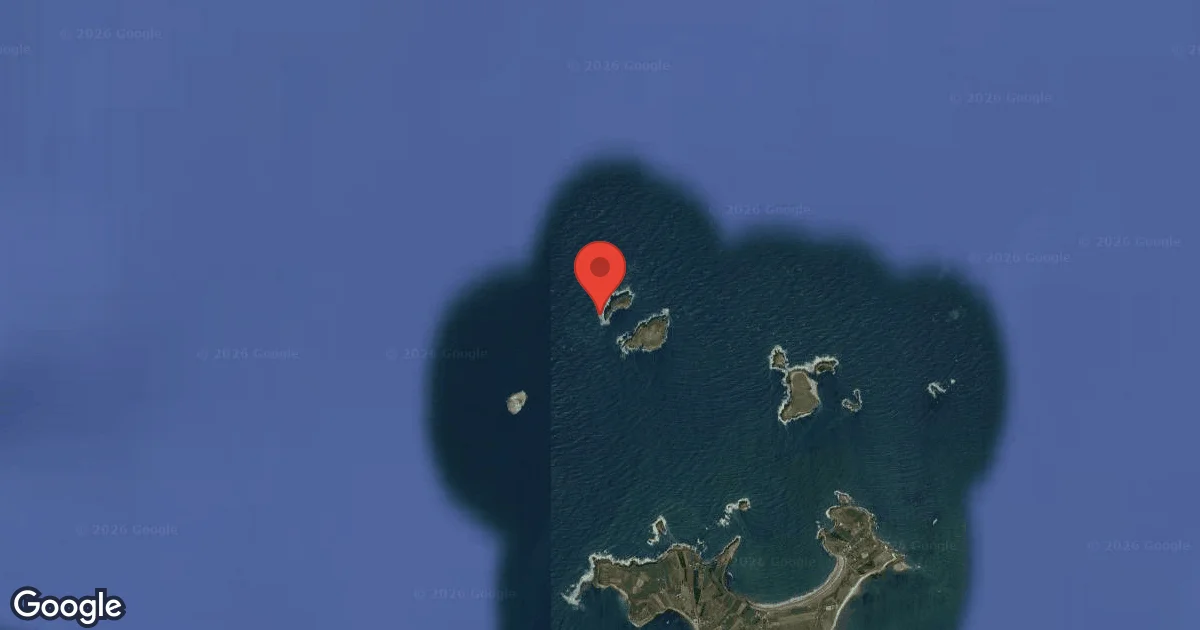
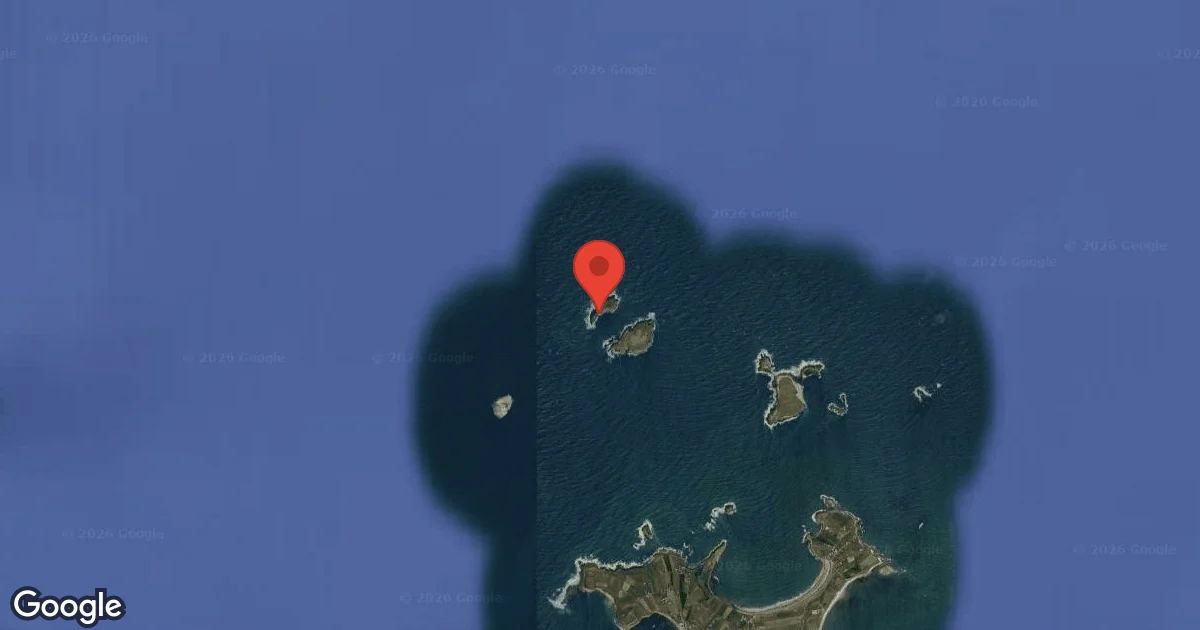
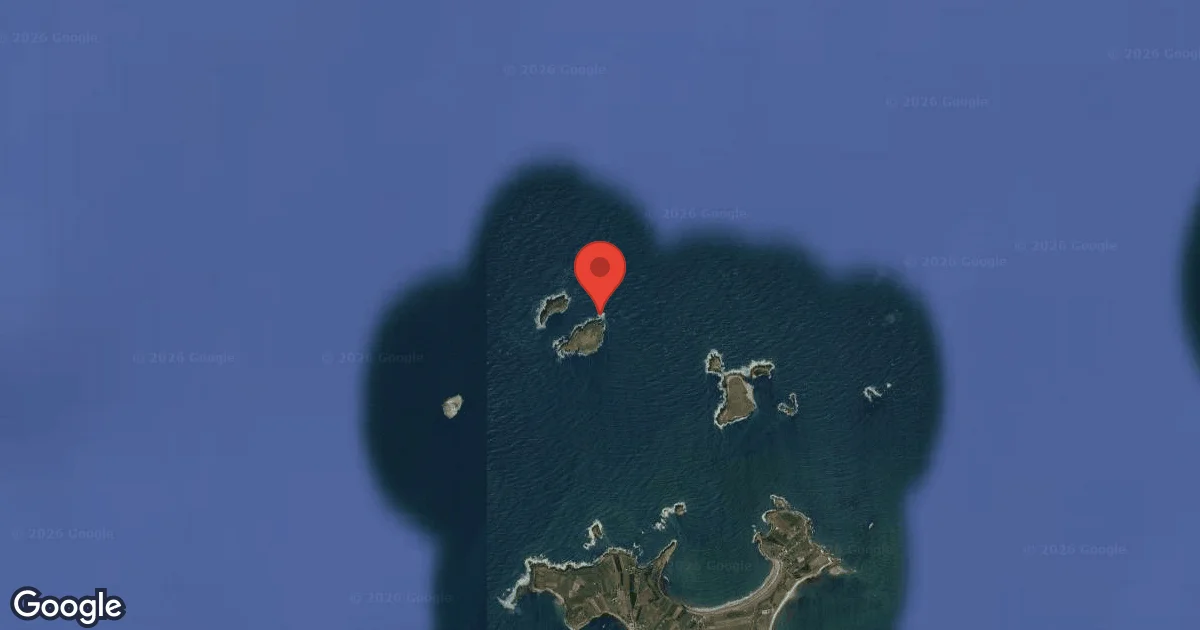
Dive Sites Near The Inner Reef: 18-33MTS
View all dive sites in IrelandDiscover more underwater gems in this area.
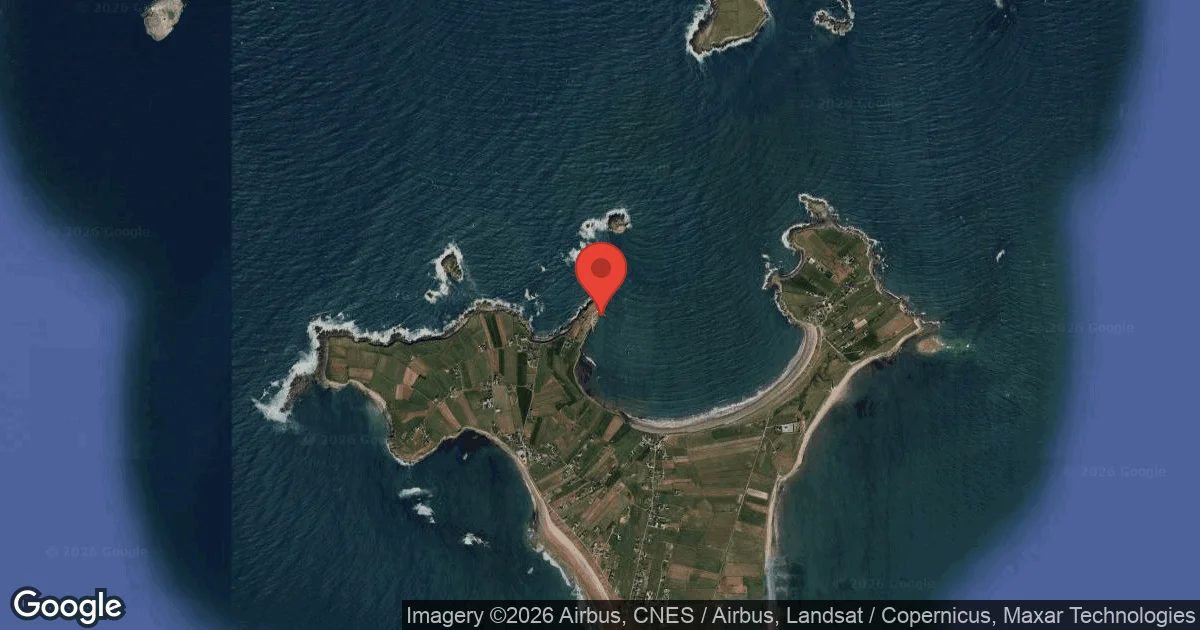
Dive Centers Near The Inner Reef: 18-33MTS
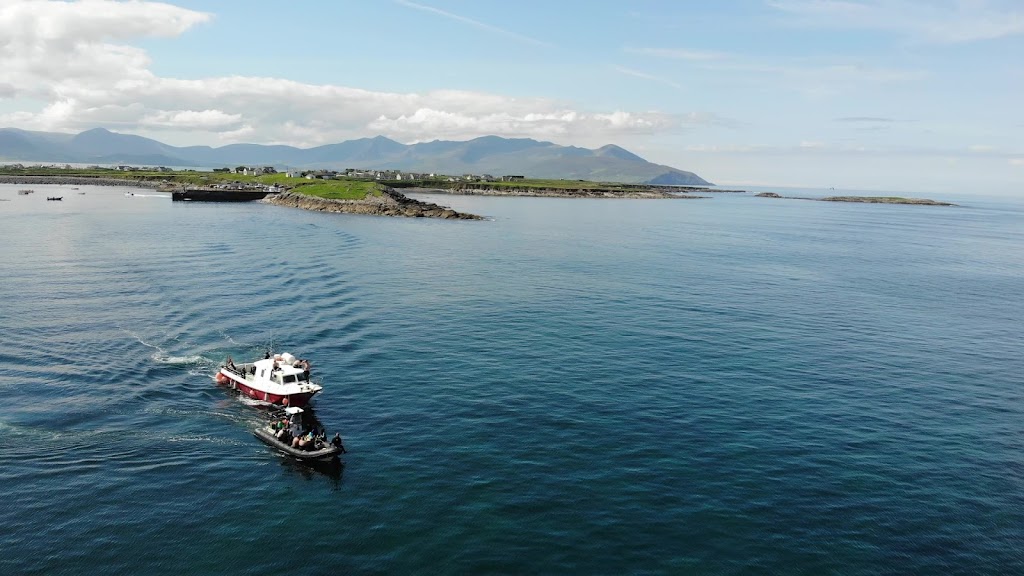
Today: 09:00 - 21:00
Nearest Airports
Nearest airports to help plan travel to this dive area.
Search Flights
Check available flights and routes on Expedia, using the nearby airports listed in this section.
Search Flights on ExpediaFrequently Asked Questions
What is the maximum depth at The Inner Reef?
Inner Reef's rock wall extends down to a maximum depth of 33 meters. Dives begin at around 18 meters within a kelp forest.
What types of diving can be done at this site?
Primarily known for drift, reef, and wall diving, Inner Reef's extensive rock wall provides an excellent opportunity for sustained drift.
What marine life is commonly seen at The Inner Reef?
Divers frequently observe lobsters, crawfish, sea cucumbers, and various shark species like blue sharks and dogfish. Abundant sponges, anemones, and soft corals are also common.
When is the best time to dive The Inner Reef?
April through August generally offers the most favorable conditions, with 'Moderate' dive scores due to milder air temperatures and reduced wave heights. Always check local conditions; Ireland's weather can be unpredictable.
Is The Inner Reef suitable for beginner divers?
Given the depth range (18-33 meters) and potential for drift, Inner Reef is generally more suited for certified divers experienced in wall and drift diving. Strong buoyancy control is recommended.
Are there any specific hazards to be aware of?
No specific hazards are reported, but divers should prepare for potential currents, characteristic of drift dives. Cold water conditions necessitate appropriate thermal protection and careful planning.
Planning to dive The Inner Reef: 18-33MTS?
Send one inquiry and receive offers directly from the best verified local dive operators.
Conditions are Poor
High Swell Advisory. Not recommended.
Current conditions near The Inner Reef: 18-33MTS show 15° air, 16° sea temperature, 2.8 m waves, and 48 km/h wind. Forecast data is refreshed regularly to ensure accuracy.