
Diving in Ireland
Diving opportunities in Ireland reflect a mix of environments, each with its own set of conditions and characteristics. 12 dive locations are currently indexed within Ireland on our platform. The available data helps divers make more informed decisions.
Diving around Ireland is defined by its extensive coastline, stretching over 3,000 km (1,864 miles) and offering diverse underwater structures. Activity is distributed across various regions rather than concentrated in a single area.
Key areas for exploration include the west coast, encompassing County Clare and Galway Bay, along with the Skellig Islands. Further south, the region of Cork is also noted for its diving opportunities. Most international divers access the country through Dublin Airport (DUB), from where onward travel to these coastal regions typically involves rental cars or domestic flights.
Dive Map of Ireland
To effectively explore Ireland's dive regions, a map helps visualize the distribution of known sites along its vast coastline. This visual aid clarifies the geographic spread, from the Skellig Islands off the west coast to areas like County Antrim in what is often considered the broader Irish diving context.
Specific points of interest, such as Giant’s Causeway, Renvyle Beach, and Mullaghmore, can be located on such a map, providing context for planning expeditions. The map can illustrate the potential for exploring shipwrecks and natural formations across different coastal sections.
Dive Sites to Explore
View all 12 sites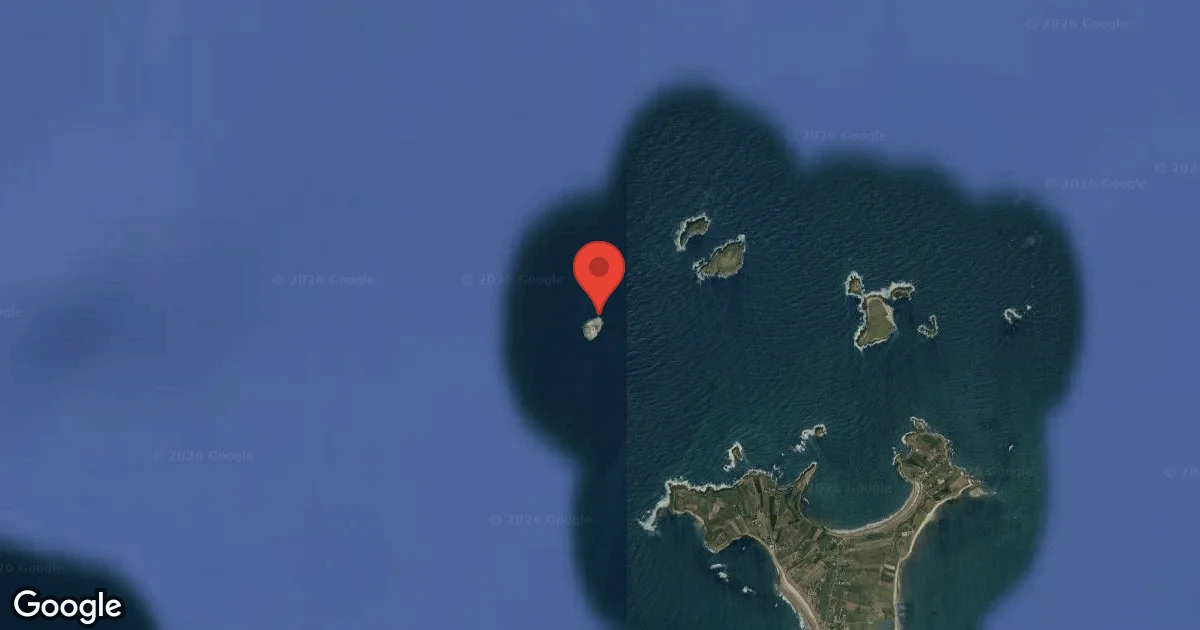
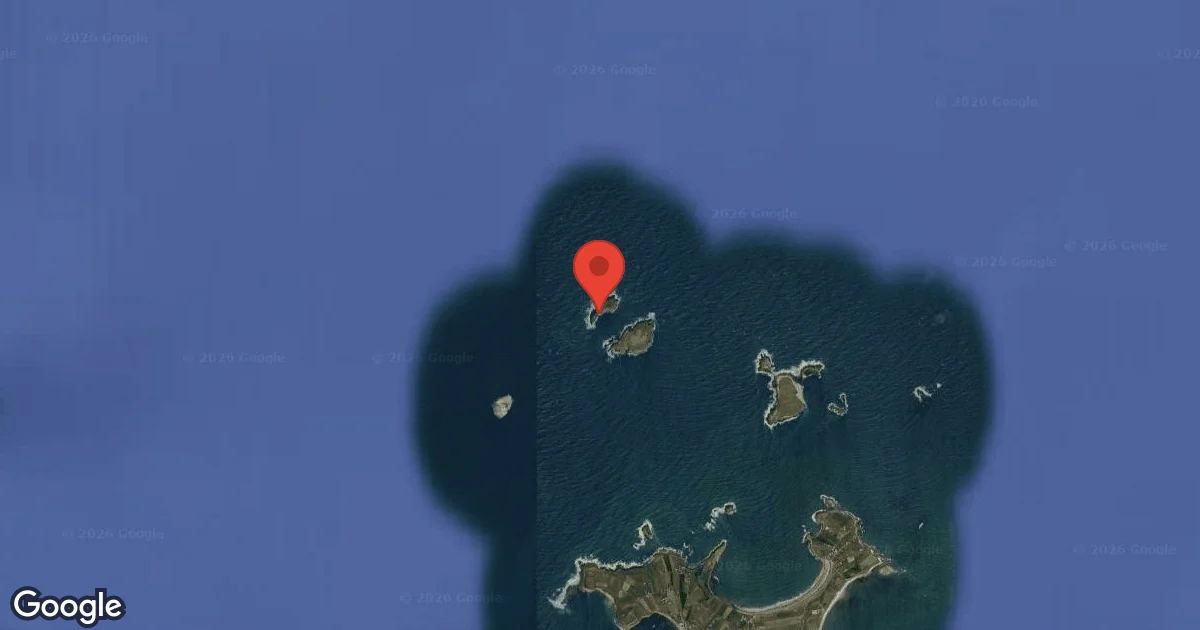
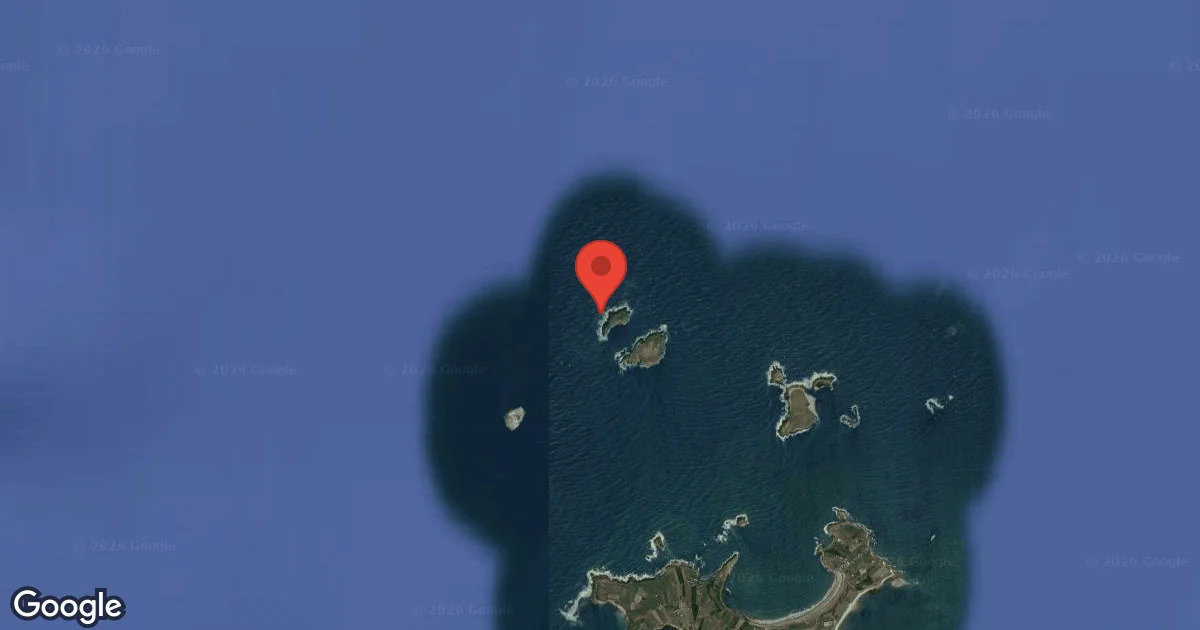
Diving in Ireland presents opportunities to explore various sites, often characterized by rocky reefs and historical shipwrecks. Along the west coast, sites such as the Skellig Islands are popular. This area, which includes County Clare and Galway Bay, features varied underwater topography.
Other notable locations include Giant’s Causeway in County Antrim and Renvyle Beach near Connemara National Park. Mullaghmore is another site mentioned for its coastal features. While detailed visibility figures are not broadly available, services exist to forecast underwater conditions around the Irish coast, aiding dive planning.
Best Time to Dive in Ireland
Comprehensive information detailing the optimal periods for diving in Ireland, including specific seasonal conditions and air temperatures, is not extensively documented at a national level. Therefore, comparing trade-offs between seasons is challenging without broad data.
However, resources are available that provide underwater visibility forecasts for the Irish coast. These forecasts can assist divers in identifying suitable conditions for their planned trips, allowing for more informed decisions regarding dive timing.
Monthly Sea Temperatures
Diving activity in this country is not extensively documented at a national level, with most available information focused on specific locations rather than broad regional patterns. Consequently, detailed sea temperature summaries and their impact on diver comfort levels are not widely published.
| Jan | Feb | Mar | Apr | May | Jun | Jul | Aug | Sep | Oct | Nov | Dec | |
|---|---|---|---|---|---|---|---|---|---|---|---|---|
| Max | 11° | 10° | 10° | 11° | 12° | 14° | 16° | 16° | 16° | 15° | 14° | 12° |
| Avg | 10° | 9° | 9° | 9° | 11° | 12° | 14° | 15° | 15° | 14° | 13° | 11° |
| Min | 8° | 8° | 8° | 8° | 10° | 11° | 13° | 14° | 14° | 13° | 12° | 10° |
Dive Conditions
Specific data on typical visibility ranges and currents for various dive sites across Ireland is not widely detailed. However, tools are available to generate underwater visibility forecasts for different locations along the Irish coast.
These forecasts can be a valuable resource for divers planning their excursions, helping them anticipate conditions. Without specific current information, divers should consult local operators for site-specific advice, especially when considering deeper profiles.
Marine Life Highlights
Most Mentioned Species
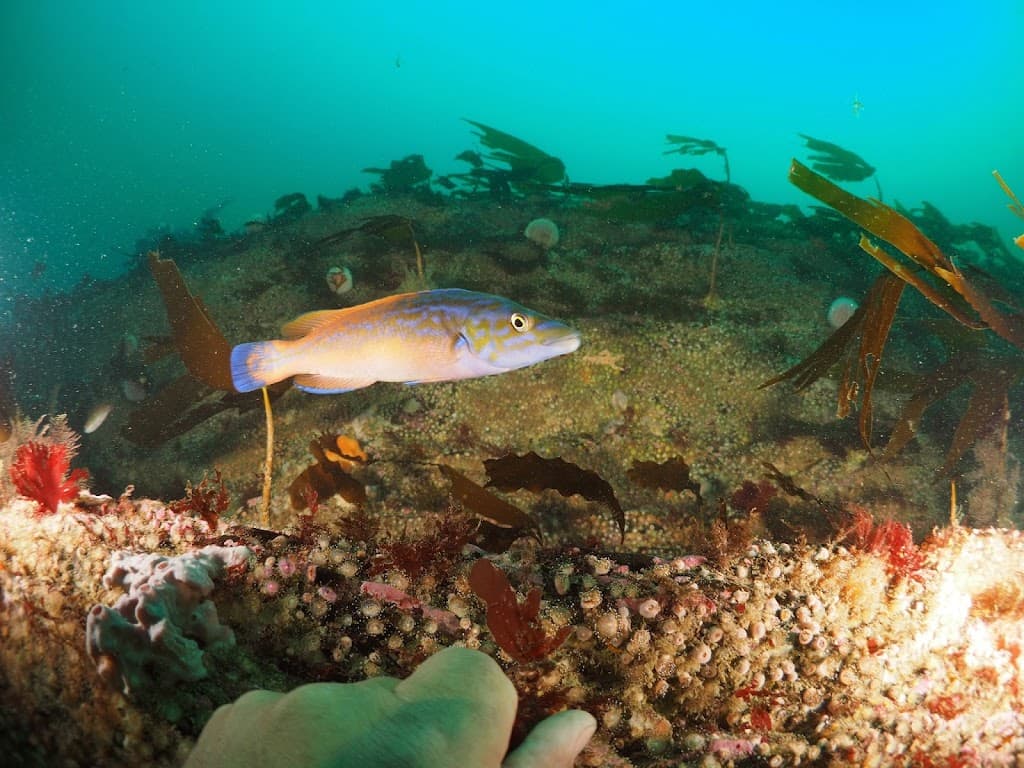
Marine life in Ireland varies across dive locations, with different species appearing depending on environment and conditions. The species highlighted here are the most frequently associated with dive sites in our data, offering a realistic overview of what divers are most likely to encounter.
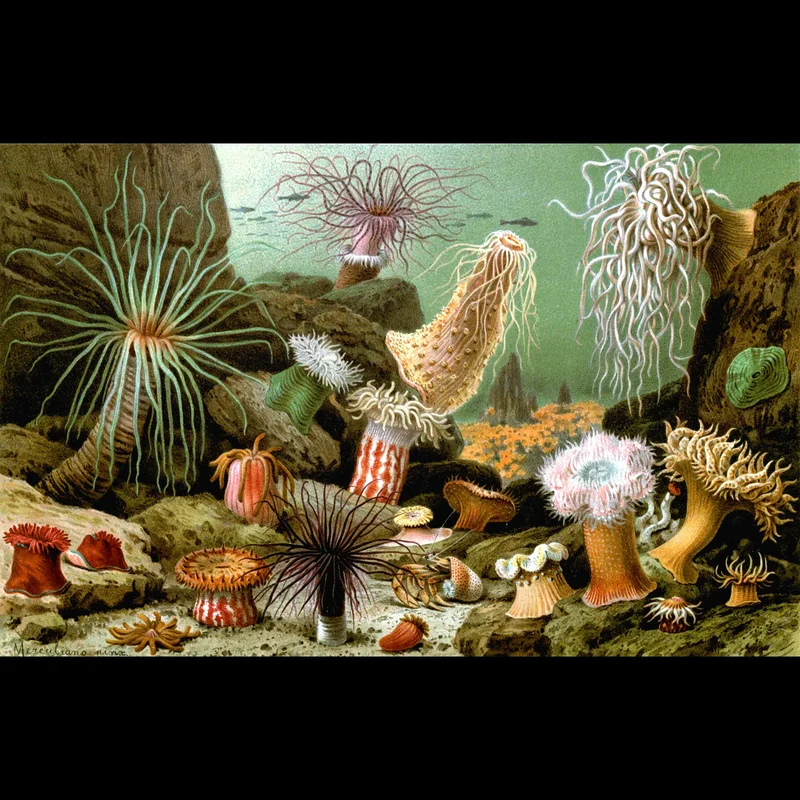
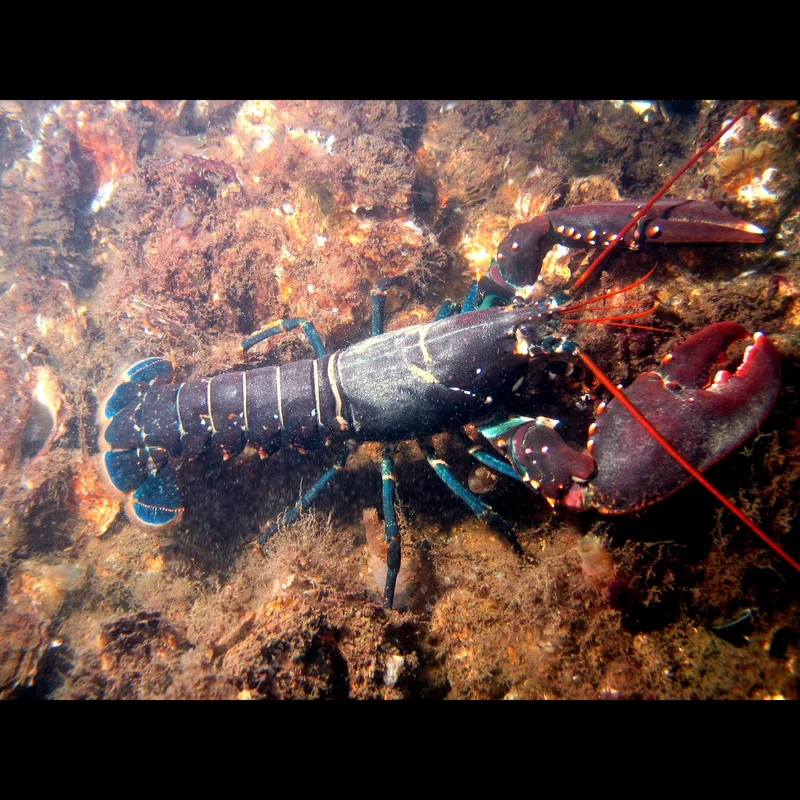
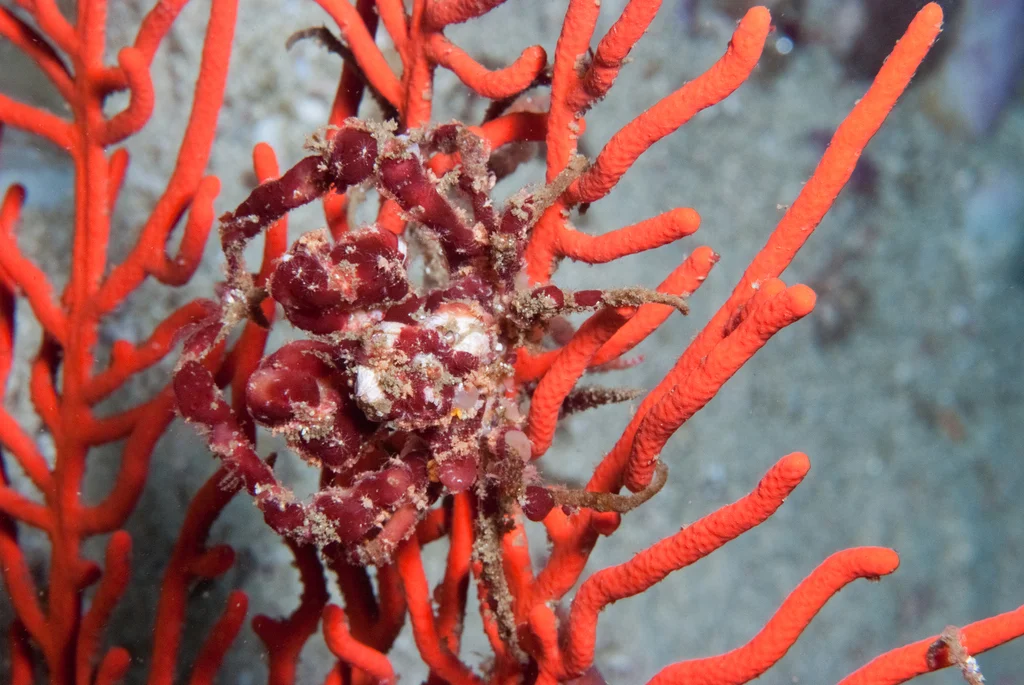
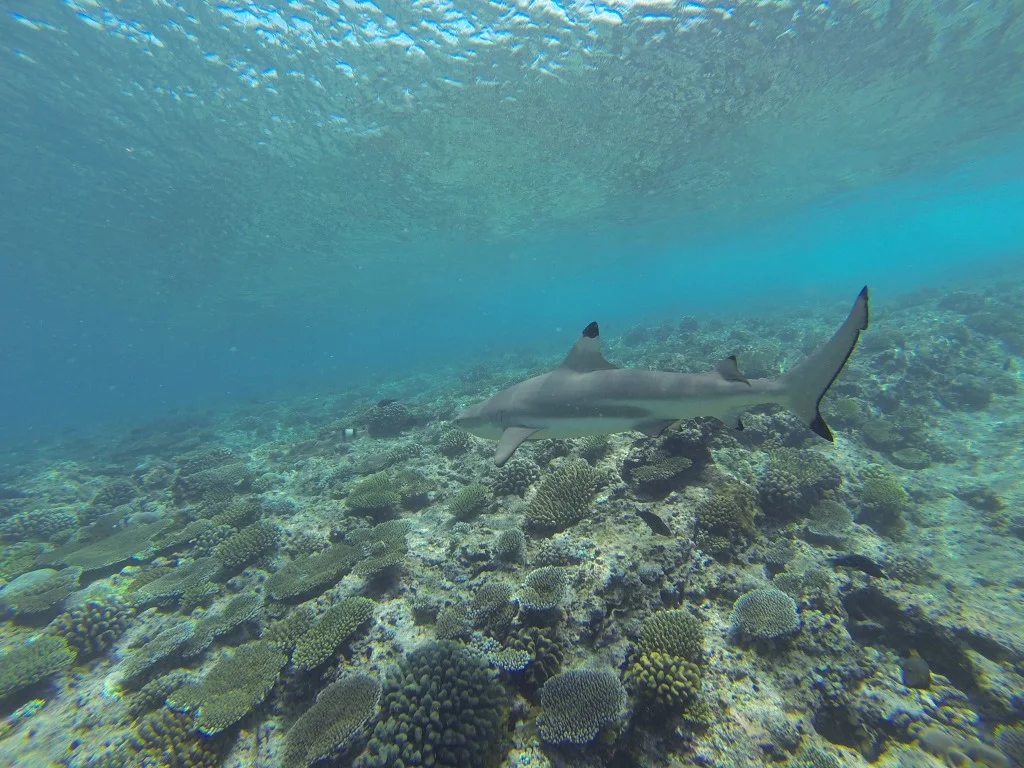
While comprehensive seasonal patterns for marine life in Ireland are not extensively documented, divers can anticipate encounters with a variety of species. Documented sightings include seals, rays, and occasional sharks.
Puffins may also be observed, particularly in areas with underwater caves and walls. This variety suggests a rich ecosystem, though specific seasonal migration or breeding patterns for these species are not widely detailed in available information.
Regions for Diving
Accessing Ireland's dive regions typically begins with international flights into Dublin Airport (DUB). From there, divers can utilize rental cars or domestic flights to reach key areas such as Galway, Clare, and Cork.
These regions, located along Ireland's extensive coastline, offer different diving experiences. The west coast features sites like the Skellig Islands, while other areas, including Connemara, host locations such as Renvyle Beach. Diving activity is primarily concentrated in these identified coastal zones.
Travel & Passport Guide
Travel Basics
Trip Planning
Safety & Diving Considerations
Divers considering specific programs for exploring Ireland's waters may encounter requirements for certification and experience. For example, one expedition specifies participants must hold an Advanced Open Water Diver certification.
Additionally, a minimum of 30 logged dives is required, with at least 6 of those dives completed within 12 months of the trip. While general safety guidelines are standard, divers should always confirm specific requirements with their chosen dive operator or expedition.
Dive Centers in Ireland
View all 13 dive centers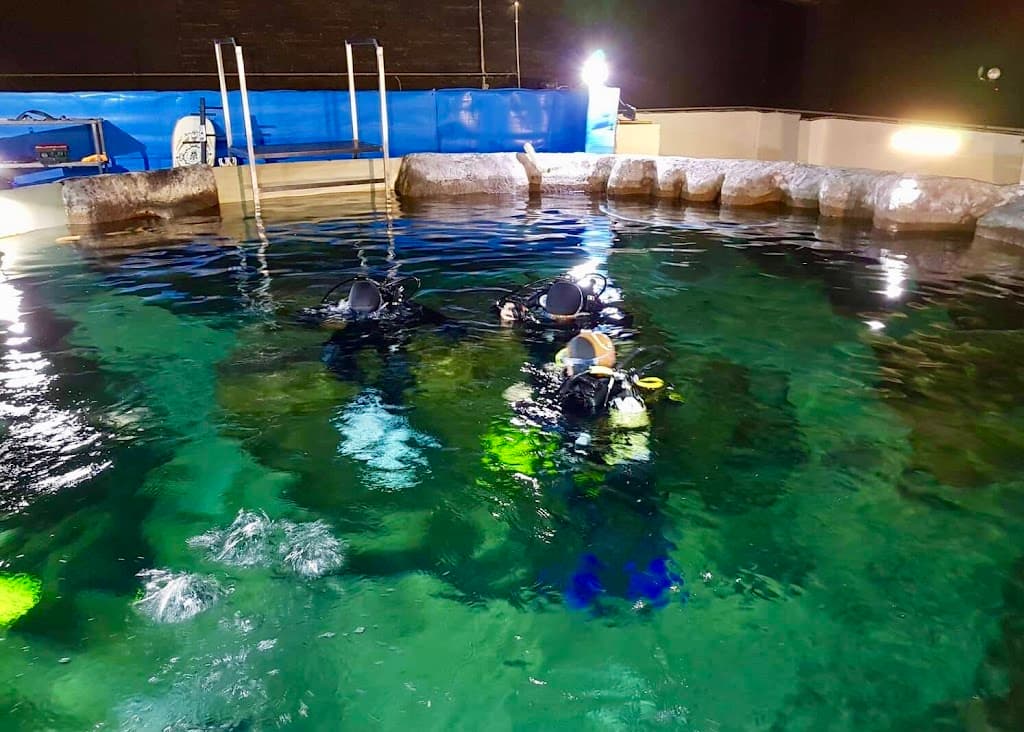
Frequently Asked Questions
What level of diving experience is recommended for Ireland?
Specific programs, such as certain expeditions, recommend an Advanced Open Water Diver certification. Participants often need a minimum of 30 logged dives, with at least 6 of those dives completed within the 12 months prior to the trip.
What type of marine life can be seen while diving in Ireland?
Divers may encounter a variety of marine life, including seals, rays, and occasional sharks. Puffins are also noted, particularly when exploring underwater caves and walls.
How do divers typically access diving regions in Ireland?
Most divers arrive via Dublin Airport (DUB). From Dublin, key diving regions like Galway, Clare, and Cork are accessible by rental car or domestic flights.
Are there many shipwrecks to explore in Ireland?
Ireland's extensive coastline is known for featuring various shipwrecks, which are among the notable dive sites available to explore.