
Diving at Cerianthus 38 MT (Italy)
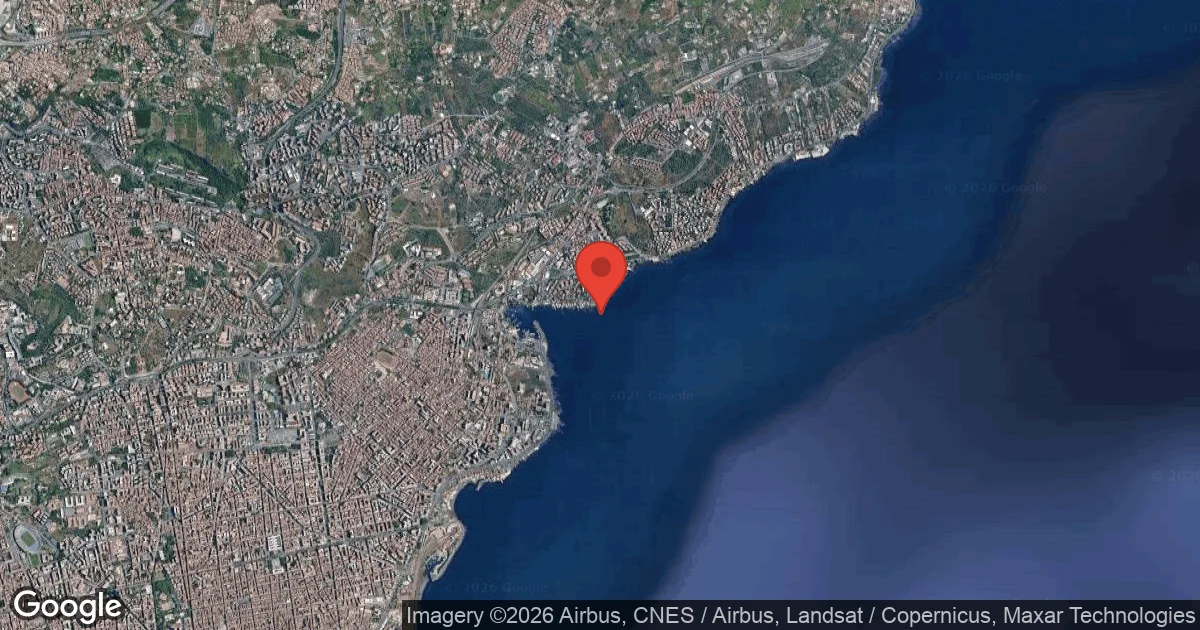
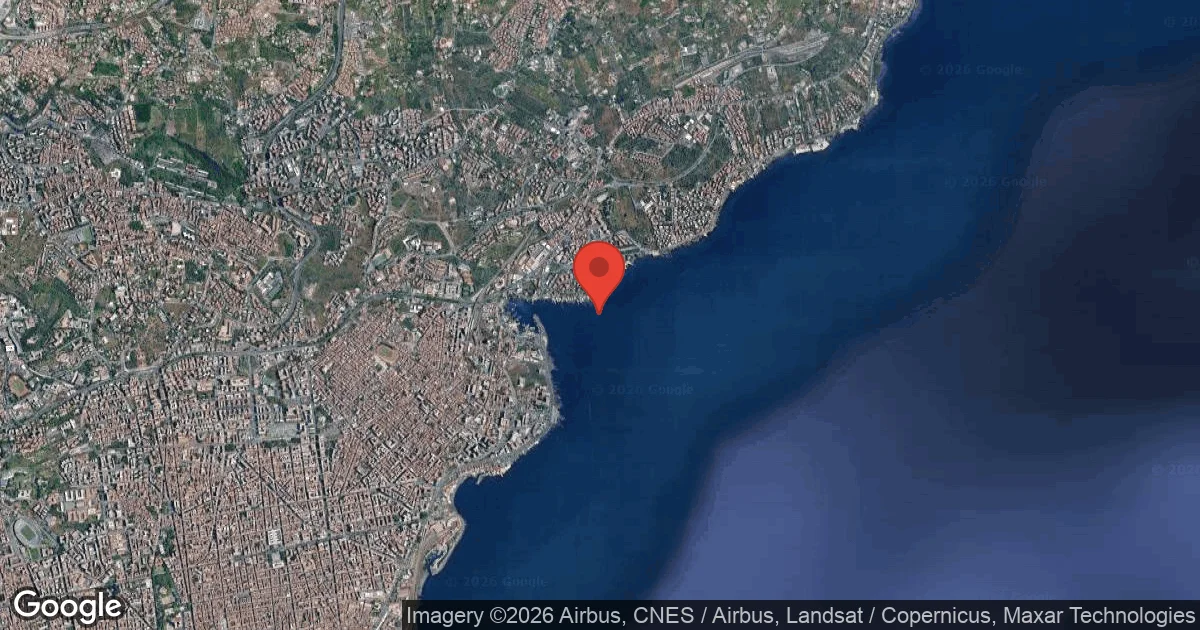
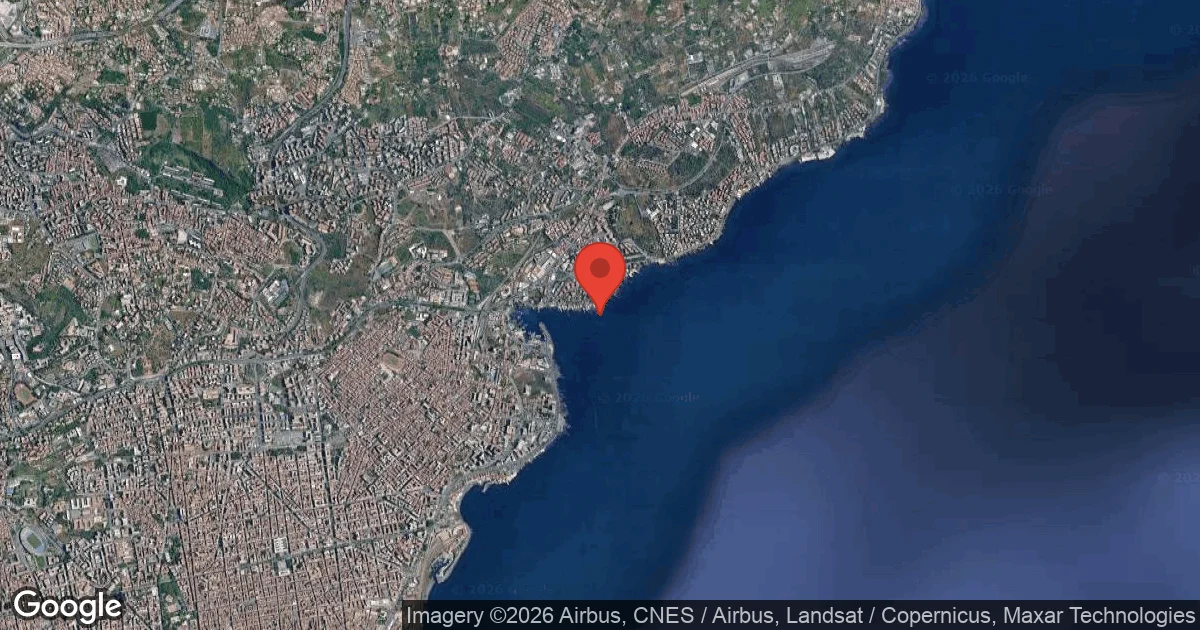
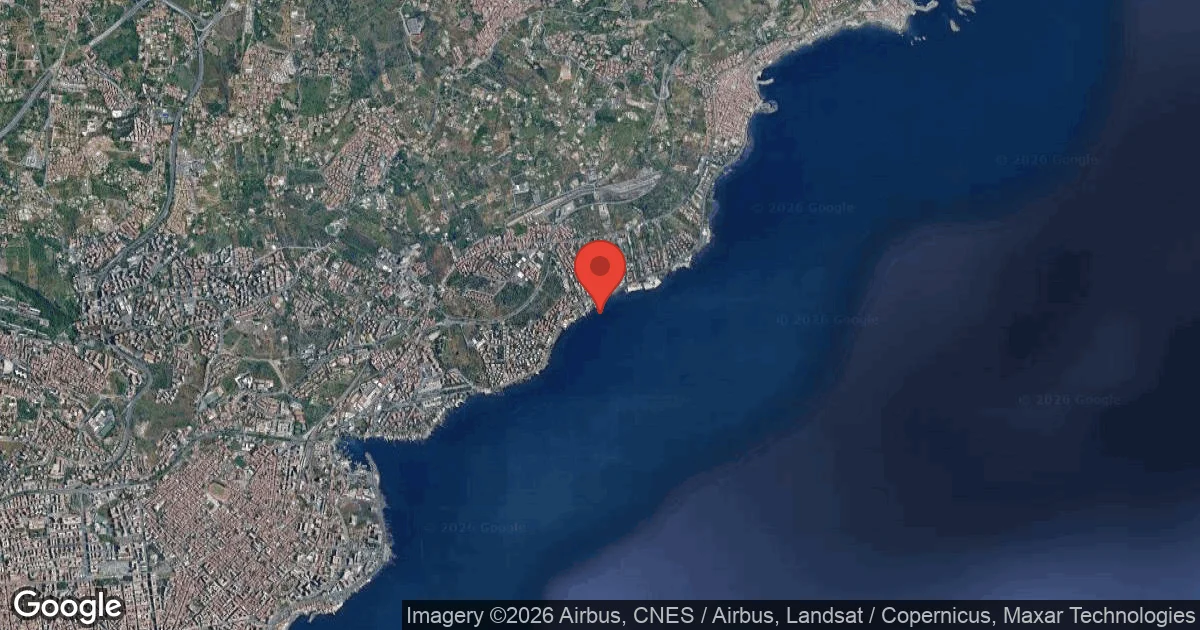
Cerianthus 38 mt presents a notably demanding underwater experience off the coast of Catania, Italy. Dives here challenge divers with significant depth, reaching 38 m (125 ft), and frequently reported strong currents. It's designed for those ready to navigate a mixed terrain of volcanic rock and sand, leading to a spectacular encounter with the site's namesake anthozoans.
Tonight's objective overview for Cerianthus 38 MT shows an air temperature of 22.5°C. The measured surface conditions include wave heights around 0.2 m. This environmental data is logged for the close of the day.
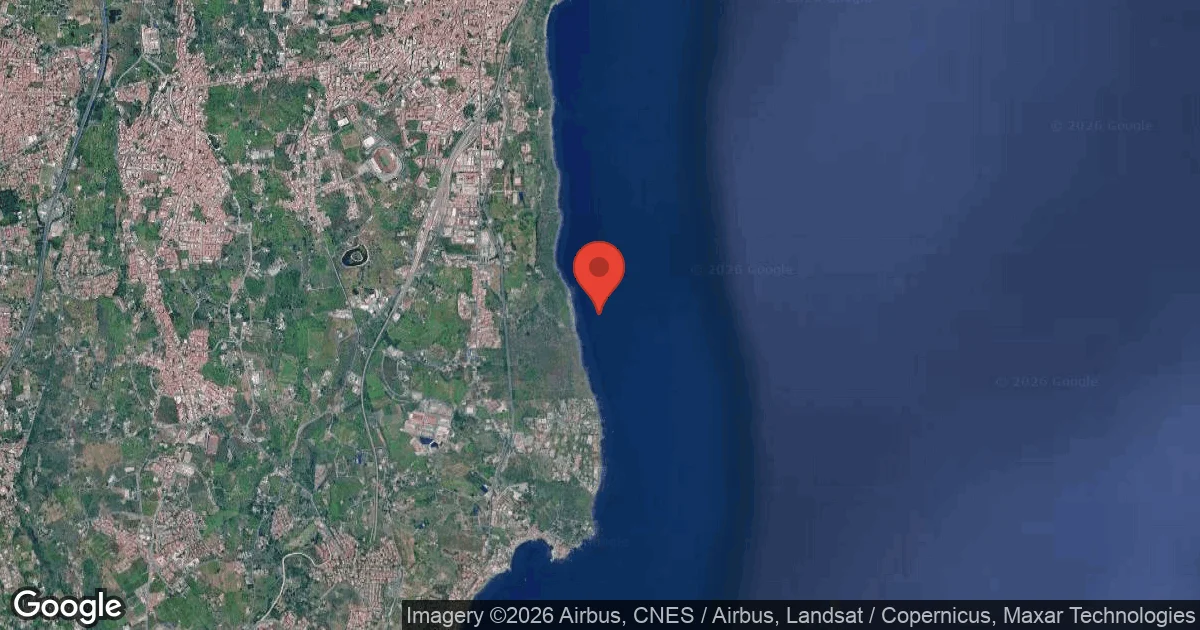
Dive Site Location & Key Facts
Dive Site Overview
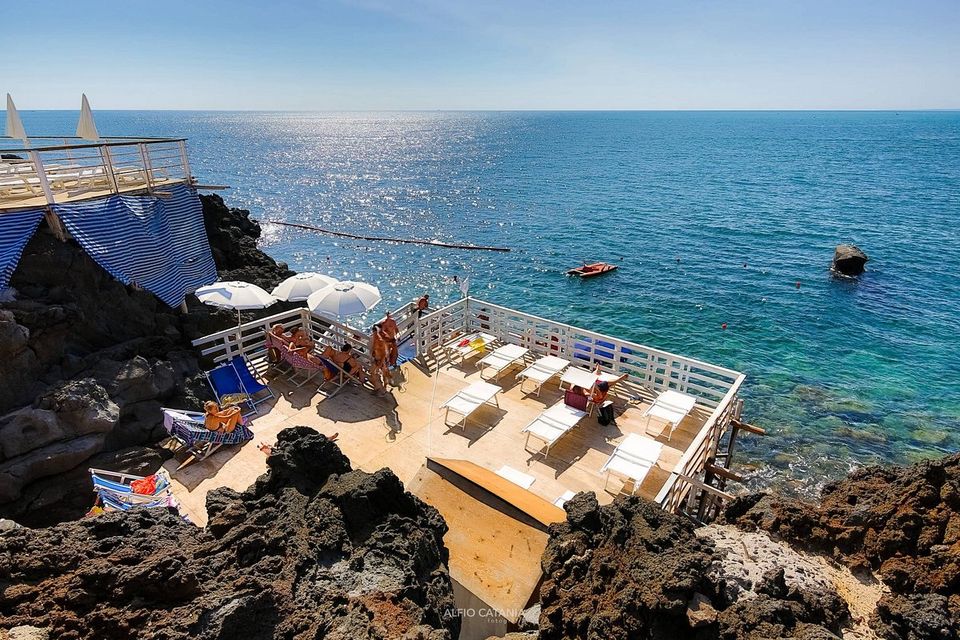
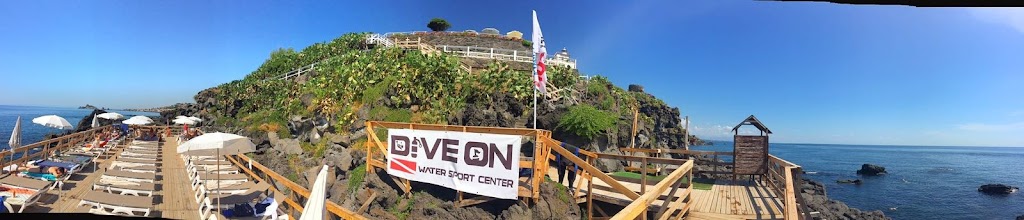
Descending into the bay below a local dive center, divers will initiate a gradual slope towards a distinct rocky wall. An initial segment, resting around 15 m (49 ft) deep, provides a relatively calm start before the true challenge begins.
From this point, the dive transitions into a more significant descent, extending towards a wide sandy bottom. Here, at depths reaching 38 m (125 ft), Cerianthus typically unfurls its delicate tentacles, creating a striking visual against the seabed.
Observing this captivating phenomenon often occurs during night dives, adding an extra layer of allure and unique challenge. Underwater, the landscape notably varies throughout the descent, shifting between ancient, dark lava rock formations clinging to the wall and expansive, lighter sandy patches below.
Navigating this dynamic environment demands attention, especially with the potential for persistent currents that can test a diver's finning technique and buoyancy control. Engagement with a challenging yet profoundly rewarding Mediterranean ecosystem defines this site, rather than passive observation. Divers will feel immersed in a wild, untamed environment, compelling for experienced explorers.
Conditions are Good
07:00 - 14:00
Optimal conditions expected
Current conditions near Cerianthus 38 MT show 22° air, 28° sea temperature, 0.3 m waves, and 23 km/h wind. Forecast data is refreshed regularly to ensure accuracy.
Best Time to Dive
For optimal conditions and good visibility, planning your dive between June and August is advisable, when the dive score consistently rates as 'Excellent'. During these months, air temperatures are comfortably high, averaging 25-29°C (77-84°F), with minimal rainfall, typically less than 1 mm (0.04 in). Wave heights are also at their lowest, around 0.3-0.4 m (1-1.3 ft), suggesting calmer surface conditions. While specific water temperature data isn't consistently reported, these calmer, warmer months generally offer the clearest water and most pleasant diving environment. Even outside this peak, months like April, May, September, and October still provide 'Good' dive conditions with slightly cooler air temperatures and moderate wave activity.
PEAK SEASON SCORE
Scores combine air & water temps, waves, wind & rainfall for overall conditions.
BEST MONTHS TO DIVE
Monthly records compiled from satellite and marine observation nodes over the last 3 years. Data provided by Open-Meteo and MET Norway.
Dive Experience & Conditions
A noticeable current often marks the start of the descent into Cerianthus 38 mt, presenting a consistent challenge from the surface down to the seabed. Divers will feel the water's push, requiring good buoyancy control and streamlined movement to progress efficiently. Visually, a rocky wall defines the journey, transitioning into a sand and lava rock mix at deeper levels, creating a distinct textural contrast. Reaching the sandy expanse at 38 m (125 ft) where the Cerianthus are found represents a key highlight. Expect a colder thermocline at this deep environment, particularly at maximum depth. Overall, the sensation is one of immersion in a wild, untamed marine environment where preparedness for dynamic conditions is key.
Dive Difficulty & Safety Guidelines
Diving at Cerianthus 38 mt requires careful planning and a high level of preparedness due to the site's inherent challenges. Consistent currents, both on the surface and during descent, necessitate strong swimming skills and effective current diving techniques. Given the maximum depth of 38 m (125 ft), an Advanced Open Water Diver certification with a Deep Diving specialty is highly recommended, or indeed mandatory, to safely manage bottom times and decompression limits.
Divers should always prioritize clear communication with their dive guide and strictly adhere to dive profiles. A surface line may be deployed to assist with safe descent and ascent, particularly in strong currents.
Recommended Equipment
- Dive Computer
This gear list is based on verified equipment signals for Cerianthus 38 MT, Italy. Always confirm final gear choices with your dive operator, guide, or liveaboard.
Recommended Dive Suit
2-3mm shorty or light wetsuit is often considered an appropriate level of exposure protection for conditions like these. Surface intervals may feel cooler.
Current readings at Cerianthus 38 MT show water temperatures near 28°C (82°F). Surface air temperatures are resting at 22°C (72°F).
Environmental models indicate a modest warming trend ahead. A warming trend is expected over the next few days.
Emergency & Medical Support
Essential information to help you plan your dive trip to Cerianthus 38 mt.

Hyperbaric chambers are a critical part of dive safety infrastructure. Availability varies significantly by region, and not all dive areas have immediate access.
Before diving, it's recommended to:
- confirm nearest medical facilities
- check emergency procedures with local dive operators
- ensure dive insurance covers evacuation if required
Divers Alert Network
Diving emergency assistance available through DAN Europe.
+39 0642115685- 24/7 emergency hotline
- Diving medical assistance
- Evacuation coordination
Emergency contacts are provided for reference. Always verify local emergency services before diving.
Closest Listed Hyperbaric Chambers
Showing listed hyperbaric chamber facilities within 200 km of this dive site.
Distances are approximate straight-line distances and may not reflect emergency travel time.
Azienda Ospedaliera per l' Emergenza Cannizzaro
24/7 ListedICU CapableCatania, Italy•Approx. 1 km straight-line
Azienda Ospedaliera per l' Emergenza Cannizzaro
24/7 ListedICU CapableInformation is provided for reference and planning purposes only. Dive Navigator does not verify operational status, staffing, availability, or quality of care at listed facilities. In an emergency, contact local emergency services, DAN, your dive operator, or the chamber directly. Do not travel to a facility without calling ahead.
Policlinico di Messina
Messina, Italy•Approx. 77 km straight-line
Policlinico di Messina
Information is provided for reference and planning purposes only. Dive Navigator does not verify operational status, staffing, availability, or quality of care at listed facilities. In an emergency, contact local emergency services, DAN, your dive operator, or the chamber directly. Do not travel to a facility without calling ahead.
Centro Iperbarico di Lipari
24/7 ListedICU CapableLipari (ME), Italy•Approx. 104 km straight-line
Centro Iperbarico di Lipari
24/7 ListedICU CapableInformation is provided for reference and planning purposes only. Dive Navigator does not verify operational status, staffing, availability, or quality of care at listed facilities. In an emergency, contact local emergency services, DAN, your dive operator, or the chamber directly. Do not travel to a facility without calling ahead.
Marine Life at Cerianthus 38 MT
Primarily, the spectacular Cerianthus draw divers here, delicate anthozoans that typically unfurl on the sandy bottom, particularly during night dives. Beyond these captivating creatures, divers often observe groups of Saraghi (Diplodus) and larger Ricciole (Seriola dumerili) cruising through deeper water.
Encounters with Vacchette di Mare (Peltodoris atro maculata) are also common. Keep an eye out for bottom dwellers like Aquile di Mare (Myliobatis Aquila) and Triglie (Mullus), while larger Murene (Muraenidae) might be spotted among rocky crevices, adding to the site's rich biodiversity.

Dive Sites Near Cerianthus 38 MT
View all dive sites in ItalyDiscover more underwater gems in this area.
Dive Centers Near Cerianthus 38 MT
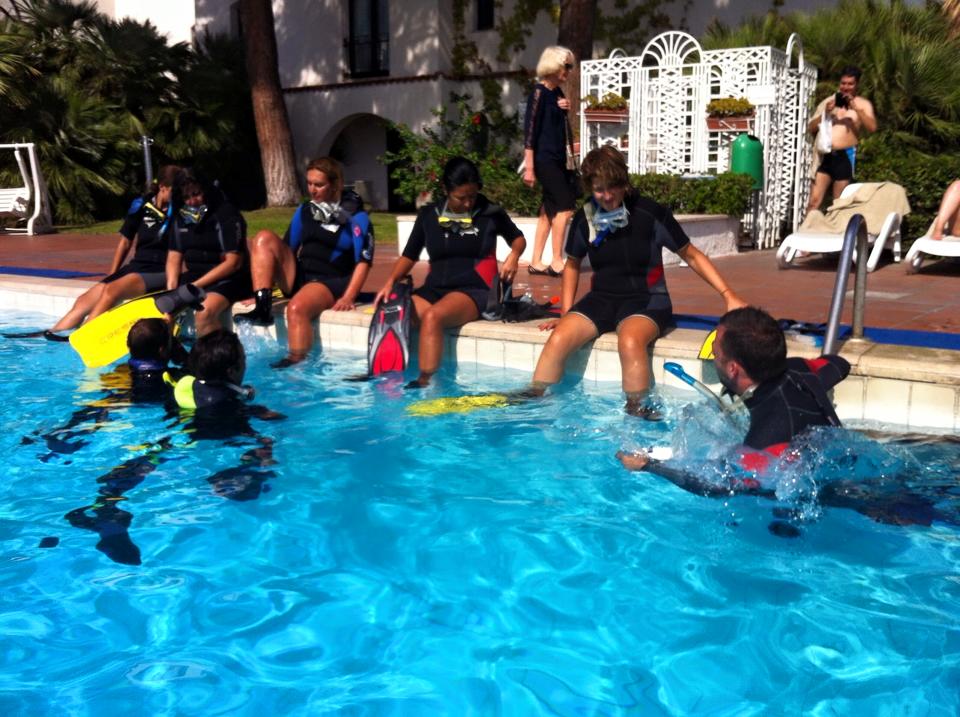
Today: 09:00 - 21:00

Nearest Airports
Nearest airports to help plan travel to this dive area.
Search Flights
Check available flights and routes on Expedia, using the nearby airports listed in this section.
Search Flights on ExpediaFrequently Asked Questions
What is the maximum depth at Cerianthus 38 mt?
A maximum depth of 38 meters (125 feet) is reached at the dive site, where Cerianthus are typically observed. Such depth makes it suitable for advanced divers with appropriate training.
Are there strong currents at Cerianthus 38 mt?
Yes, frequent and consistent currents are reported both on the surface and during the descent. Divers should be prepared for challenging conditions and possess good current diving skills.
What type of underwater environment can I expect?
Featuring a varied underwater landscape, the site transitions from a rocky wall near the surface to a mixed bottom of lava rock and sand at deeper levels. Offering a diverse habitat, the environment supports various marine life.
What marine life is commonly seen here?
Divers often encounter Cerianthus, Saraghi, Ricciole, and Vacchette di Mare. Additionally, sightings of Aquile di Mare, Triglie, and large Murene are possible, especially near the varied bottom.
What certification level is recommended for this dive?
Due to the depth and currents, an Advanced Open Water Diver certification is recommended. A Deep Diving specialty is also advised to safely manage the dive profile.
Is night diving a possibility at Cerianthus 38 mt?
Yes, night dives are particularly recommended as spectacular Cerianthus are often more open and visible during these times. They add an exciting dimension to the dive experience.
When is the best time of year to dive Cerianthus 38 mt?
June, July, and August offer the best conditions, with excellent dive scores, warm air temperatures, and minimal rain and waves. Other 'Good' months include April, May, September, October, and November.
Planning to dive Cerianthus 38 MT?
Send one inquiry and receive offers directly from the best verified local dive operators.
Conditions are Good
07:00 - 14:00
Optimal conditions expected
Current conditions near Cerianthus 38 MT show 22° air, 28° sea temperature, 0.3 m waves, and 23 km/h wind. Forecast data is refreshed regularly to ensure accuracy.