
Diving at Elefante Bianco (Italy)
Elefante Bianco's appeal transcends typical marine life encounters, shifting focus to the raw, ancient geology of its extensive cave system. Divers here prioritize the exploration of submerged passages and the intricate rock formations over observing diverse aquatic species. A testament to Earth's subterranean architecture, it draws those captivated by the unique challenge of deep cave environments.
Recent updates for Elefante Bianco show an air temperature measuring 16°C. Overall water conditions reflect the typical seasonal state for Italy. Please exercise standard safety precautions before entering the water.
Dive Site Location & Key Facts
Dive Site Overview
Elefante Bianco, known as the 'White Elephant' cave, holds a history marked by both tragedy and groundbreaking exploration in Veneto, Italy. Its name originates from geological formations resembling a white elephant.
First recorded exploration in 1971 unfortunately resulted in a diver fatality. Decades later, Eugenio Casati mapped 530 meters (1,739 ft) of the cave, establishing a foundation for future expeditions.
A significant breakthrough occurred in February 2024 when a Polish diving team extended the known depth by over 40 meters (131 ft), pushing the surveyed limits to an impressive 227 meters (745 ft). A significant accomplishment, it reclaimed its title as Italy’s deepest spring from Sorgente del Gorgazzo.
Subsequent exploration revealed a spacious corridor that continues deeper, although navigating beyond the 227-meter mark is complicated by rapidly increasing depth and limited visibility, typically around 4 meters (13 ft) in the deepest sections. The boulder-like topography and extreme depths make it a formidable destination, exclusively for highly trained full cave divers.
Conditions are Excellent
07:00 - 14:00
Optimal conditions expected
Current conditions near Elefante Bianco show 16° air, --° sea temperature, N/A waves, and 7 km/h wind. Forecast data is refreshed regularly to ensure accuracy.
Best Time to Dive
Choosing the optimal time for Elefante Bianco often balances surface comfort with dive readiness. Cooler months, from November through March, consistently show 'Excellent' dive scores, benefiting from lower rain averages ranging from 1.63 mm in December to 4.26 mm in February. This period can contribute to stable surface conditions for operations. Air temperatures during this period are colder, from 4.5°C (40°F) in January to 9.5°C (49°F) in March, requiring substantial surface gear. Conversely, summer months like June and August also achieve 'Excellent' ratings, offering warmer air temperatures averaging 21°C (70°F) to 23°C (73°F) respectively, though with slightly higher rainfall in some months. While specific water temperatures aren't consistently reported, divers should prepare for consistently cold conditions typical of a deep cave environment, regardless of the season.
PEAK SEASON SCORE
Scores combine air & water temps, waves, wind & rainfall for overall conditions.
BEST MONTHS TO DIVE
Monthly records compiled from satellite and marine observation nodes over the last 3 years. Data provided by Open-Meteo and MET Norway.
Dive Experience & Conditions
Entering Elefante Bianco immediately immerses divers into a demanding overhead environment, requiring advanced training and meticulous preparation. Characterized by boulder topography and significant depth, the cave system is demanding. Reported depths for general access can reach up to 186 meters (610 ft), although recent explorations have extended to 227 meters (745 ft). Visibility varies within the cave, often diminishing to around 4 meters (13 ft) in the deepest known sections, adding a layer of complexity to navigation and task loading. This site unequivocally targets full cave divers, as its extreme depth and complex structure extend far beyond recreational limits. Conditions inside remain cold and dark, typical of such a subterranean system.
Dive Difficulty & Safety Guidelines
Diving at Elefante Bianco demands an uncompromising approach to safety, as its extreme depth and overhead environment present considerable risks. A challenging history marks the site, including a fatality during its initial exploration. Divers must be highly proficient full cave certified, with extensive experience in deep, complex systems.
Meticulous planning, redundant equipment, and stringent gas management protocols are not merely recommended but are absolutely essential. Recent expeditions underscore the level of preparation required, involving the installation of safety ropes and the removal of old, broken guide lines from far-reaching sections. Teamwork and clear communication are paramount for navigating this challenging environment safely.
Recommended Equipment
- Dive Computer
This gear list is based on verified equipment signals for Elefante Bianco, Italy. Always confirm final gear choices with your dive operator, guide, or liveaboard.
Recommended Dive Suit
Conditions may fluctuate slightly depending on wind and weather patterns. A warming trend is expected over the next few days.
Even in warm destinations, extended dives can gradually draw heat away from the body. Surface intervals may feel noticeably cooler once you exit the water.
Based on regional estimates and current weather, the likely required exposure protection is a 5mm or thicker wetsuit. Note that local currents and upwellings can alter this. A thermal robe or jacket is recommended between dives. Because recent water temperature readings are not available for Elefante Bianco, the guidance below is based mainly on current air conditions and seasonal expectations. Current surface air temperatures are roughly 16°C (61°F).
Emergency & Medical Support
Essential information to help you plan your dive trip to Elefante Bianco.

Hyperbaric chambers are a critical part of dive safety infrastructure. Availability varies significantly by region, and not all dive areas have immediate access.
Before diving, it's recommended to:
- confirm nearest medical facilities
- check emergency procedures with local dive operators
- ensure dive insurance covers evacuation if required
Divers Alert Network
Diving emergency assistance available through DAN Europe.
+39 0642115685- 24/7 emergency hotline
- Diving medical assistance
- Evacuation coordination
Emergency contacts are provided for reference. Always verify local emergency services before diving.
Closest Listed Hyperbaric Chambers
Showing listed hyperbaric chamber facilities within 200 km of this dive site.
Distances are approximate straight-line distances and may not reflect emergency travel time.
OTI Medicale Vicenza
24/7 ListedICU CapableTORRI DI QUARTESOLO (VI), Italy•Approx. 39 km straight-line
OTI Medicale Vicenza
24/7 ListedICU CapableInformation is provided for reference and planning purposes only. Dive Navigator does not verify operational status, staffing, availability, or quality of care at listed facilities. In an emergency, contact local emergency services, DAN, your dive operator, or the chamber directly. Do not travel to a facility without calling ahead.
Servizio di Ossigeno Terapia Iperbarica "Renato Moroni"
24/7 ListedICU CapableBrescia, Italy•Approx. 118 km straight-line
Servizio di Ossigeno Terapia Iperbarica "Renato Moroni"
24/7 ListedICU CapableInformation is provided for reference and planning purposes only. Dive Navigator does not verify operational status, staffing, availability, or quality of care at listed facilities. In an emergency, contact local emergency services, DAN, your dive operator, or the chamber directly. Do not travel to a facility without calling ahead.
CENTRO IPERBARICO BOLOGNA
ICU CapableBOLOGNA, Italy•Approx. 150 km straight-line
CENTRO IPERBARICO BOLOGNA
ICU CapableInformation is provided for reference and planning purposes only. Dive Navigator does not verify operational status, staffing, availability, or quality of care at listed facilities. In an emergency, contact local emergency services, DAN, your dive operator, or the chamber directly. Do not travel to a facility without calling ahead.
Marine Life at Elefante Bianco
What you first notice inside Elefante Bianco is the distinct lack of abundant marine life, steering the diver's attention towards the geological marvels instead. Unique formations and vast, boulder-laden passages within the cave become the primary points of interest.
While life may be sparse, the sheer scale and structural complexity of this subterranean world offer a profoundly different kind of natural wonder. Divers visit to experience the geological journey and the challenge of deep cave exploration, rather than a vibrant ecosystem.
Dive Centers Near Elefante Bianco

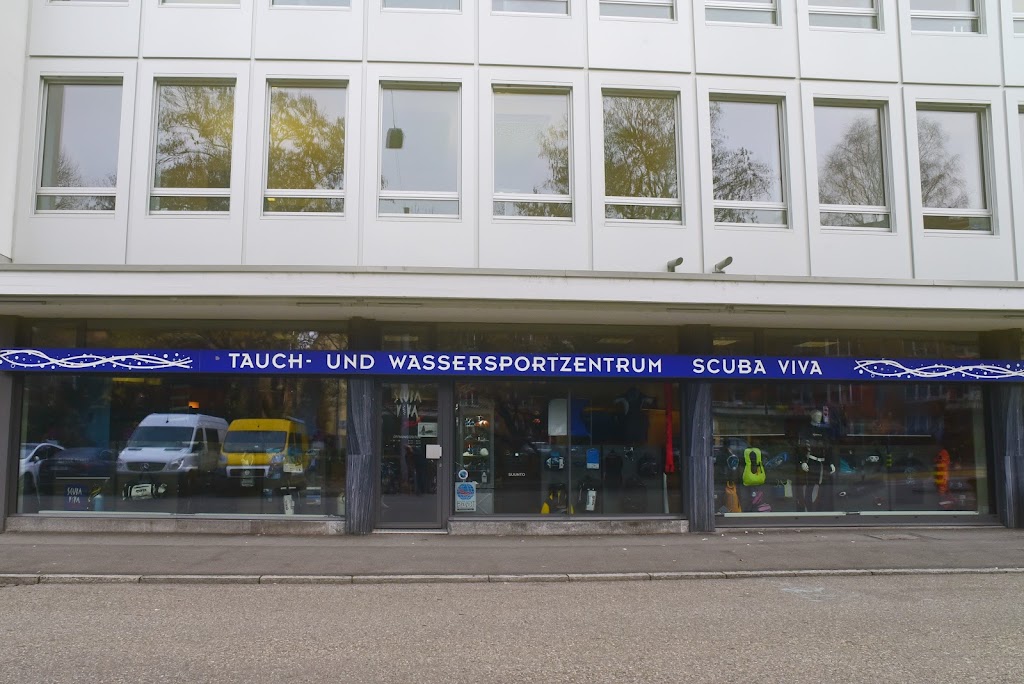
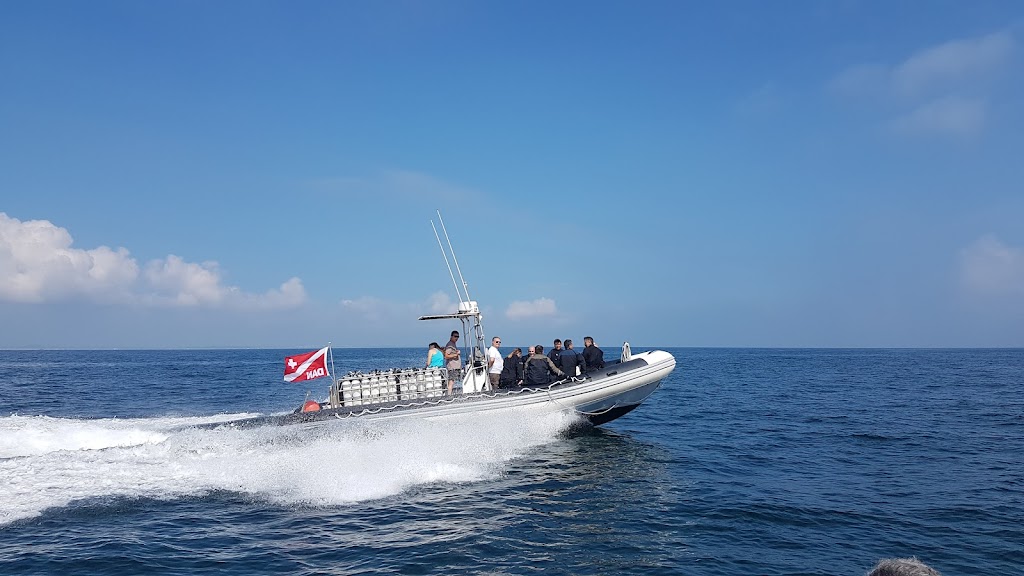
Nearest Airports
Nearest airports to help plan travel to this dive area.
Search Flights
Check available flights and routes on Expedia, using the nearby airports listed in this section.
Search Flights on ExpediaFrequently Asked Questions
What is the maximum known depth of Elefante Bianco?
Recent explorations in February 2024 extended the known depth of Elefante Bianco to 227 meters (745 ft). This makes it Italy's deepest spring cave.
Is Elefante Bianco suitable for recreational divers?
No, Elefante Bianco is an extreme overhead environment with significant depth and complexity. It is exclusively for highly experienced and certified full cave divers.
What kind of visibility can be expected inside the cave?
Visibility varies but can be limited, especially in the deepest sections of the cave. Divers should prepare for conditions where visibility may drop to about 4 meters (13 ft).
Who first explored Elefante Bianco?
The first recorded exploration of Elefante Bianco was in 1971 by Gaetano Starabba. Eugenio Casati later charted its only existing map after diving 530 meters (1,739 ft) from the entrance.
What are the key hazards at Elefante Bianco?
Primary hazards include an overhead environment, extreme depths requiring advanced gas management, and potentially limited visibility. Such factors significantly increase complexity and risk.
When is the best time to dive Elefante Bianco?
Optimal dive scores are recorded year-round, though conditions vary. Cooler months, from November to March, offer excellent dive scores with lower rain and colder air temperatures. Summer months also present good conditions with warmer air temperatures, despite slightly higher rainfall.
Planning to dive Elefante Bianco?
Send one inquiry and receive offers directly from the best verified local dive operators.
Conditions are Excellent
07:00 - 14:00
Optimal conditions expected
Current conditions near Elefante Bianco show 16° air, --° sea temperature, N/A waves, and 7 km/h wind. Forecast data is refreshed regularly to ensure accuracy.