
Diving at Mikomoto Island (Japan)
Mikomoto Island's underwater environment is characterized by dynamic currents that create an exciting, yet demanding, dive experience. This small, rocky, uninhabited island, located off the southern coast of Japan's Izu Peninsula, draws experienced divers seeking significant pelagic encounters. Its powerful currents, shaped by the Kuroshio Current, are the primary factor influencing both conditions and the seasonal abundance of marine life, particularly schooling hammerhead sharks.
Tonight's objective overview for Mikomoto Island shows an air temperature of 25°C. The measured surface conditions include wave heights around 2.8 m. This environmental data is logged for the close of the day.
Dive Site Location & Key Facts
Dive Site Overview
Mikomoto Island's underwater landscape mandates drift diving, an essential technique for navigating its powerful and intricate current systems. A small, rocky, uninhabited outpost, it sits a 15-20 minute boat ride from Shimoda.
Recognized for challenging conditions, it also offers exceptional opportunities for large pelagic sightings, particularly schooling hammerhead sharks. Currents here are consistently strong, with directions and intensities often changing. Maximum depths reach 30 m (100 ft) for recreational divers.
A major ocean current, the Kuroshio, profoundly influences these waters, delivering warm, clear tides that sustain a diverse and vibrant marine ecosystem around the island. Precise navigation and team awareness are critical for every dive.
Dive operations often involve repositioning the boat between drifts, highlighting the site's unique logistical demands. High visibility is a common characteristic, largely thanks to the steady flow of clear water.
Conditions are Unsafe
High Swell Advisory. Not recommended.
Current conditions near Mikomoto Island show 25° air, 26° sea temperature, 2.8 m waves, and 57 km/h wind. Forecast data is refreshed regularly to ensure accuracy.
Best Time to Dive
If spotting schooling hammerhead sharks is your priority, plan your visit between July and October. This period generally aligns with warmer water temperatures, typically above 20°C (68°F), which these sharks favor. The Kuroshio Current significantly influences local water temperatures, often raising them sufficiently during these months. Air temperatures during peak months like July average around 26.5°C (80°F), with August seeing averages near 28°C (82°F). Rainfall is moderate during these months, averaging between 2.5-6.0mm. Outside this window, particularly from November through June, dive scores are consistently reported as Poor, with higher wave heights and stronger winds making conditions less predictable.
PEAK SEASON SCORE
Scores combine air & water temps, waves, wind & rainfall for overall conditions.
BEST MONTHS TO DIVE
Monthly records compiled from satellite and marine observation nodes over the last 3 years. Data provided by Open-Meteo and MET Norway.
Dive Experience & Conditions
Upon entry, divers will quickly encounter the prevailing conditions, often involving drift diving due to the strong, complex currents. Current directions frequently change; ebb currents primarily flow east, while flood currents move west. Some areas, particularly on the east and south sides like Kamene and Jyabune, experience powerful currents capable of flowing up to 5 km/hr (3 knots) for extended periods. Shallower sections such as Enoguchi, located on the west, can offer calmer inner areas, though divers must remain cautious of fishing parties. Recreational depths reach a maximum of 30 m (100 ft). Visibility is often good thanks to the clear tides brought by the Kuroshio Current.
Dive Difficulty & Safety Guidelines
Diving Mikomoto Island requires a strong foundation of skills and experience due to the variable and sometimes intense currents. Operators typically require divers to have logged at least 30 to 50 dives. Your last dive should have occurred within the past year; if it's been over three months, a refresh dive is necessary.
All divers must carry their own signal float and dive computer. Maximum dive depth is set at 30 m (100 ft), with a total dive time not exceeding 35 minutes, including safety stops.
The dive team must ascend if any diver's tank pressure drops to 70 bar (1000 psi). For divers 60 years or older, a doctor's certificate verifying fitness for scuba diving is mandatory.
Recommended Equipment
Deep dive hazard. Increased narcosis and gas consumption risk.
Current and surface separation risk. Local briefing strongly recommended.
- Dive Computer
- DSMB
- Primary & Backup Lights
- Reel / Spool
This gear list is based on verified equipment signals for Mikomoto Island, Japan. Always confirm final gear choices with your dive operator, guide, or liveaboard.
Recommended Dive Suit
Individual comfort in the water can vary significantly from diver to diver, even under the same conditions.
For most recreational dives, 3mm wetsuit should provide comfortable protection. Strong winds are present; please take strong precautions against rapid cooling during surface intervals. Forecast conditions over the next few days suggest temperatures will remain relatively stable.
Current temperature readings suggest that the water at Mikomoto Island is around 26°C (78°F). Surface air temperatures are resting at 25°C (77°F).
Emergency & Medical Support
Essential information to help you plan your dive trip to Mikomoto island.

Hyperbaric chambers are a critical part of dive safety infrastructure. Availability varies significantly by region, and not all dive areas have immediate access.
Before diving, it's recommended to:
- confirm nearest medical facilities
- check emergency procedures with local dive operators
- ensure dive insurance covers evacuation if required
Divers Alert Network
Diving emergency assistance available through DAN Japan.
+81338124999- 24/7 emergency hotline
- Diving medical assistance
- Evacuation coordination
Emergency contacts are provided for reference. Always verify local emergency services before diving.
Marine Life at Mikomoto Island
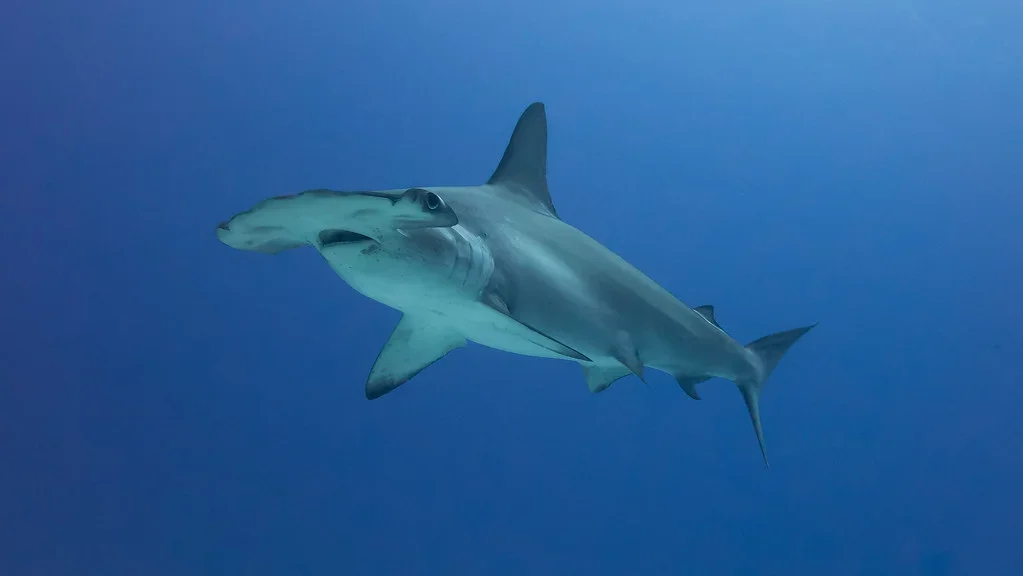
Mikomoto Island is a significant aggregation point for pelagic species, primarily schooling hammerhead sharks. These sharks are frequently observed from June through October, particularly when water temperatures exceed 20°C (68°F).
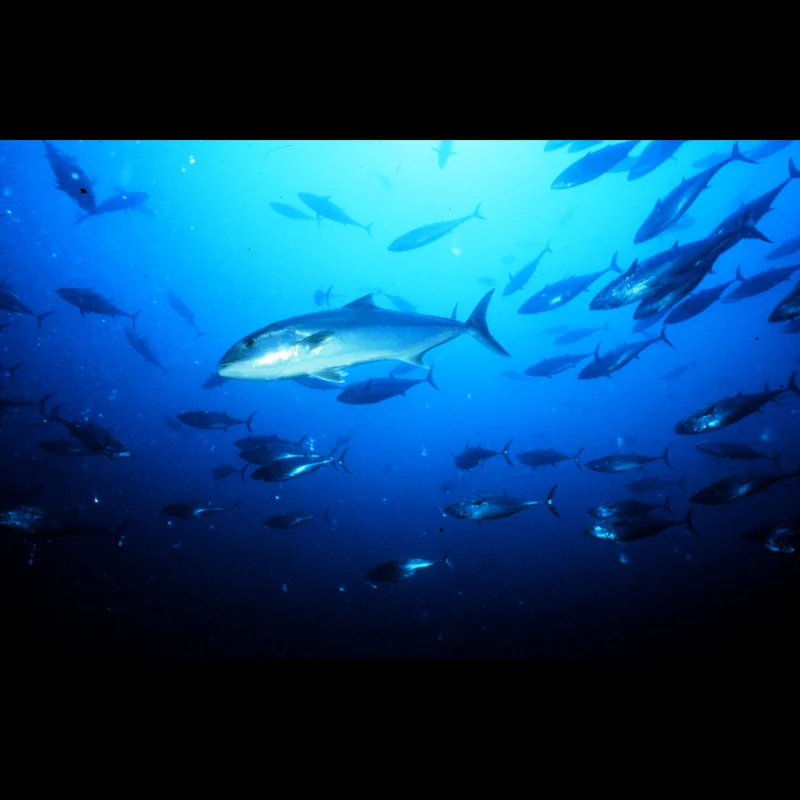
Beyond hammerheads, the dynamic environment also attracts white-eye sharks and wahoo fish. Large migratory fish, such as Japanese amberjack, are often seen schooling here, drawn by the nutrient-rich currents.
The strong Kuroshio Current brings a wide variety of marine life, contributing to a diverse underwater ecosystem despite the challenging conditions.

Dive Centers Near Mikomoto Island
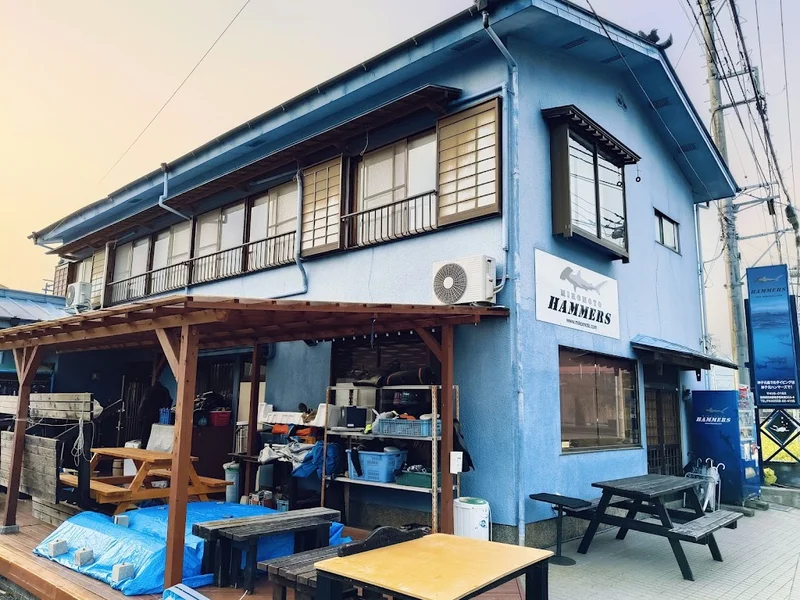
Today: 08:00 - 17:00
Nearest Airports
Nearest airports to help plan travel to this dive area.
Search Flights
Check available flights and routes on Expedia, using the nearby airports listed in this section.
Search Flights on ExpediaFrequently Asked Questions
What is the main attraction at Mikomoto Island?
The primary draw to Mikomoto Island is the opportunity to encounter schooling hammerhead sharks. These impressive pelagics are often seen during the peak season.
Is Mikomoto Island suitable for beginner divers?
No, Mikomoto Island is recommended for experienced divers only. The site is characterized by strong, frequently changing currents and requires advanced diving skills.
What are the minimum dive experience requirements?
Most local operators require divers to have logged at least 30-50 dives. Additionally, your last dive should have been within the past year; a refresh dive is needed if it's been over three months.
What equipment is mandatory for diving here?
All divers must bring their own signal float and dive computer. These items are crucial for safety due to the dynamic conditions.
How deep are the dives at Mikomoto Island?
Dives typically reach a maximum recreational depth of 30 m (100 ft). Average depths across various sites range from 17m to 19m.
How do I get to Mikomoto Island?
Mikomoto Island can be reached by a 4-hour car drive from Tokyo, or a 2.5-3.5 hour train ride to Izukyu Shimoda Station. From Shimoda, a short 15-20 minute boat ride takes you to the dive site.
What is the water temperature like?
During the peak hammerhead season (July-October), water temperatures are generally above 20°C (68°F). The warm Kuroshio Current significantly influences these temperatures.
Planning to dive Mikomoto Island?
Send one inquiry and receive offers directly from the best verified local dive operators.
Conditions are Unsafe
High Swell Advisory. Not recommended.
Current conditions near Mikomoto Island show 25° air, 26° sea temperature, 2.8 m waves, and 57 km/h wind. Forecast data is refreshed regularly to ensure accuracy.