
Diving at Shark Scramble (Japan)
The genesis of Shark Scramble is rooted in a unique conservation initiative, transforming what was once a conflict with local fisheries into a thriving dive site. Ten years ago, abundant banded houndsharks habitually entered fishermen's nets, destroying catches and becoming bycatch themselves. To mitigate this, dive instructor Kan Shiota devised a plan to feed the sharks elsewhere, luring them away from the fishing grounds and establishing this remarkable encounter.
Tonight's objective overview for Shark Scramble shows an air temperature of 24°C. The measured surface conditions include wave heights around 1.6 m. This environmental data is logged for the close of the day.
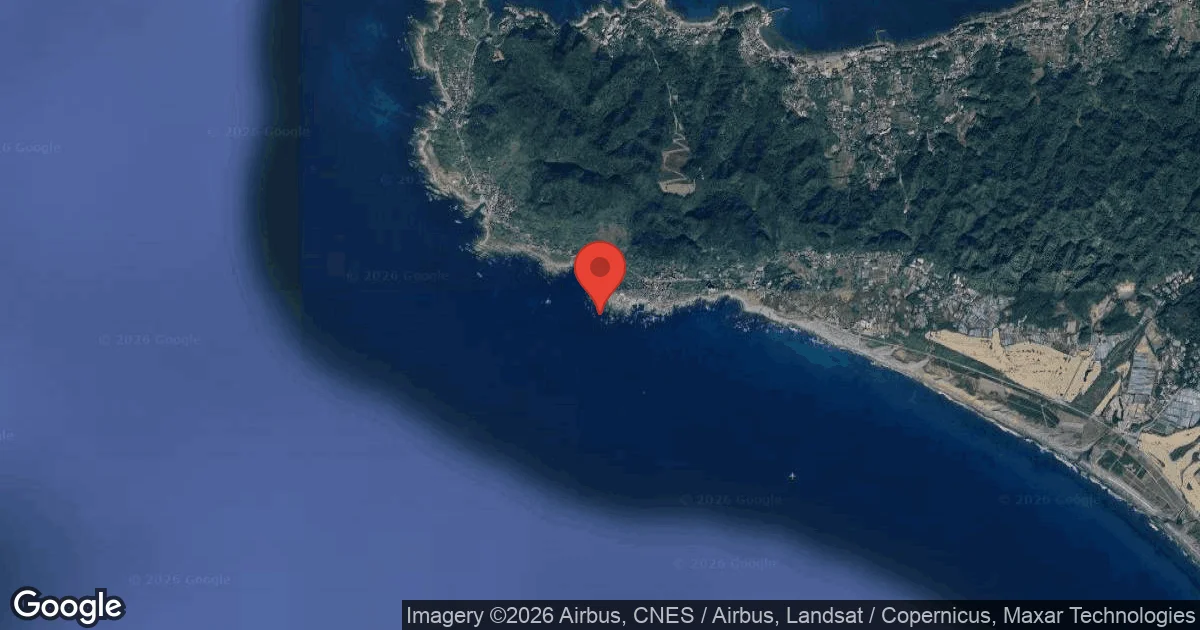
Dive Site Location & Key Facts
Dive Site Overview
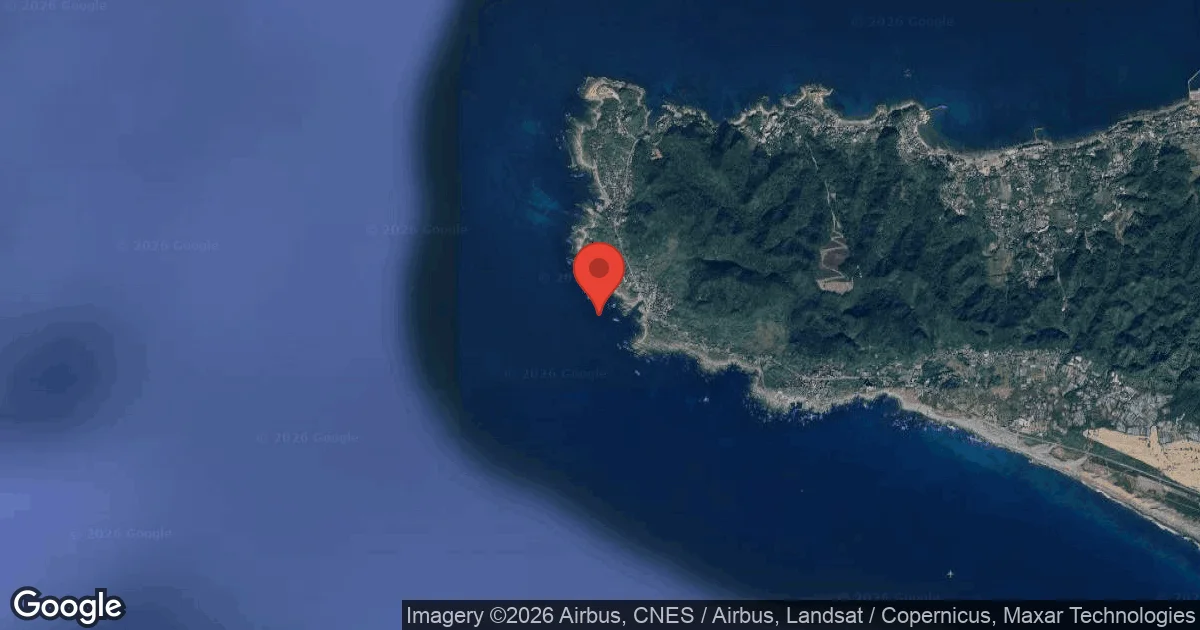
Experience an extraordinary concentration of marine life at Shark Scramble, a site unlike any other in Japan where divers can encounter hundreds of banded houndsharks. Situated just a few hours outside Tokyo in Ito, Chiba Prefecture, this location emerged from a successful ecotourism project designed to protect both the sharks and local fishermen's livelihoods.
Divers often find themselves enveloped in a dynamic scene of 50-100 houndsharks, which gather around a feeding box filled with mackerel. While baiting can be a contentious practice, here it serves as a critical conservation strategy, diverting sharks from damaging fishing nets. The dive occurs primarily at depths around 25 m (82 ft), making it accessible for advanced recreational divers.
This proactive approach has cultivated a vibrant underwater experience, drawing visitors to witness this dense aggregation of elasmobranchs.
Conditions are Poor
High Swell Advisory. Not recommended.
Current conditions near Shark Scramble show 24° air, 27° sea temperature, 2.7 m waves, and 41 km/h wind. Forecast data is refreshed regularly to ensure accuracy.
Best Time to Dive
Understanding seasonal conditions is key for planning a dive at Shark Scramble. July typically offers the most favorable conditions, earning a 'Good' dive score, with air temperatures averaging around 26.5°C (80°F) and lower rain accumulation compared to other months. Wave heights tend to be minimal during this period, generally around 1.5 m (4.9 ft), and wind speeds are among the lowest, about 25.3 km/h (15.7 mph). Conversely, months like January, February, and March present more challenging conditions, with 'Moderate' to 'Poor' dive scores. During these cooler months, air temperatures drop significantly, ranging from 9°C to 11.5°C (53°F)to 53°F), accompanied by higher average wave heights reaching up to 1.9 m (6.2 ft) and stronger winds, sometimes exceeding 31 km/h (19 mph). Water temperatures are not consistently reported for this site, suggesting divers should consult local dive operators for real-time information and be prepared for cooler conditions outside the peak summer months.
PEAK SEASON SCORE
Scores combine air & water temps, waves, wind & rainfall for overall conditions.
BEST MONTHS TO DIVE
Monthly records compiled from satellite and marine observation nodes over the last 3 years. Data provided by Open-Meteo and MET Norway.
Dive Experience & Conditions
Plunging into the water at Shark Scramble immediately immerses you in a truly active environment. Divers settling on the bottom at depths around 21-24 m (69-79 ft) quickly realize why it earned its name, as hundreds of banded houndsharks create a dynamic, swirling spectacle. These animals, while not aggressive, are often described as boisterous as they jostle for their meal, meaning divers can expect to be bumped or occasionally nibbled. Currents here can be fierce, requiring a controlled descent down the line. Remaining calm is essential, especially when masks or regulators are dislodged by the moving sharks and red stingrays. For those who prefer a less intense encounter, staying outside the immediate fray is an option, or exploring nearby rocks for other species like endemic Japanese bullhead sharks.
Dive Difficulty & Safety Guidelines
Approach this dive with careful preparation, as Shark Scramble demands a specific level of experience. All divers must be advanced, possessing a minimum of 30 logged dives. This requirement is crucial due to the dynamic nature of the site, where a dense aggregation of sharks and rays creates a chaotic environment.
Divers should be prepared for potential contact; sharks and rays commonly knock masks and regulators, necessitating the ability to calmly replace them underwater. Wearing hoods and gloves is highly recommended to protect against accidental bites or scrapes, as the sharks, though not typically aggressive, are not always graceful.
The dive leader, for instance, wears a hard hat for protection against stray tail thwacks. Maintaining situational awareness and following the dive master's instructions are paramount for a safe and enjoyable experience.
Recommended Equipment
- Dive Computer
- DSMB
This gear list is based on verified equipment signals for Shark Scramble, Japan. Always confirm final gear choices with your dive operator, guide, or liveaboard.
Recommended Dive Suit
Environmental conditions are expected to remain consistent in the short-term outlook.
Even in warm destinations, extended dives can gradually draw heat away from the body. Stronger winds may also make surface intervals feel cooler than usual.
Exposure protection such as 2-3mm shorty or light wetsuit is commonly used when diving in waters of this temperature. Strong winds are present; please take strong precautions against rapid cooling during surface intervals. Divers preparing to enter the water at Shark Scramble will likely find temperatures around 27°C (81°F) today. Surface air temperatures are resting at 24°C (75°F).
Emergency & Medical Support
Essential information to help you plan your dive trip to Shark Scramble.

Hyperbaric chambers are a critical part of dive safety infrastructure. Availability varies significantly by region, and not all dive areas have immediate access.
Before diving, it's recommended to:
- confirm nearest medical facilities
- check emergency procedures with local dive operators
- ensure dive insurance covers evacuation if required
Divers Alert Network
Diving emergency assistance available through DAN Japan.
+81338124999- 24/7 emergency hotline
- Diving medical assistance
- Evacuation coordination
Emergency contacts are provided for reference. Always verify local emergency services before diving.
Marine Life at Shark Scramble
Banded houndsharks dominate the scene at Shark Scramble, appearing in numbers that can reach into the hundreds during feeding. Divers are often surrounded by these active cartilaginous fish, creating an immersive experience.
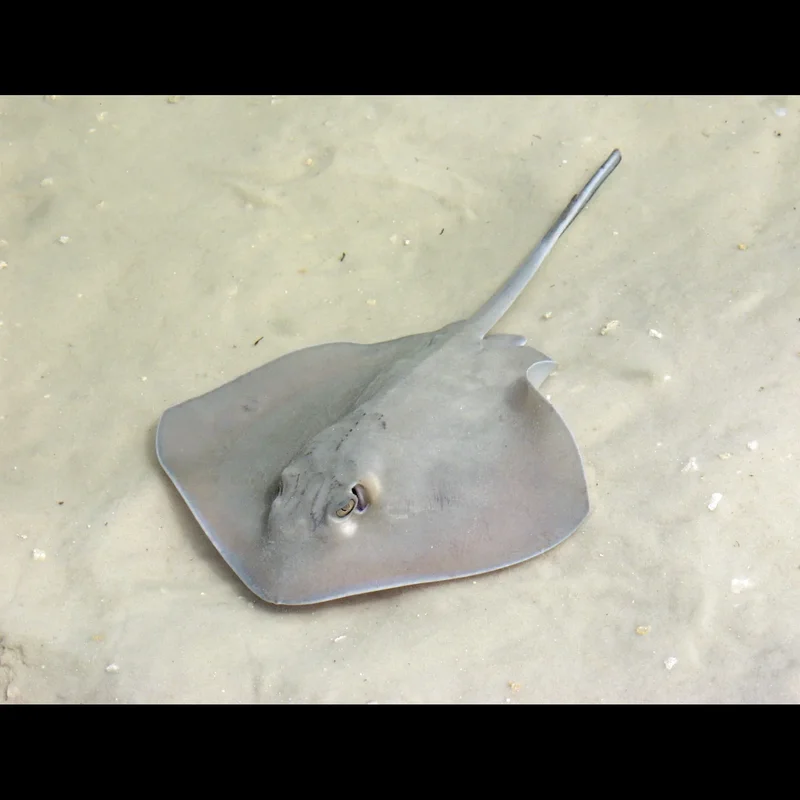
Red stingrays are also frequent visitors, attracted to the feeding, so divers must be mindful of their stingers. Beyond these main attractions, the site also hosts other notable species.
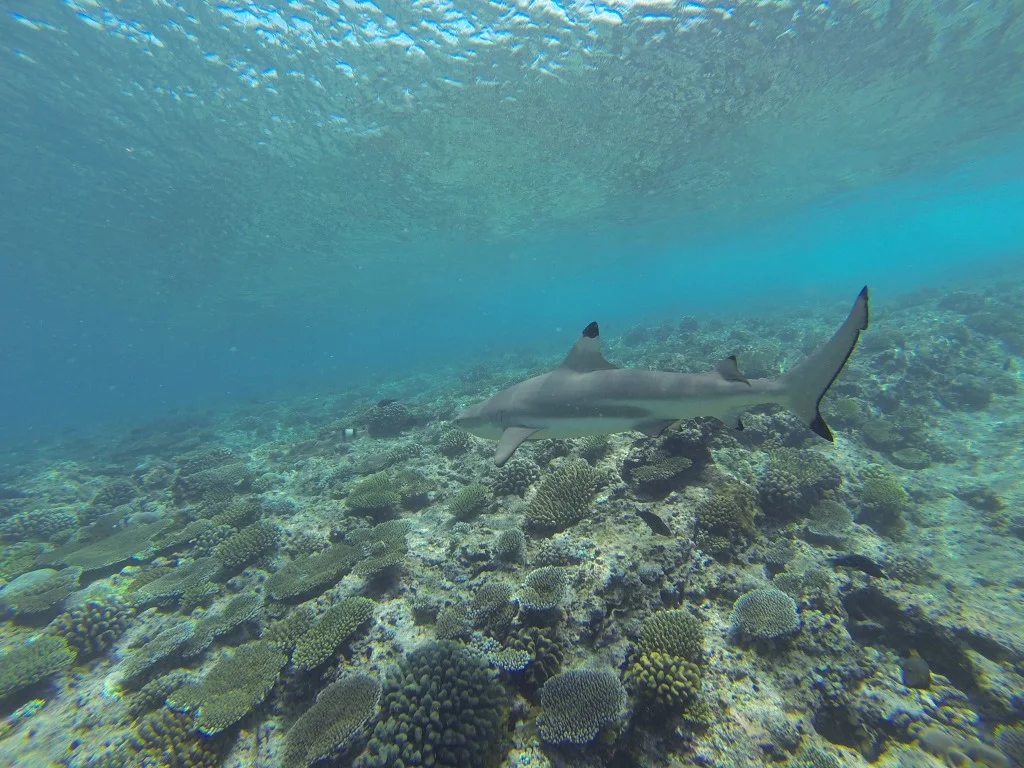
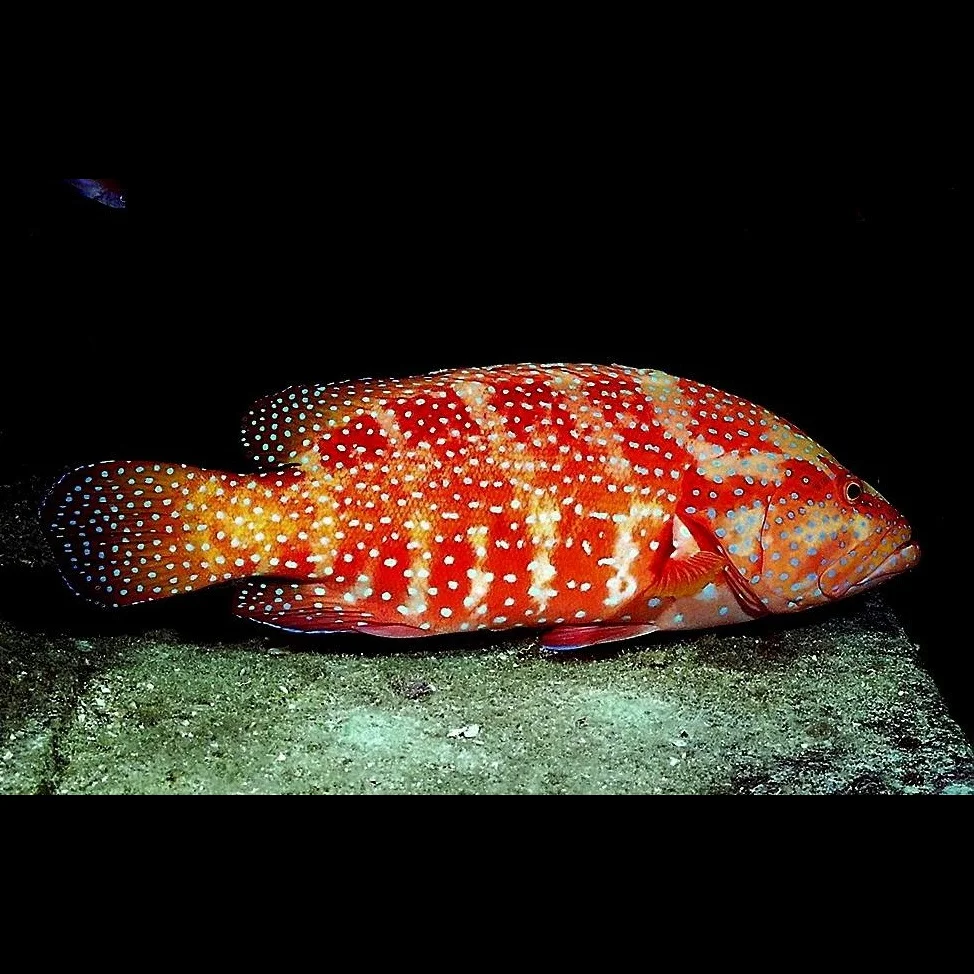
Look for large longtooth groupers, some measuring over a meter long, and the distinctive Asian sheepshead wrasse. Nearby rock formations offer opportunities to spot endemic Japanese bullhead sharks, adding another dimension to the marine life encounters.

Dive Sites Near Shark Scramble
View all dive sites in JapanDiscover more underwater gems in this area.
Dive Centers Near Shark Scramble
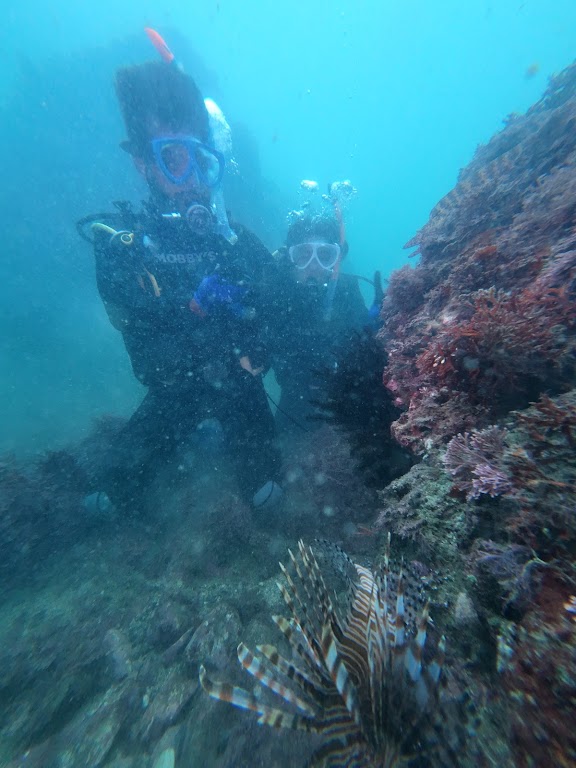
Today: 05:00 - 21:00
Nearest Airports
Nearest airports to help plan travel to this dive area.
Search Flights
Check available flights and routes on Expedia, using the nearby airports listed in this section.
Search Flights on ExpediaFrequently Asked Questions
What is Shark Scramble known for?
Shark Scramble is known for its extraordinary concentration of banded houndsharks, often numbering in the hundreds. Divers gain an exceptional opportunity to witness these sharks in a dynamic, close-quarters environment, a result of a successful conservation initiative.
What kind of sharks can I expect to see?
The primary species encountered here are banded houndsharks, which gather in large aggregations. Additionally, you may spot Japanese bullhead sharks in the nearby rock formations, and red stingrays are also a common sight.
What is the maximum depth at Shark Scramble?
The maximum depth at Shark Scramble generally ranges around 21 to 25 m (69 to 82 ft), depending on the specific buoy site. While this range is within typical recreational diving limits, the environment requires advanced diver certification.
Are there specific safety precautions for diving here?
Yes, divers must be advanced with a minimum of 30 dives. It's crucial to be prepared for sharks and rays to bump gear, so practice calmly replacing masks and regulators. Wearing hoods and gloves is also recommended for protection.
When is the best time of year to dive Shark Scramble?
The most favorable diving conditions typically occur in July, with warmer air temperatures and calmer seas. However, diving is possible during other months, though conditions, especially wave heights and wind speeds, can be more challenging.
Is this dive site suitable for beginners?
No, Shark Scramble requires advanced diver certification and a minimum of 30 logged dives. The intense environment, including strong currents and constant interaction with large marine life, makes it unsuitable for beginner divers.
Why are the sharks baited at this site?
The baiting at Shark Scramble is part of a conservation project. It was initiated to lure banded houndsharks away from local fishing nets, where they were causing damage and becoming bycatch. Consequently, a new ecotourism attraction developed, simultaneously protecting fish stocks and the sharks themselves.
Planning to dive Shark Scramble?
Send one inquiry and receive offers directly from the best verified local dive operators.
Conditions are Poor
High Swell Advisory. Not recommended.
Current conditions near Shark Scramble show 24° air, 27° sea temperature, 2.7 m waves, and 41 km/h wind. Forecast data is refreshed regularly to ensure accuracy.