
Diving at Power Station (Jordan)
The Power Station site in Aqaba presents divers with a dynamic wall dive experience, characterized by mild currents sweeping along an ancient coral structure. It offers significant depth potential, extending well beyond recreational limits, making buoyancy control paramount. This drift dive, accessible only by boat, requires careful planning due to its deep drop-offs and prevailing underwater flow.
Evening condition tracking at Power Station features an air temperature of 32°C. We have recorded wave heights measuring 0.3 m during this period. These figures outline the environmental parameters currently present.
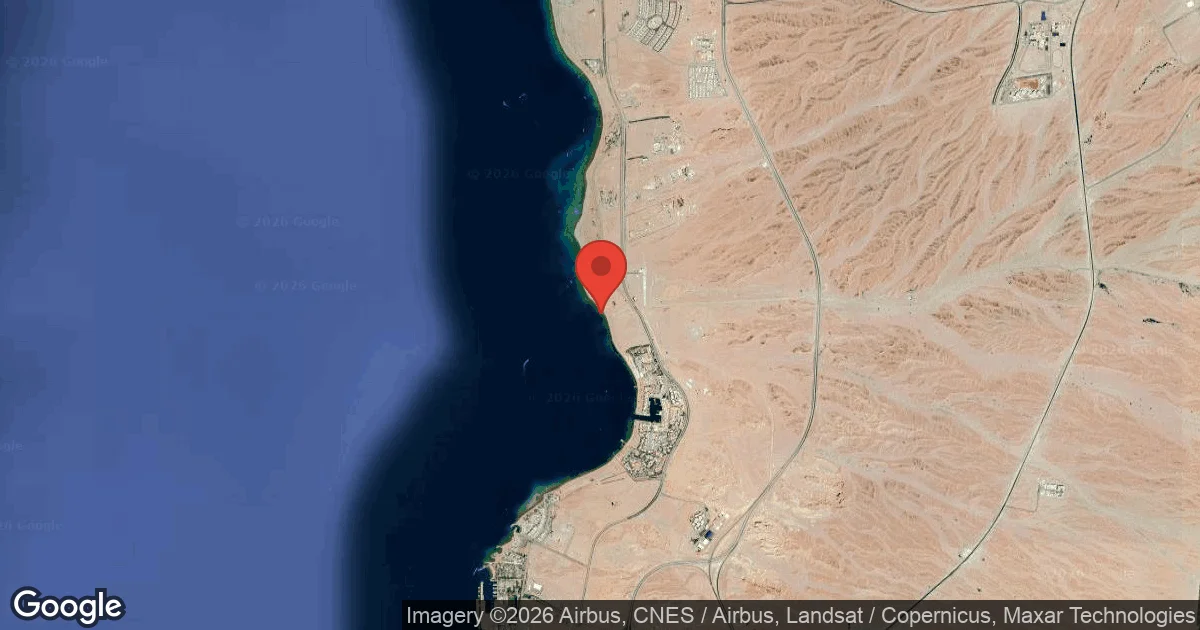
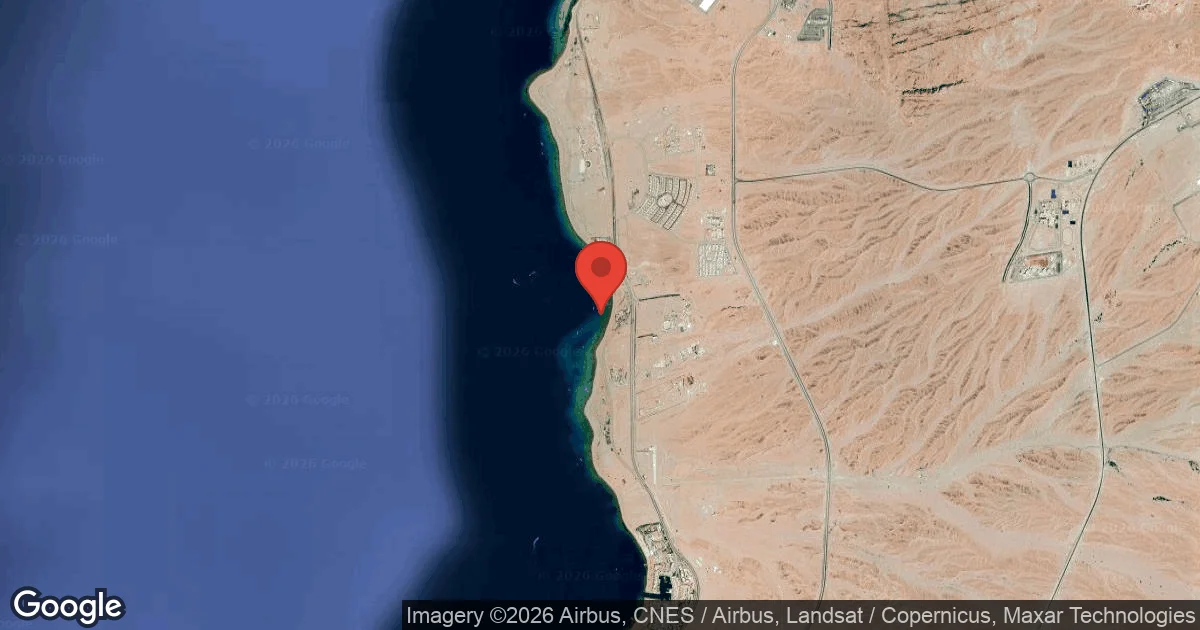
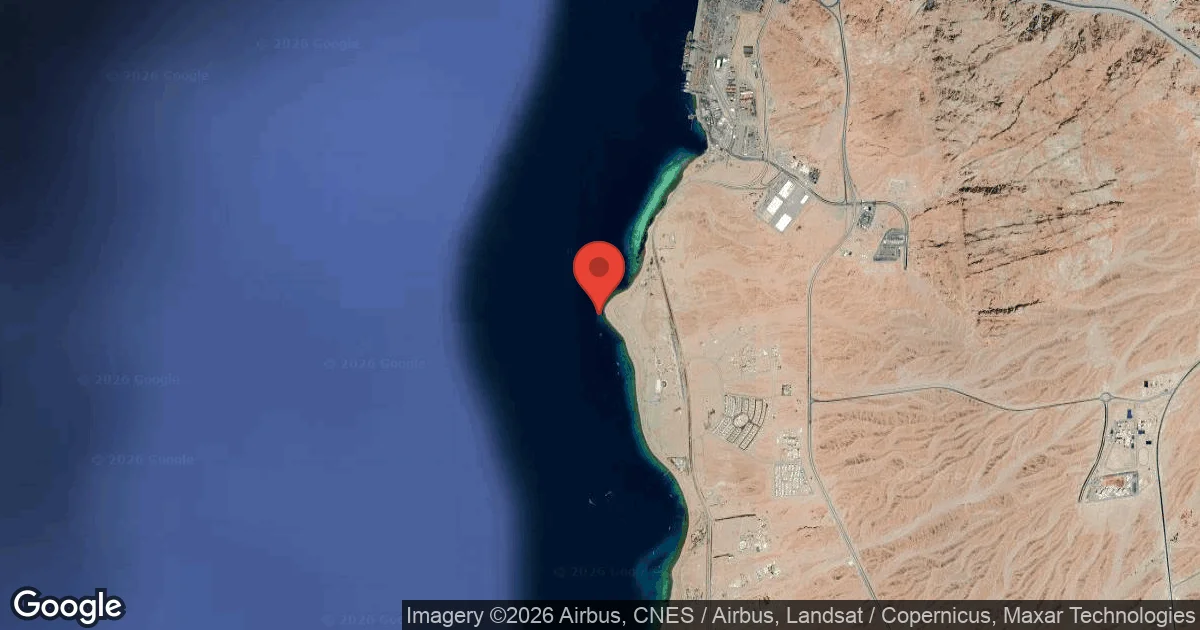
Dive Site Location & Key Facts
Dive Site Overview
Power Station stands out as a unique Red Sea dive, transforming from a vibrant shallow reef into an expansive deep-water wall. Descending from a lively coral plateau at 5 to 20 meters / 16 to 65 feet, the site plunges vertically to depths exceeding 200 meters / 650 feet, offering a truly 'bottomless' experience.
Divers traverse this magnificent wall as a controlled drift, propelled by nutrient-rich currents that support an exceptional abundance of marine life. Its clear waters consistently deliver excellent visibility. Both day and night dives reveal distinct ecosystems; by day, expect encounters with large groupers, turtles, and eels, while the nocturnal shift brings a different spectacle.
This site isn't just about the deep, though, with ample shallow reef areas providing continuous entertainment and species diversity. It represents a challenging yet rewarding adventure for certified advanced and technical divers seeking a compelling wall dive with significant pelagic potential.
Conditions are Good
07:00 - 14:00
Optimal conditions expected
Current conditions near Power Station show 32° air, 28° sea temperature, 0.4 m waves, and 29 km/h wind. Forecast data is refreshed regularly to ensure accuracy.
Best Time to Dive
Power Station consistently proves an excellent dive destination year-round, supported by favorable seasonal factors. Dive scores are consistently rated 'Excellent' across all twelve months, reflecting highly favorable conditions. Expect comfortable water temperatures, typically ranging from 22-27°C / 72-81°F, maintaining warmth even during cooler air months. The atmospheric conditions complement this, with average air temperatures rarely dipping below 17°C / 63°F in January, and peaking around 34°C / 93°F in July and August. Such consistent warmth translates to pleasant surface intervals and comfortable diving, regardless of the calendar. Minimal precipitation is another hallmark; many months report zero rainfall, with others showing only trace amounts, ensuring predominantly dry surface weather. These stable climatic elements, combined with mild average wave heights of 0.2-0.3 meters, mean divers can anticipate predictable and enjoyable experiences throughout the year. The reliability of these conditions allows for flexible trip planning, ensuring a rewarding dive no matter when you visit.
PEAK SEASON SCORE
Scores combine air & water temps, waves, wind & rainfall for overall conditions.
BEST MONTHS TO DIVE
Monthly records compiled from satellite and marine observation nodes over the last 3 years. Data provided by Open-Meteo and MET Norway.
Dive Experience & Conditions
Upon entry, divers will find themselves above a vibrant coral plateau that gently slopes from its shallower reaches to deeper zones. From this point, the reef transitions into a dramatic sheer wall, plunging vertically into the deep. This area is typically experienced as a drift dive, with a mild current guiding divers along the impressive coral structures. Visibility often extends beyond 30 meters, providing expansive views of the wall and the open blue. This site is best suited for advanced divers and those with technical certifications, given the significant depths and the need for excellent buoyancy control, especially when navigating the wall's edge.
Dive Difficulty & Safety Guidelines
Successfully navigating Power Station requires meticulous attention to buoyancy control. This skill is critical not only for preventing accidental excursions into the excessive depths but also for safeguarding the delicate coral formations along the wall. Divers must remain vigilant for mild currents, which can influence a drift dive's progression and necessitate careful planning.
Given the significant depth potential, always adhere strictly to your planned dive limits and maintain awareness of your no-decompression limits or decompression schedule. Only divers with appropriate advanced or technical certifications should attempt the deeper sections of this site.
Recommended Equipment
Deep dive hazard. Increased narcosis and gas consumption risk.
- Dive Computer
- DSMB
- Primary & Backup Lights
This gear list is based on verified equipment signals for Power Station, Jordan. Always confirm final gear choices with your dive operator, guide, or liveaboard.
Recommended Dive Suit
With water temperatures around 28°C (83°F), many divers find a 2-3mm shorty or light wetsuit provides comfortable protection.
Local conditions can vary slightly across different parts of the same dive site.
Conditions are expected to stay fairly consistent in the days ahead.
Emergency & Medical Support
Essential information to help you plan your dive trip to Power Station.

Hyperbaric chambers are a critical part of dive safety infrastructure. Availability varies significantly by region, and not all dive areas have immediate access.
Before diving, it's recommended to:
- confirm nearest medical facilities
- check emergency procedures with local dive operators
- ensure dive insurance covers evacuation if required
Divers Alert Network
Diving emergency assistance available through DAN Europe.
+39 0642115685- 24/7 emergency hotline
- Diving medical assistance
- Evacuation coordination
Emergency contacts are provided for reference. Always verify local emergency services before diving.
Marine Life at Power Station
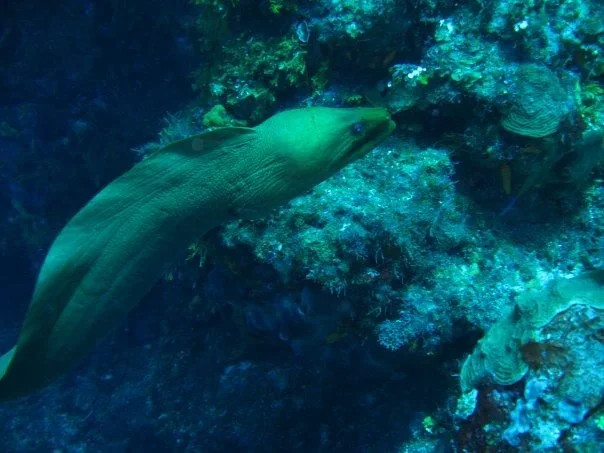
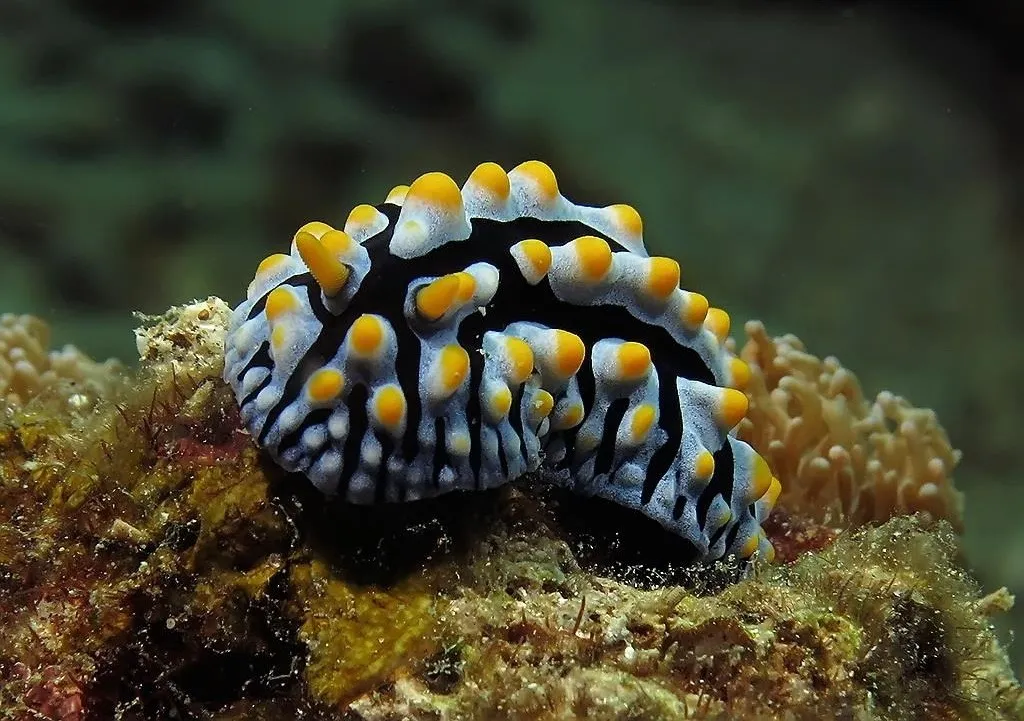
The Power Station site is a hub of marine activity, hosting a diverse array of species from the shallows to the blue. Expect to encounter large groupers, various reef fish, and intriguing nudibranchs amidst substantial soft coral outcroppings.
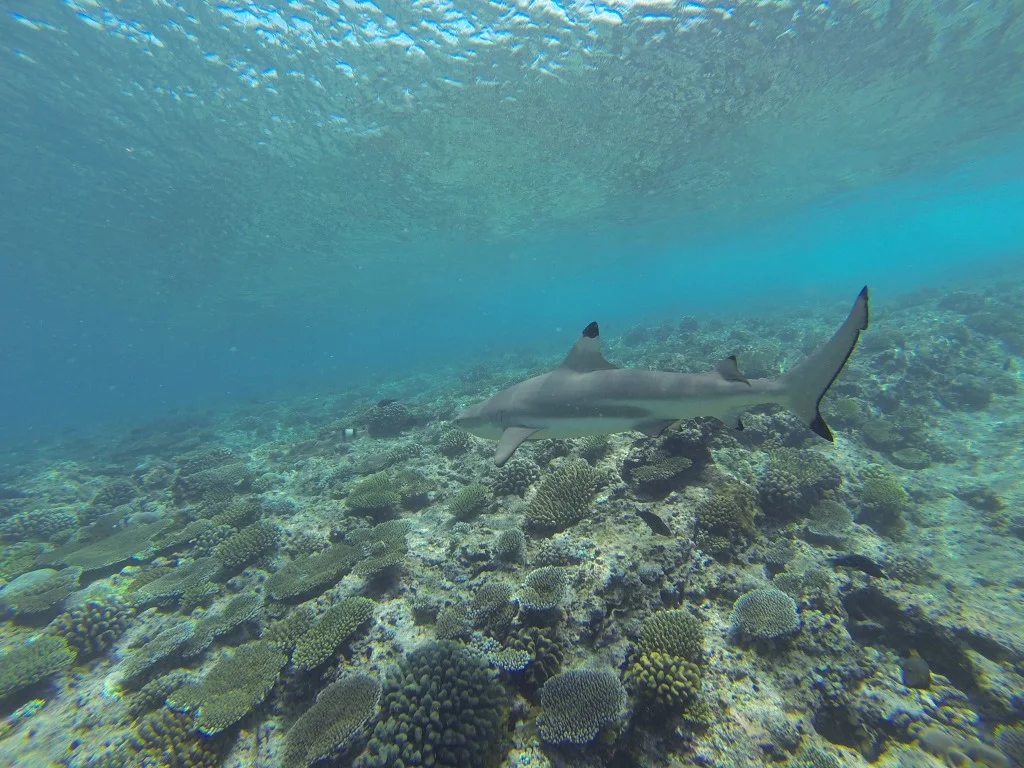
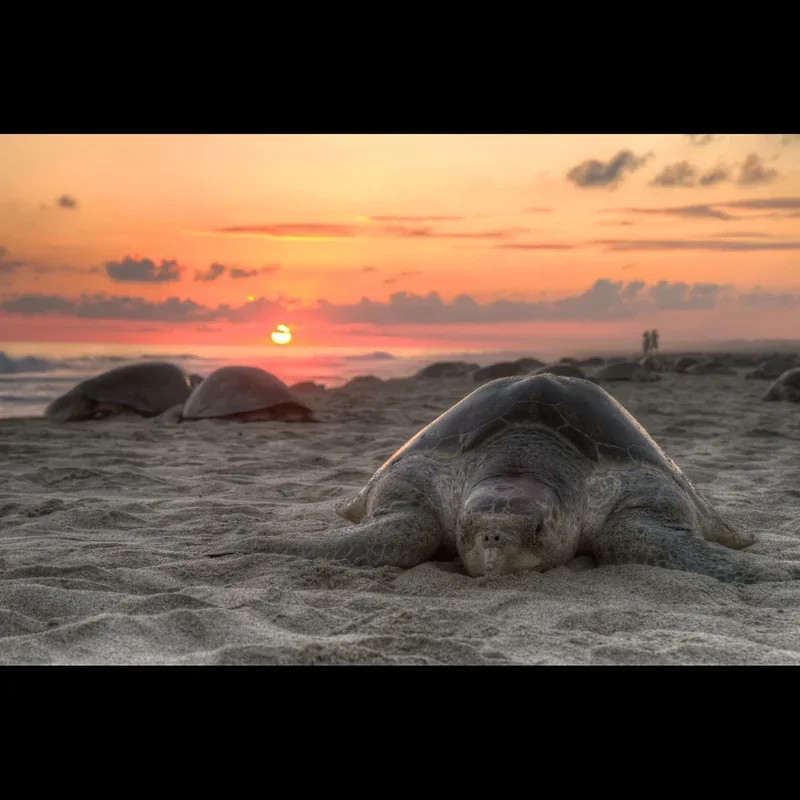
Sea turtles and large moray eels are commonly spotted along the wall. For those looking towards the open water, the site is known for more frequent sightings of pelagics, including occasional sharks and other larger predators, creating a dynamic food chain interaction.

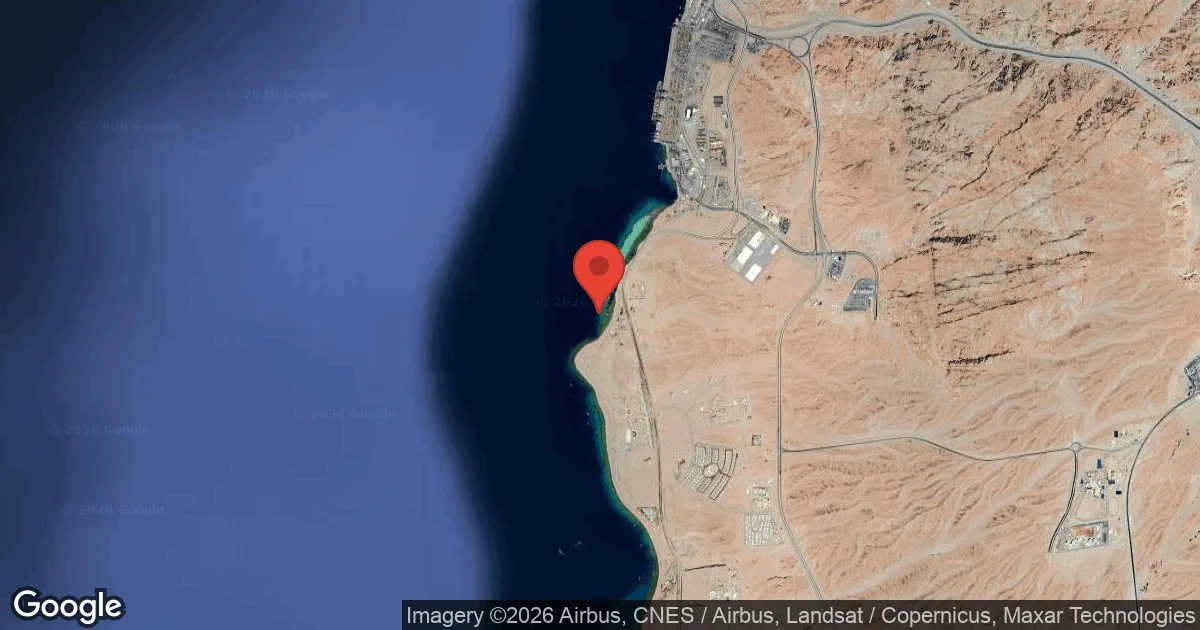
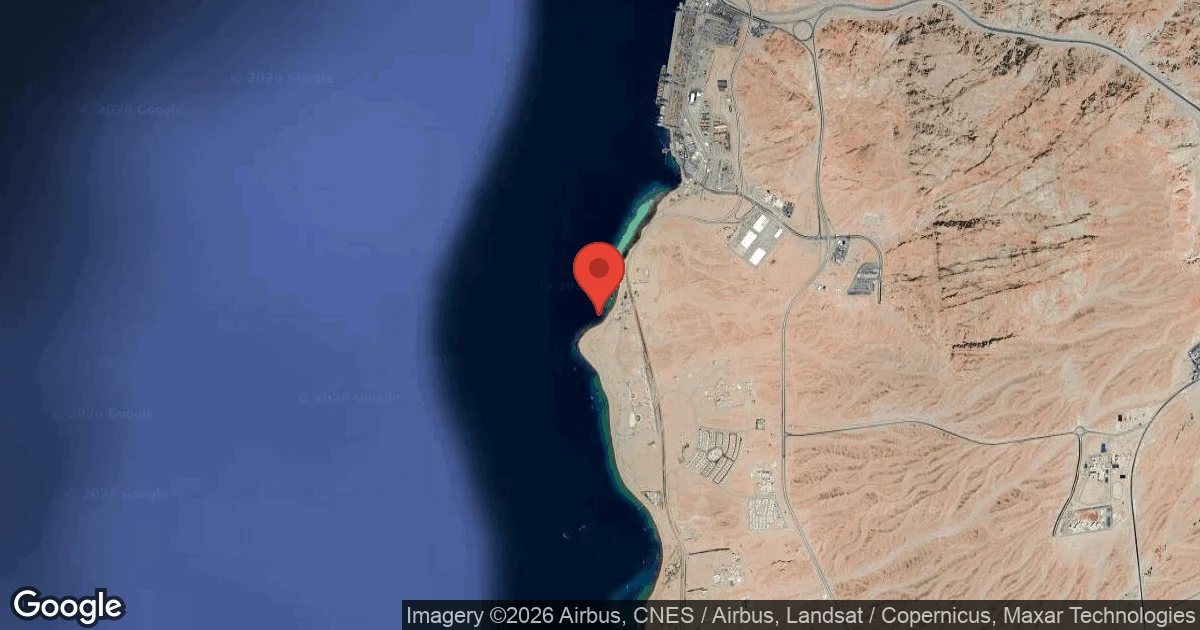
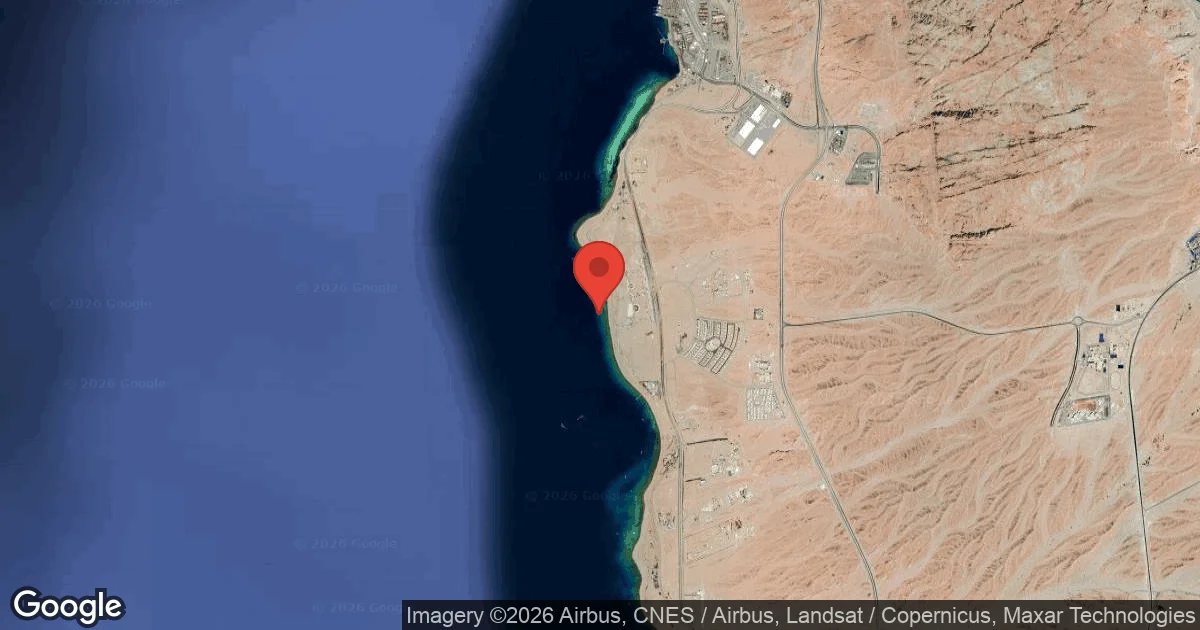
Dive Sites Near Power Station
View all dive sites in JordanDiscover more underwater gems in this area.
Dive Centers Near Power Station

Today: 09:00 - 19:00


Nearest Airports
Nearest airports to help plan travel to this dive area.
Search Flights
Check available flights and routes on Expedia, using the nearby airports listed in this section.
Search Flights on ExpediaFrequently Asked Questions
What is the maximum depth at Power Station?
Power Station starts with a coral plateau, then transitions to a wall that drops significantly beyond recreational depths. While the site extends to over 200 meters, divers should always stay within their certification and dive plan limits.
Is Power Station suitable for beginner divers?
No, Power Station is generally considered an advanced to technical dive site due to its significant depth, wall diving characteristics, and the presence of mild currents. Good buoyancy control is essential for a safe and enjoyable experience.
Can I snorkel at the Power Station dive site?
Yes, snorkeling is possible here. The vibrant coral plateau offers abundant marine life visible from the surface, especially in the shallower areas.
What kind of current can I expect at Power Station?
You can typically expect a mild current at Power Station, making it an ideal site for drift diving. This current helps transport nutrients, contributing to the site's rich marine biodiversity.
How do I access the Power Station dive site?
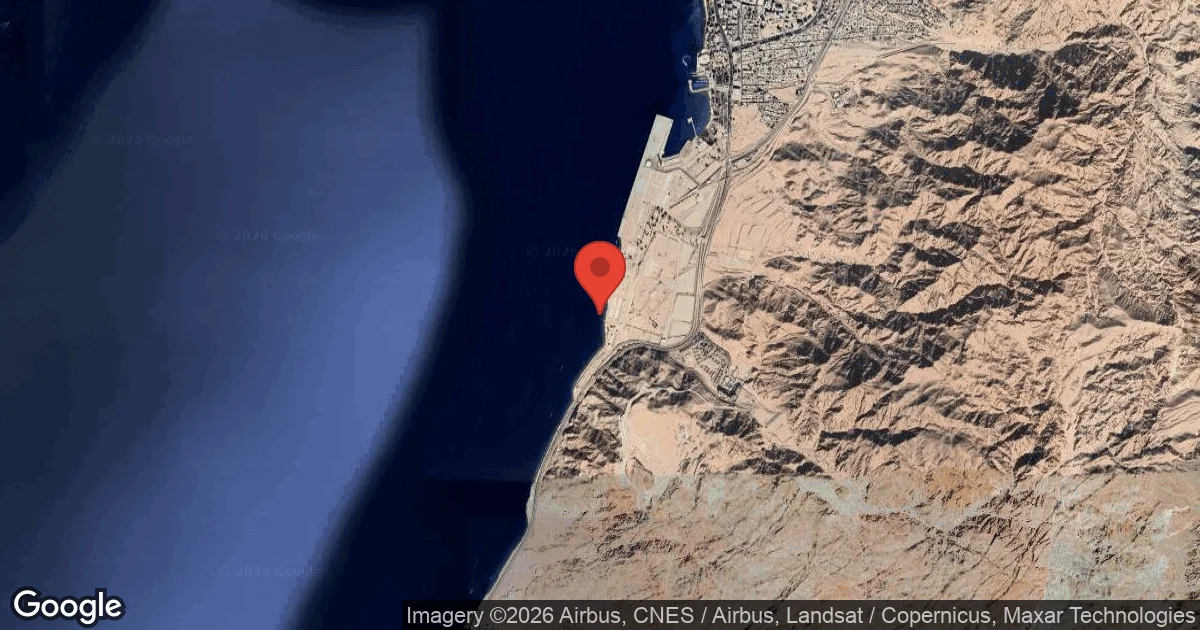
Boat access is required for Power Station. The site is found about 5 km south of Aqaba town.
What marine life is commonly seen at Power Station?
Divers frequently encounter large groupers, various reef fish, nudibranchs, sea turtles, and large moray eels. Power Station is also one of the few sites in the region where sightings of larger pelagics, including sharks, are more common.
Planning to dive Power Station?
Send one inquiry and receive offers directly from the best verified local dive operators.
Conditions are Good
07:00 - 14:00
Optimal conditions expected
Current conditions near Power Station show 32° air, 28° sea temperature, 0.4 m waves, and 29 km/h wind. Forecast data is refreshed regularly to ensure accuracy.