
Diving at Japanese Garden (Jordan)
Japanese Gardens in Aqaba, Jordan, provides a compelling contrast for divers. Its well-preserved reef system, easily accessible from shore or boat, caters to both novice and experienced divers seeking varied topography. Shallow sections burst with life, while deeper areas reveal dramatic drop-offs and unique coral formations. The site truly embodies the Red Sea's vibrant underwater appeal.
As evening covers Japanese Garden, the local air temperature is measured at 28°C. The current wave height at the surface is recorded at 0.1 m. These late-day readings characterize the surface conditions for the night.
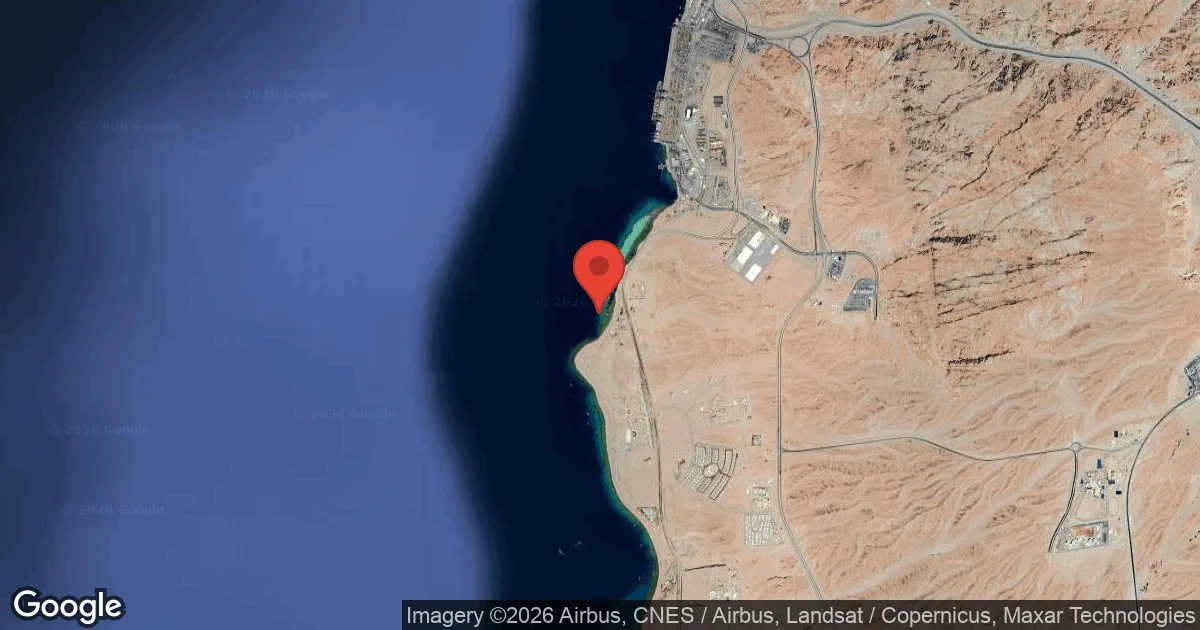
Dive Site Location & Key Facts
Dive Site Overview
Beginning over shallow seagrass beds, the Japanese Gardens reef in Aqaba gradually reveals its intricate structure as divers descend. A narrow gully provides entry to the fringing reef, leading to a sprawling, undulating reef system.
Vibrant hard and soft corals, some relocated here in 2013 to preserve them, flourish across the sloping terrain. Near 23 meters (75 ft), a prominent Gorgonia Fan coral marks the head of a gully, serving as a natural waypoint before the reef slopes further. This site includes a distinct 'Black Coral Valley' between 26 and 30 m (85 and 100 ft), featuring impressive specimens.
For those with technical training, the Japanese Gardens also serves as a staging point for dives to the deeper Taiyong shipwreck, which lies outside recreational depth limits.
Conditions are Good
07:00 - 14:00
Optimal conditions expected
Current conditions near Japanese Garden show 28° air, 28° sea temperature, 0.3 m waves, and 32 km/h wind. Forecast data is refreshed regularly to ensure accuracy.
Best Time to Dive
Planning a dive at Japanese Gardens is often dictated by its consistently excellent visibility, which typically ranges from 10-30 meters (33-100 ft) or more. Air temperatures in Aqaba remain warm year-round, averaging from 18.5-21°C (65-70°F) in winter months and peaking at 33-34.5°C (91-94°F) during summer. Water temperature is not consistently reported, but generally aligns with the region's warm Red Sea conditions. Mild wave heights, usually below 0.3 meters (1 ft), and moderate wind speeds ensure stable surface conditions, making shore or boat entry consistently straightforward. Rainfall is negligible for most of the year, further contributing to reliable dive conditions.
PEAK SEASON SCORE
Scores combine air & water temps, waves, wind & rainfall for overall conditions.
BEST MONTHS TO DIVE
Monthly records compiled from satellite and marine observation nodes over the last 3 years. Data provided by Open-Meteo and MET Norway.
Dive Experience & Conditions
Diving at Japanese Gardens offers a progressive experience, starting in very shallow water and gently sloping down. Recreational divers often explore the extensive shallower sections, where healthy table corals and numerous reef fish thrive in vibrant profusion. Beyond these initial areas, the reef continues its gradual descent towards recreational limits, with some areas extending considerably deeper for appropriately certified divers seeking advanced exploration. Throughout the deeper areas, a mild current can sometimes be present, influenced by local tides and the intricate bottom topography. Surface traffic, including glass-bottom boats and snorkelers, is common, requiring divers to remain vigilant during ascents and safety stops. Even during calm periods, conditions can shift, so continuous observation of the environment and awareness of other water users are prudent. Visibility typically remains excellent, enhancing the overall dive experience across the entire site.
Dive Difficulty & Safety Guidelines
While diving the Japanese Gardens, awareness of the marine environment and surface activity is paramount. Although severe hazards are not consistently reported, divers should be mindful of potential mild currents that may occur in deeper sections of the reef. Practicing good buoyancy control is essential to protect the delicate corals, some of which were transplanted to this site.
Due to the popularity of the area for snorkeling and boat tours, maintaining situational awareness during ascent and safety stops is important to avoid surface traffic. Always dive within your certification limits, particularly when considering the deeper Black Coral Valley or accessing technical areas near the Taiyong wreck.
Recommended Equipment
- Dive Computer
- DSMB
This gear list is based on verified equipment signals for Japanese Garden, Jordan. Always confirm final gear choices with your dive operator, guide, or liveaboard.
Recommended Dive Suit
With water temperatures around 28°C (83°F), many divers find a 2-3mm shorty or light wetsuit provides comfortable protection.
Local conditions can vary slightly across different parts of the same dive site.
Surface conditions are expected to warm up slightly in the coming days. A warming trend is expected over the next few days.
Emergency & Medical Support
Essential information to help you plan your dive trip to Japanese garden.

Hyperbaric chambers are a critical part of dive safety infrastructure. Availability varies significantly by region, and not all dive areas have immediate access.
Before diving, it's recommended to:
- confirm nearest medical facilities
- check emergency procedures with local dive operators
- ensure dive insurance covers evacuation if required
Divers Alert Network
Diving emergency assistance available through DAN Europe.
+39 0642115685- 24/7 emergency hotline
- Diving medical assistance
- Evacuation coordination
Emergency contacts are provided for reference. Always verify local emergency services before diving.
Marine Life at Japanese Garden
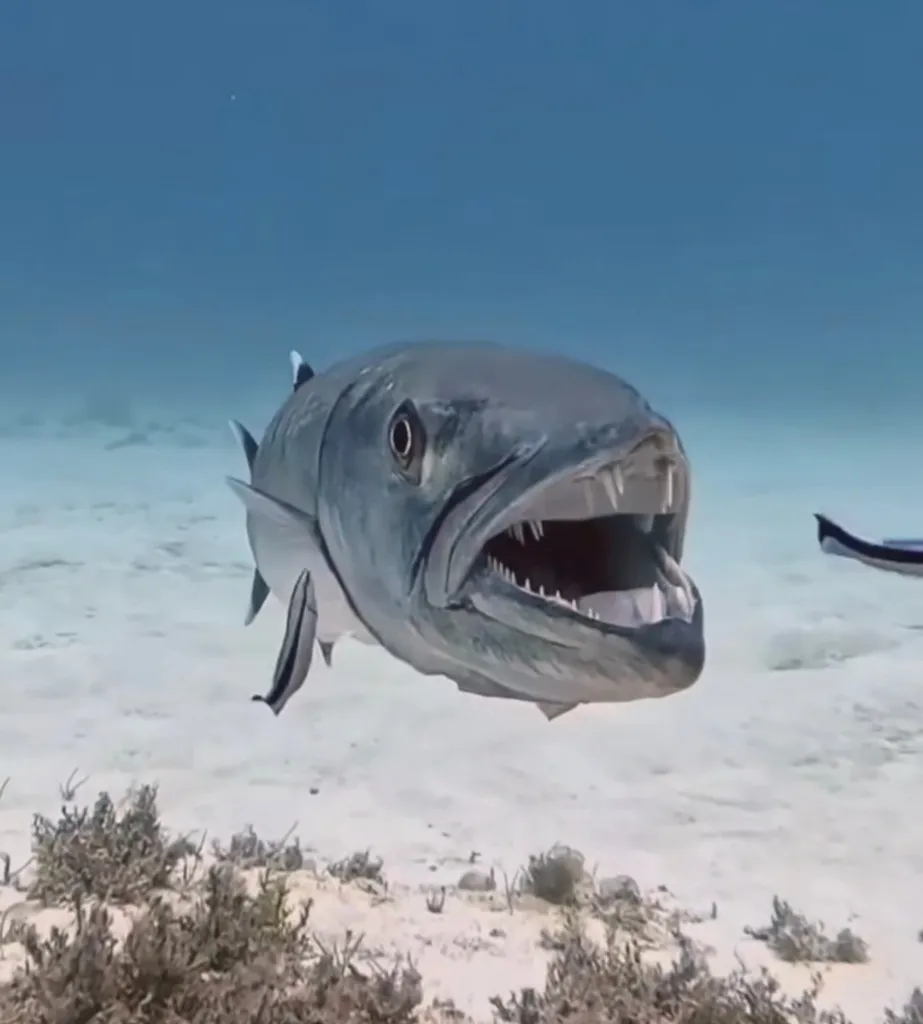
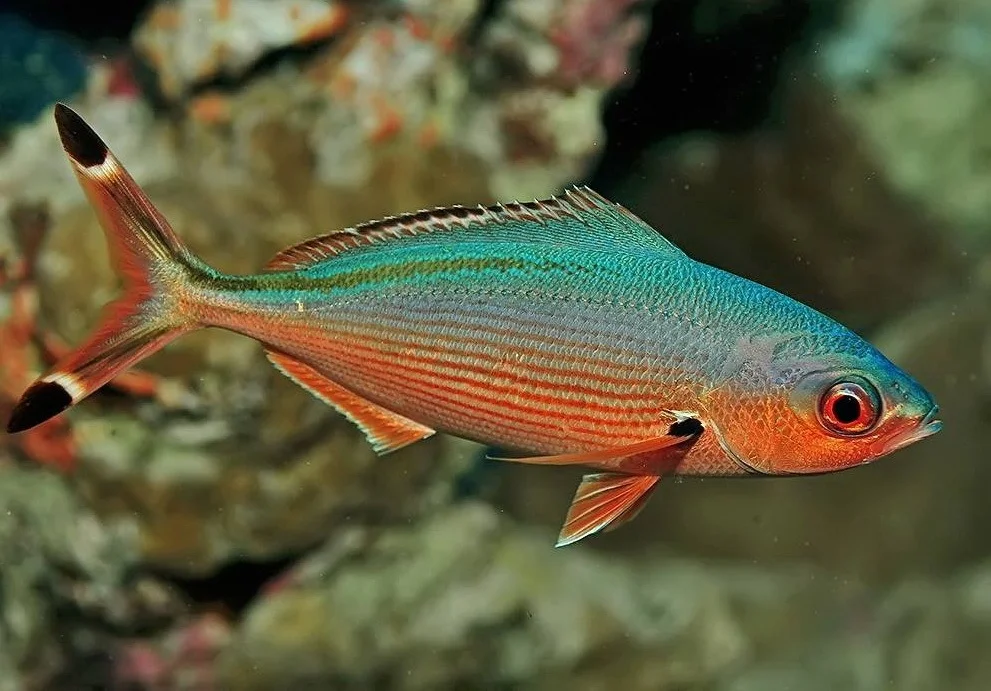
Entering the water, divers are often greeted by dense shoals of Anthias and Sergeant Majors dancing in the golden sunbeams around the reef's pinnacles. Moving along the sloping reef, barracudas and fusiliers are commonly observed patrolling the mid-water.
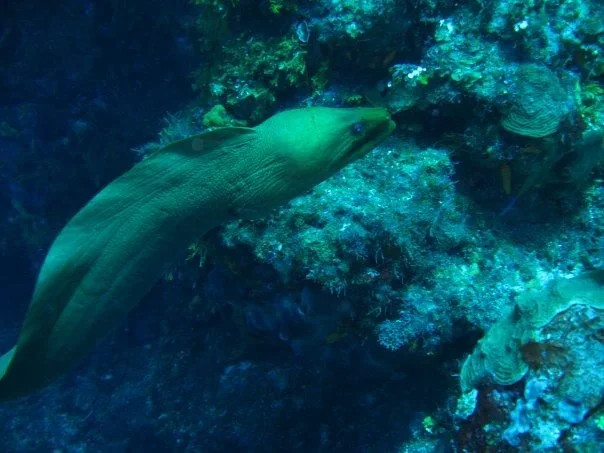
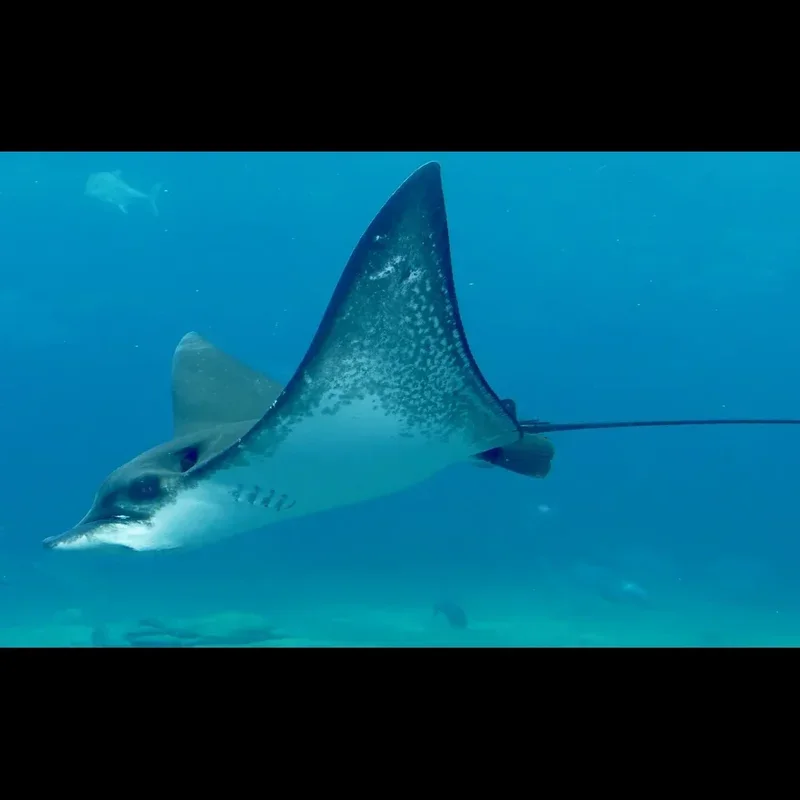
Keep an eye out for resident turtles gracefully navigating the corals, while eagle rays occasionally cruise the reef's edges. Within the intricate coral formations, divers can spot Moray Eels, Royal Angelfish, and large Clam Shells.
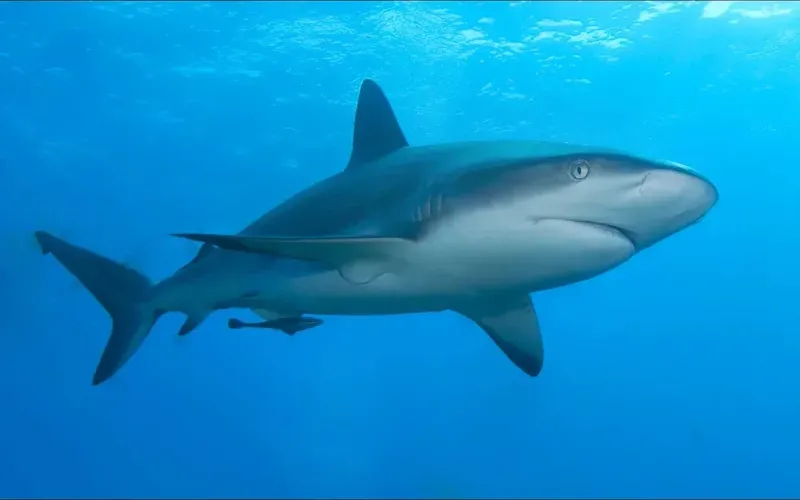
Deeper sections, especially near the Black Coral Valley, offer glimpses of impressive black coral specimens and a chance to spot White Tip Reef sharks in the blue.
Dive Sites Near Japanese Garden
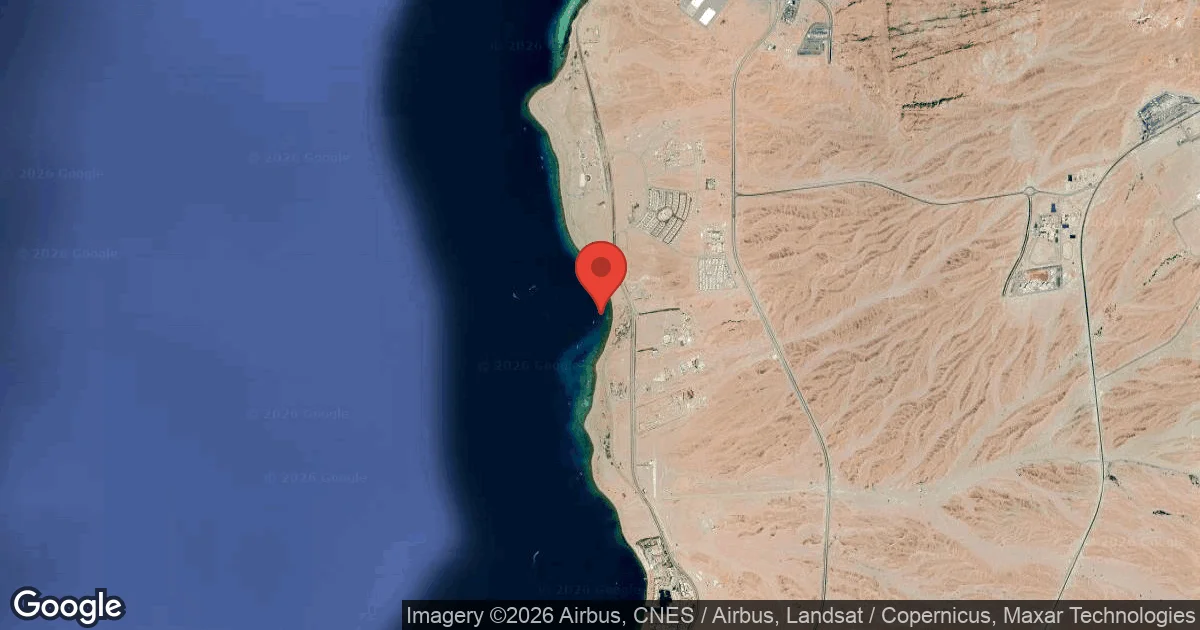
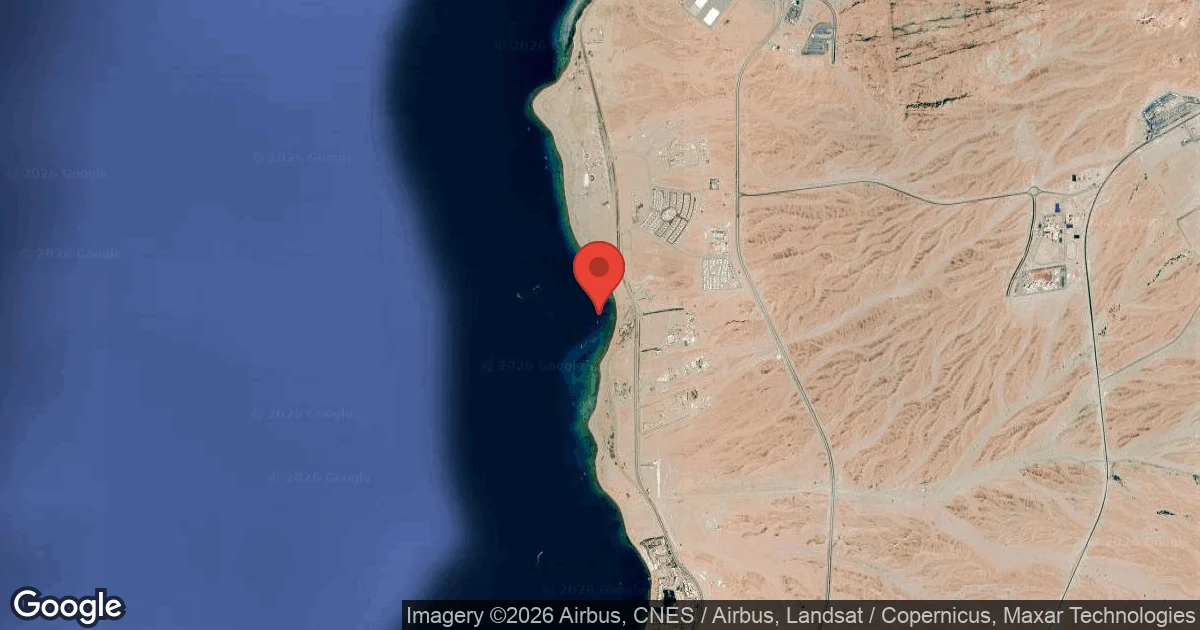
View all dive sites in JordanDiscover more underwater gems in this area.
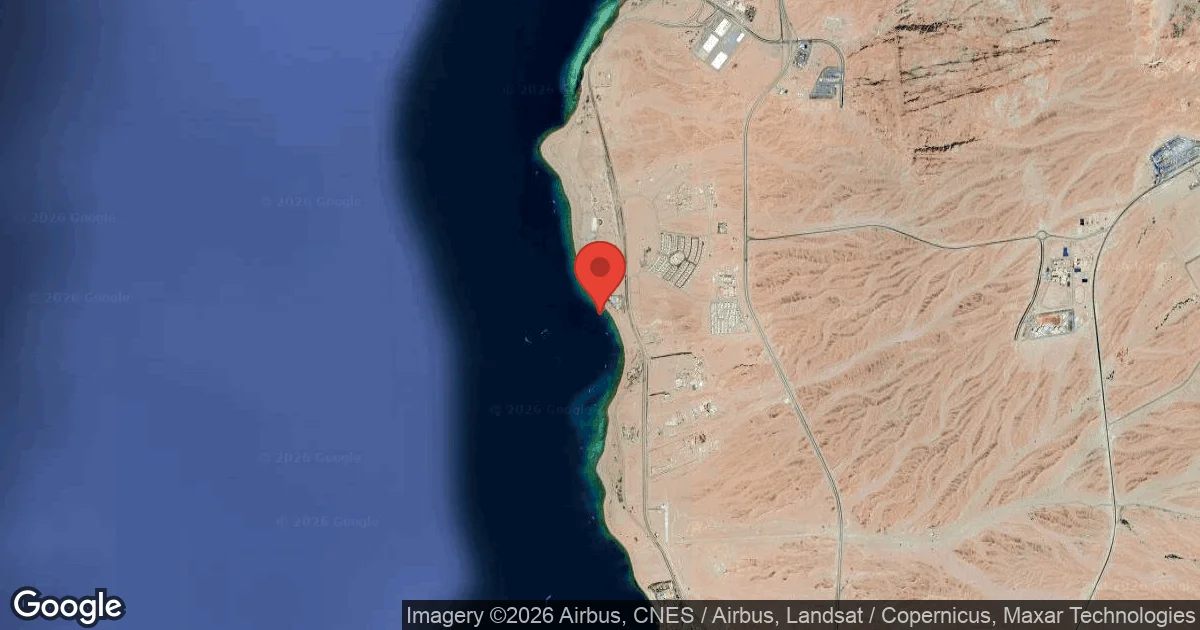
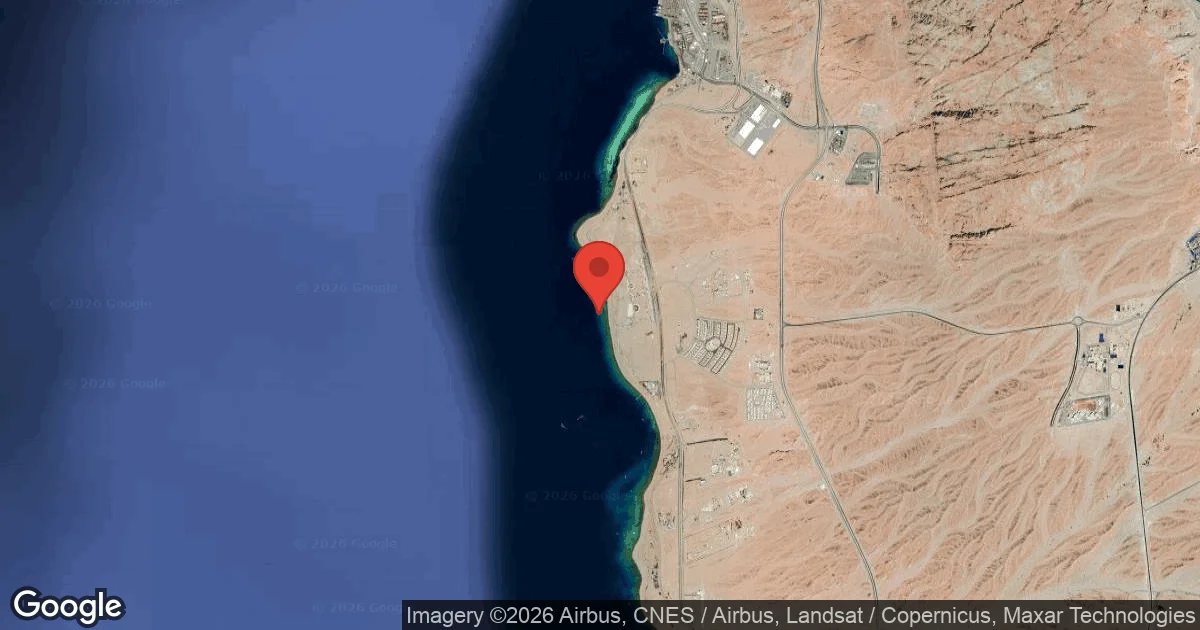
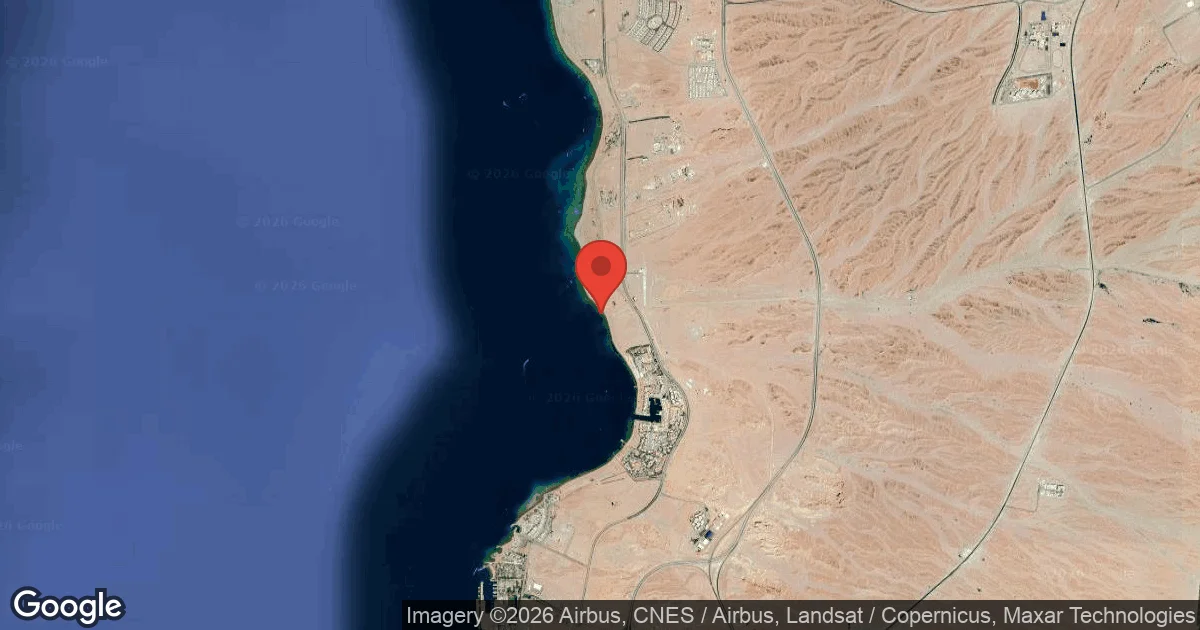
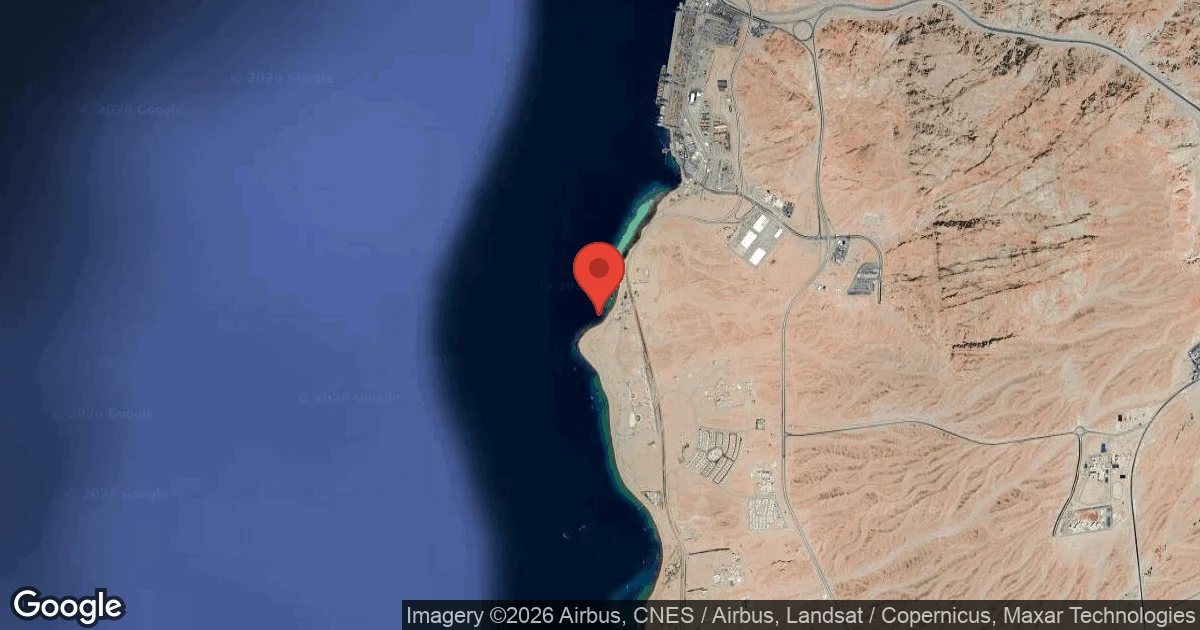
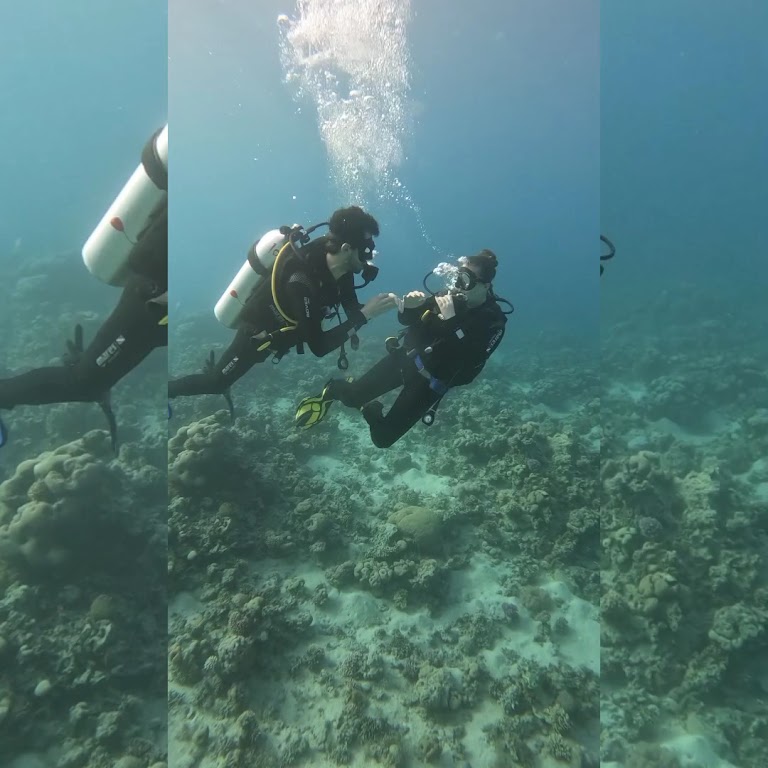
Dive Centers Near Japanese Garden
Today: 08:00 - 19:00
Nearest Airports
Nearest airports to help plan travel to this dive area.
Search Flights
Check available flights and routes on Expedia, using the nearby airports listed in this section.
Search Flights on ExpediaFrequently Asked Questions
What is the maximum depth for recreational diving at Japanese Gardens?
Recreational diving at Japanese Gardens typically explores depths up to the recognized recreational limits. While certain areas descend further, these deeper sections are generally reserved for divers with advanced or technical certifications, who may access areas beyond recreational thresholds.
Is the Japanese Gardens suitable for beginners?
Yes, Japanese Gardens is highly suitable for divers of all experience levels, including beginners. Its shallow entry points and vibrant, accessible reef sections offer a welcoming environment for initial dives and training.
Can snorkelers enjoy Japanese Gardens?
Absolutely. Snorkeling is highly recommended and very popular at Japanese Gardens. The reef begins in shallow water, providing abundant marine life and corals visible from the surface.
What kind of marine life can I expect to see?
Divers frequently encounter schools of barracudas, sergeant majors, and fusiliers. You might also spot turtles, eagle rays, Anthias, Royal Angelfish, Moray Eels, and various hard and soft corals, including black coral.
Are there currents at the dive site?
The site generally experiences mild currents, particularly in deeper sections. These currents are usually manageable but it's always wise for divers to be aware of conditions, especially when planning their dive profile.
How do divers access the site?
Japanese Gardens is accessible from both shore and by boat. Shore entry typically involves crossing a seagrass bed before reaching the main reef, while boat access offers direct entry to various parts of the site.
Planning to dive Japanese Garden?
Send one inquiry and receive offers directly from the best verified local dive operators.
Conditions are Good
07:00 - 14:00
Optimal conditions expected
Current conditions near Japanese Garden show 28° air, 28° sea temperature, 0.3 m waves, and 32 km/h wind. Forecast data is refreshed regularly to ensure accuracy.