
Diving at Brain Coral (Kenya)
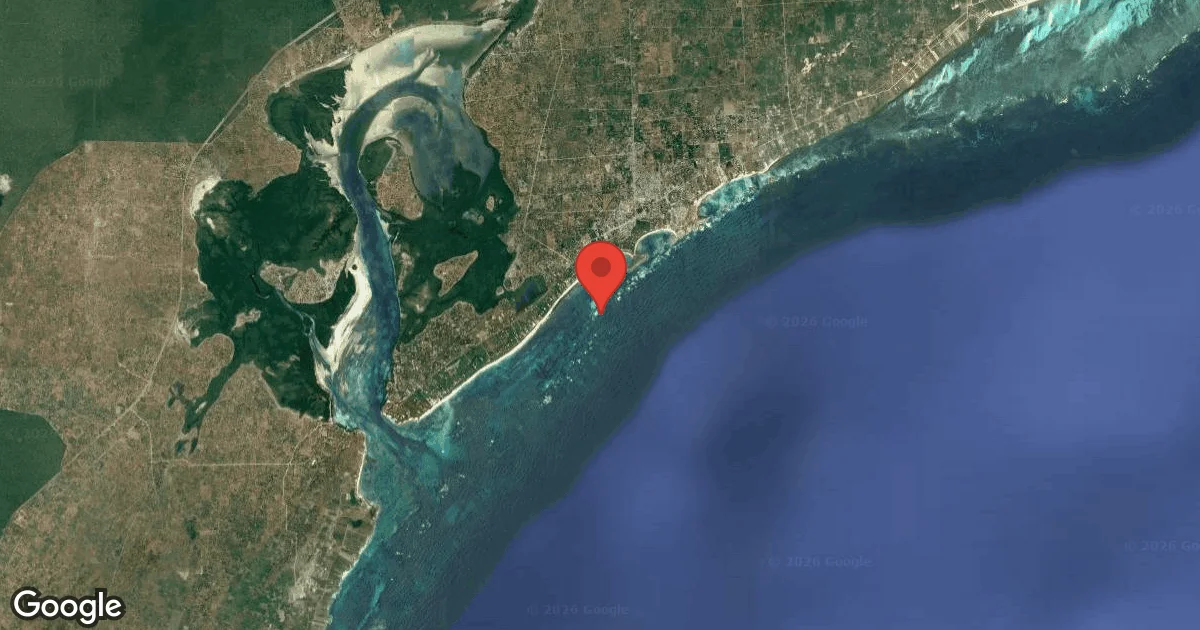
Accessible by a swift 20-minute boat ride, Brain Coral in Watamu, Kenya, stands as a prominent dive site offering impressive underwater clarity and diverse reef structures. This northernmost destination caters to divers seeking vibrant marine encounters. Its layout features a distinct sandy channel alongside a reef edge. Overall, dive conditions rate from moderate to good throughout the year, frequently providing excellent experiences.
Tonight's objective overview for Brain Coral shows an air temperature of 22.5°C. The measured surface conditions include wave heights around 2.2 m. This environmental data is logged for the close of the day.
Dive Site Location & Key Facts
Dive Site Overview
Brain Coral's underwater landscape presents a layered experience, commencing with a busy reef top before giving way to a more dramatic drop-off. Initial orientation begins near the edge of a distinct sandy channel, where the buoy is securely tied off at a depth of 16-17 meters (52-56 ft).
From this point, divers follow the expansive reef structure, exploring a series of pronounced overhangs. These natural shelters are particularly striking, often adorned with a rich display of yellow and purple soft corals that thrive in the gentle currents. It's common to observe a variety of fish species seeking refuge within these sheltered spaces, alongside active cleaning stations where smaller fish attend to larger reef inhabitants.
Moving along the drop-off reveals deeper sections of the site. Maximum depth here reaches 30 m (98 ft), providing ample opportunity for certified divers to explore the diverse vertical face.
Observing the shift from the sunlit reef top to deeper, more shadowed areas offers a compelling contrast in light and marine behavior. Transitioning from shallower reef to the deeper wall offers a different perspective on coral formations and resident marine life, providing a comprehensive view of this vibrant ecosystem.
Consider the changing dynamics of marine activity at varying depths; perhaps a glimpse of schooling pelagics or larger bottom dwellers.
Conditions are Poor
High Swell Advisory. Not recommended.
Current conditions near Brain Coral show 23° air, 27° sea temperature, 2.3 m waves, and 34 km/h wind. Forecast data is refreshed regularly to ensure accuracy.
Best Time to Dive
Planning your visit to Brain Coral is best during months with higher dive scores, typically from October through March, with March often presenting the most favorable conditions. Averaging 28°C (82°F), air temperatures during the primary dive season provide comfort, with minimal rain activity, often less than 4 mm per month. These settled conditions often translate to calmer surface waters and enhanced underwater visibility, creating an optimal environment for extended explorations of the reef. Conversely, moderate dive scores characterize the period from April to September. This timeframe is characterized by increased wind speeds, averaging up to 27 km/h (17 mph), and consequently higher wave heights, which can impact surface conditions and reduce visibility. While still diveable, these months might present a more challenging entry and exit, and the underwater experience could be less clear. Water temperatures are not consistently reported but generally align with tropical marine environments, remaining comfortable for diving throughout the year, even during the windier season.
PEAK SEASON SCORE
Scores combine air & water temps, waves, wind & rainfall for overall conditions.
BEST MONTHS TO DIVE
Monthly records compiled from satellite and marine observation nodes over the last 3 years. Data provided by Open-Meteo and MET Norway.
Dive Experience & Conditions
Entering the water at Brain Coral, divers quickly approach the buoy at 16-17 m (52-56 ft), marking the start of a reef dive along a sandy channel. Current conditions here vary, requiring divers to be attentive to the prevailing flow, particularly around the drop-off. Visibility on good days can be extensive, allowing clear views of the site's rich coral formations and passing pelagics. Surface conditions can range from calm to moderately choppy depending on the season, with wave heights typically between 0.94 and 1.9 meters (3 to 6 ft). Air temperatures consistently stay above 25°C (77°F), ensuring comfortable pre and post-dive conditions.
Dive Difficulty & Safety Guidelines
Navigating the varied environment of Brain Coral requires good buoyancy control, especially when exploring the numerous overhangs and the reef's pronounced drop-off. Maintaining neutral buoyancy helps protect the delicate coral structures and ensures a smooth progression along the reef. Divers should diligently monitor their depth, particularly when descending towards the site's maximum depth.
While no specific unique hazards are consistently reported for Brain Coral, an acute awareness of ocean currents is always important. Currents can vary, influencing drift potential, so a thorough pre-dive briefing from local operators is crucial.
Always dive within your personal certification limits and maintain close proximity to your buddy. Utilizing a reliable dive computer is essential for accurately tracking bottom time and managing no-decompression limits, enhancing overall dive safety. Consider bringing a surface marker buoy for ascent and signalling.
Recommended Equipment
- Dive Computer
- DSMB
This gear list is based on verified equipment signals for Brain Coral, Kenya. Always confirm final gear choices with your dive operator, guide, or liveaboard.
Recommended Dive Suit
2-3mm shorty or light wetsuit is often considered an appropriate level of exposure protection for conditions like these. Consider warmer surface protection (like a boat coat) due to brisk winds. Surface intervals may feel cooler.
Current readings at Brain Coral show water temperatures near 27°C (80°F). Surface air temperatures are resting at 23°C (73°F).
Environmental models indicate a modest warming trend ahead. A warming trend is expected over the next few days.
Emergency & Medical Support
Essential information to help you plan your dive trip to Brain Coral.

Hyperbaric chambers are a critical part of dive safety infrastructure. Availability varies significantly by region, and not all dive areas have immediate access.
Before diving, it's recommended to:
- confirm nearest medical facilities
- check emergency procedures with local dive operators
- ensure dive insurance covers evacuation if required
Divers Alert Network
Diving emergency assistance available through DAN Southern Africa.
+27828106010- 24/7 emergency hotline
- Diving medical assistance
- Evacuation coordination
Emergency contacts are provided for reference. Always verify local emergency services before diving.
Marine Life at Brain Coral
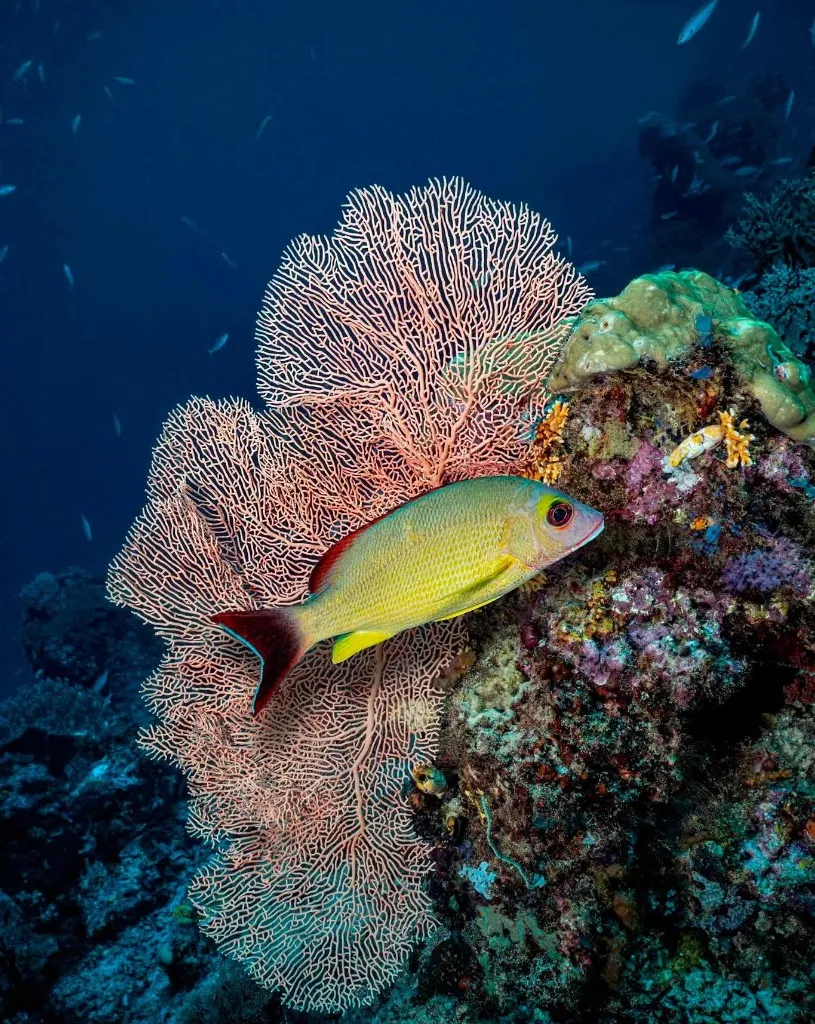
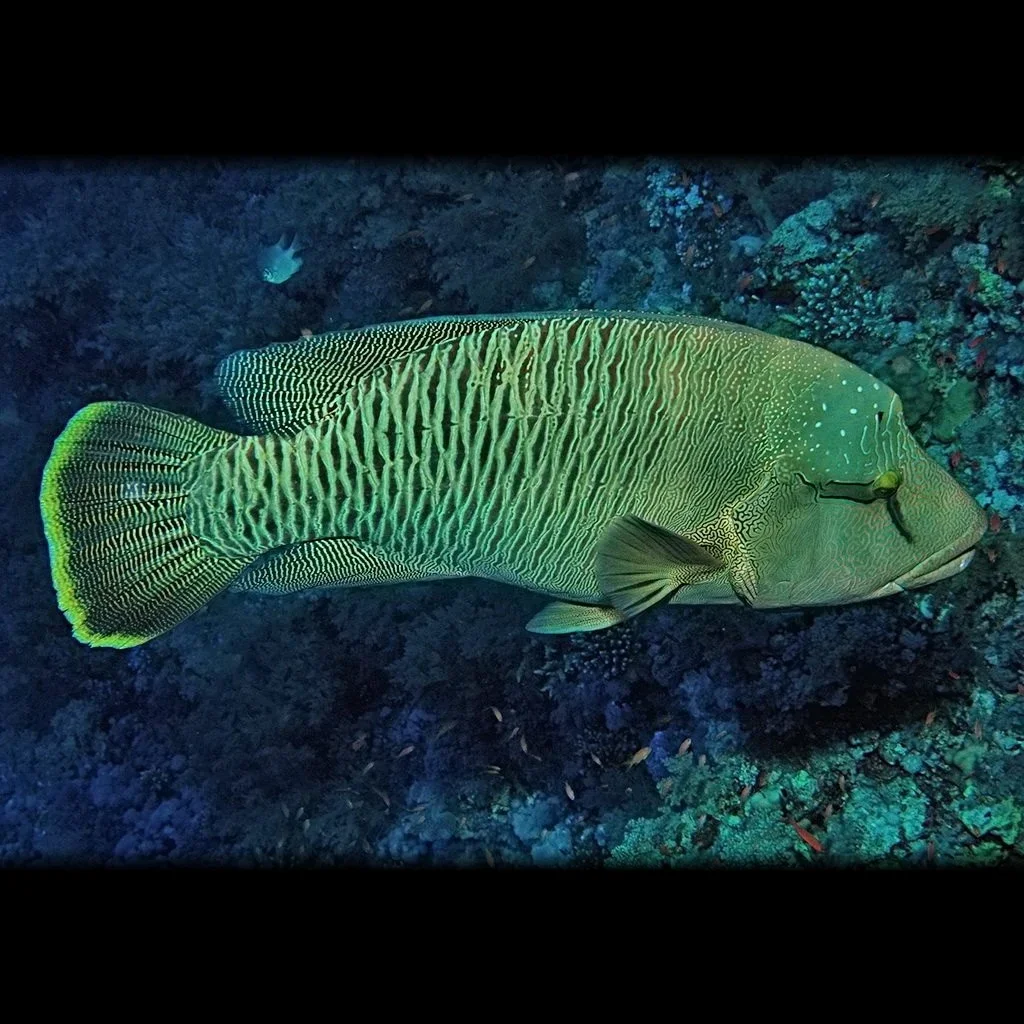
A vibrant tapestry of life at Brain Coral immediately draws attention to abundant soft corals in shades of yellow and purple, clinging to the reef's overhangs. Divers often notice schools of snappers, coral groupers, lion fish, and glass fish populating these areas.
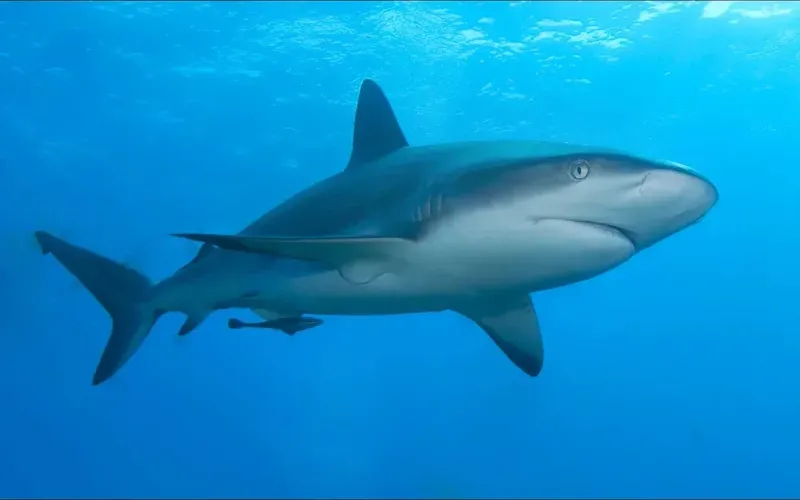
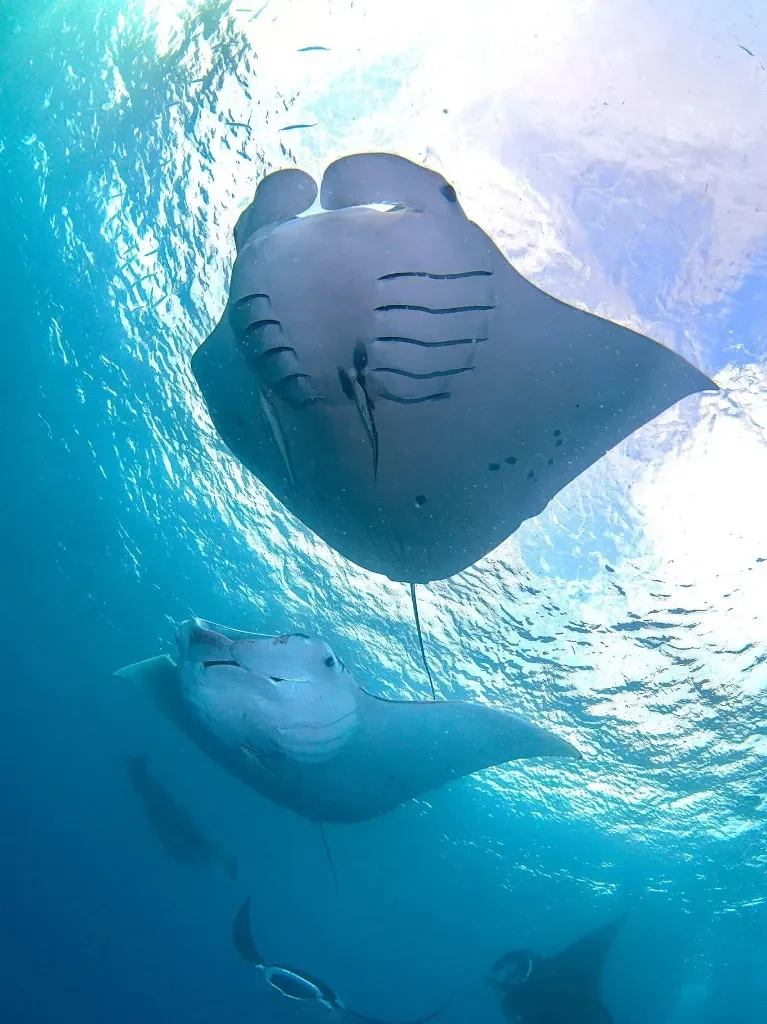
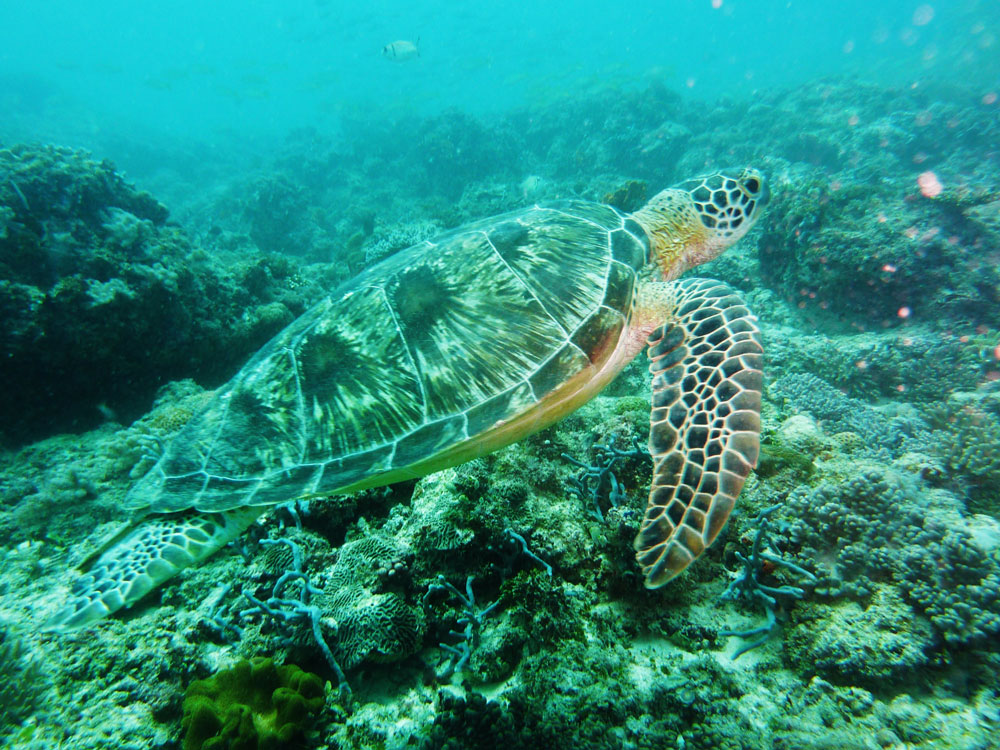
Keep an eye out for larger pelagics; sightings have included reef sharks, whale sharks, manta rays, dolphins, and turtles. Reef tops teem with red-tooth trigger fish and clouds of anthias.
Meanwhile, sandy channels might reveal unique critters such as crocodile fish, octopus, frog fish, and various nudibranchs.
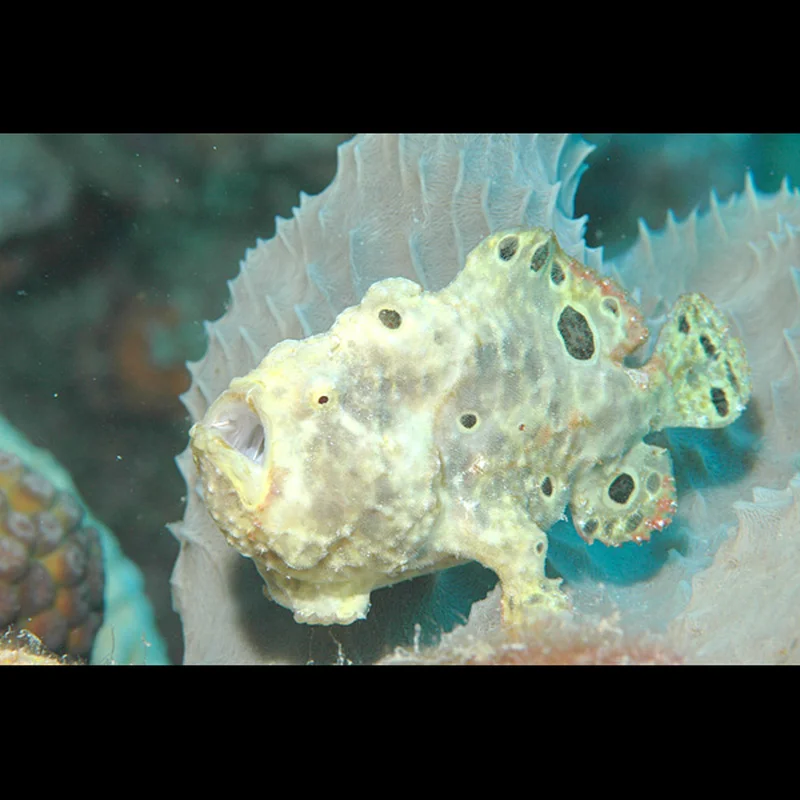
Dive Sites Near Brain Coral
View all dive sites in KenyaDiscover more underwater gems in this area.
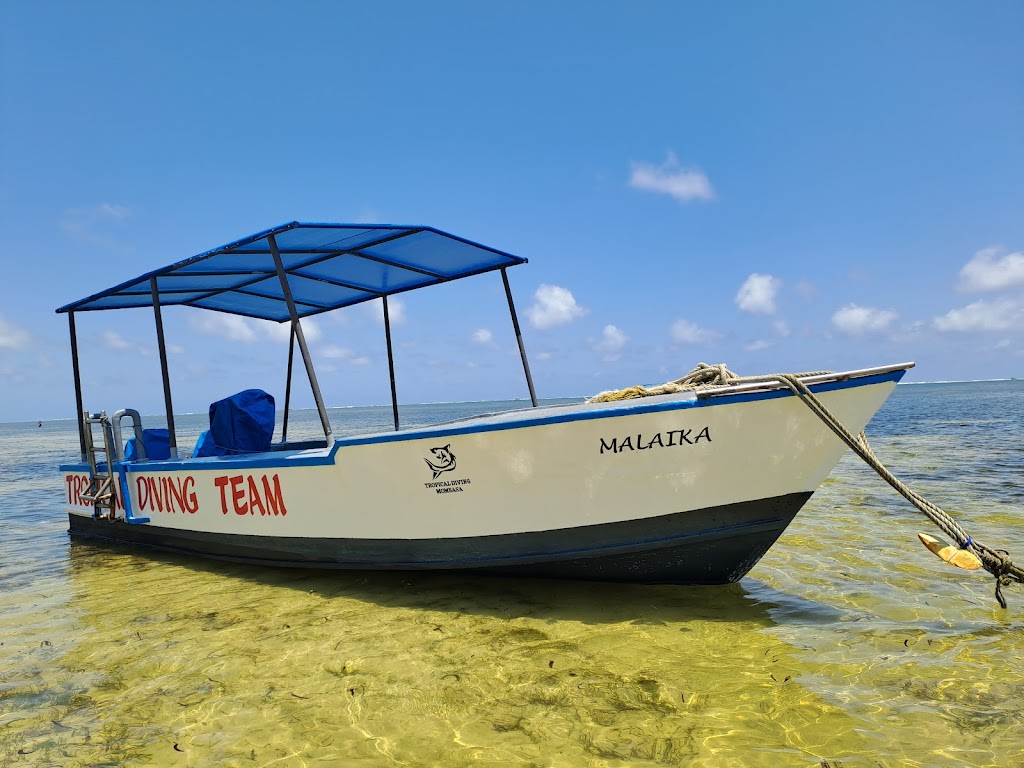
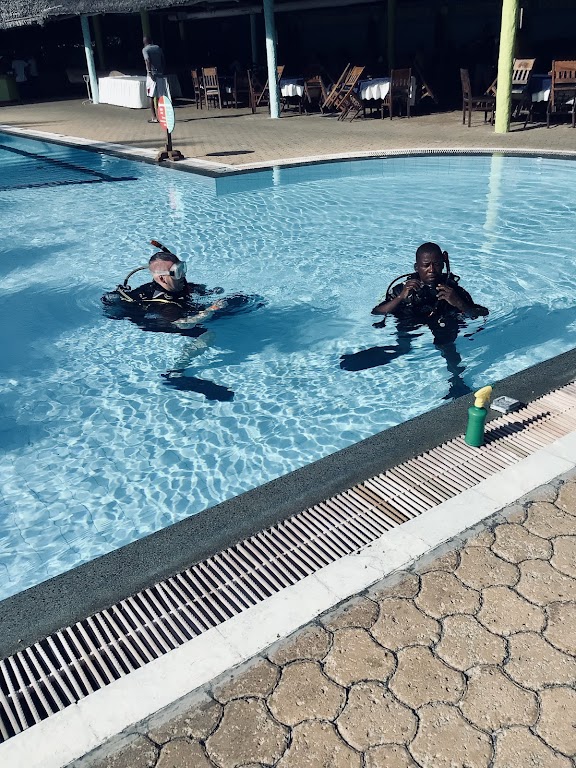
Dive Centers Near Brain Coral
Today: 08:00 - 17:00
Nearest Airports
Nearest airports to help plan travel to this dive area.
Search Flights
Check available flights and routes on Expedia, using the nearby airports listed in this section.
Search Flights on ExpediaFrequently Asked Questions
What is the typical depth range for diving at Brain Coral?
The buoy is secured at 16-17 meters (52-56 ft) on the edge of a sandy channel. The maximum depth available for exploration at this site is 30 meters (98 ft).
What kind of marine life can I expect to see?
You can anticipate seeing diverse marine life, including schools of snappers, coral groupers, lion fish, and glass fish within the overhangs. Larger sightings may include reef sharks, whale sharks, manta rays, dolphins, and turtles.
Are there any specific coral species at Brain Coral?
Yes, the site features extensive soft corals in yellow and purple. You may also observe Hard Brain Coral (Platygyra lamellina) and Moon Coral (Dipsastraea lizardensis) colonies.
When is the best time of year to dive Brain Coral?
The best time to visit is generally from October to March, with March often offering the most favorable conditions. During these months, dive scores are typically higher due to more settled weather.
What are the typical water temperatures?
Water temperatures at Brain Coral are not consistently reported but typically align with warm tropical ocean conditions, offering comfortable diving experiences throughout the year.
Is Brain Coral suitable for all diver levels?
Given the maximum depth of 30 m (98 ft) and potential currents along the drop-off, this site is generally recommended for certified divers with some experience, or those looking to expand their skills under supervision.
Planning to dive Brain Coral?
Send one inquiry and receive offers directly from the best verified local dive operators.
Conditions are Poor
High Swell Advisory. Not recommended.
Current conditions near Brain Coral show 23° air, 27° sea temperature, 2.3 m waves, and 34 km/h wind. Forecast data is refreshed regularly to ensure accuracy.