
Diving at Moray Reef and Surrounds (Kenya)
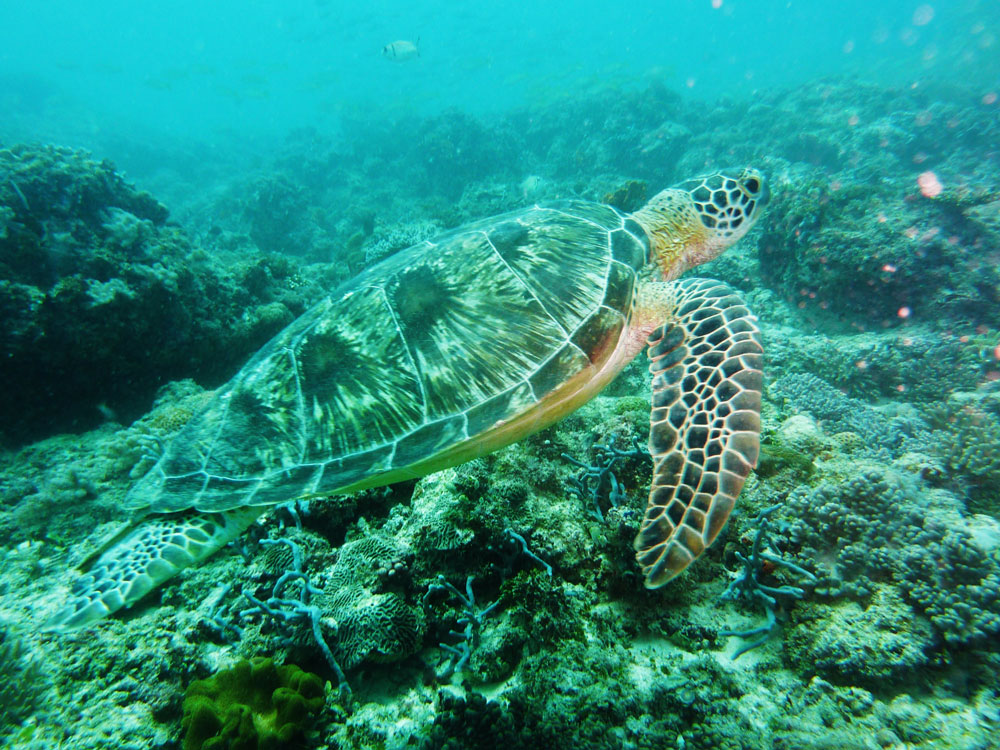
Sunlight filters through, illuminating the vibrant tapestry of Moray Reef and its surrounding areas off the Kenyan coast. Divers here encounter a visually rich underwater landscape, characterized by the striking rock formations and lively coral gardens. It provides an immediate sense of immersion, drawing attention to the abundant marine life inhabiting its many nooks and crannies.
Evening condition tracking at Moray Reef and Surrounds features an air temperature of 25.5°C. We have recorded wave heights measuring 2 m during this period. These figures outline the environmental parameters currently present.
Dive Site Location & Key Facts
Dive Site Overview
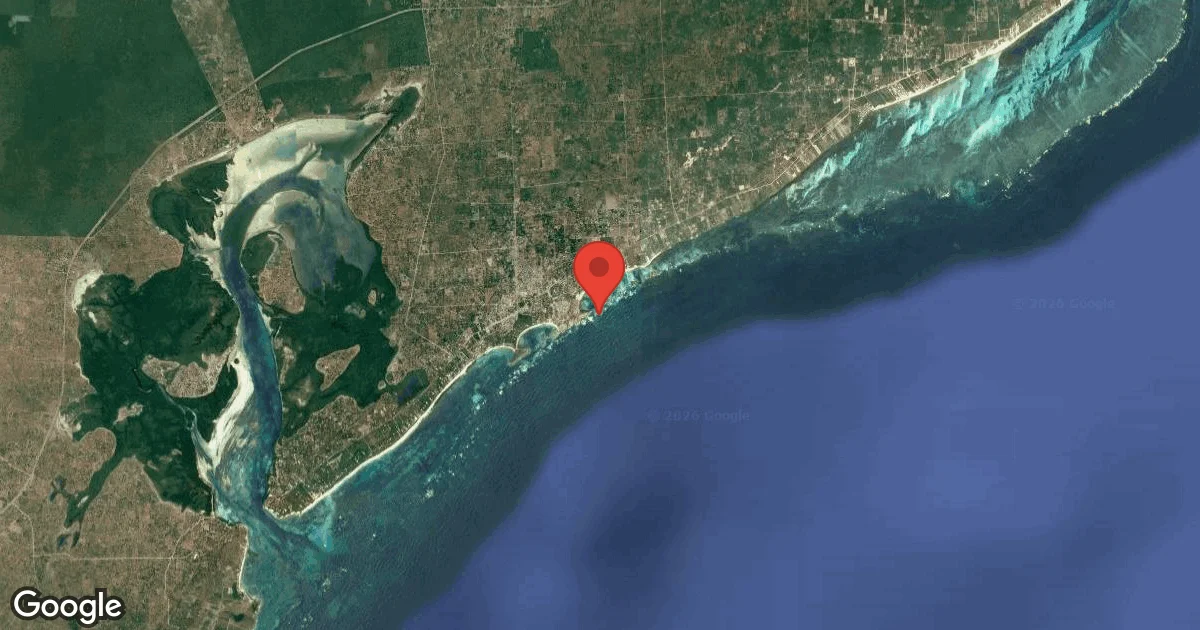
Moray Reef offers a compelling exploration opportunity, forming part of a wider reef system that extends to Cracas. Known for generally providing one of the shortest boat rides from shore, this site is easily accessible for many divers.
Buoys marking the dive site are typically secured around 10 m (33 ft), indicating the start of the reef structure. From these shallower points, the reef often descends with fairly steep drop-offs, reaching depths of approximately 30 m (100 ft). Overhangs and ledges throughout the reef deserve careful and slow exploration, frequently revealing an amazing variety of marine life.
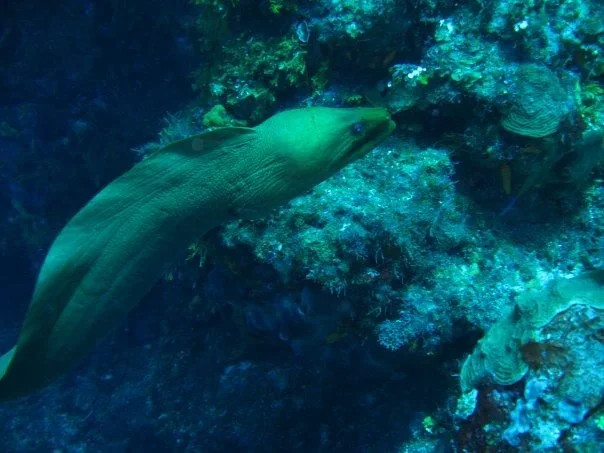
This reef area, stretching between Moray and Cracas, is particularly noted for its diversity of moray eel species, ranging from the tiny Geometric moray to the distinctively marked Honeycomb moray, making every crevice a potential discovery.
Conditions are Poor
High Swell Advisory. Not recommended.
Current conditions near Moray Reef and Surrounds show 25° air, 27° sea temperature, 2.3 m waves, and 34 km/h wind. Forecast data is refreshed regularly to ensure accuracy.
Best Time to Dive
Planning a dive to Moray Reef often yields its most rewarding experiences during specific periods, dictated by favorable weather patterns. The months of January, February, and March typically offer good diving conditions, with average air temperatures remaining warm at 28-28.5°C (82-83°F). October, November, and December also present good opportunities, maintaining comfortable air temperatures between 26.5-28°C (80-82°F). During these 'Good' dive score months, rain averages are lower, generally between 1-4.5 mm, and wave heights tend to be more moderate, contributing to clearer underwater visibility and calmer surface conditions. Dive scores are moderate from April to September, characterized by increased average rain and potentially higher wave action, which can affect overall dive enjoyment.
PEAK SEASON SCORE
Scores combine air & water temps, waves, wind & rainfall for overall conditions.
BEST MONTHS TO DIVE
Monthly records compiled from satellite and marine observation nodes over the last 3 years. Data provided by Open-Meteo and MET Norway.
Dive Experience & Conditions
Navigating the waters around Moray Reef reveals a dynamic environment influenced by local oceanography. Moderate currents are not uncommon here, adding to the dynamic nature of a dive, particularly around deeper sections and drop-offs. Moray Reef itself features gentle slopes across its landscape, making it accessible for intermediate divers to explore comfortably. Most dive sites in the Diani region, including this one, typically present clear water. Depths commonly encountered range from 10 meters at the buoy lines down to 30 meters at the reef's base. The underwater terrain provides numerous shelters for diverse species, encouraging divers to observe the intricate ecosystem closely.
Dive Difficulty & Safety Guidelines
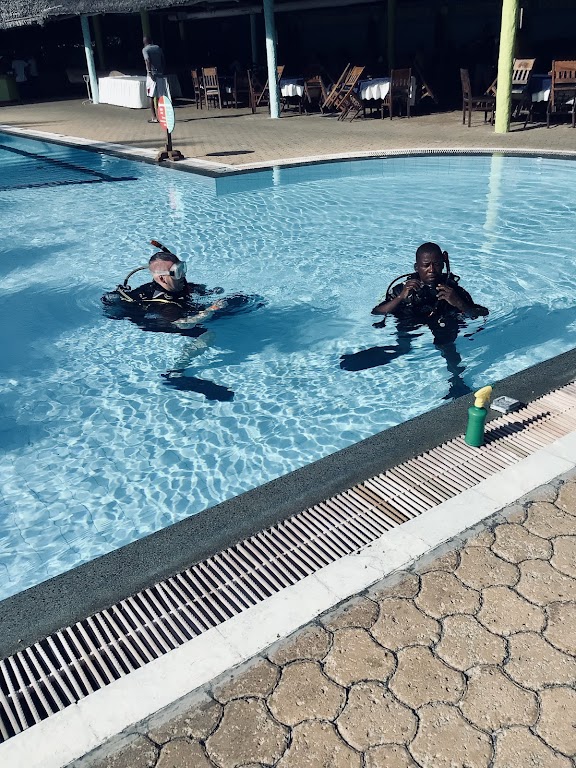
Ensuring a safe and enjoyable dive at Moray Reef involves understanding local operational standards and skill requirements. For most reef dives, divers need at least an Open Water certification. Uncertified individuals interested in exploring the coral reefs can still participate in a 'Try Scuba Diving' experience under direct instructor supervision.
Dive groups are typically managed by professional staff, ensuring guidance and safety throughout the underwater excursion. While deep dives are offered, these are generally reserved for those holding an Advanced Open Water certification or a Deep Specialty certification, aligning with prudent diving practices for depths beyond recreational limits.
Recommended Equipment
- Dive Computer
- DSMB
This gear list is based on verified equipment signals for Moray Reef and Surrounds, Kenya. Always confirm final gear choices with your dive operator, guide, or liveaboard.
Recommended Dive Suit
2-3mm shorty or light wetsuit is frequently recommended by dive operators for conditions like these. Consider warmer surface protection (like a boat coat) due to brisk winds. For divers entering the water at Moray Reef and Surrounds, temperatures are currently hovering around 27°C (80°F). Surface air temperatures are resting at 25°C (78°F).
Forecast trends indicate little change in overall diving conditions during the next few days.
Even small thermoclines can occasionally cause noticeable changes in water temperature.
Due to technical issues with our weather providers, live updates are temporarily delayed. The data above reflects the conditions at the time of the last successful fetch.
Emergency & Medical Support
Essential information to help you plan your dive trip to Moray Reef and surrounds.

Hyperbaric chambers are a critical part of dive safety infrastructure. Availability varies significantly by region, and not all dive areas have immediate access.
Before diving, it's recommended to:
- confirm nearest medical facilities
- check emergency procedures with local dive operators
- ensure dive insurance covers evacuation if required
Divers Alert Network
Diving emergency assistance available through DAN Southern Africa.
+27828106010- 24/7 emergency hotline
- Diving medical assistance
- Evacuation coordination
Emergency contacts are provided for reference. Always verify local emergency services before diving.
Marine Life at Moray Reef and Surrounds
Beneath the surface, Moray Reef's name hints at its most celebrated residents: a rich assortment of moray eels. Divers frequently encounter species like the smaller Geometric moray and the larger, distinctly marked Honeycomb moray, often found tucked into the reef's numerous overhangs and crevices.
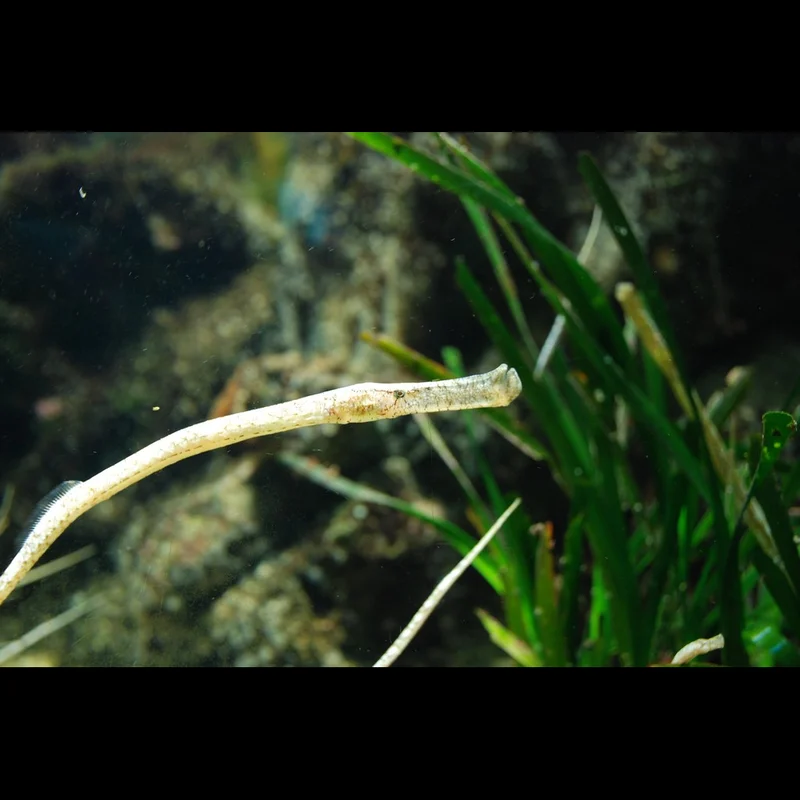
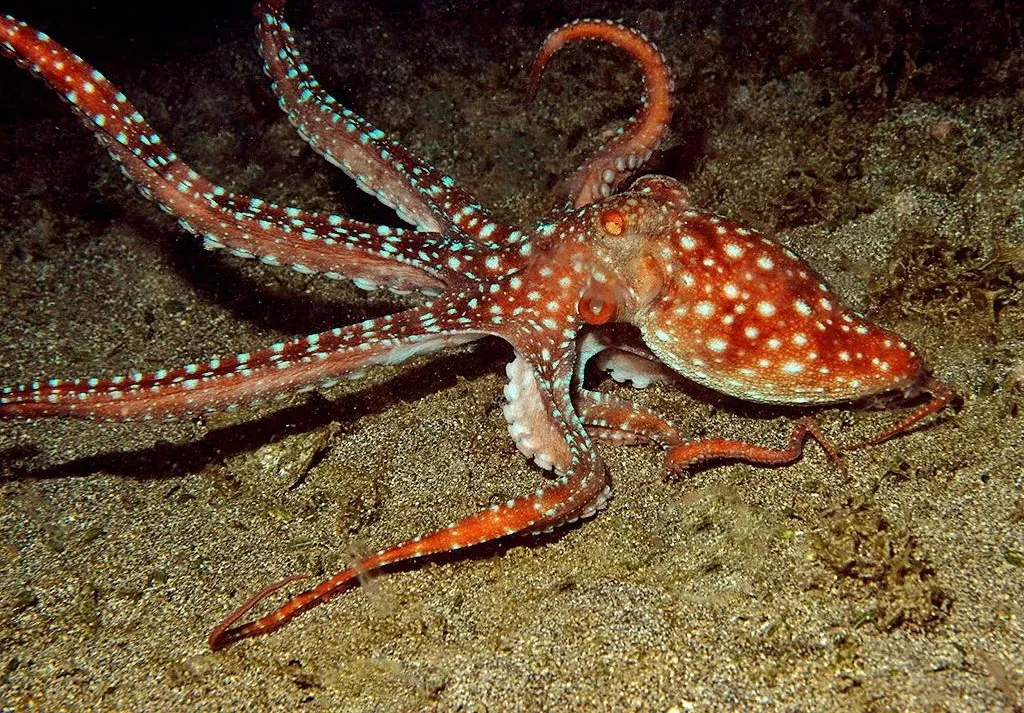
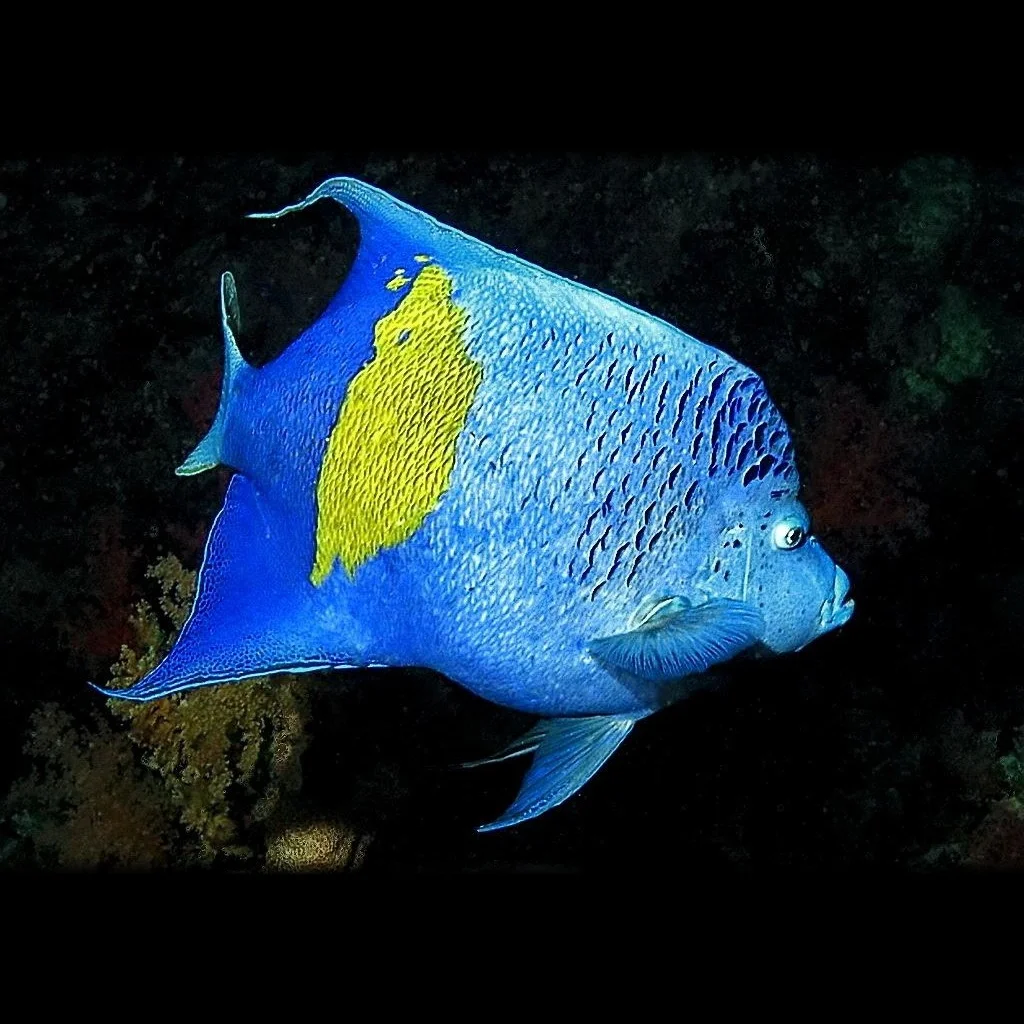
Beyond the eels, the reef supports a vibrant community including Pipefish, lionfish, elusive octopuses, and colorful nudibranchs. Throughout the Diani reefs, general sightings often include various turtles, clownfish, angelfish, and rays.
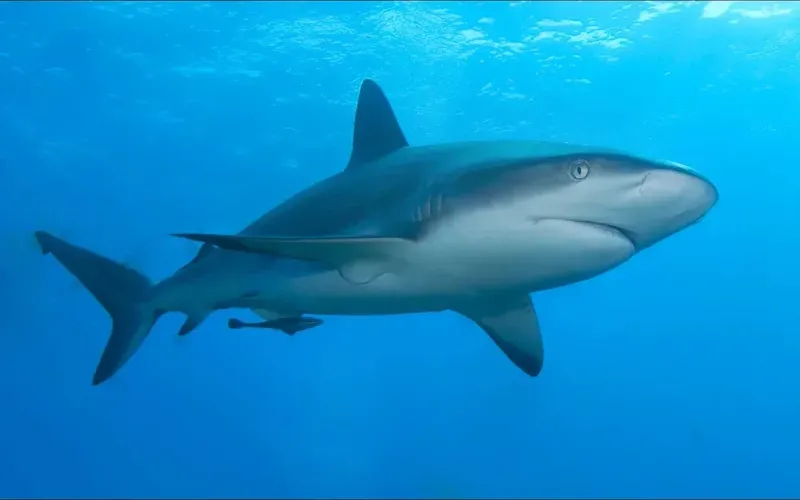
On deeper explorations, there's an increased chance of spotting reef sharks or playful dolphins, while seasonal visitors like whale sharks and humpback whales may pass through the broader area.
Dive Sites Near Moray Reef and Surrounds
View all dive sites in KenyaDiscover more underwater gems in this area.
Dive Centers Near Moray Reef and Surrounds
Today: 08:00 - 17:00
Nearest Airports
Nearest airports to help plan travel to this dive area.
Search Flights
Check available flights and routes on Expedia, using the nearby airports listed in this section.
Search Flights on ExpediaFrequently Asked Questions
What certification level is required for diving Moray Reef?
Most dives at Moray Reef require at least an Open Water certification. However, uncertified individuals can participate in a 'Try Scuba Diving' experience under direct instructor supervision to explore the shallower reef sections.
What are the typical depths at Moray Reef?
The buoys are usually tied off at around 10 m (33 ft). From there, the reef features fairly steep drop-offs, generally reaching down to about 30 m (100 ft) in its deeper areas.
What marine life can I expect to see at Moray Reef?
You can anticipate seeing a variety of moray eels, including Geometric and Honeycomb morays. Other common sightings include Pipefish, lionfish, octopuses, nudibranchs, and various tropical reef fish. Turtles and rays are also frequently observed.
How many divers are typically in a group?
Group sizes are not consistently reported but are managed by professional dive staff. This approach ensures a guided and safe underwater experience for all participants.
How close is Moray Reef to shore?
Moray Reef is situated among a set of southern reefs, often providing one of the shortest boat rides from the shore in the Diani region. This proximity means less travel time and more diving.
Are there opportunities for deeper dives?
Yes, deeper sections of the reef are accessible. These dives are typically offered to certified Deep Specialty or Advanced Open Water divers, ensuring appropriate skill levels for extended depth exploration.
Planning to dive Moray Reef and Surrounds?
Send one inquiry and receive offers directly from the best verified local dive operators.
Conditions are Poor
High Swell Advisory. Not recommended.
Current conditions near Moray Reef and Surrounds show 25° air, 27° sea temperature, 2.3 m waves, and 34 km/h wind. Forecast data is refreshed regularly to ensure accuracy.