
Diving in Kenya
Exploring dive sites in Kenya involves navigating different conditions, with variations in visibility, depth, and access. Our database currently contains 7 dive locations across Kenya. This makes it easier to assess where and when to dive.
Diving in Kenya is primarily concentrated along its Indian Ocean coastline, with documented activity extending across several key regional areas. These include Malindi, Watamu Bay, the coastal region around Mombasa, and Shimoni. Rather than widespread individual sites, the diving experience is often defined by these distinct geographical zones.
Access to Kenya's dive regions is generally straightforward, with chartered and scheduled flights readily available from Europe, often connecting through Nairobi or directly to Mombasa. While specific dive type distribution is not widely detailed, the marine environment supports observations of large schools of fish, various crustaceans, and nudibranchs, alongside seasonal sightings of larger pelagic species.
Dive Map of Kenya
When considering the coastal areas of Kenya for diving, the geographical layout emphasizes specific regional hubs rather than numerous scattered points. The documented regions are largely clustered along the Indian Ocean shoreline.
Available dive information for Kenya is concentrated around a limited number of documented regional areas such as Malindi, Watamu Bay, and the coastal stretch near Mombasa, rather than being widely distributed with specific site details. This regional focus helps orient divers to the primary areas of interest.
Dive Sites to Explore
View all 7 sites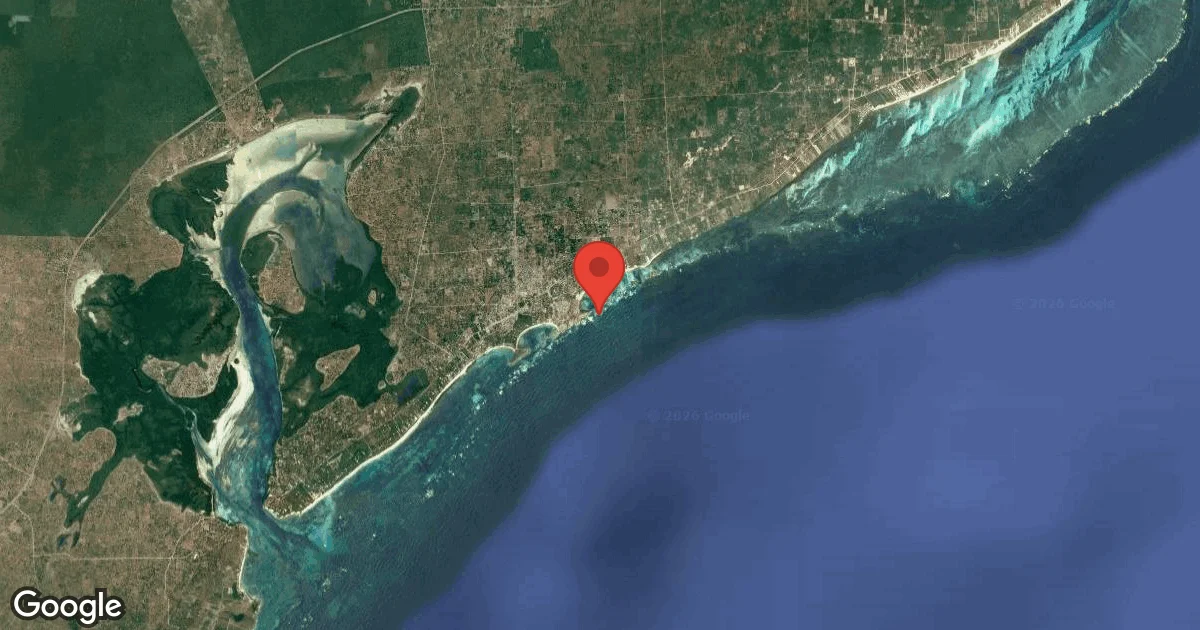
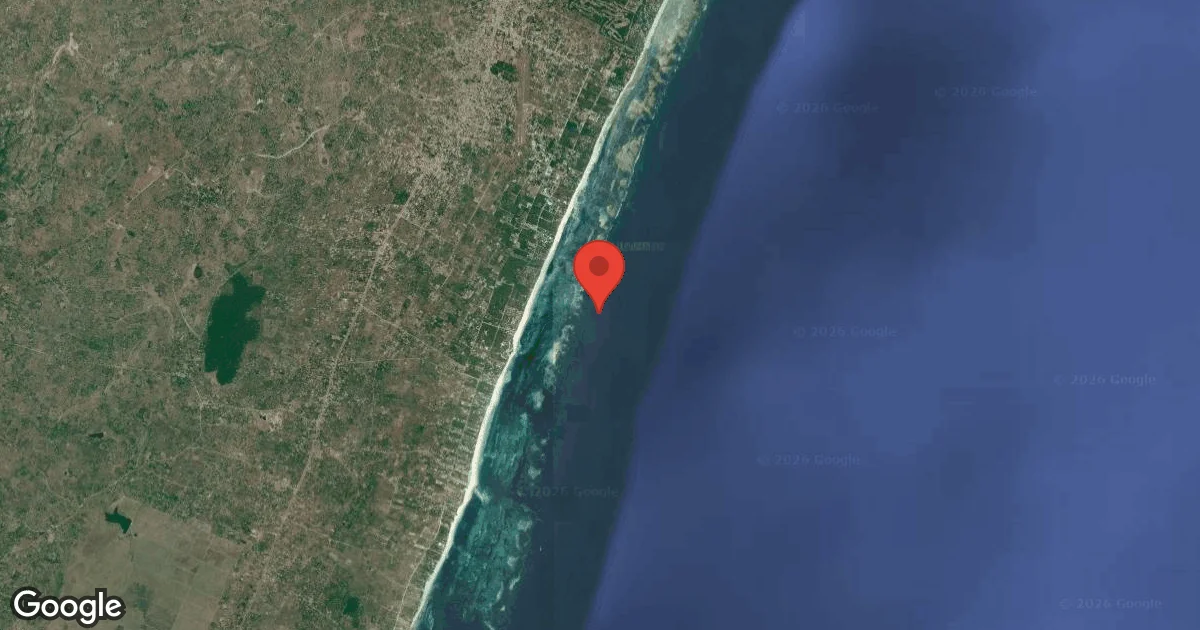
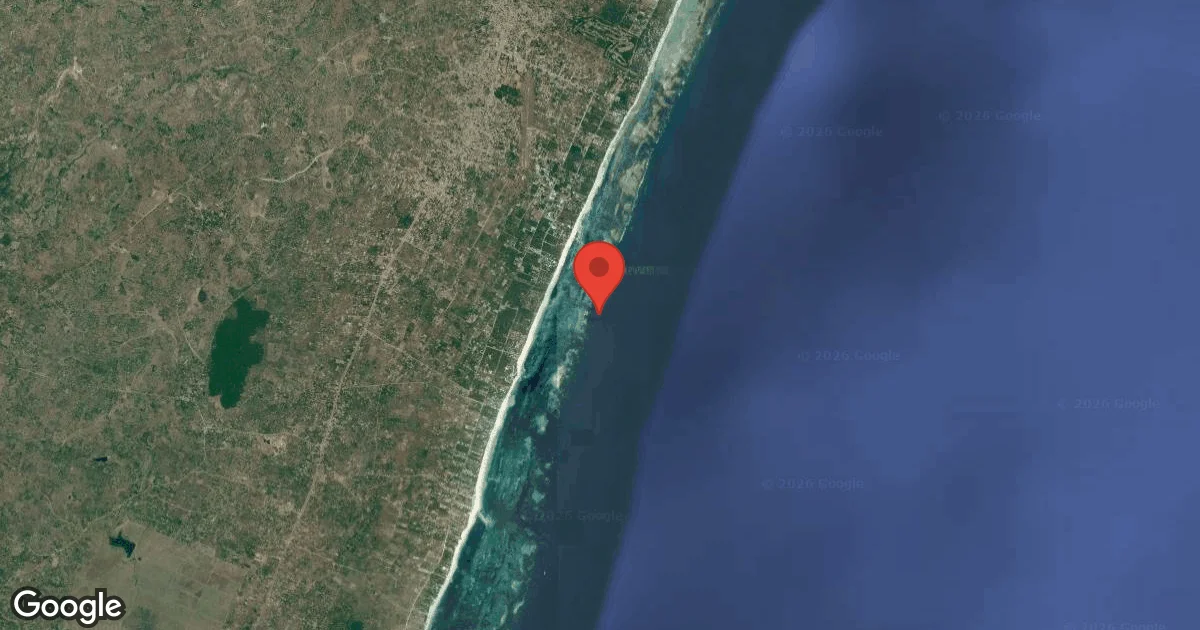
For divers of varying experience levels, understanding the general characteristics of Kenya's dive regions is key, given the concentration of available information. Visibility offers a broad range, generally from 10 to 40 meters (33 to 131 feet), which can accommodate different skill sets.
Diving activity in this country is not extensively documented at a national level, with most available information focused on general regional characteristics rather than specific named dive sites. This means exploring the known regions like Watamu or around Mombasa will be the primary approach to discovering underwater environments.
Best Time to Dive in Kenya
Planning a dive trip to Kenya involves considering the trade-offs between different periods to optimize conditions. The primary seasons for diving are generally cited between December and March, or from June to October.
These periods typically avoid the heaviest parts of the rainy season, which can affect visibility. During favorable months, divers can expect visibility ranging from 10 to 40 meters (33 to 131 feet), offering a good perspective on the underwater landscape.
Monthly Sea Temperatures
Diver comfort is well-accommodated by the consistent sea temperatures found along Kenya's coast. The water generally maintains a warm range, suitable for extended dives.
Sea temperatures typically fall between 25 and 29°C (77 and 84°F). This allows for comfortable diving, often requiring only a thin wetsuit or even just swimwear for some individuals.
| Jan | Feb | Mar | Apr | May | Jun | Jul | Aug | Sep | Oct | Nov | Dec | |
|---|---|---|---|---|---|---|---|---|---|---|---|---|
| Max | 30° | 29° | 31° | 31° | 29° | 28° | 27° | 26° | 27° | 28° | 29° | 30° |
| Avg | 28° | 28° | 29° | 29° | 28° | 27° | 26° | 25° | 26° | 27° | 28° | 28° |
| Min | 27° | 27° | 28° | 28° | 27° | 26° | 25° | 25° | 25° | 26° | 27° | 27° |
Dive Conditions
Evaluating dive conditions in Kenya primarily involves understanding the visibility range, which can impact the technical requirements for different dives. Visibility can vary significantly, from 10 meters (33 feet) to an impressive 40 meters (131 feet).
Detailed information regarding current strengths and patterns across Kenya's dive sites is not widely documented, with available data focusing primarily on visibility. Divers should consult with local operators for real-time conditions, especially considering the lack of specific current data.
Marine Life Highlights
Most Mentioned Species
Marine life in Kenya varies across dive locations, with different species appearing depending on environment and conditions. The species highlighted here are the most frequently associated with dive sites in our data, offering a realistic overview of what divers are most likely to encounter.
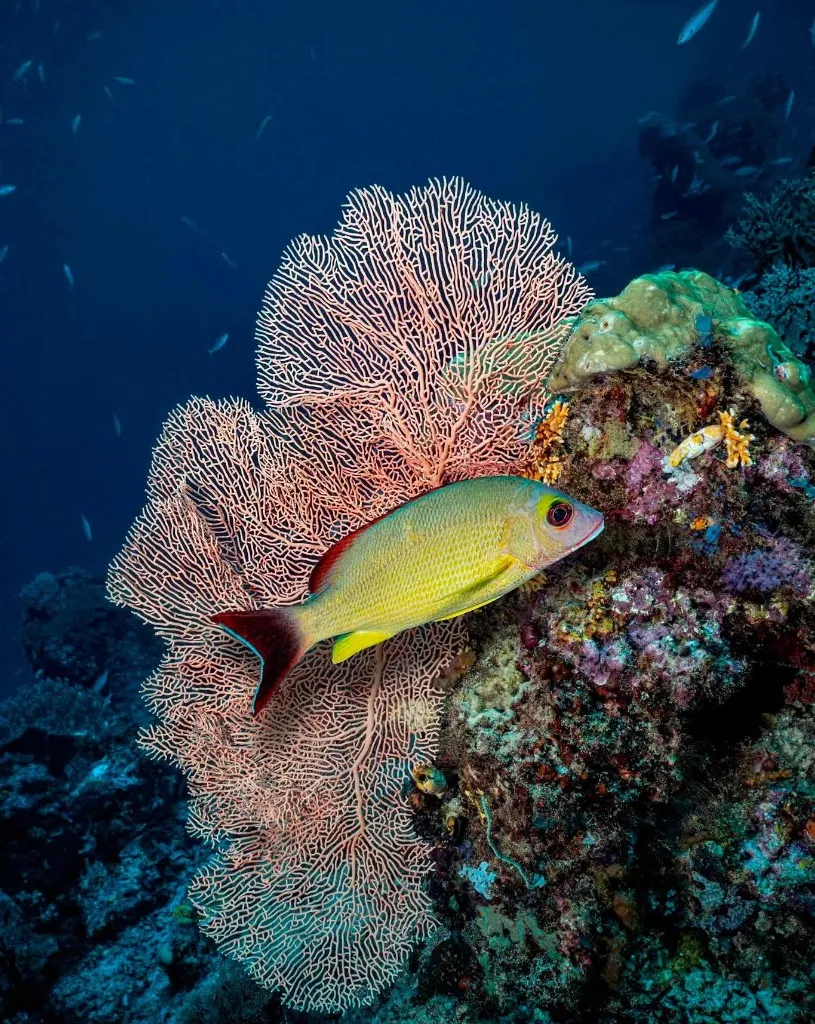
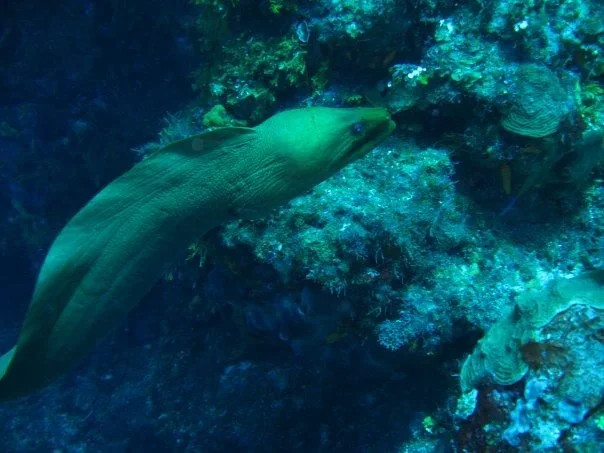
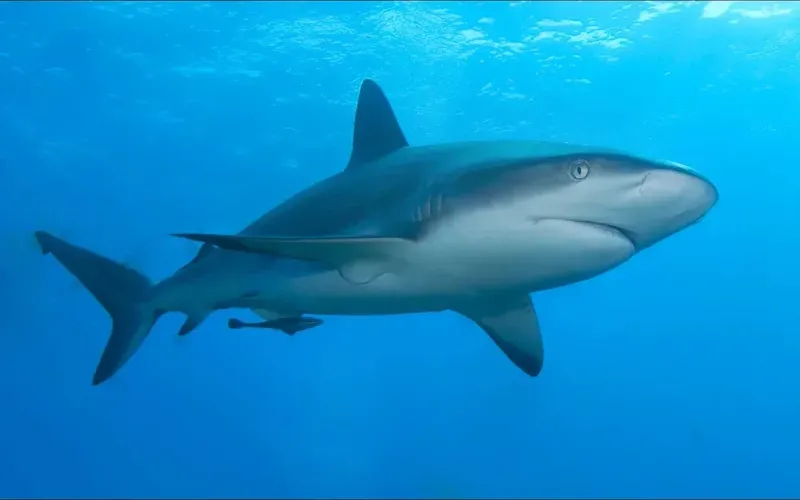
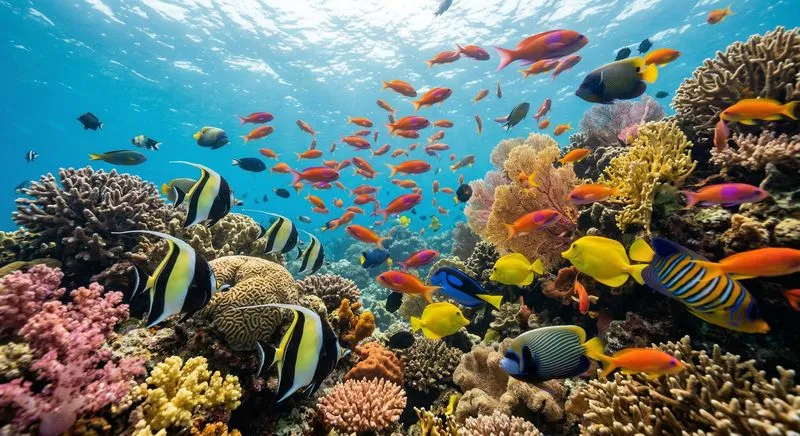
Kenya's underwater habitats support a diverse array of marine life across its reef walls, coral gardens, and sandy channels. Hard corals form the foundation of many reef structures, providing shelter for numerous smaller species.
Divers often encounter large schools of fish, various crustaceans, and nudibranchs. Significant sightings include turtles, reef sharks, rays, and moray eels. Seasonal visitors like humpback whales and the occasional whaleshark add to the pelagic encounters.
Regions for Diving
Comparing Kenya's dive regions reveals a focus on specific coastal areas, each offering distinct characteristics for divers. Watamu Bay is recognized for its status as a marine park, suggesting a protected environment.
Other notable regions include Malindi, the broader coastal area around Mombasa, and Shimoni. These areas generally offer consistent water temperatures of 25 to 29°C (77 to 84°F) and visibility between 10 to 40 meters (33 to 131 feet) during the favorable diving seasons of December-March or June-October.
Travel & Passport Guide
Travel Basics
Trip Planning
Safety & Diving Considerations
Ensuring safety while diving in Kenya often involves understanding the tidal conditions, which can influence accessibility and dive planning. A key restriction is that diving is not possible at low tide.
Fringing reefs become exposed, limiting access to outer reefs and often restricting dives to morning hours. Divers should be aware that at extremely low tides, even swimming might not be possible. For emergencies, a decompression chamber is located in Mombasa.
Dive Centers in Kenya
View all 13 dive centers


Frequently Asked Questions
What is the typical visibility for diving in Kenya?
Visibility for diving in Kenya can range from 10 to 40 meters (33 to 131 feet), depending on the specific location and time of year.
Which months are considered the best for diving in Kenya?
The best periods for diving in Kenya are generally between December and March, or from June to October, to avoid the heaviest rainy season.
Are there decompression chambers available in Kenya?
Yes, a decompression chamber is available in Mombasa, serving the coastal diving regions.
What marine life can divers expect to see in Kenya?
Divers can expect to see large schools of fish, crustaceans, nudibranchs, turtles, reef sharks, rays, and moray eels. Seasonal sightings include humpback whales and whalesharks.