
Diving at Varella Wreck (Malaysia)
Submerged off Pulau Varella, Malaysia, the Varella Wreck, identified as Gyoshin Maru, represents a significant historical relic. A Japanese tanker, repurposed as an armed merchant ship, met its end swiftly, sinking on December 19, 1944. Resting in relatively shallow waters, the wreck’s structure is now broken into two main sections. Exploring its condition presents a compelling yet challenging environment for certified wreck divers seeking historical immersion.
Tonight's objective overview for Varella Wreck shows an air temperature of 28°C. The measured surface conditions include wave heights around 0.5 m. This environmental data is logged for the close of the day.
Dive Site Location & Key Facts
Dive Site Overview
The structure of the Varella Wreck presents a poignant reminder of its wartime fate, detailing the brief service life of the Gyoshin Maru. This Japanese tanker, launched in September 1944, remained active for less than three months before running aground near Pulau Varella.
It now rests generally in 20 m (65 ft) of water, with the seabed reaching a maximum depth of 22 m (72 ft), positioned between Pulau Berhala and the very Varella Rock it struck. The 93.5 m (307 ft) long vessel, once part of two convoys, MI-25 and MI-26, navigated perilous wartime routes.
Today, its bow section remains relatively upright, maintaining a westward orientation and providing a distinct, identifiable structure for divers to explore.
In contrast, the stern lies extensively broken into several pieces, a testament to the forces that tore it apart. Among these fragments, two anti-aircraft gun emplacements stand prominently upright, often capturing attention and serving as powerful focal points for underwater photography.
Exploring the differing states of the bow and stern offers varied experiences, from navigating relatively intact sections to sifting through scattered debris, each revealing aspects of its final moments. Its submerged state allows for a direct, immersive connection to a significant historical event, making it a compelling dive for those interested in maritime history and wreck exploration.
Conditions are Good
Optimal conditions expected
Current conditions near Varella Wreck show 28° air, 30° sea temperature, 0.5 m waves, and 23 km/h wind. Forecast data is refreshed regularly to ensure accuracy.
Best Time to Dive
Planning your dive around optimal conditions significantly enhances the experience at Varella Wreck. October consistently records an 'Excellent' dive score, with air temperatures averaging 28.5°C (83°F) and moderate rainfall. Months from February through September, and again in November, also provide generally 'Good' dive conditions, often seeing air temperatures between 27°C (81°F) and 29°C (84°F). During these periods, wave heights and wind speeds are typically lower, contributing to better visibility and easier access to the site. Conversely, January tends to have 'Poor' conditions, marked by higher wave heights and wind speeds, making diving less comfortable and potentially more challenging.
PEAK SEASON SCORE
Scores combine air & water temps, waves, wind & rainfall for overall conditions.
BEST MONTHS TO DIVE
Monthly records compiled from satellite and marine observation nodes over the last 3 years. Data provided by Open-Meteo and MET Norway.
Dive Experience & Conditions
Underwater, divers will find the Varella Wreck’s main sections oriented east-west across the seabed. A substantial bow section stands approximately 11 m (36 ft) from the sand, offering exploration, while the stern is more fragmented, distributed across the bottom around a max depth of 22 m (72 ft). Visibility at the site varies depending on local currents and sediment, but typically allows for clear views of major wreck components. Conditions here are generally calm; however, they can shift, impacting current strength around the wreck’s structure. Decades underwater, the steel hull displays significant deterioration and jagged edges, emphasizing the site's age.
Dive Difficulty & Safety Guidelines
Any wreck dive requires adherence to specific safety protocols, and the Varella Wreck is no exception. Significant amounts of ammunition and unexploded ordnance are scattered across and within the wreck; a strict 'no-touch' rule is essential. Compromised integrity of the 62-year-old steel structure leads to many rusty, jagged edges posing a physical hazard.
Divers should maintain neutral buoyancy to avoid contact with the fragile wreck and any debris. Prioritizing thorough pre-dive planning and maintaining situational awareness throughout the dive is crucial for safe exploration of this historical site.
Recommended Equipment
Overhead / entanglement risk. Wreck penetration requires proper training.
- Dive Computer
- Primary & Backup Lights
- Wreck Reel
- Cutting Tool
This gear list is based on verified equipment signals for Varella Wreck, Malaysia. Always confirm final gear choices with your dive operator, guide, or liveaboard.
Recommended Dive Suit
With water temperatures around 30°C (85°F), many divers find a dive skin or rash guard provides comfortable protection.
Local conditions can vary slightly across different parts of the same dive site.
Weather projections show fairly stable environmental conditions ahead.
Due to technical issues with our weather providers, live updates are temporarily delayed. The data above reflects the conditions at the time of the last successful fetch.
Emergency & Medical Support
Essential information to help you plan your dive trip to Varella Wreck.

Hyperbaric chambers are a critical part of dive safety infrastructure. Availability varies significantly by region, and not all dive areas have immediate access.
Before diving, it's recommended to:
- confirm nearest medical facilities
- check emergency procedures with local dive operators
- ensure dive insurance covers evacuation if required
Divers Alert Network
Diving emergency assistance available through DAN World.
+1-919-684-9111- 24/7 emergency hotline
- Diving medical assistance
- Evacuation coordination
Emergency contacts are provided for reference. Always verify local emergency services before diving.
Marine Life at Varella Wreck
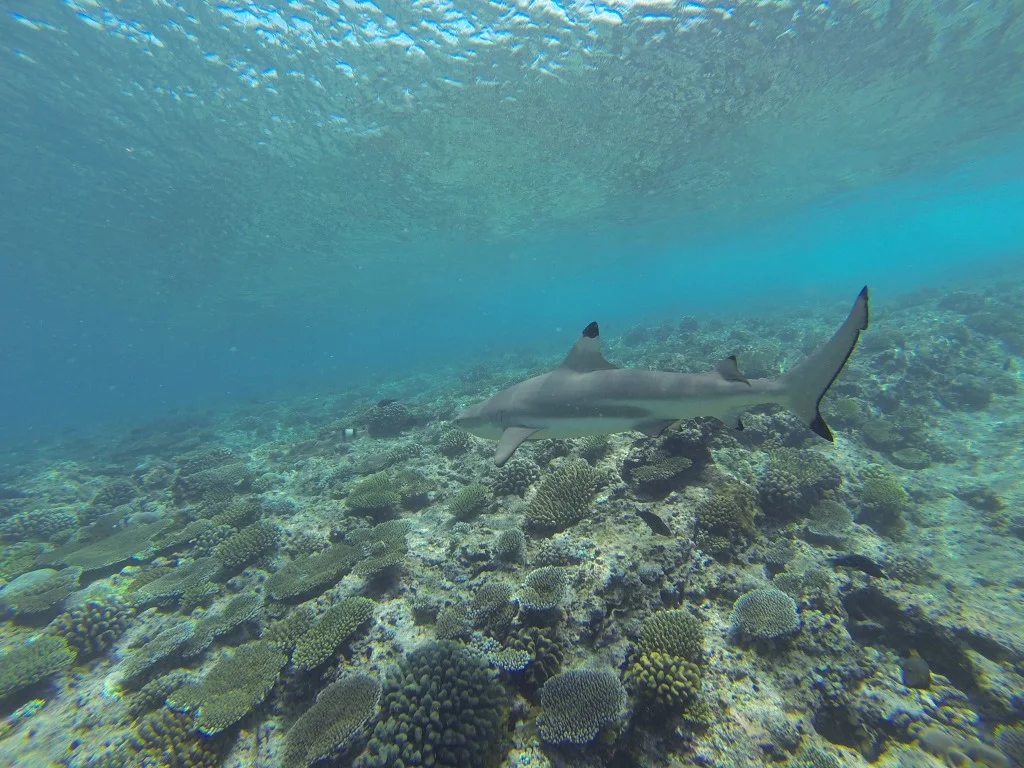
An artificial reef, Varella Wreck's structure attracts a variety of marine life to its surfaces and surrounding sandy bottom. While no specific residents are consistently reported, the site serves as a known habitat for larger pelagic species.
Common sightings include various sharks, whales, dolphins, and turtles, which often frequent the broader area. These animals leverage the sunken ship for shelter or as a hunting ground, adding a dynamic element to the historical submerged landscape.
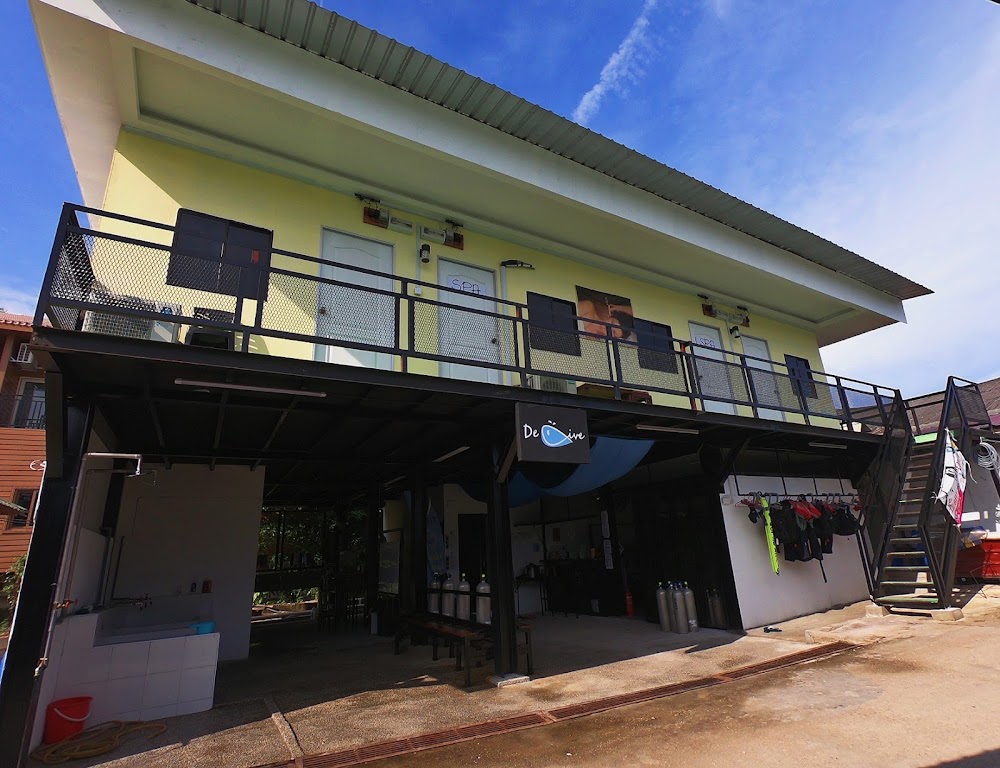
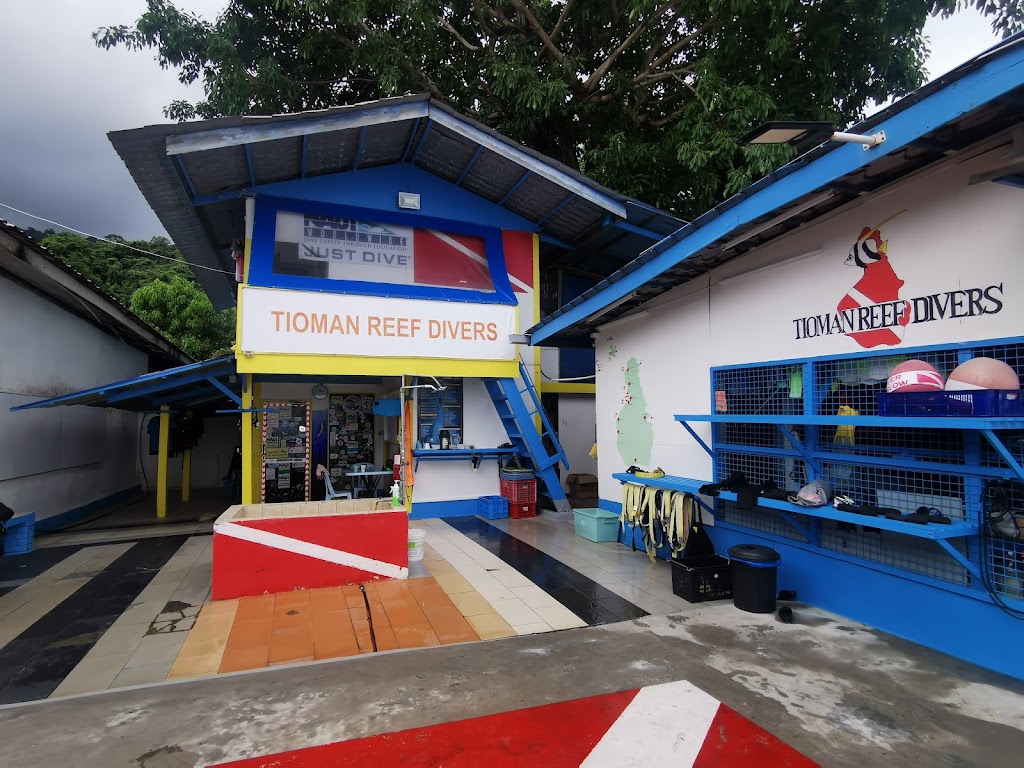
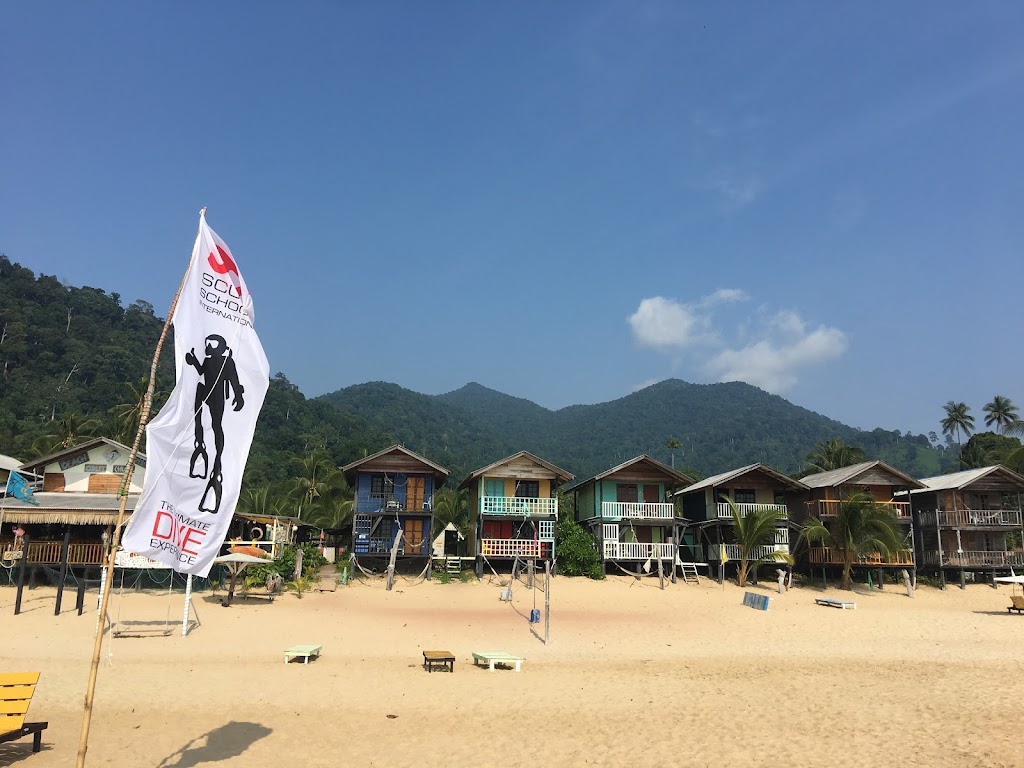
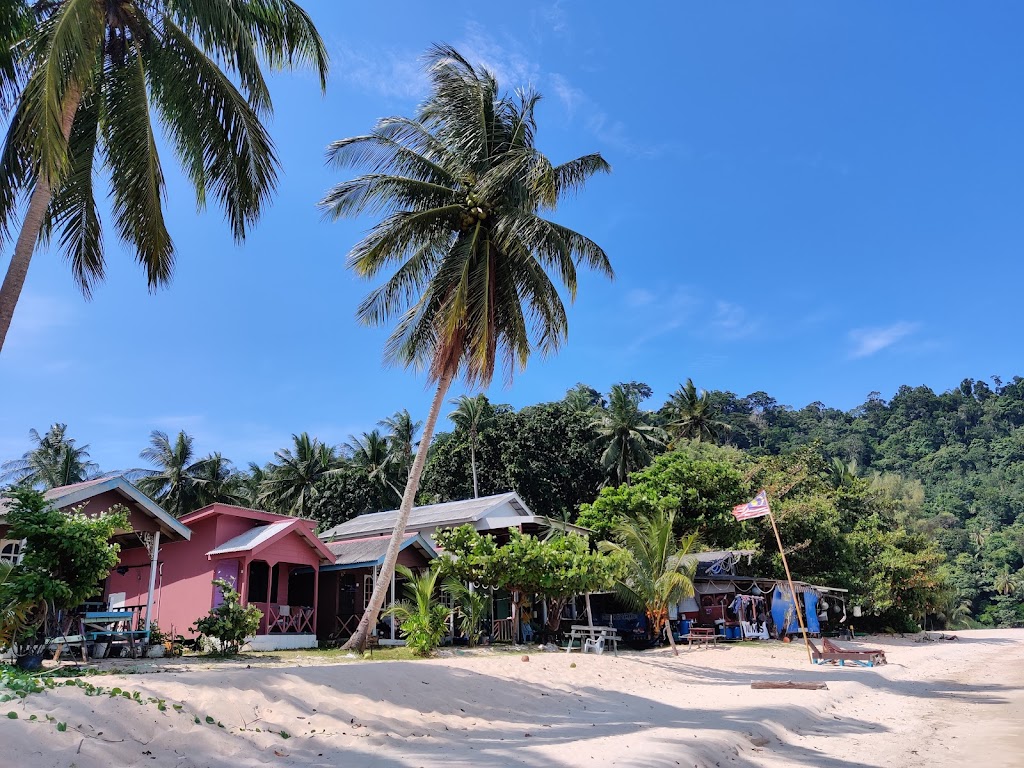
Dive Centers Near Varella Wreck
Today: 08:00 - 18:00

Nearest Airports
Nearest airports to help plan travel to this dive area.
Search Flights
Check available flights and routes on Expedia, using the nearby airports listed in this section.
Search Flights on ExpediaFrequently Asked Questions
What is the history of the Varella Wreck?
The Varella Wreck, originally named Gyoshin Maru, was a Japanese tanker converted into an armed merchant ship. She was launched in September 1944 and sank after running aground on a reef near Pulau Varella on December 19, 1944, having been in service for less than three months.
What are the typical depths at Varella Wreck?
The wreck generally rests in 20 meters (65 feet) of water. The maximum depth to the seabed is 22 meters (72 feet), while the keel of the bow section rises to approximately 11 meters (36 feet).
Is the Varella Wreck intact?
No, the wreck is broken into two main sections: a relatively upright bow and a badly broken-up stern. The stern consists of several pieces, with its two anti-aircraft gun emplacements being the most prominent features.
What marine life can be seen at the Varella Wreck?
While resident reef life isn't consistently detailed, common sightings around the Varella Wreck include sharks, whales, dolphins, and turtles. The wreck's structure provides a habitat that attracts these larger pelagic species.
Are there any hazards at the Varella Wreck?
Yes, significant hazards include scattered ammunition and unexploded ordnance around and within the wreck. Additionally, the steel structure is old and mangled, presenting rusty jagged edges that require caution.
When is the best time to dive Varella Wreck?
October offers excellent dive conditions, characterized by moderate rainfall and air temperatures averaging 28.5°C (83°F). February through September, and November, are also considered good, with stable air temperatures and generally favorable sea conditions.
What are the common water temperatures at this site?
Specific water temperature data for Varella Wreck is not consistently reported. Conditions can vary depending on the time of year and localized marine currents.
Planning to dive Varella Wreck?
Send one inquiry and receive offers directly from the best verified local dive operators.
Conditions are Good
Optimal conditions expected
Current conditions near Varella Wreck show 28° air, 30° sea temperature, 0.5 m waves, and 23 km/h wind. Forecast data is refreshed regularly to ensure accuracy.