
Diving at South Gugegwe Wreck (Marshall Islands)
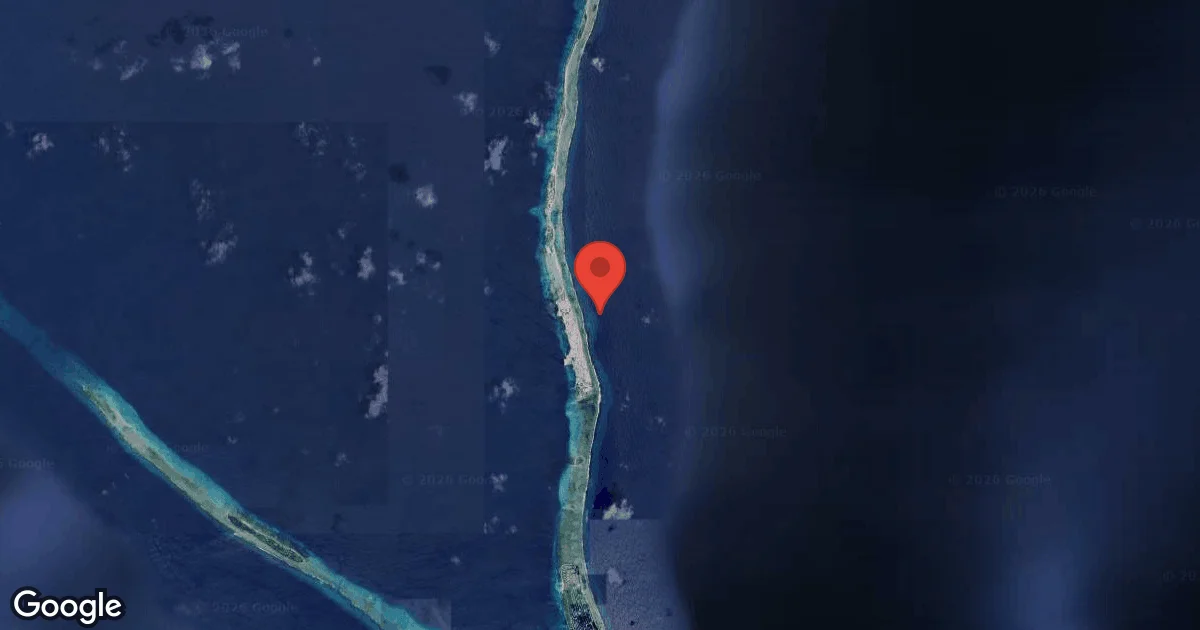
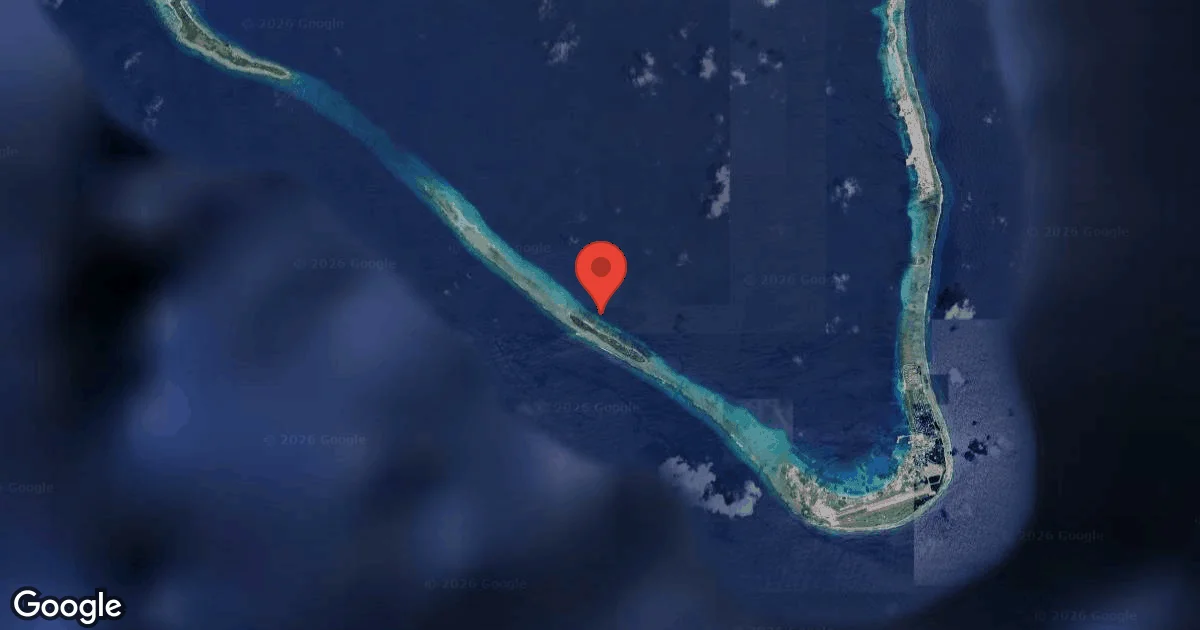
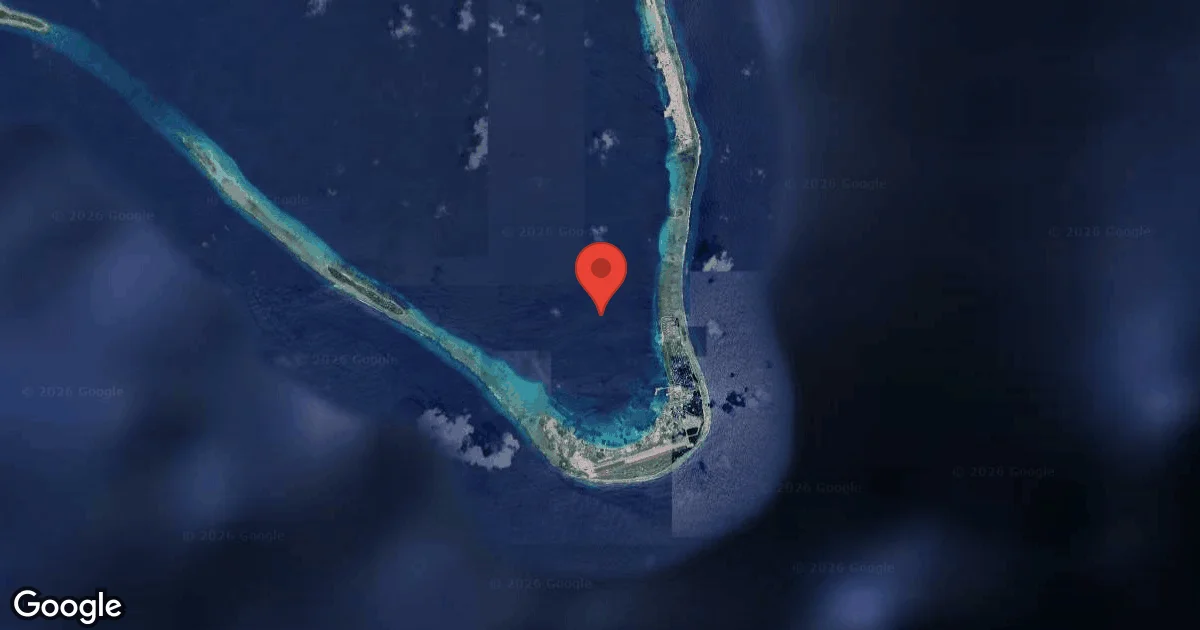
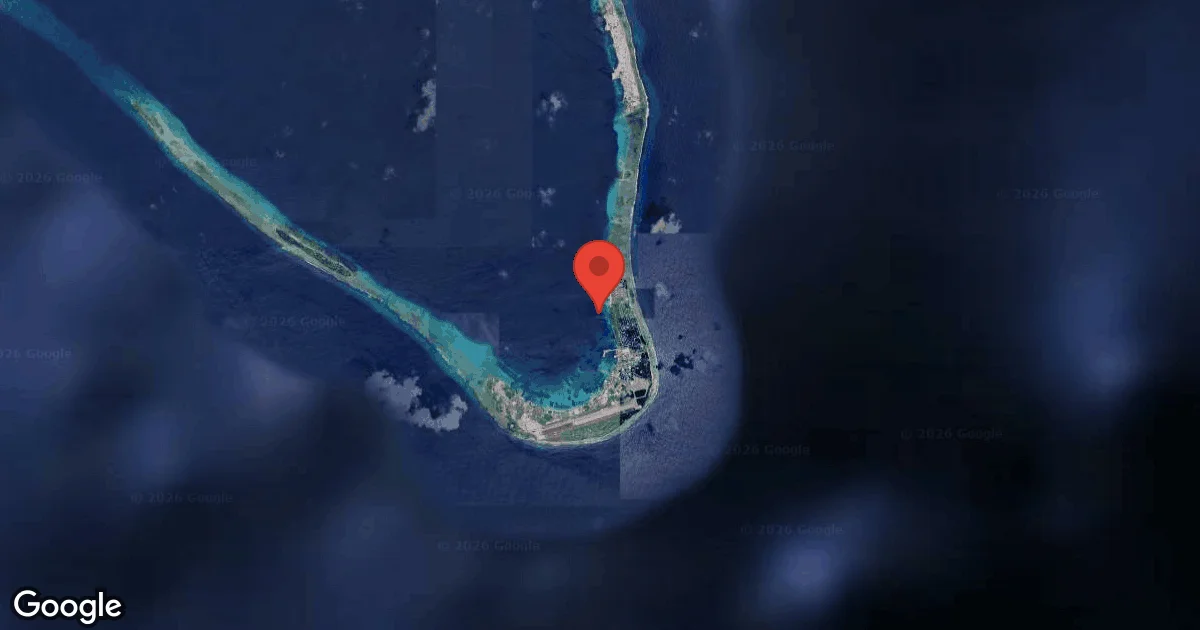
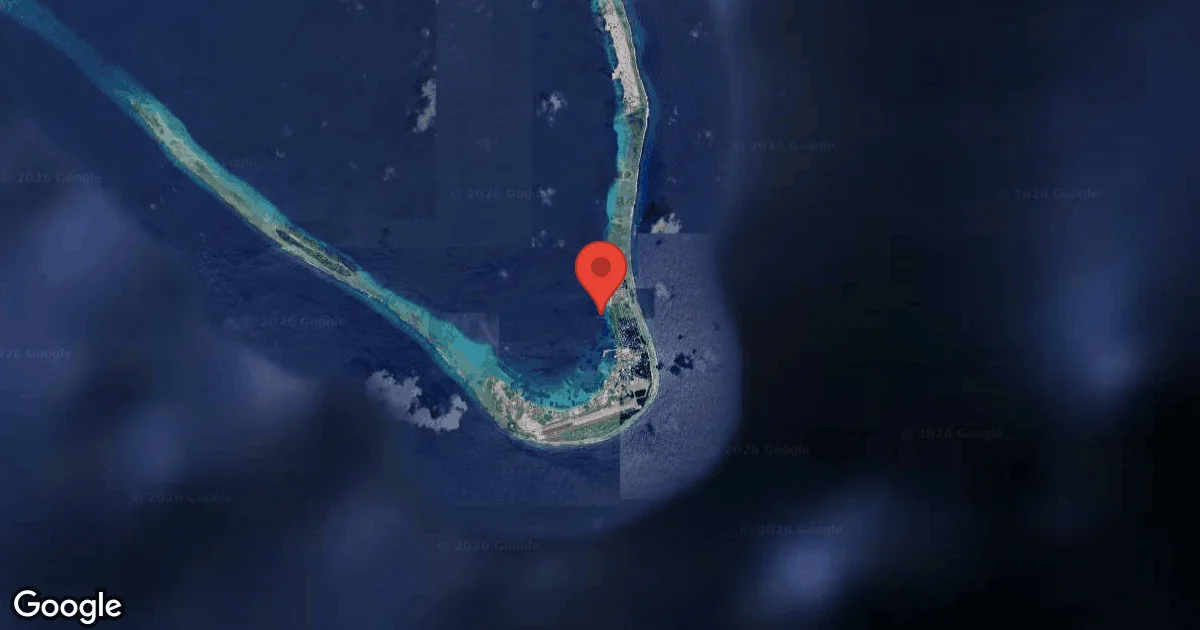
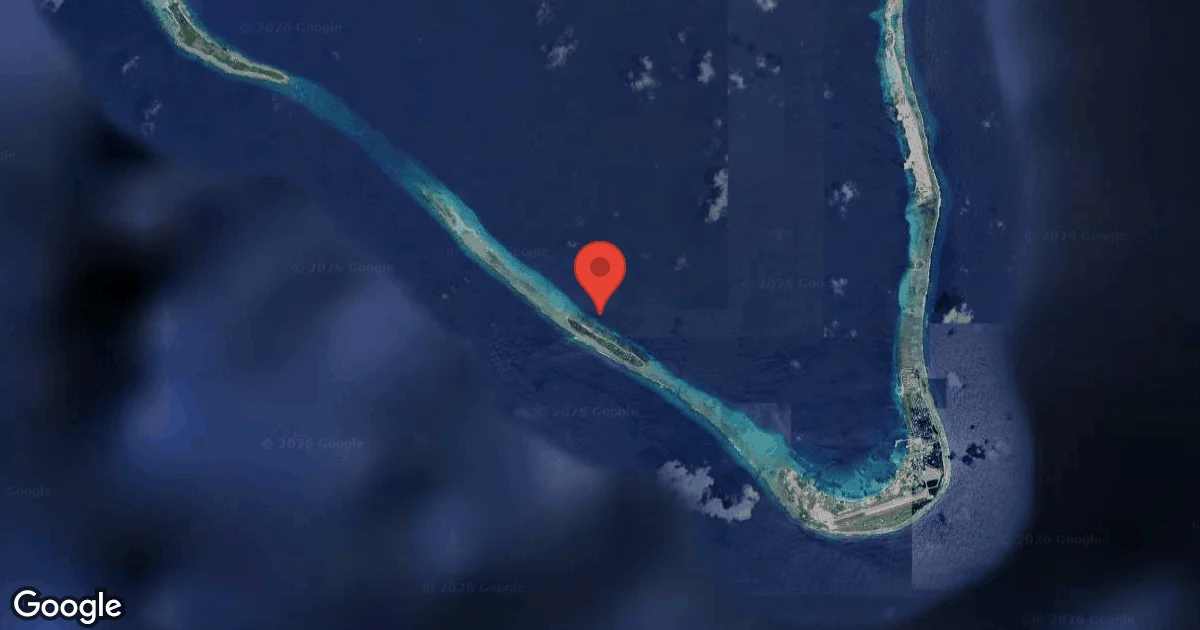
Perched on the inner lagoon drop-off roughly 180 meters west of South Gugegwe, this 30-meter Japanese wooden utility vessel has dissolved into an atmospheric marine-archaeology study where an upright diesel engine, twin fuel tanks, tail shaft, and river-cobble ballast stones trace the ghost outline of her hull.
Midday environmental data at South Gugegwe Wreck reports an ambient temperature of 28°C. Surface tracking indicates wave heights of approximately 1.2 m. This summarizes the present water and weather conditions.
Dive Site Location & Key Facts
Estimated Coordinates
Coordinates are estimated from the best available maritime charts and local dive references, as exact GPS pins are not publicly confirmed. Always verify the precise entry or mooring point with a local dive operator.
Dive Site Overview
Recorded as archaeological site MI-KW-LA-002 in the Marshall Islands underwater survey, South Gugegwe Wreck rests on the coral-and-sand slope off the original southern tip of Gugegwe Island, just north of the causeway fill toward Ningi and Epwaj. Built with heavy timber planking rather than steel hull plates, the roughly 30.5-meter Imperial Japanese inter-atollic cargo and utility boat succumbed to American air or naval bombardment in early 1944, after which marine borers gradually consumed her upper wooden superstructure.
Today the core of the wreck sits between 15.2 and 20.0 meters, with scattered structural debris trailing down the steeper lagoon slope to 27.4 meters. Because the timber hull framing has largely receded to the keel line, divers enjoy an unobstructed mechanical cutaway: a tall, coral-encrusted inline diesel engine stands upright at the center of the site, flanked by two fallen cylindrical fuel tanks, the reduction gearbox, and the long propeller shaft leading aft. Rounded stone ballast cobbles—resembling traditional Japanese hearth stones—still cradle the surviving lower wooden keel timbers on the sand.
Conditions are Moderate
Optimal conditions expected
Current conditions near South Gugegwe Wreck show 28° air, 29° sea temperature, N/A waves, and 30 km/h wind. Forecast data is refreshed regularly to ensure accuracy.
Best Time to Dive
Protected from Pacific trade-wind chop by the eastern barrier islands, South Gugegwe Wreck is diveable through most of the year. December to April brings crisp northeast trades that keep the lagoon edge calm and push visibility past 20 meters, while the late-summer calm window from August through October offers mirror-smooth boat anchorages and bright ambient light across the 18-meter engine block.
PEAK SEASON SCORE
Scores combine air & water temps, waves, wind & rainfall for overall conditions.
BEST MONTHS TO DIVE
Monthly records compiled from satellite and marine observation nodes over the last 3 years. Data provided by Open-Meteo and MET Norway.
Dive Experience & Conditions
Boat teams drop onto the upper lagoon terrace at 15 meters and follow the keel alignment down the slope. Starting at the deepest scattered fittings near 25 to 27 meters allows divers to work methodically shallower along the tail shaft, gearbox, upright diesel cylinders, and ballast pile before finishing on the shallow coral heads toward the island shelf. Currents are typically light, favoring close-focus photography of machinery details and encrusting invertebrates.
Dive Difficulty & Safety Guidelines
Monitor no-decompression limits when inspecting the lower debris trail toward 27 meters before ascending to the 15-meter engine section. Do not disturb the exposed wooden keel planks or stone ballast mound, as historic timber degrades rapidly if its protective silt or coralline crust is scraped away. Maintain clean buoyancy above silty sand pockets and ascend beneath a surface marker buoy clear of inter-island skiff lanes.
Recommended Equipment
Overhead / entanglement risk. Wreck penetration requires proper training.
- Dive Computer
- DSMB
- Primary & Backup Lights
- Wreck Reel
- Cutting Tool
This gear list is based on verified equipment signals for South Gugegwe Wreck, Marshall Islands. Always confirm final gear choices with your dive operator, guide, or liveaboard.
Recommended Dive Suit
Dive skin or rash guard is widely used for recreational dives in waters of this temperature. A hood or vest is suggested for sensitive divers due to surface winds. Water conditions at South Gugegwe Wreck are currently measured at approximately 29°C (85°F). Surface air temperatures are resting at 28°C (83°F).
Short-term weather patterns suggest stable conditions for divers visiting the area.
Water temperatures can occasionally shift throughout the day depending on currents and depth layers.
Emergency & Medical Support
Essential information to help you plan your dive trip to South Gugegwe Wreck.

Hyperbaric chambers are a critical part of dive safety infrastructure. Availability varies significantly by region, and not all dive areas have immediate access.
Before diving, it's recommended to:
- confirm nearest medical facilities
- check emergency procedures with local dive operators
- ensure dive insurance covers evacuation if required
Divers Alert Network
Diving emergency assistance available through DAN World.
+1-919-684-9111- 24/7 emergency hotline
- Diving medical assistance
- Evacuation coordination
Emergency contacts are provided for reference. Always verify local emergency services before diving.
Marine Life at South Gugegwe Wreck
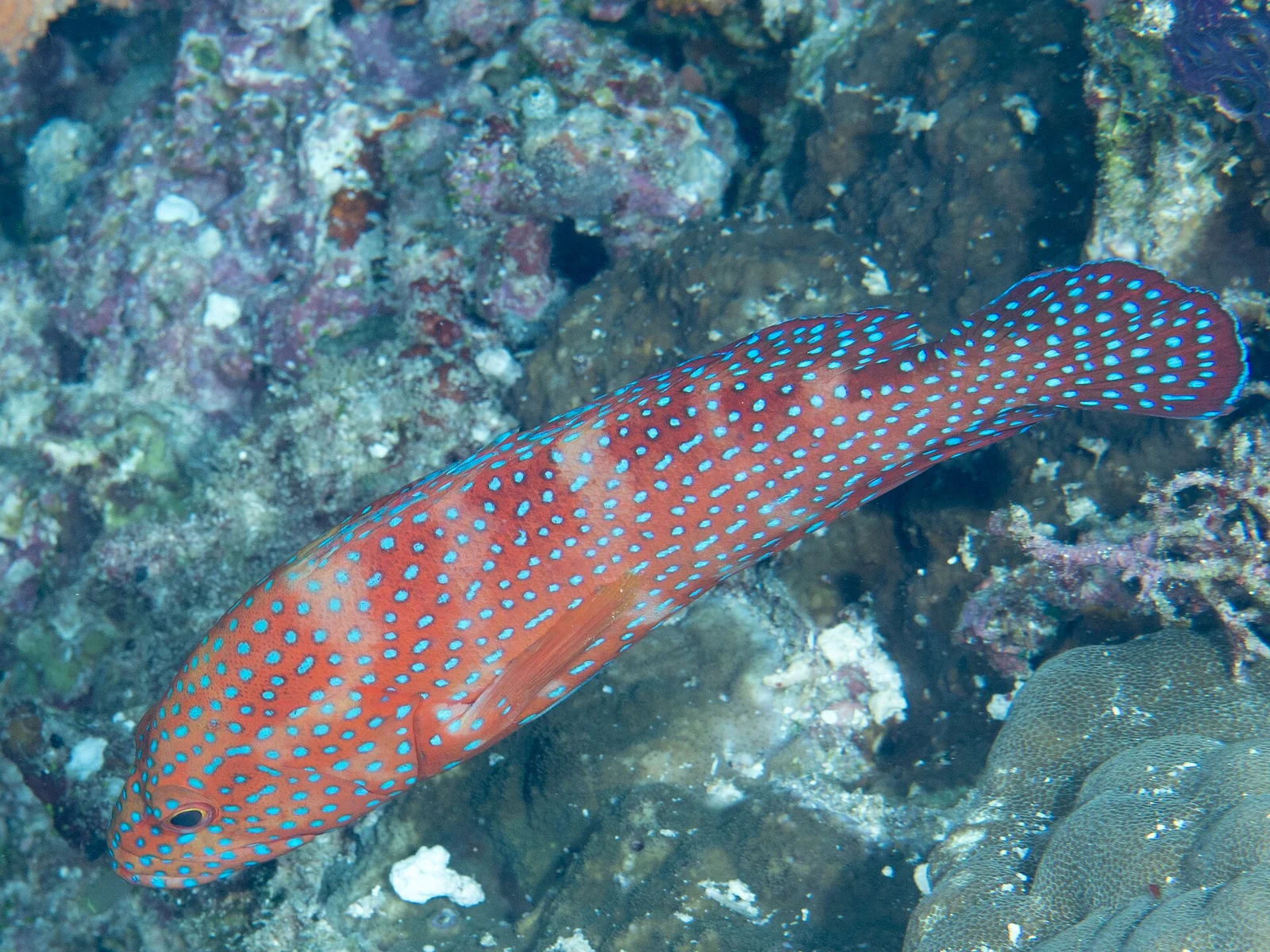
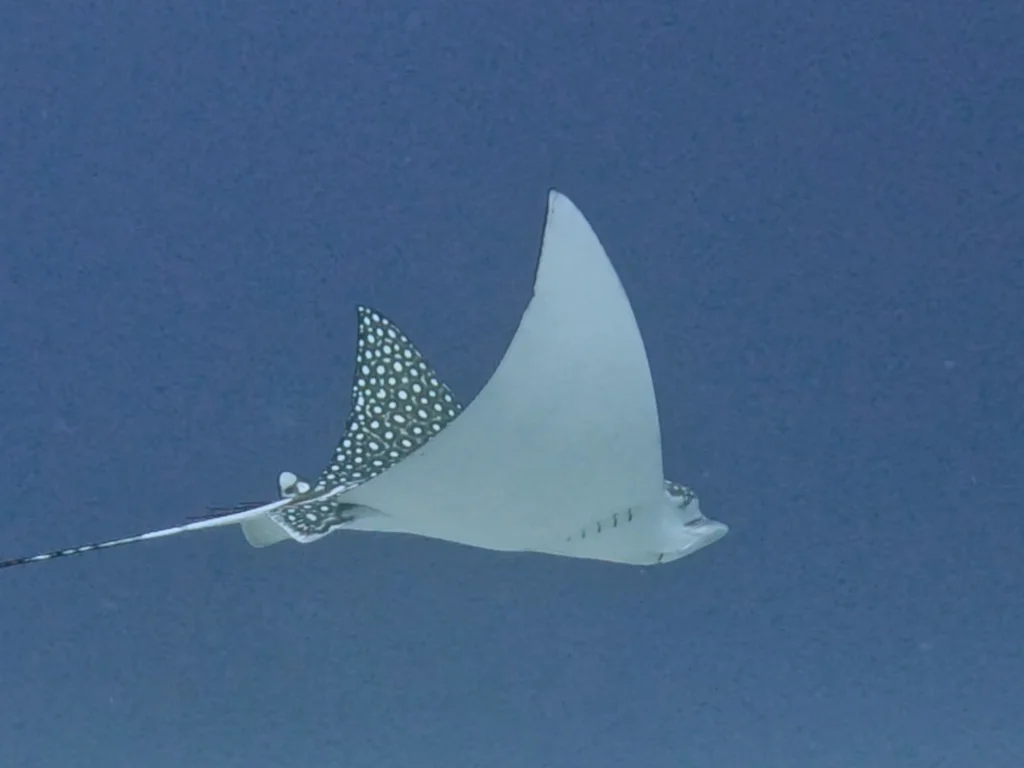
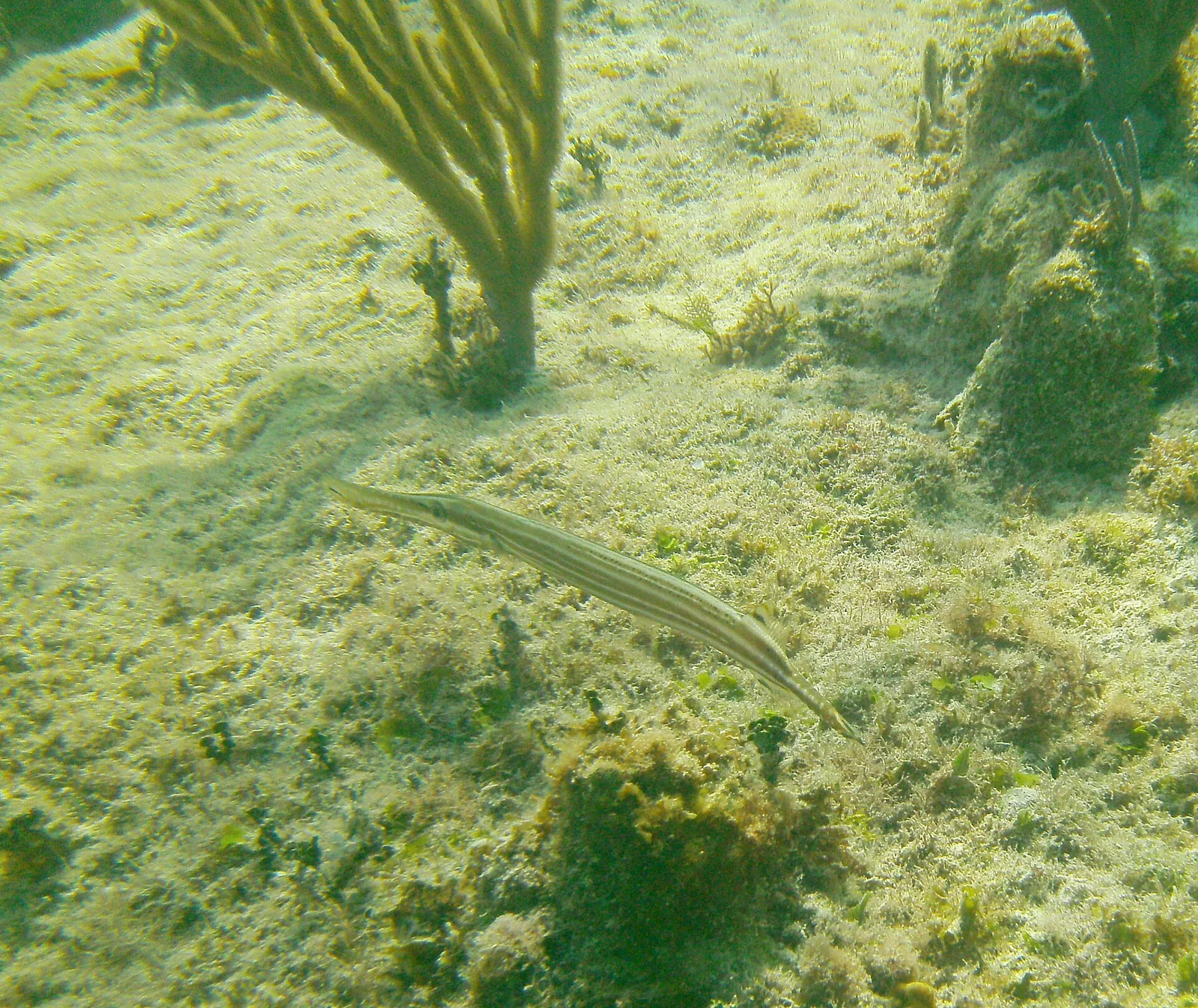
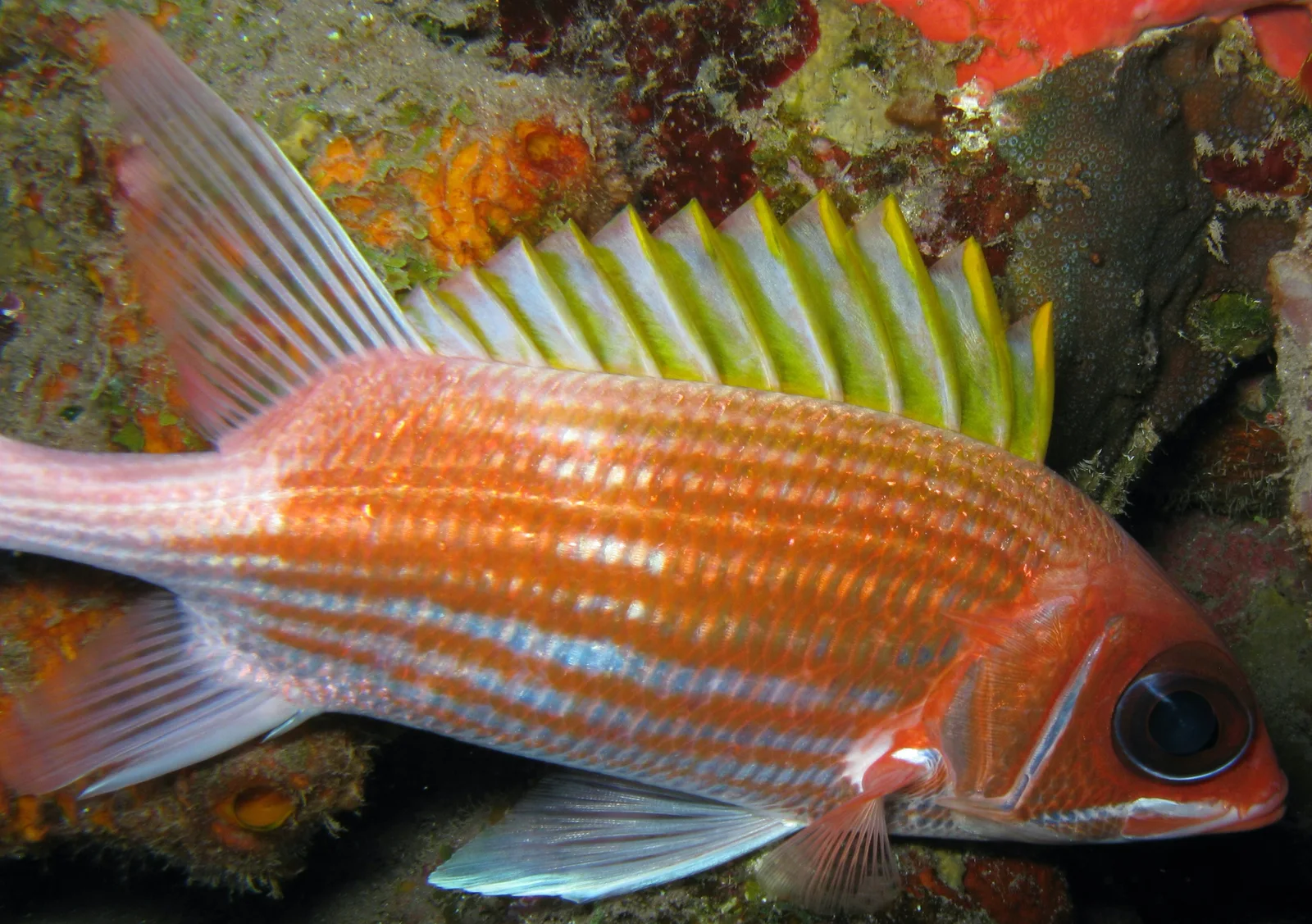
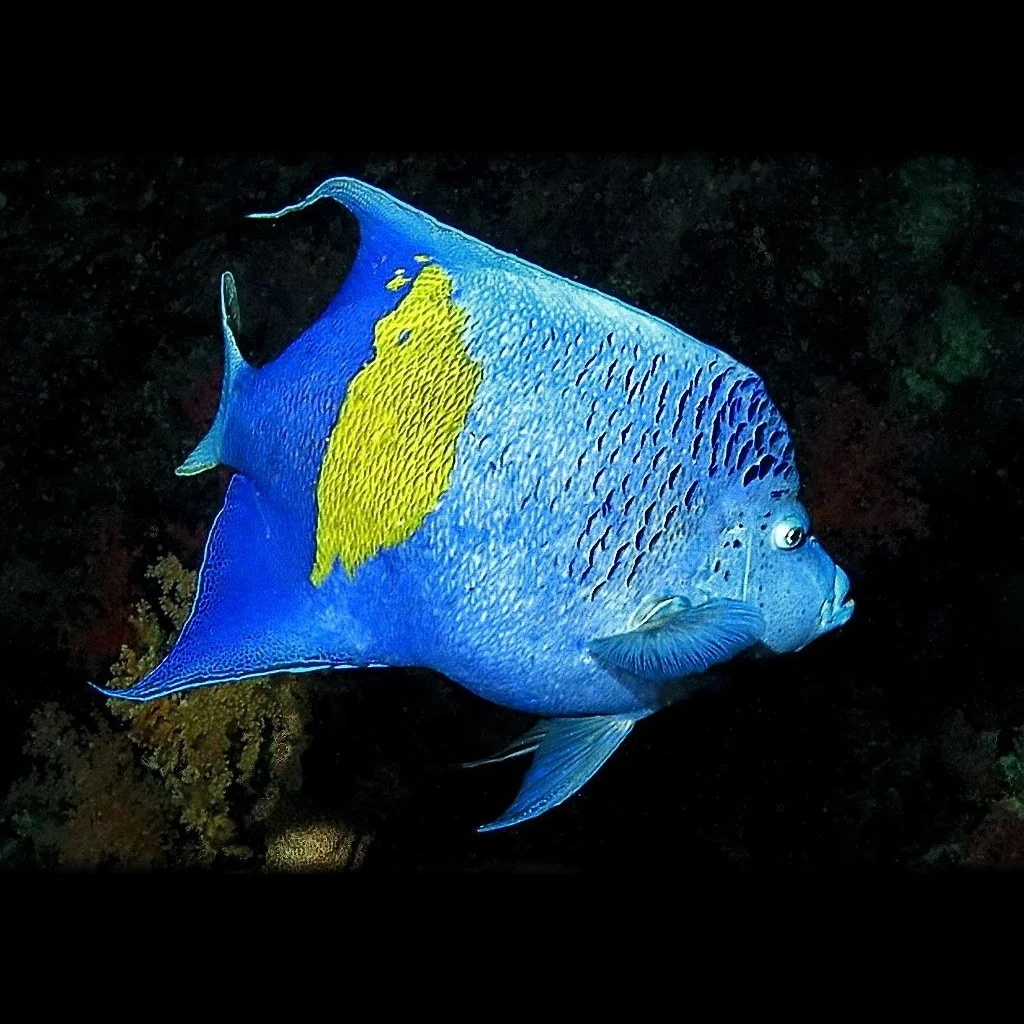
Without enclosing steel bulkheads, the exposed engine block and fallen fuel tanks act as high-relief artificial bommies. Lionfish and soldierfish shelter in the gaps between the gearbox and cylinder head, peacock groupers and trumpetfish stalk glassfish around the shaft housing, and flame angelfish dart through surrounding hard-coral heads while spotted eagle rays cruise along the deeper lagoon sand drop-off.
Dive Sites Near South Gugegwe Wreck
View all dive sites in Marshall IslandsDiscover more underwater gems in this area.
Dive Centers Near South Gugegwe Wreck
No Dive Centers Local To South Gugegwe Wreck
Are you a dive center visiting this location? Get listed to reach divers.
Nearest Airports
Nearest airports to help plan travel to this dive area.
Frequently Asked Questions
What remains of the South Gugegwe Wreck today?
Because the 30.5-meter vessel was wooden-hulled, marine organisms consumed the upper planking, leaving an upright diesel engine, twin fuel tanks, gearbox, tail shaft, lower wooden keel, and rounded ballast stones.
What is the depth range of the dive?
The main engine, fuel tanks, and keel rest between 15 and 20 meters, while peripheral wreckage scatters down the lagoon slope to 27.4 meters.
Is wreck penetration involved on this dive?
No. All wooden deckhouses have vanished, leaving an open-water machinery and keel footprint with no overhead enclosures.
Why are smooth rounded stones piled around the keel?
Japanese wooden auxiliary craft frequently carried smooth river cobbles in the bilge as trim ballast, which settled neatly around the keel timbers as the hull decayed.
What certification level is suited for South Gugegwe Wreck?
Experienced Open Water divers can explore the 15 to 18 meter engine core, while Advanced Open Water training is recommended if descending down the slope to 27 meters.
Are permits or local clearances required?
Diving operates under Republic of the Marshall Islands historic preservation protections and local Kwajalein lagoon boating coordination, with strict zero-removal rules on all artifacts.
Planning to dive South Gugegwe Wreck?
Tell us your dates and diving needs. We'll review your request and seek offers from relevant local dive centers.
Request Dive OffersConditions are Moderate
Optimal conditions expected
Current conditions near South Gugegwe Wreck show 28° air, 29° sea temperature, N/A waves, and 30 km/h wind. Forecast data is refreshed regularly to ensure accuracy.