
Diving at Cacaluta West (Mexico)
Approaching Cacaluta West reveals a distinct underwater landscape primarily defined by impressive rock formations. Unlike the adjacent eastern side of Cacaluta Island, which features coral plate covers, the western expanse offers a rugged, topographical experience. Divers can anticipate navigating through these natural structures, exploring crevices and overhangs. This section of the island invites exploration of its unique geology and marine activity along its rocky contours.
Tonight's objective overview for Cacaluta West shows an air temperature of 33°C. The measured surface conditions include wave heights around 1.2 m. This environmental data is logged for the close of the day.
Dive Site Location & Key Facts
Dive Site Overview
Cacaluta West presents a unique diving experience within Mexico's Pacific Coast, distinguished by its prominent rock formations rather than expansive coral reefs. This specific site provides a stark contrast to the coral plate covers found towards the east and north of Cacaluta Island, offering divers a different geological exploration.
Its dive type is classified as a reef, though the structure is primarily rocky with pockets of coral growth. The maximum depth of diving activity is not consistently reported for this specific west side, but typically coastal dives in this region might range from 15 to 30 m (50 to 100 ft). Water temperatures vary depending on seasonal currents and local upwellings.
Air temperatures generally stay warm, averaging around 27-29°C (81-84°F) throughout much of the year, contributing to comfortable surface intervals. While strong currents aren't noted, average wave heights typically range from 1.1 to 1.7 m (3.6 to 5.6 ft), with wind speeds between 12-19 km/h (7-12 mph).
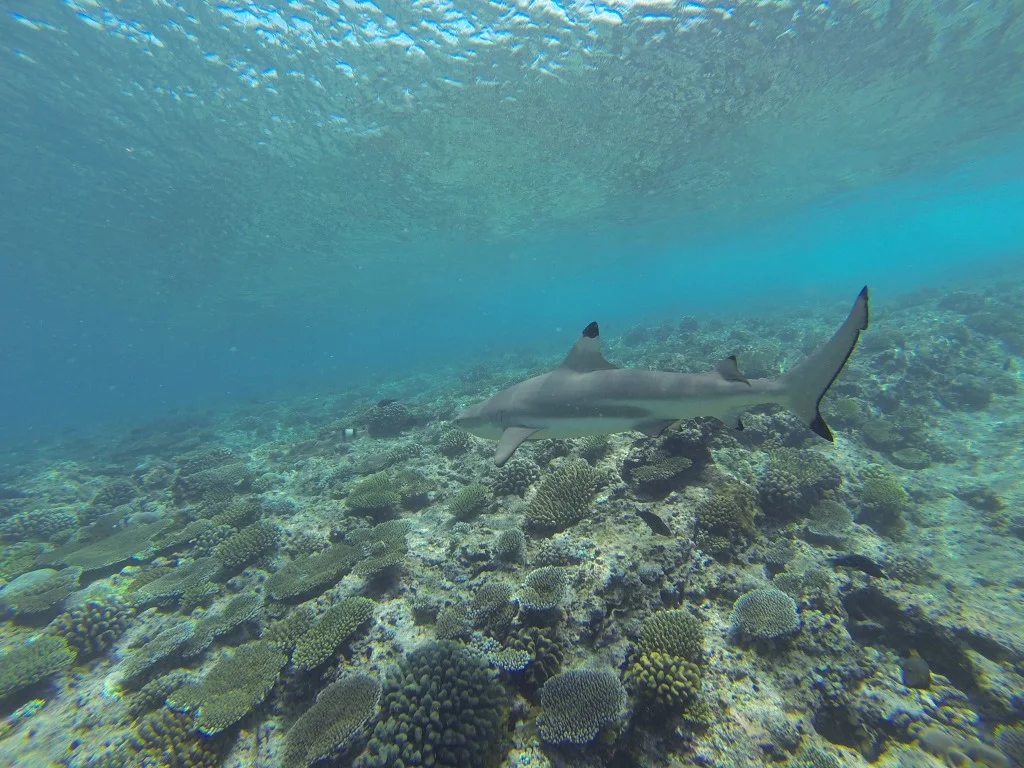
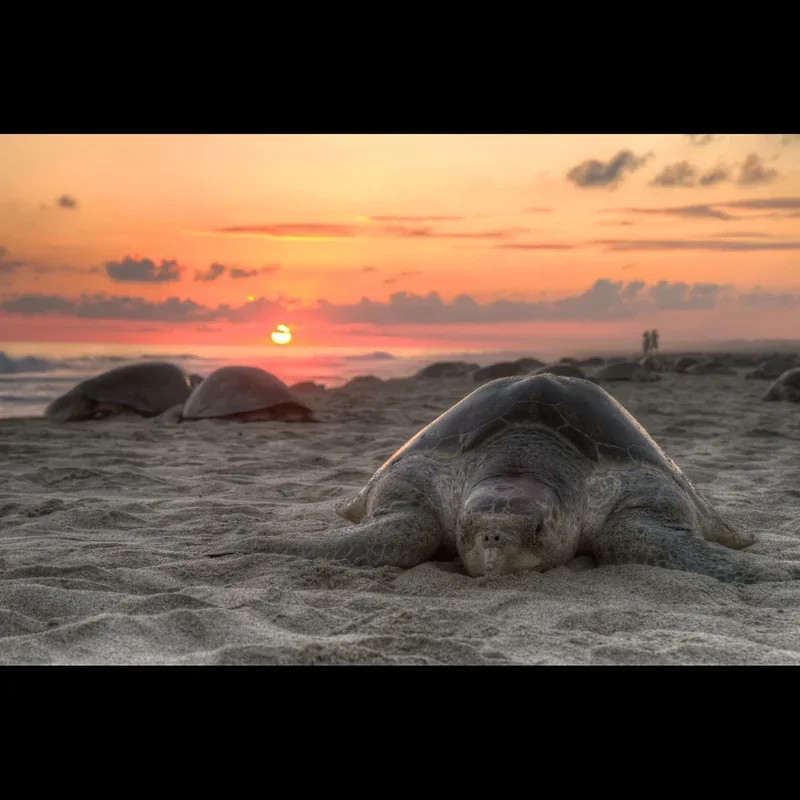
This site is particularly noted for sightings of larger pelagic species and marine turtles, offering a compelling adventure for those seeking diverse encounters.
Conditions are Good
Optimal conditions expected
Current conditions near Cacaluta West show 33° air, 31° sea temperature, 1.1 m waves, and 24 km/h wind. Forecast data is refreshed regularly to ensure accuracy.
Best Time to Dive
Planning a dive at Cacaluta West often yields the most favorable conditions from January through April, and again from July to August, and October to December, when dive scores consistently register as "Good." During these months, divers can expect pleasant air temperatures ranging from 27-28°C (81-82°F), coupled with minimal rainfall, typically less than 1 mm. These conditions translate to generally calmer surface waters and improved underwater visibility, making for a more comfortable and expansive dive experience. The transition months of May, June, and September tend to bring "Moderate" dive scores, marked by slightly higher average wave heights around 1.6-1.7 m (5.2-5.6 ft) and increased rainfall, particularly in June and September with averages up to 9 mm and 7 mm respectively. Wind speeds also fluctuate, with April seeing some of the higher averages at 18.6 km/h (11.6 mph), which could affect boat comfort. For optimal enjoyment and predictability, targeting the "Good" score periods is advisable.
PEAK SEASON SCORE
Scores combine air & water temps, waves, wind & rainfall for overall conditions.
BEST MONTHS TO DIVE
Monthly records compiled from satellite and marine observation nodes over the last 3 years. Data provided by Open-Meteo and MET Norway.
Dive Experience & Conditions
As you descend into Cacaluta West, the underwater landscape quickly transitions from open water to rugged rock formations, characterizing the west side of the island. These geological features create a textured environment, offering numerous ledges and small caverns to explore. Visibility is often influenced by wave action and currents, which average 1.1-1.7 m (3.6-5.6 ft) in height and wind speeds up to 18.6 km/h (11.6 mph) at the surface, though conditions can vary. Water temperature is not consistently reported but generally ranges from warm to temperate. Divers should expect to navigate through these rocky structures, keeping an eye out for resident marine life sheltering within. This area is noted for its potential for sightings of pelagic creatures passing through, adding an element of unpredictability to each dive.
Dive Difficulty & Safety Guidelines
Approaching Cacaluta West requires divers to be mindful of its predominantly rocky environment and variable marine conditions. While no specific hazards are reported, currents can sometimes be present, necessitating good buoyancy control and situational awareness. Due to the nature of navigating around substantial rock formations and the potential for encountering larger marine life, divers holding an Advanced Open Water certification or equivalent experience are better suited for this site.
Always dive with a reputable local guide who understands the site's specifics, especially concerning entry and exit points, and any current patterns. Maintaining adequate separation from the rock structures is prudent to prevent accidental contact, protecting both diver and the delicate ecosystems.
Familiarize yourself with emergency procedures and local dive protocols before beginning your exploration.
Recommended Equipment
- Dive Computer
This gear list is based on verified equipment signals for Cacaluta West, Mexico. Always confirm final gear choices with your dive operator, guide, or liveaboard.
Recommended Dive Suit
According to recent observations, water temperatures near Cacaluta West are approximately 31°C (88°F). Surface air temperatures are resting at 33°C (91°F).
A modest cooling trend is expected in the upcoming forecast. A significant temperature drop is forecast; strongly suggest bringing a backup warmer suit option. A neoprene vest or hood can add flexibility if temperatures feel cooler underwater.
In water temperatures like these, dive skin or rash guard typically offers sufficient warmth for most recreational dives. A hood or vest is suggested for sensitive divers due to surface winds. Some divers naturally tolerate cooler water better than others. Divers planning trips later in the week may want to consider bringing a slightly warmer suit.
Due to technical issues with our weather providers, live updates are temporarily delayed. The data above reflects the conditions at the time of the last successful fetch.
Emergency & Medical Support
Essential information to help you plan your dive trip to Cacaluta West.

Hyperbaric chambers are a critical part of dive safety infrastructure. Availability varies significantly by region, and not all dive areas have immediate access.
Before diving, it's recommended to:
- confirm nearest medical facilities
- check emergency procedures with local dive operators
- ensure dive insurance covers evacuation if required
Divers Alert Network
Diving emergency assistance available through DAN World.
+1-919-684-9111- 24/7 emergency hotline
- Diving medical assistance
- Evacuation coordination
Emergency contacts are provided for reference. Always verify local emergency services before diving.
Marine Life at Cacaluta West
The rocky underwater landscape of Cacaluta West provides a habitat for diverse marine life, often offering surprising encounters. While coral growth is less dominant here compared to the island's east side, the formations themselves shelter various reef fish.
Divers frequently report sightings of "majestic sea turtles," which appear to be a highlight of this location. Encounters with larger species such as sharks, whales, and dolphins are also common, particularly for those looking out into the blue.
The topography with its crevices and ledges creates ideal hiding spots for smaller creatures and foraging grounds for larger predators.
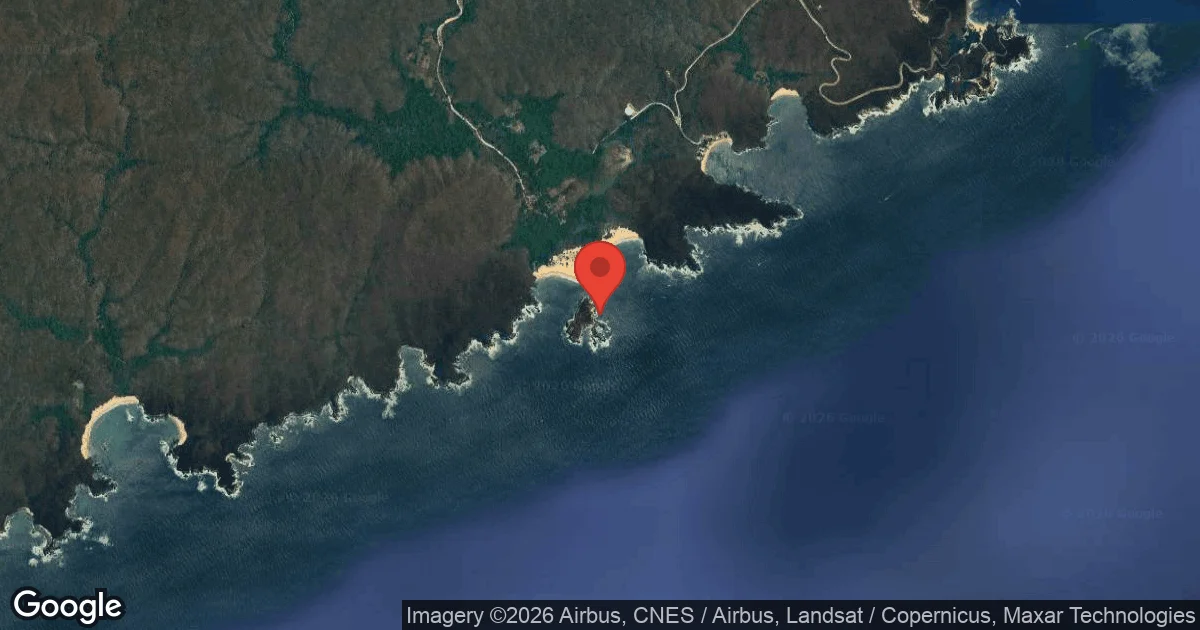
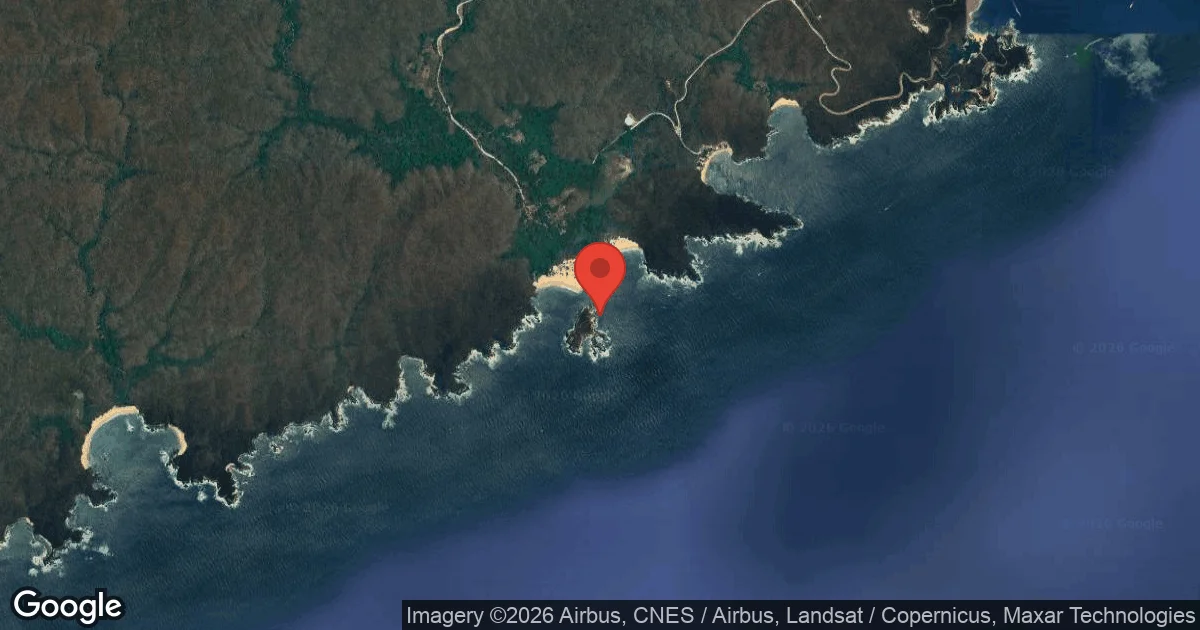
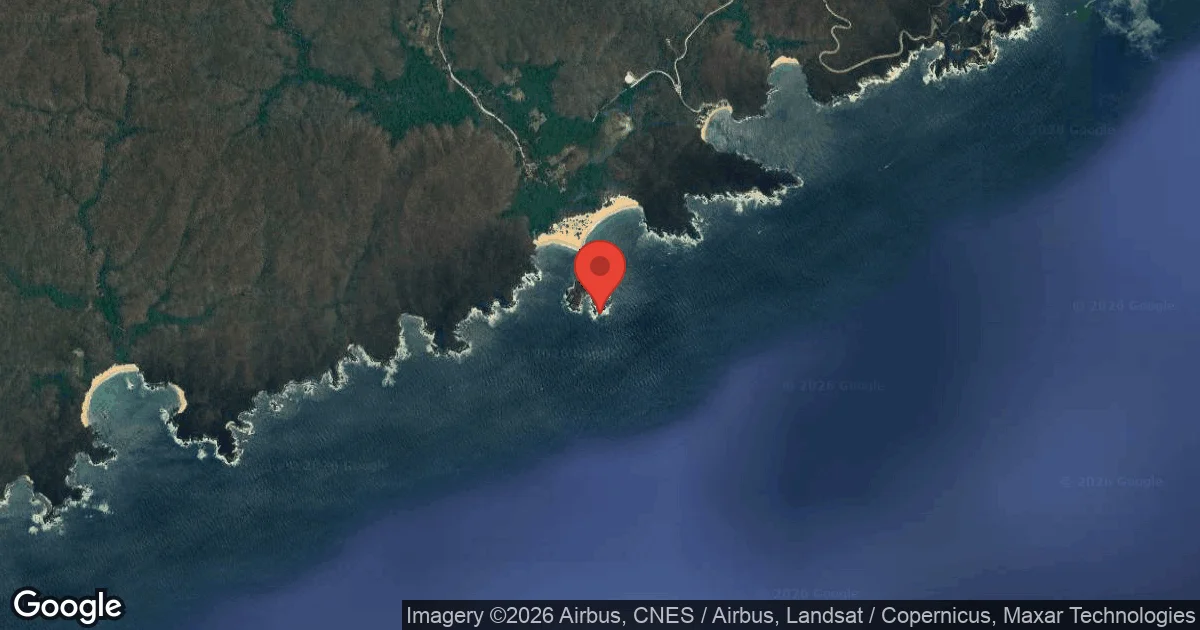
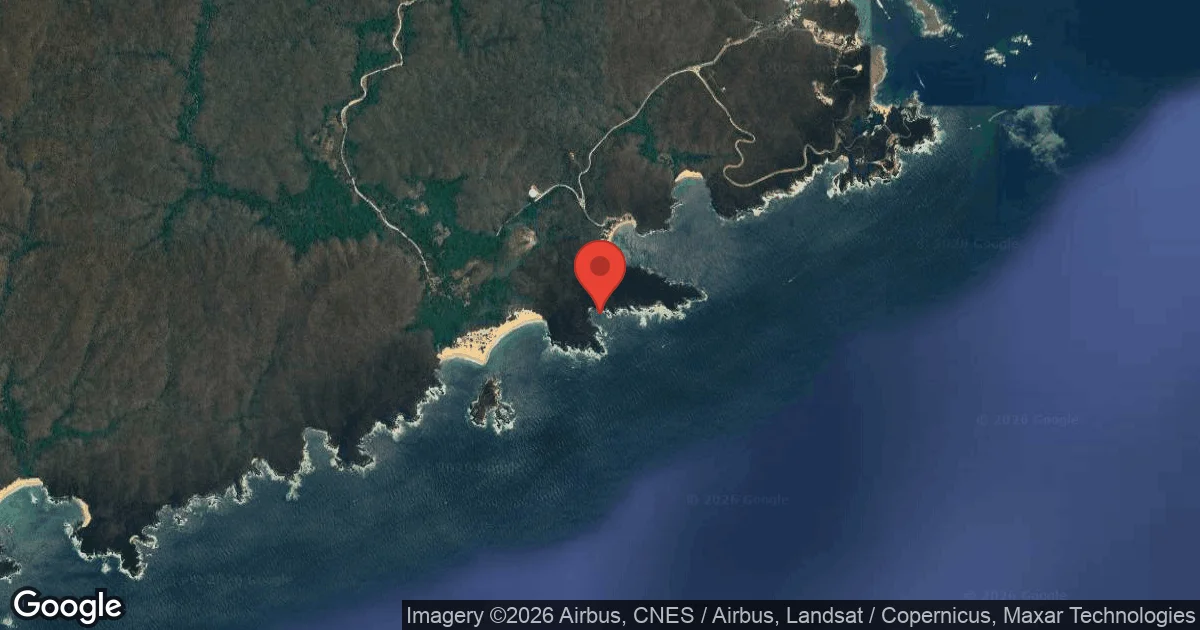
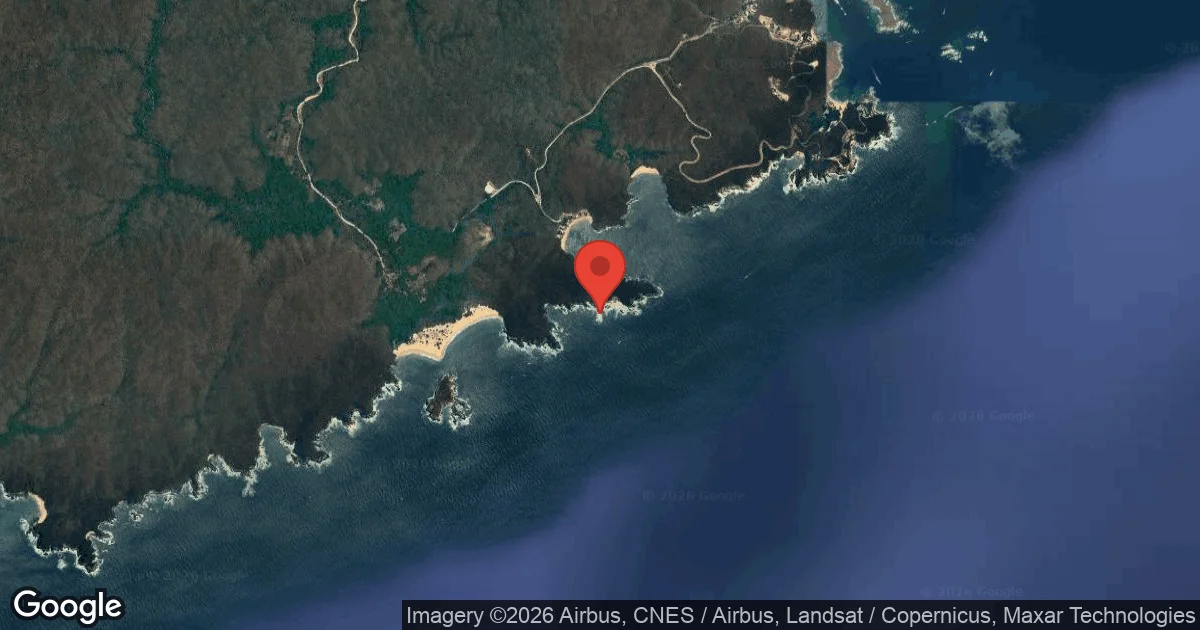
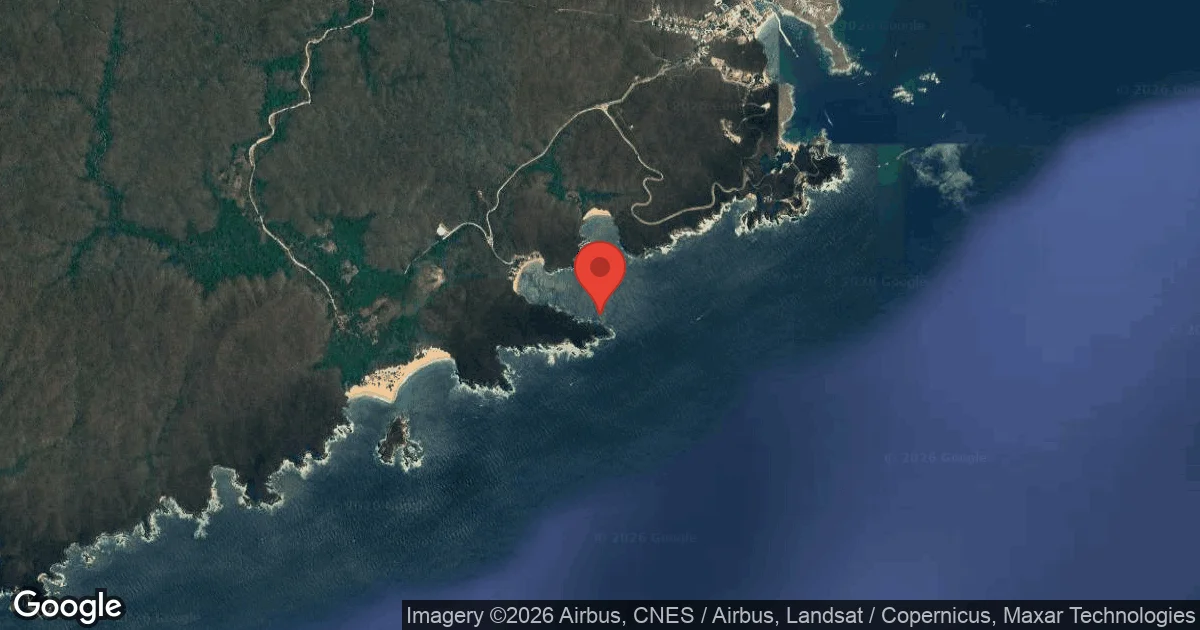
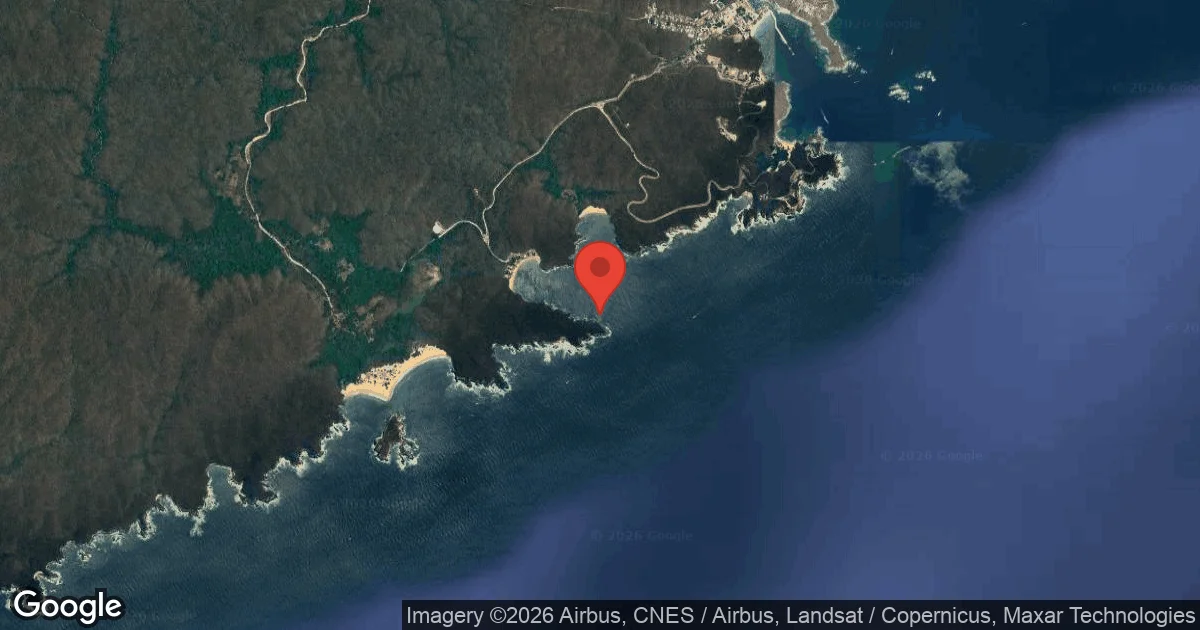
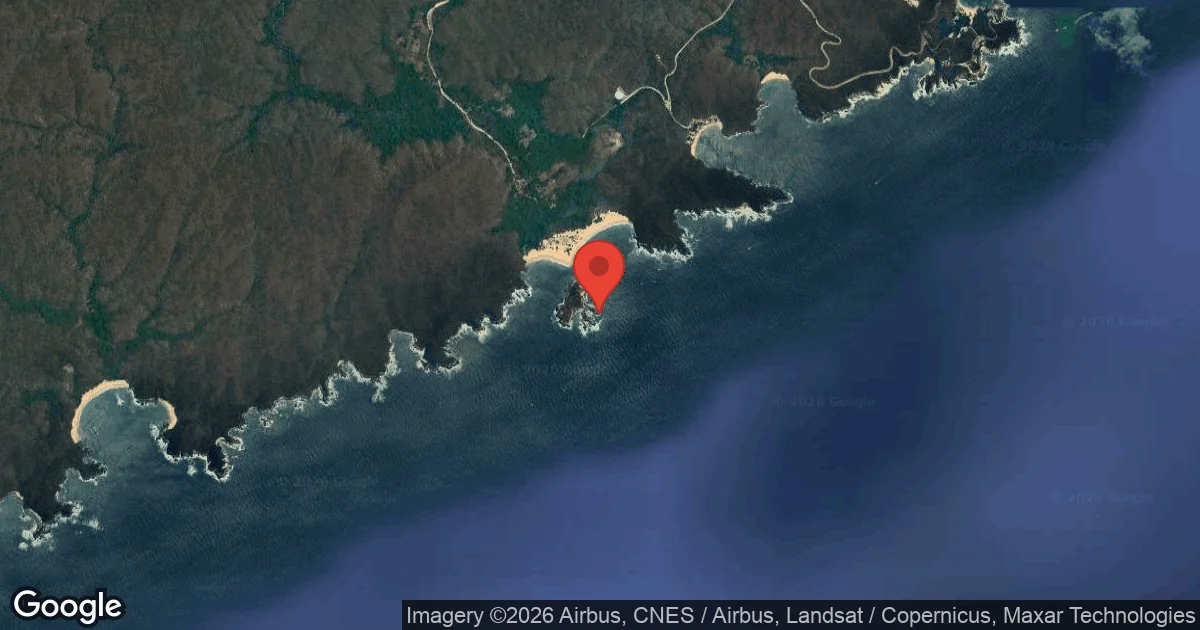
Dive Sites Near Cacaluta West
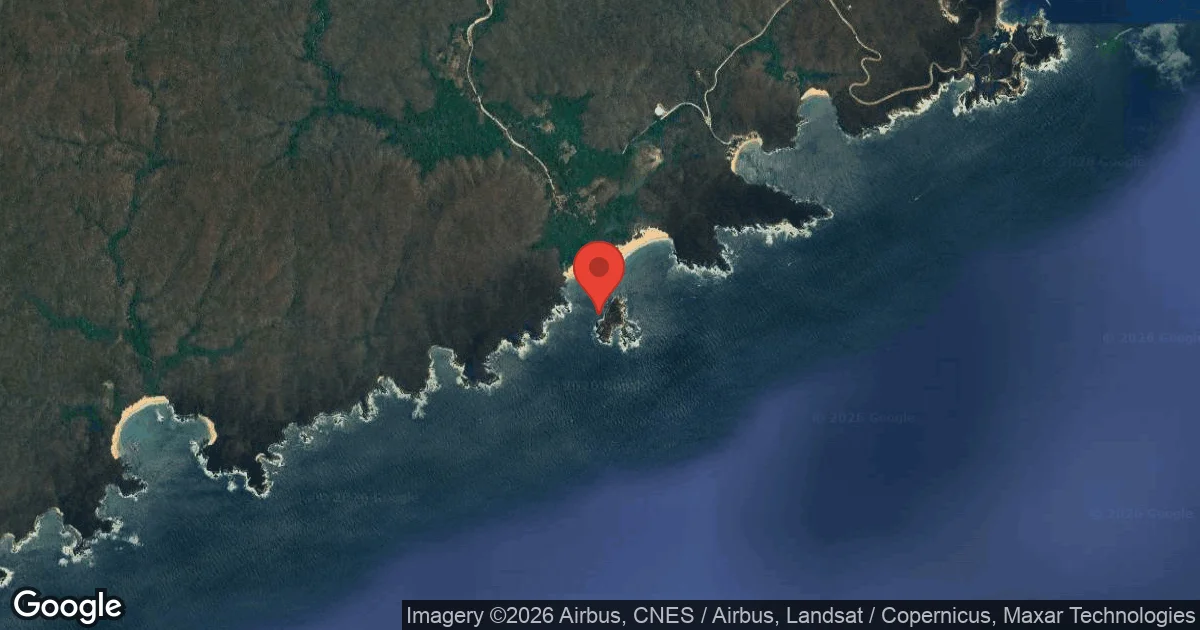
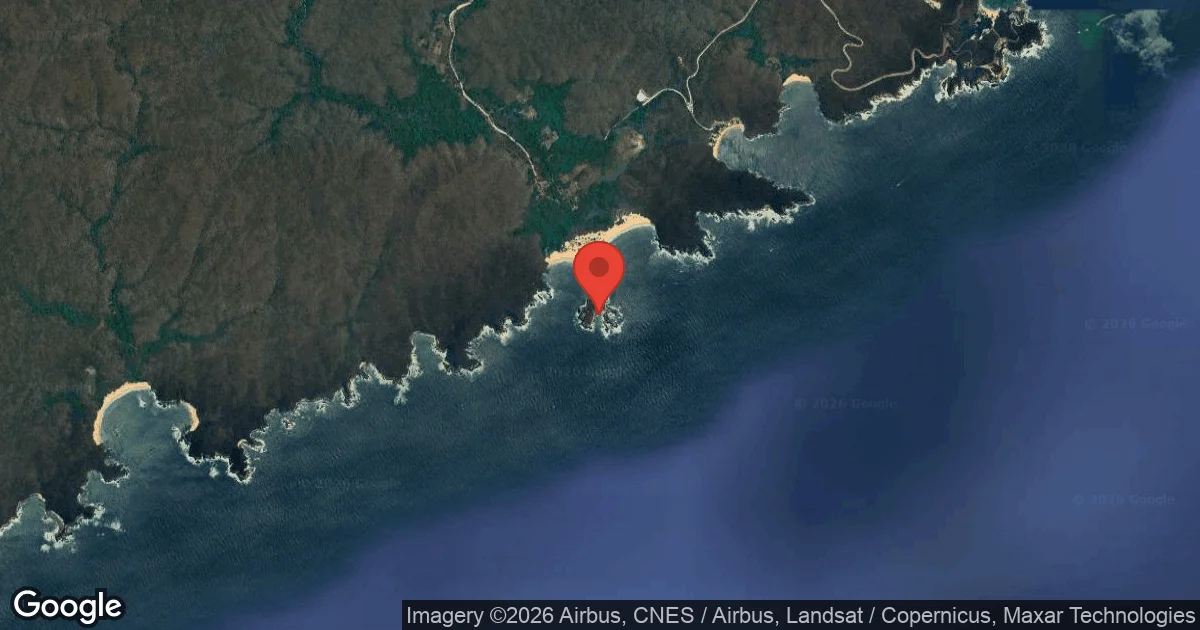
View all dive sites in MexicoDiscover more underwater gems in this area.
Dive Centers Near Cacaluta West
Today: 09:00 - 17:00
Nearest Airports
Nearest airports to help plan travel to this dive area.
Search Flights
Check available flights and routes on Expedia, using the nearby airports listed in this section.
Search Flights on ExpediaFrequently Asked Questions
Is Cacaluta West suitable for beginner divers?
Cacaluta West is generally more suited for experienced divers. Its predominantly rocky formations and potential for currents mean that good buoyancy control and situational awareness are important for a safe and enjoyable dive.
What marine life can I expect to see at Cacaluta West?
Divers commonly encounter a variety of marine life, including sea turtles, sharks, whales, and dolphins. The rock formations also shelter various reef fish and smaller organisms.
What are the typical water temperatures at this dive site?
Specific water temperatures for Cacaluta West are not consistently reported. Conditions can vary with seasonal currents and local upwellings, but they are generally warm to temperate.
Is there much coral at Cacaluta West?
Cacaluta West is characterized by rock formations rather than extensive coral reefs. The eastern side of Cacaluta Island tends to have more coral plate covers, offering a different type of underwater scenery.
What is the best time of year to dive Cacaluta West?
The best times to dive are typically from January to April, July to August, and October to December. These periods offer generally calmer seas, pleasant air temperatures, and minimal rainfall.
Are strong currents common at Cacaluta West?
While strong currents aren't specifically reported as a constant feature, currents can sometimes be present. Divers should always be prepared for variable conditions and practice good buoyancy control.
How deep are the dives at Cacaluta West?
The maximum depth for Cacaluta West is not consistently reported. However, dives in similar coastal reef environments in this region are typically found between 15 and 30 m (50-100 ft).
Planning to dive Cacaluta West?
Send one inquiry and receive offers directly from the best verified local dive operators.
Conditions are Good
Optimal conditions expected
Current conditions near Cacaluta West show 33° air, 31° sea temperature, 1.1 m waves, and 24 km/h wind. Forecast data is refreshed regularly to ensure accuracy.