
Diving at El Bajo (Marisla) (Mexico)
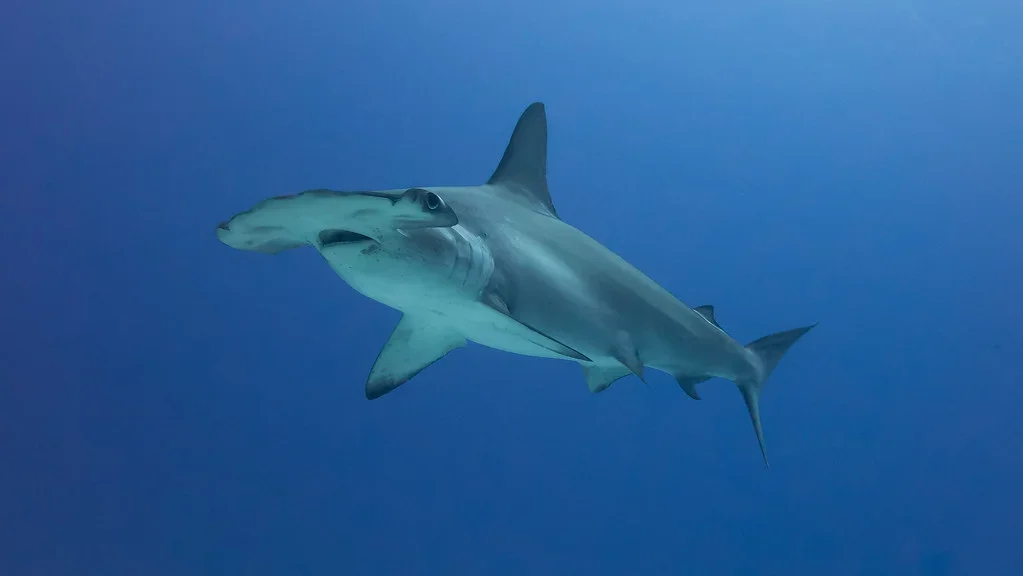
El Bajo, also known as Marisla Seamount, presents a distinctive underwater topography that captivates divers. This site is comprised of three submerged peaks, serving as a critical gathering point for pelagic species. It's particularly recognized for its dynamic drift dives and the consistent presence of large schooling hammerhead sharks, making it a highly sought-after destination for experienced divers in Mexico.
Evening condition tracking at El Bajo (Marisla) features an air temperature of 31°C. We have recorded wave heights measuring 0.3 m during this period. These figures outline the environmental parameters currently present.
Dive Site Location & Key Facts
Dive Site Overview
The Marisla Seamount, more commonly known as El Bajo, consists of three distinct underwater peaks aligned along a 274 m (300-yard) stretch. These submerged formations rise from considerable depths to varying heights: the northernmost peak surfaces at 25 m (83 ft), the central peak, often the primary dive focus, reaches 16 m (52 ft), and the southernmost peak sits at 21 m (69 ft).
The central peak's relatively flat top often serves as an anchoring point for dive vessels. It provides a strategic starting area before divers explore the surrounding slopes. This dynamic seamount acts as a natural magnet for significant pelagic activity.
Its isolated position in the open ocean creates upwellings that bring nutrient-rich waters to the surface, attracting a diverse array of marine life to its structure. Divers frequently encounter schooling species congregating around these peaks.
The prevailing conditions mean strong currents are a common factor, necessitating proficient drift diving techniques to navigate the area effectively. These currents shape the dive profile, often carrying divers along the seamount's contours, offering expansive blue water views while moving.
Exploring the deep surrounding waters and the topography around the bases of the peaks reveals an environment rich in unexpected encounters.
Conditions are Excellent
07:00 - 14:00
Optimal conditions expected
Current conditions near El Bajo (Marisla) show 31° air, 32° sea temperature, 0.5 m waves, and 19 km/h wind. Forecast data is refreshed regularly to ensure accuracy.
Best Time to Dive
Planning your dive to El Bajo involves considering the region's consistent climate patterns. Air temperatures remain pleasant, ranging from approximately 20°C (68°F) in January to highs of 29.5°C (85°F) in August and September. Rainfall is generally minimal throughout the year, with less than 1 mm (0.04 inches) during most months and peaking slightly at around 2 mm (0.08 inches) in October. While specific water temperature data for El Bajo isn't consistently reported, the area typically experiences good dive conditions year-round, as indicated by consistently high dive scores (7 or 8 out of 10) across all months.
PEAK SEASON SCORE
Scores combine air & water temps, waves, wind & rainfall for overall conditions.
BEST MONTHS TO DIVE
Monthly records compiled from satellite and marine observation nodes over the last 3 years. Data provided by Open-Meteo and MET Norway.
Dive Experience & Conditions
A descent onto El Bajo typically begins near the central peak, where divers can explore its relatively flat top before moving along the seamount's contours. Depths can quickly reach beyond 30 m (100 ft) around the peaks' bases, demanding careful buoyancy control and awareness of no-decompression limits. Given its open ocean location and seamount structure, currents are a frequent and notable factor, often dictating the dive profile as a drift experience. Visibility varies but can often be expansive, allowing for grand views of schooling pelagic species in the blue water. The topography includes narrow alleys of rock and coral in some areas, offering sheltered spots or interesting swim-throughs for those navigating the reef's structure.
Dive Difficulty & Safety Guidelines
Diving at El Bajo requires an intermediate to advanced skill level due to its exposure to open ocean conditions and the frequent presence of currents. Divers should be proficient in drift diving techniques and comfortable with deeper profiles. It's crucial to dive with a knowledgeable guide who understands the site's unique currents and marine life patterns.
Maintaining situational awareness is paramount, especially when navigating around the three distinct peaks and looking for larger pelagic encounters. While no specific hazards are routinely reported beyond the dynamic currents, standard dive safety protocols and adequate surface support are always essential.
Recommended Equipment
Current and surface separation risk. Local briefing strongly recommended.
- Dive Computer
- DSMB
- Reel / Spool
This gear list is based on verified equipment signals for El Bajo (Marisla), Mexico. Always confirm final gear choices with your dive operator, guide, or liveaboard.
Recommended Dive Suit
Short-term weather patterns suggest stable conditions for divers visiting the area.
Some divers prefer slightly warmer exposure protection simply for additional comfort.
Dive skin or rash guard usually works well for maintaining comfort during standard dive profiles in these conditions. A hood or vest is suggested for sensitive divers due to surface winds. The latest environmental readings for El Bajo (Marisla) suggest water temperatures around 32°C (89°F). Surface air temperatures are resting at 31°C (88°F).
Due to technical issues with our weather providers, live updates are temporarily delayed. The data above reflects the conditions at the time of the last successful fetch.
Emergency & Medical Support
Essential information to help you plan your dive trip to El Bajo (Marisla).

Hyperbaric chambers are a critical part of dive safety infrastructure. Availability varies significantly by region, and not all dive areas have immediate access.
Before diving, it's recommended to:
- confirm nearest medical facilities
- check emergency procedures with local dive operators
- ensure dive insurance covers evacuation if required
Divers Alert Network
Diving emergency assistance available through DAN World.
+1-919-684-9111- 24/7 emergency hotline
- Diving medical assistance
- Evacuation coordination
Emergency contacts are provided for reference. Always verify local emergency services before diving.
Marine Life at El Bajo (Marisla)
The seamount structure of El Bajo creates an essential aggregation point for diverse marine life. This site is particularly noted for its schooling hammerhead sharks, which draw many divers to its depths.
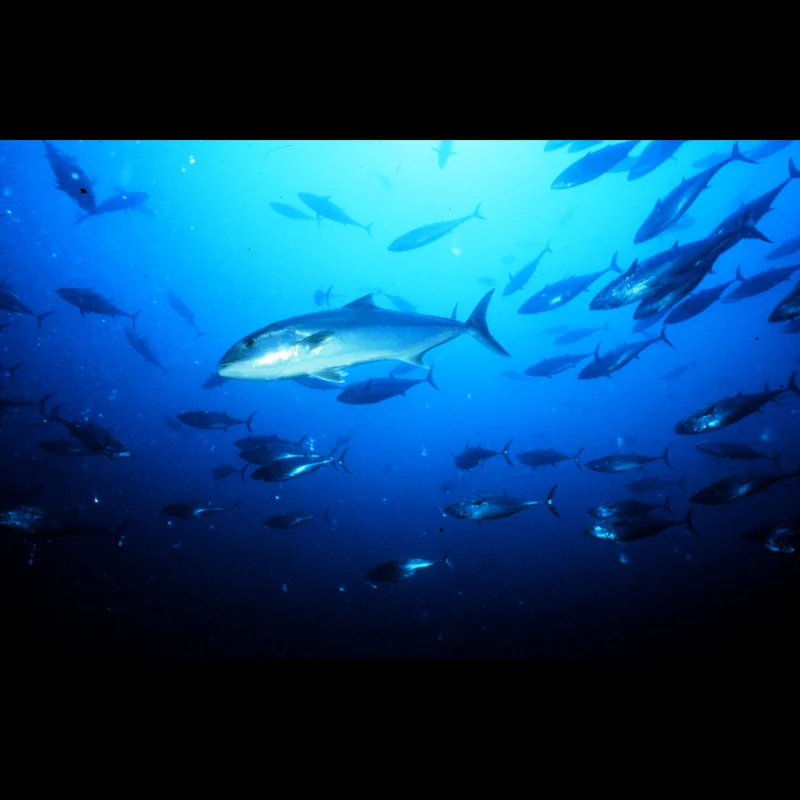
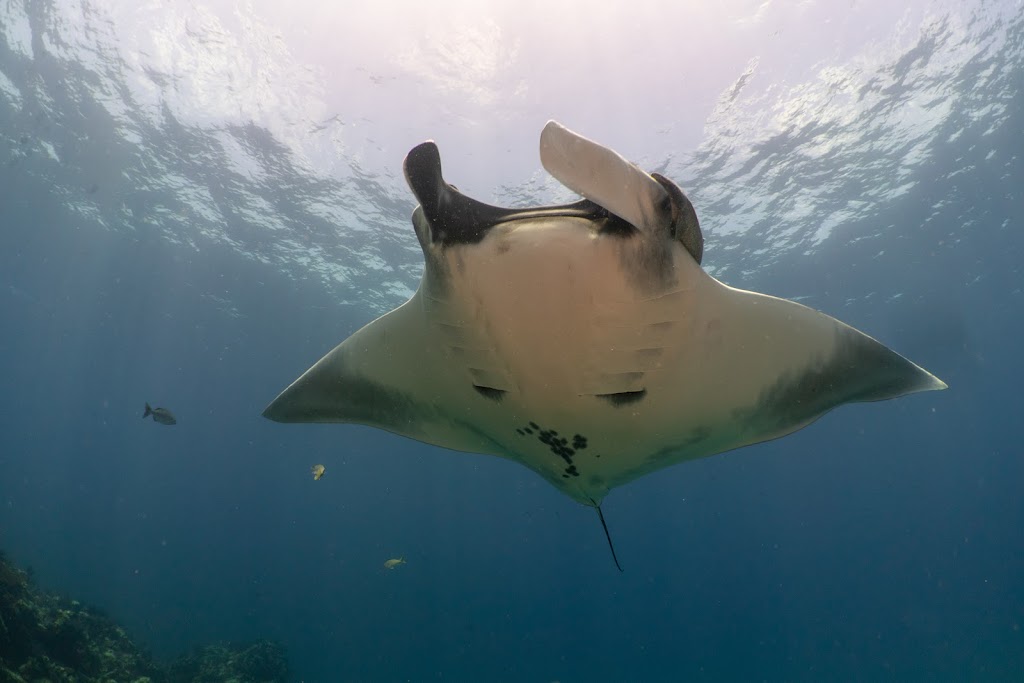
Beyond the iconic sharks, divers frequently encounter large schools of amberjacks and tuna. Giant Pacific mantas glide gracefully through the water column.
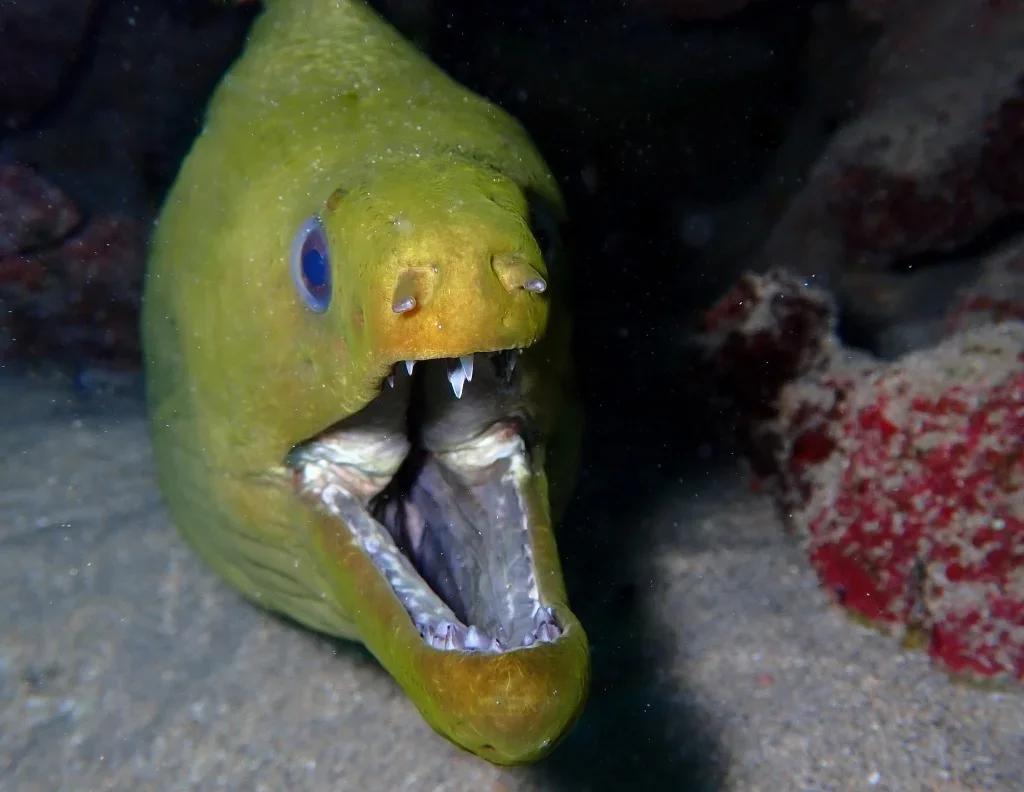
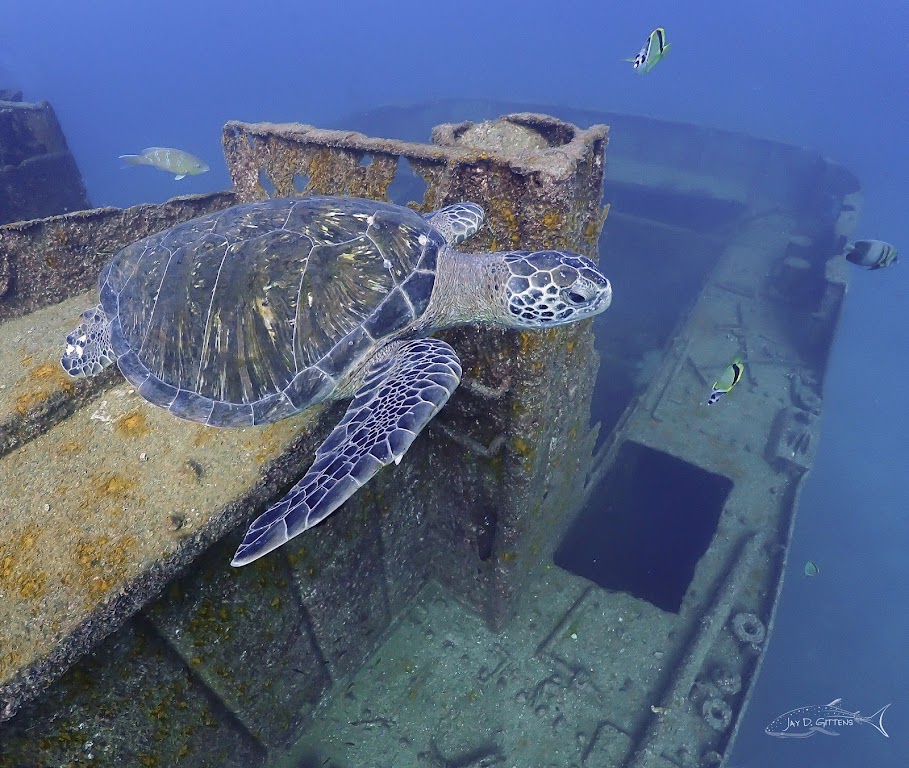
Observant divers might spot octopus and the impressive Panamic green moray eels tucked into crevices along the reef. Occasionally, transient species such as orcas (killer whales), dorado (dolphin fish), and other shark species are also sighted here, adding to the dynamic nature of the ecosystem.

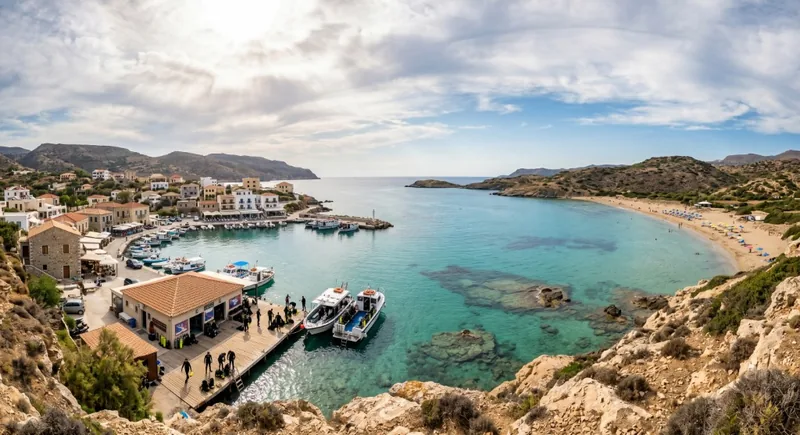
Dive Centers Near El Bajo (Marisla)
Today: 08:00 - 16:00

Nearest Airports
Nearest airports to help plan travel to this dive area.
Search Flights
Check available flights and routes on Expedia, using the nearby airports listed in this section.
Search Flights on ExpediaFrequently Asked Questions
What makes El Bajo a unique dive site?
El Bajo is distinctive for its three submerged seamount peaks that act as a natural aggregation point for pelagic life. It's particularly celebrated for the consistent presence of large schooling hammerhead sharks, which sets it apart from many other dive locations.
What are the typical depths at El Bajo?
The three peaks of El Bajo rise to varying depths: the northern peak reaches 25 m (83 ft), the central peak 16 m (52 ft), and the southern peak 21 m (69 ft) from the surface. Dives often explore around these peaks, descending to greater depths along the seamount's slopes.
Are currents a concern when diving El Bajo?
Yes, currents are a common and significant factor at El Bajo, often necessitating drift diving. Divers should be experienced with currents and comfortable with this dive technique to fully enjoy the site safely.
When is the best time to see hammerhead sharks?
While hammerhead sharks can be present year-round, certain seasons might offer more frequent or larger schooling encounters. It's advisable to consult local dive operators for the most current information on seasonal patterns for hammerhead sightings.
What other marine life can be seen besides hammerheads?
Beyond schooling hammerheads, divers often see large schools of amberjacks and tuna. Giant Pacific mantas are also a highlight, along with octopus, Panamic green moray eels, and occasional sightings of orcas and dorado.
Is El Bajo suitable for all divers?
El Bajo is generally recommended for intermediate to advanced divers due to the potential for strong currents and its deeper profiles. Divers should be comfortable with open ocean conditions and drift diving.
Planning to dive El Bajo (Marisla)?
Send one inquiry and receive offers directly from the best verified local dive operators.
Conditions are Excellent
07:00 - 14:00
Optimal conditions expected
Current conditions near El Bajo (Marisla) show 31° air, 32° sea temperature, 0.5 m waves, and 19 km/h wind. Forecast data is refreshed regularly to ensure accuracy.