
Diving at La Reina Islet (Mexico)
Rising from the Sea of Cortez, La Reina Islet stands as a small rocky formation northeast of Cerralvo Island, a place that gained significant attention as a crucial natural cleaning station. Its geological structure creates a sheltered yet dynamic environment, drawing in pelagic life. Divers now seek out this particular islet for consistent encounters with oceanic manta rays, cementing its status as a premier site in the La Paz region.
As evening covers La Reina Islet, the local air temperature is measured at 30.5°C. The current wave height at the surface is recorded at 0.2 m. These late-day readings characterize the surface conditions for the night.
Dive Site Location & Key Facts
Dive Site Overview
The dynamic interplay of currents around La Reina defines much of the dive experience, transforming this islet into a captivating drift. It was initially valued for its exceptionally attractive underwater topography, extending from shallow coral-covered rocks at 9 m (30 ft) down to deeper sections at 27 m (90 ft).
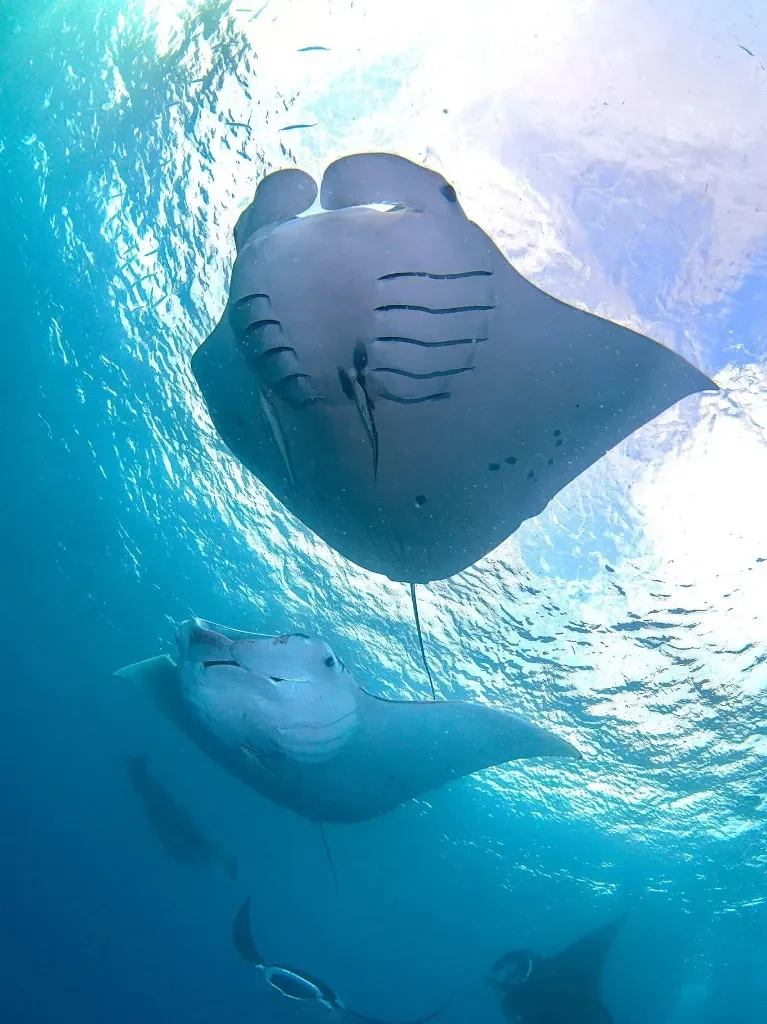
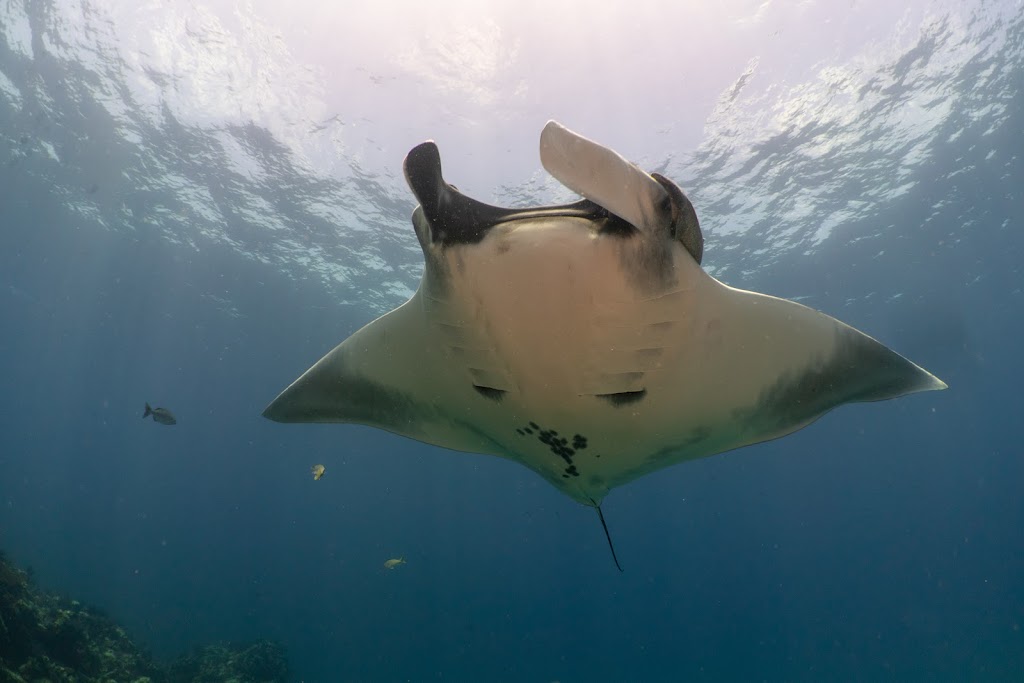
Divers often find themselves carried smoothly along its features, observing the vibrant activity. Oceanic manta rays, some displaying impressive wingspans up to 7 m (23 ft), are a consistent presence, frequenting the islet throughout the year.
These majestic creatures utilize La Reina's rocky outcrops as a crucial natural cleaning station. Here, smaller reef fish diligently remove parasites, creating predictable and engaging viewing opportunities for divers who maintain calm observation.
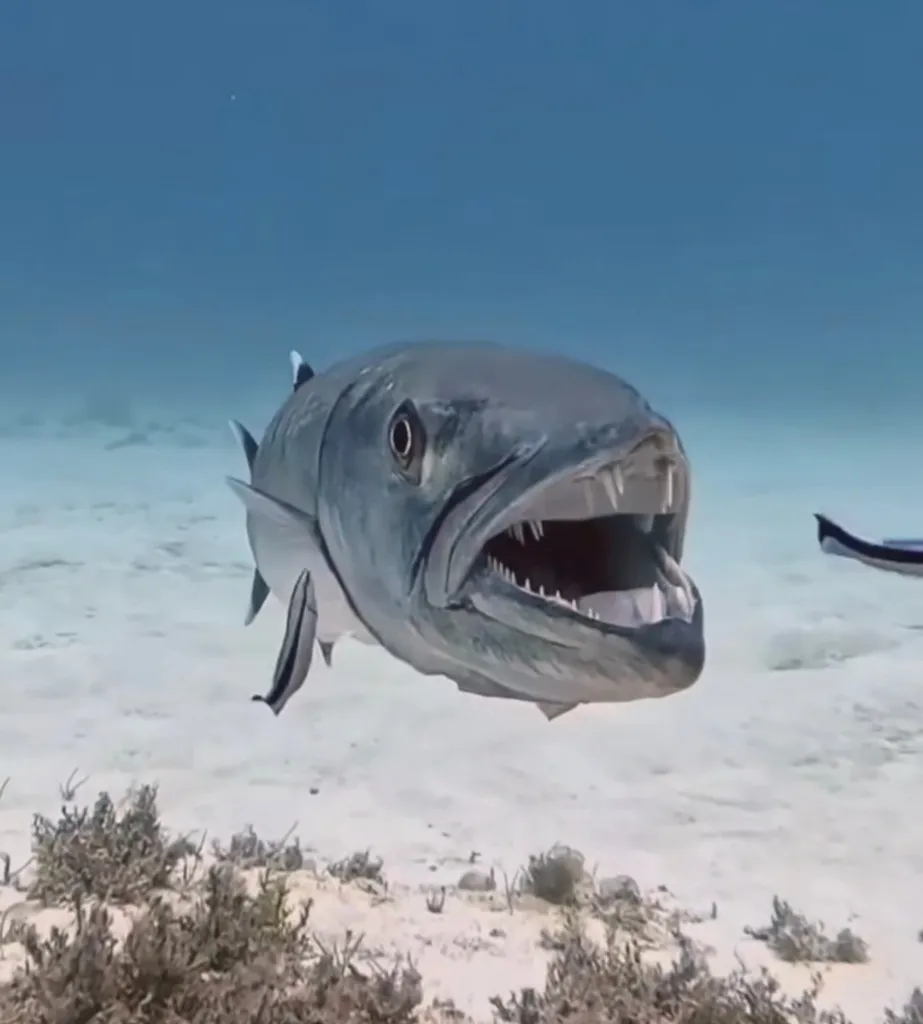
This ongoing natural interaction isn't just about mantas; the site additionally supports thriving populations of diverse reef fish, large schooling jacks moving in synchronized patterns, and swift barracudas patrolling the same rich underwater environment. Visibility here frequently extends beyond 20 m (65 ft), which significantly enhances the ability to appreciate the scale of these majestic pelagics and the intricate life of the reef system.
A dive at La Reina means being immersed in a constantly unfolding natural drama, where every current brings new perspectives on the marine ecosystem.
Conditions are Excellent
07:00 - 14:00
Optimal conditions expected
Current conditions near La Reina Islet show 31° air, 32° sea temperature, 0.5 m waves, and 24 km/h wind. Forecast data is refreshed regularly to ensure accuracy.
Best Time to Dive
For divers chasing the ultimate manta ray experience, planning a trip between mid-June and October typically yields the highest chance of multiple sightings per dive. During this period, water temperatures are notably warmer, ranging from 26–30°C (78–86°F). This aligns with the site's peak activity for oceanic mantas. Air temperatures during these excellent dive score months average from 26.5°C (80°F) in June to 29.5°C (85°F) in September, making surface intervals comfortable. Rainfall is minimal from May to August, with slightly more in September and October, but generally doesn't impact dive conditions significantly. Waves are also consistently lower, often below 0.5 meters (1.6 ft), contributing to calmer boat rides and smoother entries.
PEAK SEASON SCORE
Scores combine air & water temps, waves, wind & rainfall for overall conditions.
BEST MONTHS TO DIVE
Monthly records compiled from satellite and marine observation nodes over the last 3 years. Data provided by Open-Meteo and MET Norway.
Dive Experience & Conditions
Entering the waters around La Reina, divers are often greeted by clear conditions, with visibility frequently exceeding 20 m (65 ft). This rocky islet is known for drift diving, where currents guide explorers along its underwater features. While not consistently reported, choppy conditions are generally less common at certain times of the year, although this can vary. Divers should expect depths ranging from the shallower coral-covered rocks to deeper sections around 27 m (90 ft). Neutral buoyancy is key here, especially when observing the mantas, who tend to approach divers who remain calm and still. The site also attracts playful sea lions, adding another dynamic element to the underwater journey.
Dive Difficulty & Safety Guidelines
Navigating this dynamic dive site requires attention to responsible interaction with marine life. Dive operators typically employ guides trained in respectful wildlife interaction, following strict guidelines to ensure the well-being of the animals. Maintaining a calm demeanor and neutral buoyancy is crucial, especially when oceanic manta rays are present, as they often exhibit curiosity towards stationary divers.
It's essential to respect their space; avoid chasing or touching them, as their comfort facilitates longer and closer interactions. While specific hazards aren't consistently reported, standard safe diving practices, including monitoring air consumption and depth, remain paramount.
Prepare for potential seasickness, depending on individual susceptibility, though strong choppy conditions are not always common.
Recommended Equipment
Current and surface separation risk. Local briefing strongly recommended.
- Dive Computer
- DSMB
- Reel / Spool
This gear list is based on verified equipment signals for La Reina Islet, Mexico. Always confirm final gear choices with your dive operator, guide, or liveaboard.
Recommended Dive Suit
Forecast trends indicate similar diving conditions over the next few days.
Factors such as dive duration, depth, and activity level can influence how warm a diver feels underwater.
Dive skin or rash guard typically balances flexibility and thermal protection in these temperatures. The surrounding waters at La Reina Islet are currently registering temperatures of roughly 32°C (90°F). Surface air temperatures are resting at 31°C (87°F).
Due to technical issues with our weather providers, live updates are temporarily delayed. The data above reflects the conditions at the time of the last successful fetch.
Emergency & Medical Support
Essential information to help you plan your dive trip to La Reina Islet.

Hyperbaric chambers are a critical part of dive safety infrastructure. Availability varies significantly by region, and not all dive areas have immediate access.
Before diving, it's recommended to:
- confirm nearest medical facilities
- check emergency procedures with local dive operators
- ensure dive insurance covers evacuation if required
Divers Alert Network
Diving emergency assistance available through DAN World.
+1-919-684-9111- 24/7 emergency hotline
- Diving medical assistance
- Evacuation coordination
Emergency contacts are provided for reference. Always verify local emergency services before diving.
Marine Life at La Reina Islet
Upon descending, the vastness of the oceanic manta rays often captures attention first. These gentle giants gracefully glide above coral-covered rocks, frequently visiting as La Reina acts as a natural cleaning station.
Beyond the mantas, schooling jacks create impressive formations, while playful sea lions might make a brief appearance. Colorful reef fish populate the shallower areas.
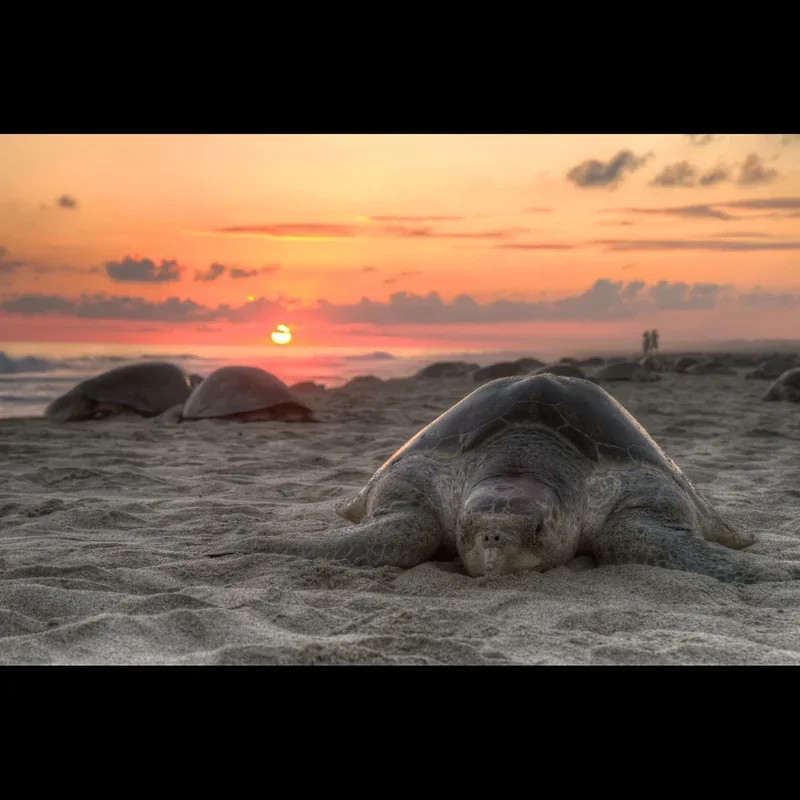
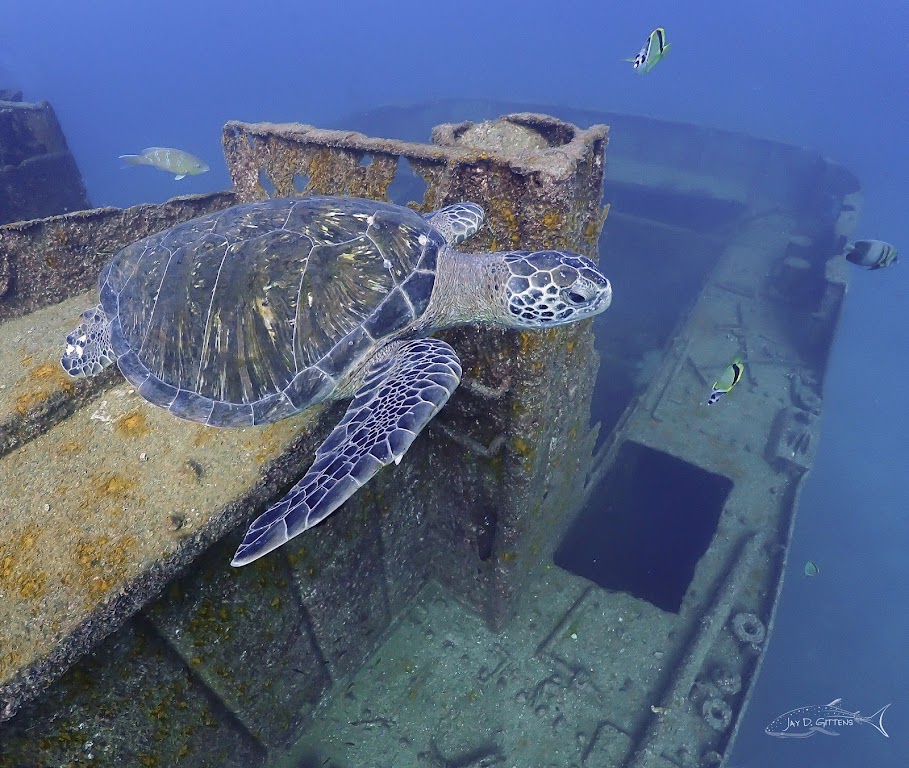
Divers also commonly spot sea turtles, sometimes observed preying on jellyfish. Barracudas and skipjacks patrol the open water, and with luck, seasonal sightings of Giant Pacific Mantas or even whale sharks are possible, creating a truly diverse underwater spectacle.

Dive Centers Near La Reina Islet

Today: 08:00 - 16:00

Nearest Airports
Nearest airports to help plan travel to this dive area.
Search Flights
Check available flights and routes on Expedia, using the nearby airports listed in this section.
Search Flights on ExpediaFrequently Asked Questions
What is the primary attraction at La Reina Islet for divers?
La Reina is primarily known for frequent encounters with oceanic manta rays. It functions as a natural cleaning station where these large rays visit to have parasites removed by smaller fish.
What kind of visibility can I expect while diving here?
Visibility at La Reina is often excellent, frequently reaching 20 meters (65 ft) or more. This allows for clear views of the abundant marine life and underwater topography.
Are there specific guidelines for interacting with manta rays?
Yes, it's crucial to stay calm and neutrally buoyant. Avoid chasing or touching the mantas; maintaining respectful distance encourages longer and closer interactions.
What other marine life might I see besides manta rays?
Beyond mantas, divers can expect to see schooling jacks, barracudas, playful sea lions, colorful reef fish, and sea turtles. Seasonal sightings of whale sharks are also possible.
Is La Reina Islet suitable for all levels of divers?
While it's a drift dive site, the maximum depth of 27 m (90 ft) and generally good visibility make it accessible for certified divers comfortable with currents. It's advisable to check with local dive operators about specific conditions.
How far is La Reina from La Paz?
La Reina is a moderate boat ride from the city of La Paz. It is situated northeast of Cerralvo Island.
What are the water temperatures like at La Reina?
During the prime manta season from mid-June through October, water temperatures typically range from 26–30°C (78–86°F). Water temperatures outside this period are not consistently reported but are generally cooler.
Planning to dive La Reina Islet?
Send one inquiry and receive offers directly from the best verified local dive operators.
Conditions are Excellent
07:00 - 14:00
Optimal conditions expected
Current conditions near La Reina Islet show 31° air, 32° sea temperature, 0.5 m waves, and 24 km/h wind. Forecast data is refreshed regularly to ensure accuracy.