
Diving at Missiones (Mexico)
For divers seeking diverse underwater experiences in Mexico, Missiones offers a range of opportunities that cater to various skill levels. Whether you're drawn to the unique environment of fresh-water cavern diving or prefer the vibrant ocean reefs, planning your trip requires understanding distinct site characteristics. It's a destination where preparation and appropriate certification can greatly enhance the diving adventure for every participant.
As evening covers Missiones, the local air temperature is measured at 35°C. The current wave height at the surface is recorded at 1.2 m. These late-day readings characterize the surface conditions for the night.
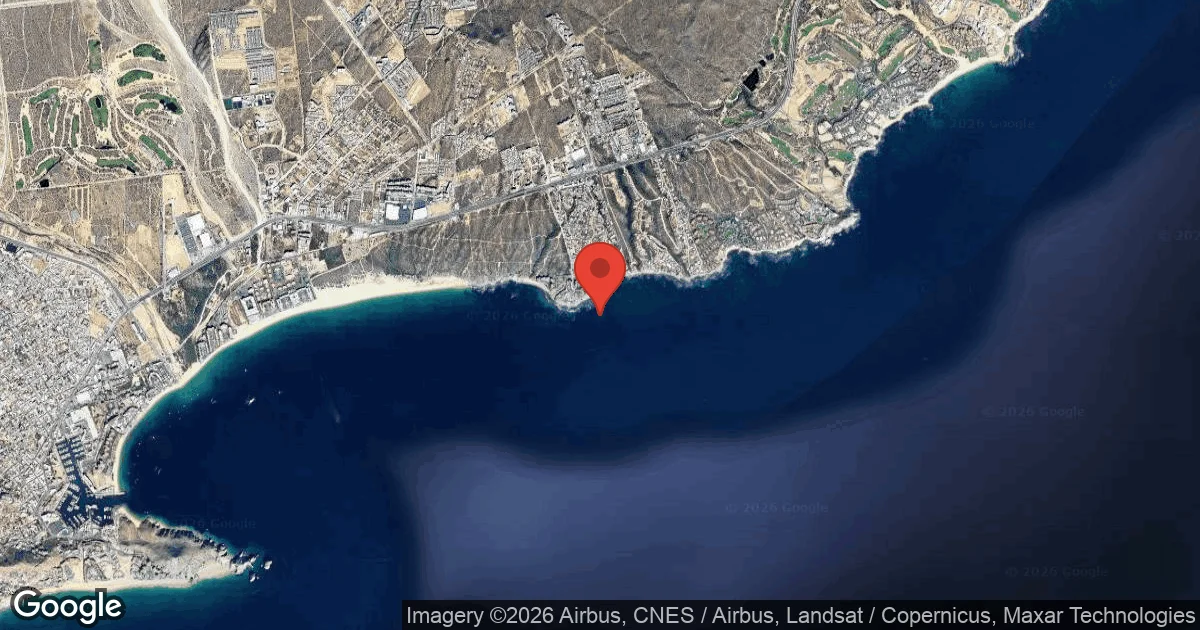
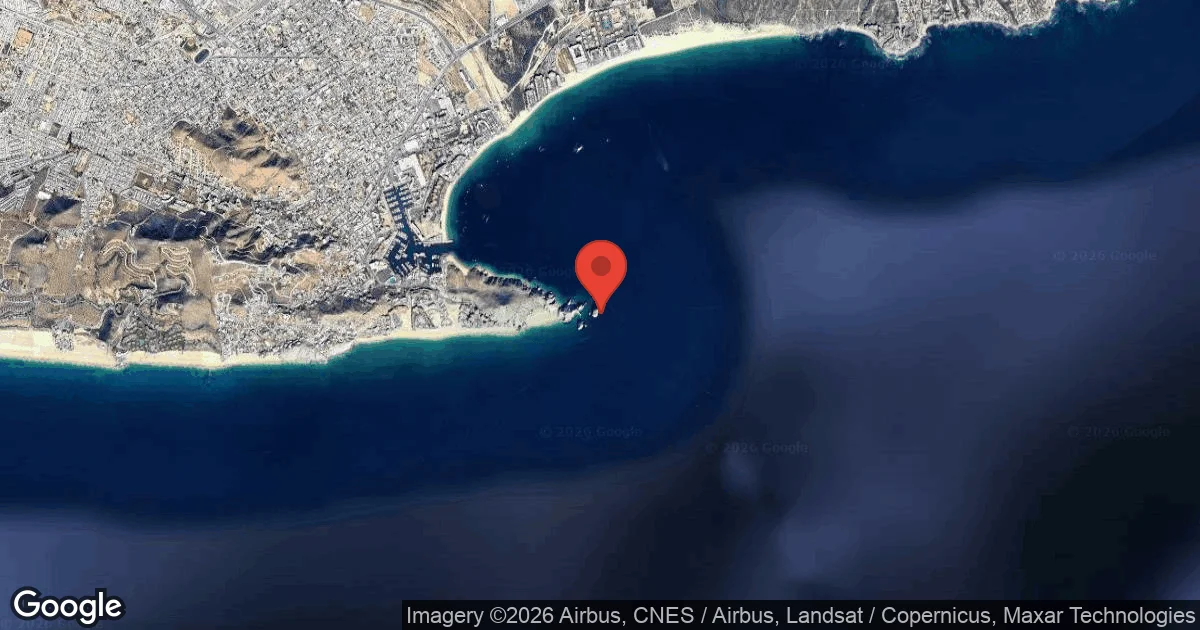
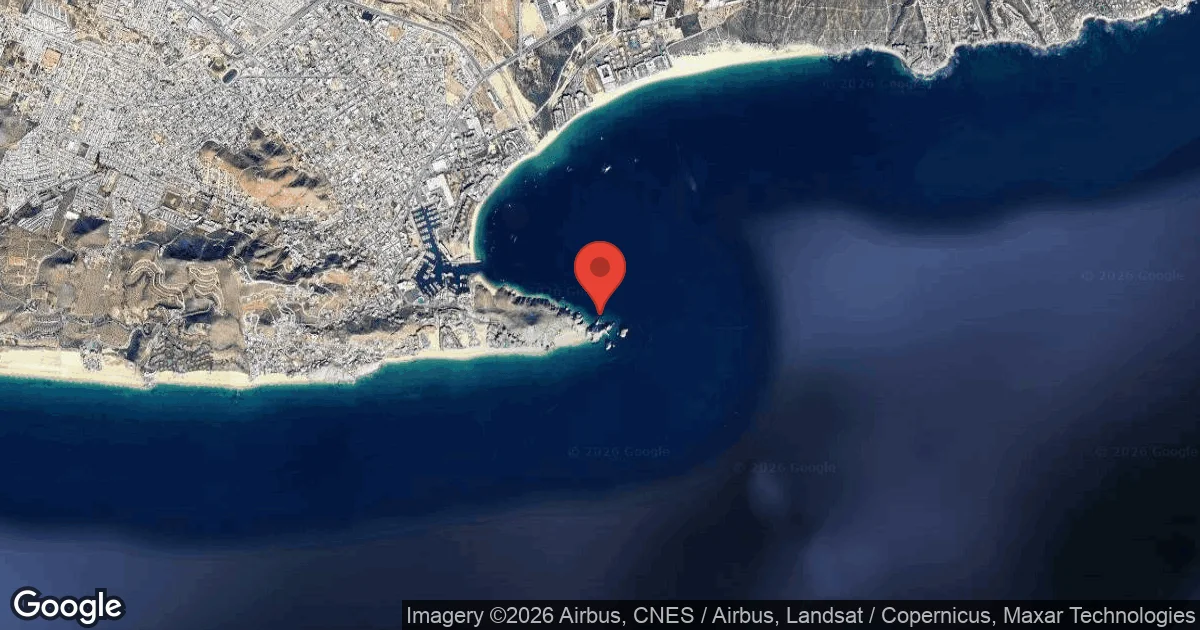
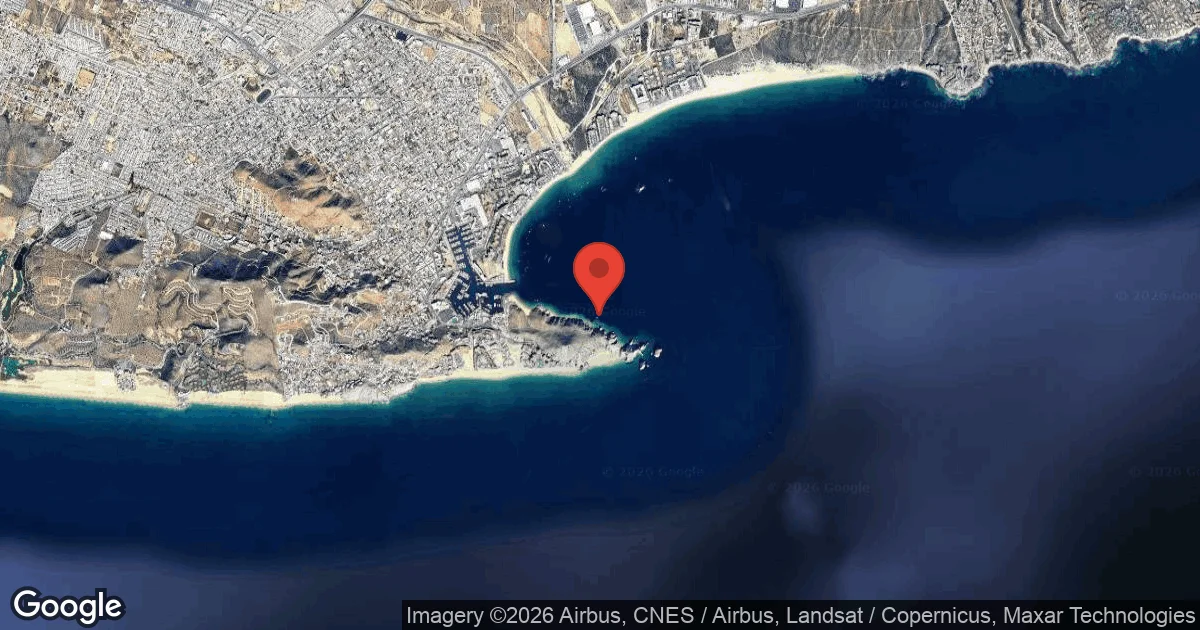
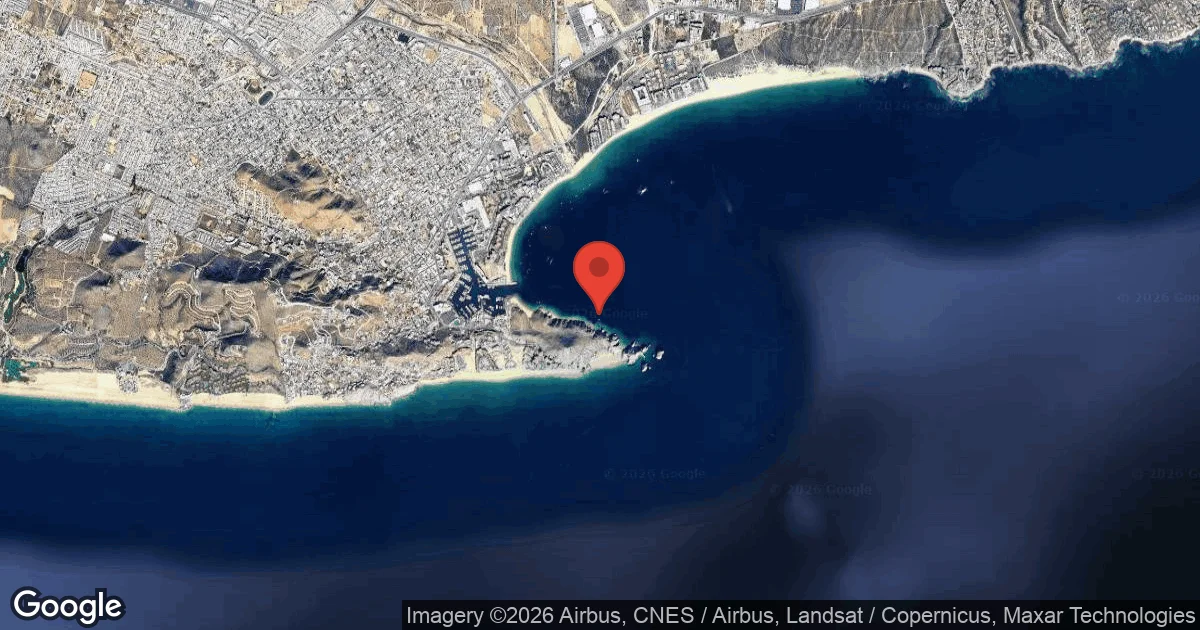
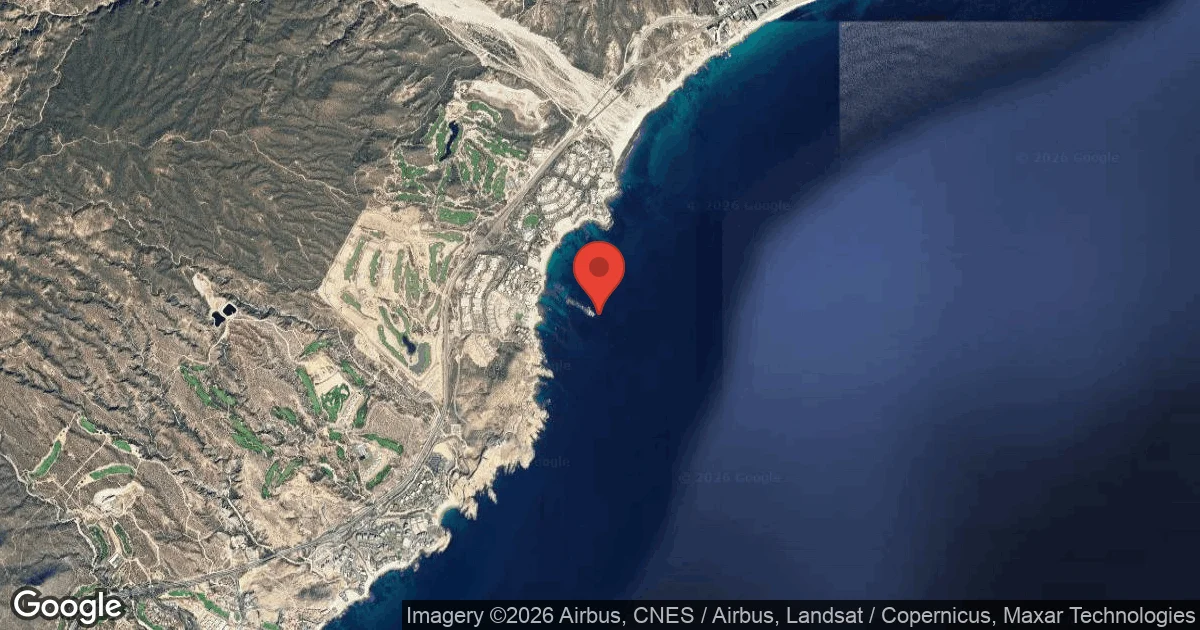
Dive Site Location & Key Facts
Dive Site Overview
The geological history of the Yucatán Peninsula greatly influences the diving landscape around Missiones, Mexico, particularly with its prominent cenotes. These natural sinkholes, formed by collapsed limestone bedrock exposing subterranean rivers, have long held cultural significance for the Mayan civilization, often serving as sacred wells for ceremonies and offerings.
Underwater, these formations reveal intricate cavern systems and dramatic light effects that create an otherworldly atmosphere. Separately, the coastal regions, exemplified by areas such as Cozumel, showcase established coral reef ecosystems that have evolved over millennia, providing a vibrant, biologically diverse contrast to the inland cenotes.
While direct historical records for "Missiones" as a singular dive locale are limited, the region's broader context points to a rich geological past influencing the underwater topography. Recreational diving here emerged as these unique environments became more accessible to explorers and enthusiasts.
Depths in ocean sites can reach beyond 30 m (100 ft), while cenote depths vary widely, often within recreational limits but extending into technical realms in some cave systems. This dual environment caters to a broad spectrum of diving interests, connecting ancient geological processes with modern exploration.
Conditions are Good
07:00 - 14:00
Optimal conditions expected
Current conditions near Missiones show 35° air, 32° sea temperature, 1.2 m waves, and 18 km/h wind. Forecast data is refreshed regularly to ensure accuracy.
Best Time to Dive
Optimizing your dive experience in Missiones involves considering the seasonal climate patterns. The months from January through April and again in July, November, and December generally offer good diving conditions, reflecting favorable dive scores. During these periods, air temperatures range from approximately 20°C (68°F) to 24°C (75°F) in the cooler months, rising to around 30°C (86°F) in July. Rainfall is typically minimal, creating drier conditions. While specific water temperature data for Missiones isn't consistently reported, coastal areas in Mexico generally see warmer waters during the drier seasons. Conversely, May, June, August, September, and October are rated as moderate diving months. Expect slightly higher wave heights, increased wind speeds, and notably more rainfall, especially from August to October which records the highest precipitation. These conditions might affect visibility, particularly in ocean environments.
PEAK SEASON SCORE
Scores combine air & water temps, waves, wind & rainfall for overall conditions.
BEST MONTHS TO DIVE
Monthly records compiled from satellite and marine observation nodes over the last 3 years. Data provided by Open-Meteo and MET Norway.
Dive Experience & Conditions
Entering the water in Missiones presents a varied experience, depending on your chosen dive site. Ocean dives in areas like Cozumel typically feature dynamic currents, often gentle to moderate, which can facilitate drift diving. Visibility in these marine environments is usually excellent, often exceeding 30 m (100 ft) on calm days. Cenote dives, however, introduce divers to a distinct environment where the water is typically still and clear, sometimes with visual effects like haloclines where fresh and salt water layers meet. Depths for recreational ocean dives can comfortably reach 30 m (100 ft), while cenotes vary from shallow caverns to much deeper sections. Expect water temperatures that are not consistently reported for this specific area, but typically remain comfortable, especially in fresh water cenotes where temperatures can be cooler than the ocean.
Dive Difficulty & Safety Guidelines
Diver safety in Missiones, Mexico, hinges on respecting site-specific requirements and personal training levels. For cenote diving, advanced open water certification is often a prerequisite, with cavern or full cave certifications necessary for venturing beyond the daylight zone. Always dive with a certified local guide familiar with the intricate cavern systems and current patterns.
Ocean dives, especially those involving currents, benefit from experience with drift diving techniques. No specific hazards are consistently reported for this area, but environmental awareness is always important.
Maintain good buoyancy control, avoid touching delicate marine life or geological formations, and always plan your dive within your certification limits.
Recommended Equipment
- Dive Computer
This gear list is based on verified equipment signals for Missiones, Mexico. Always confirm final gear choices with your dive operator, guide, or liveaboard.
Recommended Dive Suit
Dive skin or rash guard is widely used for recreational dives in waters of this temperature. Those diving at Missiones today will likely encounter water temperatures in the region of 32°C (90°F). Surface air temperatures are resting at 35°C (95°F).
Surface temperatures may decrease slightly later in the week. A significant temperature drop is forecast; strongly suggest bringing a backup warmer suit option. Some divers bring an extra layer for surface intervals between dives.
Water temperatures can occasionally shift throughout the day depending on currents and depth layers.
Emergency & Medical Support
Essential information to help you plan your dive trip to Missiones.

Hyperbaric chambers are a critical part of dive safety infrastructure. Availability varies significantly by region, and not all dive areas have immediate access.
Before diving, it's recommended to:
- confirm nearest medical facilities
- check emergency procedures with local dive operators
- ensure dive insurance covers evacuation if required
Divers Alert Network
Diving emergency assistance available through DAN World.
+1-919-684-9111- 24/7 emergency hotline
- Diving medical assistance
- Evacuation coordination
Emergency contacts are provided for reference. Always verify local emergency services before diving.
Marine Life at Missiones
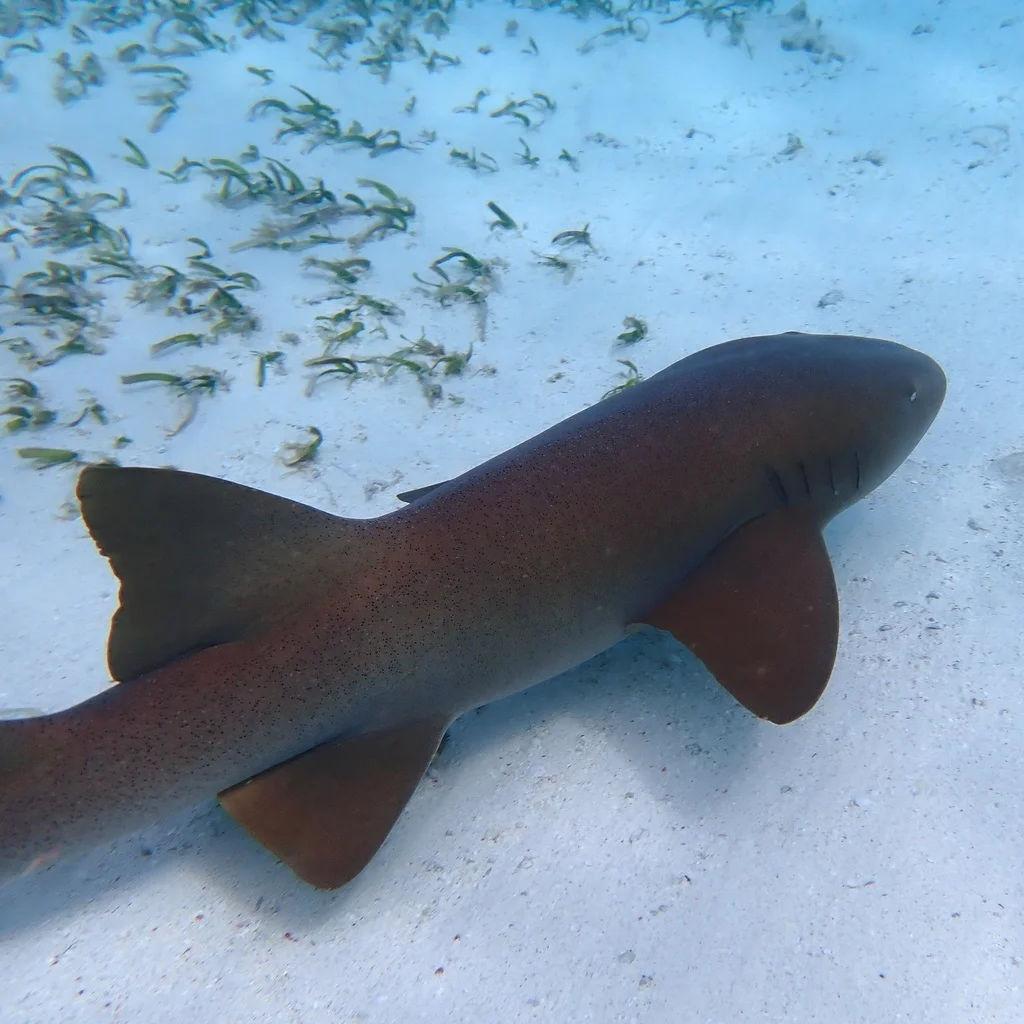
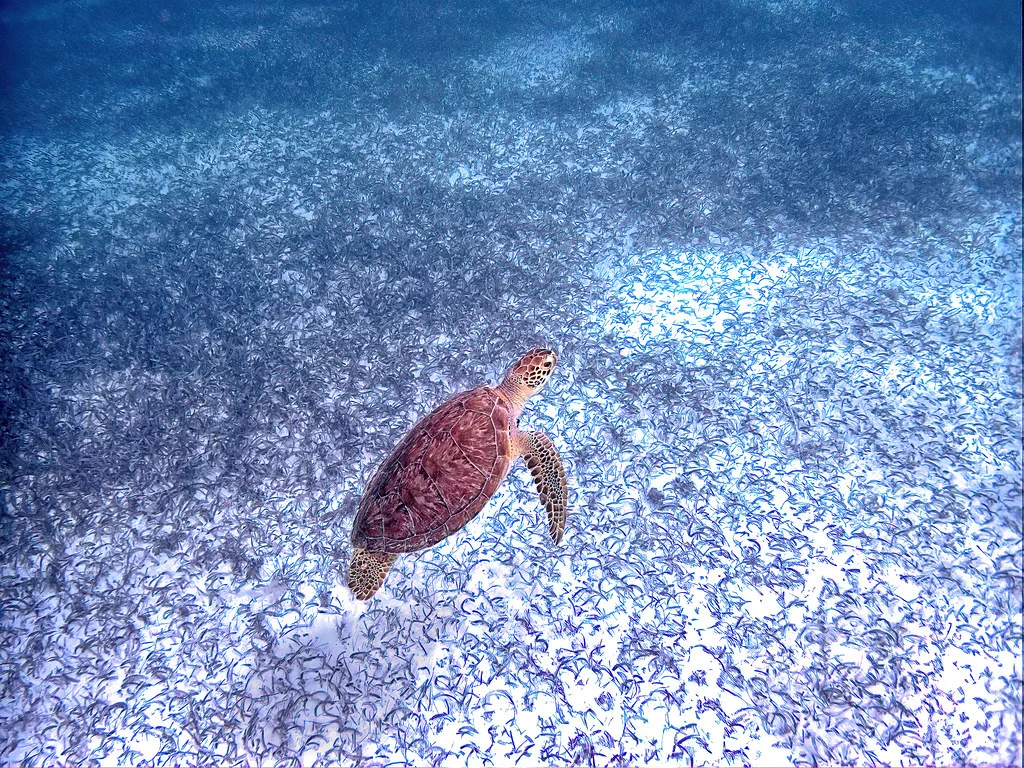
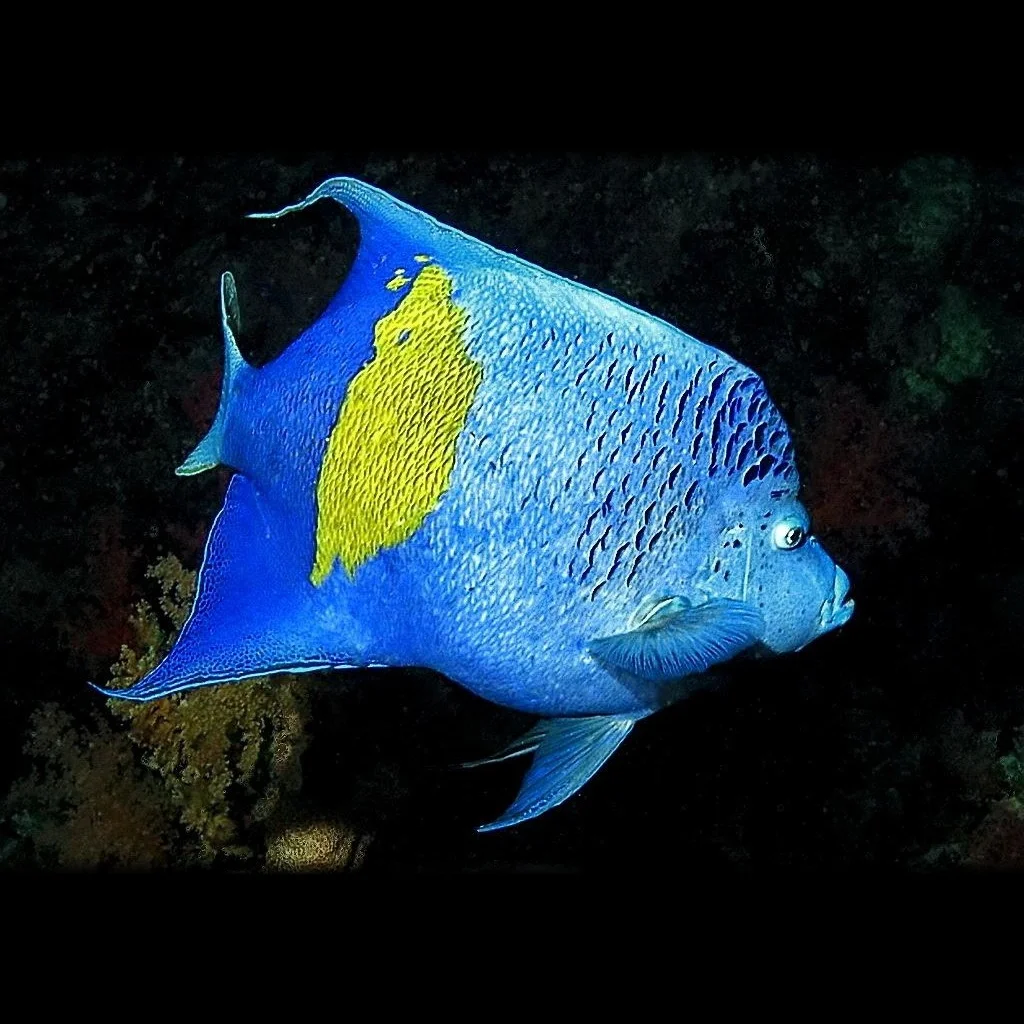
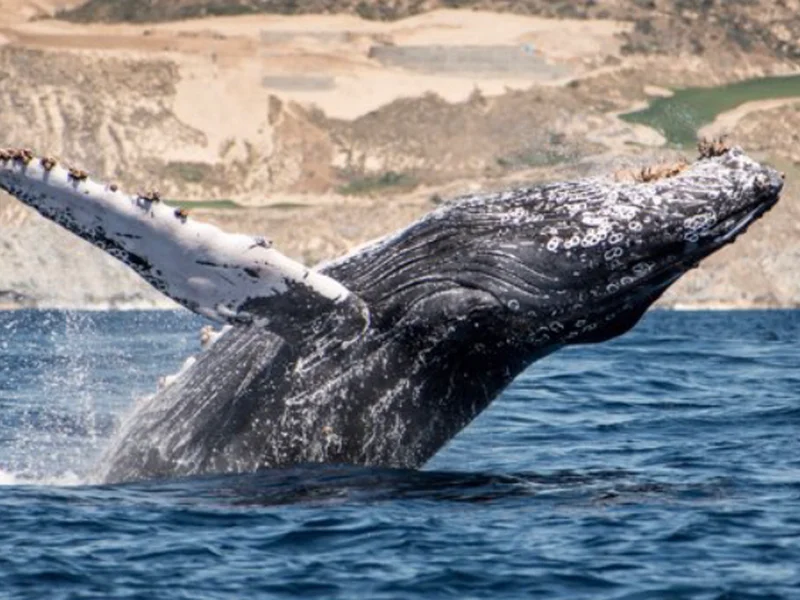
The marine ecosystems around Missiones, particularly in coastal areas like Cozumel, support a variety of species. Divers frequently encounter vibrant reef fish, including queen angelfish and rock beauty angelfish.
Larger inhabitants such as nurse sharks are observed patrolling the reef, alongside loggerhead turtles gracefully navigating the waters. While cenotes primarily offer geological beauty, some may host small freshwater fish or crustaceans, providing a different type of encounter. Each dive site offers a glimpse into different biological patterns.
Dive Sites Near Missiones
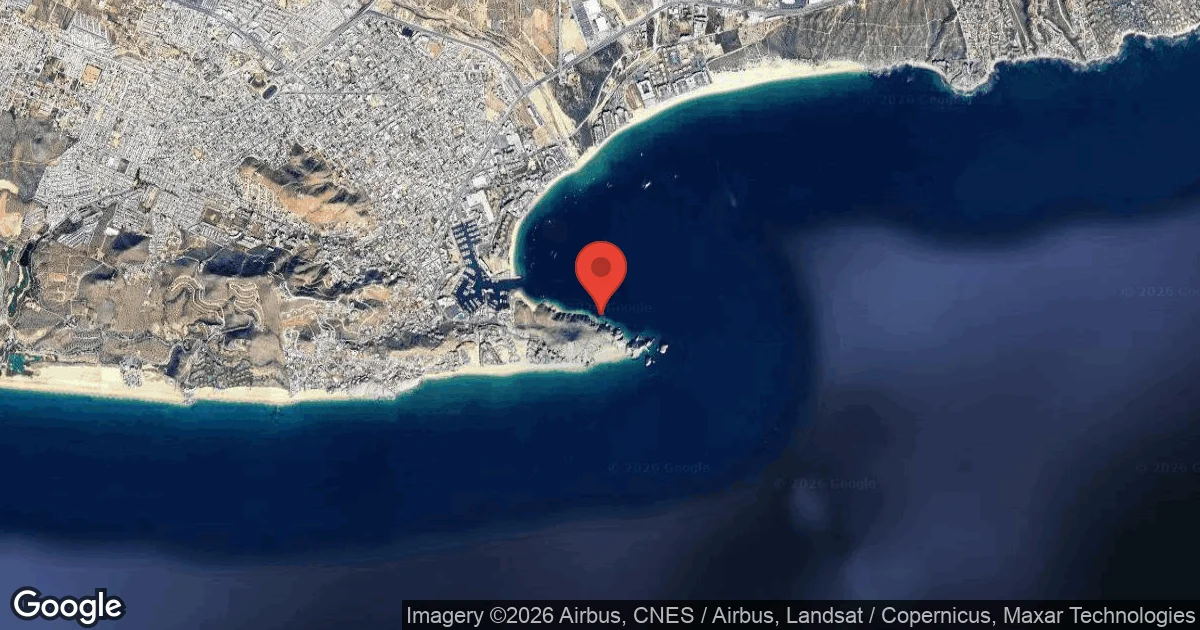
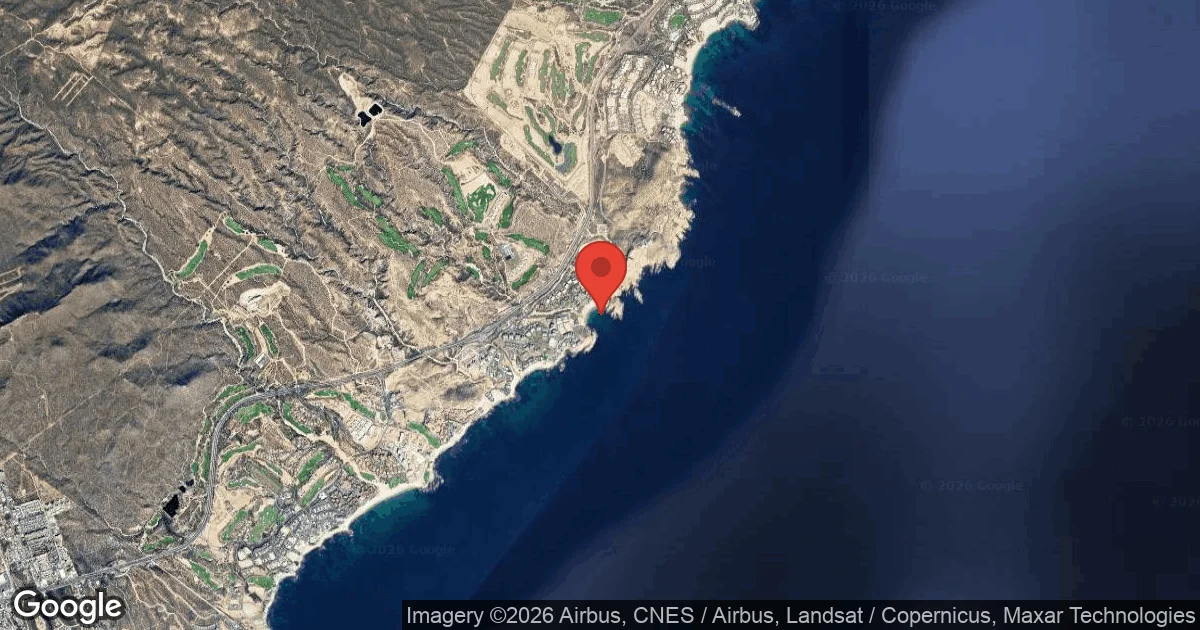
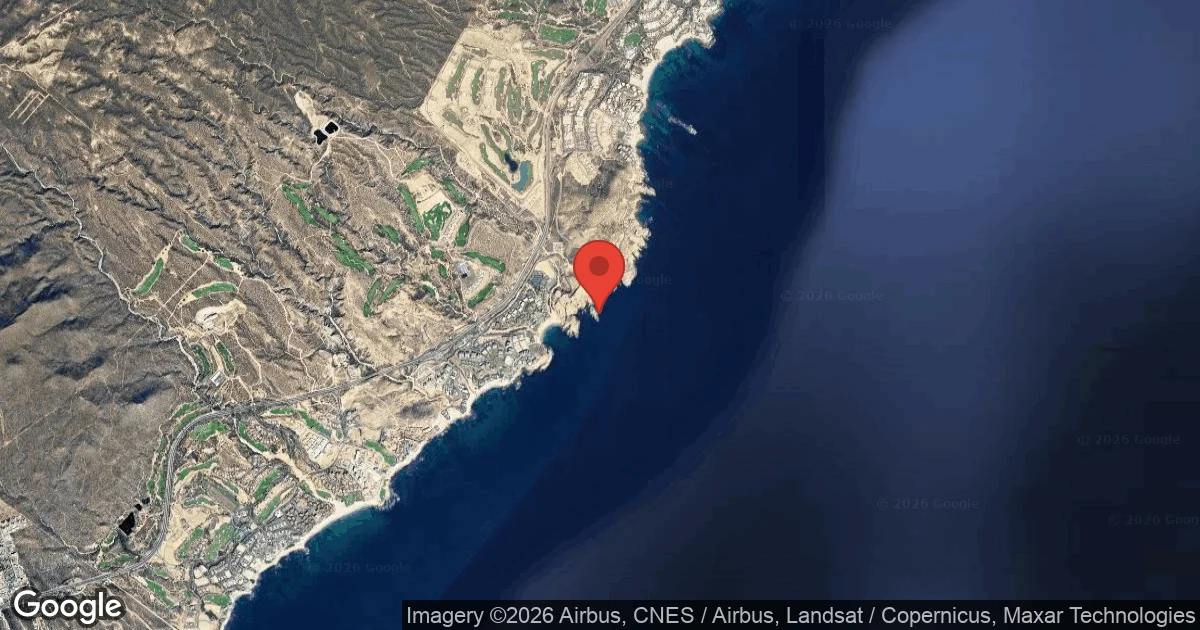
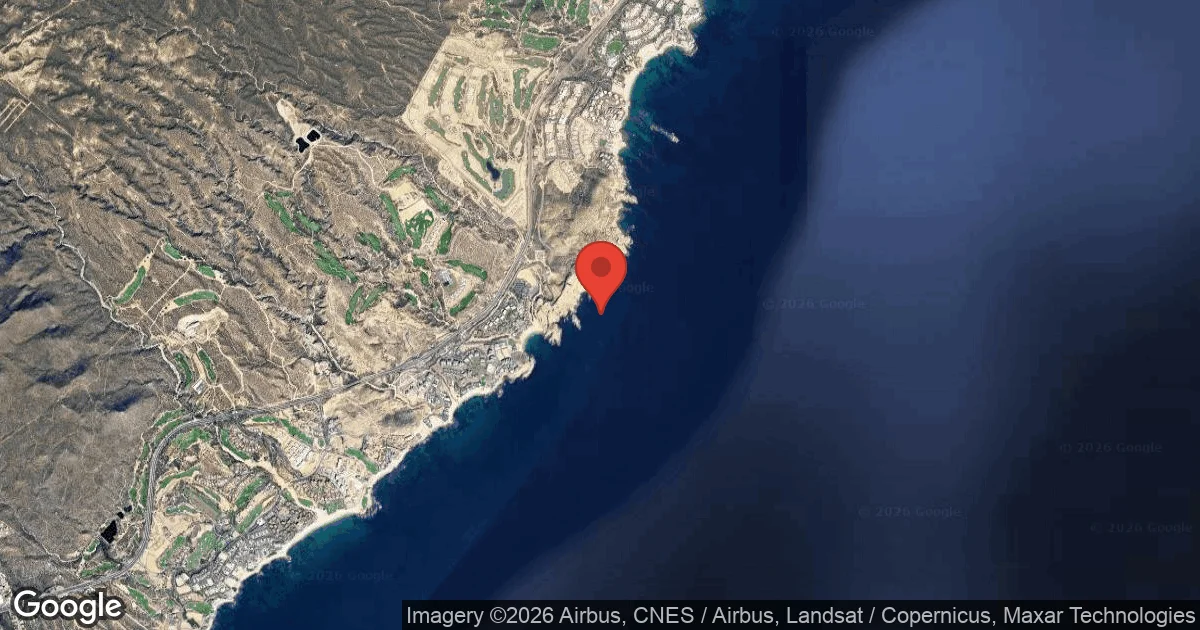
View all dive sites in MexicoDiscover more underwater gems in this area.
Dive Centers Near Missiones
Today: 07:00 - 17:30
Nearest Airports
Nearest airports to help plan travel to this dive area.
Search Flights
Check available flights and routes on Expedia, using the nearby airports listed in this section.
Search Flights on ExpediaFrequently Asked Questions
What types of diving can I expect in Missiones, Mexico?
You can experience diverse diving, from cavern and cave diving in freshwater cenotes with unique geological formations to vibrant coral reef diving in the ocean, especially around areas like Cozumel. Each environment presents distinct challenges and visual rewards.
What level of diving certification is typically required?
For many ocean dives, an Open Water certification is sufficient, but Advanced Open Water is often recommended for deeper sites or areas with currents. Cenote diving beyond the daylight zone usually requires specialized cavern or full cave certifications due to the overhead environment.
Are currents a factor in Missiones' dive sites?
Yes, particularly in coastal reef areas such as Cozumel, divers should expect and be prepared for currents. Many sites offer drift diving opportunities, where currents gently carry you along the reef, enhancing the experience. Cenotes typically have little to no discernible current.
What marine life can divers hope to encounter?
In ocean environments, sightings may include a variety of reef fish like queen angelfish and rock beauty angelfish, along with nurse sharks and loggerhead turtles. Cenotes primarily showcase impressive geological structures, but small freshwater fish or crustaceans can sometimes be observed.
What are the general visibility conditions?
Visibility in the ocean sites is generally excellent, often extending beyond 30 m (100 ft) on calm days, though it can vary with weather and currents. Cenote systems typically feature exceptionally clear fresh water, offering impressive sightlines through the cavern systems.
Is it necessary to hire a local guide for diving here?
Hiring a local, certified guide is highly recommended, especially for cenote diving, due to the complex navigation and environmental sensitivity of these sites. For ocean dives, local guides provide invaluable knowledge of currents and marine life hotspots.
What are the water temperatures like?
Water temperature data for Missiones isn't consistently reported for this specific area. However, divers generally find the conditions comfortable for diving. In freshwater cenotes, the water can feel cooler than the ocean, which is typical for inland water bodies.
Planning to dive Missiones?
Send one inquiry and receive offers directly from the best verified local dive operators.
Conditions are Good
07:00 - 14:00
Optimal conditions expected
Current conditions near Missiones show 35° air, 32° sea temperature, 1.2 m waves, and 18 km/h wind. Forecast data is refreshed regularly to ensure accuracy.