
Diving at Neptune's Finger (Mexico)
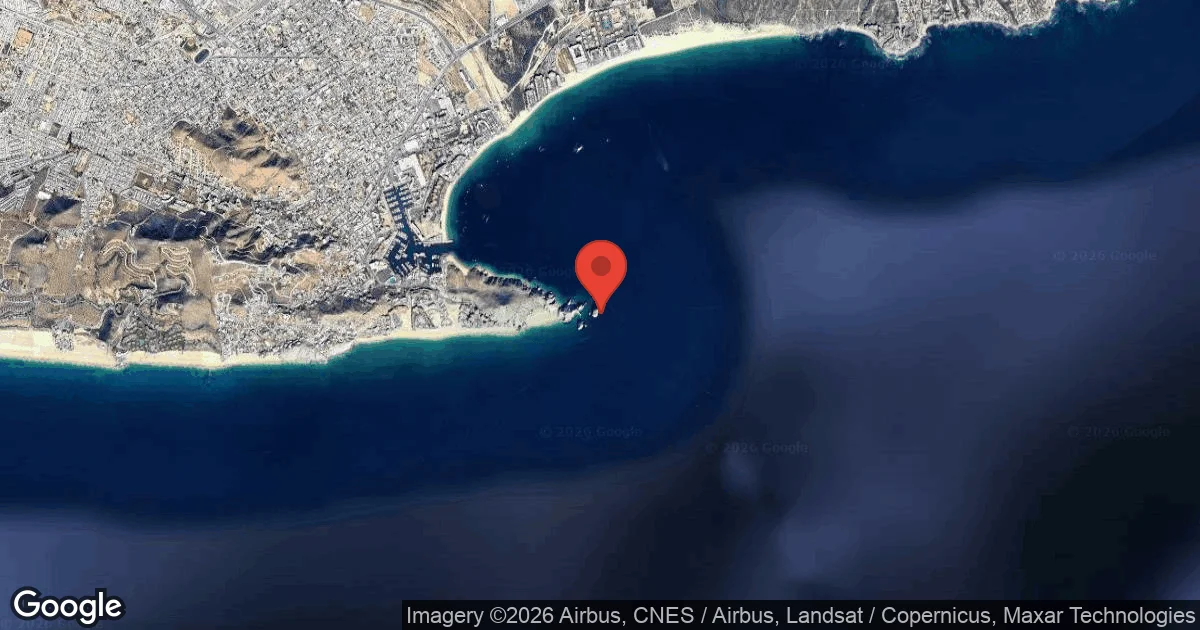
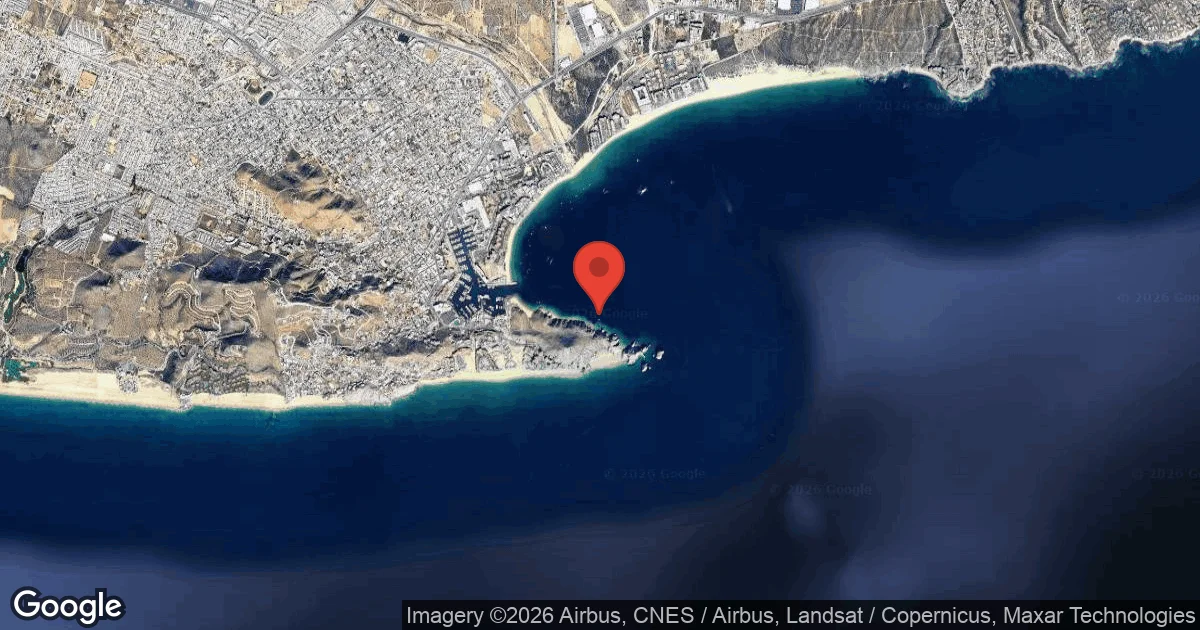
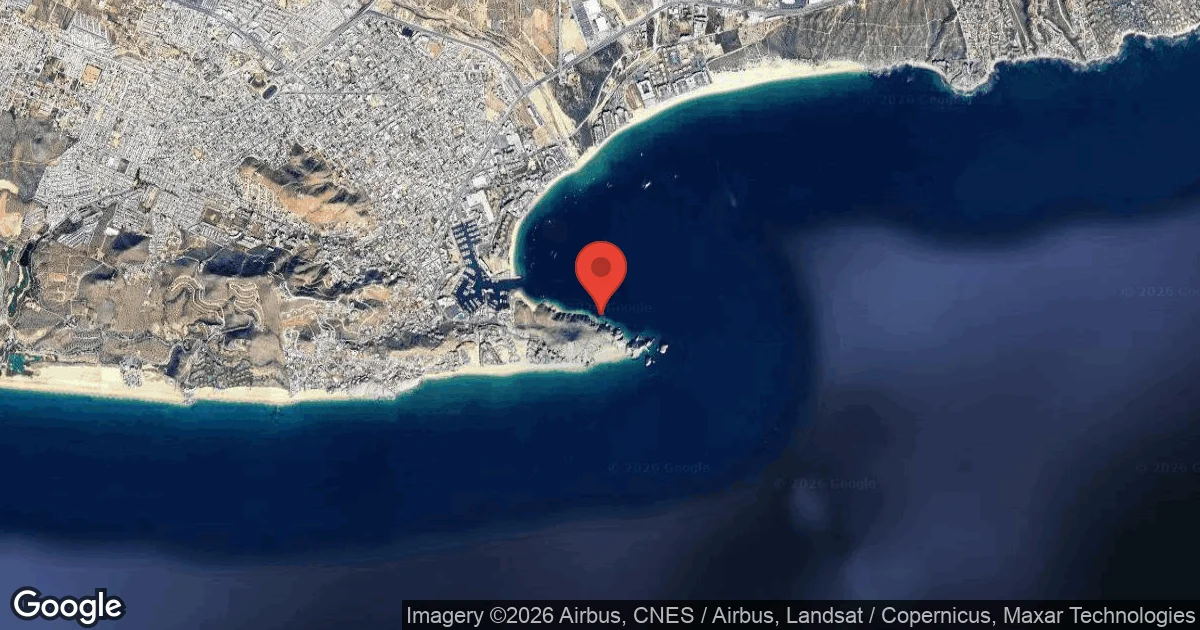
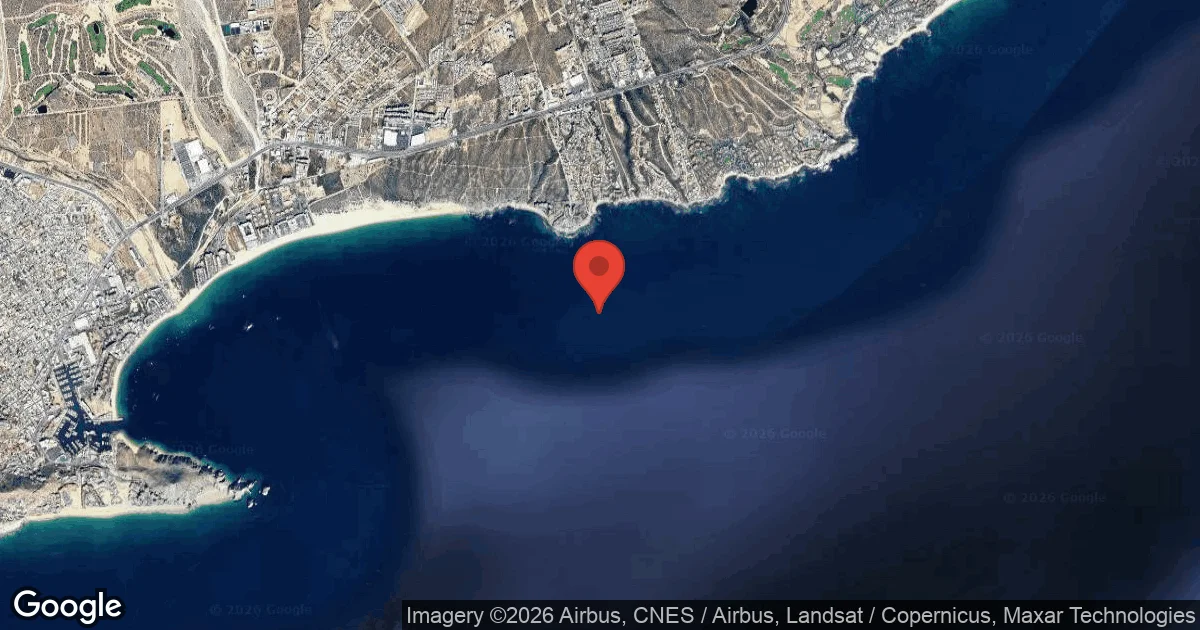
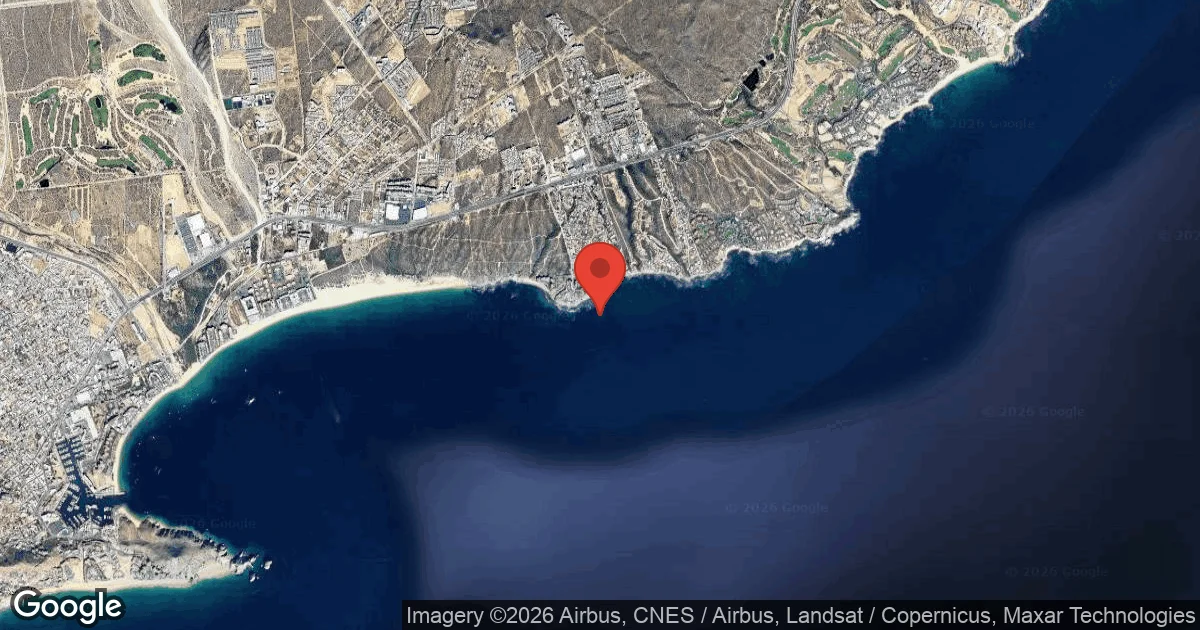
Neptune's Finger gets its name from a distinctive, steep rocky outcrop that extends a few meters above the water's surface, resembling an upward-pointing finger. Rising approximately 8 meters (26 ft) above the water, this formation in Cabo San Lucas Bay is easily recognizable. It marks a significant underwater landscape below, inviting divers into its unique geological environment.
Tonight's objective overview for Neptune's Finger shows an air temperature of 30°C. The measured surface conditions include wave heights around 1.3 m. This environmental data is logged for the close of the day.
Dive Site Location & Key Facts
Dive Site Overview
For decades, Neptune's Finger has served as a defining landmark for mariners and divers navigating Cabo San Lucas, Mexico. This dive site, considered a premier destination for world-class scuba diving, is named for its small, steep rocky outcrop that points upward a few meters above the surface.
Below the waterline, the site unfolds into a complex underwater landscape featuring two distinct coral reefs and several beautiful shallow pinnacles adorned with various types of corals. A notable highlight for many is the impressive vertical wall, which descends dramatically to depths exceeding 152 m (500 ft).
Furthermore, divers will encounter the largest sandfall within the Cabo San Lucas Marine Park, a truly mesmerizing natural phenomenon that cascades down the seabed. Accessible to CMAS* or Open Water certified divers, Neptune's Finger offers a comprehensive and engaging experience for exploring Baja California Sur's rich underwater topography.
It presents a rewarding journey for those keen to witness unique geological formations and diverse marine life.
Conditions are Good
07:00 - 14:00
Optimal conditions expected
Current conditions near Neptune's Finger show 30° air, 32° sea temperature, 1.2 m waves, and 19 km/h wind. Forecast data is refreshed regularly to ensure accuracy.
Best Time to Dive
Diving at Neptune's Finger is possible year-round, though conditions vary with the seasons. During the months of January through April, July, and November through December, dive scores typically indicate good conditions for exploration. Air temperatures average between 20.5°C and 29.5°C (85°F)and 85.5°F), with more consistent averages around 25-30°C (77-86°F) for much of the year. Water temperatures consistently remain around 24-25°C (75-77°F), providing comfortable diving. Rain is minimal, especially from February to April, contributing to generally clear conditions. From May to October, conditions are typically moderate, with slightly higher average wave heights and wind speeds, and increased rainfall during August, September, and October. Planning your trip during the "good" months can often provide calmer seas and clearer visibility for a more relaxed experience.
PEAK SEASON SCORE
Scores combine air & water temps, waves, wind & rainfall for overall conditions.
BEST MONTHS TO DIVE
Monthly records compiled from satellite and marine observation nodes over the last 3 years. Data provided by Open-Meteo and MET Norway.
Dive Experience & Conditions
The underwater topography at Neptune's Finger presents a dramatic mix of shallow reefs and a profound deep wall. Descending into the site, divers encounter the top of the reef at approximately 4 m (15 ft). From this point, a spectacular vertical wall drops away to significant depths, far exceeding recreational limits, though most dives concentrate on the upper sections. Shallower areas feature beautiful pinnacles adorned with diverse corals, creating excellent opportunities for macro observations. Visibility here is generally quite good, often extending to impressive distances on calm days. Novice and Open Water divers can safely explore the more accessible coral reef sections, while experienced divers can navigate the deeper wall and observe the prominent sandfall. Currents are not consistently reported but can vary depending on conditions, so divers should anticipate potential drift. Staying aware of local conditions is always beneficial.
Dive Difficulty & Safety Guidelines
Successful diving at Neptune's Finger relies on careful planning and an awareness of the site's unique features. Given the significant depth potential of the vertical wall, adhering strictly to your certification limits is crucial. Always dive with a reliable buddy and maintain situational awareness, especially when exploring near the impressive sandfall, where visibility could shift momentarily due to cascading sand.
While not consistently strong, currents can be present, so a dive briefing from a local guide detailing expected conditions is always advisable. Respecting marine life and avoiding contact with corals helps preserve this natural environment.
Recommended Equipment
- Dive Computer
This gear list is based on verified equipment signals for Neptune's Finger, Mexico. Always confirm final gear choices with your dive operator, guide, or liveaboard.
Recommended Dive Suit
With water temperatures around 32°C (89°F), many divers find a dive skin or rash guard provides comfortable protection.
Local dive briefings can provide the most accurate guidance.
The upcoming forecast points to generally steady conditions in the area.
Due to technical issues with our weather providers, live updates are temporarily delayed. The data above reflects the conditions at the time of the last successful fetch.
Emergency & Medical Support
Essential information to help you plan your dive trip to Neptune's Finger.

Hyperbaric chambers are a critical part of dive safety infrastructure. Availability varies significantly by region, and not all dive areas have immediate access.
Before diving, it's recommended to:
- confirm nearest medical facilities
- check emergency procedures with local dive operators
- ensure dive insurance covers evacuation if required
Divers Alert Network
Diving emergency assistance available through DAN World.
+1-919-684-9111- 24/7 emergency hotline
- Diving medical assistance
- Evacuation coordination
Emergency contacts are provided for reference. Always verify local emergency services before diving.
Marine Life at Neptune's Finger
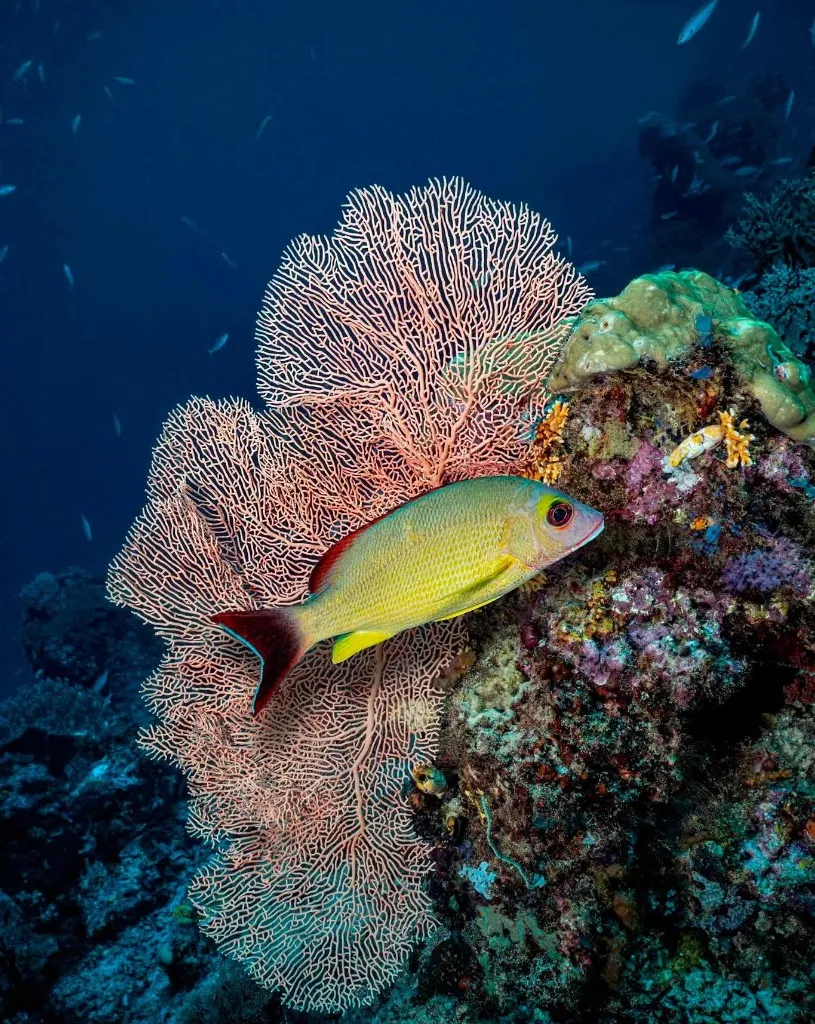
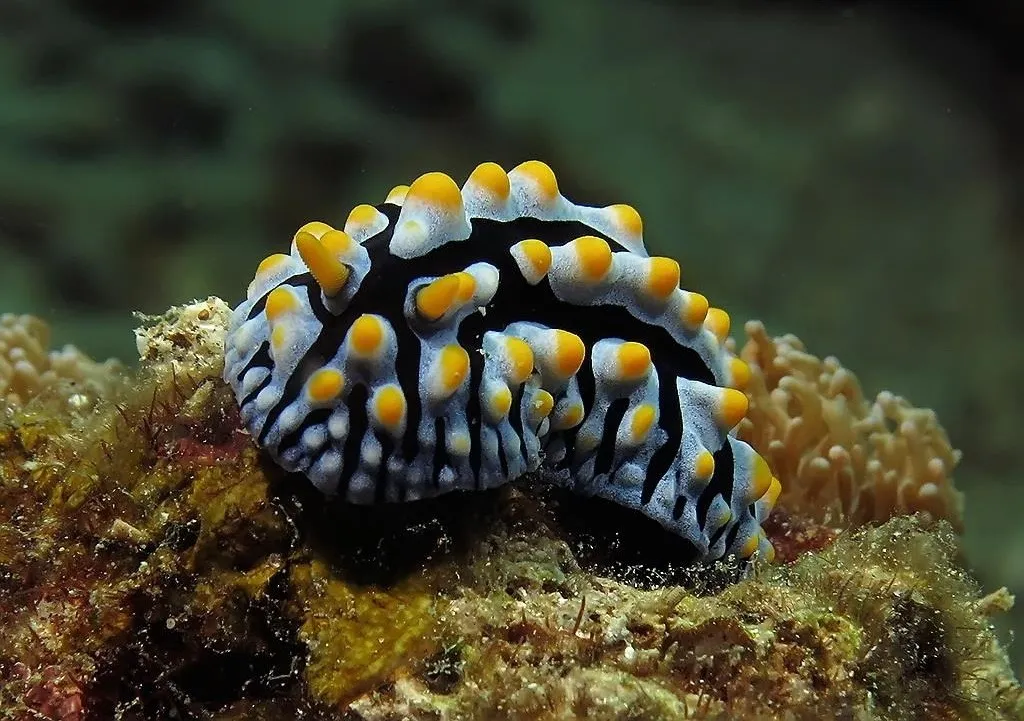
Exploring the diverse underwater landscape of Neptune's Finger reveals a rich array of marine inhabitants. Within the shallow pinnacles and coral reefs, divers can spot an abundance of tropical reef fish and delicate nudibranchs, making the area a macro photography haven.
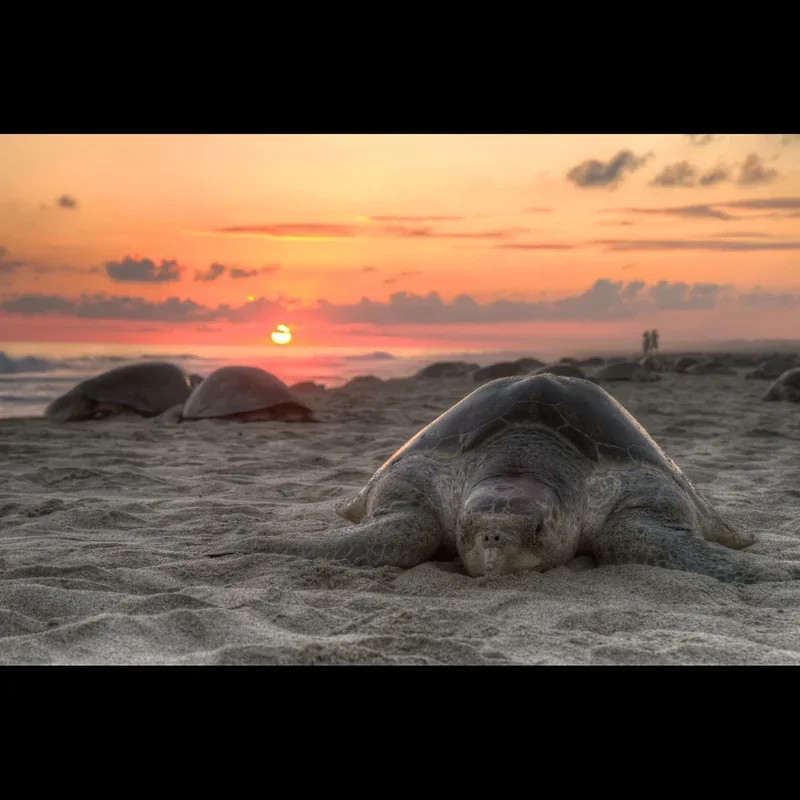
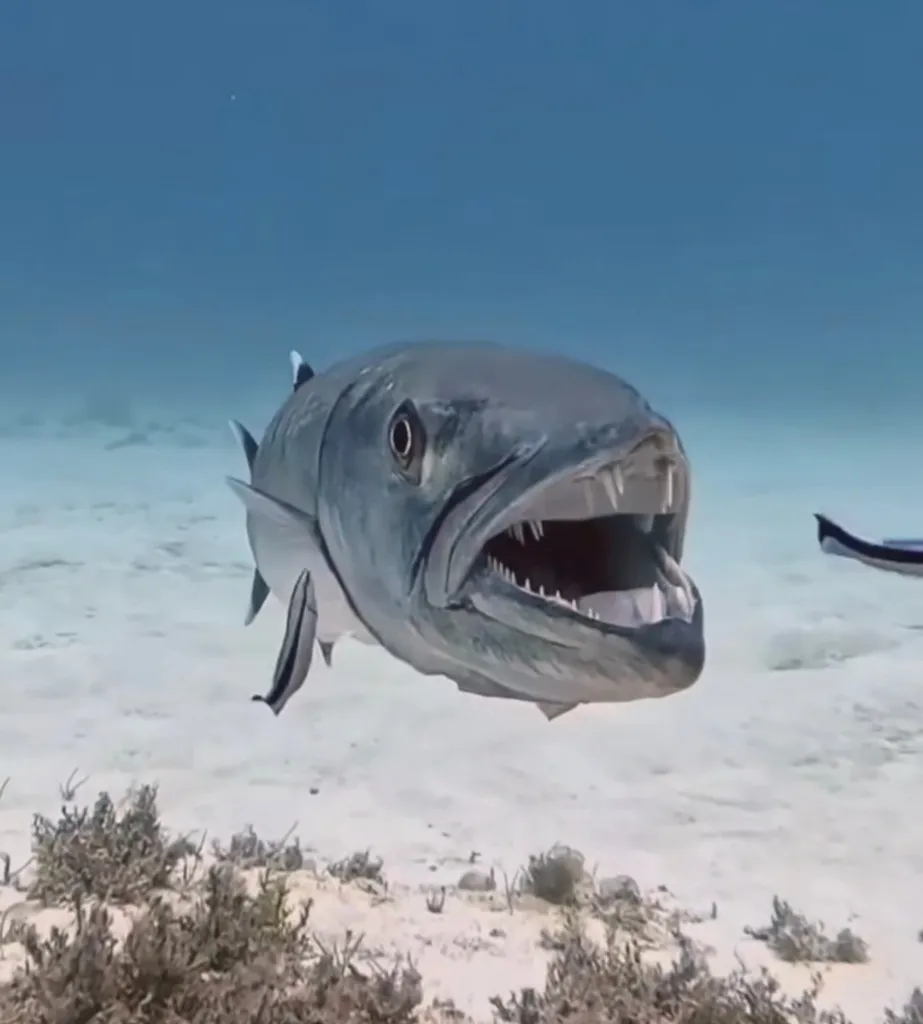
Moving to deeper sections, keep an eye out for larger pelagic species such as tuna, bonitos, and barracudas traversing the open water. Sightings of graceful sea turtles, guitarfish, and flatfish are also common, particularly near the sandfall area.
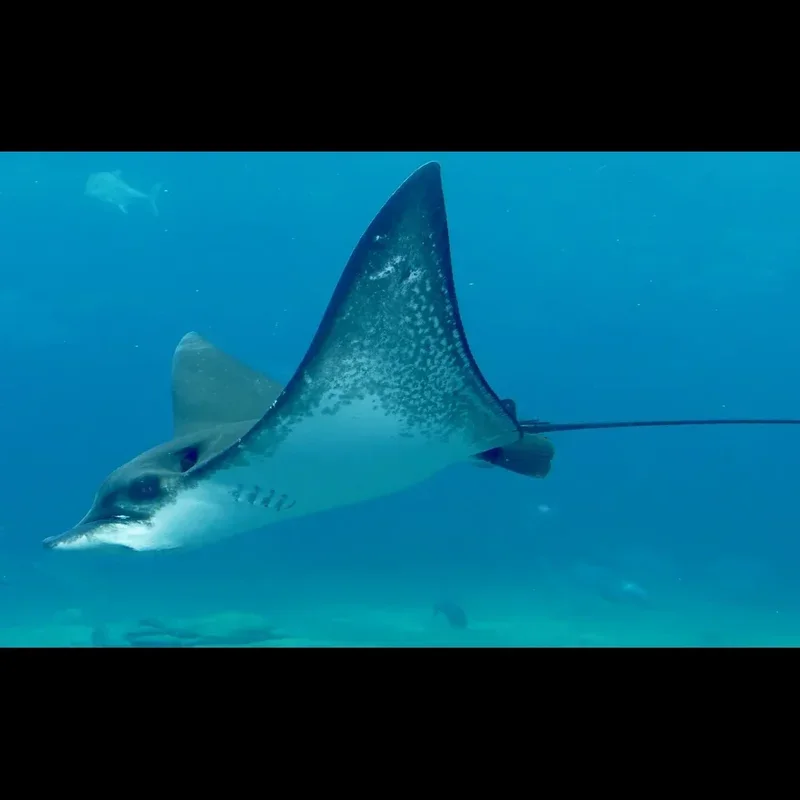
Eagle rays, mantas, and mobula rays are regularly observed, adding to the excitement of a dive here.
Dive Sites Near Neptune's Finger
View all dive sites in MexicoDiscover more underwater gems in this area.
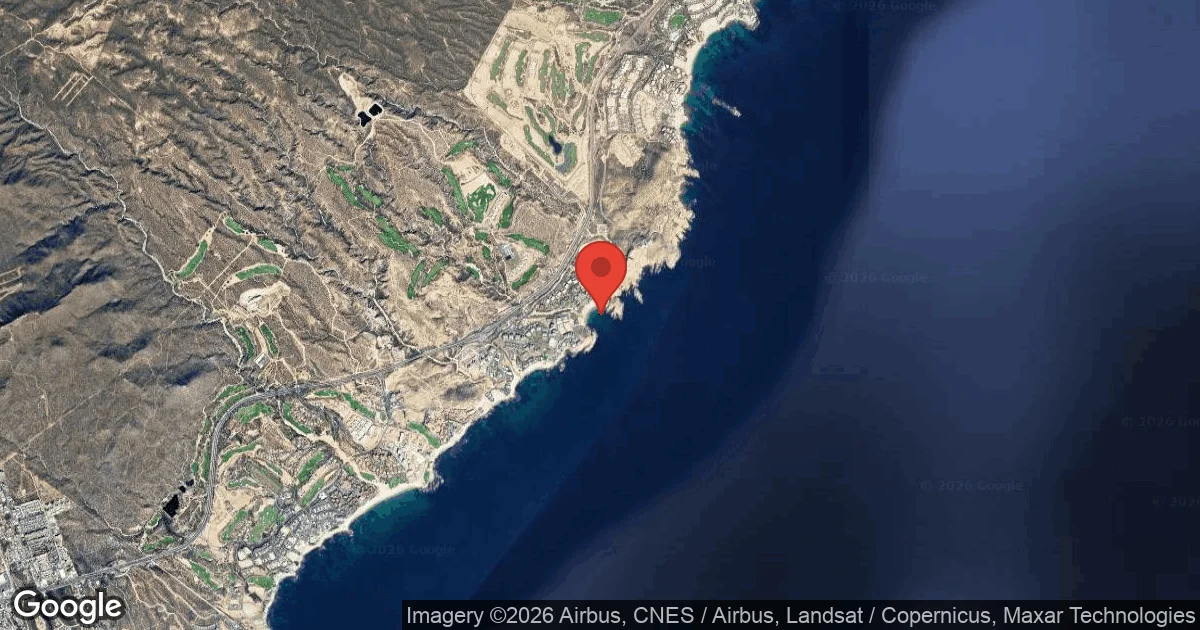
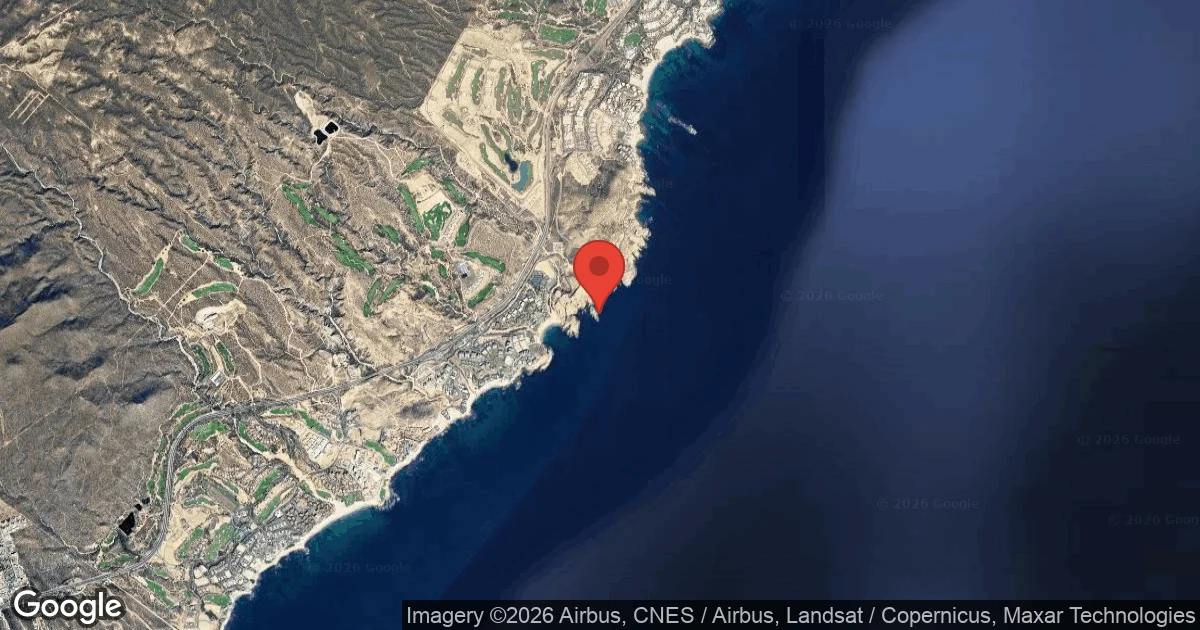
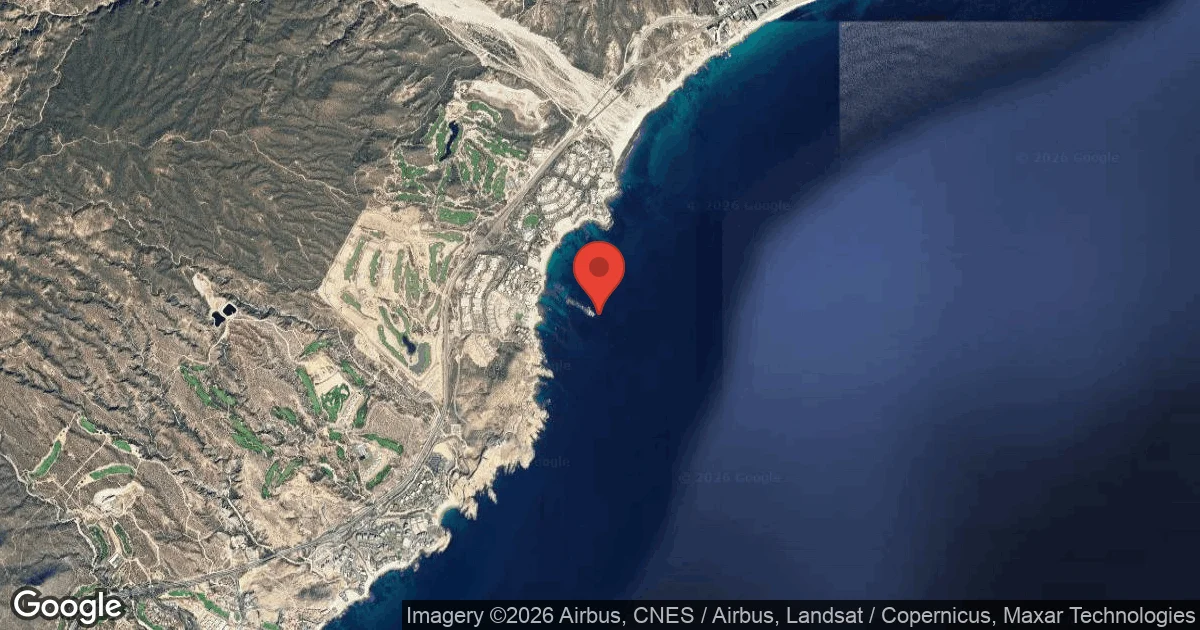
Dive Centers Near Neptune's Finger
Today: 07:00 - 17:30
Nearest Airports
Nearest airports to help plan travel to this dive area.
Search Flights
Check available flights and routes on Expedia, using the nearby airports listed in this section.
Search Flights on ExpediaFrequently Asked Questions
What is Neptune's Finger named after?
It's named after a distinctive, steep rocky outcrop that extends a few meters above the water's surface, resembling an upward-pointing finger. This natural formation serves as a prominent landmark in Cabo San Lucas Bay.
What is the maximum depth at Neptune's Finger?
The site features a vertical wall that drops down to more than 152 m (500 ft). Recreational diving typically explores shallower sections, but the deep wall offers advanced opportunities.
Is Neptune's Finger suitable for beginner divers?
Yes, the site is accessible to CMAS* or Open Water certified divers. The shallower reef tops provide a gentle environment suitable for less experienced divers to explore, typically found in the upper reef areas.
Can I see a sandfall at Neptune's Finger?
Absolutely, Neptune's Finger is home to the largest sandfall within the Cabo San Lucas Marine Park. This mesmerizing geological feature involves sand cascading down the underwater slope, creating a unique visual.
What marine life can I expect to see?
Divers often encounter sea turtles, tropical reef fish, guitarfish, flatfish, and nudibranchs in the shallower areas. Larger pelagics like tuna, bonitos, barracudas, eagle rays, mantas, and mobula rays are also regularly sighted.
What is the typical water temperature?
Water temperatures at Neptune's Finger generally remain around 24-25°C (75-77°F) throughout the year. This consistent warmth makes for comfortable diving conditions.
How good is the visibility at this dive site?
Visibility is usually quite good, often extending to excellent distances on calm days. However, conditions can vary depending on local factors and any sand movement from the sandfall.
Planning to dive Neptune's Finger?
Send one inquiry and receive offers directly from the best verified local dive operators.
Conditions are Good
07:00 - 14:00
Optimal conditions expected
Current conditions near Neptune's Finger show 30° air, 32° sea temperature, 1.2 m waves, and 19 km/h wind. Forecast data is refreshed regularly to ensure accuracy.