
Diving at Pelican Rock (Mexico)
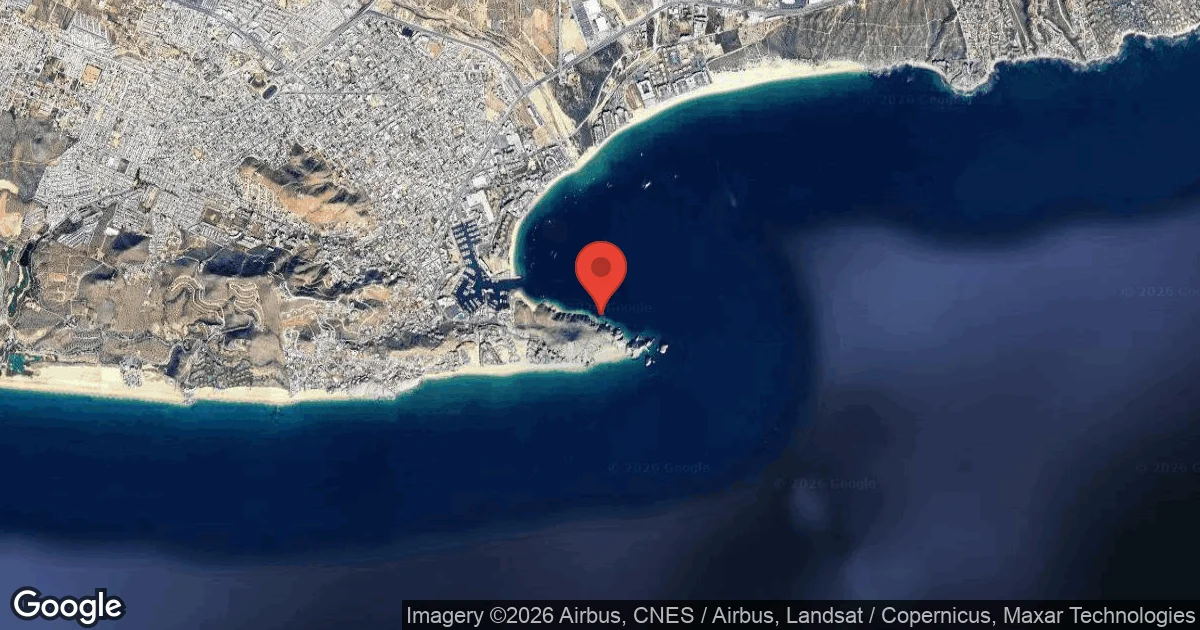
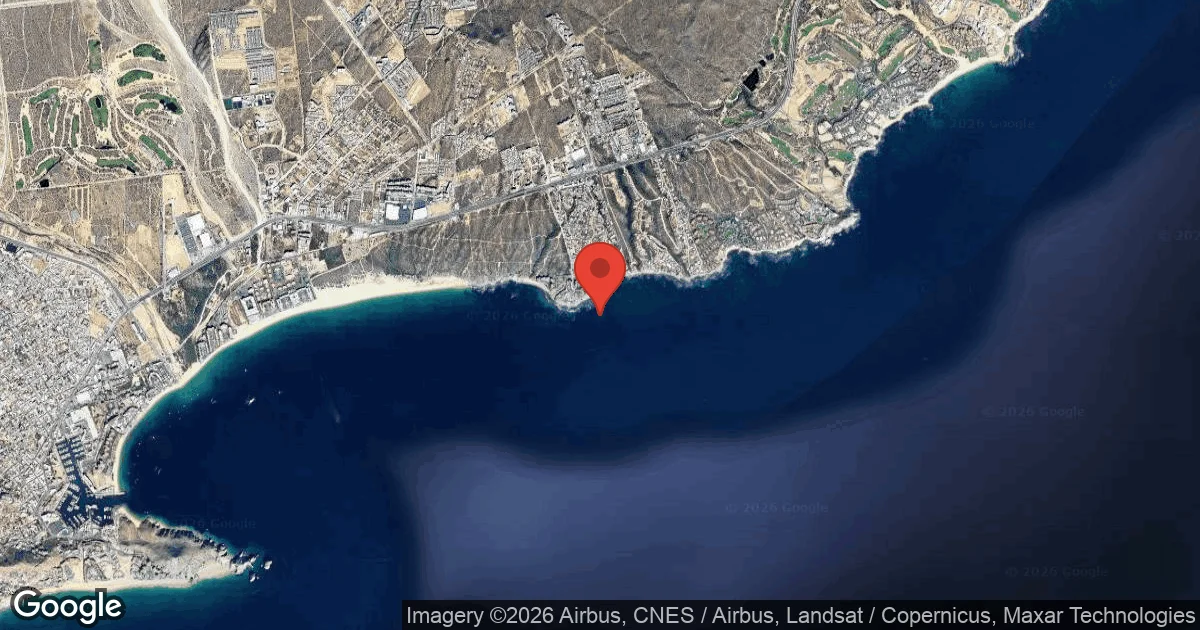
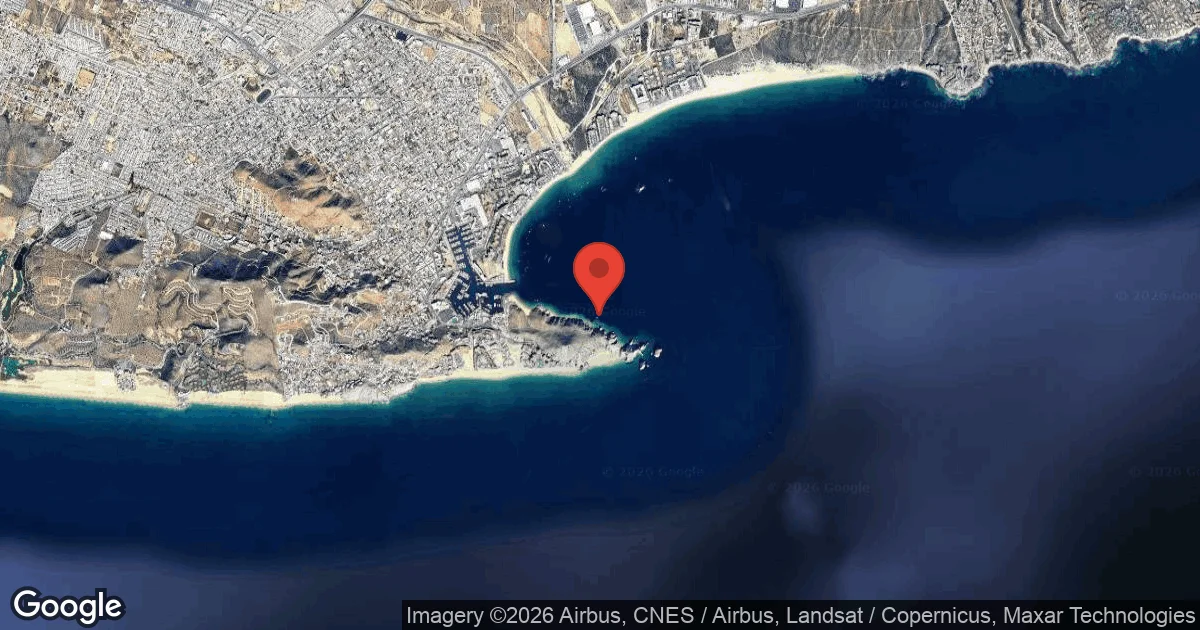
Just minutes from the vibrant Cabo San Lucas marina, Pelican Rock immediately transports divers into a world of stark underwater contrasts. While a prominent pinnacle marks the surface, below lies a dramatic transition from shallow, fish-laden reefs to the formidable depths of the "Cabo Canyon." This site caters to a wide range of certifications, providing serene sandy shelves for new divers and challenging wall dives for technical exploration.
Evening condition tracking at Pelican Rock features an air temperature of 30.5°C. We have recorded wave heights measuring 1.2 m during this period. These figures outline the environmental parameters currently present.
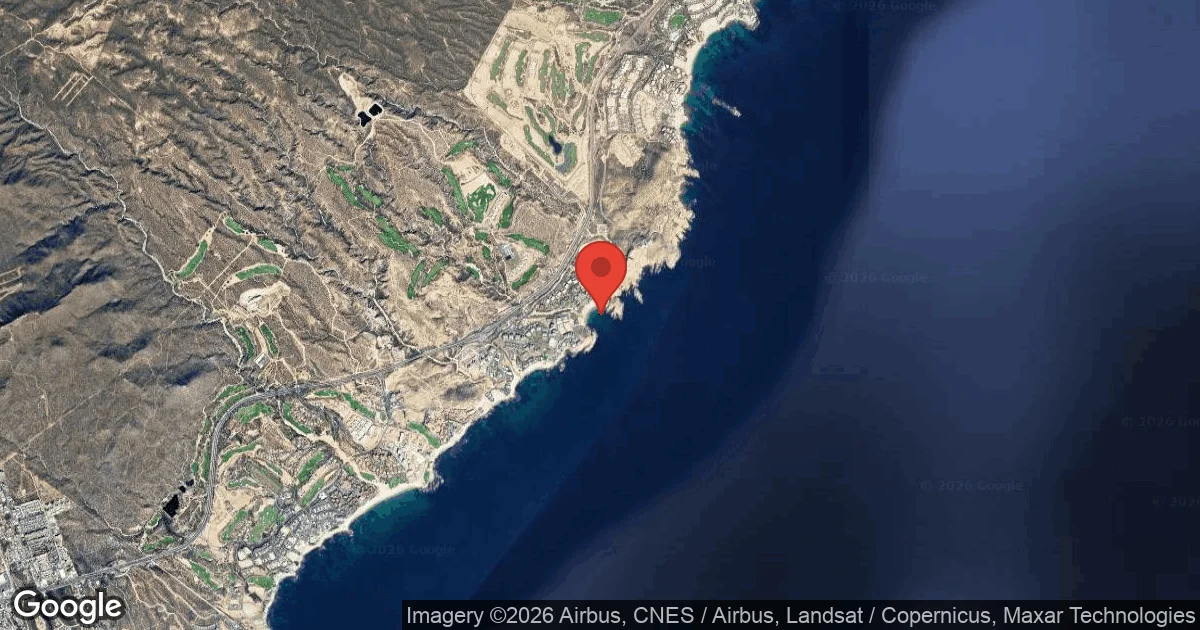
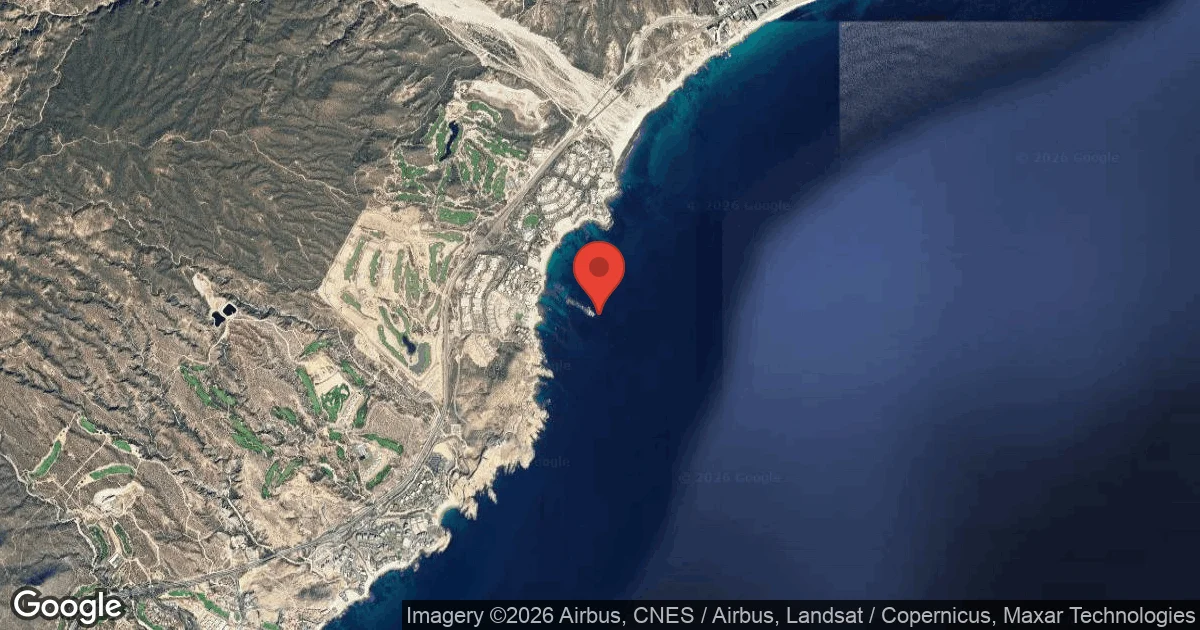
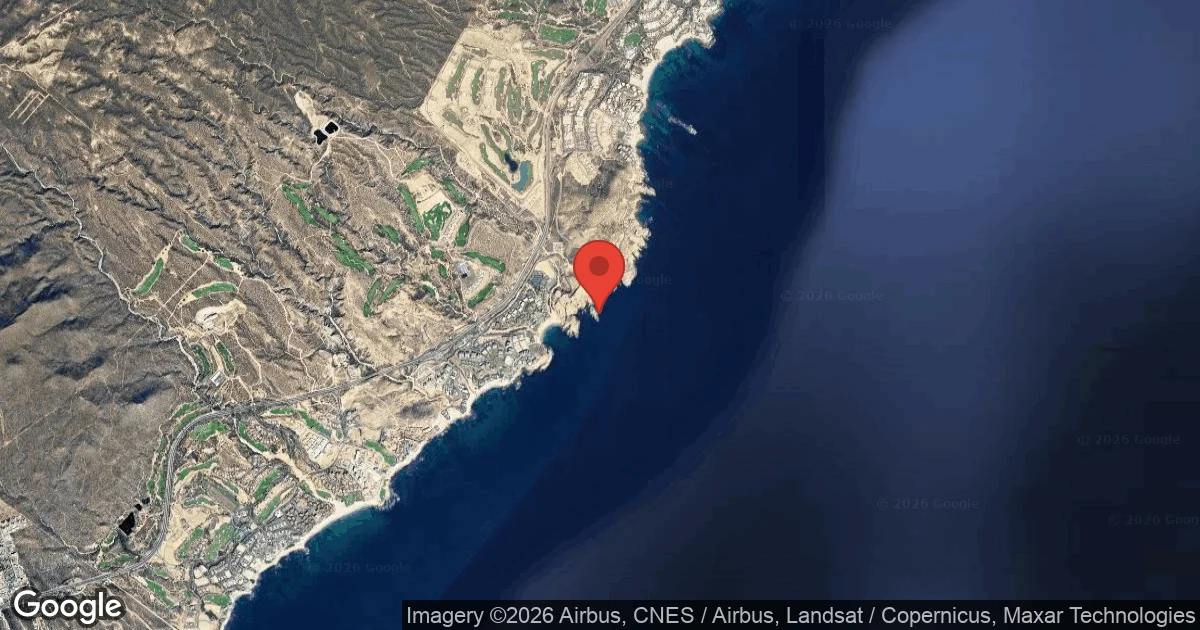
Dive Site Location & Key Facts
Dive Site Overview
The topography here centers around a prominent pinnacle, a geological landmark that breaks the surface. Beneath the waves, this pinnacle transitions into a series of rocky sheer face walls, colloquially referred to as the 'Cabo Canyon.' This impressive underwater structure starts around 9-10 m / 30-33 ft before descending sharply to depths exceeding 365 m / 1,200 ft.
A defining feature includes the mesmerizing sand falls, where granular currents appear to cascade down the deeper sections of the wall, creating an ephemeral visual spectacle. The upper reef and wall sections are often alive with a diverse array of schooling fish, drawing divers into dynamic underwater scenes. Divers can choose to explore the shallower sandy shelves, which provide ample opportunities for observation and beginner training, or follow the reef slope as it plunges into the vertical drop-off.
This diverse structure accommodates various dive profiles, ranging from accessible explorations of the vibrant reef to advanced technical descents into the vast canyon. Sheltered by a protective bay, the area experiences moderated oceanic influences, contributing to generally stable diving conditions and making it accessible for a wide range of skill levels.
Conditions are Excellent
07:00 - 14:00
Optimal conditions expected
Current conditions near Pelican Rock show 31° air, 32° sea temperature, 1.2 m waves, and 15 km/h wind. Forecast data is refreshed regularly to ensure accuracy.
Best Time to Dive
Visibility at Pelican Rock varies significantly with the seasons, often dictating the overall dive experience. The clearest waters are typically encountered from late August through December, coinciding with warmer conditions. Conversely, April and May often present the lowest visibility; however, these cooler, nutrient-rich currents can attract a greater diversity of marine life. This destination is accessible for diving year-round. Air temperatures range from an average of 20.5°C / 69°F in January to 29.5°C / 85°F in August. Rainfall is minimal for much of the year, with averages peaking at 2.46 mm in October, suggesting generally dry surface conditions. Wave heights remain moderate, usually around 1.1-1.6 meters / 3.6-5.2 feet, and wind speeds tend to be highest in April and May, averaging around 22 km/h / 14 mph. These factors combine to create consistently good to moderate dive scores throughout the year, with the highest scores often seen during the drier months with lower wave action.
PEAK SEASON SCORE
Scores combine air & water temps, waves, wind & rainfall for overall conditions.
BEST MONTHS TO DIVE
Monthly records compiled from satellite and marine observation nodes over the last 3 years. Data provided by Open-Meteo and MET Norway.
Dive Experience & Conditions
Diving here provides a tangible sense of dynamic transition, from the bustling activity of the shallower pinnacle to the quiet immensity of the deep walls. Divers frequently encounter impressive schools of fish that form large baitballs around the central rock formations, creating a vibrant, immersive spectacle. While specific water temperature data isn't consistently reported, conditions are generally considered warm, especially from late August into December. Currents are typically mild within the protected bay, but can vary, particularly as one approaches the deeper drop-offs or during seasonal transitions. Exploring the cracks and crevices of the pinnacle or following the deep wall can feel like venturing into a vast, natural aquarium, with a noticeable shift in ambient light and marine life as depth increases. Even for novice divers staying on the sandy shelf, the sheer abundance of life creates an engaging and accessible experience.
Dive Difficulty & Safety Guidelines
No specific unique hazards are consistently reported for Pelican Rock, making it generally safe for various skill levels.
However, all divers should always adhere to standard safe diving practices, including monitoring no-decompression limits, air consumption, and buddy procedures, especially when exploring deeper sections. This site falls within a Marine Protected Area (MPA) designated in 1973, later becoming a UNESCO World Heritage Site.
Divers must respect all MPA regulations, which typically include no-take rules and avoiding contact with marine life or damaging the reef structure. Operating with a reputable local dive operator is recommended.
They often enforce small group sizes, such as a maximum of four divers per guide, ensuring personalized attention and minimizing environmental impact during dives along the reef and wall.
Recommended Equipment
- Dive Computer
- DSMB
This gear list is based on verified equipment signals for Pelican Rock, Mexico. Always confirm final gear choices with your dive operator, guide, or liveaboard.
Recommended Dive Suit
Repeated dives during the same day can gradually reduce overall body warmth.
Environmental readings suggest that the waters surrounding Pelican Rock are about 32°C (90°F) at the moment. Surface air temperatures are resting at 31°C (87°F). Divers spending extended time underwater often rely on dive skin or rash guard for balanced warmth and flexibility.
The forecast outlook suggests that temperatures will stay close to current levels.
Emergency & Medical Support
Essential information to help you plan your dive trip to Pelican Rock.

Hyperbaric chambers are a critical part of dive safety infrastructure. Availability varies significantly by region, and not all dive areas have immediate access.
Before diving, it's recommended to:
- confirm nearest medical facilities
- check emergency procedures with local dive operators
- ensure dive insurance covers evacuation if required
Divers Alert Network
Diving emergency assistance available through DAN World.
+1-919-684-9111- 24/7 emergency hotline
- Diving medical assistance
- Evacuation coordination
Emergency contacts are provided for reference. Always verify local emergency services before diving.
Marine Life at Pelican Rock
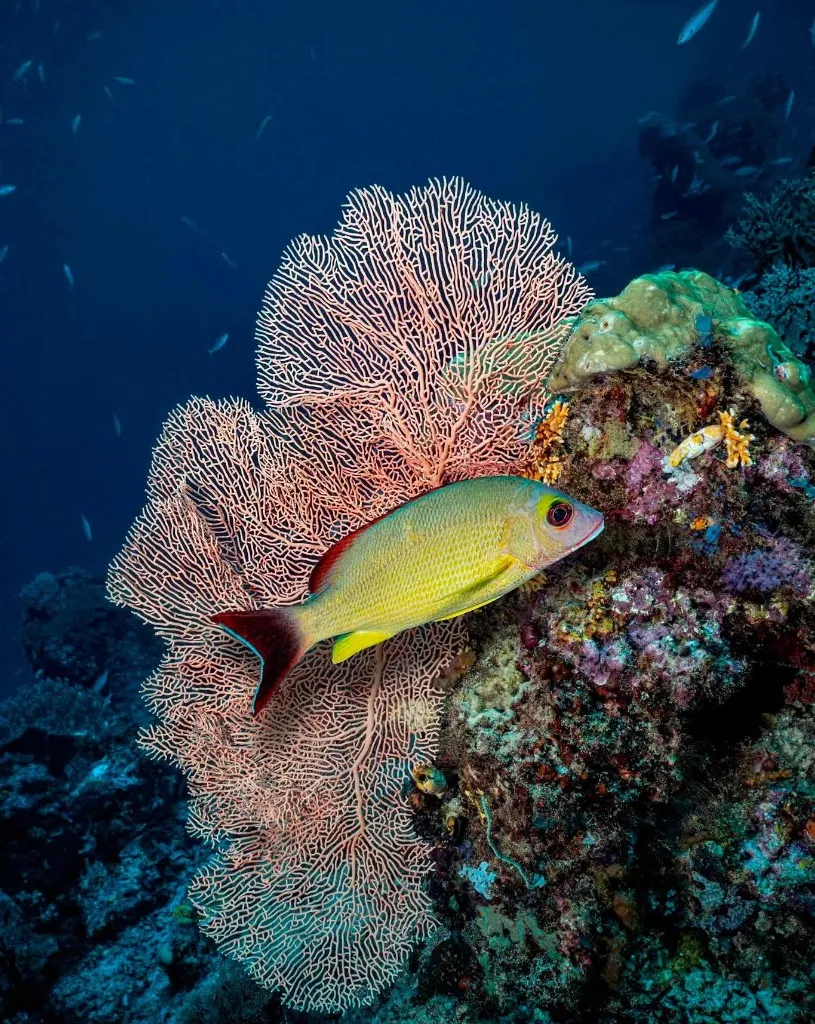
Pelican Rock is a magnet for diverse marine life, often presenting both common and rarer encounters. Divers consistently observe vast schools of sardines, grunts, and scissortail snappers, often forming dense baitballs around the pinnacle.
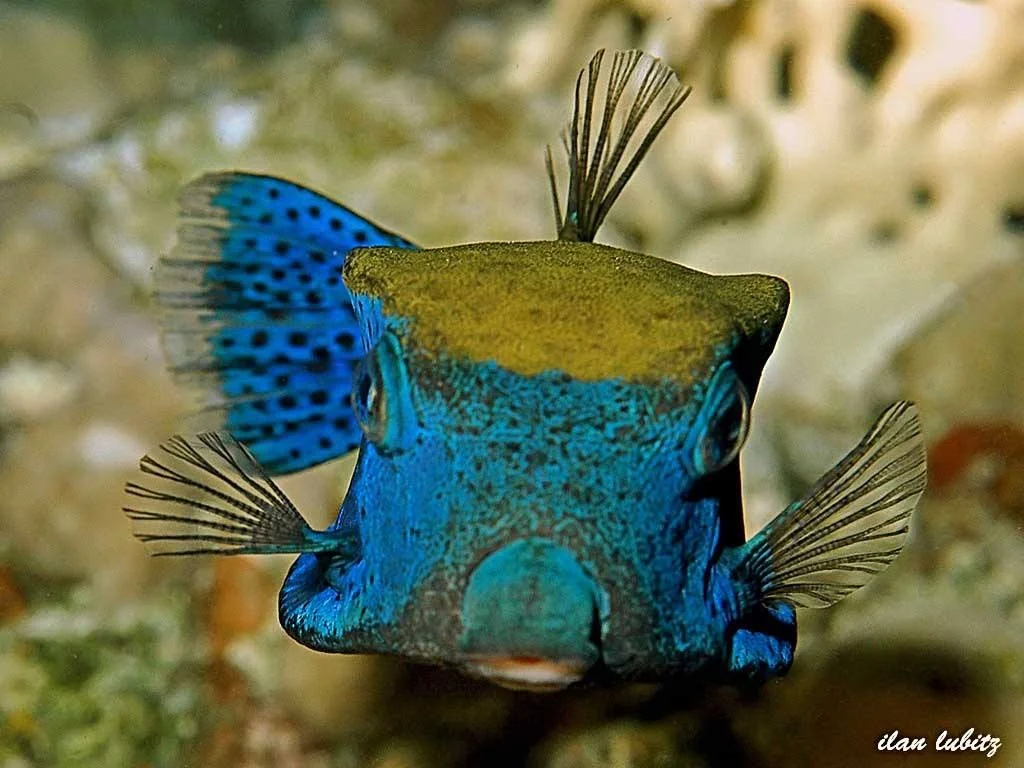
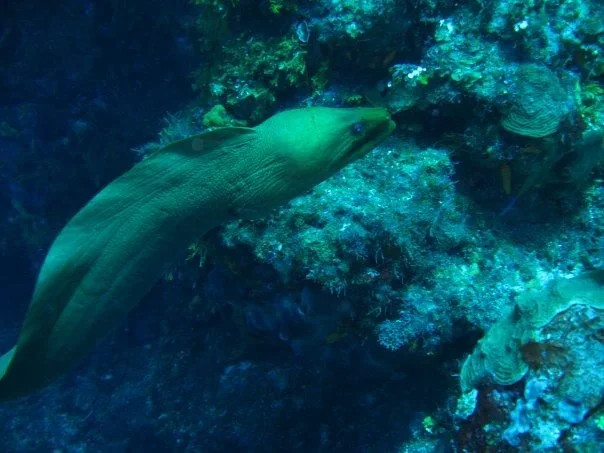
Along the reef and wall, expect to find green morays hidden in crevices, alongside butterfly fish, damselfish, parrot fish, and angelfish. Mexican goat fish, spotted boxfish, and lobsters are also frequently encountered.
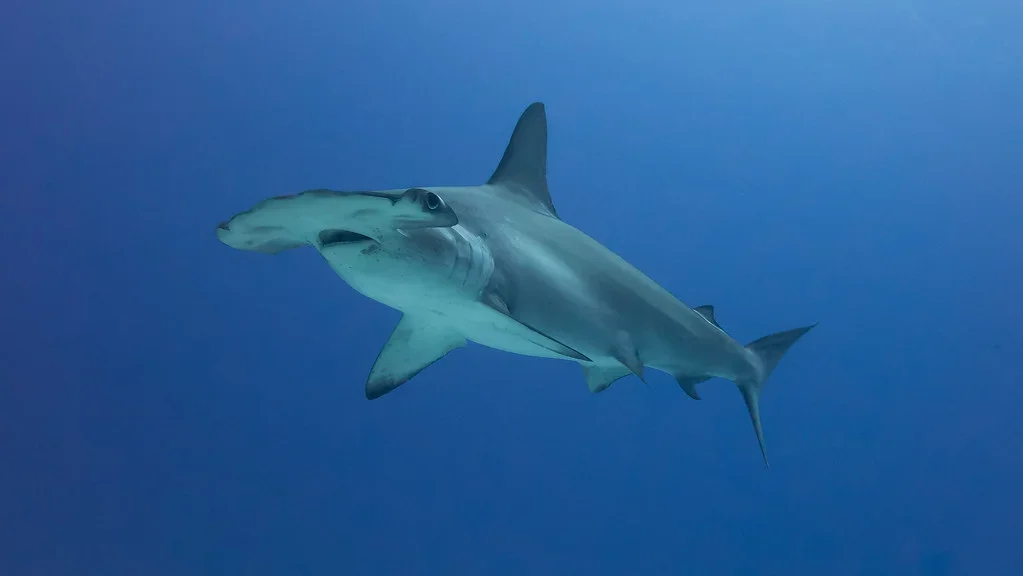
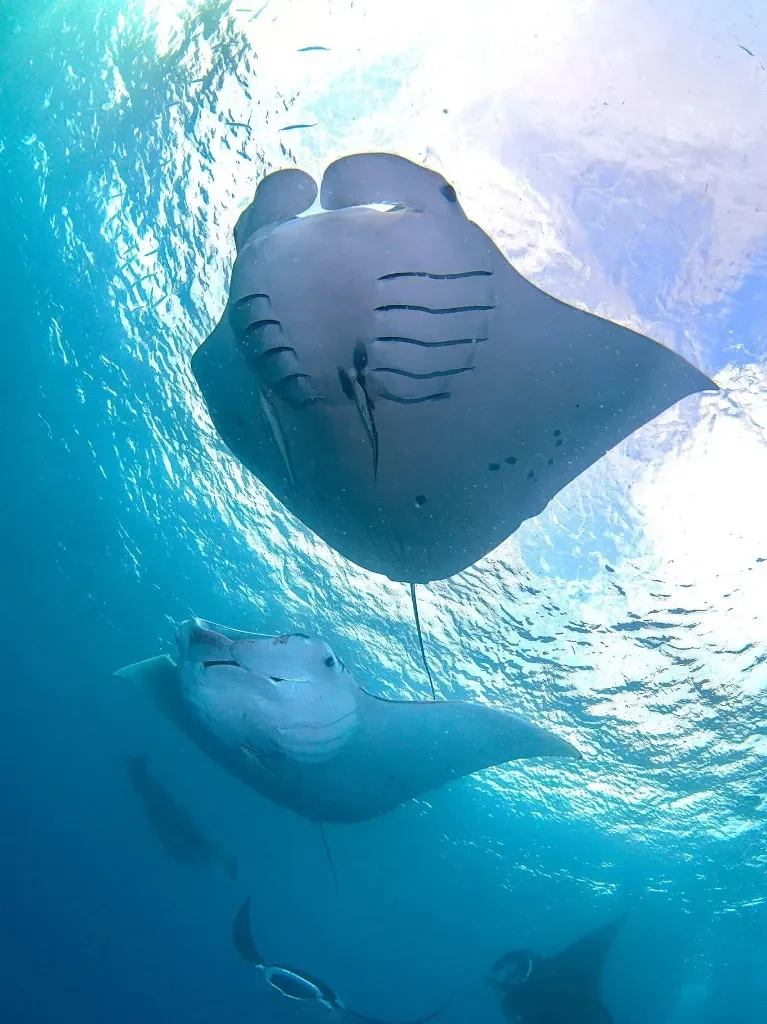
Deeper explorations sometimes yield sightings of manta rays and eagle rays passing by. Seasonally, out in the blue, divers might even spot mobula rays or hammerhead sharks, adding an element of pelagic excitement to the dive.
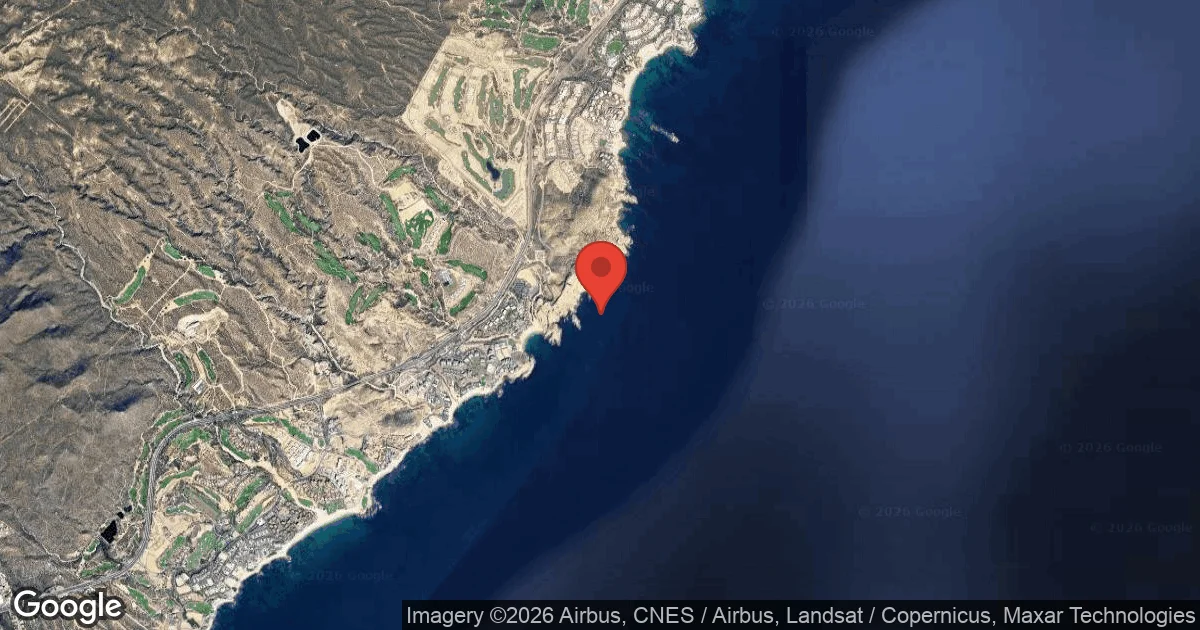
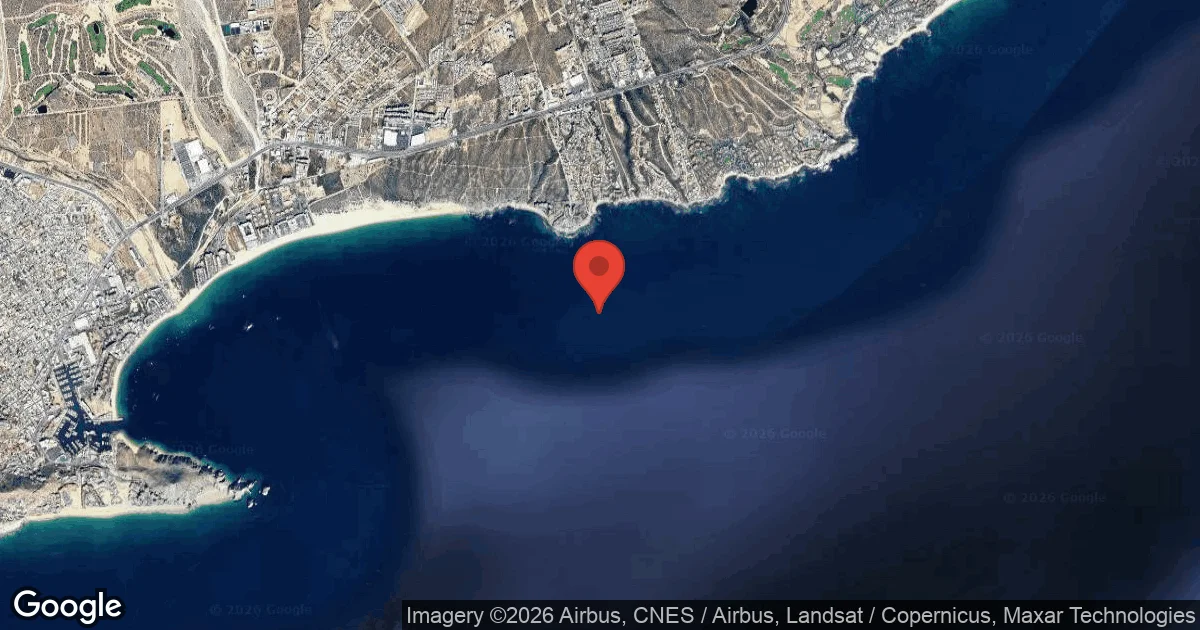
Dive Sites Near Pelican Rock
View all dive sites in MexicoDiscover more underwater gems in this area.
Dive Centers Near Pelican Rock
Today: 07:00 - 17:30
Nearest Airports
Nearest airports to help plan travel to this dive area.
Search Flights
Check available flights and routes on Expedia, using the nearby airports listed in this section.
Search Flights on ExpediaFrequently Asked Questions
What is the maximum depth at Pelican Rock?
Recreational divers can explore depths down to 30 meters / 98 feet, where much of the vibrant reef and wall life thrives. For experienced and technical divers, the site features a dramatic drop-off extending over 365 meters / 1,200 feet, part of the "Cabo Canyon."
Is Pelican Rock suitable for beginner divers?
Yes, it caters to all levels. Beginners can comfortably explore the shallower sandy shelves, which are teeming with schools of grunts and snappers, and are also suitable for dive courses.
What kind of marine life can I expect to see?
The site is rich with diverse marine life, including large schools of sardines, grunts, and scissortail snappers. You'll also encounter green morays, butterfly fish, parrot fish, angelfish, octopus, and lobsters.
When is the best time for good visibility at Pelican Rock?
The clearest waters are generally experienced from late August through December. While visibility may be lower in April and May, these months often bring nutrient-rich currents that attract a different array of marine creatures.
Are there any unique geological features at Pelican Rock?
Absolutely. A prominent pinnacle marks the site, and underwater, you'll find striking sheer face walls that form part of the "Cabo Canyon." The site is also known for its mesmerizing sand falls, where sand appears to cascade down the deeper sections of the wall.
How accessible is Pelican Rock from Cabo San Lucas?
Pelican Rock is highly accessible, a short boat ride—just a few minutes—from the Cabo San Lucas marina. Its proximity makes it a popular and convenient choice for both snorkeling and diving excursions.
Planning to dive Pelican Rock?
Send one inquiry and receive offers directly from the best verified local dive operators.
Conditions are Excellent
07:00 - 14:00
Optimal conditions expected
Current conditions near Pelican Rock show 31° air, 32° sea temperature, 1.2 m waves, and 15 km/h wind. Forecast data is refreshed regularly to ensure accuracy.