
Diving at Santa Maria Bay (Mexico)
Santa Maria Bay caters to a broad range of certified divers, serving as an approachable site ideal for those new to scuba and offering continued enjoyment for more experienced enthusiasts. It's a popular choice for initial underwater experiences and skill development due to its manageable conditions. The bay's structure supports a relaxed diving pace, making it a comfortable entry point for many.
As evening covers Santa Maria Bay, the local air temperature is measured at 35°C. The current wave height at the surface is recorded at 1.2 m. These late-day readings characterize the surface conditions for the night.
Dive Site Location & Key Facts
Dive Site Overview
Santa Maria Bay offers a distinctive underwater landscape characterized by its shallow reef system and expansive sandy bottom. Located within the protective embrace of the Los Cabos corridor, this site functions as a vibrant coral garden, presenting a stark contrast to some of the area's deeper, more rugged dive locations.
With a maximum depth of 18 m (59 ft), the bay is notably accessible, welcoming divers across various skill levels. Entry is typically via boat, allowing for a direct descent into its consistently sheltered environment. Submerged, divers encounter an array of gentle rock formations intertwined with colorful, thriving coral patches.
These structures create numerous nooks and crannies, serving as essential habitats for a diverse spectrum of marine species. The site's overall configuration prioritizes relaxed exploration, making it a frequently chosen location for initial underwater experiences and for completing certifications like the PADI Open Water Diver.
Its naturally protected status contributes significantly to consistently predictable and favorable underwater conditions, often minimizing surface chop and current. This calm setting allows divers to fully immerse themselves in observing the ecosystem without significant environmental challenges.
Conditions are Good
07:00 - 14:00
Optimal conditions expected
Current conditions near Santa Maria Bay show 35° air, 32° sea temperature, 1.2 m waves, and 18 km/h wind. Forecast data is refreshed regularly to ensure accuracy.
Best Time to Dive
Planning a dive at Santa Maria Bay largely depends on favoring comfort and optimal underwater clarity, though good conditions prevail for much of the year. The periods from January to April, and then July, September, and November are consistently rated "Good" for diving. During these months, air temperatures are generally pleasant, ranging from approximately 21-24°C (70-75°F) in the cooler season (Jan-Apr) to warmer averages around 30°C (86°F) in July, and 29.5°C (85°F) in September. Rainfall is notably low across these "Good" periods, often less than 0.5 mm, minimizing runoff and supporting visibility. Wave heights tend to be more moderate during these times, averaging around 1.0-1.4 meters (3.3-4.6 ft). While diving is still possible during "Moderate" months like May, June, August, and October, these periods can see slightly higher wave activity and increased air temperatures, especially in August which averages 30°C (86°F) and experiences higher rainfall at 2.3 mm.
PEAK SEASON SCORE
Scores combine air & water temps, waves, wind & rainfall for overall conditions.
BEST MONTHS TO DIVE
Monthly records compiled from satellite and marine observation nodes over the last 3 years. Data provided by Open-Meteo and MET Norway.
Dive Experience & Conditions
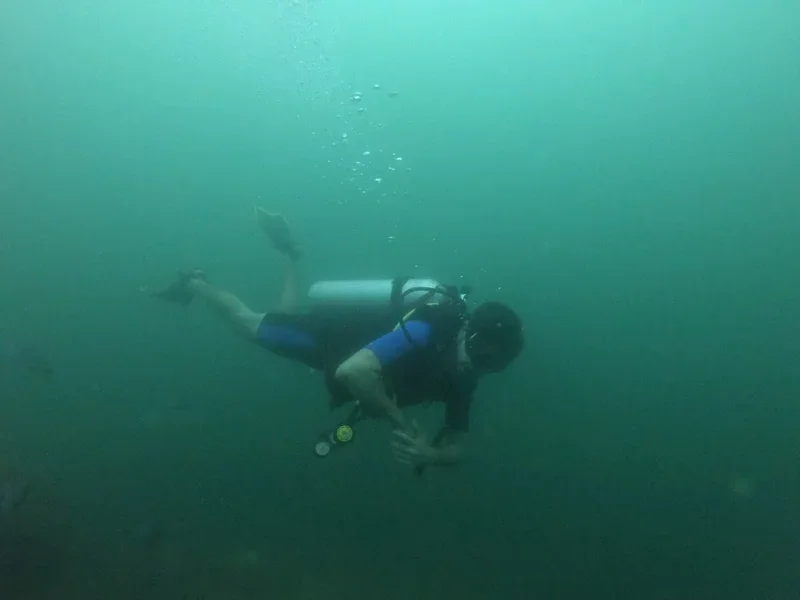
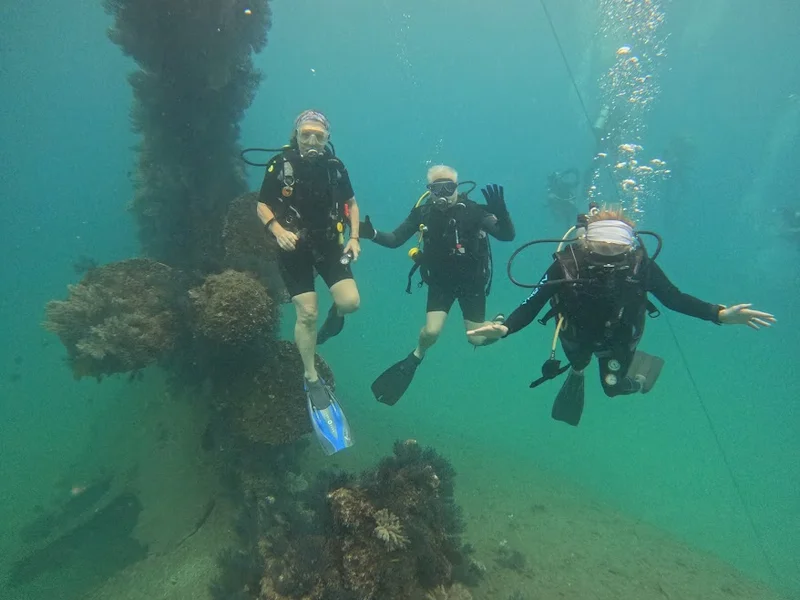
Divers typically begin their Santa Maria Bay experience with a boat entry, leading directly into the relatively calm waters of the bay. Once submerged, the site unfolds as a "garden of corals" spread across a shallow reef and sandy bottom, with a maximum depth of 18 m (59 ft). Conditions here are generally considered forgiving, which is why it's a popular spot for first-time divers and those undergoing PADI Open Water Diver certification. The sheltered nature of the bay often moderates wave action. Visibility can vary, but generally provides clear views of the sub-tropical fish and coral structures. Exploring the formations reveals various hideouts, potentially for lobsters or eels. Currents are typically mild, supporting relaxed exploration. It's an environment that allows divers to focus on buoyancy and observation rather than battling strong elements.
Dive Difficulty & Safety Guidelines
Maintaining dive safety at Santa Maria Bay involves adhering to standard practices, particularly as it's a popular site for less experienced divers. The site's suitability for Open Water Diver certification candidates highlights its generally calm nature and manageable conditions, making it less physically demanding than some advanced dive locations. While generally considered safe, always dive within your certification limits and follow your dive guide's instructions.
Local operators typically emphasize clear briefings and professional supervision. Given the absence of specific reported hazards, focusing on general dive safety principles like proper buoyancy control and buddy system adherence remains paramount. Taking courses such as PADI Peak Performance Buoyancy can enhance comfort and safety here.
Recommended Equipment
- Dive Computer
- DSMB
This gear list is based on verified equipment signals for Santa Maria Bay, Mexico. Always confirm final gear choices with your dive operator, guide, or liveaboard.
Recommended Dive Suit
Dive skin or rash guard is often considered an appropriate level of exposure protection for conditions like these.
Divers entering the water at Santa Maria Bay today can expect temperatures near 32°C (90°F) beneath the surface. Surface air temperatures are resting at 35°C (95°F).
Environmental conditions may feel slightly cooler as the week progresses. A significant temperature drop is forecast; strongly suggest bringing a backup warmer suit option. Having a second exposure option available is often a good precaution.
Emergency & Medical Support
Essential information to help you plan your dive trip to Santa Maria Bay.

Hyperbaric chambers are a critical part of dive safety infrastructure. Availability varies significantly by region, and not all dive areas have immediate access.
Before diving, it's recommended to:
- confirm nearest medical facilities
- check emergency procedures with local dive operators
- ensure dive insurance covers evacuation if required
Divers Alert Network
Diving emergency assistance available through DAN World.
+1-919-684-9111- 24/7 emergency hotline
- Diving medical assistance
- Evacuation coordination
Emergency contacts are provided for reference. Always verify local emergency services before diving.
Marine Life at Santa Maria Bay
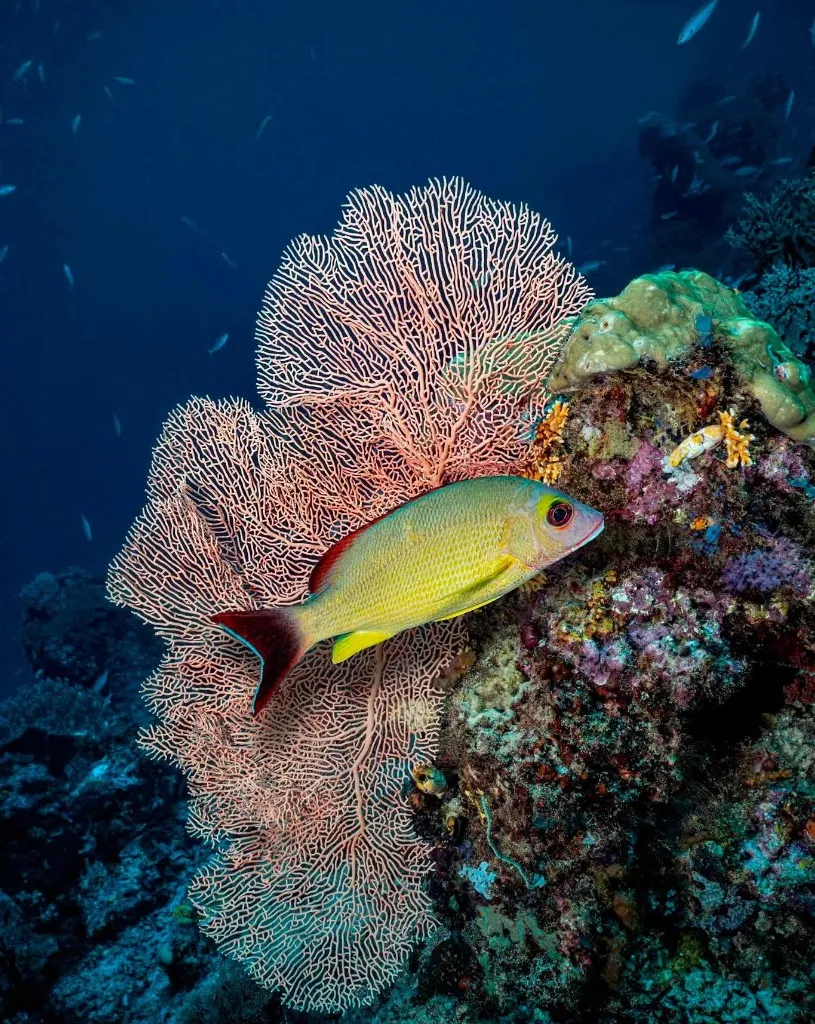
This site hosts a diverse range of marine life within its coral garden landscape. Divers frequently observe snapper and angelfish navigating the reef structures.
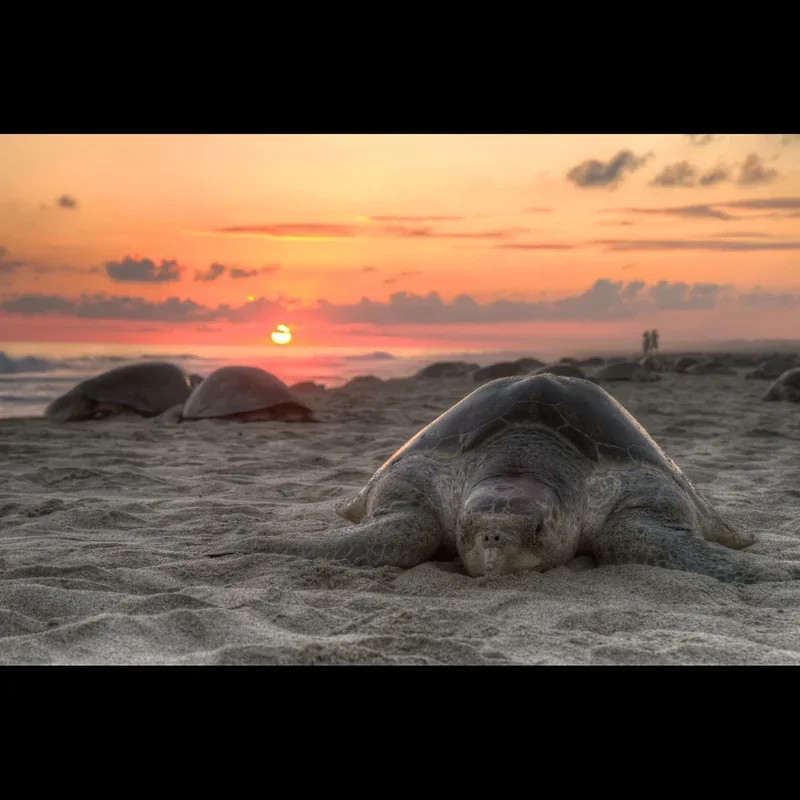
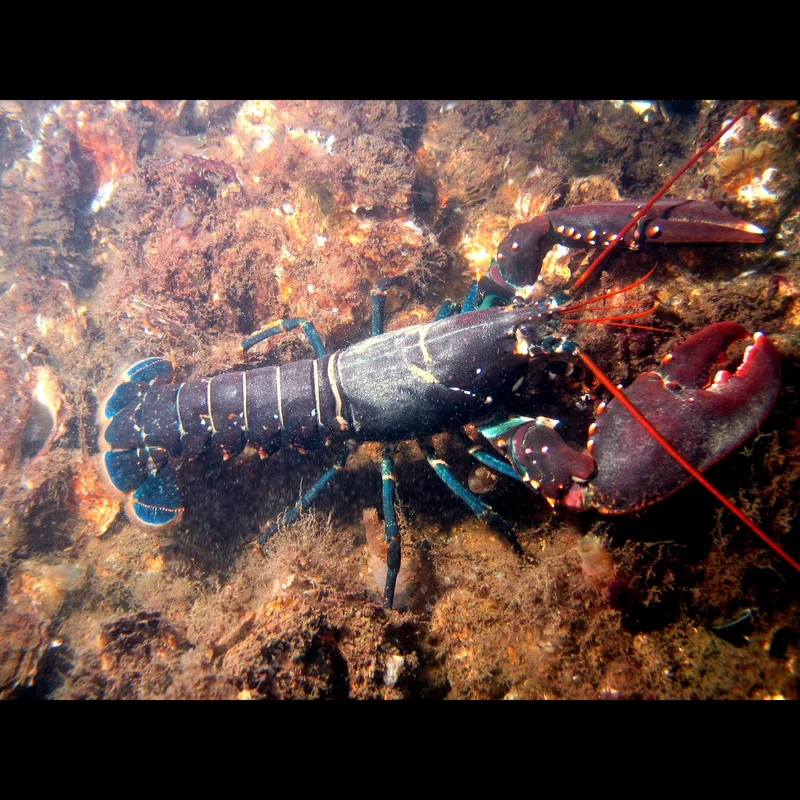
Taking a closer look into rocky crevices might reveal hidden lobsters and various types of eels, including snake eels. Sea turtles are common sightings, gracefully moving through the water.
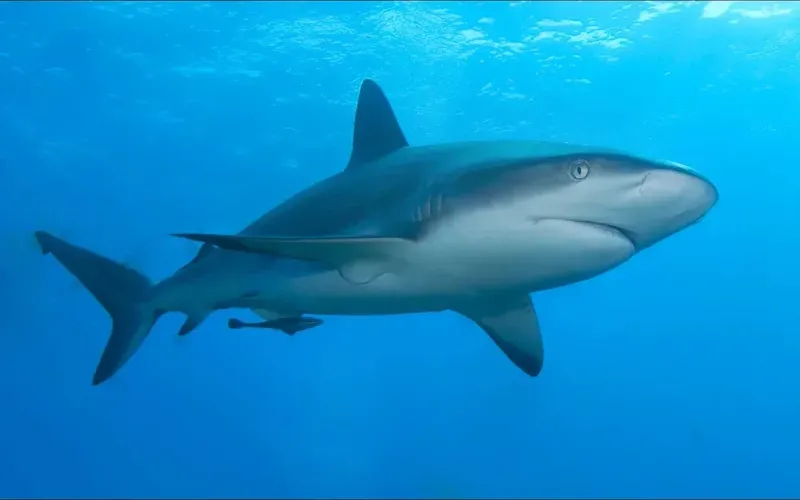
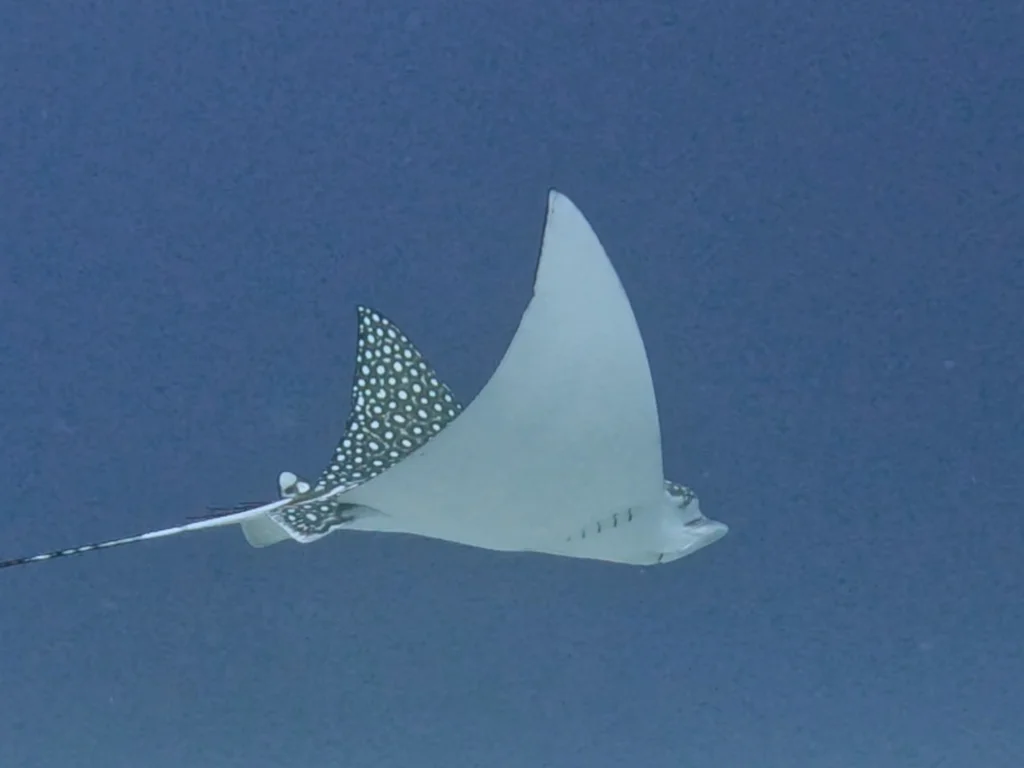
Additionally, the bay offers opportunities to spot pelagic rays, spotted eagle rays, and occasionally even white tip reef sharks. Seahorses and nudibranchs add to the macro-level discoveries, complementing the larger schools of colorful fish.
Dive Sites Near Santa Maria Bay
View all dive sites in MexicoDiscover more underwater gems in this area.
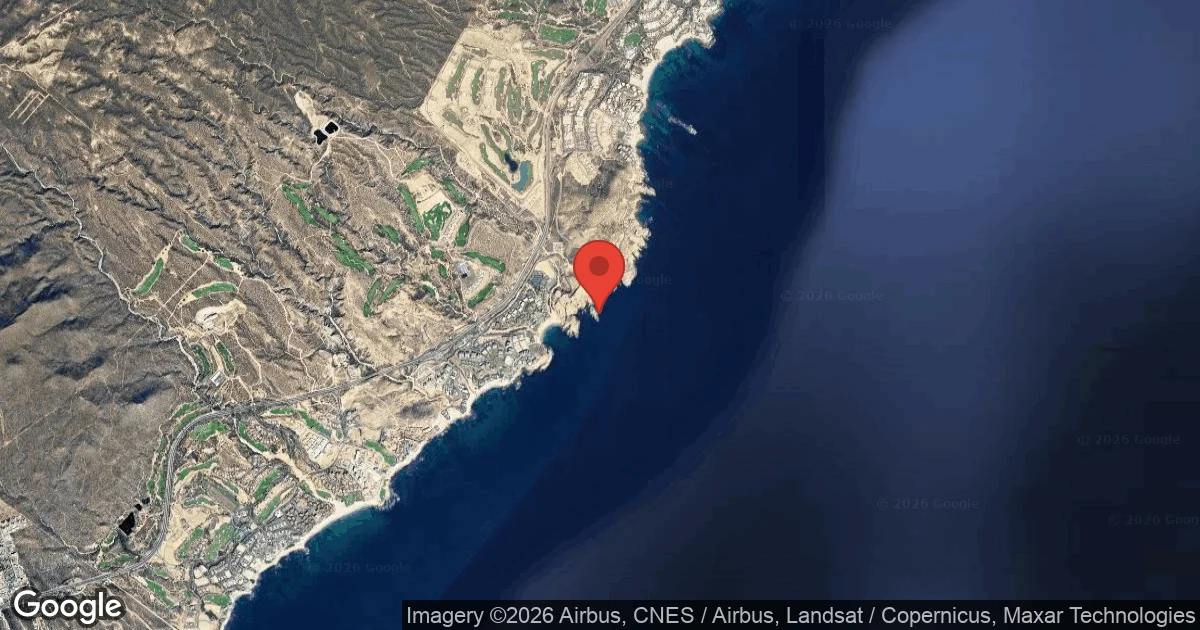
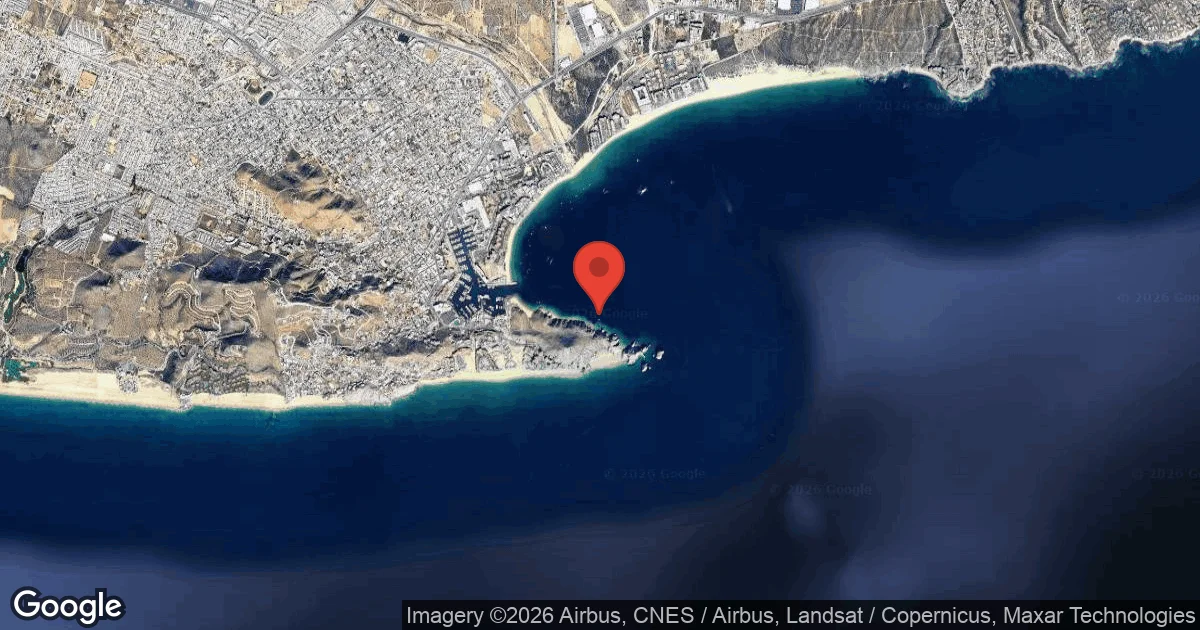
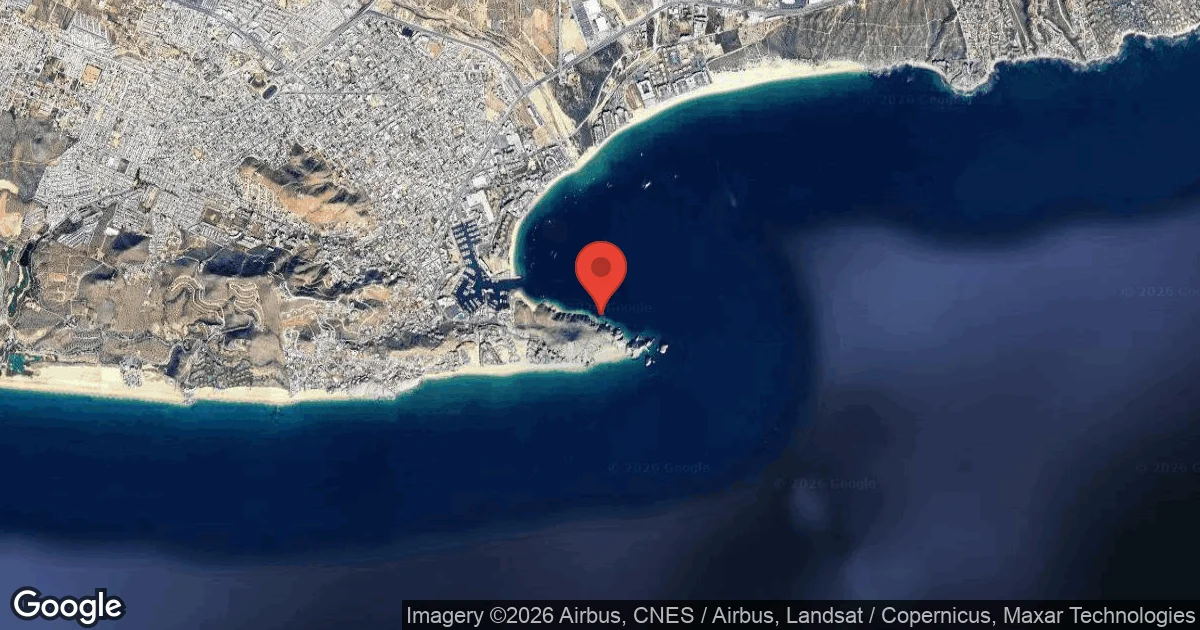
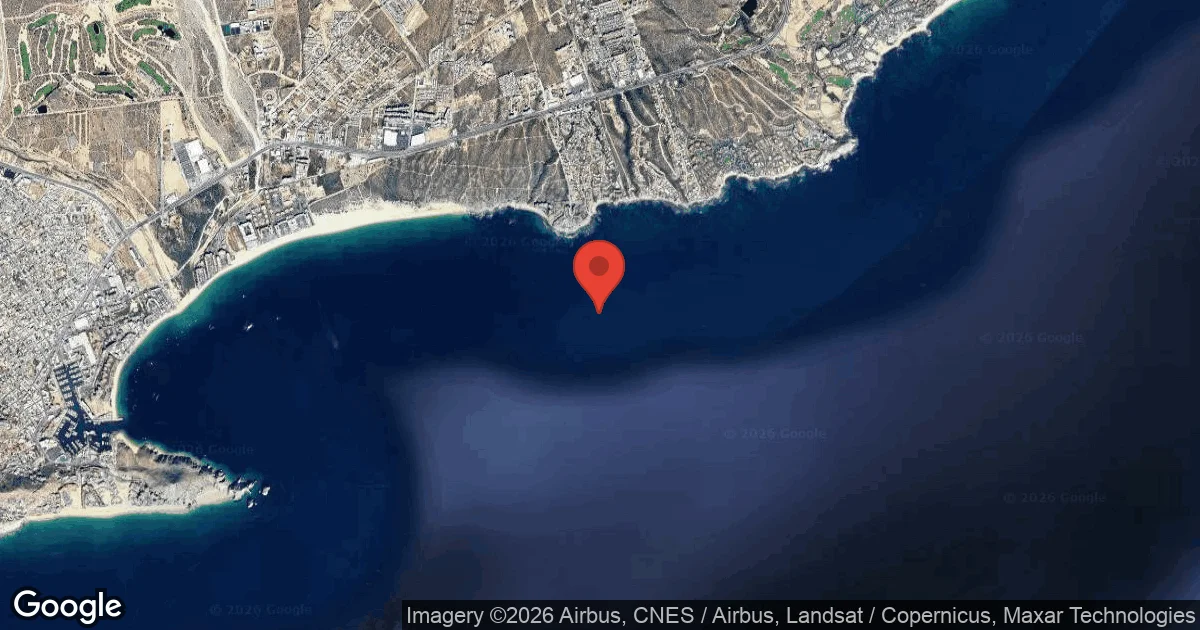
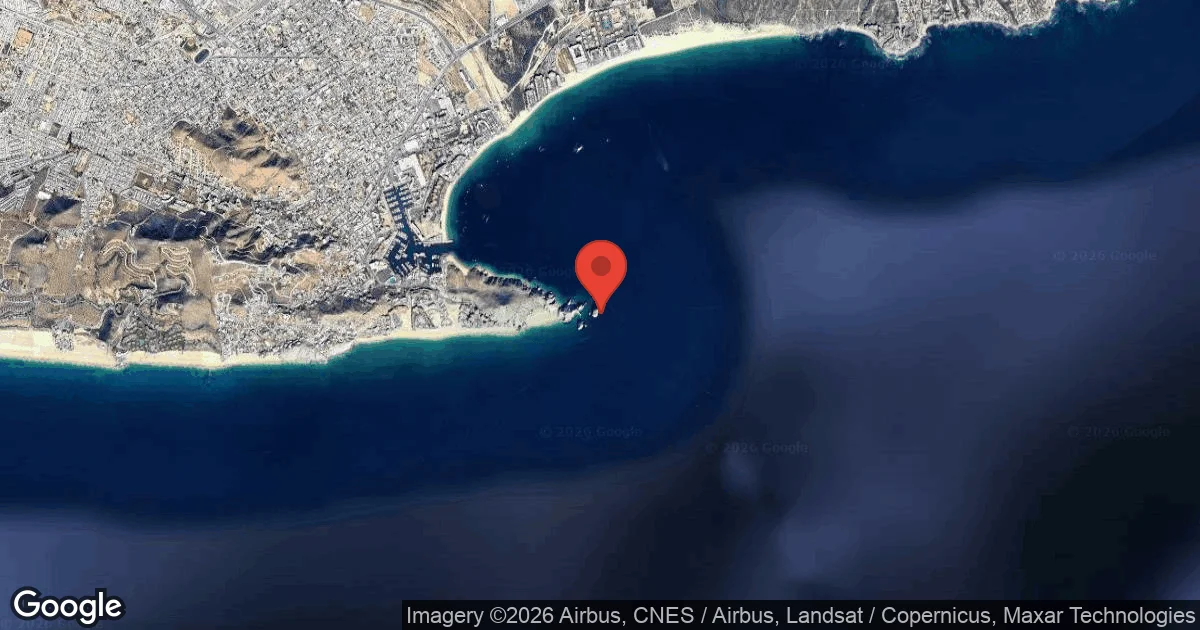
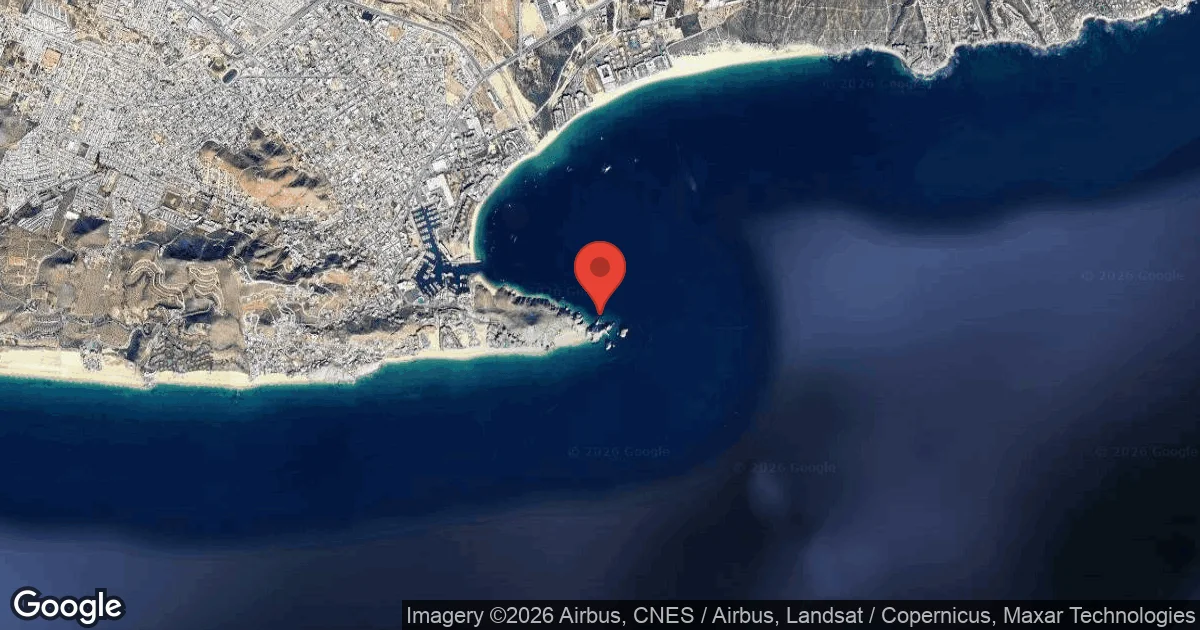
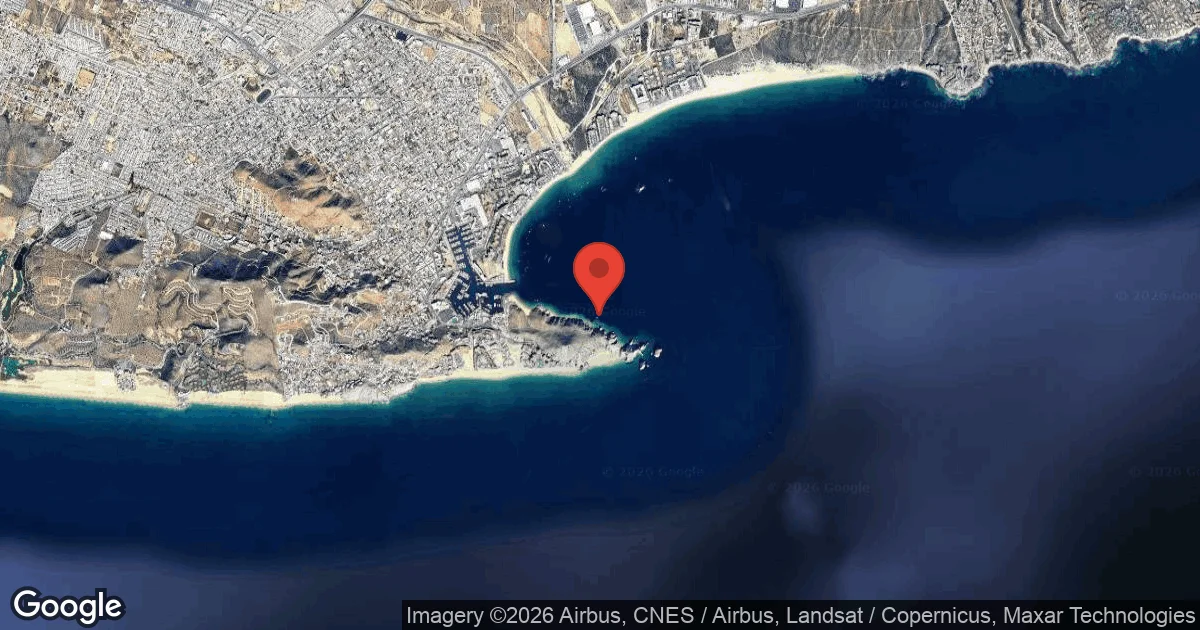
Dive Centers Near Santa Maria Bay
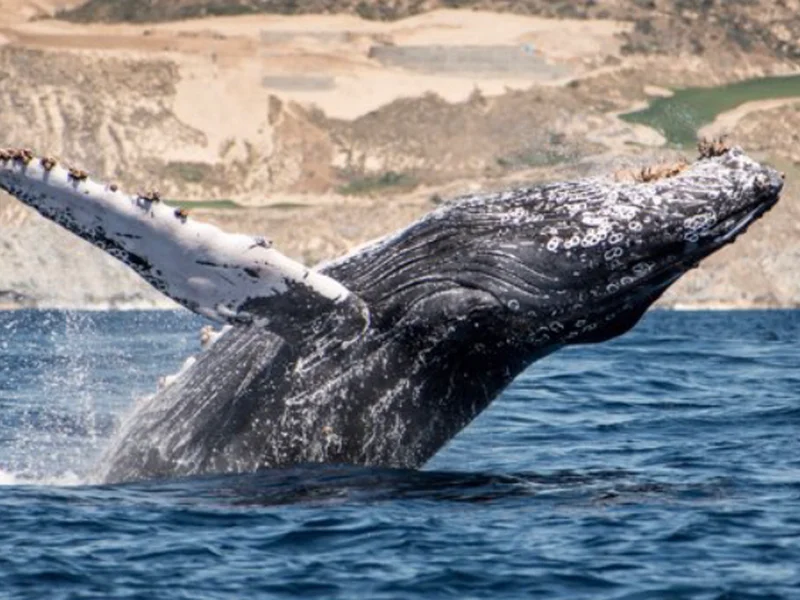
Today: 07:00 - 17:30
Nearest Airports
Nearest airports to help plan travel to this dive area.
Search Flights
Check available flights and routes on Expedia, using the nearby airports listed in this section.
Search Flights on ExpediaFrequently Asked Questions
What is the maximum depth at Santa Maria Bay?
The dive site typically reaches a maximum depth of 18 meters (59 feet). This shallow profile makes it an excellent location for newer divers and those seeking extended bottom times.
Is Santa Maria Bay suitable for beginner divers?
Yes, it is highly recommended for beginners and those pursuing their PADI Open Water Diver certification. The bay's calm, protected waters and moderate conditions provide a welcoming environment for learning.
What kind of marine life can I expect to see?
Divers frequently encounter snapper, angelfish, sea turtles, and various eels. You might also spot pelagic rays, white tip reef sharks, and colorful reef fish among the corals.
How do I access the dive site?
Access to Santa Maria Bay for diving is primarily by boat. Local dive operators typically arrange boat trips from nearby harbors as it's not a shore entry site.
What are the water temperatures like?
Specific water temperature data wasn't consistently reported, but generally, the region experiences comfortable water temperatures suitable for a 3-5mm wetsuit, varying seasonally.
Are there strong currents at Santa Maria Bay?
Conditions at Santa Maria Bay are generally mild, with currents typically light or negligible within the sheltered bay. This contributes to its suitability for less experienced divers and for practicing buoyancy.
What PADI courses are recommended here?
Courses like PADI Open Water Diver, PADI Peak Performance Buoyancy, and PADI Fish Identification are particularly well-suited for this site. Its environment supports skill development in calm conditions.
Planning to dive Santa Maria Bay?
Send one inquiry and receive offers directly from the best verified local dive operators.
Conditions are Good
07:00 - 14:00
Optimal conditions expected
Current conditions near Santa Maria Bay show 35° air, 32° sea temperature, 1.2 m waves, and 18 km/h wind. Forecast data is refreshed regularly to ensure accuracy.