
Diving at Blow Hole (Mexico)
The waters around Blow Hole in Cabo San Lucas, Mexico, offer varied conditions for diving. While water temperatures aren't consistently reported, air temperatures range from 21°C (70°F) in January to 30°C (86°F) in July, suggesting generally warm conditions topside. Expect average wave heights between 1.0 m (3.3 ft) and 1.6 m (5.2 ft), with winds typically between 14.2 km/h (9 mph) and 21.2 km/h (13 mph). These factors contribute to a dynamic diving environment suitable for adaptable divers.
Evening condition tracking at Blow Hole features an air temperature of 32°C. We have recorded wave heights measuring 1.3 m during this period. These figures outline the environmental parameters currently present.
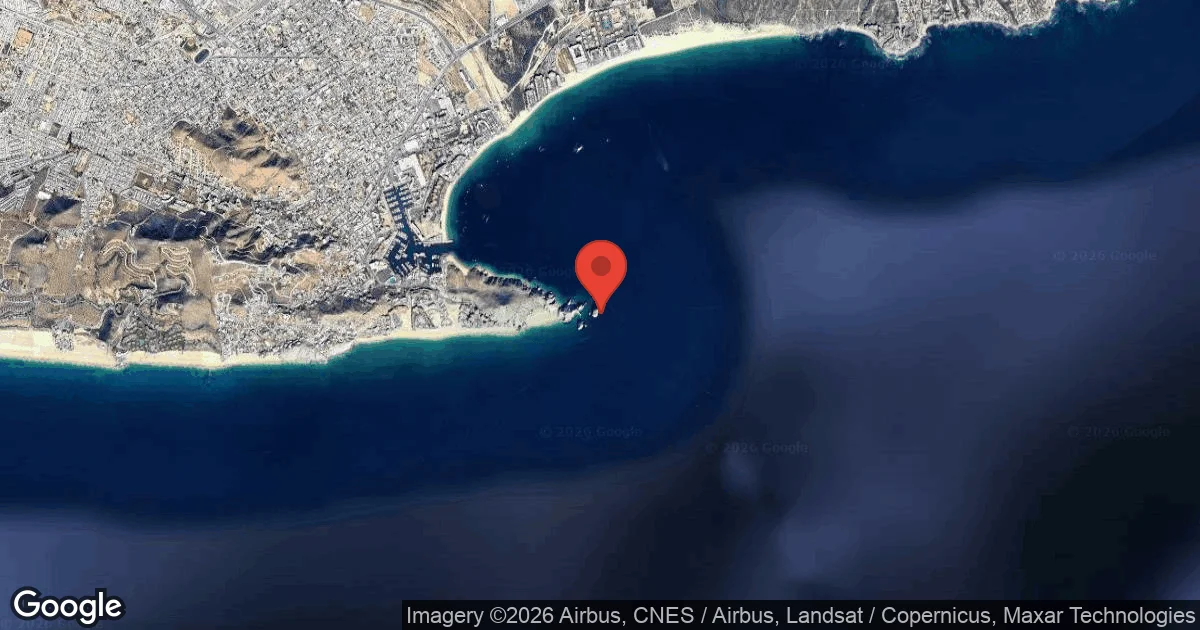
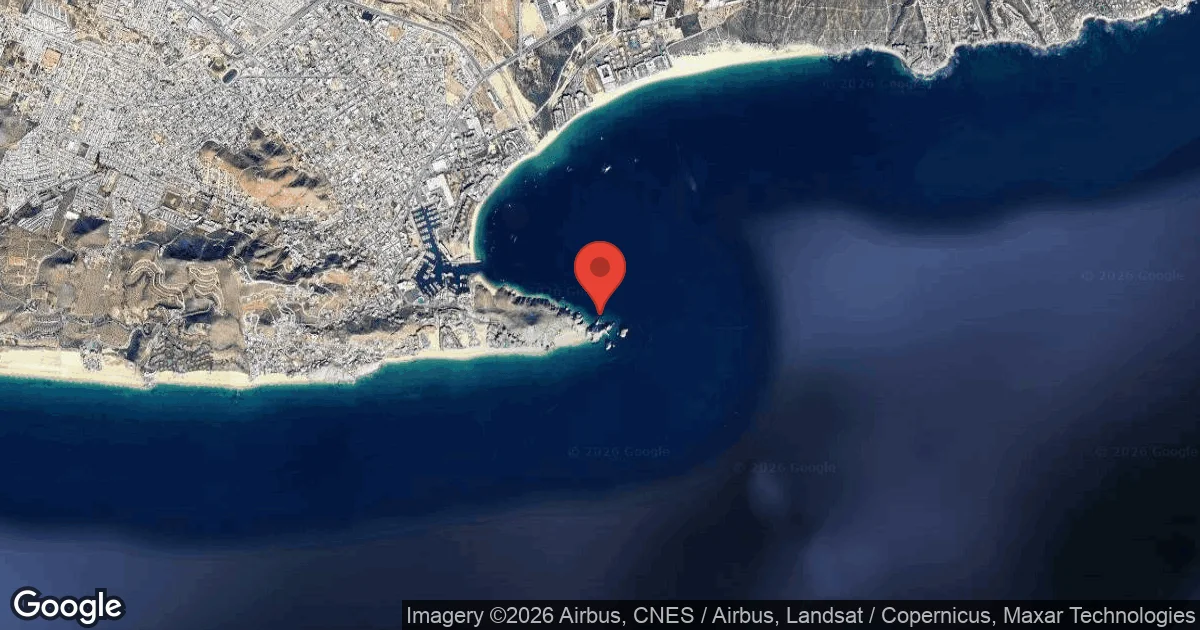
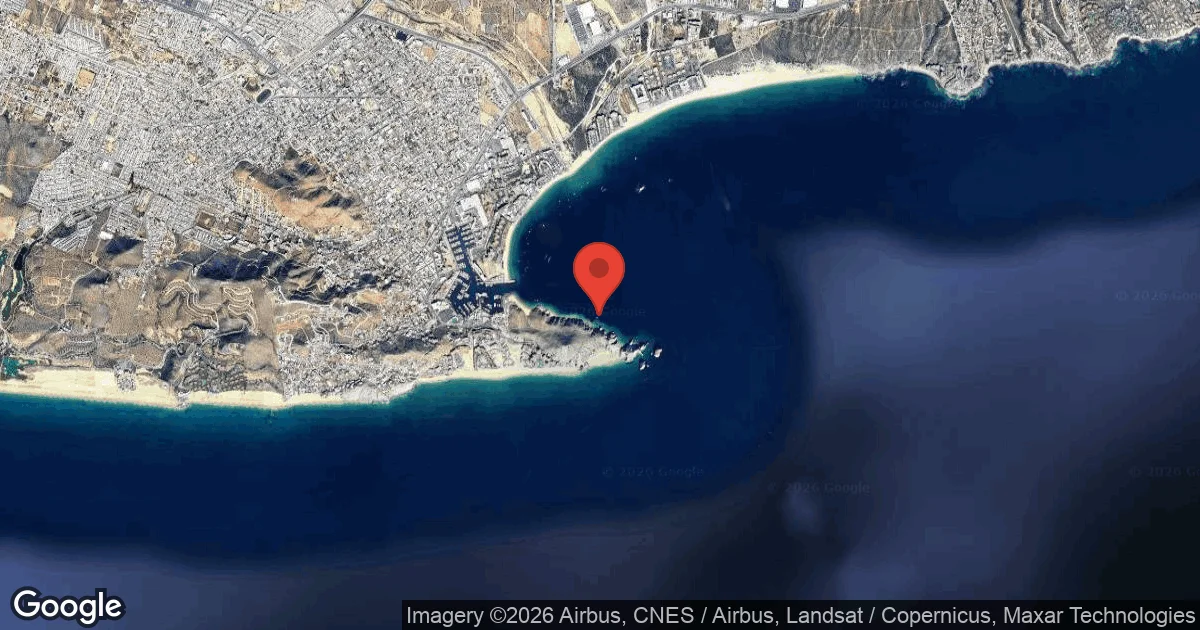
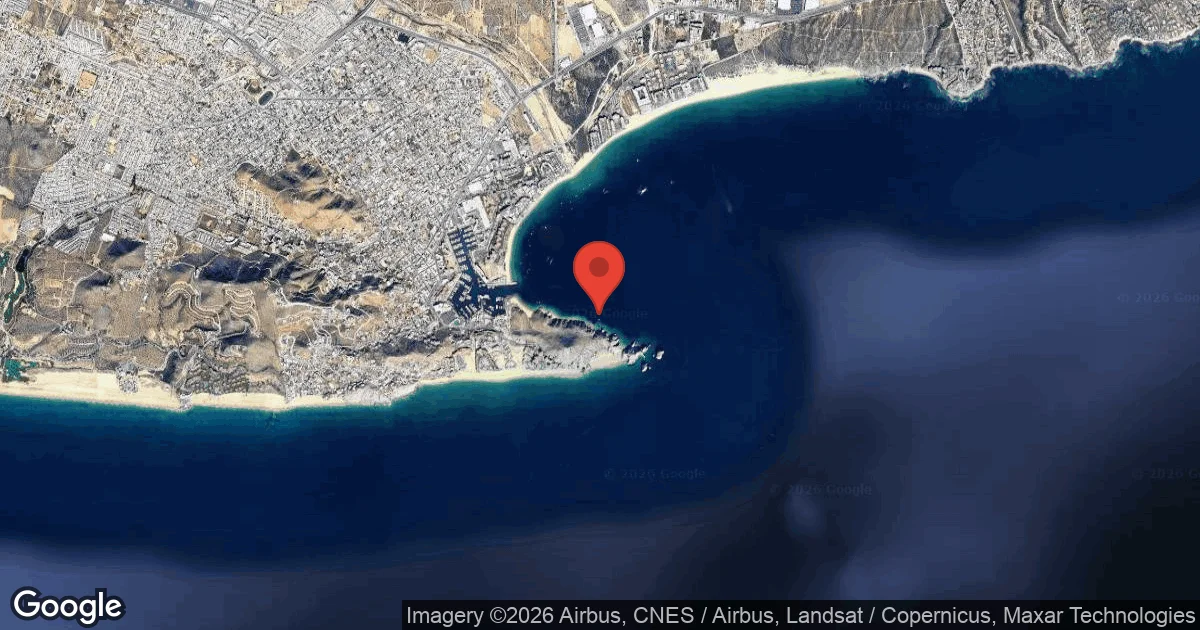
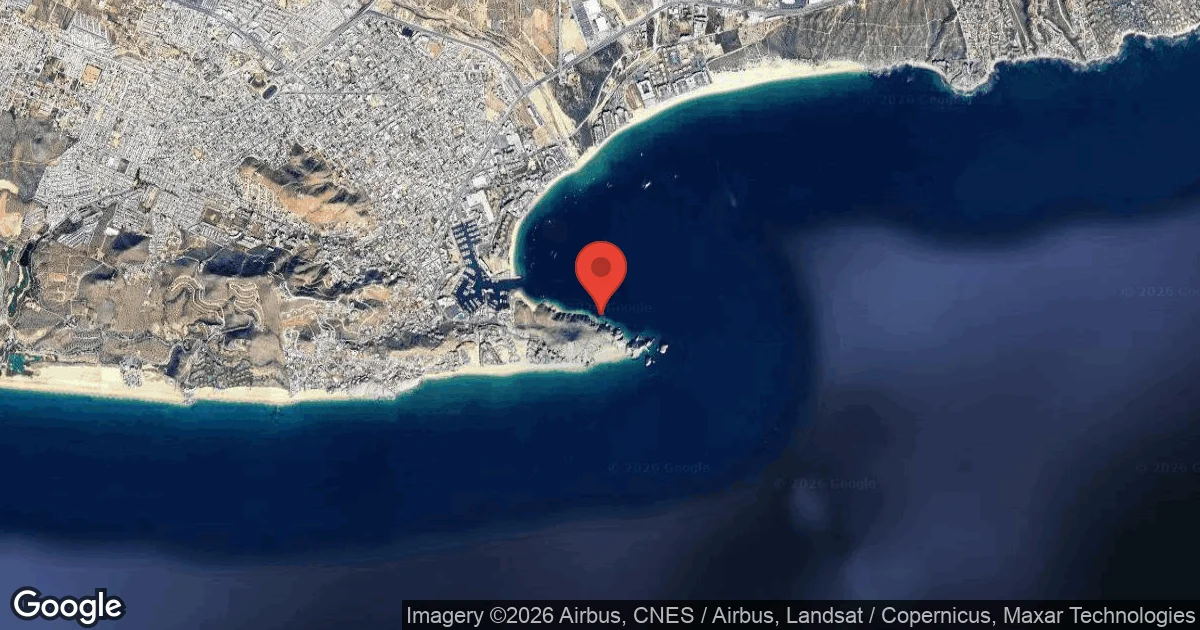
Dive Site Location & Key Facts
Dive Site Overview
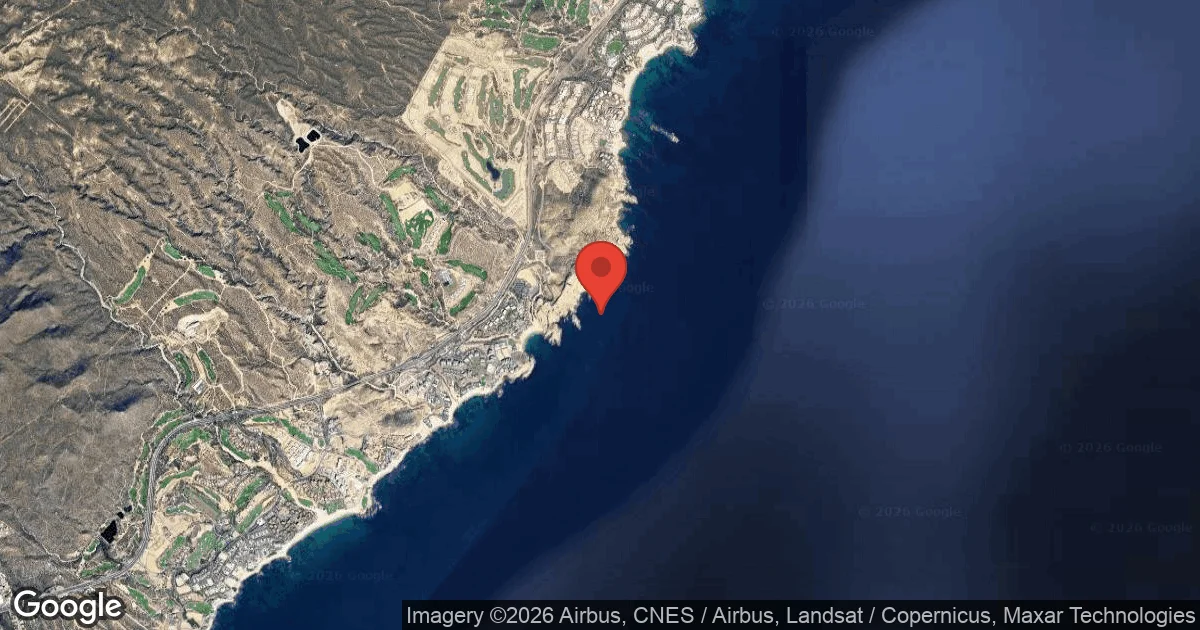
Imagine dropping into a dynamic underwater landscape that combines dramatic geological features with vibrant marine ecosystems. Near Cabo San Lucas, Mexico, Blow Hole presents a rocky reef environment transitioning into progressive walls and sandy channels.
Reaching a maximum depth of 15 m (49 ft), the site caters well to recreational divers. A boat entry dive provides access to its distinct underwater topography. Explorers can navigate along wall sections, observing how the reef structure changes significantly across its depth.
Sandy bottom areas between rocky formations offer clear pathways for observation, often revealing hidden organisms. This confluence of features creates diverse habitats for various aquatic species, from smallest invertebrates to larger passing fish.
Different navigation patterns are possible due to the varied structure, from tracing the base of the wall to exploring more open sand channels. Diver skills like buoyancy control become valuable when navigating the progressive wall elements, especially near the reef structures.
Understanding the layout beforehand helps maximize the experience, whether focusing on macro life within reef crevices or scanning the blue for larger pelagics. Blending geological interest with marine life observation within recreational depth limits, the site's character offers a comprehensive experience.
Conditions are Good
07:00 - 14:00
Optimal conditions expected
Current conditions near Blow Hole show 32° air, 32° sea temperature, 1.2 m waves, and 18 km/h wind. Forecast data is refreshed regularly to ensure accuracy.
Best Time to Dive
Planning a dive at Blow Hole involves considering the seasonal variations to optimize your experience. The dive score for this site typically ranks "Good" for most of the year, particularly from January through April, July, September, and November-December. During these months, air temperatures are comfortable, ranging from 21°C (70°F) to 30°C (86°F), and rain is minimal, usually below 1 mm. Conditions during May, June, August, and October are rated "Moderate," which might indicate slightly choppier surface conditions due to increased wave heights, reaching up to 1.6 m (5.2 ft), or higher winds. While rain averages around 2-3 mm in August, September, and October, it's generally not a primary concern. Divers seeking calmer surface conditions might prefer the months with lower average wave heights. Given the lack of consistent water temperature data, divers should be prepared for varying thermal conditions underwater, although the comfortable air temperatures suggest surface intervals will be pleasant year-round.
PEAK SEASON SCORE
Scores combine air & water temps, waves, wind & rainfall for overall conditions.
BEST MONTHS TO DIVE
Monthly records compiled from satellite and marine observation nodes over the last 3 years. Data provided by Open-Meteo and MET Norway.
Dive Experience & Conditions
Entering the water at Blow Hole is primarily done via boat, which facilitates access to the site's various features. Once submerged, divers encounter a combination of rocky reef and wall formations, descending to a maximum depth of 15 m (49 ft). This shallow maximum depth makes it suitable for Open Water Diver certified individuals. Conditions vary, but average wave heights can range from 1.0 m (3.3 ft) to 1.6 m (5.2 ft), potentially influencing surface chop. Visibility often depends on recent weather patterns and local currents, which are not consistently reported. Expect salt water and consider the moderate wind speeds, averaging between 14.2 km/h (9 mph) and 21.2 km/h (13 mph), as they could affect boat travel. This dive is generally considered manageable, offering diverse terrain for exploration without extreme challenges. Navigating the progressive walls requires good buoyancy control to appreciate the intricate reef structures.
Dive Difficulty & Safety Guidelines
Divers approaching Blow Hole should be adequately trained, at least to a PADI Open Water Diver level, to safely navigate its reef and wall characteristics. An Advanced Open Water Diver certification can further enhance the experience, particularly for deeper sections or more complex navigation. While specific hazards aren't consistently reported, standard safe diving practices apply.
Always perform a thorough buddy check and ensure your dive computer is operational. Pay attention to local weather forecasts; average wave heights and wind speeds can indicate potential surface conditions that might impact comfort or boat operations.
Currents can vary depending on conditions, so monitoring them throughout the dive is prudent. Maintaining good buoyancy control is crucial, especially when exploring the progressive wall areas to avoid contact with delicate marine life or the reef structure. Always consult with local dive professionals regarding current site conditions before entry.
Recommended Equipment
- Dive Computer
This gear list is based on verified equipment signals for Blow Hole, Mexico. Always confirm final gear choices with your dive operator, guide, or liveaboard.
Recommended Dive Suit
The latest conditions reported around Blow Hole place the water temperature close to 32°C (90°F). Surface air temperatures are resting at 32°C (89°F).
Dive skin or rash guard generally offers enough warmth for most dives under these conditions. Consider warmer surface protection (like a boat coat) due to brisk winds.
Forecasts suggest a slight cooling pattern in the days ahead. Cooler days are ahead; you might want a warmer option for later in the week. Some divers prefer carrying a slightly thicker suit as a backup.
Due to technical issues with our weather providers, live updates are temporarily delayed. The data above reflects the conditions at the time of the last successful fetch.
Emergency & Medical Support
Essential information to help you plan your dive trip to Blow Hole.

Hyperbaric chambers are a critical part of dive safety infrastructure. Availability varies significantly by region, and not all dive areas have immediate access.
Before diving, it's recommended to:
- confirm nearest medical facilities
- check emergency procedures with local dive operators
- ensure dive insurance covers evacuation if required
Divers Alert Network
Diving emergency assistance available through DAN World.
+1-919-684-9111- 24/7 emergency hotline
- Diving medical assistance
- Evacuation coordination
Emergency contacts are provided for reference. Always verify local emergency services before diving.
Marine Life at Blow Hole
Focusing on the aquatic inhabitants, Blow Hole offers a variety of marine encounters. The rocky reef and sand channels provide diverse habitats.
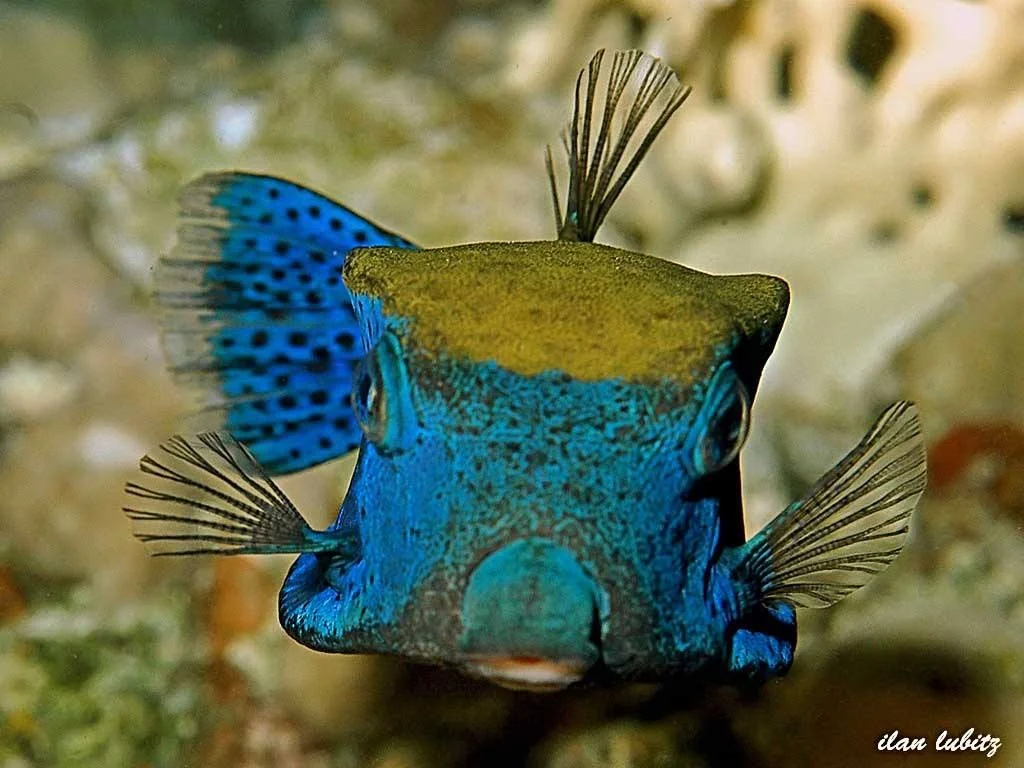
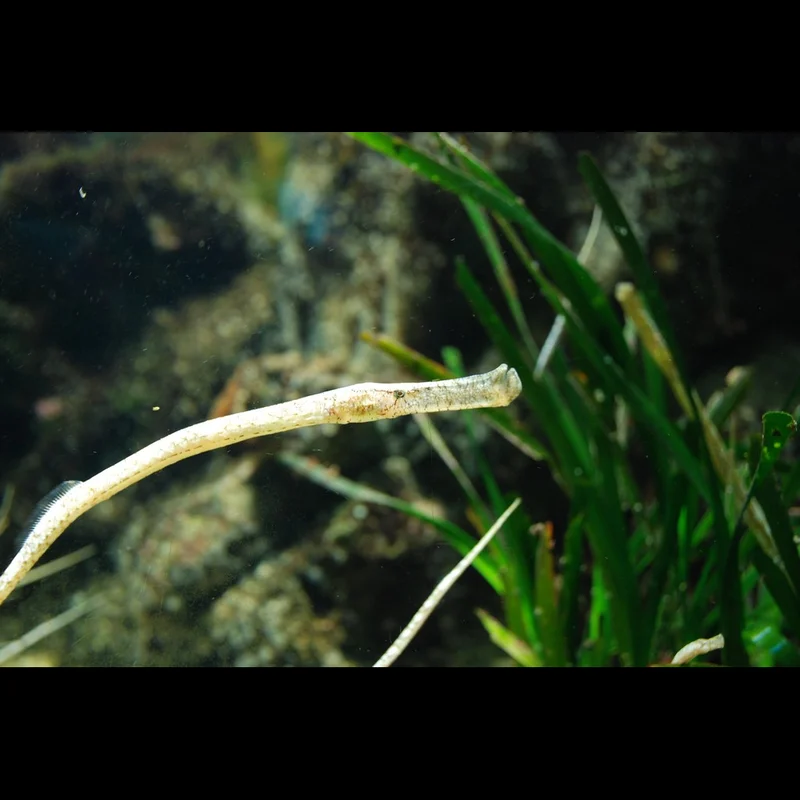
Divers frequently spot boxfish and pufferfish, often tucked into reef crevices. Trumpetfish and pipefish are common, blending seamlessly with the surroundings.
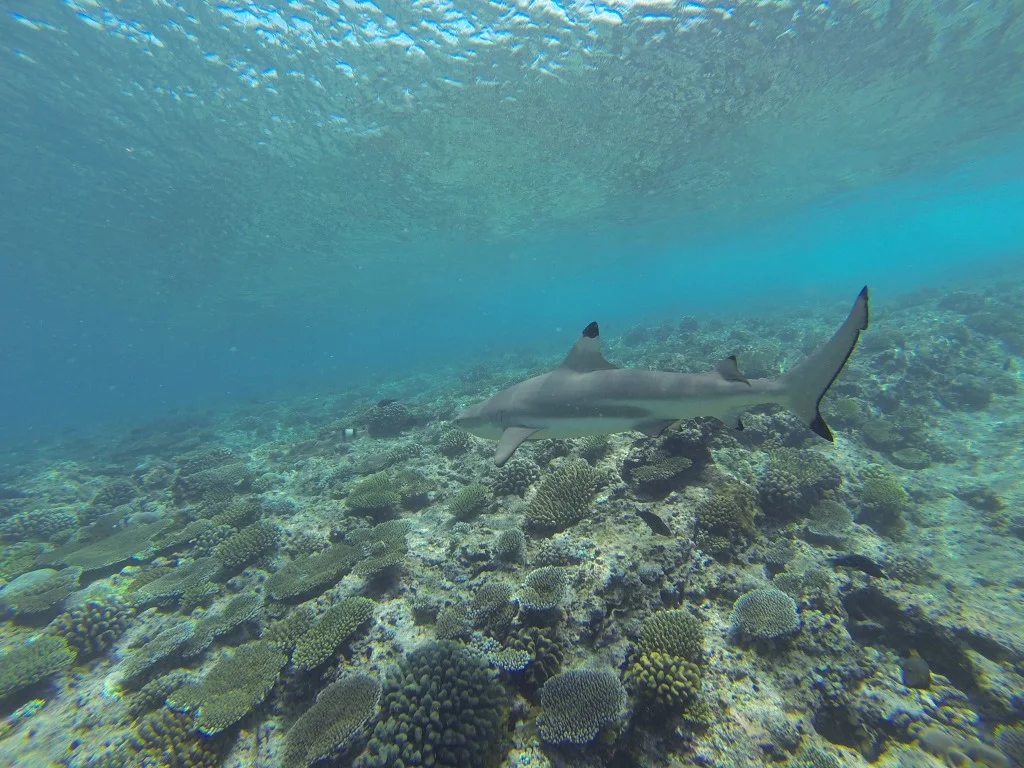
Gorgonian fans add vibrant color to the underwater scenery. Keep an eye out for pork fish schooling along the reef. For those scanning the blue, occasional white tip sharks can be observed patrolling the deeper edges or passing by.
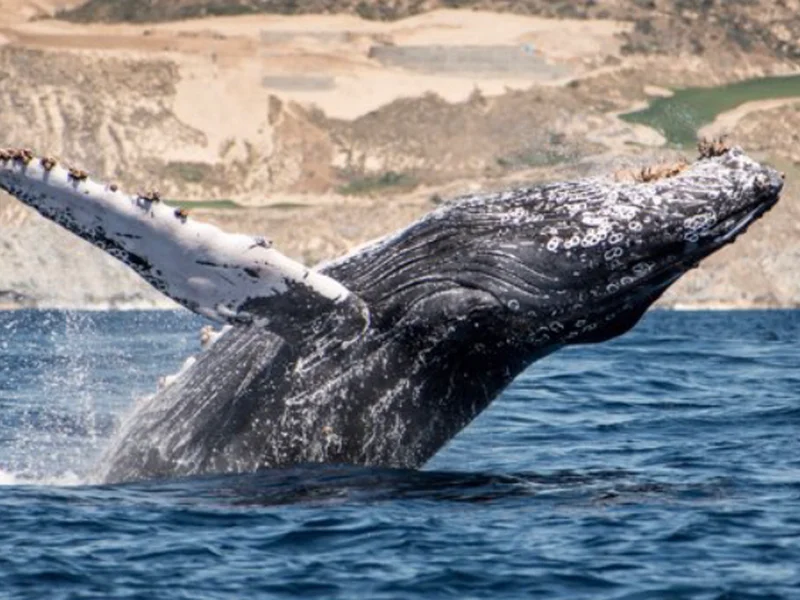
Larger pelagic sightings like whales, dolphins, and turtles are also reported, though these are more opportunistic encounters. This site provides a balanced view of both smaller reef dwellers and potential visits from larger ocean life.

Dive Sites Near Blow Hole
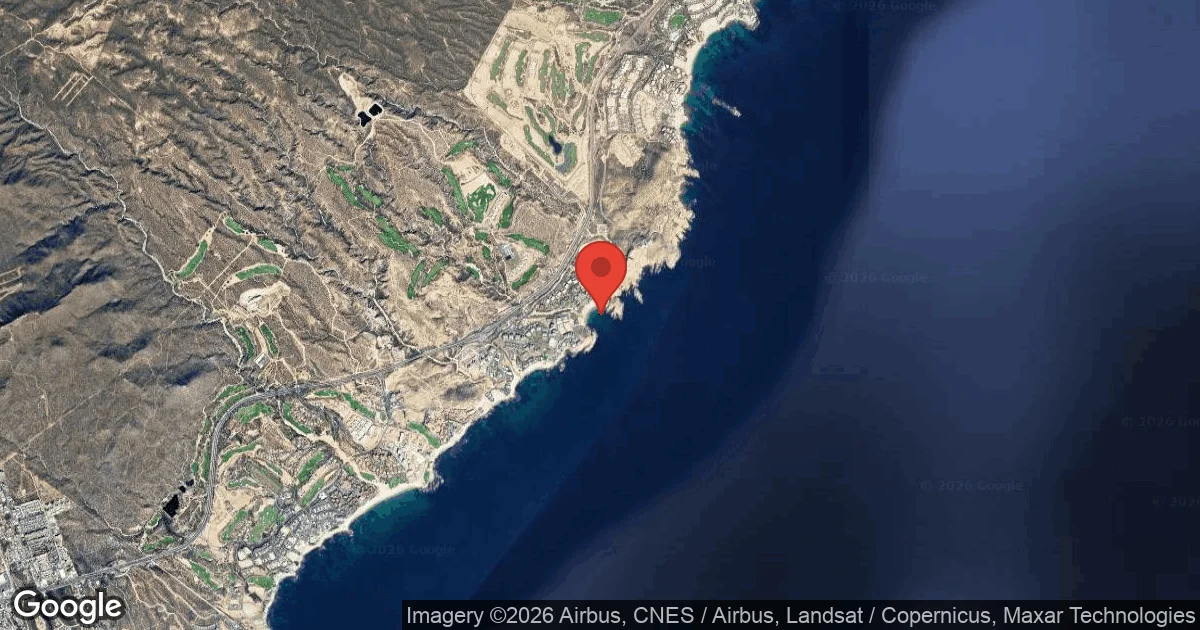
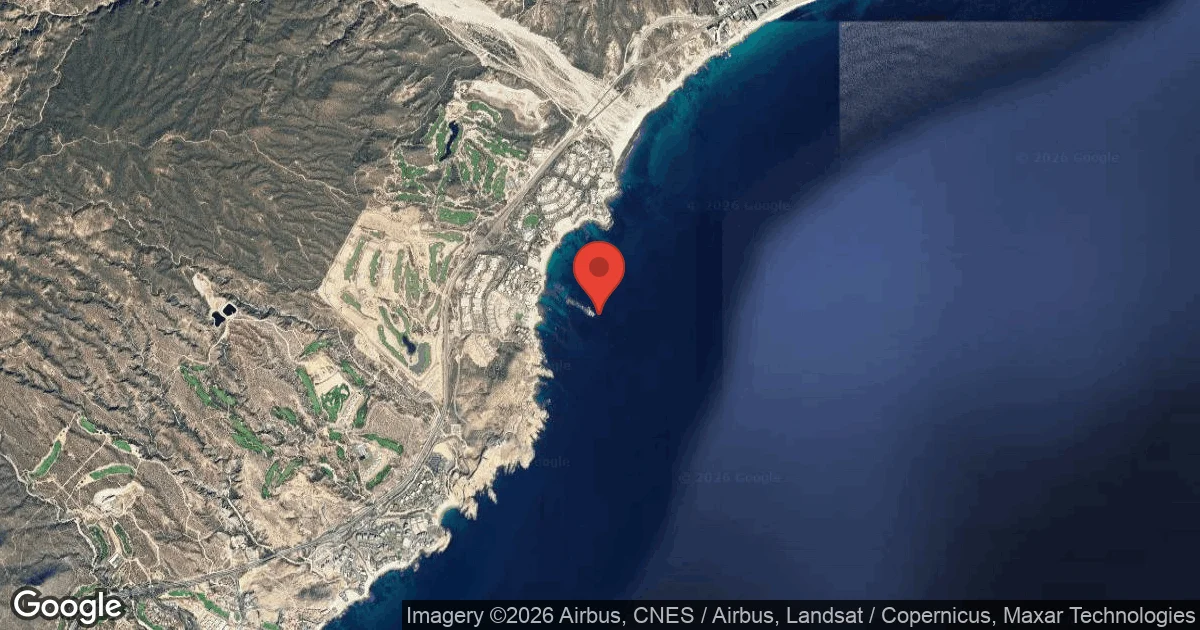
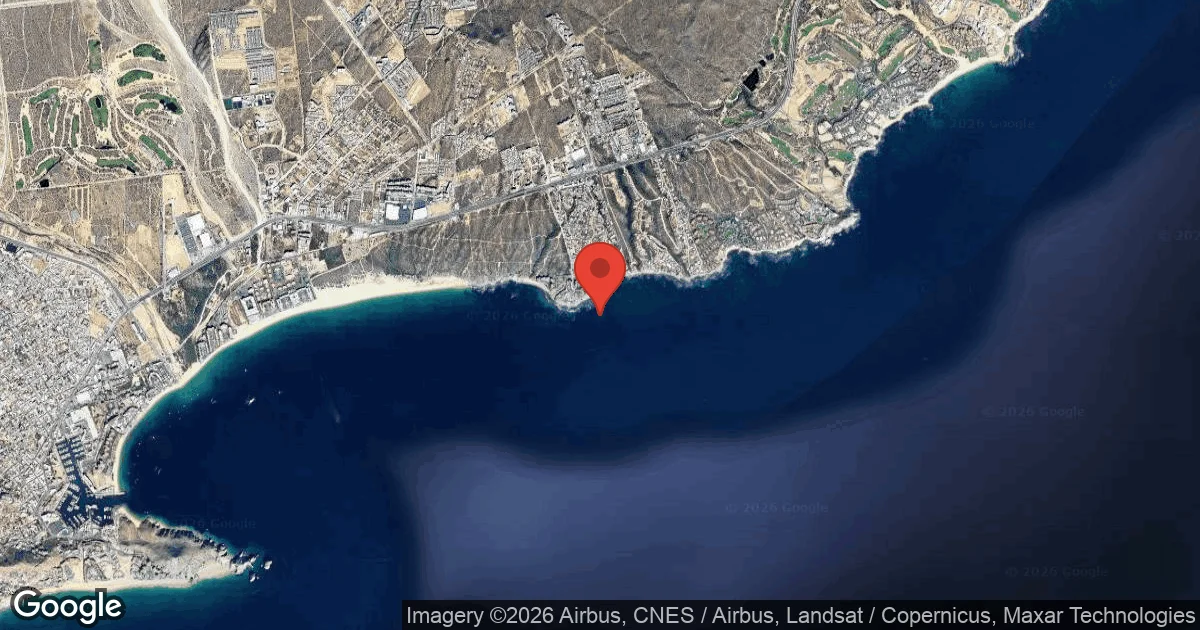
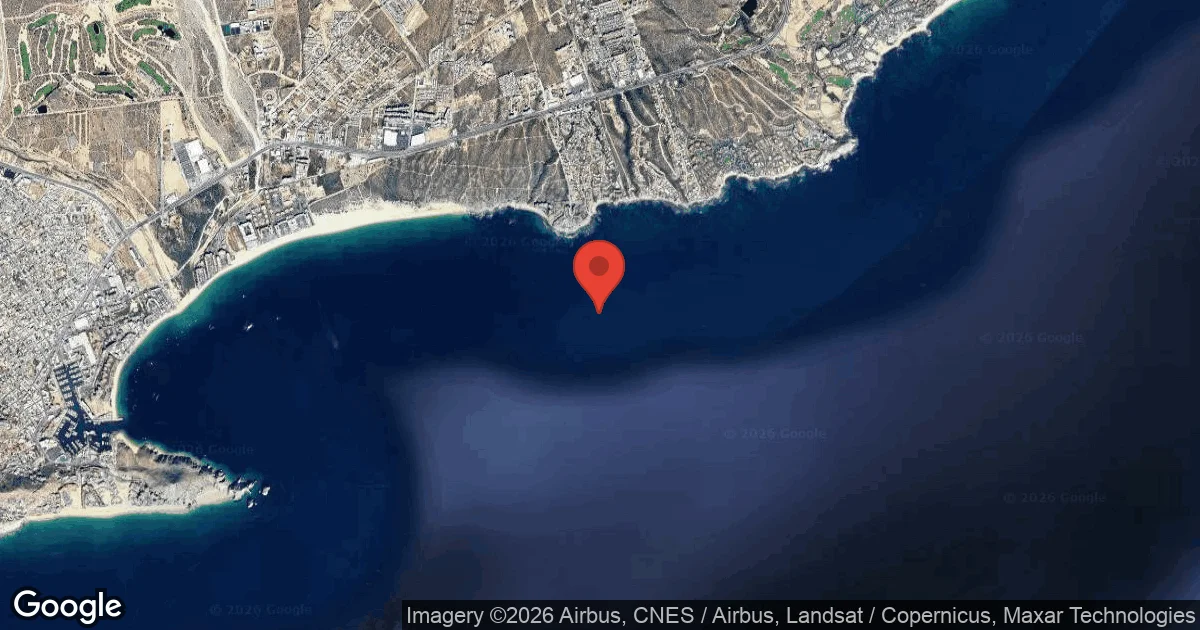
View all dive sites in MexicoDiscover more underwater gems in this area.
Dive Centers Near Blow Hole
Today: 07:00 - 17:30
Nearest Airports
Nearest airports to help plan travel to this dive area.
Search Flights
Check available flights and routes on Expedia, using the nearby airports listed in this section.
Search Flights on ExpediaFrequently Asked Questions
What is the maximum depth at Blow Hole?
Recreational diving at Blow Hole reaches a maximum depth of 15 m (49 ft). This shallow profile is well-suited for divers with Open Water certification, allowing for extended bottom times.
What diving certification level is recommended for Blow Hole?
Divers should be at least PADI Open Water Diver certified to safely explore the reef and wall characteristics. An Advanced Open Water Diver certification can be beneficial for navigating its deeper sections or more complex areas.
How do divers typically access Blow Hole?
Access to Blow Hole is primarily by boat. A boat entry facilitates reaching the various sections of this dynamic underwater landscape, including its rocky reef and progressive walls.
What kind of marine life can I expect to see at Blow Hole?
The site's rocky reef and sand channels host diverse species. Expect to observe boxfish, pufferfish, trumpetfish, and pipefish, often blending into reef crevices. Occasional sightings of white tip sharks, whales, dolphins, and turtles are also reported passing by.
What are the typical water conditions, especially regarding currents and visibility?
Currents can vary significantly depending on local conditions, so monitoring them throughout the dive is prudent. Visibility isn't consistently reported, varying with recent weather patterns and local water movements.
What's the best time of year to dive at Blow Hole?
Dive conditions are generally rated 'Good' from January through April, July, September, and November-December. During these months, surface conditions are typically favorable with comfortable air temperatures and minimal rain.
Planning to dive Blow Hole?
Send one inquiry and receive offers directly from the best verified local dive operators.
Conditions are Good
07:00 - 14:00
Optimal conditions expected
Current conditions near Blow Hole show 32° air, 32° sea temperature, 1.2 m waves, and 18 km/h wind. Forecast data is refreshed regularly to ensure accuracy.