
Diving at Whale's Head (Mexico)
The vibrant reef at Whale's Head, a captivating entry point in Cabo San Lucas, introduces divers to Baja California Sur's rich marine environment. Its gentle slope, beginning in mere feet of water, leads into a realm teeming with diverse reef life. This site quickly established itself as a welcoming destination for both new divers and snorkelers, offering an immediate connection to the Sea of Cortez's underwater appeal.
As evening covers Whale's Head, the local air temperature is measured at 35°C. The current wave height at the surface is recorded at 1.2 m. These late-day readings characterize the surface conditions for the night.
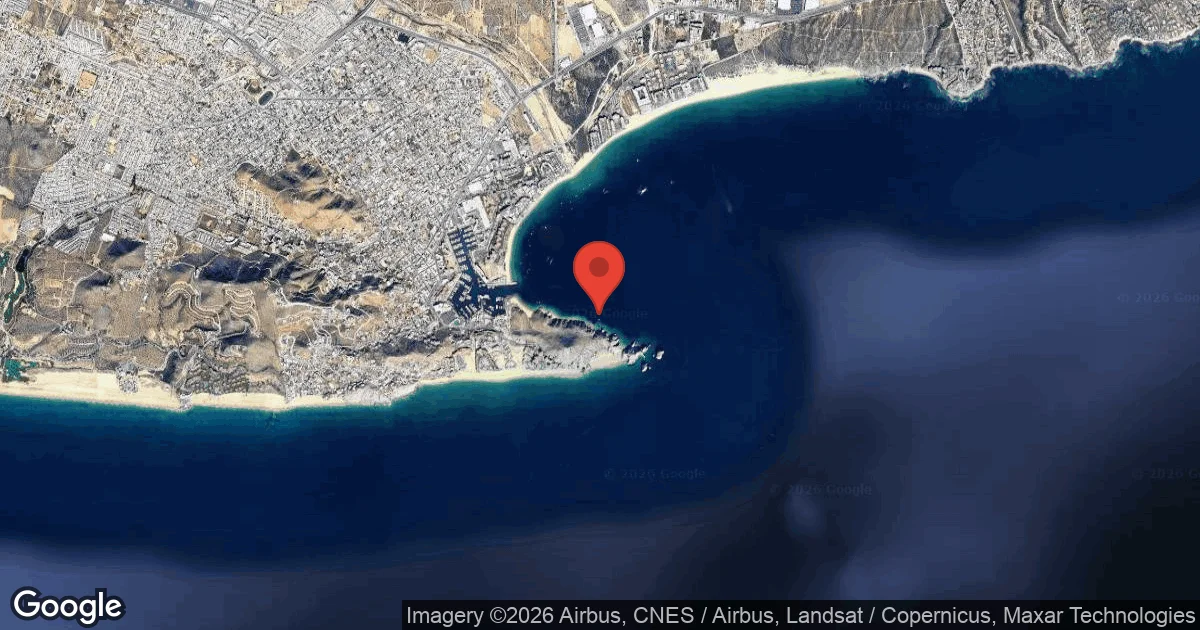
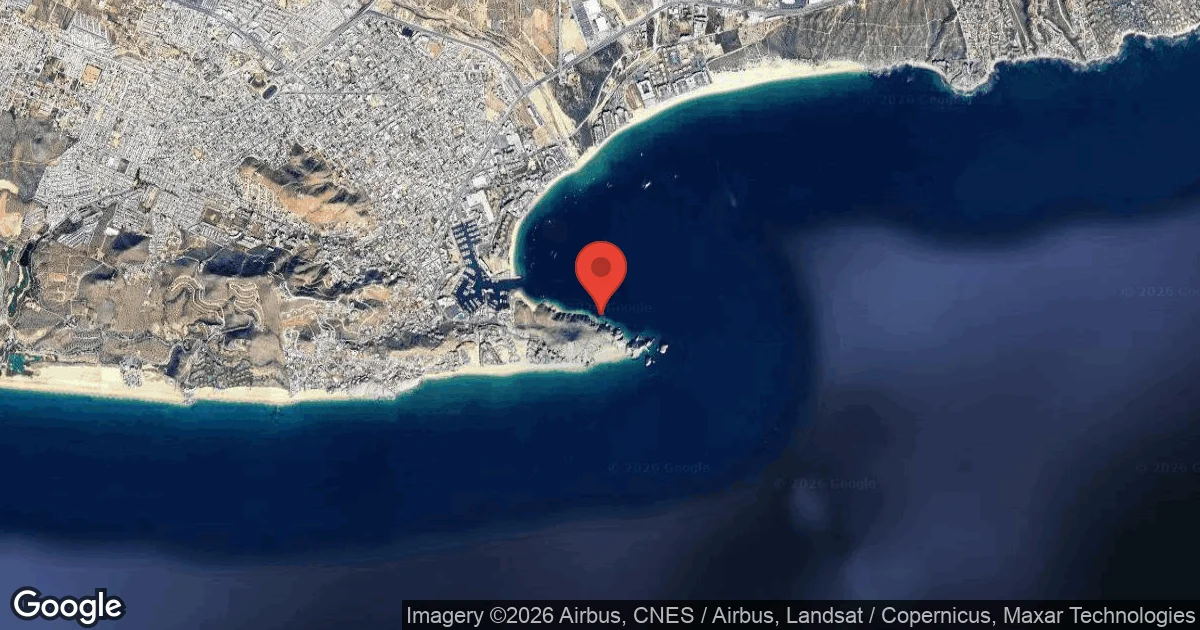
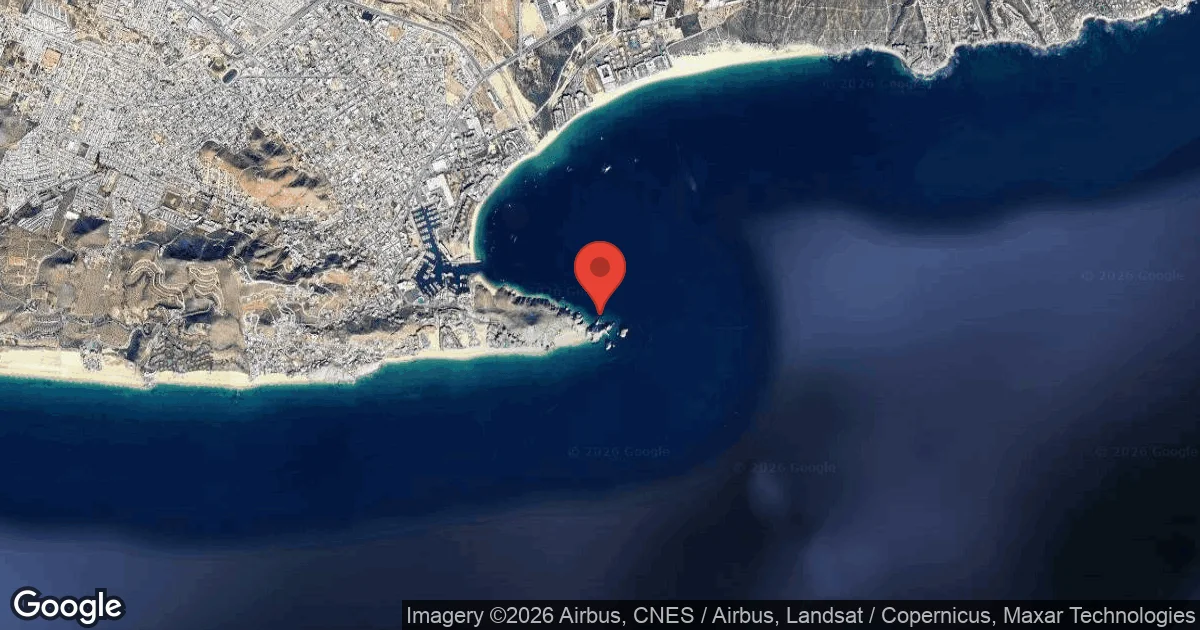
Dive Site Location & Key Facts
Dive Site Overview
Whale's Head has established itself as a foundational dive site in Cabo San Lucas, offering a clear and accessible entry into the region's underwater ecosystems. Beginning in just 1.5 m (5 ft) of water, the site gradually descends to a sandy bottom at 15 m (50 ft).
This makes it particularly suitable for snorkelers and beginner divers, yet its consistent marine activity keeps experienced divers engaged. Abundant coral growth adorns the shallower sections, supporting a variety of reef fish.
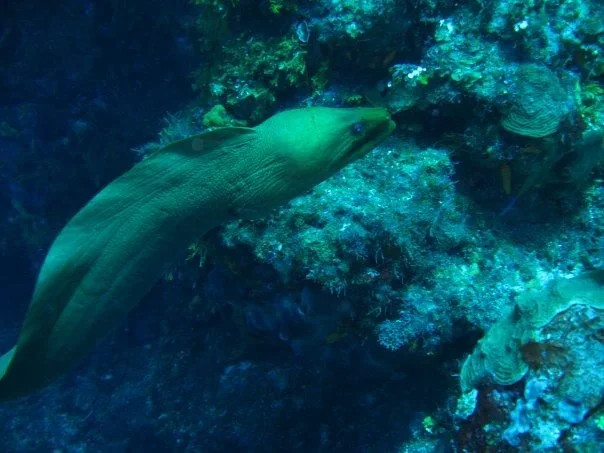
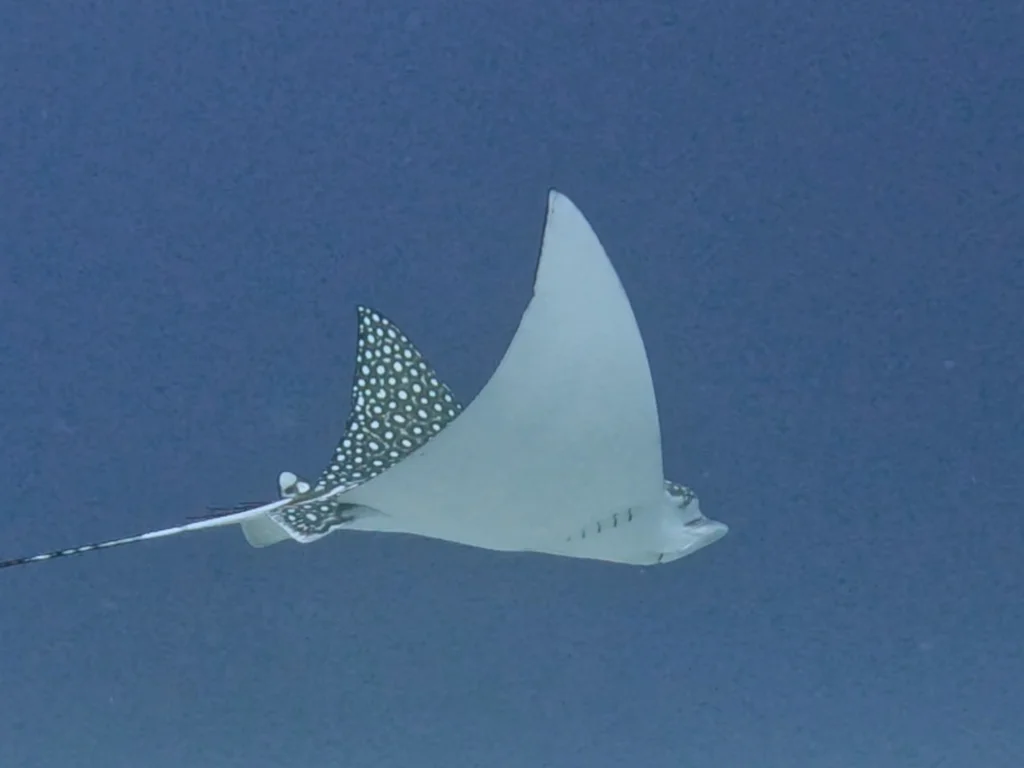
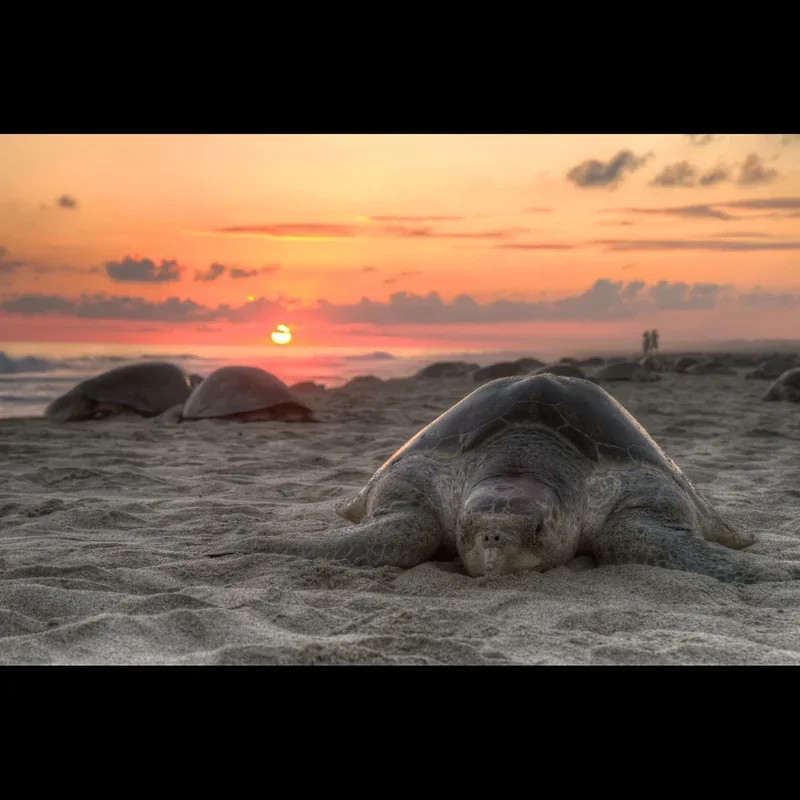
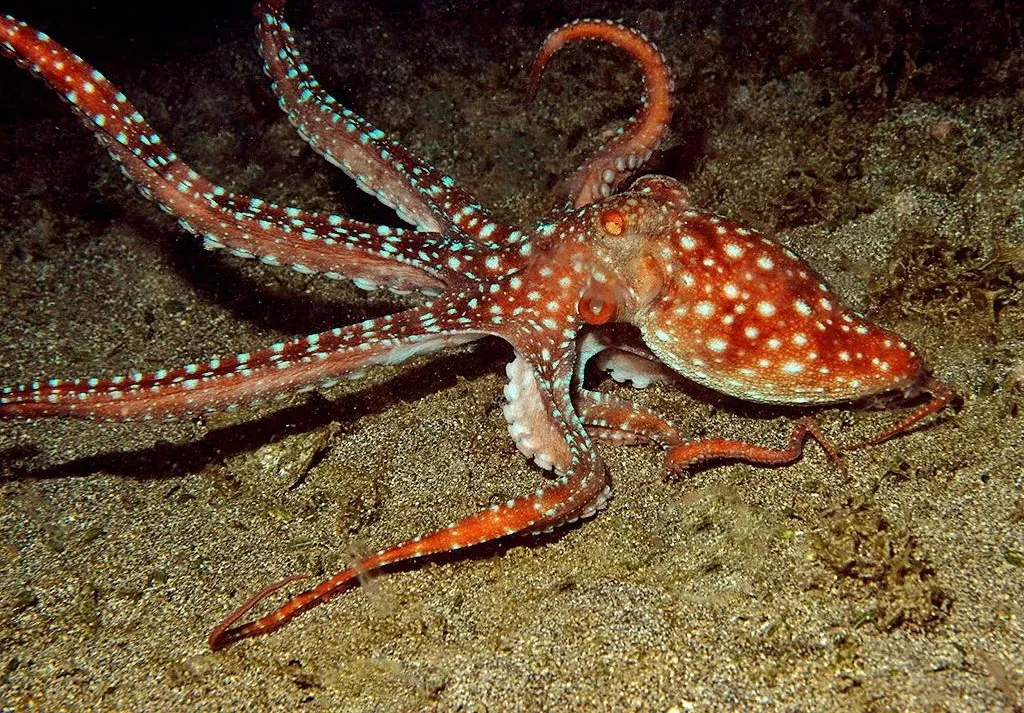
Furthermore, a school of spotted eagle rays often congregates here, frequently approaching divers with a noticeable calm. Observations include sea turtles, octopuses, and moray eels navigating the reef structure.
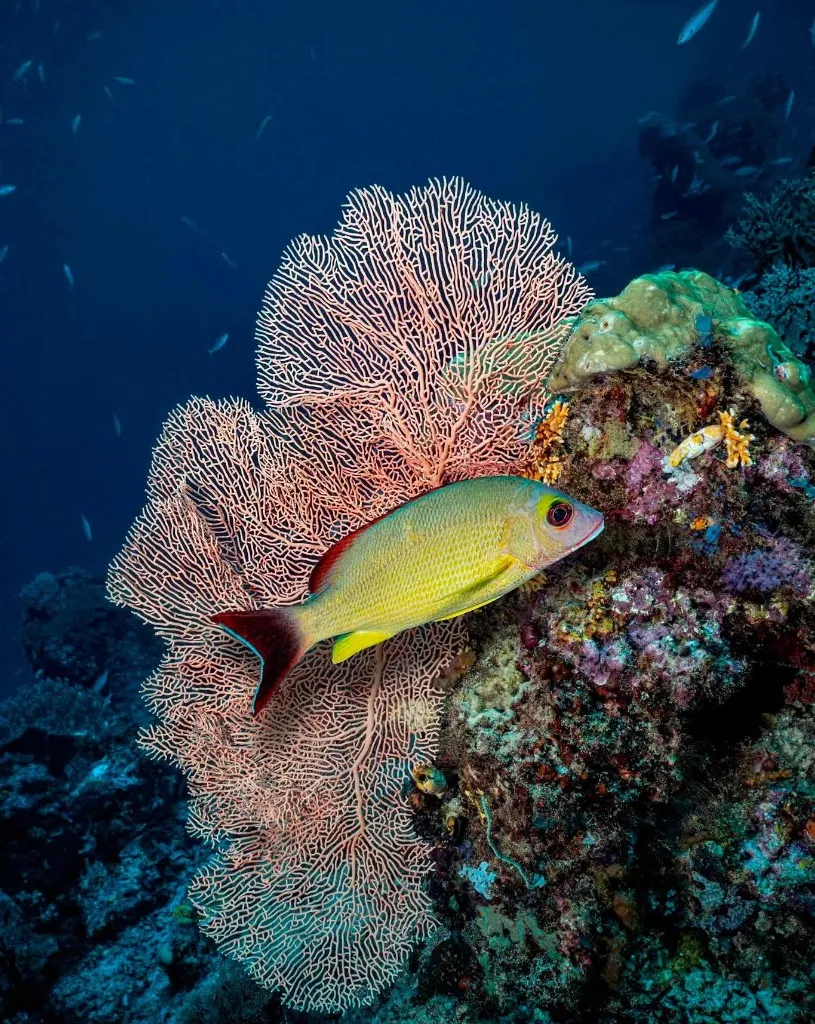
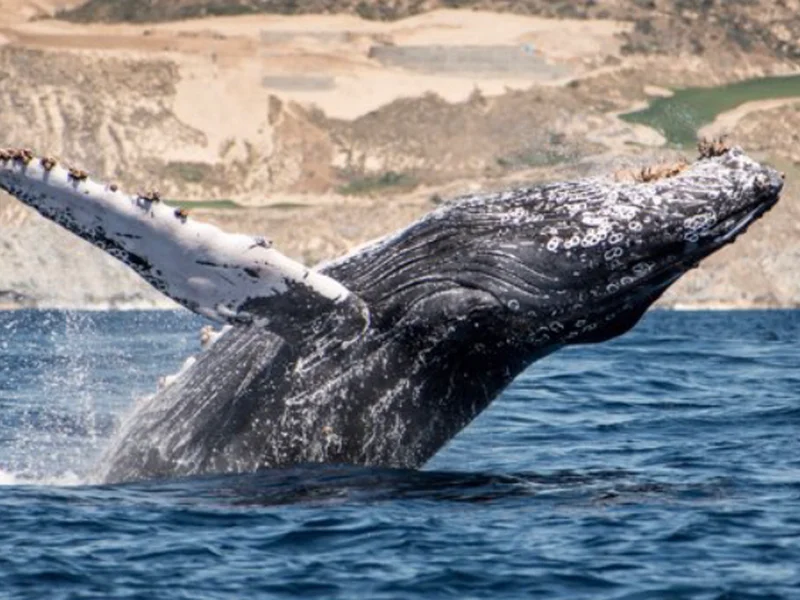
Large schools of pork fish and snappers commonly patrol the sandy areas adjacent to the coral. During certain periods, the evocative sounds of humpback whales may permeate the water, a distinctive feature.
Local operators, such as CortezClub.com, contribute to a safe diving environment with certified captains and adherence to rigorous safety standards, ensuring well-guided expeditions at this welcoming site.
Weather Error: fetch failed
Best Time to Dive
For an optimal dive experience at Whale's Head, planning your visit between November and May typically yields the most favorable conditions. This period generally coincides with calmer seas, which enhances comfort both on the surface and underwater. Air temperatures during these months remain pleasant, averaging between 21-26.5°C (70-80°F). Minimal rainfall is characteristic, particularly from March to April, contributing to generally clear skies and surface conditions. The months of January, February, March, April, November, and December frequently receive a "Good" dive score, indicating consistently stable weather patterns. While water temperatures are not consistently reported for this specific site, the overall calm conditions during this window contribute to a more relaxed dive. Moreover, it's during this extended season that divers may experience the ambient, echoing songs of humpback whales underwater, a unique auditory highlight.
PEAK SEASON SCORE
Scores combine air & water temps, waves, wind & rainfall for overall conditions.
BEST MONTHS TO DIVE
Monthly records compiled from satellite and marine observation nodes over the last 3 years. Data provided by Open-Meteo and MET Norway.
Dive Experience & Conditions
Descending into Whale's Head begins in very shallow waters, often just a few feet, making it an immediate point of access for snorkelers and divers alike. The site then gradually slopes downwards, leading to a maximum depth of 15 m (49 ft) over a sandy bottom. Along the way, divers encounter abundant coral formations providing habitat for numerous reef fish. Conditions are generally suitable for all skill levels, from beginner to advanced. Visibility typically varies, but often offers clear views of the underwater topography and its inhabitants. The lack of consistently reported strong currents makes for a more relaxed dive profile compared to some other Mexican sites. Exploring this site primarily involves navigating the reef and its adjacent sandy patches, where specific marine life patterns emerge.
Dive Difficulty & Safety Guidelines
Approaching Whale's Head, it's wise to remember that while accessible for all levels, adherence to standard dive safety protocols remains paramount. Always perform thorough buddy checks and monitor your air consumption, especially when focusing on marine life observations. While the site is shallow, reaching a maximum recreational depth of 15 meters, maintaining good buoyancy control is essential to protect the coral growth.
Engaging with local, certified operators, such as CortezClub.com, provides an added layer of safety; their NOM133 Business certification ensures adherence to high professional standards and guided experiences by certified captains. Always dive within your training and comfort limits, and consider a local guide for your first few visits to best navigate the site's layout.
Recommended Equipment
- Dive Computer
- DSMB
This gear list is based on verified equipment signals for Whale's Head, Mexico. Always confirm final gear choices with your dive operator, guide, or liveaboard.
Recommended Dive Suit
Repeated dives during the same day can gradually reduce overall body warmth.
Divers exploring Whale's Head today will likely encounter water temperatures close to 32°C (90°F). Surface air temperatures are resting at 35°C (95°F). Divers spending extended time underwater often rely on dive skin or rash guard for balanced warmth and flexibility.
Environmental conditions may feel slightly cooler as the week progresses. A significant temperature drop is forecast; strongly suggest bringing a backup warmer suit option. A thicker wetsuit may be worth considering for extended dives.
Emergency & Medical Support
Essential information to help you plan your dive trip to whale's head.

Hyperbaric chambers are a critical part of dive safety infrastructure. Availability varies significantly by region, and not all dive areas have immediate access.
Before diving, it's recommended to:
- confirm nearest medical facilities
- check emergency procedures with local dive operators
- ensure dive insurance covers evacuation if required
Divers Alert Network
Diving emergency assistance available through DAN World.
+1-919-684-9111- 24/7 emergency hotline
- Diving medical assistance
- Evacuation coordination
Emergency contacts are provided for reference. Always verify local emergency services before diving.
Marine Life at Whale's Head
Upon entering the water at Whale's Head, divers are immediately struck by the profusion of vibrant coral growth and the darting movements of numerous reef fish. The sheer variety here provides a constant visual spectacle.
Keep an eye out for the resident school of spotted eagle rays; they often approach divers with remarkable tranquility, offering unparalleled close encounters. Sea turtles are a common sight, gracefully gliding through the water, while closer inspection of crevices might reveal elusive octopuses or the distinctive heads of moray eels.
Along the sandy bottom adjacent to the reef, large schools of pork fish and snappers occasionally gather, forming impressive formations. During specific seasons, the underwater soundscape becomes especially captivating, as the melodic calls of humpback whales resonate through the water.
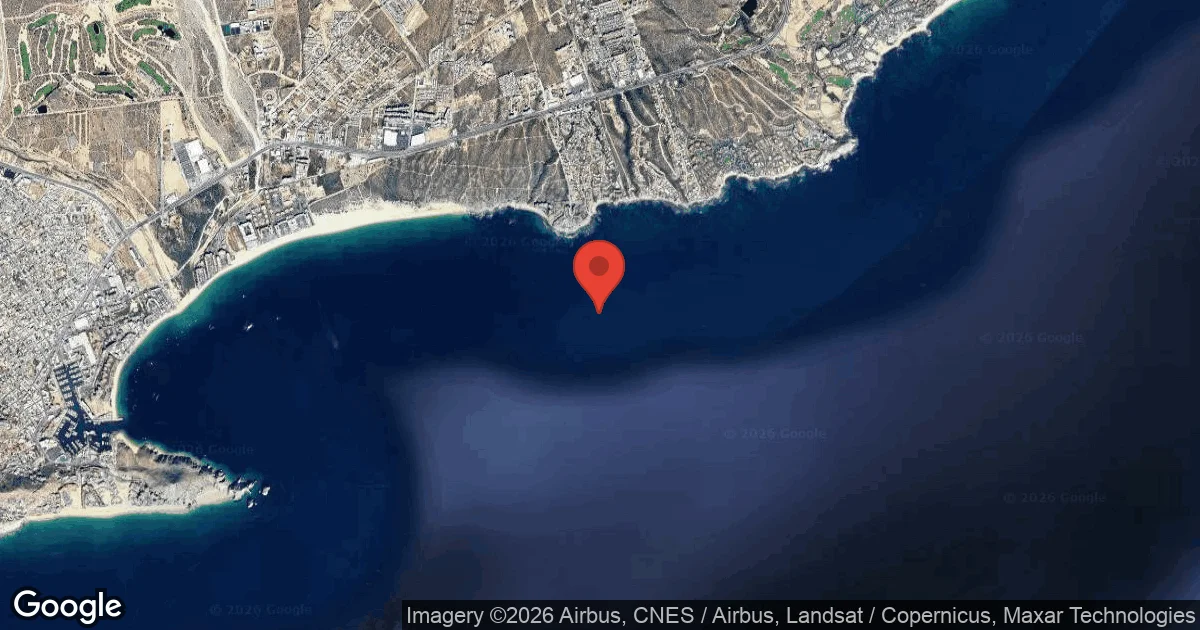
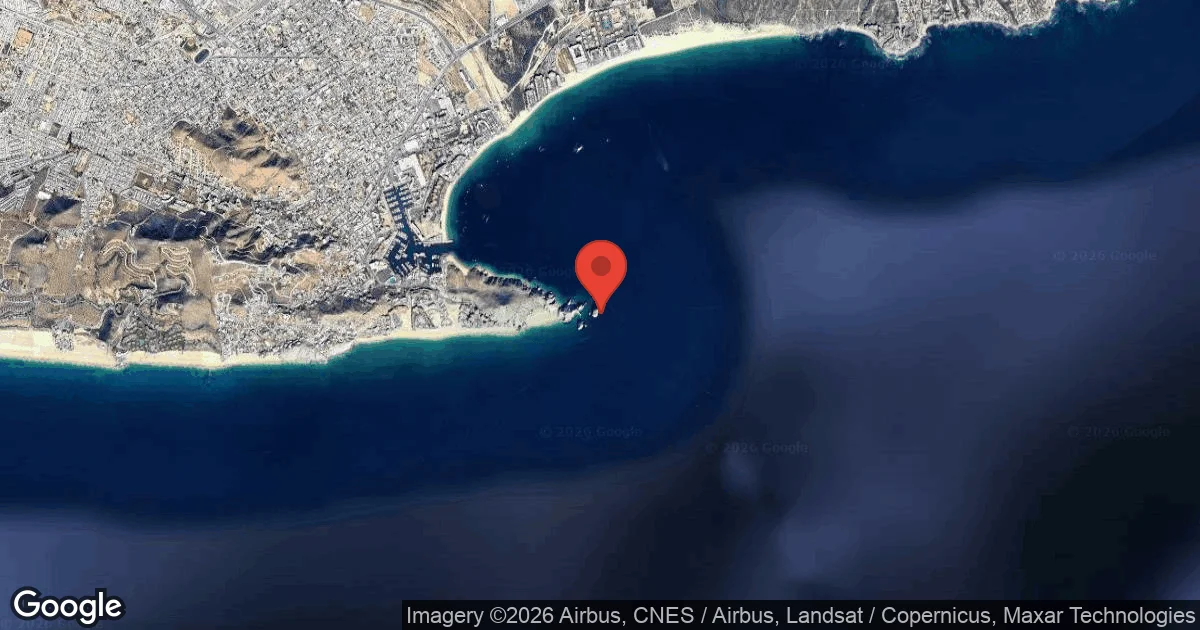
Dive Sites Near Whale's Head
View all dive sites in MexicoDiscover more underwater gems in this area.
Dive Centers Near Whale's Head
Today: 07:00 - 17:30
Nearest Airports
Nearest airports to help plan travel to this dive area.
Search Flights
Check available flights and routes on Expedia, using the nearby airports listed in this section.
Search Flights on ExpediaFrequently Asked Questions
Is Whale's Head suitable for beginner divers?
Absolutely, Whale's Head is ideal for beginners and snorkelers. Its shallow entry point and gentle sloping profile make it a very accessible site for those new to diving.
What is the maximum depth at Whale's Head?
At Whale's Head, diving typically ranges from 1.5 to 15 meters (5 to 50 feet). A gradual descent leads to a sandy bottom at its deepest recreational point.
What types of marine life can I expect to see?
Divers frequently encounter abundant coral growth, a variety of reef fish, and a notable school of spotted eagle rays. Sea turtles, octopuses, and moray eels are also commonly observed here.
Can I hear humpback whales while diving here?
Yes, during certain times of the year, particularly the whale season from roughly October to May, it's possible to hear the distinct singing of humpback whales underwater. This adds a unique auditory dimension to the dive.
When is the best time of year to dive Whale's Head?
Optimal diving conditions typically occur between November and May. This period often provides the calmest sea conditions and a higher likelihood of experiencing whale sounds.
Are strong currents common at this dive site?
Strong currents are not consistently reported for Whale's Head. The site is generally known for its more relaxed conditions, making it comfortable for divers of varying experience levels.
How do divers typically access Whale's Head?
Access to Whale's Head is primarily by boat. Local dive operators in Cabo San Lucas provide guided trips to the site, ensuring convenient and safe entry.
Are there any specific safety certifications for local operators?
Some local operators, like CortezClub.com, hold the NOM133 Business certification. This ensures adherence to high safety and professionalism standards, offering peace of mind to divers.