
Diving at North Wall (Mexico)
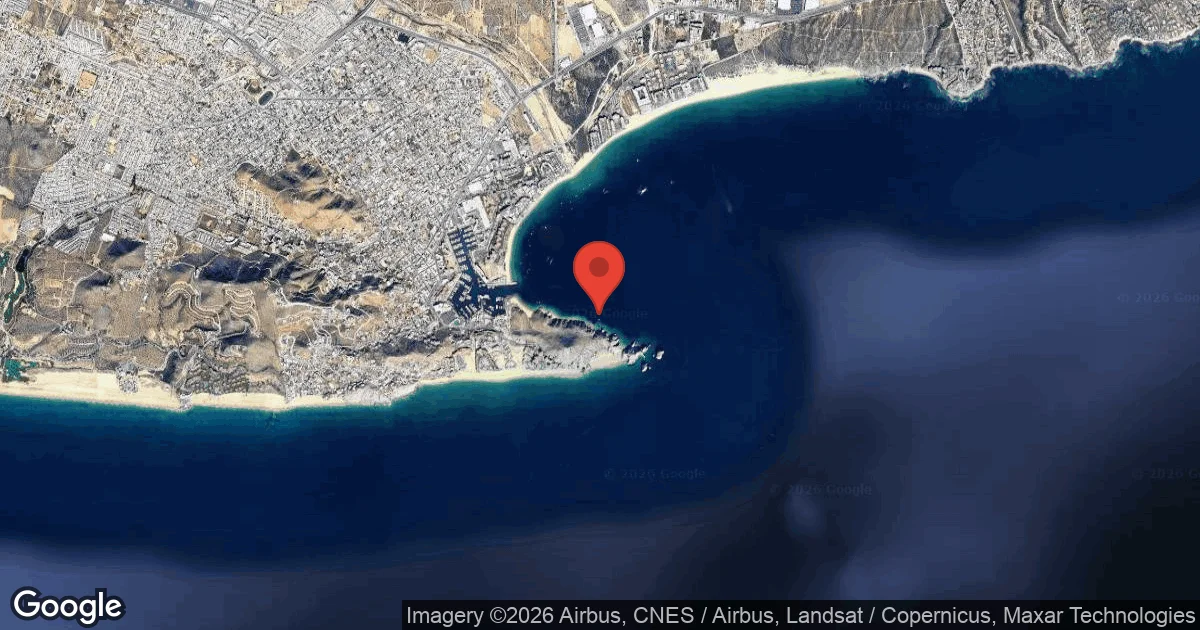
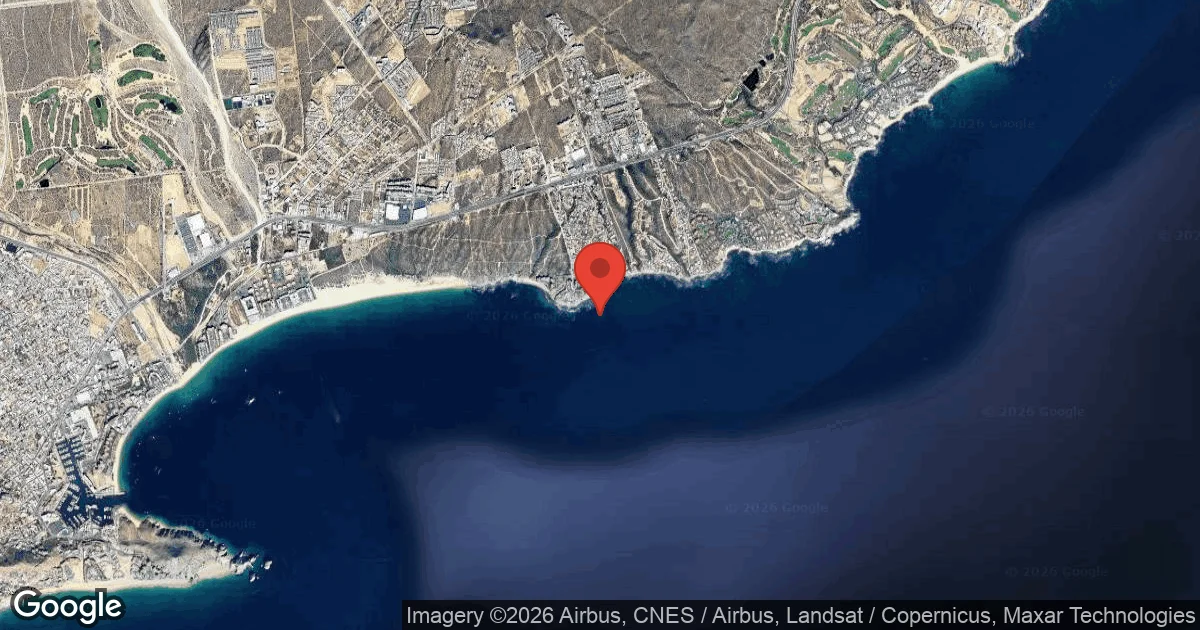
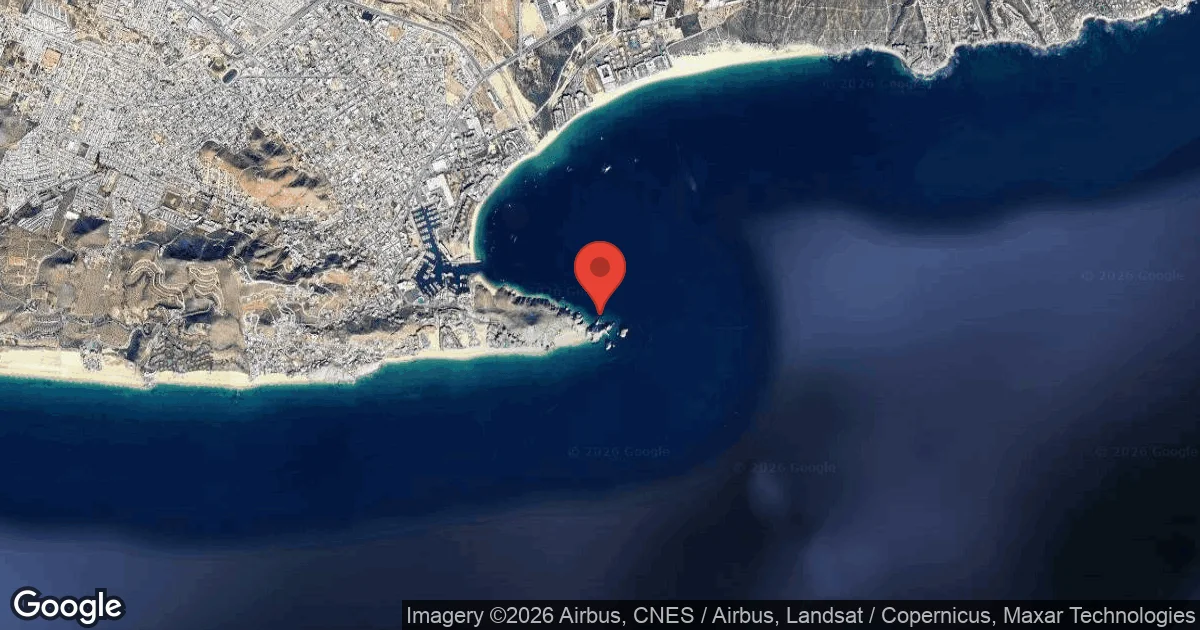
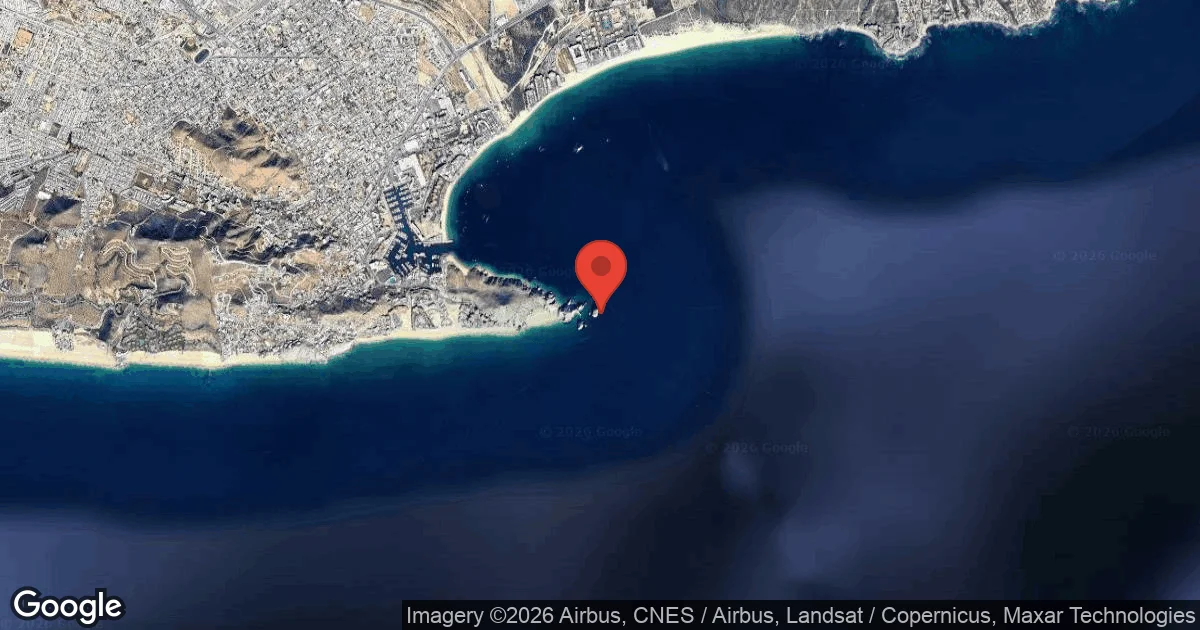
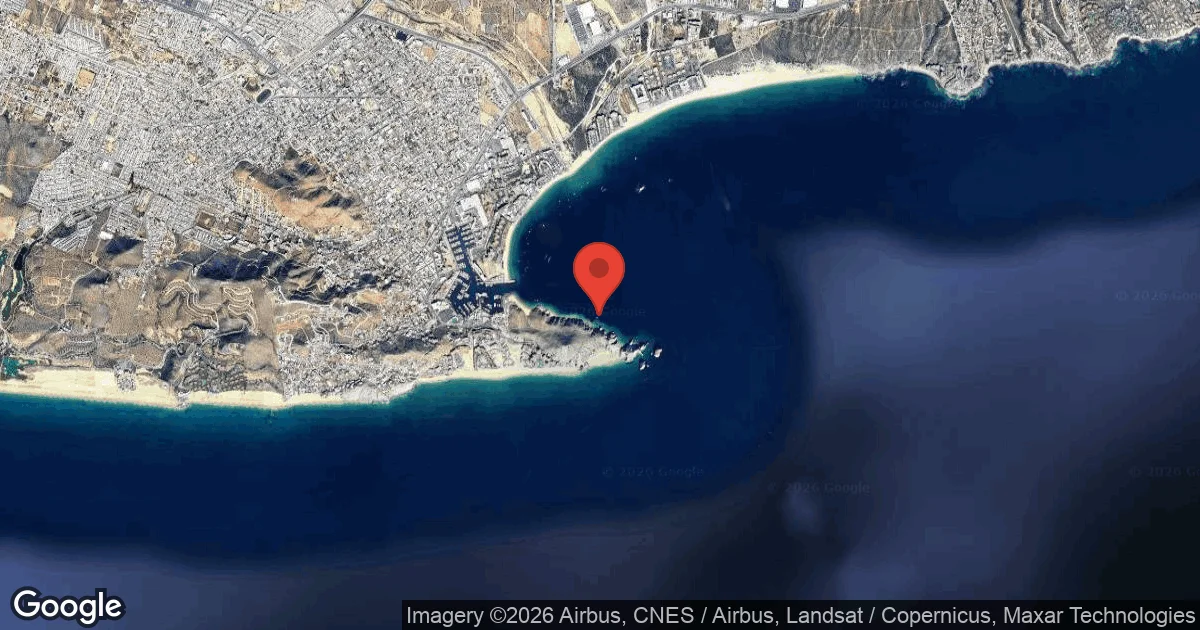
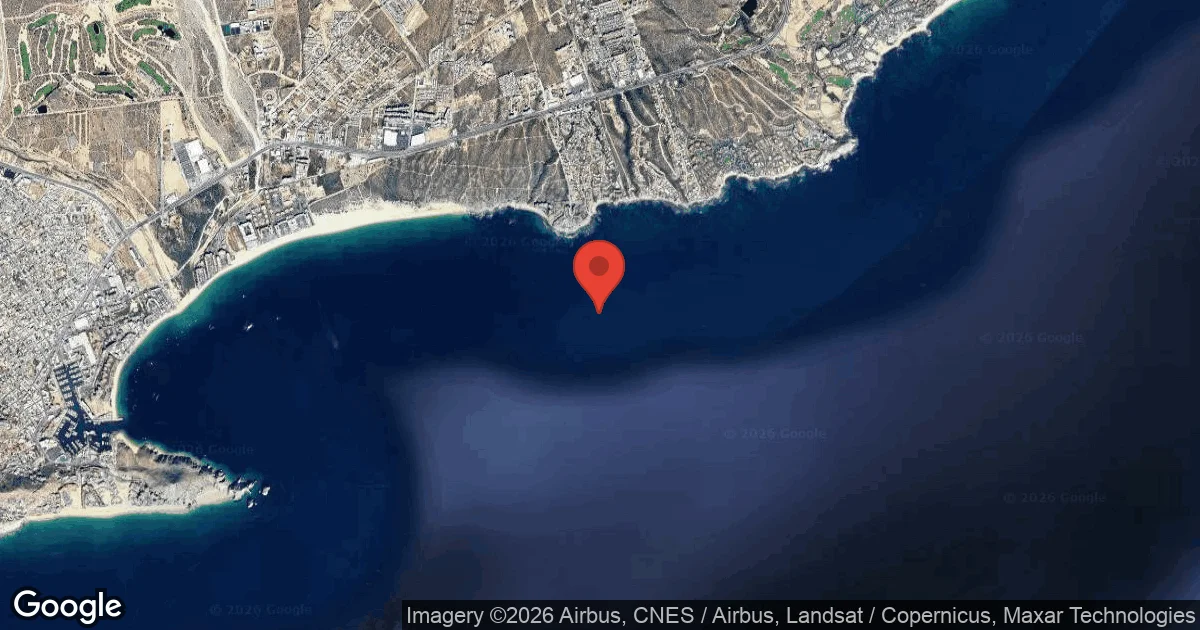
North Wall frequently experiences noticeable currents, which can vary from little to moderate, sometimes reaching 1-2 knots. These dynamic water movements shape the diving experience, often allowing for exciting drift dives. Positioned off Cabo San Lucas, this site features a significant sandy slope and a dramatic wall, inviting divers to explore its diverse topography down to recreational limits.
As evening covers North Wall, the local air temperature is measured at 30.5°C. The current wave height at the surface is recorded at 1.3 m. These late-day readings characterize the surface conditions for the night.
Dive Site Location & Key Facts
Dive Site Overview
Exploring North Wall reveals a rich tapestry of underwater environments, appealing to a spectrum of certified divers. The dive usually initiates over a sandy slope, which gradually transitions from approximately 4.5 m (15 ft) to deeper sections before meeting a distinctive wall.
While recreational divers often target a maximum depth of 30 m (98 ft), the wall itself plunges to depths beyond 60 m (200 ft), indicating its substantial vertical presence and potential for technical exploration. This site's varied topography encompasses not only extensive sandy bottom areas but also vibrant reef sections and even reports of cavernous features, though these are not consistently described. Navigating these distinct zones allows divers to refine a range of skills, from precise buoyancy control along the vertical drop-offs to efficient finning over open sandy expanses.
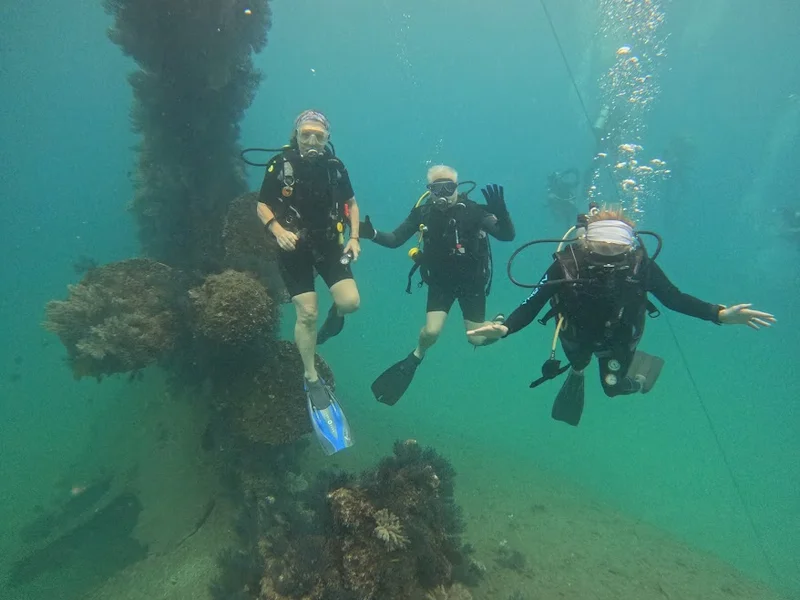
Dense coral growth and large sponges characterize some areas of the wall, providing excellent visual interest. Access is consistently by boat, with departures from Cabo San Lucas, ensuring divers can reach this dynamic location effectively.
Its complex structure supports different dive profiles, whether focusing on shallower coral growth or exploring the deeper contours of the wall.
Conditions are Good
Optimal conditions expected
Current conditions near North Wall show 30° air, 32° sea temperature, 1.3 m waves, and 29 km/h wind. Forecast data is refreshed regularly to ensure accuracy.
Best Time to Dive
Planning a dive at North Wall involves considering the seasonal variations for the best experience. The water temperature shows a wide range, from 16-29°C (61-84°F), with colder thermoclines possible even during summer months. Air temperatures generally track warmer, ranging from 18-29°C (64-84°F) throughout the year. Visibility varies significantly, often ranging from 5 to 25 meters, which is approximately 16 to 82 feet of clarity. The clearest conditions are typically observed from August to November. During these months, rain precipitation is higher (e.g., September averages 2.26 mm), but the improved visibility often outweighs this. Currents here are generally little to moderate, though 1-2 knots can occur, enhancing drift diving opportunities. For comfortable diving and good visibility, late summer through autumn often provides a favorable window, despite the slight increase in rainfall.
PEAK SEASON SCORE
Scores combine air & water temps, waves, wind & rainfall for overall conditions.
BEST MONTHS TO DIVE
Monthly records compiled from satellite and marine observation nodes over the last 3 years. Data provided by Open-Meteo and MET Norway.
Dive Experience & Conditions
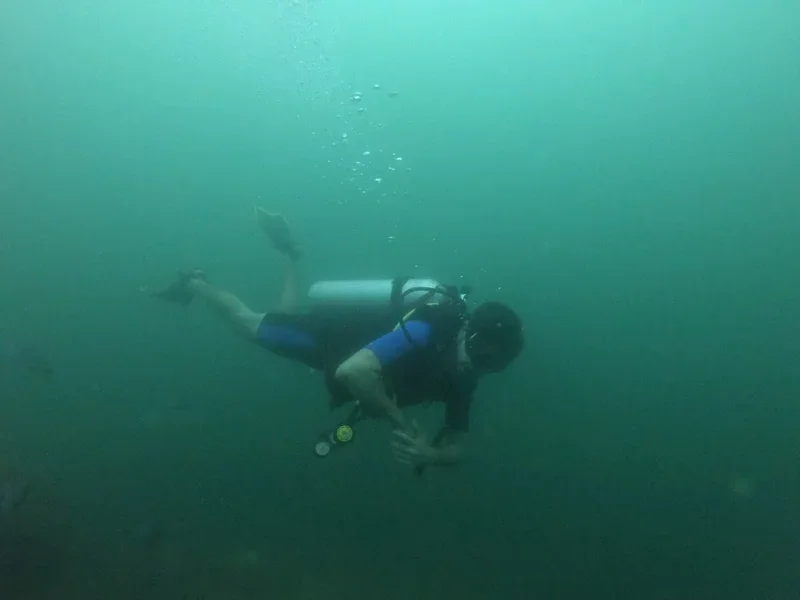
Beginning the descent at North Wall, divers first encounter the sandy slope, which transitions into the main wall structure. The maximum recreational depth typically explored is 30 m (98 ft), though the wall extends much deeper. Throughout the dive, visibility can fluctuate, ranging anywhere from 5 to 25 meters, or roughly 16 to 82 feet, depending on the day's conditions, often being clearer during late summer and autumn. Currents are a defining feature, varying from subtle to a more pronounced 1-2 knots, allowing for potential drift dives where the current guides exploration along the wall. Water temperatures experienced during the dive range from 16-29°C (61-84°F), with thermoclines a distinct possibility, even in warmer months. Such thermal shifts often require careful planning for exposure protection. This dynamic environment, with its variable currents and temperatures, provides a challenging yet rewarding experience.
Dive Difficulty & Safety Guidelines
Navigating North Wall safely requires divers to possess adequate training and experience due to the site's characteristics. The varying currents, which can reach 1-2 knots, mean strong buoyancy control and drift diving techniques are highly beneficial. Open Water Diver certification is a foundational requirement, but divers often find Advanced Open Water Diver training particularly useful here for managing deeper sections and potential drift scenarios.
For those interested in exploring beyond recreational limits, specialized training like Tec 40/45/50 is suggested, acknowledging the wall's deeper extensions. Always plan your dive profile carefully, respecting the site's recreational depth limits and potential thermoclines. It's also prudent to carry a Surface Marker Buoy for surface visibility after drift dives.
Recommended Equipment
- Dive Computer
- DSMB
This gear list is based on verified equipment signals for North Wall, Mexico. Always confirm final gear choices with your dive operator, guide, or liveaboard.
Recommended Dive Suit
Forecast models show minimal temperature variation in the coming days.
Some divers prefer slightly warmer exposure protection simply for additional comfort.
Dive skin or rash guard usually works well for maintaining comfort during standard dive profiles in these conditions. The surrounding waters at North Wall are currently registering temperatures of roughly 32°C (90°F). Surface air temperatures are resting at 30°C (87°F).
Due to technical issues with our weather providers, live updates are temporarily delayed. The data above reflects the conditions at the time of the last successful fetch.
Emergency & Medical Support
Essential information to help you plan your dive trip to NORTH WALL.

Hyperbaric chambers are a critical part of dive safety infrastructure. Availability varies significantly by region, and not all dive areas have immediate access.
Before diving, it's recommended to:
- confirm nearest medical facilities
- check emergency procedures with local dive operators
- ensure dive insurance covers evacuation if required
Divers Alert Network
Diving emergency assistance available through DAN World.
+1-919-684-9111- 24/7 emergency hotline
- Diving medical assistance
- Evacuation coordination
Emergency contacts are provided for reference. Always verify local emergency services before diving.
Marine Life at North Wall
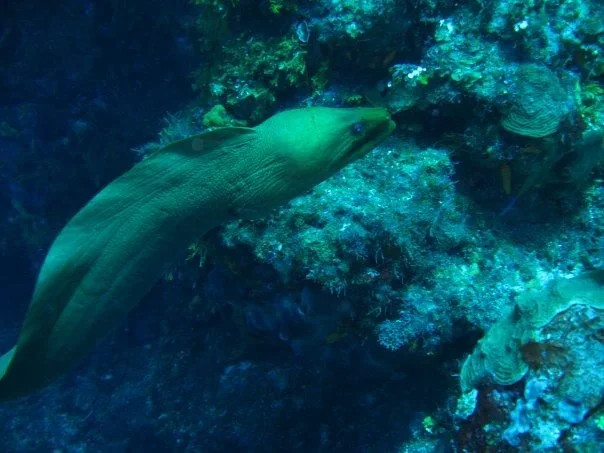
North Wall's diverse topography supports a good variety of marine life throughout its sandy and wall sections. Keep an eye out for moray eels, which are common sightings, often found tucked into crevices along the reef.
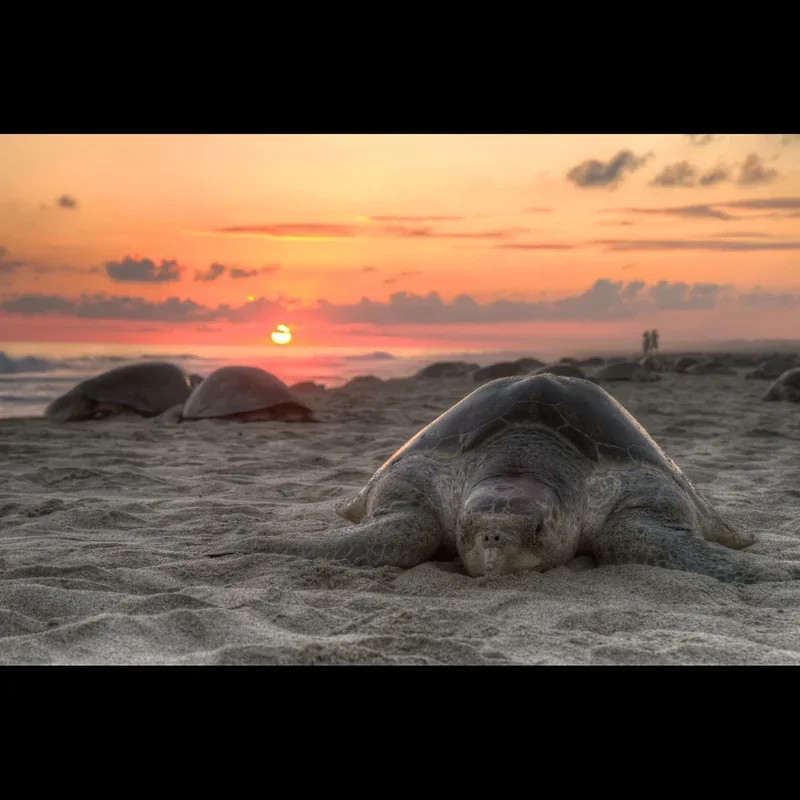
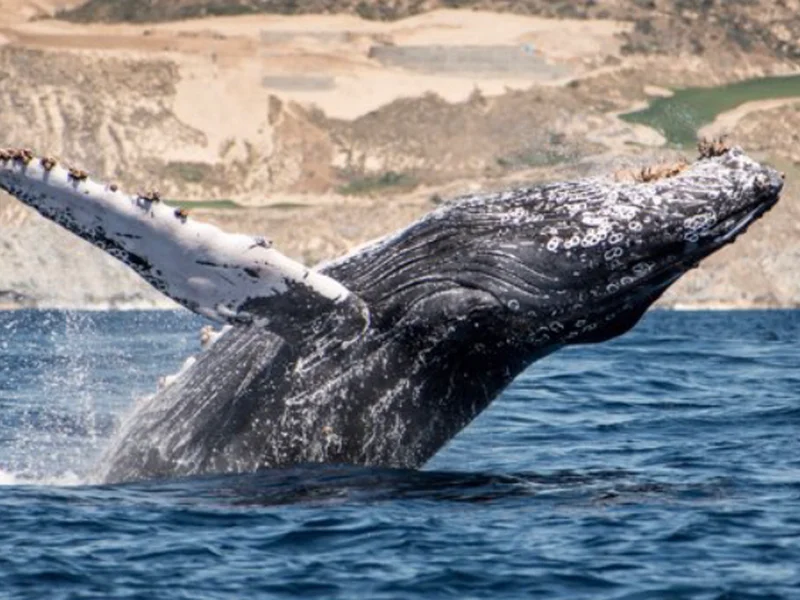
Sea turtles frequently cruise the area, and various nudibranchs are present for macro enthusiasts. During specific seasons, divers might encounter larger pelagics like mobula rays, or even spot passing whales and dolphins.
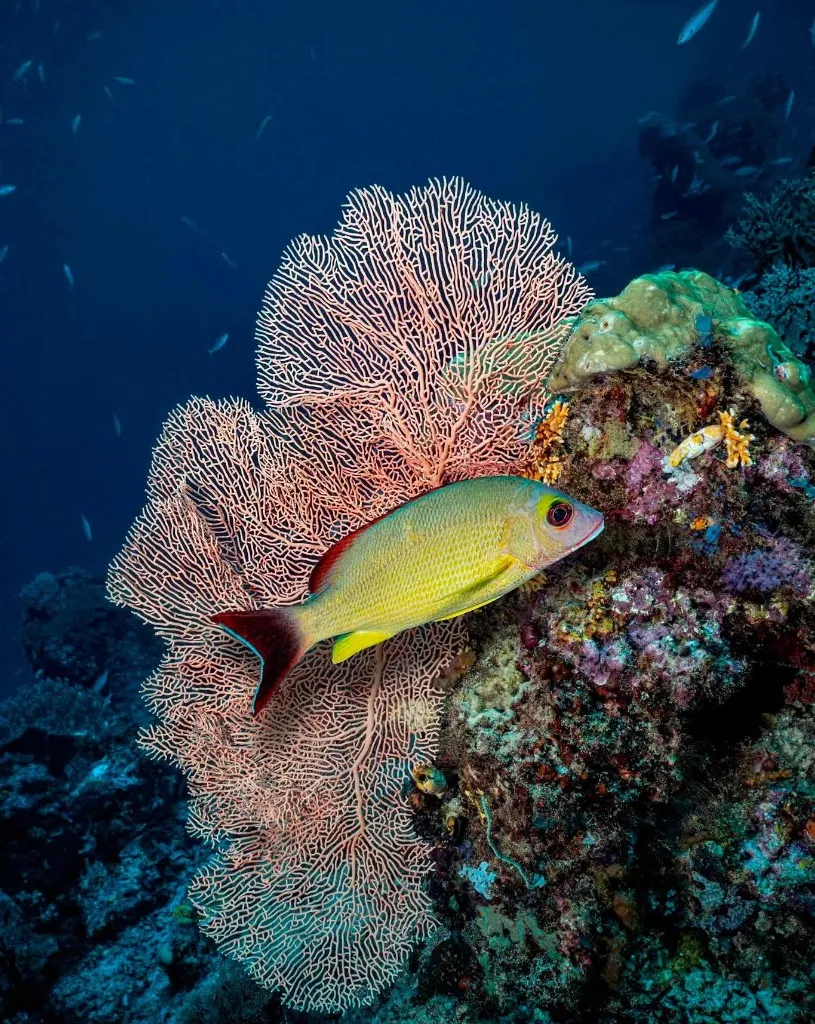
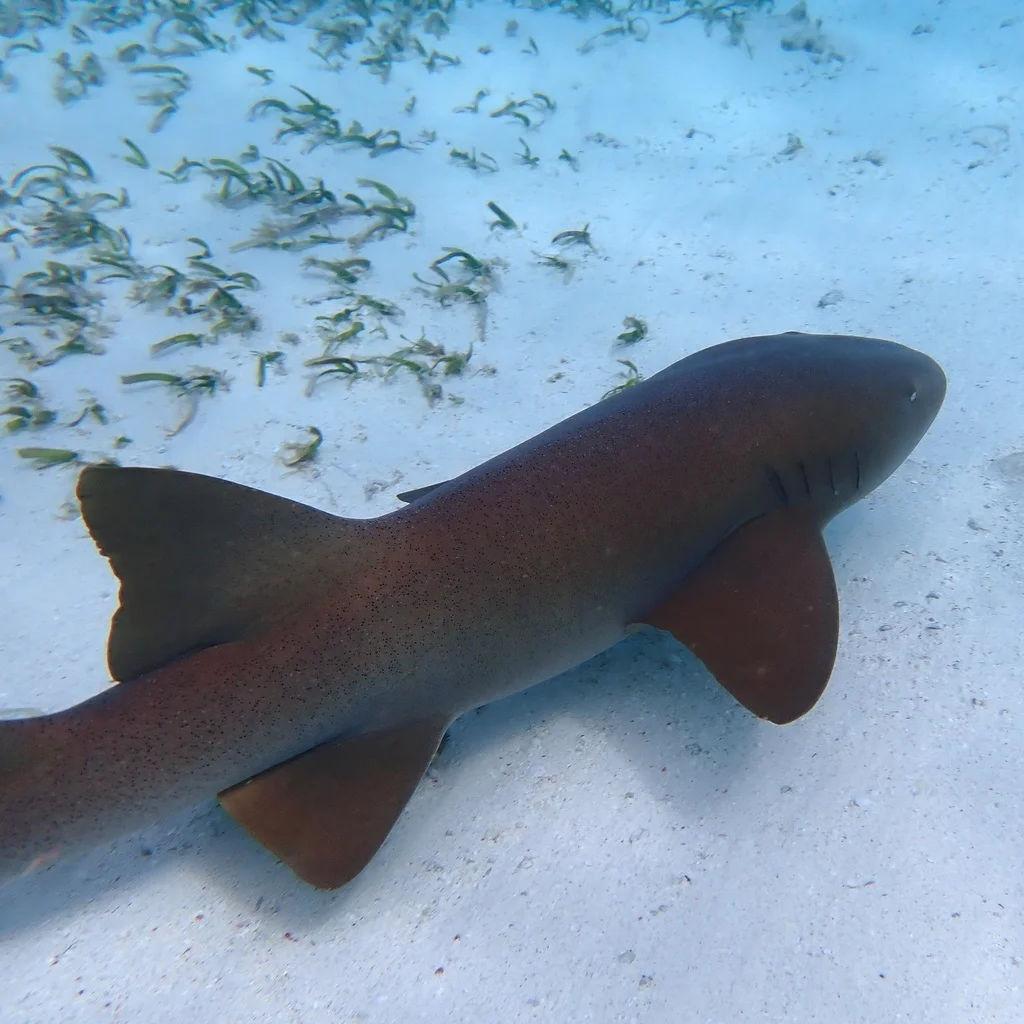
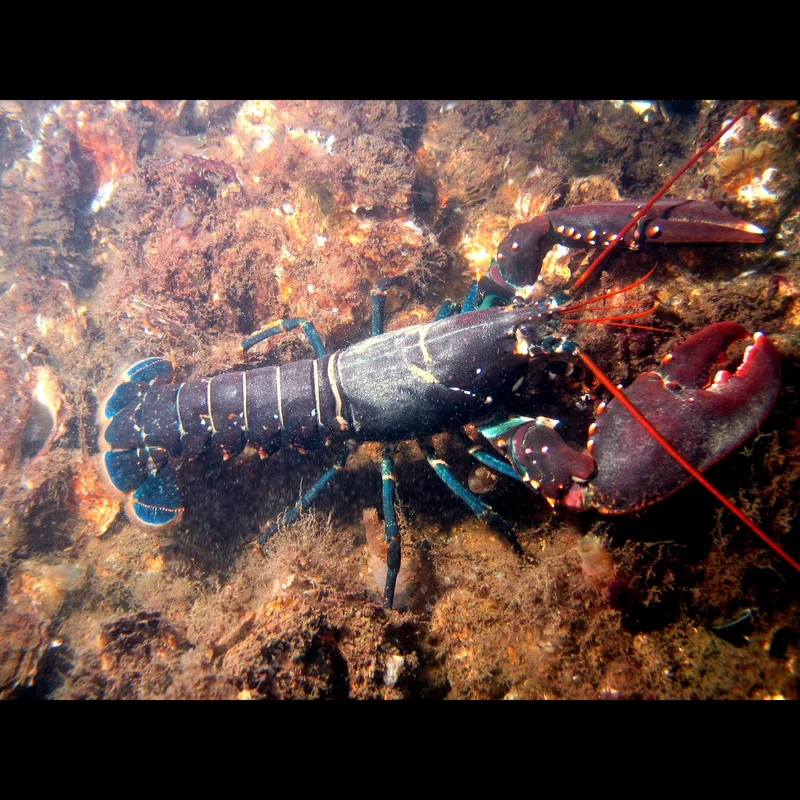
Reef fish, including groupers, snappers, and parrot fish, populate the coral formations. Other notable inhabitants include eagle rays, barracuda, and occasionally nurse sharks. Divers with keen eyes may also spot the splendid toadfish or various crustaceans like lobsters hiding within the reef's structure.
Dive Sites Near North Wall
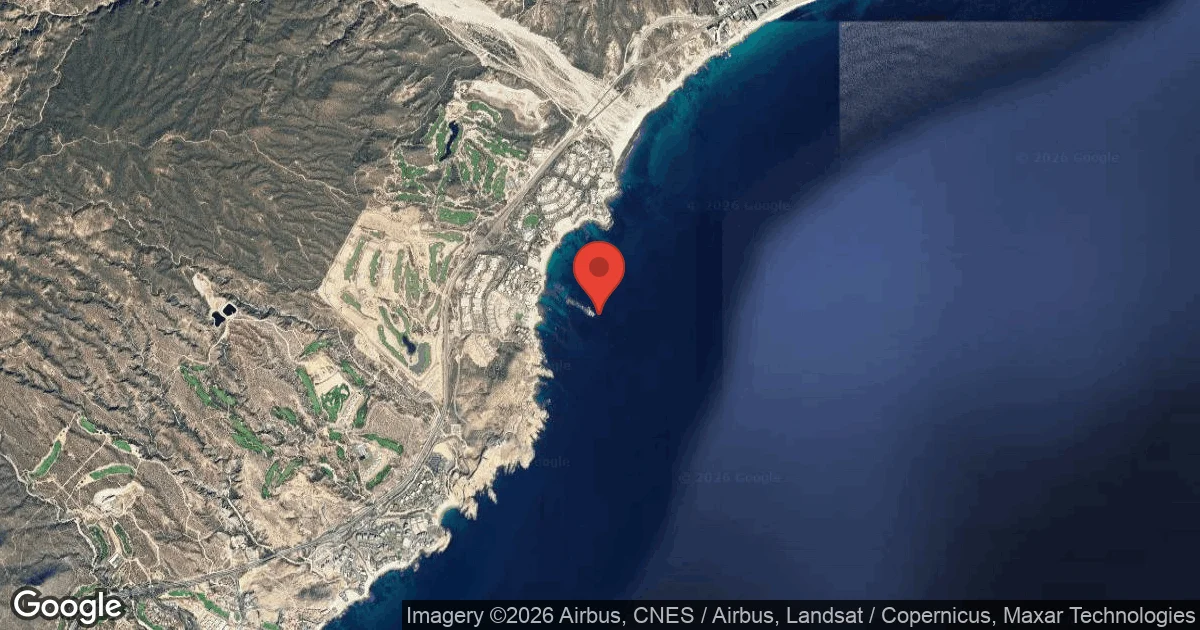
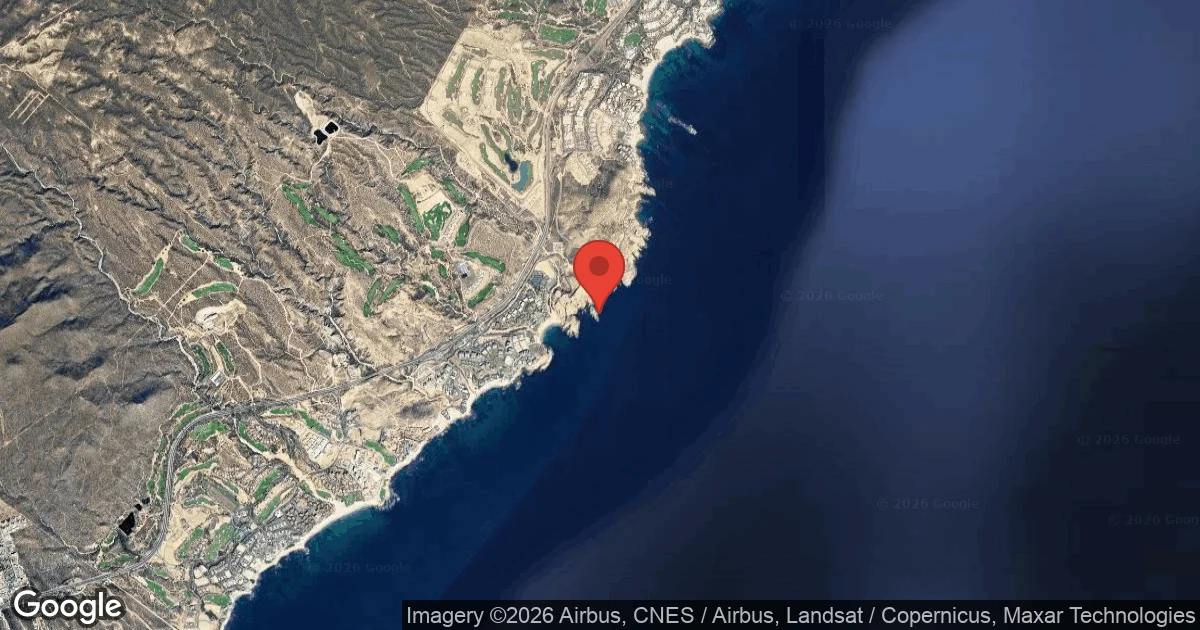
View all dive sites in MexicoDiscover more underwater gems in this area.
Dive Centers Near North Wall
Today: 07:00 - 17:30
Nearest Airports
Nearest airports to help plan travel to this dive area.
Search Flights
Check available flights and routes on Expedia, using the nearby airports listed in this section.
Search Flights on ExpediaFrequently Asked Questions
What is the typical depth range for recreational diving at North Wall?
Recreational dives at North Wall generally extend to the maximum recreational depth. The site begins with a sandy slope that transitions into a deeper wall structure.
Are there strong currents at North Wall?
Currents at North Wall can vary from little to moderate, with occasional speeds of 1-2 knots. This makes it an ideal location for practicing drift diving techniques.
What kind of marine life can I expect to see at North Wall?
You can frequently spot moray eels, sea turtles, and various nudibranchs along the wall and reef sections. Larger sightings like mobula rays, whales, and dolphins are possible seasonally.
What's the water temperature like at North Wall?
Water temperatures at North Wall range from 16-29°C (61-84°F) throughout the year. Be prepared for potential thermoclines, even during warmer months.
Is North Wall suitable for beginner divers?
While Open Water Diver certified individuals can explore the shallower sections, the dynamic currents and deeper options make Advanced Open Water Diver training beneficial. The site offers opportunities for divers of all levels to practice new techniques.
How do divers typically access North Wall?
Access to North Wall is exclusively by boat. Dive operators in Cabo San Lucas regularly arrange trips to this site.
When is the visibility best at North Wall?
Visibility at North Wall typically ranges from 5 to 25 meters, roughly 16 to 82 feet of clarity, with the clearest conditions often observed from August to November. This period often coincides with slightly higher rainfall but offers enhanced underwater clarity.
Planning to dive North Wall?
Send one inquiry and receive offers directly from the best verified local dive operators.
Conditions are Good
Optimal conditions expected
Current conditions near North Wall show 30° air, 32° sea temperature, 1.3 m waves, and 29 km/h wind. Forecast data is refreshed regularly to ensure accuracy.