
Diving at Bergse Diepsluis (Netherlands)
Bergse Diepsluis divers should prepare for potentially busy conditions and practice sound navigation; exiting away from the designated entry point can be tricky. Often referred to as Oesterdam, the site draws many for its consistent conditions. Setting within an Oosterschelde tributary ensures minimal current, making it a reliable destination. Despite crowds, the dive offers accessible entry and engaging underwater features for various skill levels.
Evening condition tracking at Bergse Diepsluis features an air temperature of 18°C. We have recorded wave heights measuring 0.4 m during this period. These figures outline the environmental parameters currently present.
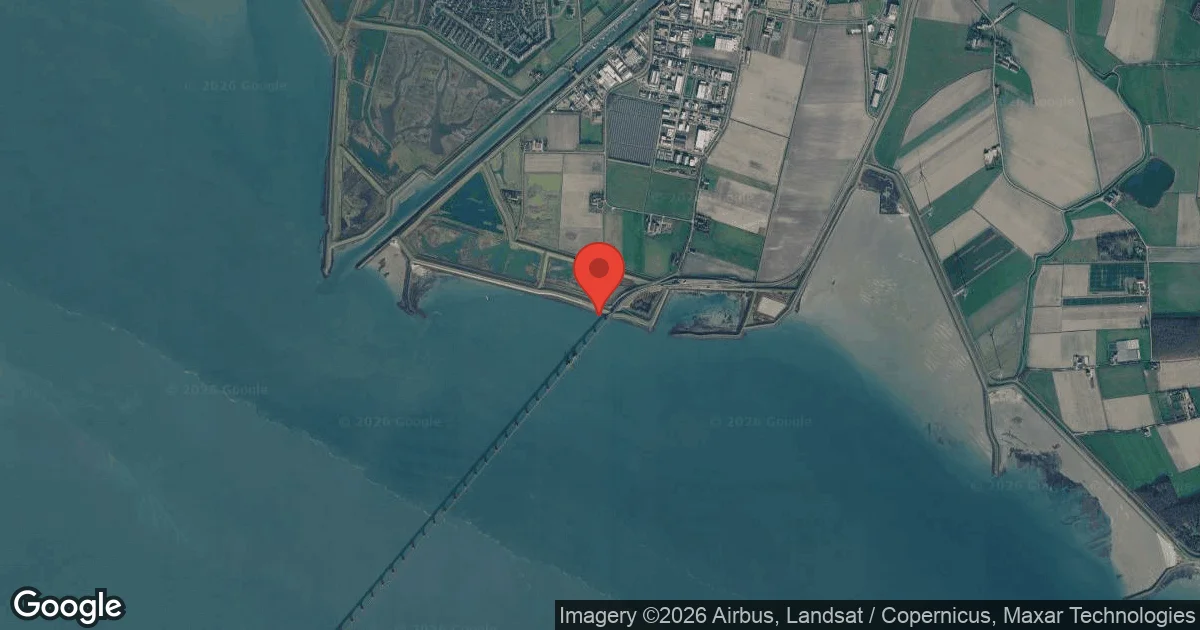
Dive Site Location & Key Facts
Dive Site Overview
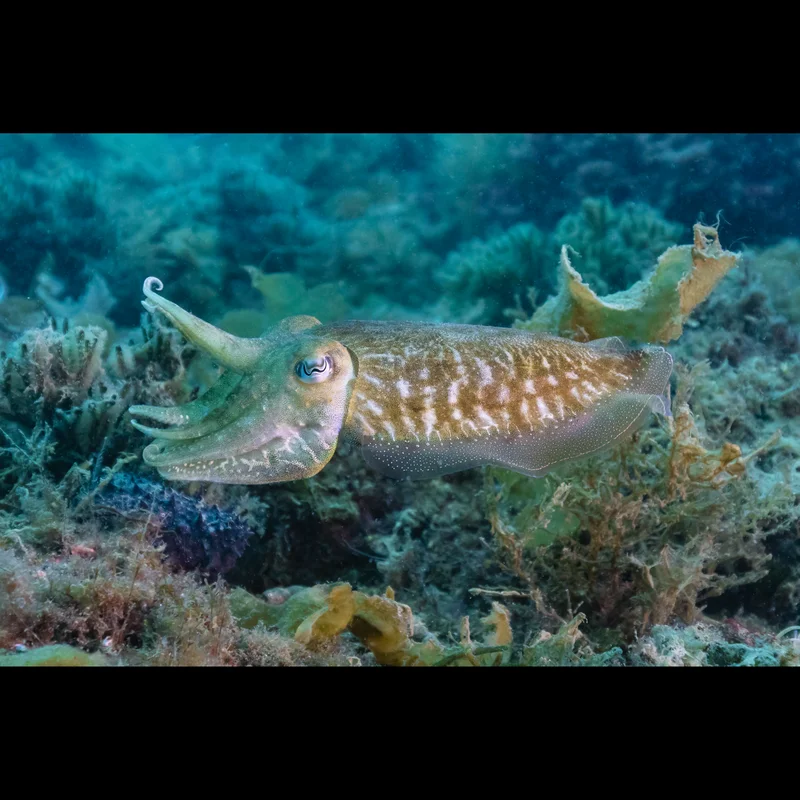
Bergse Diepsluis stands out as one of few Oosterschelde dive sites entirely free from tidal currents, enabling year-round access. A stable environment here provides ideal breeding grounds for sepia, or cuttlefish, migrating en masse each spring for mating.
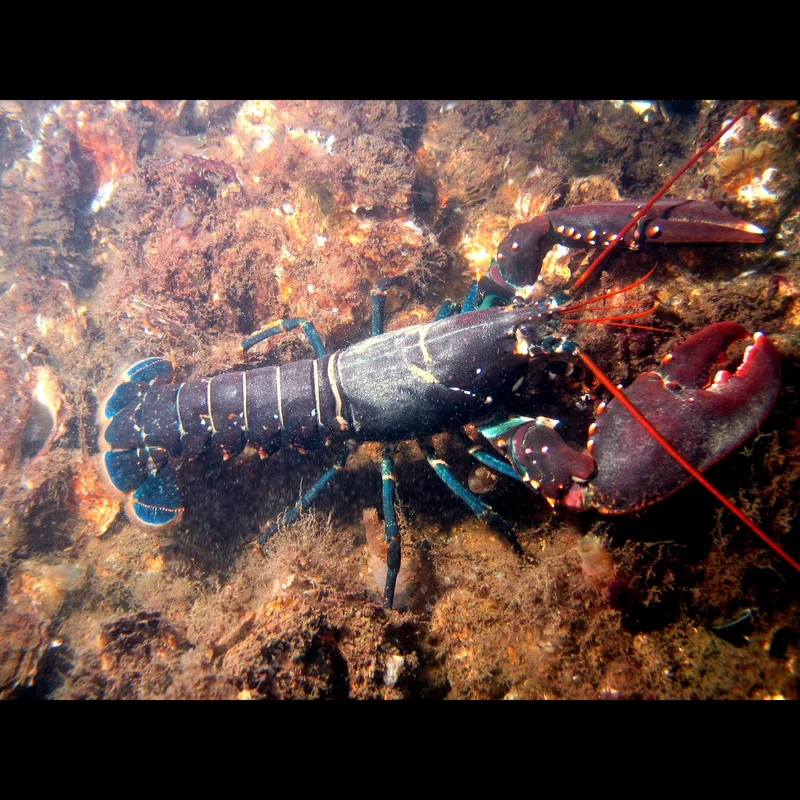
Hundreds of divers arrive annually to witness this phenomenon, particularly when water temperatures reach 12°C (53°F). Beyond the seasonal spectacle, a gently sloping dyke wall is abundant with various crabs and lobsters. Divers often discover rich ecological activity along this submerged structure.
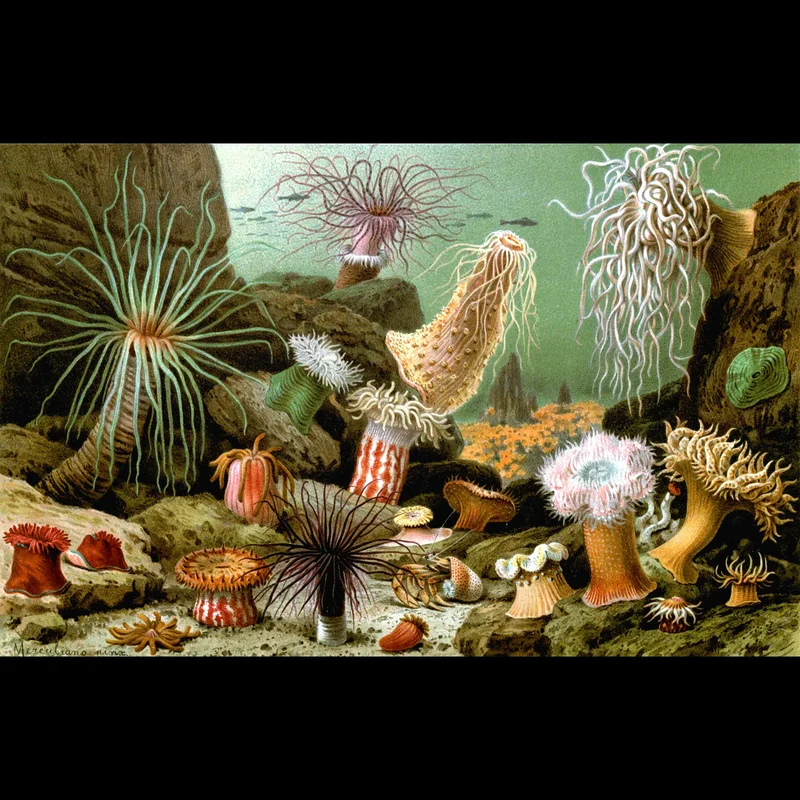
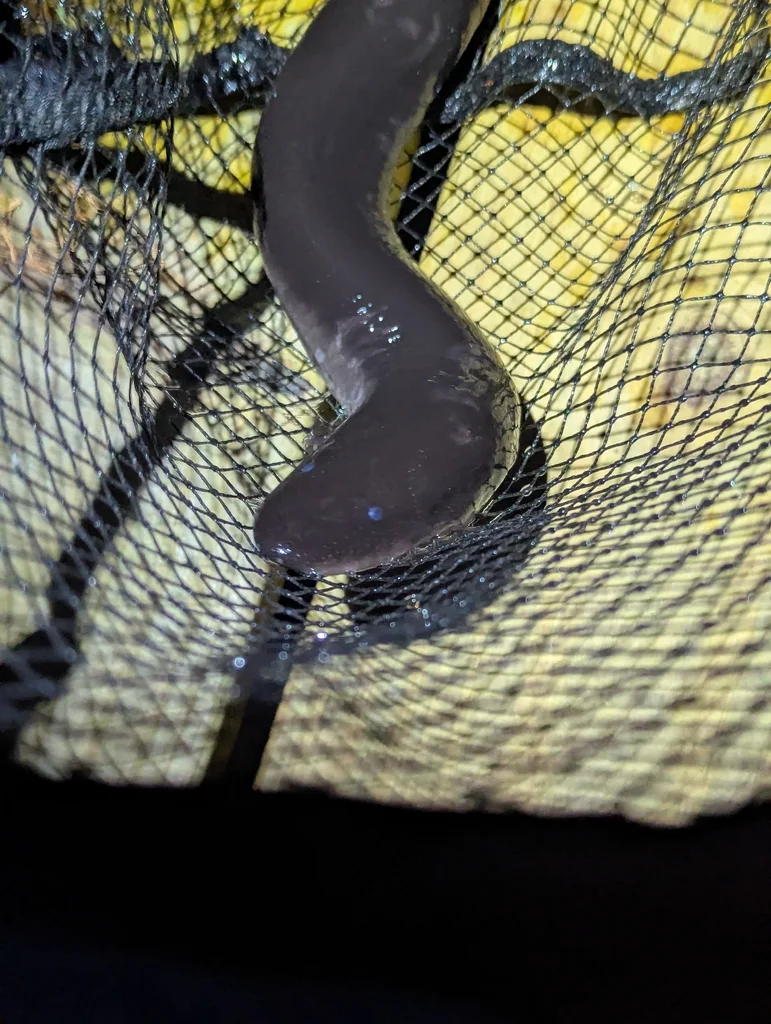
An old platform also lies at approximately 10 meters, heavily overgrown with oysters, sea squids, and an array of anemones, providing refuge for conger eels and poor cod. This location welcomes all diver levels, including beginners under supervision, offering a maximum depth of 19 m (62 ft) in its deeper sections.
Conditions are Good
07:00 - 14:00
Optimal conditions expected
Current conditions near Bergse Diepsluis show 18° air, 20° sea temperature, 0.7 m waves, and 31 km/h wind. Forecast data is refreshed regularly to ensure accuracy.
Best Time to Dive
Dive planning at Bergse Diepsluis primarily revolves around the seasonal cuttlefish migration, commencing when water temperatures reach 12°C (53°F) in spring. While this period attracts many for its unique marine life event, excellent diving conditions are often reported throughout much of the year, with high dive scores from January to June and August to December. Air temperatures are mildest during late spring and summer, typically ranging from 14°C (57°F) in May to 18.5°C (65°F) in August, which can enhance comfort during surface intervals. Rainfall is consistently moderate across seasons, with slightly higher averages in October and November. Calm, current-free waters mean underwater visibility, typically averaging 4 meters and ranging 2-5 meters, becomes the primary factor influencing dive planning outside the sepia season.
PEAK SEASON SCORE
Scores combine air & water temps, waves, wind & rainfall for overall conditions.
BEST MONTHS TO DIVE
Monthly records compiled from satellite and marine observation nodes over the last 3 years. Data provided by Open-Meteo and MET Norway.
Dive Experience & Conditions
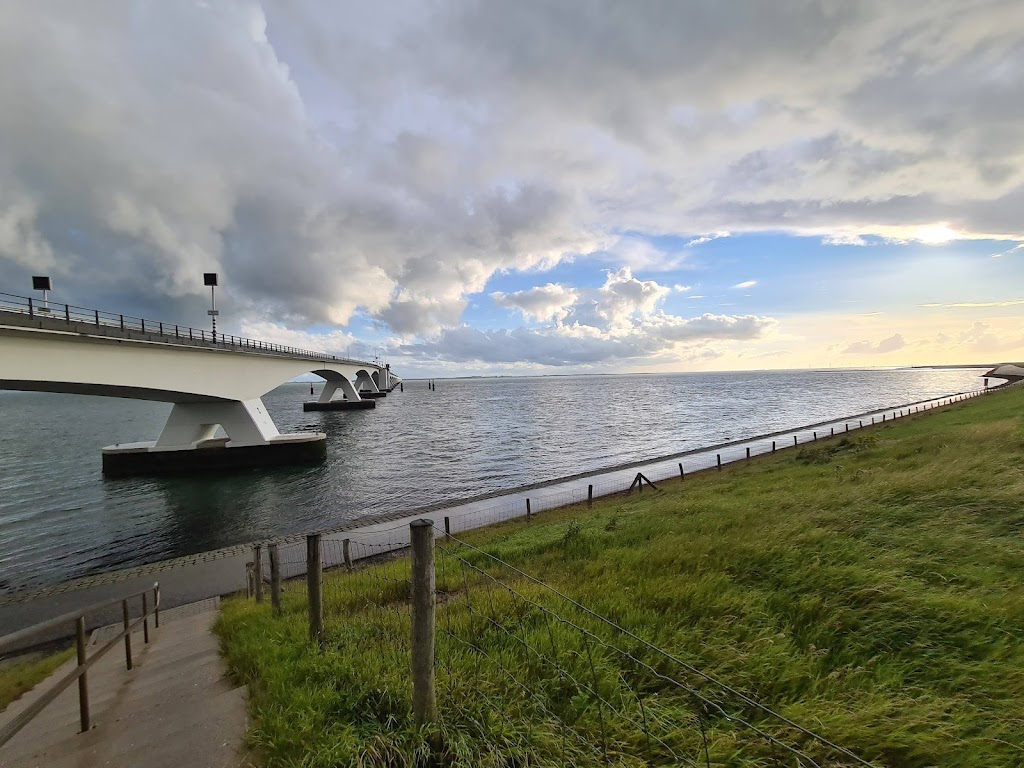
Water entry at Bergse Diepsluis is convenient via a concrete staircase with a handrail, leading into a calm, current-free environment. Underwater, the landscape gradually descends to a maximum depth of 19 meters, consisting primarily of sand, stones, natural oyster beds, and rubble. Divers can experience visibility typically ranging from 2 to 5 meters, averaging 4 meters, which requires attentive navigation. An identifiable platform sits at a depth of 10 meters, acting as a key navigation point and a hub of marine activity. Observing the numerous crabs, lobsters, and anemones clinging to the dyke wall provides a consistent sensory impression of a thriving, albeit sometimes obscured, underwater ecosystem.
Dive Difficulty & Safety Guidelines
Effective navigation is crucial when diving Bergse Diepsluis; the site can become busy, and exiting the water away from the main entry point is challenging. Due to its popularity, situational awareness is important for diver groups. Divers are encouraged to participate in Project Baseline by reporting measurement data at the platform's 10-meter marker.
This project helps monitor the site's environmental health. Accessible to all levels, beginners are advised to dive under direct supervision for a safe experience.
Facilities, including diver stairs, mobile toilets, and an AED, support a well-prepared diving environment.
Recommended Equipment
- Dive Computer
This gear list is based on verified equipment signals for Bergse Diepsluis , Netherlands. Always confirm final gear choices with your dive operator, guide, or liveaboard.
Recommended Dive Suit
Repeated dives during the same day can gradually reduce overall body warmth.
Environmental readings suggest that the waters surrounding Bergse Diepsluis are about 20°C (68°F) at the moment. Surface air temperatures are resting at 18°C (65°F). Divers spending extended time underwater often rely on 5mm wetsuit for balanced warmth and flexibility. A hood or vest is suggested for sensitive divers due to surface winds. Surface intervals may feel cooler.
The forecast outlook suggests that temperatures will stay close to current levels.
Emergency & Medical Support
Essential information to help you plan your dive trip to Bergse Diepsluis .

Hyperbaric chambers are a critical part of dive safety infrastructure. Availability varies significantly by region, and not all dive areas have immediate access.
Before diving, it's recommended to:
- confirm nearest medical facilities
- check emergency procedures with local dive operators
- ensure dive insurance covers evacuation if required
Divers Alert Network
Diving emergency assistance available through DAN Europe.
+39 0642115685- 24/7 emergency hotline
- Diving medical assistance
- Evacuation coordination
Emergency contacts are provided for reference. Always verify local emergency services before diving.
Closest Listed Hyperbaric Chambers
Showing listed hyperbaric chamber facilities within 200 km of this dive site.
Distances are approximate straight-line distances and may not reflect emergency travel time.
ADRZ Hospital/Medisch Centrum Hyperbare Zuurstoftherapie
24/7 ListedGoes, Netherlands•Approx. 19 km straight-line
ADRZ Hospital/Medisch Centrum Hyperbare Zuurstoftherapie
24/7 ListedInformation is provided for reference and planning purposes only. Dive Navigator does not verify operational status, staffing, availability, or quality of care at listed facilities. In an emergency, contact local emergency services, DAN, your dive operator, or the chamber directly. Do not travel to a facility without calling ahead.
Hyperbaar Geneeskundig Centrum Rijswijk (HGC)
24/7 ListedRijswijk, Netherlands•Approx. 60 km straight-line
Hyperbaar Geneeskundig Centrum Rijswijk (HGC)
24/7 ListedInformation is provided for reference and planning purposes only. Dive Navigator does not verify operational status, staffing, availability, or quality of care at listed facilities. In an emergency, contact local emergency services, DAN, your dive operator, or the chamber directly. Do not travel to a facility without calling ahead.
Da Vinci Kliniek
Geldrop, Netherlands•Approx. 97 km straight-line
Da Vinci Kliniek
Information is provided for reference and planning purposes only. Dive Navigator does not verify operational status, staffing, availability, or quality of care at listed facilities. In an emergency, contact local emergency services, DAN, your dive operator, or the chamber directly. Do not travel to a facility without calling ahead.
Marine Life at Bergse Diepsluis
Spring's vibrant cuttlefish migration immediately captures attention, with hundreds of these cephalopods arriving to mate, often utilizing structures placed by local conservation efforts. Beyond this seasonal event, closer inspection reveals a diverse resident population.
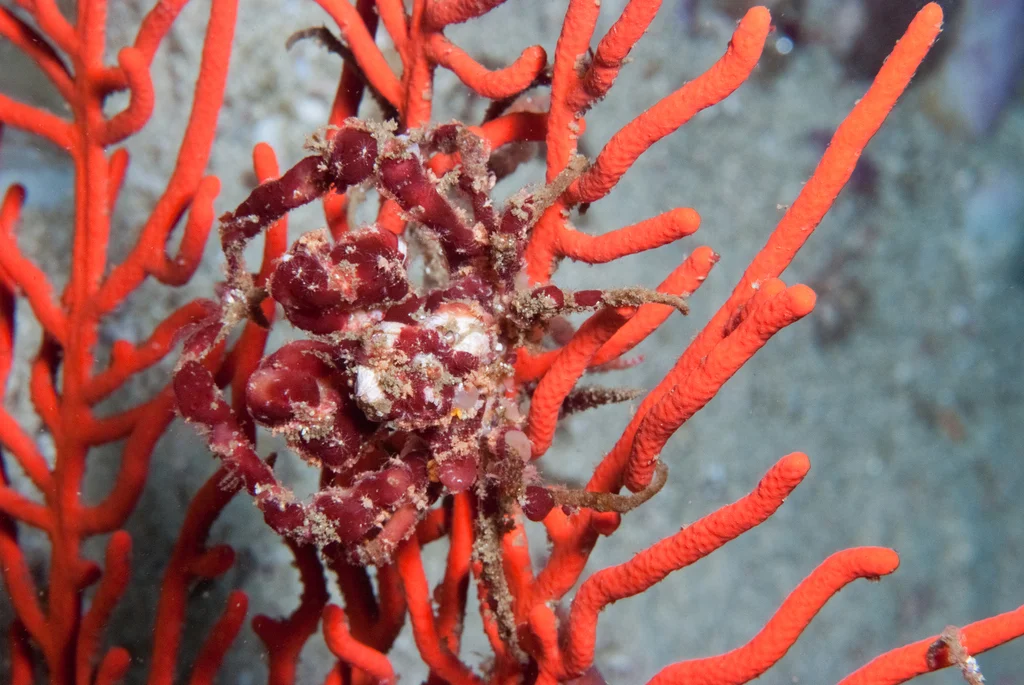
Expect to notice various crabs, including velvet swimming crabs and spider crabs, alongside lobsters and eels inhabiting the dyke wall. An established platform at 10 meters is encrusted with oysters, sea squids, and dahlia anemones, creating a home for butterfish, gobies, and even occasional conger eels.
Seahorses and different nudibranchs are also frequently sighted, making slow, methodical exploration rewarding.
Dive Sites Near Bergse Diepsluis
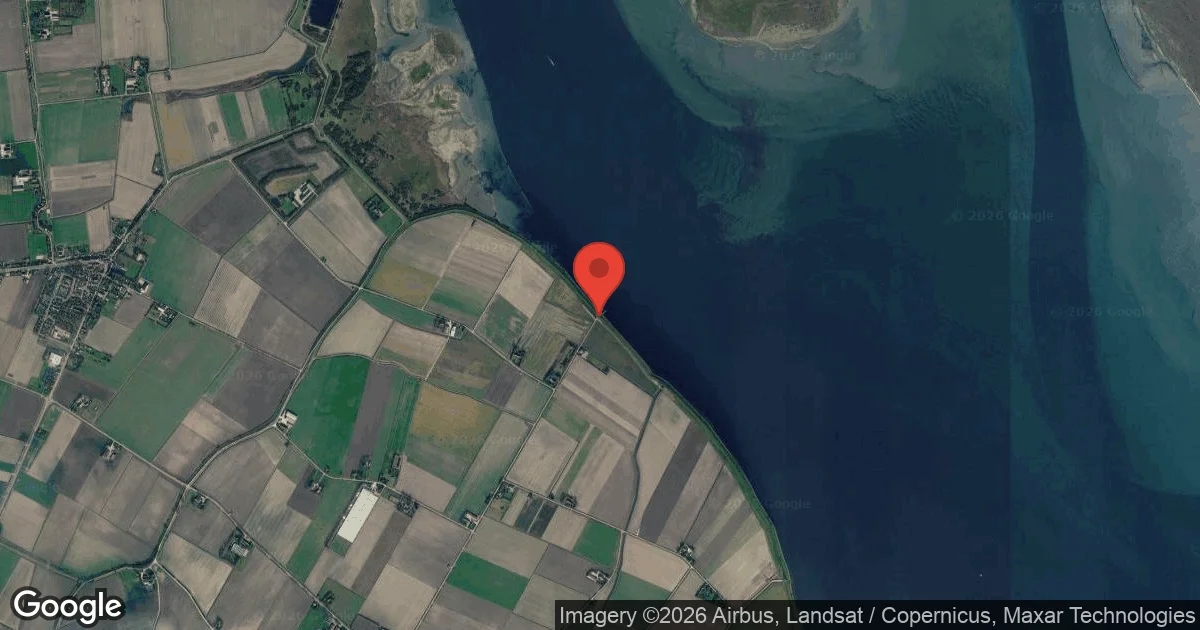
View all dive sites in NetherlandsDiscover more underwater gems in this area.
Dive Centers Near Bergse Diepsluis
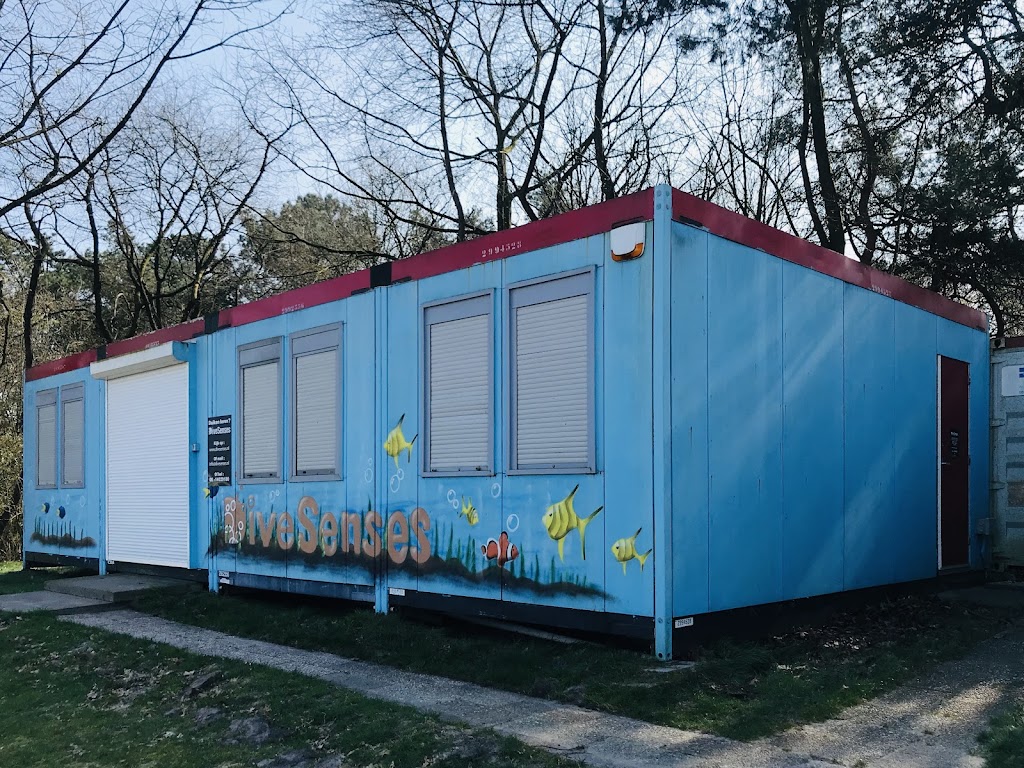
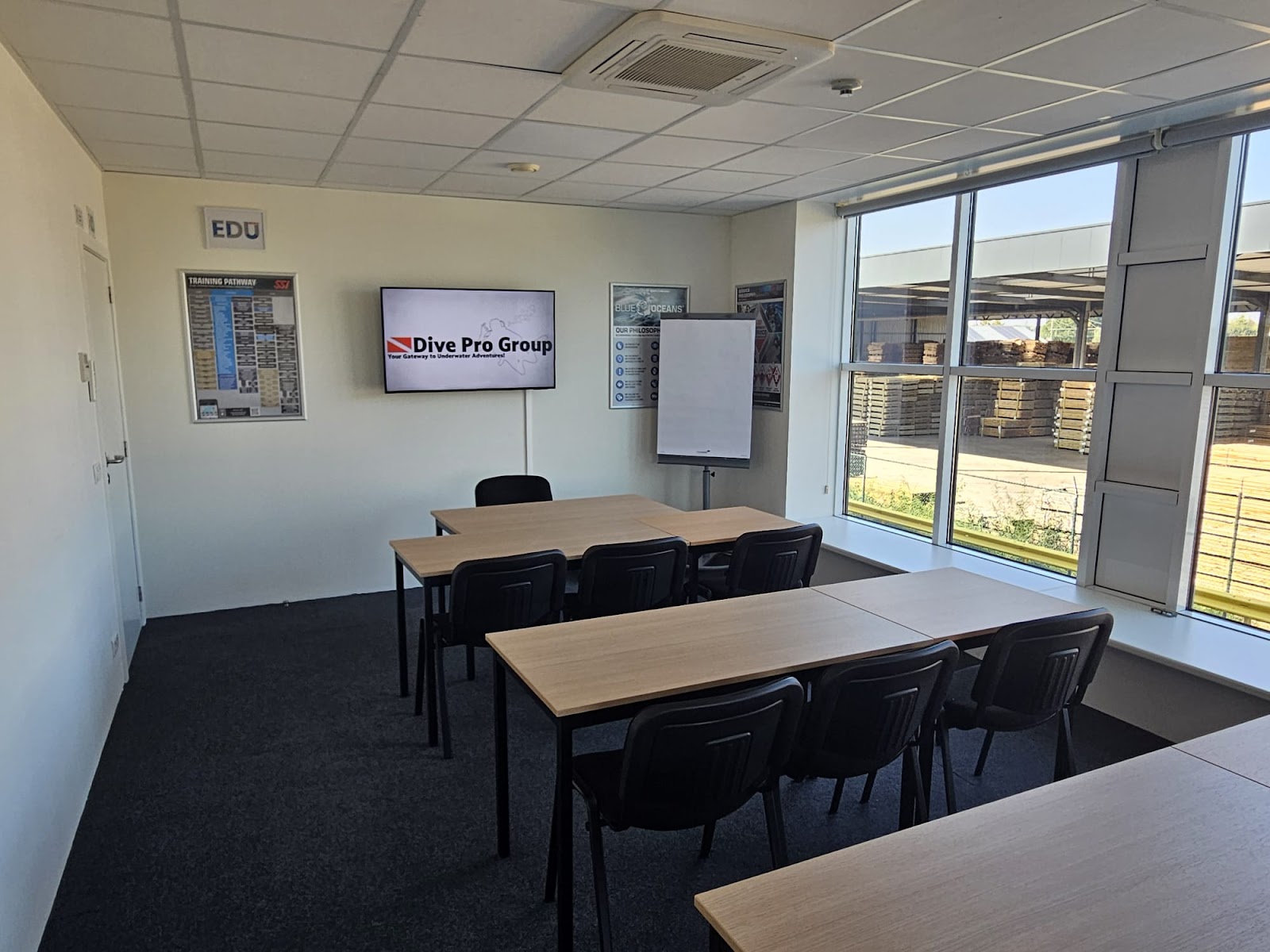
Today: Open 24 hours
Nearest Airports
Nearest airports to help plan travel to this dive area.
Search Flights
Check available flights and routes on Expedia, using the nearby airports listed in this section.
Search Flights on ExpediaFrequently Asked Questions
Are there strong currents at Bergse Diepsluis?
No, Bergse Diepsluis is specifically known for its lack of tidal current. This makes it a reliable dive site where diving is almost always possible, regardless of the tide.
What is the maximum depth at Bergse Diepsluis?
The site reaches a maximum depth of 19 meters. This depth makes it suitable for a wide range of certified recreational divers.
When is the best time to see cuttlefish?
The spring months are optimal for observing the cuttlefish migration. They typically appear when water temperatures reach 12°C (53°F), gathering here en masse for mating.
How clear is the water usually?
Visibility at Bergse Diepsluis varies, generally ranging from 2 to 5 meters. An average visibility of 4 meters is commonly reported, typical for many inland European dive sites.
Is the site suitable for beginner divers?
Yes, Bergse Diepsluis is considered suitable for all levels of divers. Beginners are welcome, though direct supervision is recommended to ensure safety and enhance their learning experience.
What is the entry method for this dive site?
Divers enter the water via a concrete staircase, which is equipped with a handrail for ease and safety. This setup provides convenient access from the shore.
Are there any specific navigation challenges?
While the site is current-free, good navigation is advised due to potential busyness and the difficulty of exiting the water away from the designated entry point. Using natural features and a compass can help maintain orientation.
Planning to dive Bergse Diepsluis ?
Send one inquiry and receive offers directly from the best verified local dive operators.
Conditions are Good
07:00 - 14:00
Optimal conditions expected
Current conditions near Bergse Diepsluis show 18° air, 20° sea temperature, 0.7 m waves, and 31 km/h wind. Forecast data is refreshed regularly to ensure accuracy.