
Diving at Zeelandbrug (Netherlands)
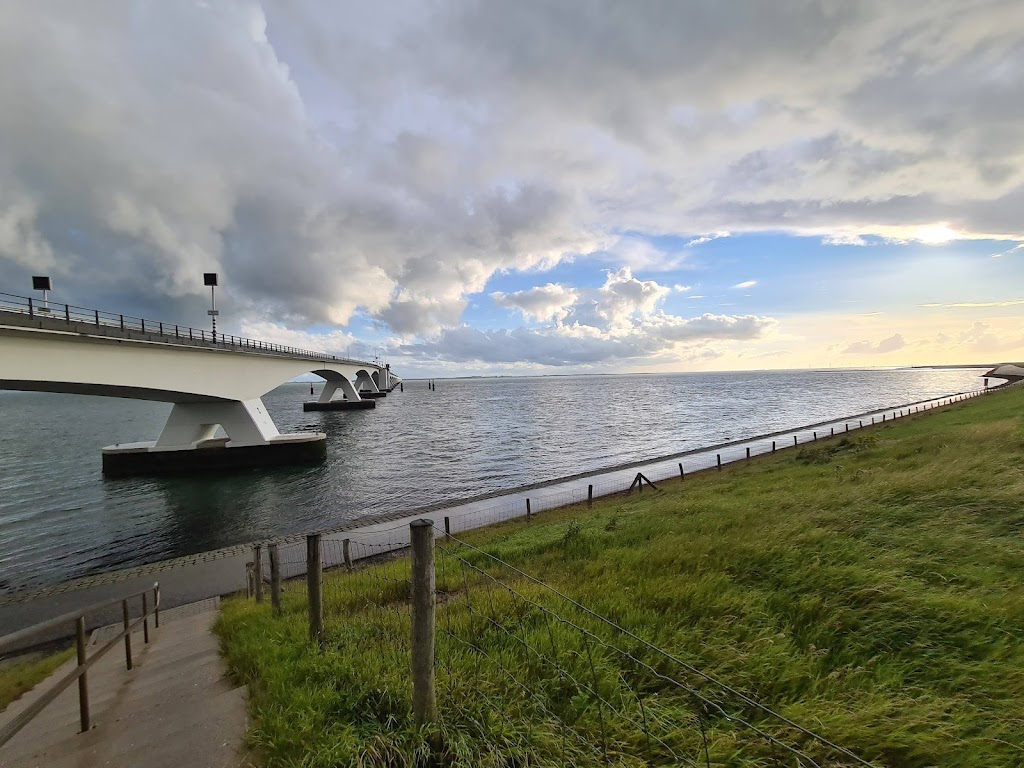
Zeelandbrug presents a compelling dive profile reaching a maximum depth of 21 m (69 ft), making it suitable for a range of certified divers. This site is defined by the substantial pillars of the bridge and an underlying stone reef. Recreational divers will find varied depths, from shallower sections around the dike to the deeper areas near the bridge supports, each supporting diverse marine communities.
As evening covers Zeelandbrug, the local air temperature is measured at 16.5°C. The current wave height at the surface is recorded at 1.5 m. These late-day readings characterize the surface conditions for the night.
Dive Site Location & Key Facts
Dive Site Overview
Diving at Zeelandbrug offers an exploration of the underwater structures beneath the long bridge. Divers typically enter from one of the designated stairs, allowing direct access to the water.
This provides a direct path to the abundant marine life populating the submerged environment. The dive site primarily consists of the bridge pillars themselves, the adjacent dike, and a rubble stone reef, all of which are richly overgrown with diverse marine organisms.
At its deepest, this site descends to about 21 meters, though many points of interest are found in shallower sections, often just a few meters down where light penetration is greater. These varied depths cater to different experience levels.
In 2009, steel slag was used to reinforce the dike, which initially impacted local marine life; however, the ecosystem has since recovered, providing renewed interest and demonstrating ecological resilience. Experienced divers have the option for drift dives from Zeelandbrug to adjacent sites like Halverwege and De Val, extending their exploration beyond the immediate bridge area and discovering broader patterns of marine life within the Oosterschelde.
Conditions are Moderate
High Wind Advisory (41km/h). Unsafe surface.
Current conditions near Zeelandbrug show 17° air, 20° sea temperature, 1.8 m waves, and 41 km/h wind. Forecast data is refreshed regularly to ensure accuracy.
Best Time to Dive
Considering the seasonal climate data, optimal diving at Zeelandbrug typically spans the spring and summer months, offering improved conditions. Air temperatures during months like May and June rise to around 13.5°C and 17.5°C respectively, with dive scores rated 'Good'. While water temperatures aren't consistently reported, the general trend indicates colder conditions outside these peak months. March also shows a 'Good' dive score with an average air temperature of 8.5°C, suggesting cooler but still favorable conditions. Rain levels are generally manageable throughout the year, but tend to be lower in late spring and early summer. Certain marine life, like cuttlefish, are observed from April to May, while seahorses are present from May through October, sometimes even into November, making these periods particularly appealing for specific encounters.
PEAK SEASON SCORE
Scores combine air & water temps, waves, wind & rainfall for overall conditions.
BEST MONTHS TO DIVE
Monthly records compiled from satellite and marine observation nodes over the last 3 years. Data provided by Open-Meteo and MET Norway.
Dive Experience & Conditions
Current dynamics at Zeelandbrug can sometimes be strong, influencing the dive experience, particularly for less experienced individuals. Conditions vary, and divers should be prepared for potential drift, especially when considering excursions to other sites. Understanding the local tide tables is crucial for planning entries and exits effectively. Visibility in the salt water typically ranges from 1 to 6 m (3 to 20 ft), with an average around three meters, which can impact navigation. Tides, both low and high water, play a significant role in current strength and site access, creating different experiences at various times. This shore dive is well-suited for groups and divers already familiar with the Oosterschelde's unique environment. Individuals with experience in drift diving, underwater photography, or technical diving will find ample opportunity for specialized exploration, making it a versatile location for various dive interests.
Dive Difficulty & Safety Guidelines
When diving Zeelandbrug, always prioritize careful route navigation and be aware of your surroundings. Parking is strictly limited to marked compartments, ensuring smooth access for all visitors. The underlying stone reef features very large rocks, so exercise caution to avoid bumping gear or yourself during your dive.
It's important to recognize that Zeelandbrug is also an active professional fishing ground; divers must not enter the water if fishing operations are underway to prevent any conflict or hazard. In case of emergency, the local number is 112. No specific permits are required for recreational diving, and access to the site is free.
Recommended Equipment
Current and surface separation risk. Local briefing strongly recommended.
- Dive Computer
- DSMB
- Reel / Spool
- Hard-soled Dive Boots
This gear list is based on verified equipment signals for Zeelandbrug, Netherlands. Always confirm final gear choices with your dive operator, guide, or liveaboard.
Recommended Dive Suit
Divers visiting Zeelandbrug today can expect water conditions around 20°C (68°F). Surface air temperatures are resting at 17°C (62°F).
For the majority of recreational dives here, 5mm wetsuit should provide suitable protection. Consider warmer surface protection (like a boat coat) due to brisk winds. A thermal robe or jacket is recommended between dives.
Environmental conditions are expected to remain consistent in the short-term outlook.
Emergency & Medical Support
Essential information to help you plan your dive trip to Zeelandbrug.

Hyperbaric chambers are a critical part of dive safety infrastructure. Availability varies significantly by region, and not all dive areas have immediate access.
Before diving, it's recommended to:
- confirm nearest medical facilities
- check emergency procedures with local dive operators
- ensure dive insurance covers evacuation if required
Divers Alert Network
Diving emergency assistance available through DAN Europe.
+39 0642115685- 24/7 emergency hotline
- Diving medical assistance
- Evacuation coordination
Emergency contacts are provided for reference. Always verify local emergency services before diving.
Closest Listed Hyperbaric Chambers
Showing listed hyperbaric chamber facilities within 200 km of this dive site.
Distances are approximate straight-line distances and may not reflect emergency travel time.
ADRZ Hospital/Medisch Centrum Hyperbare Zuurstoftherapie
24/7 ListedGoes, Netherlands•Approx. 16 km straight-line
ADRZ Hospital/Medisch Centrum Hyperbare Zuurstoftherapie
24/7 ListedInformation is provided for reference and planning purposes only. Dive Navigator does not verify operational status, staffing, availability, or quality of care at listed facilities. In an emergency, contact local emergency services, DAN, your dive operator, or the chamber directly. Do not travel to a facility without calling ahead.
Hyperbaar Geneeskundig Centrum Rijswijk (HGC)
24/7 ListedRijswijk, Netherlands•Approx. 54 km straight-line
Hyperbaar Geneeskundig Centrum Rijswijk (HGC)
24/7 ListedInformation is provided for reference and planning purposes only. Dive Navigator does not verify operational status, staffing, availability, or quality of care at listed facilities. In an emergency, contact local emergency services, DAN, your dive operator, or the chamber directly. Do not travel to a facility without calling ahead.
Amsterdam University Medical Center
24/7 ListedICU CapableAmsterdam, Netherlands•Approx. 103 km straight-line
Amsterdam University Medical Center
24/7 ListedICU CapableInformation is provided for reference and planning purposes only. Dive Navigator does not verify operational status, staffing, availability, or quality of care at listed facilities. In an emergency, contact local emergency services, DAN, your dive operator, or the chamber directly. Do not travel to a facility without calling ahead.
Marine Life at Zeelandbrug
Descending into the waters of Zeelandbrug, divers quickly notice the vibrant invertebrate life covering the bridge pillars and reef. Diverse nudibranchs, including fourline nudibranchs, crested aeolis, and satijnslak, are commonly observed navigating the algae.
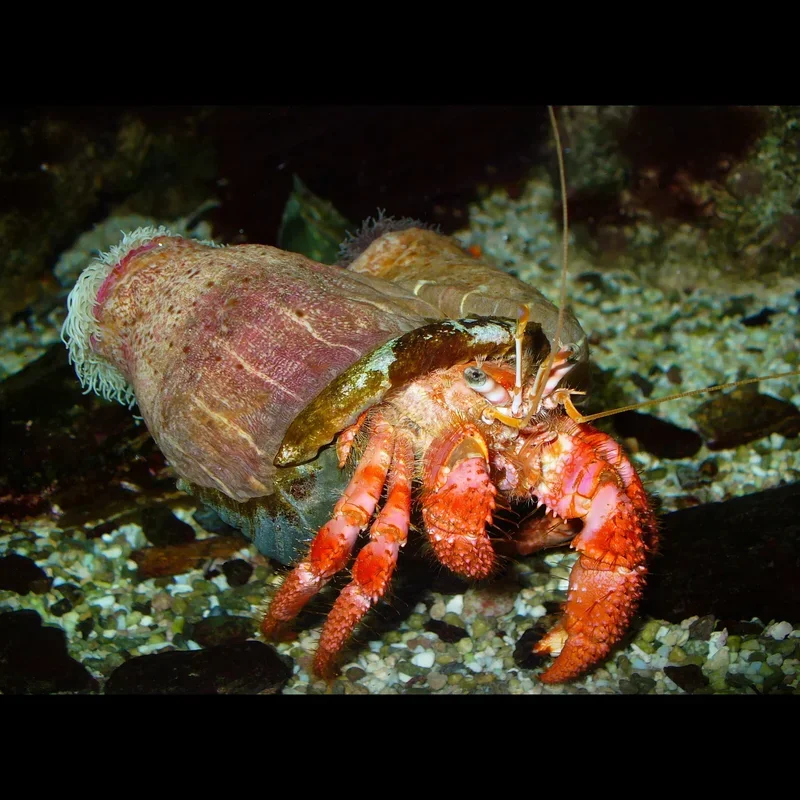
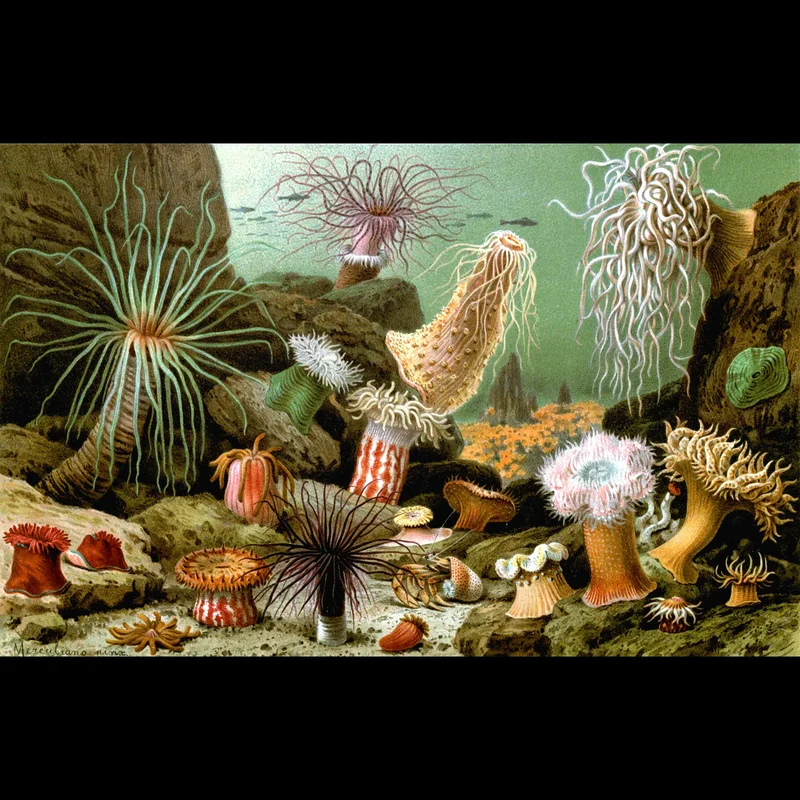
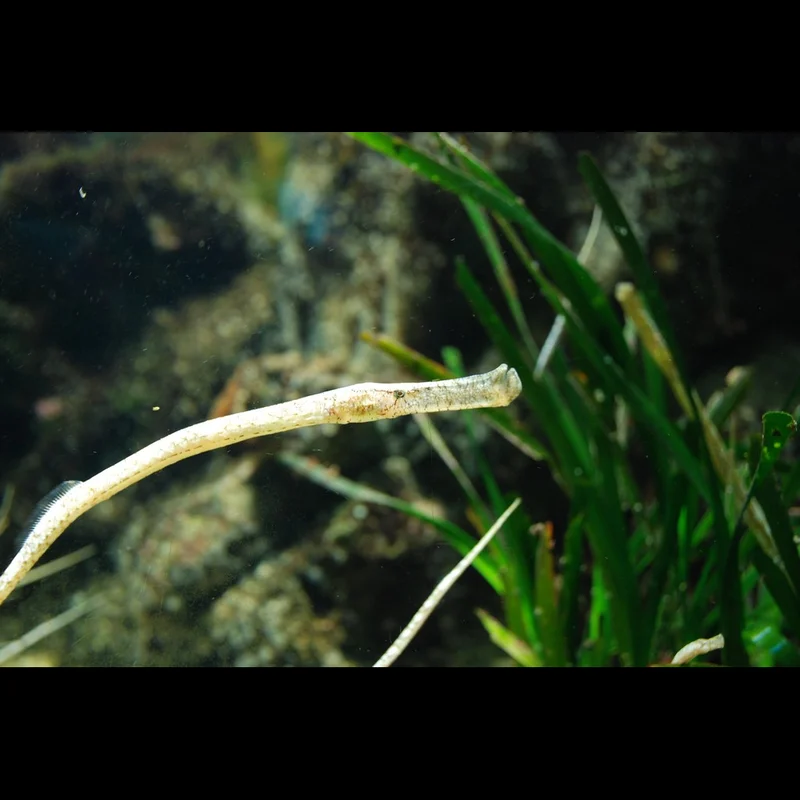
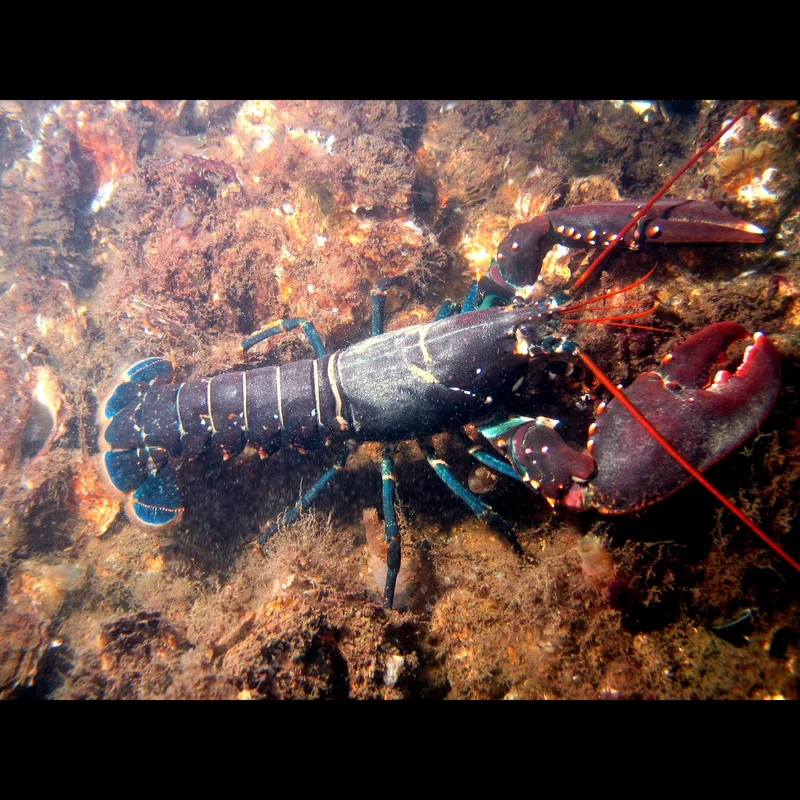
Anemones like Dahlias, Weduwrozen, and Zeeanjelieren add colorful texture to the substrate. Searching closer to the bottom, divers may discover flat fish, eelpout, catfish, and pipefish, alongside crustaceans such as sea spiders, lobsters, shrimp, and hermit crabs.
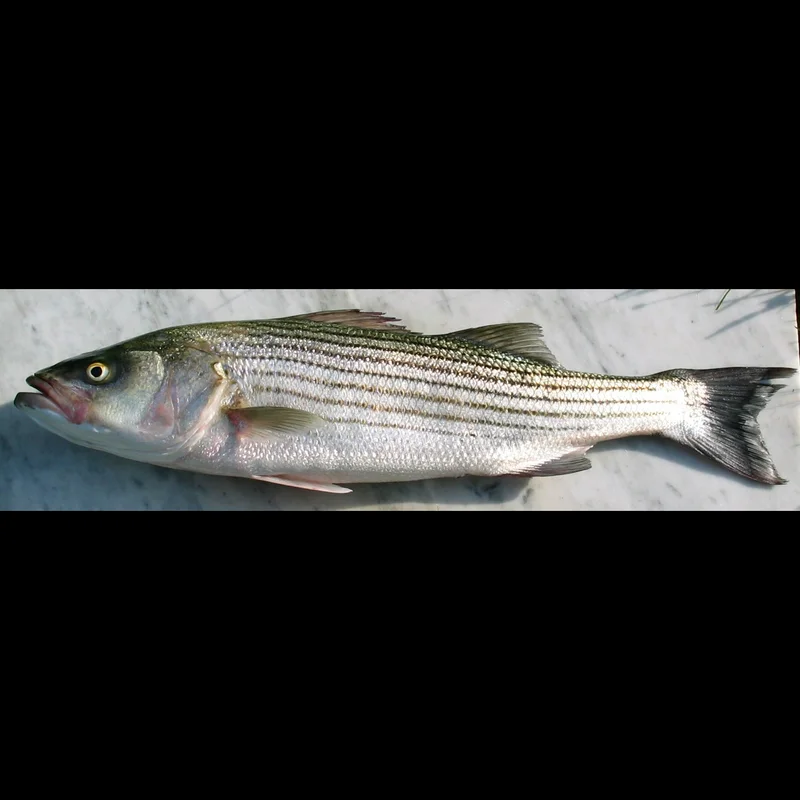
Keep an eye out for cuttlefish, especially during spring, and seahorses, which frequent the area from late spring into autumn. Encounters with lumpfish, sea bass, and occasional starfish further enrich the dive experience.
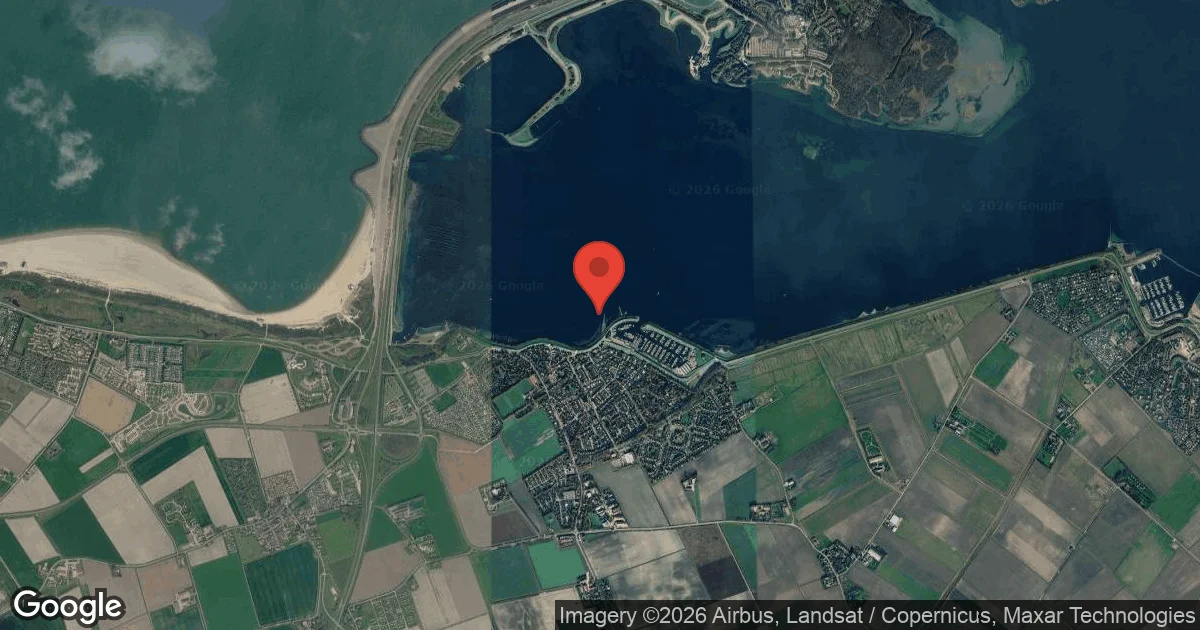
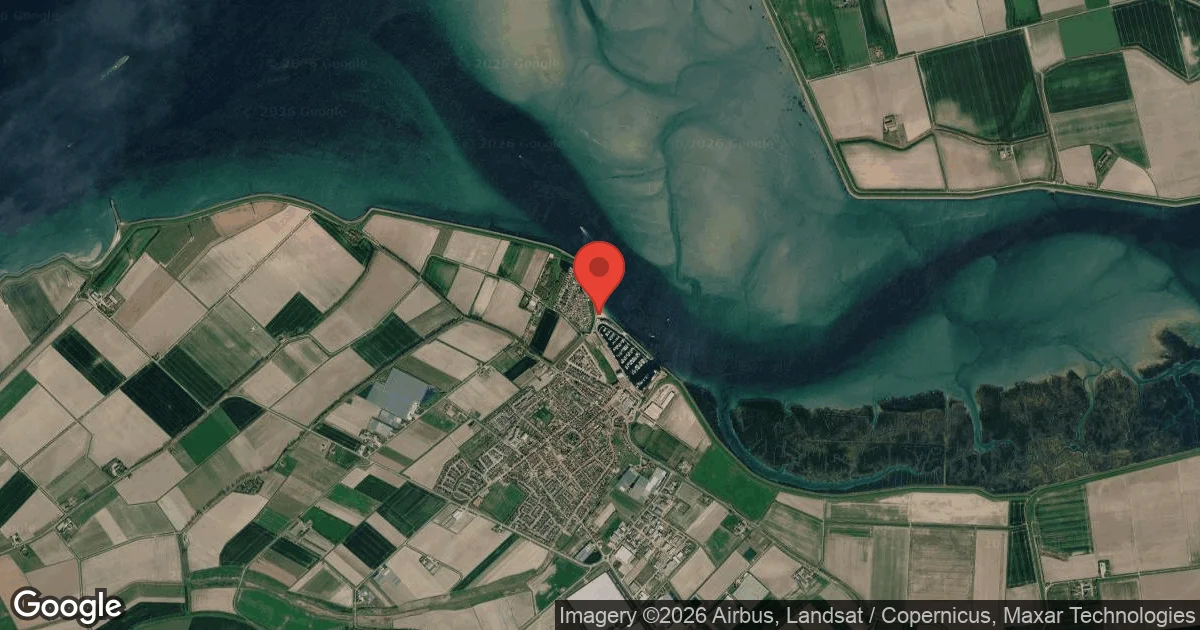
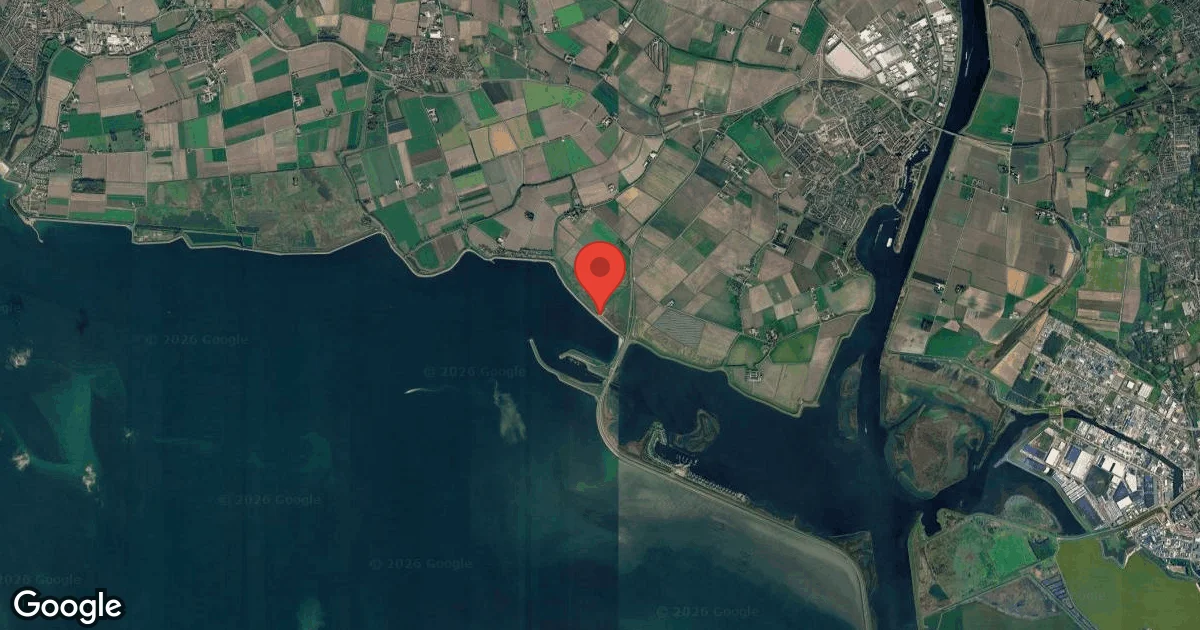
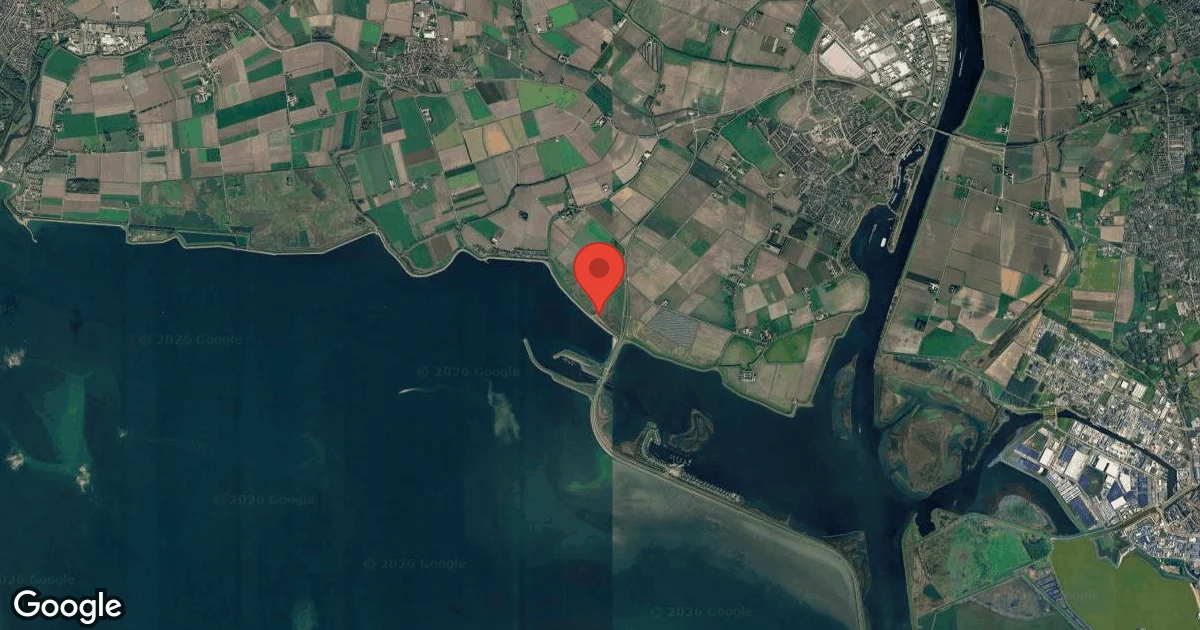
Dive Sites Near Zeelandbrug
View all dive sites in NetherlandsDiscover more underwater gems in this area.
Dive Centers Near Zeelandbrug
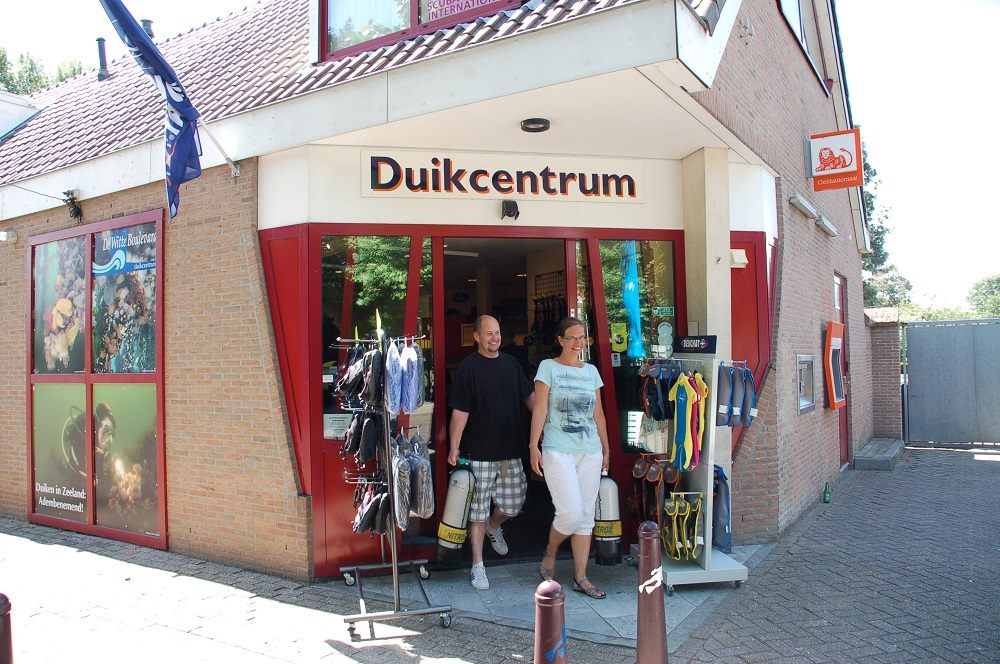
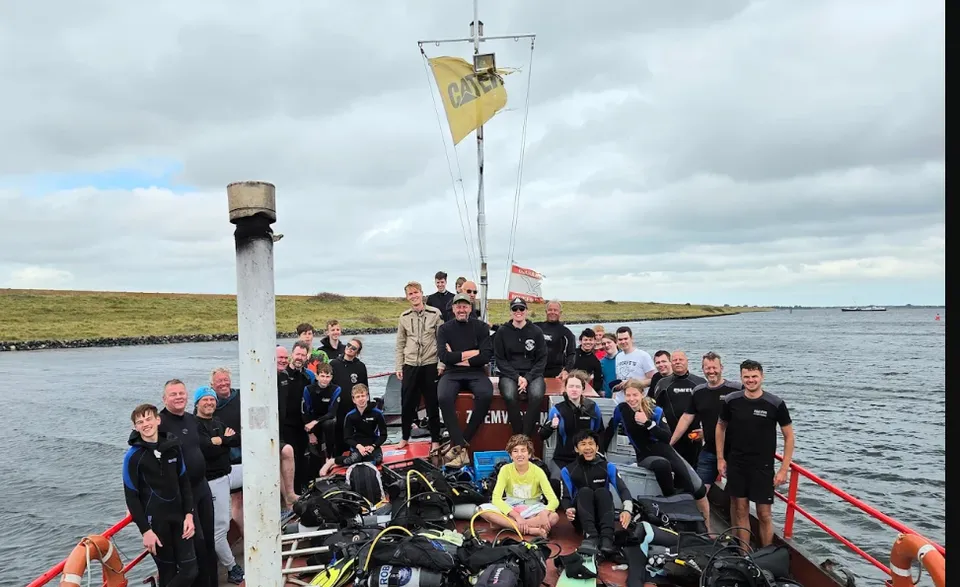
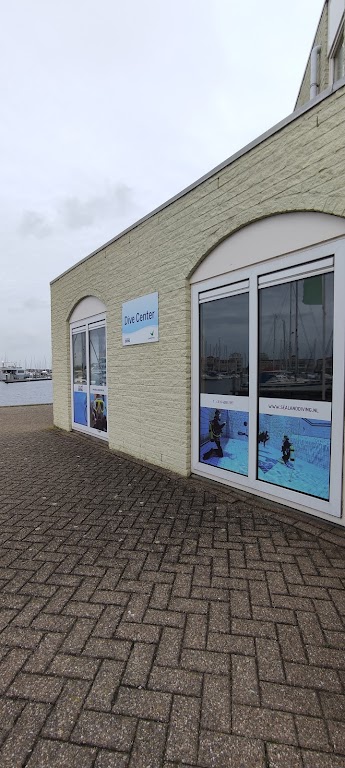
Today: Open 24 hours
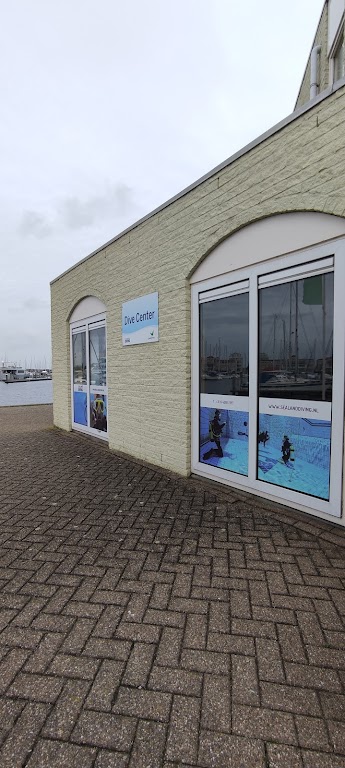
Nearest Airports
Nearest airports to help plan travel to this dive area.
Search Flights
Check available flights and routes on Expedia, using the nearby airports listed in this section.
Search Flights on ExpediaFrequently Asked Questions
What is the maximum depth at Zeelandbrug?
The maximum depth recorded at Zeelandbrug is 21 m (69 ft). Shallower areas, often just a few meters deep, also offer points of interest.
What are the typical visibility conditions?
Visibility at the site generally ranges from 1 to 6 meters. An average visibility of three meters is frequently reported.
Are there strong currents at this dive site?
Currents can sometimes be strong, particularly depending on the tide. Experienced divers may utilize these currents for drift dives to adjacent locations.
When is the best time to see seahorses and cuttlefish?
Cuttlefish are typically spotted around Zeelandbrug from April to May. Seahorses visit the area from May through October, with occasional sightings in November.
What kind of marine life can I expect to see?
Divers can expect to see various nudibranchs, anemones, lobsters, and shrimp. Larger fish like grey mullet and sea bass are found in deeper sections, along with seahorses and cuttlefish during specific seasons.
What facilities are available at the dive site?
The site provides toilets, a scuba fill machine for 200 and 300 bar, a scuba fill station for air and nitrox, stairs for entry, locker rooms, picnic tables, and sinks for gear rinsing.
Is a special permit required to dive at Zeelandbrug?
No, a special permit is not required for diving at Zeelandbrug. Access to the dive site is free.
Planning to dive Zeelandbrug?
Send one inquiry and receive offers directly from the best verified local dive operators.
Conditions are Moderate
High Wind Advisory (41km/h). Unsafe surface.
Current conditions near Zeelandbrug show 17° air, 20° sea temperature, 1.8 m waves, and 41 km/h wind. Forecast data is refreshed regularly to ensure accuracy.