
Diving at Oosterschelde, Bergse Diepsluis (Netherlands)
Beneath the surface of the Oosterschelde, Bergse Diepsluis reveals a captivating underwater landscape, shaped by submerged dikes and inventive conservation efforts. Basalt boulders form intricate shelters, while diver-placed cuttlefish tents and extensive mussel farms create unique structures. A coastal site within the Dutch National Park, Bergse Diepsluis offers an accessible entry into a dynamic marine environment, where human intervention and natural tides intertwine to foster vibrant ecosystems. Divers explore these features, observing marine life that adapts to the varied terrains.
Evening condition tracking at Oosterschelde, Bergse Diepsluis features an air temperature of 21°C. We have recorded wave heights measuring 0.1 m during this period. These figures outline the environmental parameters currently present.
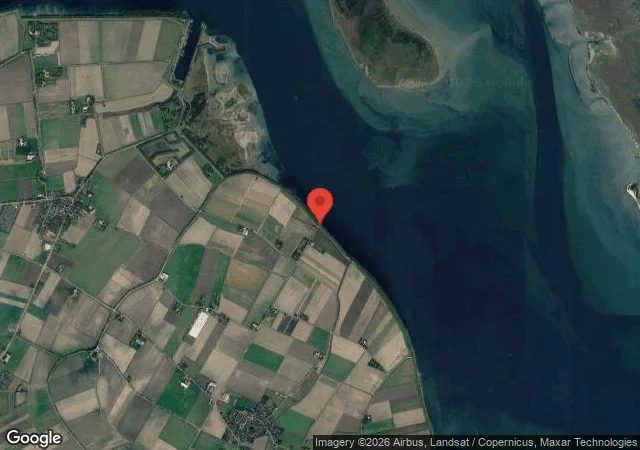
Dive Site Location & Key Facts
Dive Site Overview
Exploring Bergse Diepsluis is an immersion into a unique tidal ecosystem, where the legacy of the Delta Works meets thriving biodiversity. As part of the Oosterschelde, this area maintains free-flowing tides, making dive planning around slack water crucial for optimal conditions.
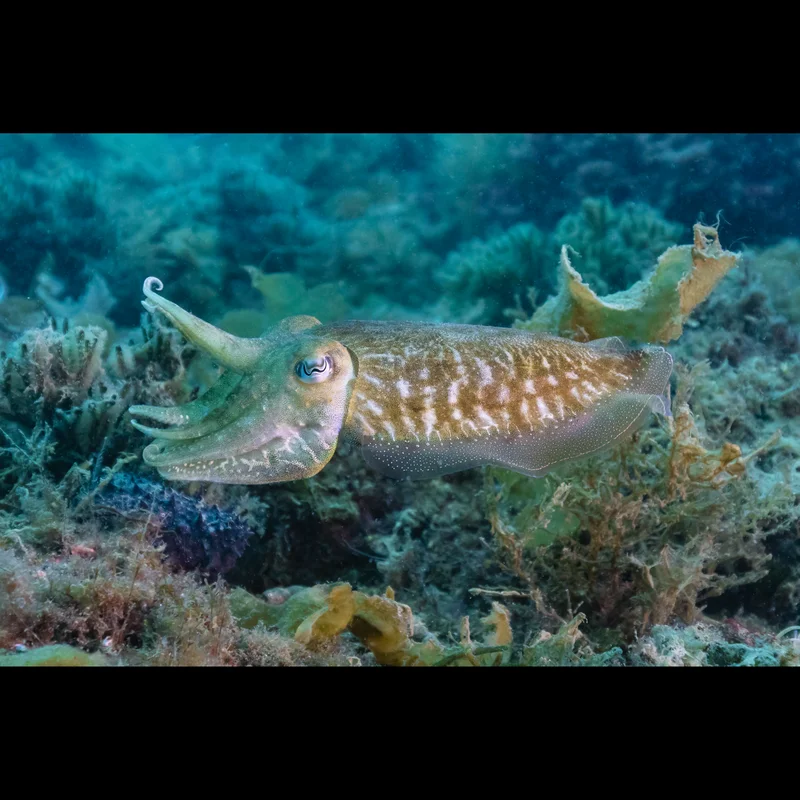
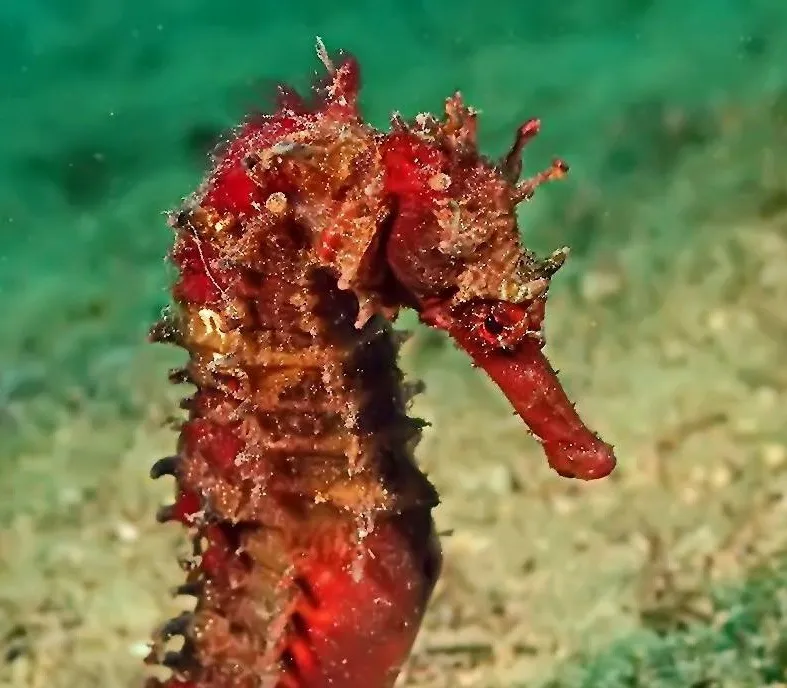
Divers navigate modest depths, typically allowing for extended bottom times, to discover a rich tapestry of life among its structures. Particularly, the site is noted for seasonal aggregations of marine creatures; cuttlefish converge here each spring to lay eggs on purpose-built bamboo wigwams, attracting rival males who often engage in fascinating displays. Seahorses arrive from deeper waters in late spring and summer, demonstrating remarkable site fidelity, though spotting these masters of camouflage requires a keen eye.
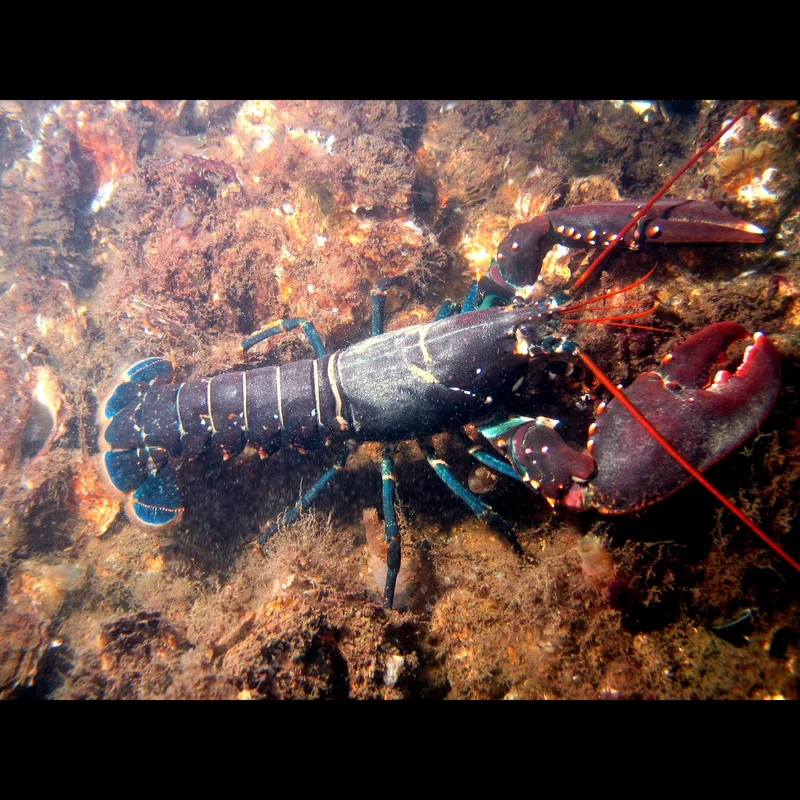
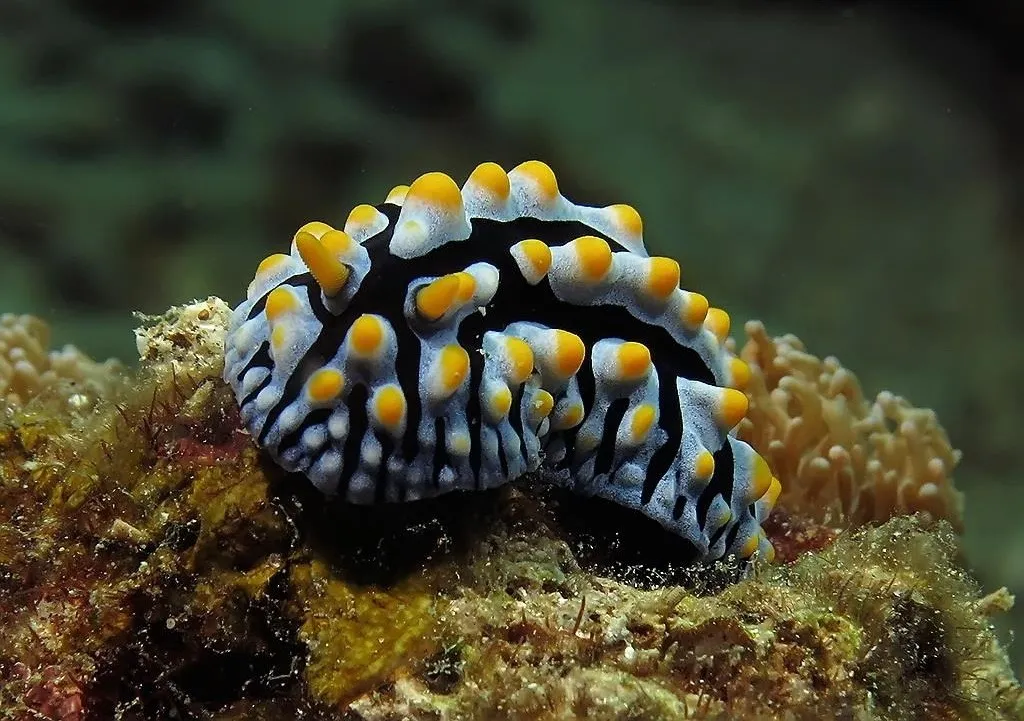
Throughout the year, American lobsters and various crabs shelter within the crevices of submerged dikes, while nudibranchs, pipefish, and gobies inhabit the oyster and mussel beds. Extensive mussel cultivation ropes, stretching for hundreds of meters, support their own micro-ecosystems of small crabs, sea squirts, and skeleton shrimps.
Such a dynamic environment offers rich opportunities for both wide-angle and macro photography, capturing everything from intricate mollusk details to the watchful parental care of lumpsuckers in colder months.
Conditions are Good
Optimal conditions expected
Current conditions near Oosterschelde, Bergse Diepsluis show 21° air, 24° sea temperature, 0.6 m waves, and 28 km/h wind. Forecast data is refreshed regularly to ensure accuracy.
Best Time to Dive
Diving at Bergse Diepsluis presents different appeals across the year, with various marine spectacles unfolding seasonally. From spring through autumn, the period typically offers excellent dive scores, with water temperatures gradually rising from around 13°C (55°F) in spring, signaling the arrival of cuttlefish. May and June mark the beginning of the seahorse season, as they migrate into the area. While air temperatures range from 3.5°C (38°F) in January to 19°C (66°F) in August, summer months bring warmer conditions topside and the highest chance of spotting juvenile cuttlefish after their eggs hatch. Conversely, winter months, despite colder air temperatures and slightly higher rainfall averaging around 2.2-3.6 mm (0.09-0.14 inches) per month, offer a unique opportunity to observe lumpsuckers. An often well-camouflaged fish, the lumpsucker becomes more visible during its spawning season, with males actively guarding their egg nests. Dive scores remain consistently good to excellent across most of the year, underscoring the site's year-round potential for focused exploration.
PEAK SEASON SCORE
Scores combine air & water temps, waves, wind & rainfall for overall conditions.
BEST MONTHS TO DIVE
Monthly records compiled from satellite and marine observation nodes over the last 3 years. Data provided by Open-Meteo and MET Norway.
Dive Experience & Conditions
A dive here unfolds within a tidal environment, demanding careful planning to align with slack water for the most comfortable experience. Water temperatures vary, influencing marine life activity; however, a relatively shallow maximum depth ensures longer dive times are possible. Visibility can fluctuate, depending on recent weather and tidal movements, sometimes creating a more intimate, close-up encounter with the seafloor. As you descend, the sensation is one of discovery amidst human-made and natural structures. Intricate basalt dikes and unique 'cuttlefish tents' feel like purposeful habitats. Patience is often rewarded, particularly when seeking out creatures like seahorses, which demonstrate an extraordinary ability to blend seamlessly with their surroundings. Water movement, even during gentler currents, creates a vibrant, active ecosystem where life is constantly in motion.
Dive Difficulty & Safety Guidelines
Diving in the Oosterschelde, especially at Bergse Diepsluis, requires an understanding of tidal dynamics. Strong currents can pose a significant challenge, making precise dive planning crucial; timing entries and exits around slack tide is essential for a safe and enjoyable experience. Divers should always consult local tide tables.
Navigating the submerged dikes and mussel farms demands good buoyancy control to avoid damaging the delicate ecosystems or disturbing marine life. Given the site's popularity, especially for observing seahorses and cuttlefish, practicing responsible diving, such as maintaining a respectful distance and avoiding contact, helps preserve the environment.
No specific hazards are consistently reported beyond managing the tidal flow, reinforcing the importance of proper planning and situational awareness.
Recommended Equipment
Overhead / entanglement risk. Wreck penetration requires proper training.
Current and surface separation risk. Local briefing strongly recommended.
- Dive Computer
- DSMB
- Primary & Backup Lights
- Wreck Reel
- Reel / Spool
- Cutting Tool
This gear list is based on verified equipment signals for Oosterschelde, Bergse Diepsluis, Netherlands. Always confirm final gear choices with your dive operator, guide, or liveaboard.
Recommended Dive Suit
The latest conditions reported around Oosterschelde, Bergse Diepsluis place the water temperature close to 24°C (75°F). Surface air temperatures are resting at 21°C (70°F).
For the majority of recreational dives here, 3-5mm wetsuit should provide suitable protection. Surface intervals may feel cooler.
Surface conditions are expected to warm up slightly in the coming days. A warming trend is expected over the next few days.
Emergency & Medical Support
Essential information to help you plan your dive trip to Oosterschelde, Bergse Diepsluis.

Hyperbaric chambers are a critical part of dive safety infrastructure. Availability varies significantly by region, and not all dive areas have immediate access.
Before diving, it's recommended to:
- confirm nearest medical facilities
- check emergency procedures with local dive operators
- ensure dive insurance covers evacuation if required
Divers Alert Network
Diving emergency assistance available through DAN Europe.
+39 0642115685- 24/7 emergency hotline
- Diving medical assistance
- Evacuation coordination
Emergency contacts are provided for reference. Always verify local emergency services before diving.
Closest Listed Hyperbaric Chambers
Showing listed hyperbaric chamber facilities within 200 km of this dive site.
Distances are approximate straight-line distances and may not reflect emergency travel time.
ADRZ Hospital/Medisch Centrum Hyperbare Zuurstoftherapie
24/7 ListedGoes, Netherlands•Approx. 19 km straight-line
ADRZ Hospital/Medisch Centrum Hyperbare Zuurstoftherapie
24/7 ListedInformation is provided for reference and planning purposes only. Dive Navigator does not verify operational status, staffing, availability, or quality of care at listed facilities. In an emergency, contact local emergency services, DAN, your dive operator, or the chamber directly. Do not travel to a facility without calling ahead.
Antwerpen - Edegem, UZA Hyperbaric Unit
24/7 ListedICU CapableAntwerpen (Edegem), Belgium•Approx. 43 km straight-line
Antwerpen - Edegem, UZA Hyperbaric Unit
24/7 ListedICU CapableInformation is provided for reference and planning purposes only. Dive Navigator does not verify operational status, staffing, availability, or quality of care at listed facilities. In an emergency, contact local emergency services, DAN, your dive operator, or the chamber directly. Do not travel to a facility without calling ahead.
Hyperbaar Geneeskundig Centrum Rijswijk (HGC)
24/7 ListedRijswijk, Netherlands•Approx. 60 km straight-line
Hyperbaar Geneeskundig Centrum Rijswijk (HGC)
24/7 ListedInformation is provided for reference and planning purposes only. Dive Navigator does not verify operational status, staffing, availability, or quality of care at listed facilities. In an emergency, contact local emergency services, DAN, your dive operator, or the chamber directly. Do not travel to a facility without calling ahead.
Marine Life at Oosterschelde, Bergse Diepsluis
Bergse Diepsluis, in the Oosterschelde, stages several captivating marine life behaviors. Each spring, female cuttlefish arrive to lay their eggs on provided bamboo wigwams, a spectacle where male cuttlefish aggressively defend their partners from rivals.
From May or June, seahorses, masters of camouflage, arrive from deeper waters, showing strong site fidelity by staying nearby for the summer; spotting their tails wrapped around poles requires careful observation. Divers can also encounter lumpsuckers, particularly in winter when males guard their eggs—a rare example of parental involvement among fish.
Within the dikes and mussel beds, large American lobsters, diverse nudibranchs, and numerous gobies find shelter. Constantly, the site provides a display of specialized adaptations and interactions.

Dive Sites Near Oosterschelde, Bergse Diepsluis
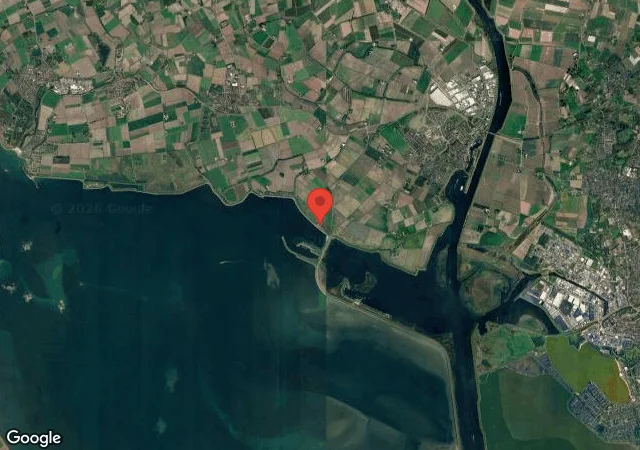
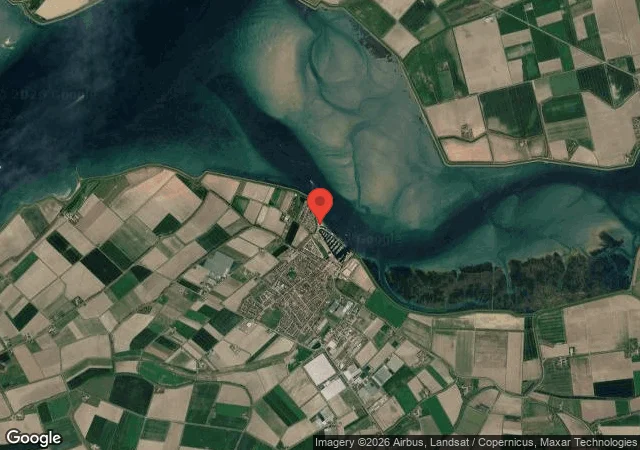
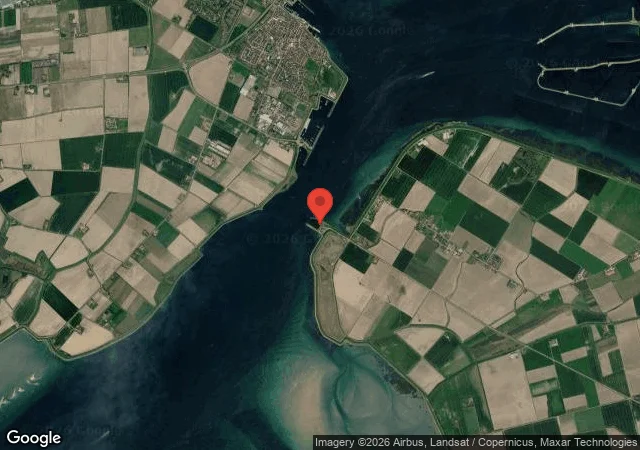
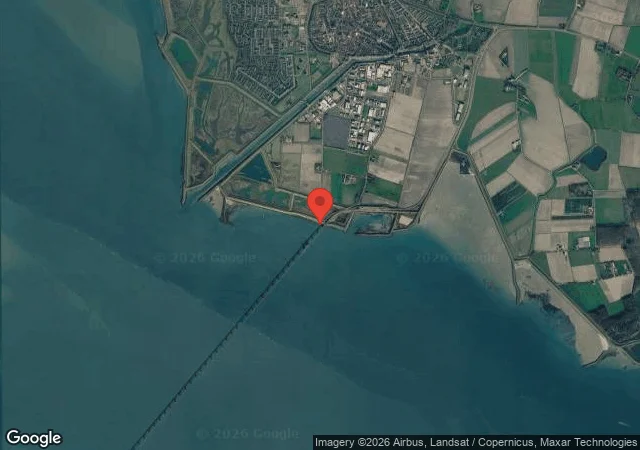
View all dive sites in NetherlandsDiscover more underwater gems in this area.
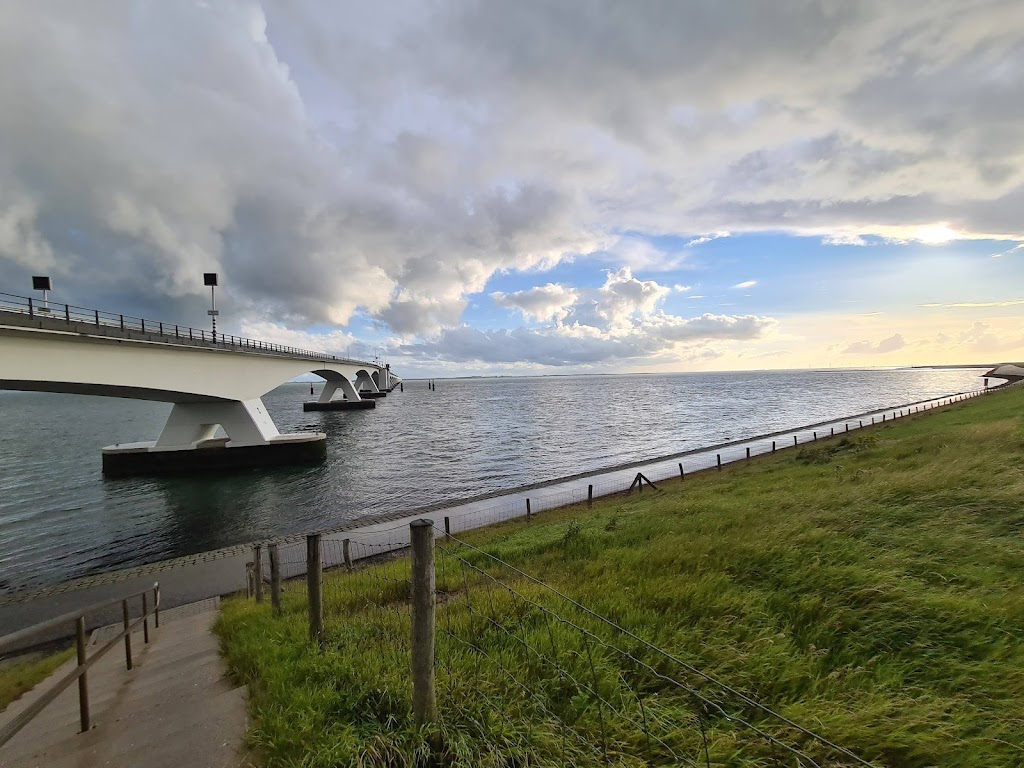
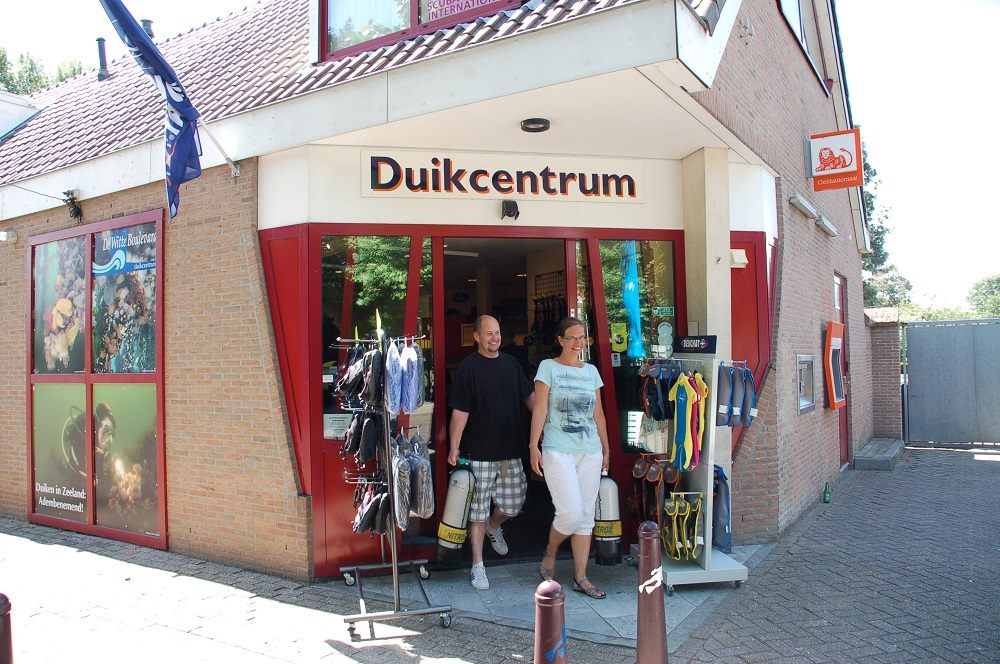
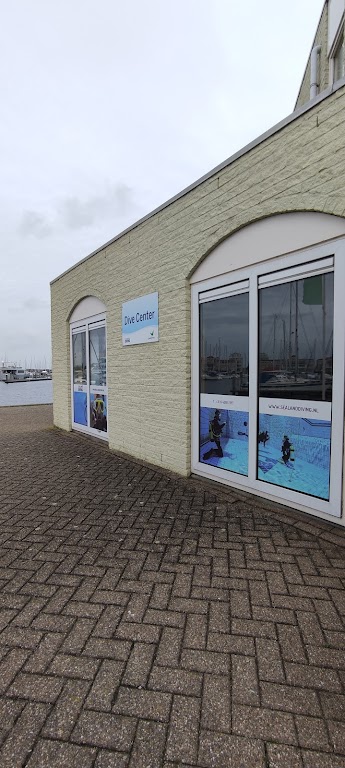
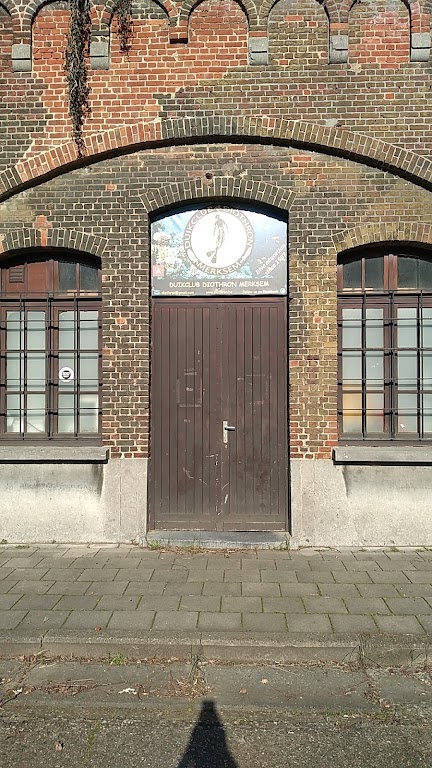
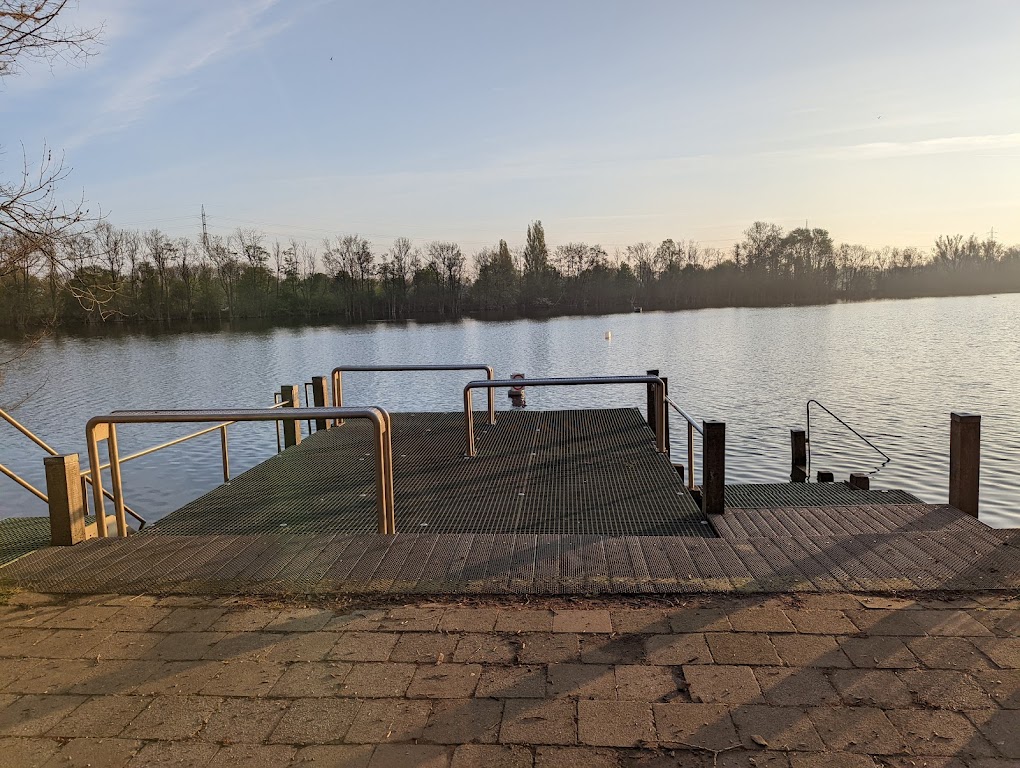
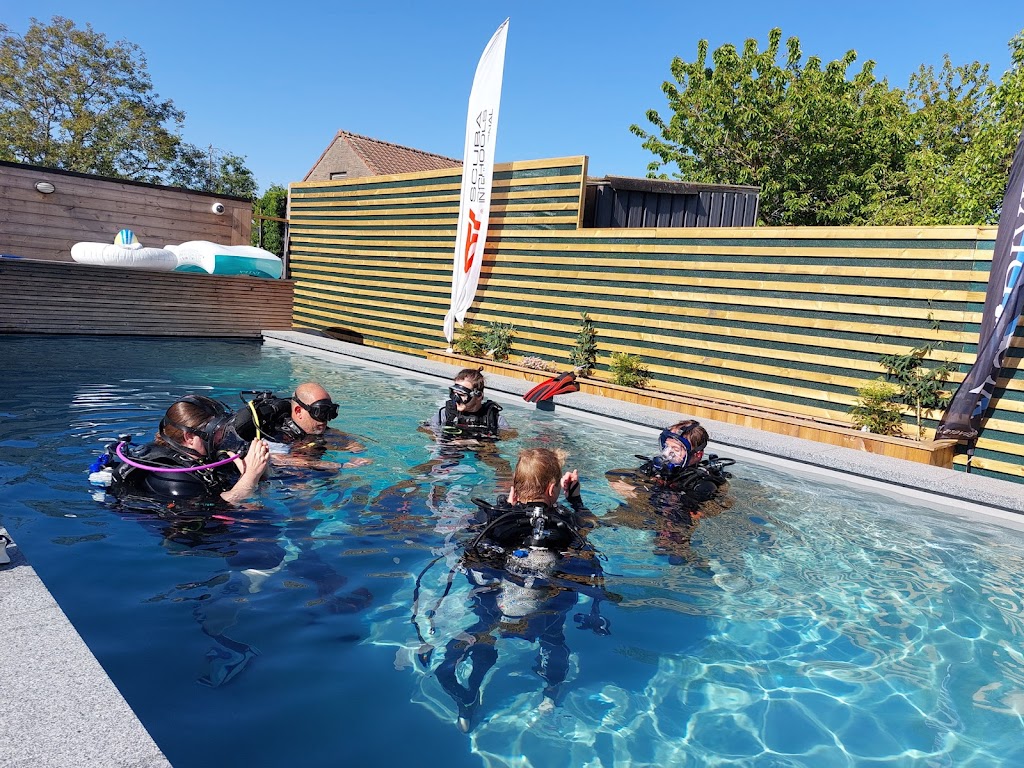
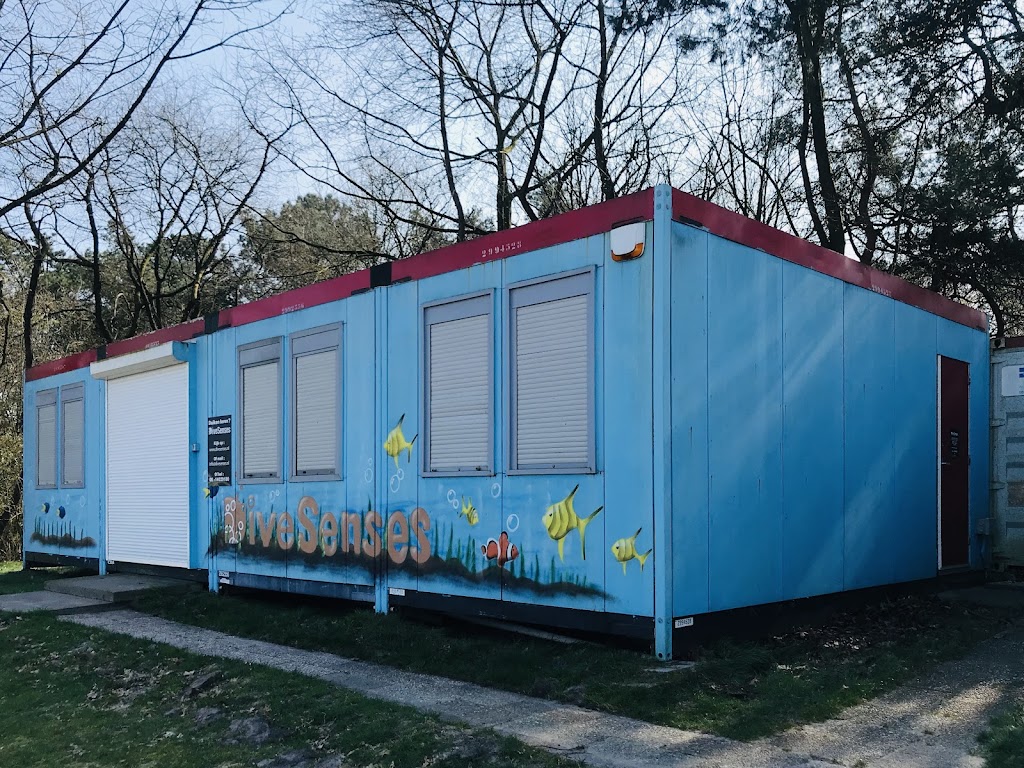
Dive Centers Near Oosterschelde, Bergse Diepsluis
Today: Open 24 hours
Nearest Airports
Nearest airports to help plan travel to this dive area.
Search Flights
Check available flights and routes on Expedia, using the nearby airports listed in this section.
Search Flights on ExpediaFrequently Asked Questions
What is the typical depth at Bergse Diepsluis?
Dive sites in the Oosterschelde, including Bergse Diepsluis, are not deep, generally allowing for longer dives. Specific maximum depths vary slightly by location but remain accessible to most certified divers.
When is the best time to see cuttlefish at this site?
Cuttlefish typically arrive in spring, when water temperatures reach around 13°C (55°F), to lay their eggs on the bamboo cuttlefish tents. This period offers the best opportunity to observe their fascinating spawning behavior.
Are seahorses common at Bergse Diepsluis?
Seahorses visit the dive site from May or June onwards, remaining throughout the summer. While they are known for their camouflage, patient divers looking closely for their wrapped tails often spot them among the poles.
How do tides affect diving at Bergse Diepsluis?
Tides significantly influence dive conditions. Strong currents can occur, so planning dives around slack tide is essential for a safer and more enjoyable experience, maximizing visibility and minimizing effort.
What other marine life can I expect to see?
Beyond cuttlefish and seahorses, divers frequently encounter large American lobsters, various crabs, nudibranchs, pipefish, and different species of gobies. Lumpsuckers are also a notable sight, especially during winter.
What is the water temperature like?
Water temperatures vary seasonally, typically rising from around 13°C (55°F) in spring. While colder in winter, they become more temperate in summer and early autumn. Proper thermal protection is advised year-round.
What role do the 'cuttlefish tents' play?
Cuttlefish tents are wigwams made of bamboo poles, specifically placed by divers to provide suitable structures for female cuttlefish to lay their eggs. This initiative supports breeding and enhances diver observation opportunities.
Planning to dive Oosterschelde, Bergse Diepsluis?
Send one inquiry and receive offers directly from the best verified local dive operators.
Conditions are Good
Optimal conditions expected
Current conditions near Oosterschelde, Bergse Diepsluis show 21° air, 24° sea temperature, 0.6 m waves, and 28 km/h wind. Forecast data is refreshed regularly to ensure accuracy.