
Diving at Anna Jacoba Polder (Netherlands)
Anna Jacoba Polder presents a dive site for those prepared to navigate its dynamic tidal currents, offering substantial rewards for advanced divers. This Oosterschelde location, once a mussel farm, features fascinating underwater structures that contribute to its unique character. It's a challenging, current-driven environment designed for experienced enthusiasts seeking vibrant marine life.
Tonight's objective overview for Anna Jacoba Polder shows an air temperature of 16°C. The measured surface conditions include wave heights around 0.3 m. This environmental data is logged for the close of the day.
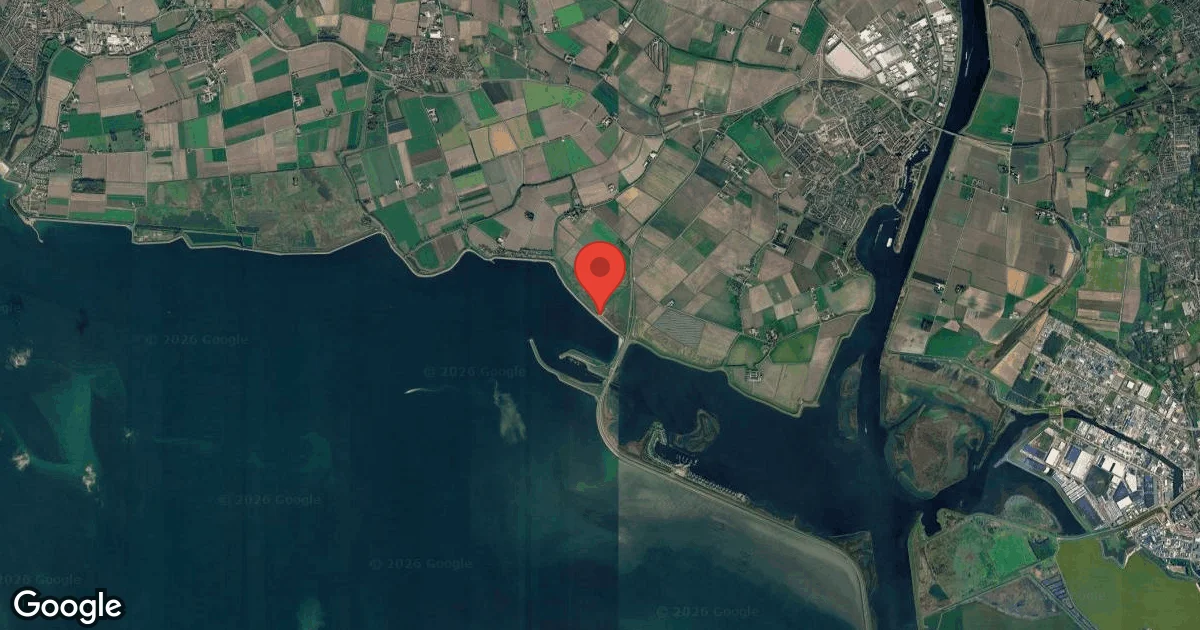
Dive Site Location & Key Facts
Dive Site Overview
Descend into the Oosterschelde at Anna Jacoba Polder, where a current-driven environment sculpts a diverse underwater landscape. Divers explore the remains of an old mussel farm, with ropes and structures providing habitat and visual interest.
The site reaches an average depth of about 15 m (50 ft), though depths can vary. Strong currents are a defining feature, influencing both the resident marine life and the approach divers must take. This site isn't suitable for new divers; however, it promises rich encounters for those with the necessary training and experience in current diving.
From the intricate details of nudibranchs to the territorial behavior of crabs, there's a constant interplay of life supported by the water flow. Whether exploring the artificial reef formed by a sunken soccer goal or observing cuttlefish tents, the site demands attentiveness and rewards with dynamic discoveries.
Divers can choose to enter from a small harbor or utilize a staircase for access outside, each offering a distinct start to the underwater journey.
Conditions are Good
Optimal conditions expected
Current conditions near Anna Jacoba Polder show 16° air, 20° sea temperature, 0.4 m waves, and 36 km/h wind. Forecast data is refreshed regularly to ensure accuracy.
Best Time to Dive
Optimizing visibility is key when planning a dive at Anna Jacoba Polder, often dictated by tidal conditions and seasonal factors. While water temperature data isn't consistently reported, surface comfort is influenced by air temperatures which can range from an average of 4°C (39°F) in January to 19°C (66°F) in August. Months from February through June and August through December consistently show 'Excellent' dive scores, indicating generally favorable conditions for exploring this site. Periods with less rain and moderate wind speeds, typically seen in spring and early autumn, can contribute to improved underwater clarity. For example, March and June both average less than 2 mm of rain, paired with average wind speeds of approximately 22 km/h (14 mph). Planning around the tides is paramount to maximize enjoyable visibility and manage the strong currents that characterize this location.
PEAK SEASON SCORE
Scores combine air & water temps, waves, wind & rainfall for overall conditions.
BEST MONTHS TO DIVE
Monthly records compiled from satellite and marine observation nodes over the last 3 years. Data provided by Open-Meteo and MET Norway.
Dive Experience & Conditions
A dive at this location typically begins by descending into the prevailing tidal current, which is a consistent and strong force here. Divers often encounter the remnants of a former mussel farm, with ropes and other structures creating points of interest. These structures, along with an artificial reef formed by a sunken soccer goal at about 12 meters, act as vibrant hubs for marine activity. The current-driven nature of the site means visibility can fluctuate, but it also ensures a constant supply of nutrients, fostering dense and varied marine growth. Divers should anticipate drift conditions and plan their entry and exit points accordingly. Exploring shallower areas near the entry can reveal schools of small fish, while deeper sections near the maximum reported depth of 15 m (50 ft) hold larger anemones and crustaceans.
Dive Difficulty & Safety Guidelines
Successfully navigating Anna Jacoba Polder requires careful attention to specific challenges, primarily the strong tidal currents. Divers must plan their dives meticulously around the local tide schedule and be proficient in current-diving procedures. It's critical to avoid free take-offs outside the small harbor due to significant boat traffic; returning to the entry point in the shallows is necessary for safety stops.
Deploying a surface marker buoy is advisable if boat traffic is present. Awareness of lobster traps is also essential, particularly during the lobster season, which typically begins in late March.
This site is not recommended for novice divers; adequate training and experience are prerequisites for a safe and rewarding dive.
Recommended Equipment
Current and surface separation risk. Local briefing strongly recommended.
- Dive Computer
- DSMB
- Reel / Spool
This gear list is based on verified equipment signals for Anna Jacoba Polder, Netherlands. Always confirm final gear choices with your dive operator, guide, or liveaboard.
Recommended Dive Suit
According to recent observations, water temperatures near Anna Jacoba Polder are approximately 20°C (68°F). Surface air temperatures are resting at 16°C (61°F).
Weather projections show fairly stable environmental conditions ahead.
Most divers would typically feel comfortable using 5mm wetsuit in these conditions. Consider warmer surface protection (like a boat coat) due to brisk winds. A thermal robe or jacket is recommended between dives. Dive depth and duration can significantly affect perceived warmth. Stronger winds may also make surface intervals feel cooler than usual. Surface intervals may feel noticeably cooler once you exit the water.
Emergency & Medical Support
Essential information to help you plan your dive trip to Anna Jacoba Polder.

Hyperbaric chambers are a critical part of dive safety infrastructure. Availability varies significantly by region, and not all dive areas have immediate access.
Before diving, it's recommended to:
- confirm nearest medical facilities
- check emergency procedures with local dive operators
- ensure dive insurance covers evacuation if required
Divers Alert Network
Diving emergency assistance available through DAN Europe.
+39 0642115685- 24/7 emergency hotline
- Diving medical assistance
- Evacuation coordination
Emergency contacts are provided for reference. Always verify local emergency services before diving.
Closest Listed Hyperbaric Chambers
Showing listed hyperbaric chamber facilities within 200 km of this dive site.
Distances are approximate straight-line distances and may not reflect emergency travel time.
ADRZ Hospital/Medisch Centrum Hyperbare Zuurstoftherapie
24/7 ListedGoes, Netherlands•Approx. 22 km straight-line
ADRZ Hospital/Medisch Centrum Hyperbare Zuurstoftherapie
24/7 ListedInformation is provided for reference and planning purposes only. Dive Navigator does not verify operational status, staffing, availability, or quality of care at listed facilities. In an emergency, contact local emergency services, DAN, your dive operator, or the chamber directly. Do not travel to a facility without calling ahead.
Hyperbaar Geneeskundig Centrum Rijswijk (HGC)
24/7 ListedRijswijk, Netherlands•Approx. 47 km straight-line
Hyperbaar Geneeskundig Centrum Rijswijk (HGC)
24/7 ListedInformation is provided for reference and planning purposes only. Dive Navigator does not verify operational status, staffing, availability, or quality of care at listed facilities. In an emergency, contact local emergency services, DAN, your dive operator, or the chamber directly. Do not travel to a facility without calling ahead.
Amsterdam University Medical Center
24/7 ListedICU CapableAmsterdam, Netherlands•Approx. 93 km straight-line
Amsterdam University Medical Center
24/7 ListedICU CapableInformation is provided for reference and planning purposes only. Dive Navigator does not verify operational status, staffing, availability, or quality of care at listed facilities. In an emergency, contact local emergency services, DAN, your dive operator, or the chamber directly. Do not travel to a facility without calling ahead.
Marine Life at Anna Jacoba Polder
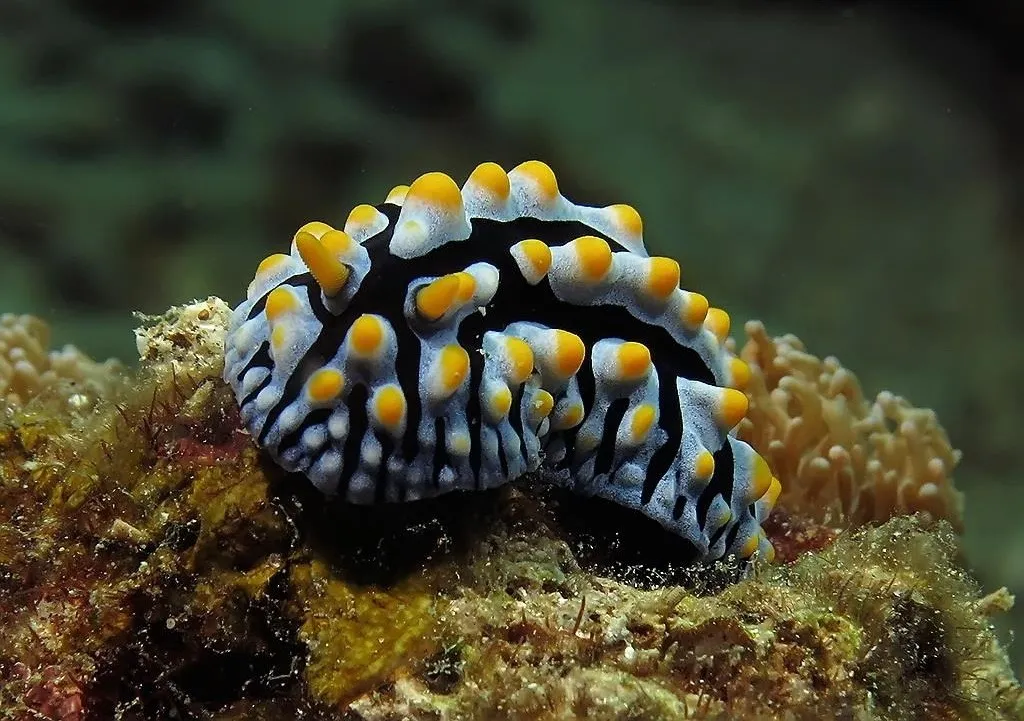
The first thing many divers notice here is the sheer diversity of life supported by the strong currents. Nudibranchs in various shapes and colors are abundant, often found clinging to the submerged structures.
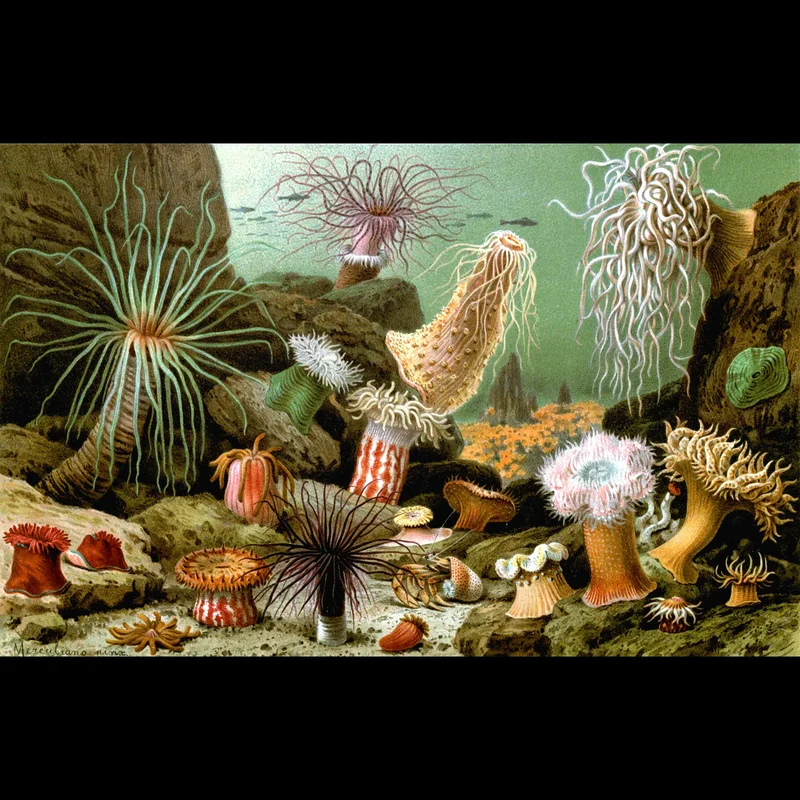
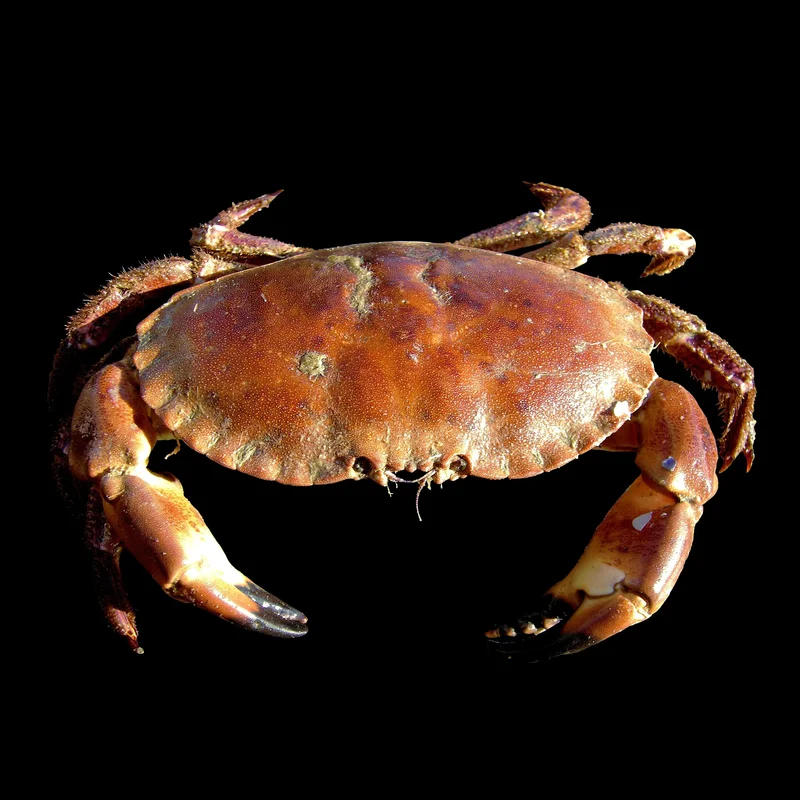
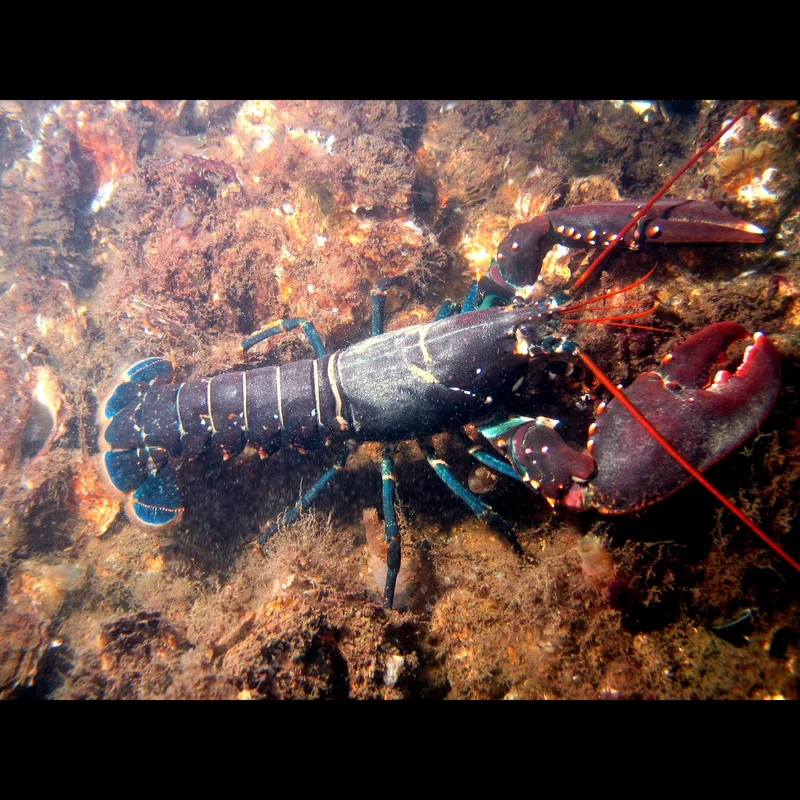
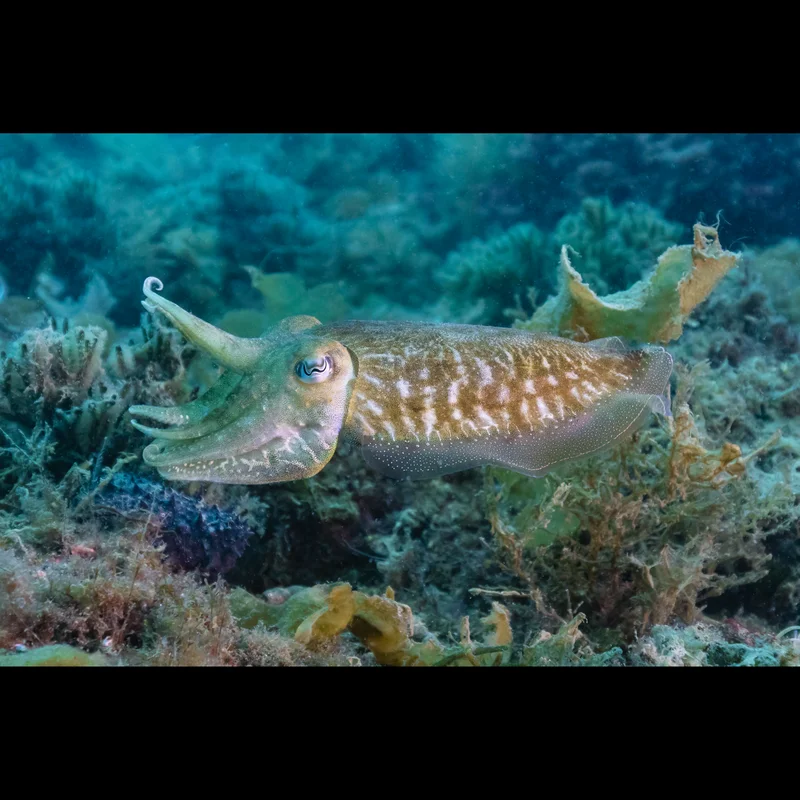
Large anemones, sponges, and a variety of shrimp and crabs make their homes within the old mussel farm ropes and artificial reefs. Divers might also spot numerous fish species, and if conditions are right, even cuttlefish tents or lobsters. Occasionally, a seahorse can be found amongst the vibrant aquatic vegetation.
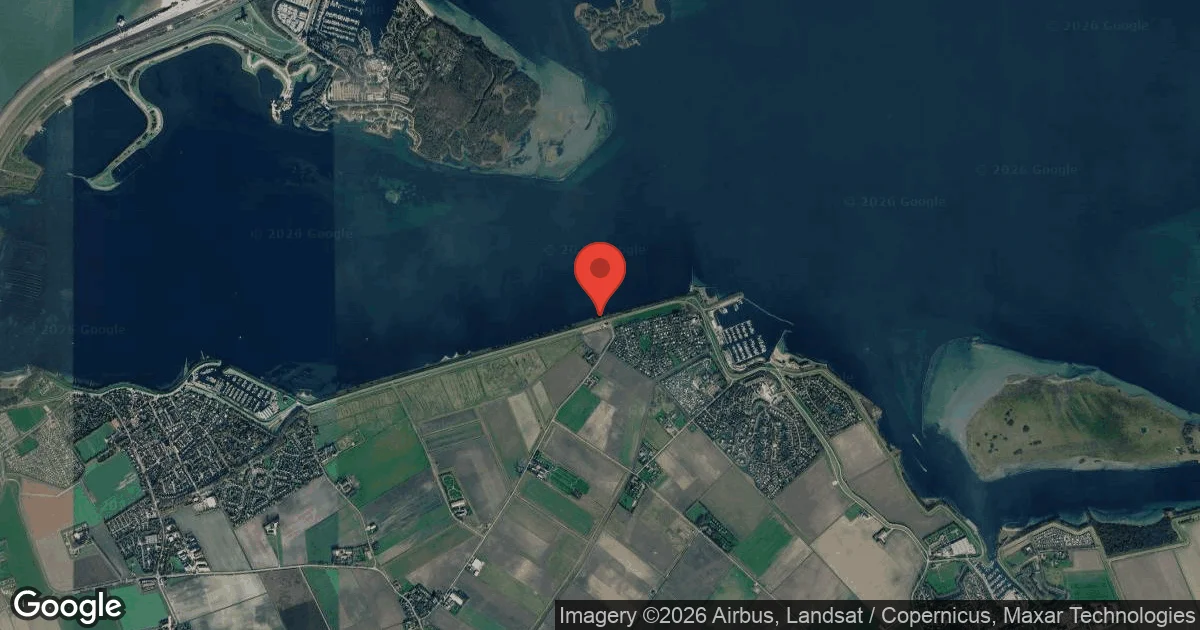
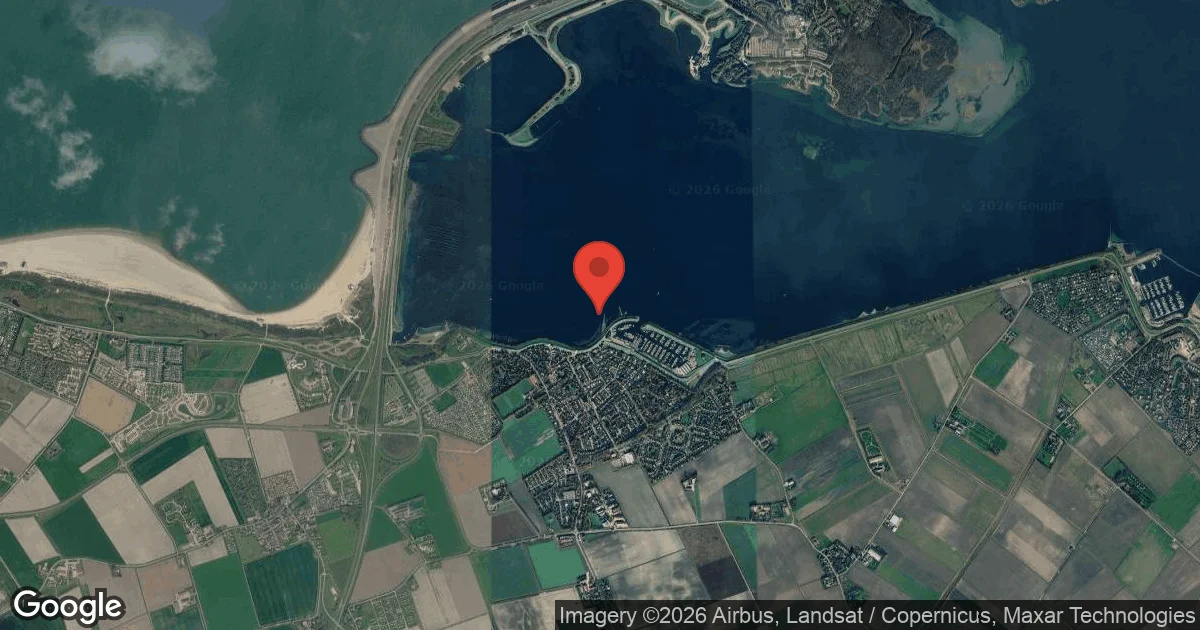
Dive Sites Near Anna Jacoba Polder
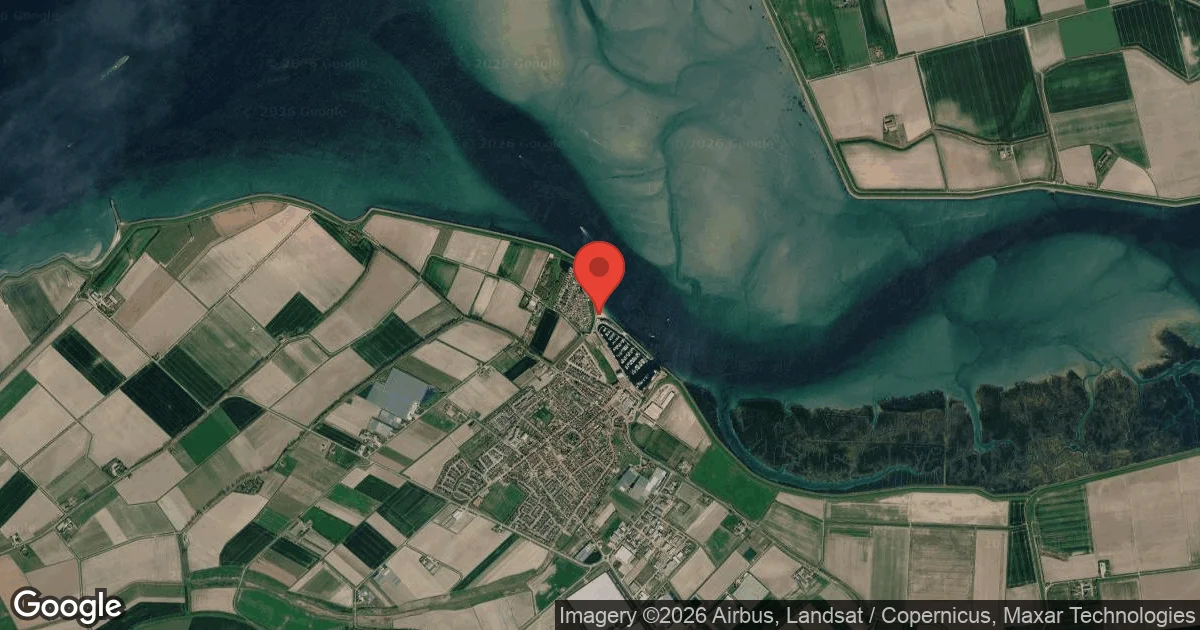
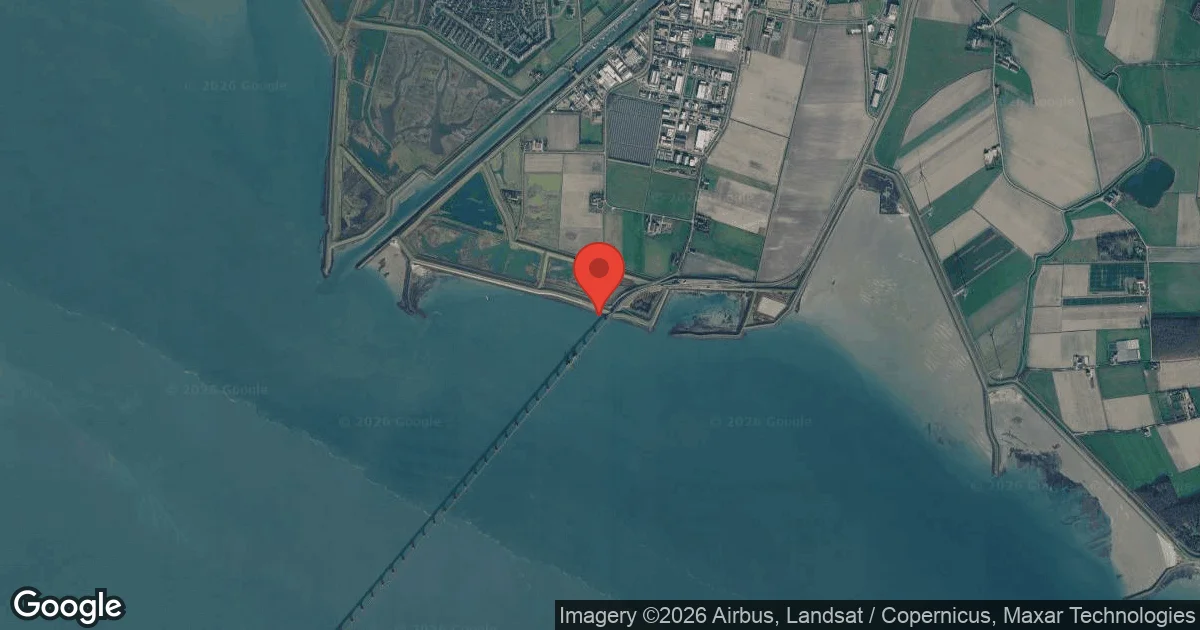
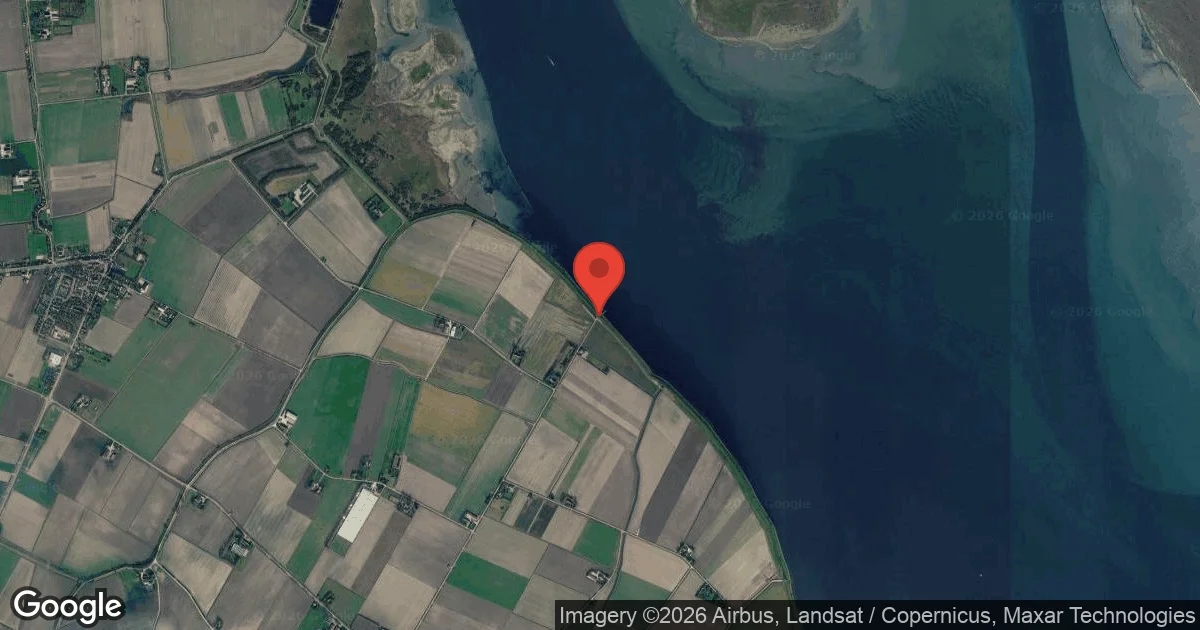
View all dive sites in NetherlandsDiscover more underwater gems in this area.
Dive Centers Near Anna Jacoba Polder
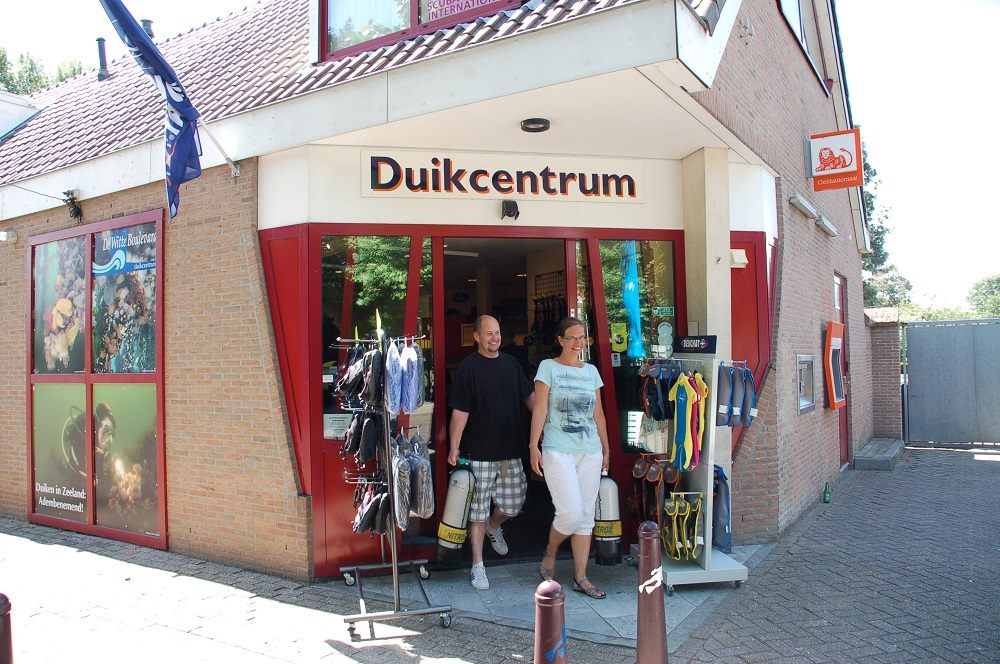
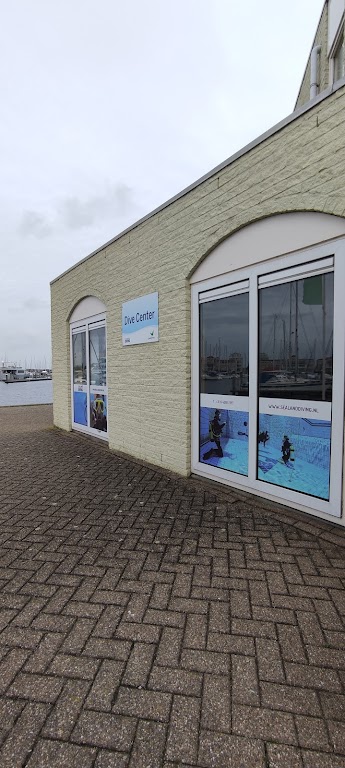
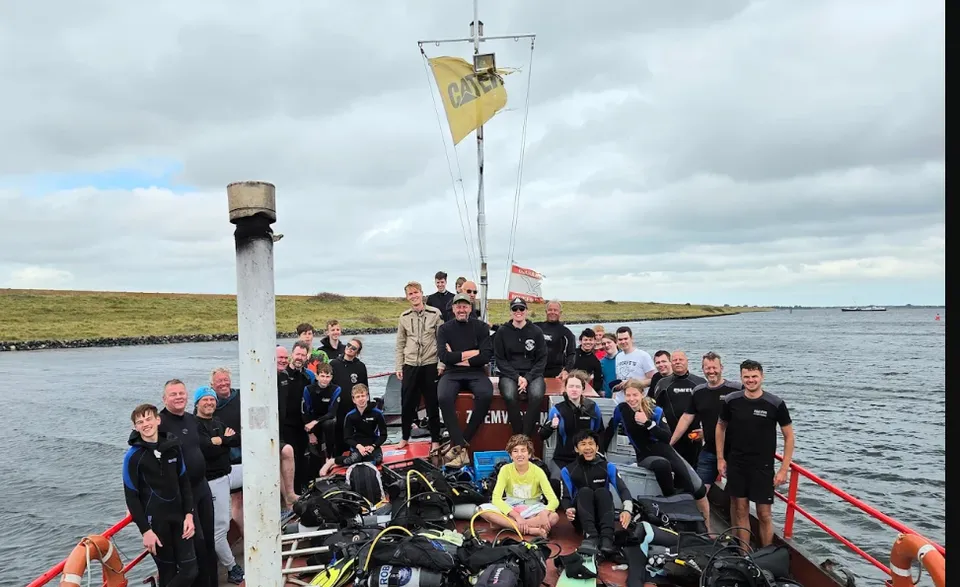
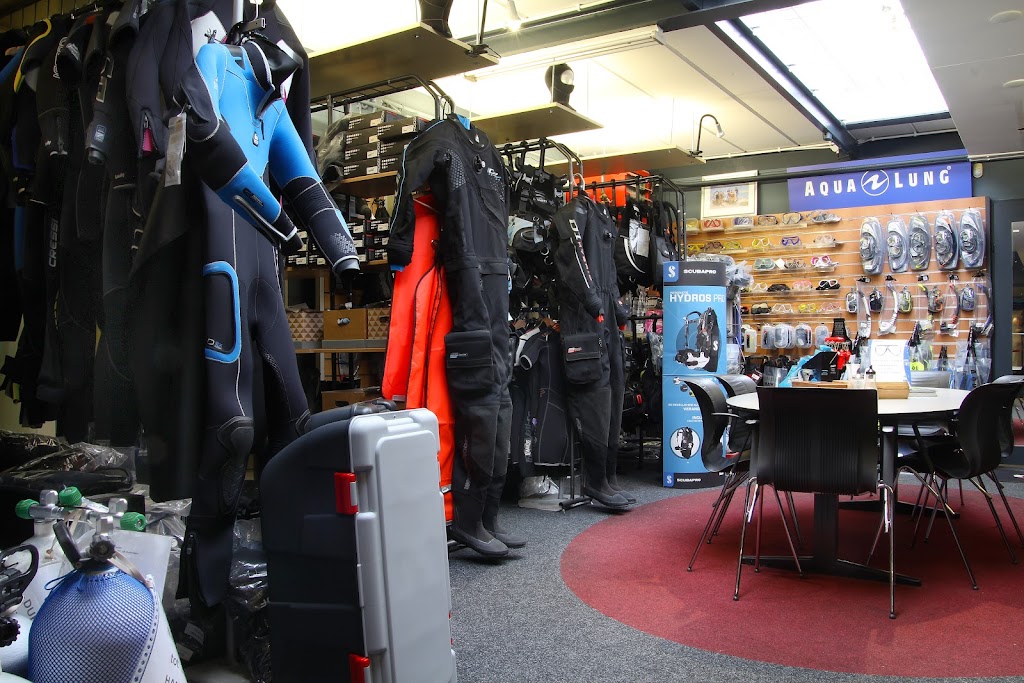
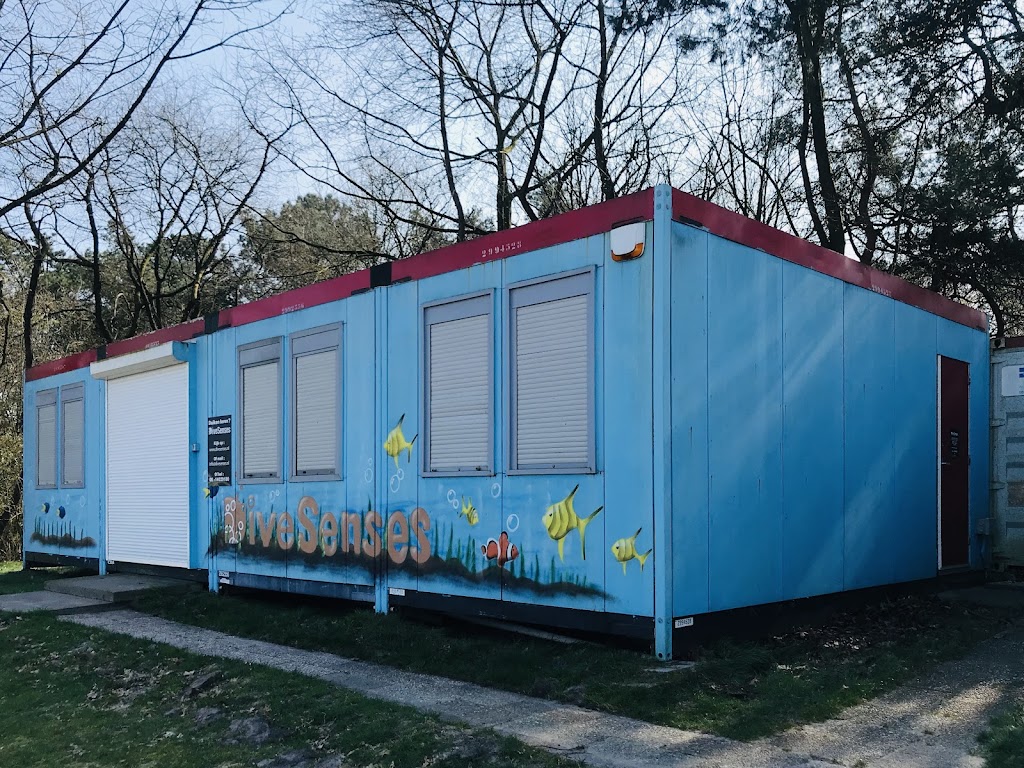
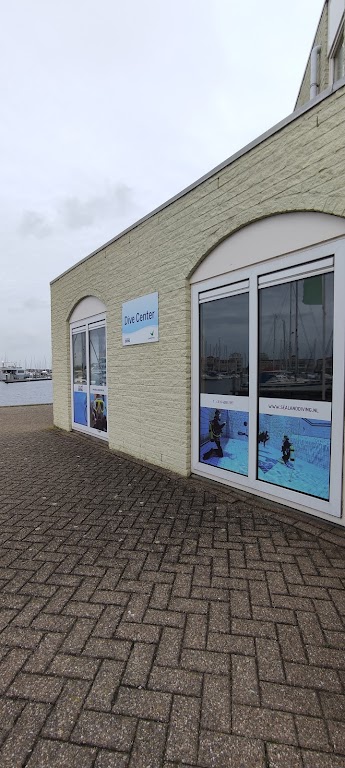
Today: Open 24 hours
Nearest Airports
Nearest airports to help plan travel to this dive area.
Search Flights
Check available flights and routes on Expedia, using the nearby airports listed in this section.
Search Flights on ExpediaFrequently Asked Questions
What skill level is required to dive Anna Jacoba Polder?
This dive site is considered suitable for experienced divers. The strong tidal currents necessitate advanced training and proficiency in current-diving techniques. It's not recommended for new or inexperienced divers due to these challenging conditions.
What are the typical dive depths at this location?
Anna Jacoba Polder features an average diving depth of about 15 m (50 ft). Divers can explore various depths within this range, encountering different marine life and structural features. The artificial reef is located around 12 meters.
Are there strong currents, and how should divers manage them?
Yes, strong currents are typical and a defining characteristic of Anna Jacoba Polder. Divers must plan their dives according to the local tidal currents. Utilizing appropriate current-diving procedures, such as drift diving techniques and careful entry/exit planning, is essential for safety.
What kind of underwater structures can be found here?
The site incorporates interesting underwater structures from its past as a mussel farm, including remaining ropes and supports. Additionally, an intentionally sunken soccer goal serves as an artificial reef, adding further points of interest for marine life and divers.
Is there boat traffic in the area?
Yes, there is boat traffic outside the small harbor, particularly in the fairway. Divers are advised against free take-offs outside the harbor and should return shallow for safety stops, potentially deploying a surface marker buoy if necessary.
What marine life is commonly seen at Anna Jacoba Polder?
The site supports varied marine life, including numerous nudibranchs, large anemones, sponges, and various species of shrimp and crabs. Divers may also encounter different types of fish, cuttlefish tents, lobsters, and occasionally a seahorse.
Planning to dive Anna Jacoba Polder?
Send one inquiry and receive offers directly from the best verified local dive operators.
Conditions are Good
Optimal conditions expected
Current conditions near Anna Jacoba Polder show 16° air, 20° sea temperature, 0.4 m waves, and 36 km/h wind. Forecast data is refreshed regularly to ensure accuracy.