
Diving at Sint Annaland (Netherlands)
Exploring Sint Annaland reveals a rich, evolving underwater narrative. Its structure combines natural sandy expanses with rocky formations and deliberate artificial reefs, creating a varied environment that challenges and rewards. Like a sunken artifact, the site presents layers of discovery across its gently sloping, colorful bottom. Divers navigate contrasting sandy areas and vibrant vegetation, each transition telling a part of its complex story. This dynamic topography promises an engaging experience, unfolding with every fin kick.
As evening covers Sint Annaland, the local air temperature is measured at 16°C. The current wave height at the surface is recorded at 0.3 m. These late-day readings characterize the surface conditions for the night.
Dive Site Location & Key Facts
Dive Site Overview
Sint Annaland has solidified its reputation as a prominent dive destination within the Oosterschelde region of Zeeland, attracting divers with its varied underwater topography. What began as a natural marine environment has been enhanced with artificial reef structures, creating a complex and engaging dive experience.
The site’s established character blends gently sloping sandy areas with significant rocky formations and intricate bottom vegetation. This interplay results in a series of contrasts: barren sands give way to vibrant, life-filled patches, presenting different habitats to explore. It’s a shore entry site, offering accessibility for many, and typically accommodates an average dive time of 45 minutes.
Expect depths reaching up to 18 m (60 ft), though divers may navigate shallower profiles. Its intermediate difficulty rating suggests it’s suitable for certified divers comfortable with varied conditions and capable of managing mild currents.
Observing the mix of natural evolution and human intervention at this site paints a picture of a dynamic aquatic environment.
Conditions are Good
Optimal conditions expected
Current conditions near Sint Annaland show 16° air, 20° sea temperature, 0.4 m waves, and 36 km/h wind. Forecast data is refreshed regularly to ensure accuracy.
Best Time to Dive
Planning a dive at Sint Annaland is generally most rewarding between May and September, when conditions typically align for a pleasant experience. During these months, surface air temperatures are notably warmer, averaging from 14°C (57°F) in May up to nearly 19°C (66°F) in August. This contributes to more comfortable surface intervals and kit handling. Water temperatures during summer typically range from 16-20°C (61-68°F), making for longer dives or less thermal stress with appropriate exposure protection. Rainfall tends to be moderate during this period, with monthly averages around 1.7 to 3.3 mm, reducing runoff that could impact visibility. While the site maintains a good to excellent dive score year-round, the warmer months allow for an extended bottom time and more comfortable conditions overall. However, diving is possible throughout the year, with winter water temperatures dropping to 4-8°C (39-46°F), requiring robust drysuit considerations.
PEAK SEASON SCORE
Scores combine air & water temps, waves, wind & rainfall for overall conditions.
BEST MONTHS TO DIVE
Monthly records compiled from satellite and marine observation nodes over the last 3 years. Data provided by Open-Meteo and MET Norway.
Dive Experience & Conditions
Current dynamics at Sint Annaland significantly shape the dive experience, classifying it as a drift dive opportunity. While some reports indicate mild to no currents, others describe them as medium, emphasizing the need for tide-dependent planning. Diving around low tide often yields the best visibility, allowing the current to gently guide you back towards the entry point, minimizing exertion. This allows divers to cover more ground along the site's gently sloping bottom, observing the distinct transitions between sandy flats and vibrant vegetation. Visibility generally ranges from 3-7 meters (10-23 ft), with an average often cited around 4 meters (13 ft), though conditions can extend up to 15 meters (50 ft) on exceptional days. There's usually no significant surge to contend with, which simplifies navigation once submerged. Understanding the tidal flow is paramount for a relaxed and efficient dive at this location.
Dive Difficulty & Safety Guidelines
An expert's approach to diving Sint Annaland prioritizes awareness and adherence to specific guidelines for safety. The entry point is situated near an active fairway; therefore, divers must exercise caution and avoid free ascents exceeding 6 meters (20 ft) to prevent accidental collisions. This area also functions as a fishing ground, so it's critical to refrain from entering the water if fishermen are actively working nearby.
Always place a dive flag to alert other water sports enthusiasts, such as paddleboarders, to your presence. Given the site's intermediate difficulty, divers should be comfortable with navigating potential mild to medium currents.
Planning dives around low tide is advisable, as this often provides optimal visibility and helps manage current patterns effectively.
Recommended Equipment
Current and surface separation risk. Local briefing strongly recommended.
- Dive Computer
- DSMB
- Reel / Spool
This gear list is based on verified equipment signals for Sint Annaland, Netherlands. Always confirm final gear choices with your dive operator, guide, or liveaboard.
Recommended Dive Suit
With water temperatures around 20°C (68°F), many divers find a 5mm wetsuit provides comfortable protection.
Local dive briefings can provide the most accurate guidance.
Surface conditions are expected to warm up slightly in the coming days. A warming trend is expected over the next few days.
Emergency & Medical Support
Essential information to help you plan your dive trip to Sint Annaland.

Hyperbaric chambers are a critical part of dive safety infrastructure. Availability varies significantly by region, and not all dive areas have immediate access.
Before diving, it's recommended to:
- confirm nearest medical facilities
- check emergency procedures with local dive operators
- ensure dive insurance covers evacuation if required
Divers Alert Network
Diving emergency assistance available through DAN Europe.
+39 0642115685- 24/7 emergency hotline
- Diving medical assistance
- Evacuation coordination
Emergency contacts are provided for reference. Always verify local emergency services before diving.
Closest Listed Hyperbaric Chambers
Showing listed hyperbaric chamber facilities within 200 km of this dive site.
Distances are approximate straight-line distances and may not reflect emergency travel time.
ADRZ Hospital/Medisch Centrum Hyperbare Zuurstoftherapie
24/7 ListedGoes, Netherlands•Approx. 19 km straight-line
ADRZ Hospital/Medisch Centrum Hyperbare Zuurstoftherapie
24/7 ListedInformation is provided for reference and planning purposes only. Dive Navigator does not verify operational status, staffing, availability, or quality of care at listed facilities. In an emergency, contact local emergency services, DAN, your dive operator, or the chamber directly. Do not travel to a facility without calling ahead.
Hyperbaar Geneeskundig Centrum Rijswijk (HGC)
24/7 ListedRijswijk, Netherlands•Approx. 51 km straight-line
Hyperbaar Geneeskundig Centrum Rijswijk (HGC)
24/7 ListedInformation is provided for reference and planning purposes only. Dive Navigator does not verify operational status, staffing, availability, or quality of care at listed facilities. In an emergency, contact local emergency services, DAN, your dive operator, or the chamber directly. Do not travel to a facility without calling ahead.
Amsterdam University Medical Center
24/7 ListedICU CapableAmsterdam, Netherlands•Approx. 96 km straight-line
Amsterdam University Medical Center
24/7 ListedICU CapableInformation is provided for reference and planning purposes only. Dive Navigator does not verify operational status, staffing, availability, or quality of care at listed facilities. In an emergency, contact local emergency services, DAN, your dive operator, or the chamber directly. Do not travel to a facility without calling ahead.
Marine Life at Sint Annaland
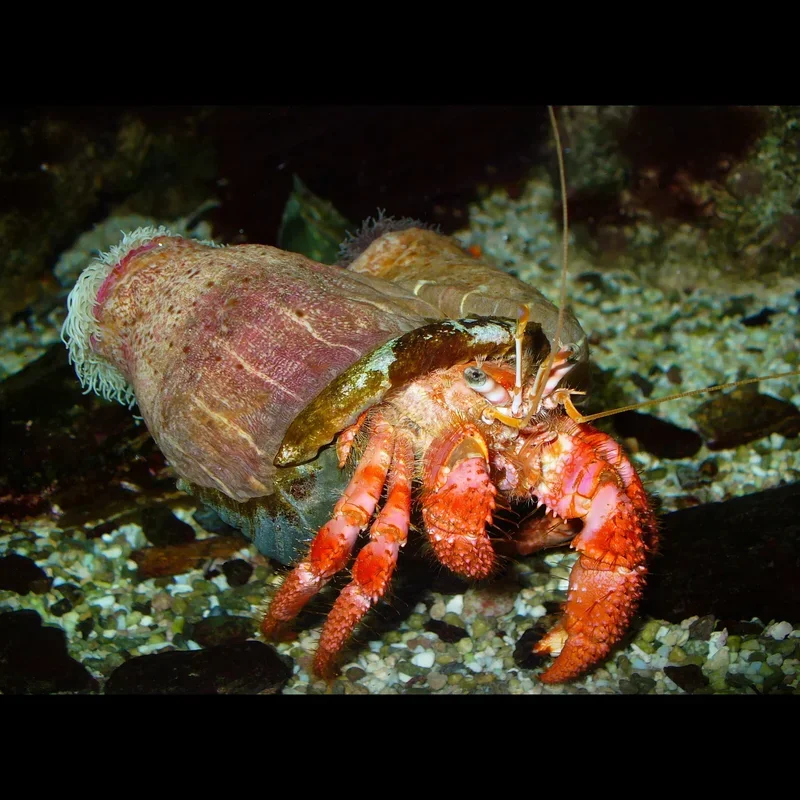
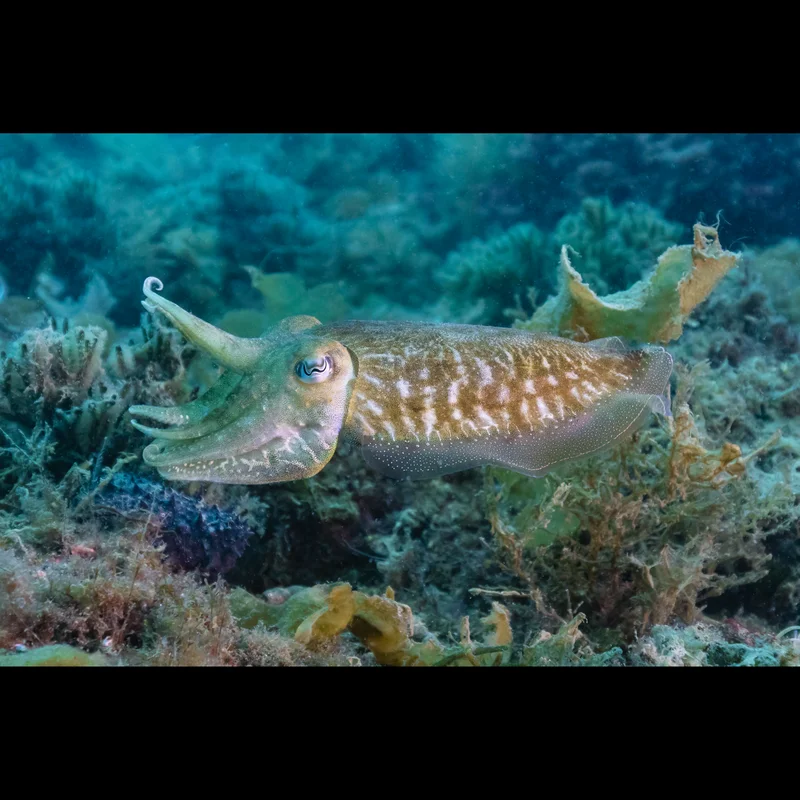
The underwater landscape at Sint Annaland creates a mosaic of habitats supporting diverse marine life. Across the contrasting sandy areas and vibrant bottom vegetation, divers frequently encounter cuttlefish, their camouflage shifting with the surroundings.
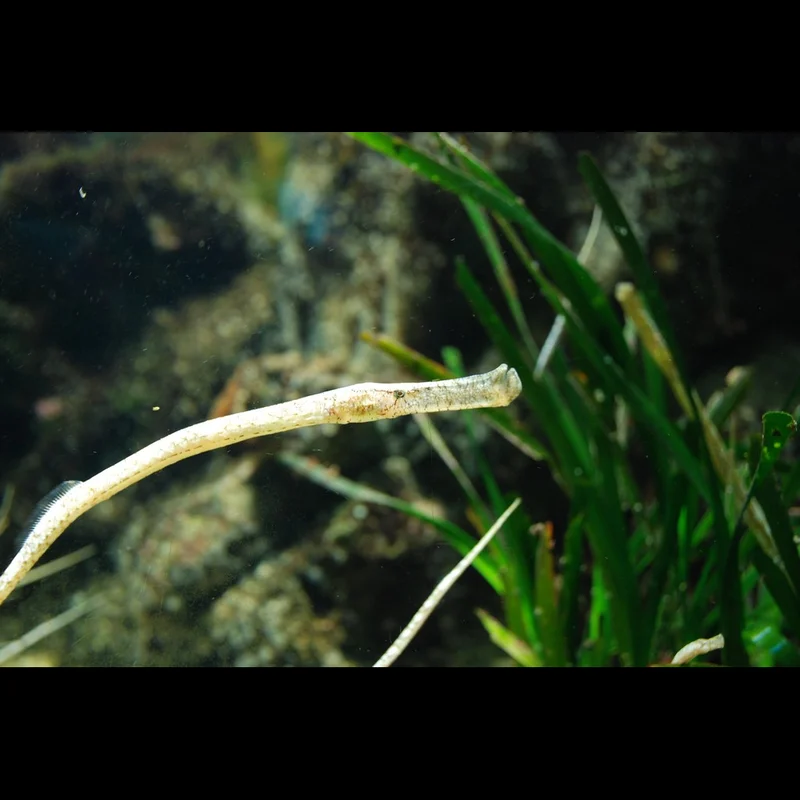
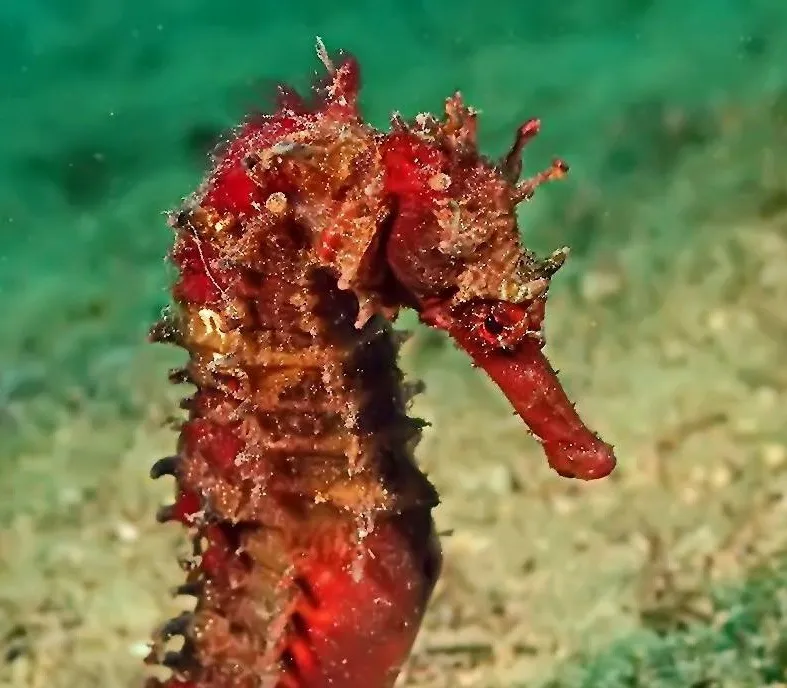
You'll likely spot various crabs and hermit crabs scuttling across the seabed, alongside different species of pipefish and the occasional seahorse tucked within the flora. Along the shell edges, peacock tubeworms and sea dahlias add splashes of color, creating miniature gardens.
Small fish like blennies and gobies are common, often sheltering near rocky structures or artificial reef elements, making every section of the dive a new opportunity for discovery.
Dive Sites Near Sint Annaland
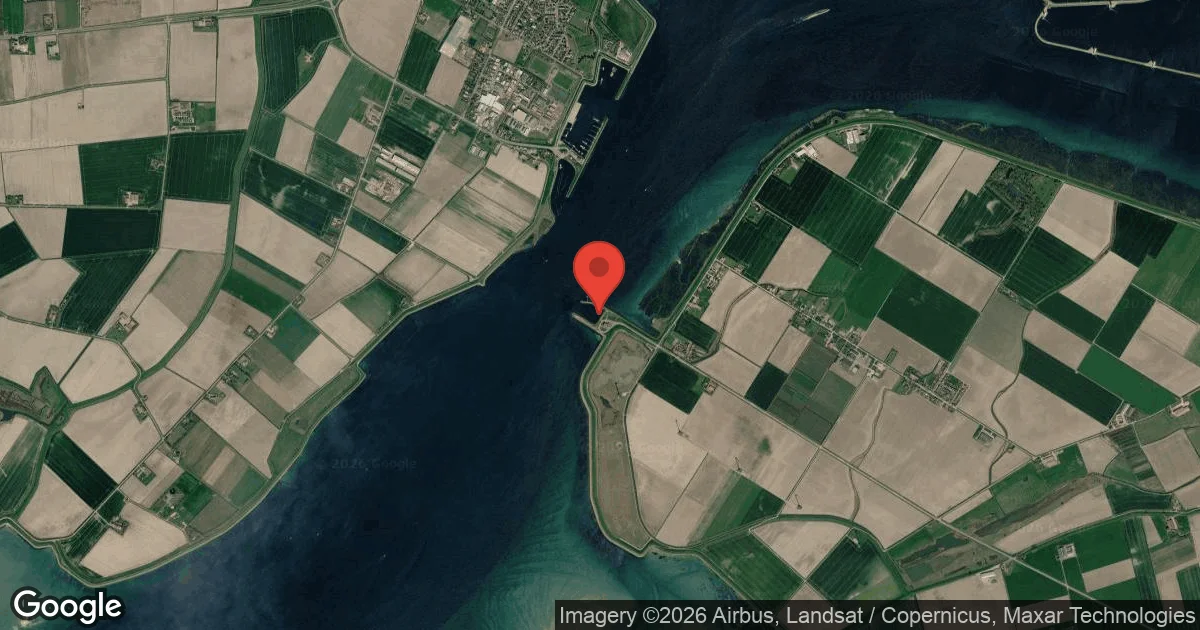
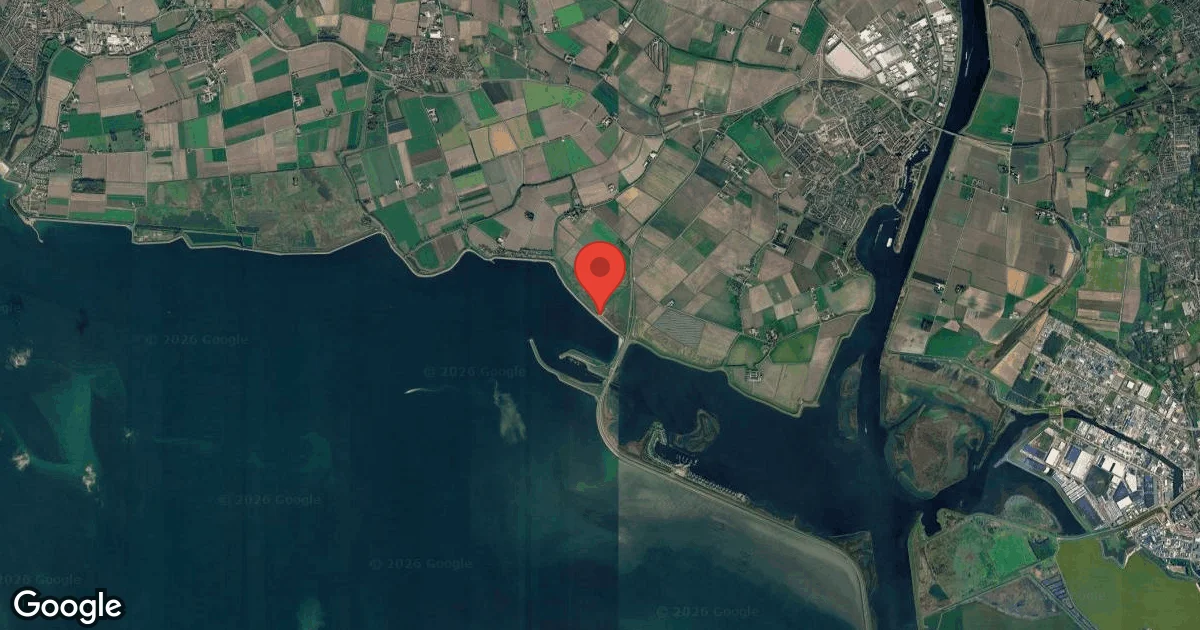
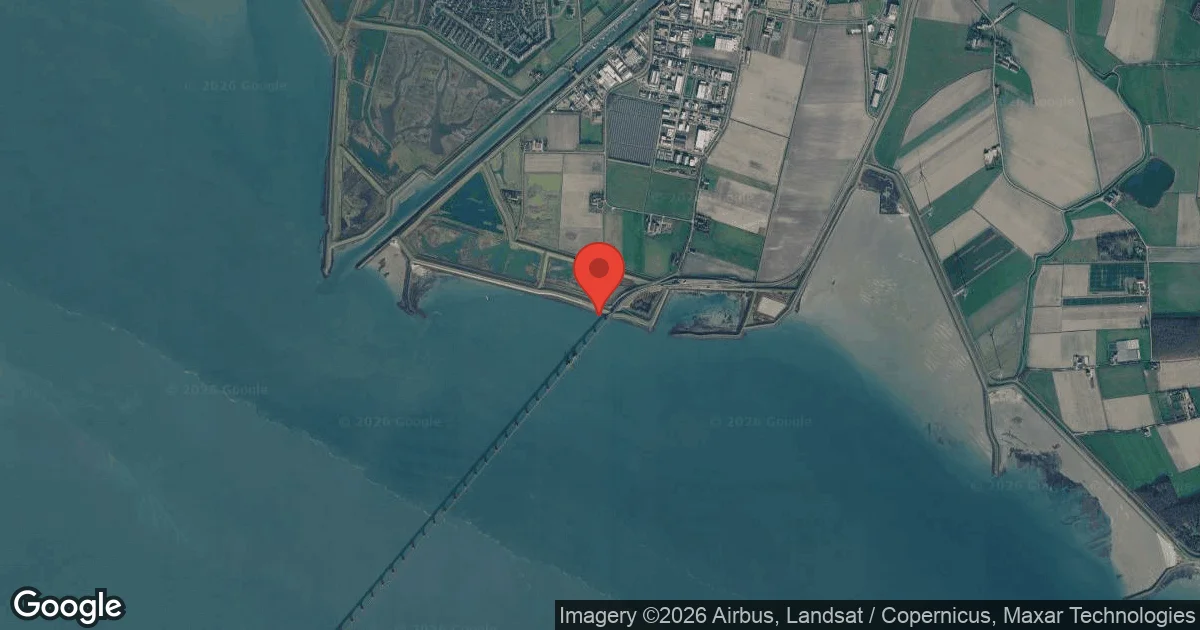
View all dive sites in NetherlandsDiscover more underwater gems in this area.
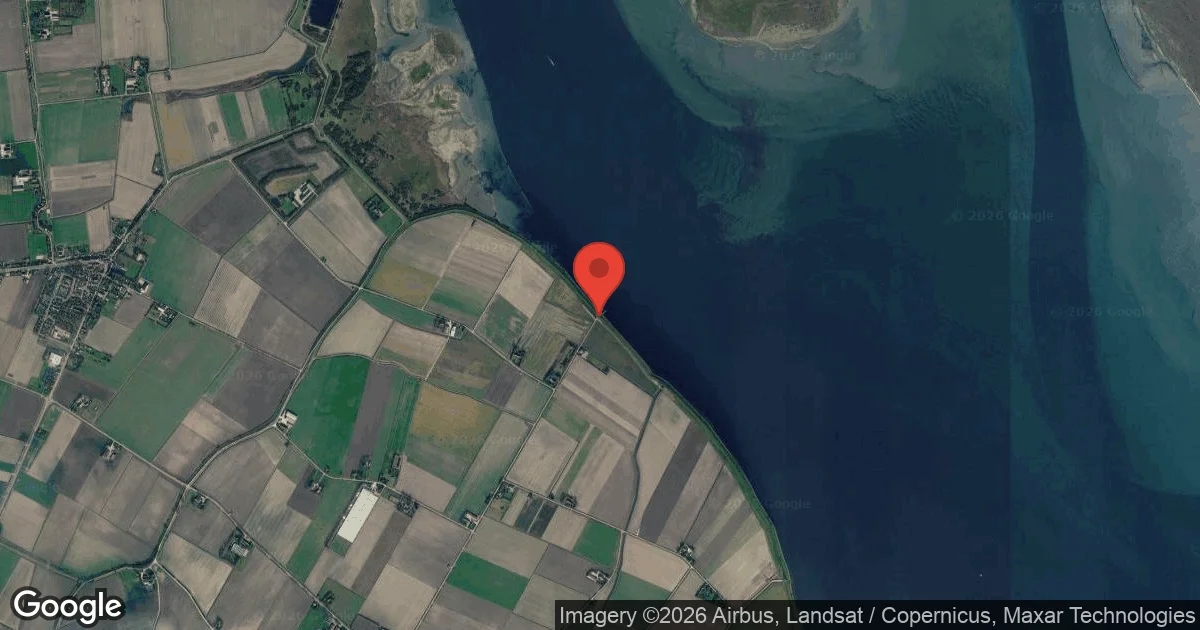
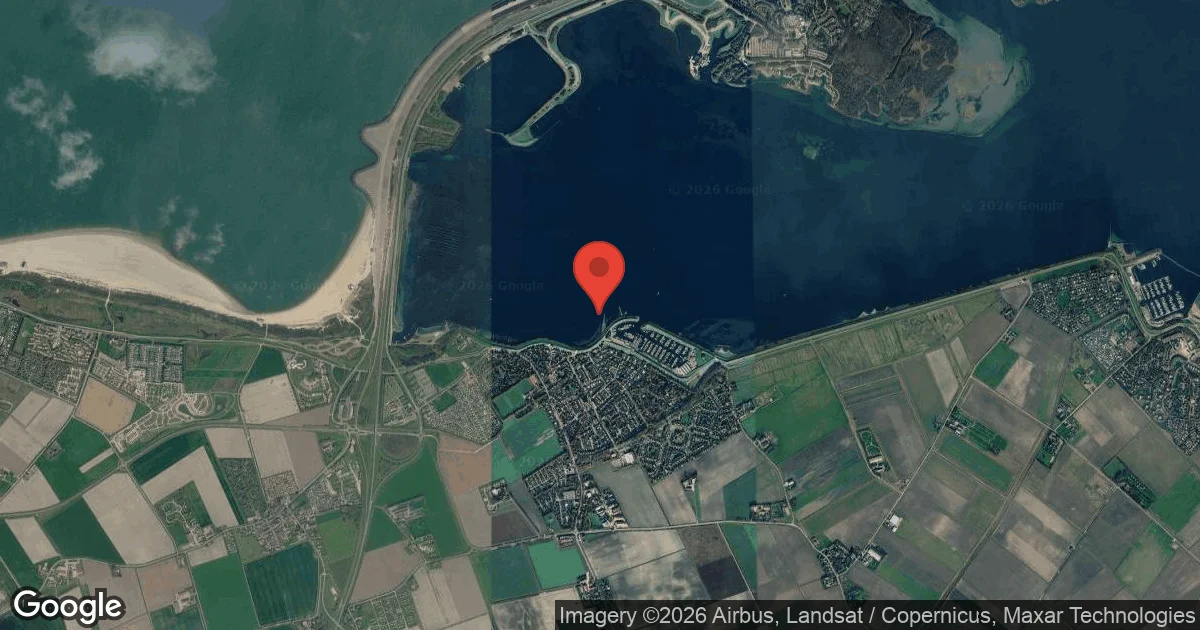
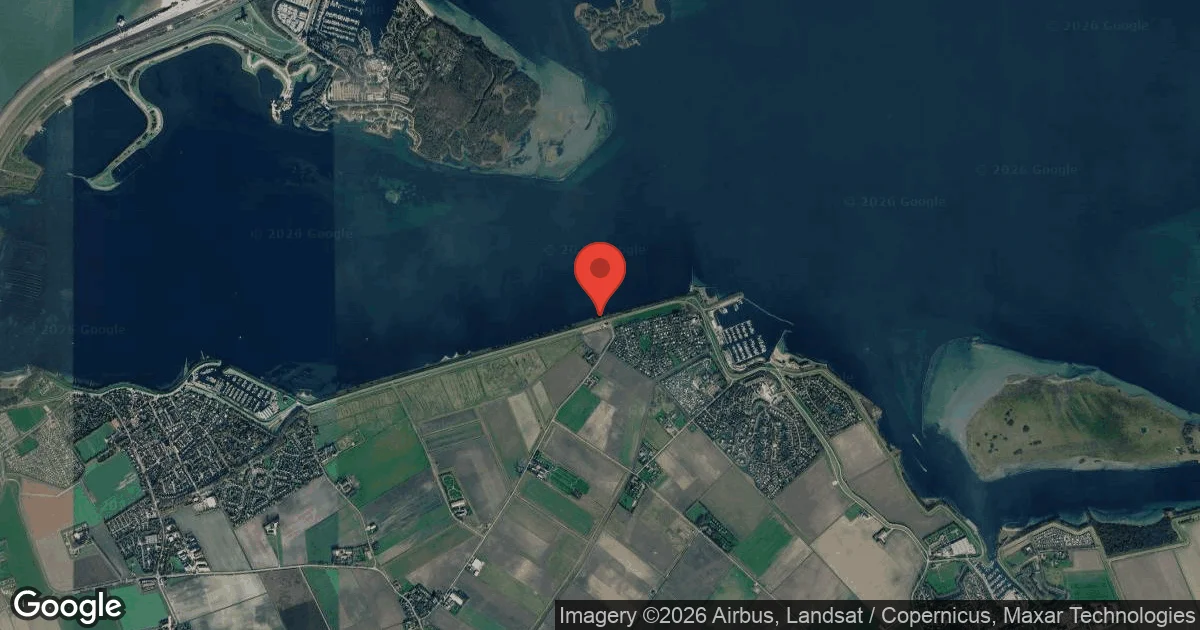
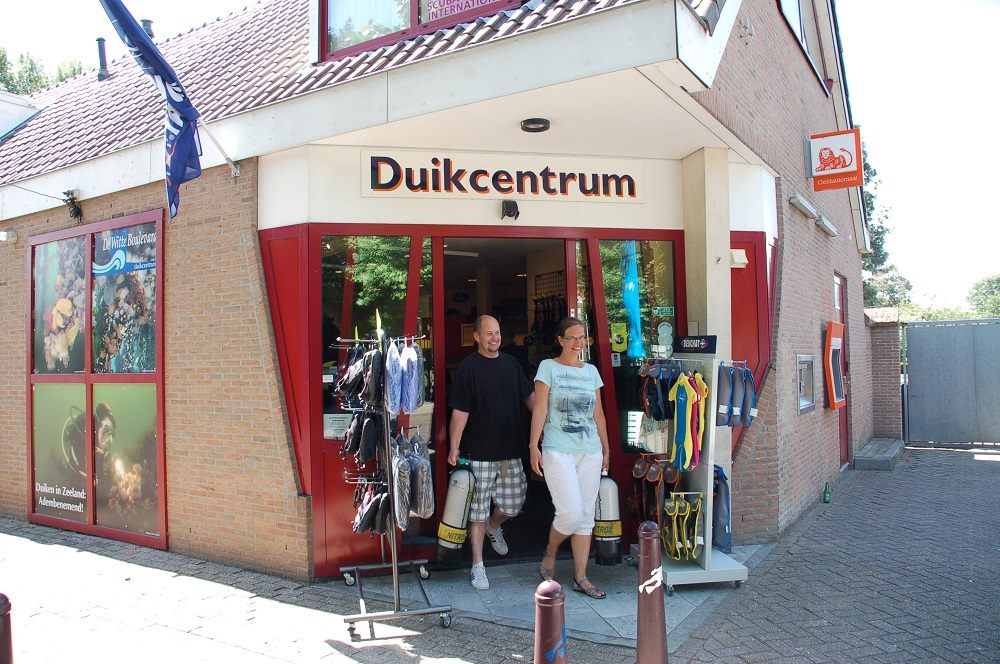
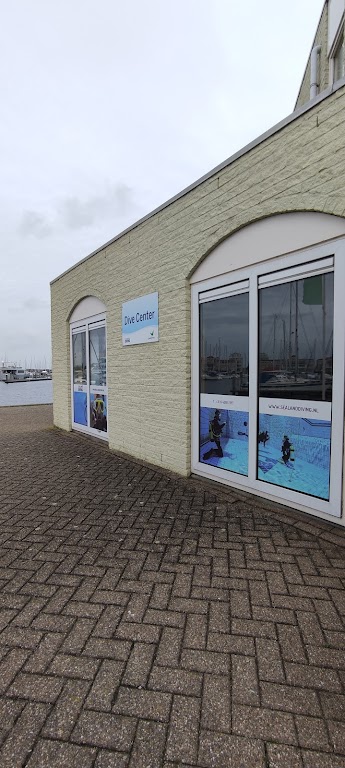
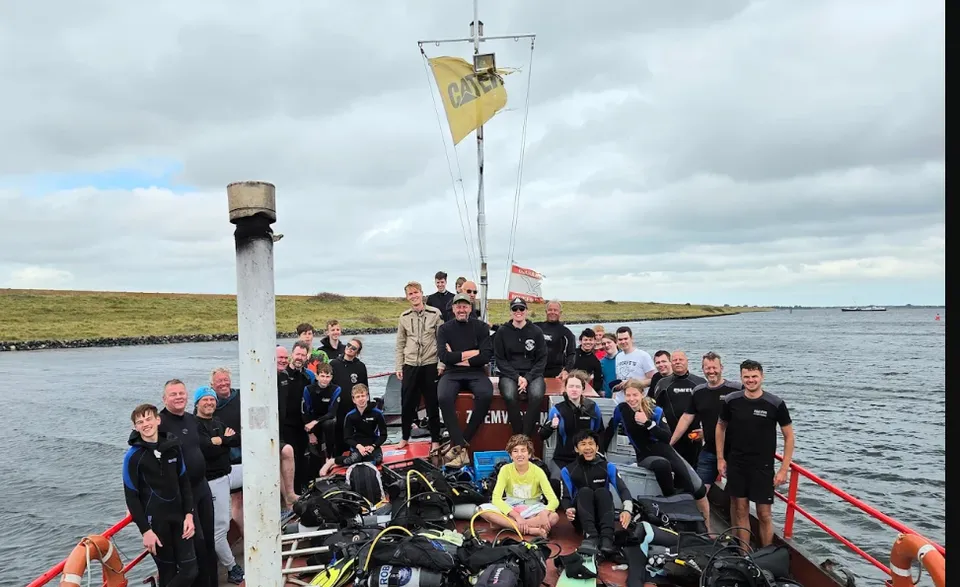
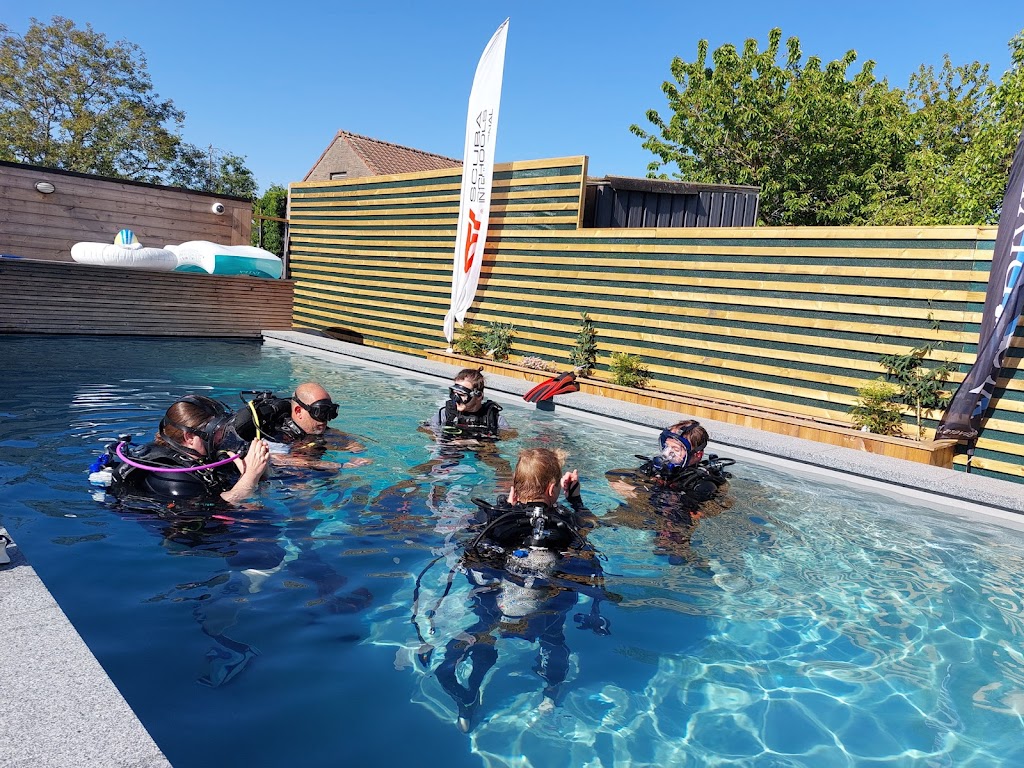
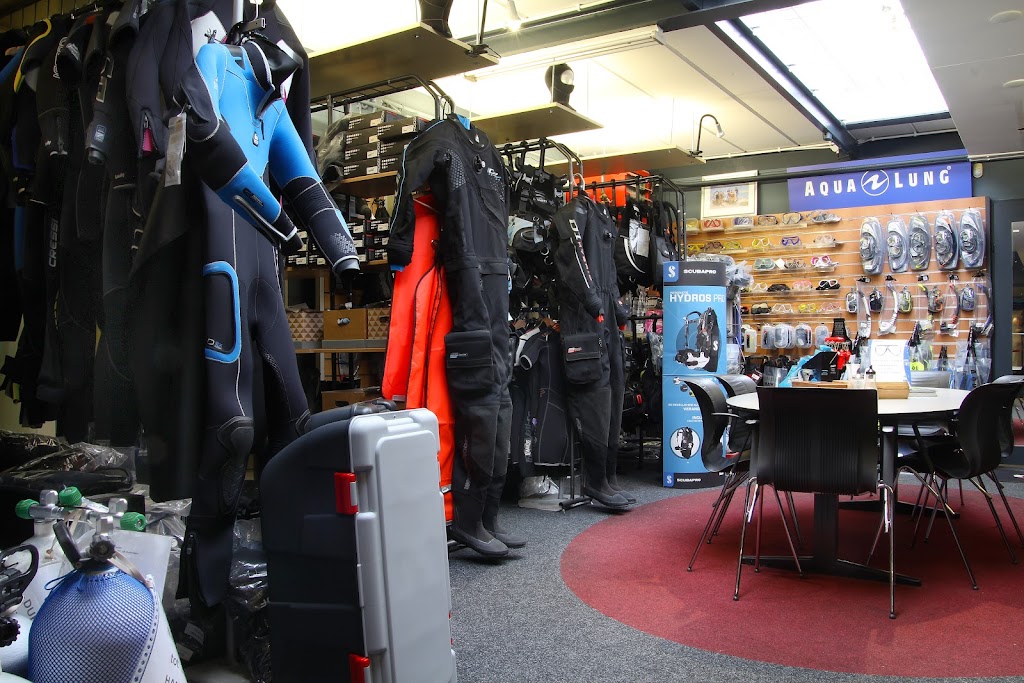
Dive Centers Near Sint Annaland
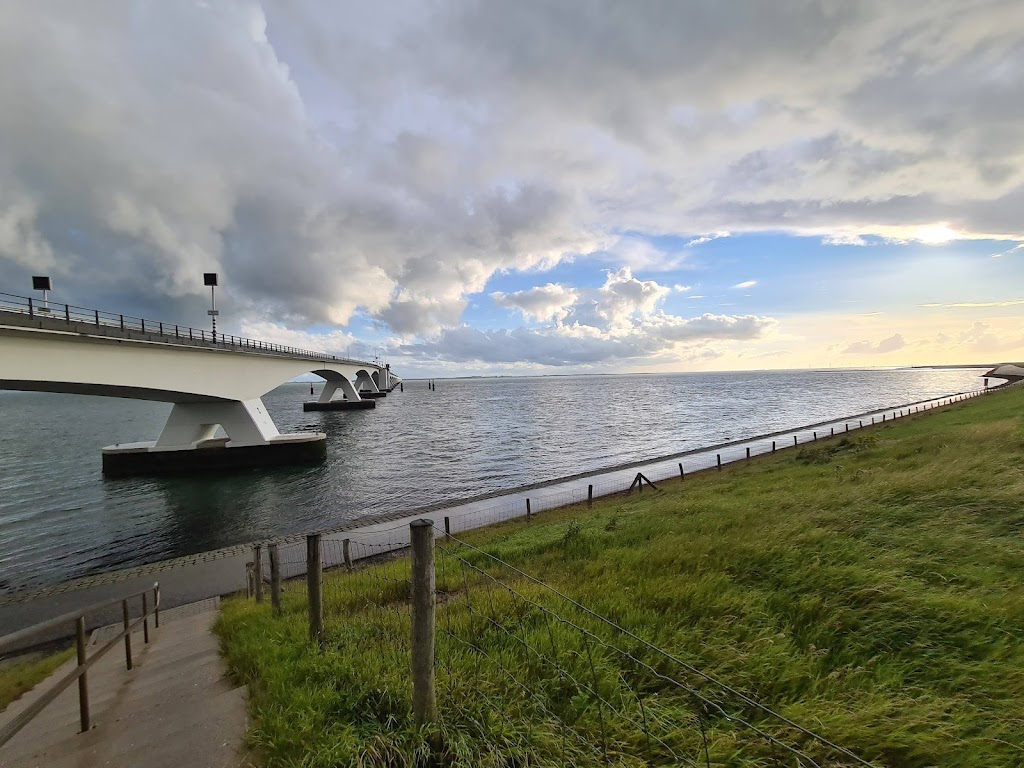
Today: Open 24 hours
Nearest Airports
Nearest airports to help plan travel to this dive area.
Search Flights
Check available flights and routes on Expedia, using the nearby airports listed in this section.
Search Flights on ExpediaFrequently Asked Questions
What is the typical dive depth at Sint Annaland?
The maximum reported depth for diving at Sint Annaland is 18-20 meters (60-66 ft). However, much of the interesting marine life and topography can be found in shallower ranges, sometimes as little as 5-15 meters (16-50 ft).
What are the visibility conditions like at Sint Annaland?
Visibility at Sint Annaland varies, typically ranging from 3 to 7 meters (10 to 23 ft). An average of 4 meters (13 ft) is often reported, though conditions can sometimes extend up to 15 meters (50 ft).
How strong are the currents at Sint Annaland?
Currents are generally described as mild to medium, making it a suitable location for drift diving. Planning your dive around low tide is recommended, as currents can then assist in guiding you back to the entry point.
What marine life can divers expect to encounter?
Divers often see cuttlefish, various crabs, and hermit crabs, along with pipefish and occasional seahorses. The site also hosts peacock tubeworms, sea dahlias, blennies, gobies, and several types of sea slugs.
What facilities are available at the Sint Annaland dive site?
Sint Annaland offers several conveniences, including picnic tables, divers stairs for easy entry, and toilets. A nearby restaurant with a terrace, camping options, and even an AED are available, especially during opening hours.
Are there any specific safety warnings for diving at Sint Annaland?
Yes, be aware that the entry point is close to a busy fairway, so avoid free ascents over 6 meters (20 ft). Additionally, it's an active fishing ground; do not enter the water if fishermen are present. Always display a dive flag to warn other water users.
Planning to dive Sint Annaland?
Send one inquiry and receive offers directly from the best verified local dive operators.
Conditions are Good
Optimal conditions expected
Current conditions near Sint Annaland show 16° air, 20° sea temperature, 0.4 m waves, and 36 km/h wind. Forecast data is refreshed regularly to ensure accuracy.