
Diving at De Baars / Put van Heel (Netherlands)
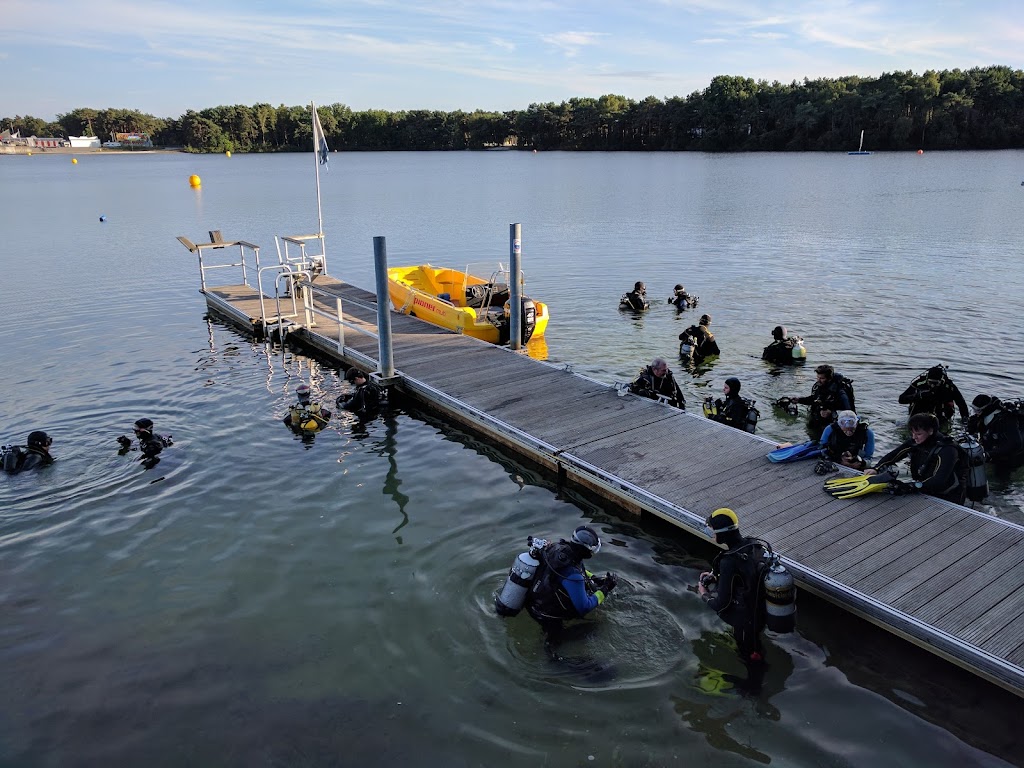
Entering the freshwater quarry of De Baars, divers typically begin their descent from one of two designated entry points, with the easternmost offering a more gradual slope into the water. This immediate introduction to the site's structure allows for a comfortable initial orientation. You'll quickly discover a varied terrain that starts with densely vegetated banks and mud walls, hinting at the diverse underwater world beneath. Prepare for an exploration that transitions from natural formations to unexpected human-made additions.
At De Baars / Put van Heel, the ambient air temperature is currently recorded at 16°C. This dive site in Netherlands is operating under normal seasonal weather patterns. Familiarize yourself with the local topography prior to navigating.
Dive Site Location & Key Facts
Dive Site Overview
This freshwater quarry, known as De Baars or Put van Heel, reveals a complex and evolving underwater world for exploration. Its varied topography descends to a maximum depth of 20 meters / 65 feet, offering distinct zones for divers to navigate.
Initial entry often leads to heavily vegetated banks and pronounced mud walls, where intertwined tree roots create natural hiding places along the contours of the quarry. Further into the site, an extensive area of construction rubble dramatically reshapes the environment. This debris, far from being barren, has become beautifully overgrown with aquatic flora and serves as a significant attractant for local aquatic life.
Divers discover how these submerged structures provide intricate nooks and crannies for inhabitants. One of the more striking features within the site is a complete church structure, now seamlessly integrated into the vibrant underwater ecosystem, providing both shelter and an intriguing navigational landmark.
The quarry floor is predominantly sandy, creating both open, clear areas and structured habitats where the human-made elements blend with natural formations. This combination ensures a dynamic and engaging dive, always offering new details upon closer inspection.
Conditions are Good
Optimal conditions expected
Current conditions near De Baars / Put van Heel show 16° air, --° sea temperature, N/A waves, and 28 km/h wind. Forecast data is refreshed regularly to ensure accuracy.
Best Time to Dive
Maximizing your dive experience at De Baars often depends on securing good visibility, which can transform an ordinary dive into a fantastic one. While the site generally maintains good dive scores throughout much of the year, the months from March through October typically offer the most favorable conditions. During this period, average air temperatures range from around 8°C / 46°F in March, rising to a pleasant 19°C / 66°F in August, before cooling to 13°C / 55°F by October. Rainfall during these months is also relatively consistent, averaging 1.8-3.3 mm per day, which doesn't drastically impede surface conditions. Choosing to dive in late spring through early autumn can often align with clearer water and more comfortable surface temperatures for preparation.
PEAK SEASON SCORE
Scores combine air & water temps, waves, wind & rainfall for overall conditions.
BEST MONTHS TO DIVE
Monthly records compiled from satellite and marine observation nodes over the last 3 years. Data provided by Open-Meteo and MET Norway.
Dive Experience & Conditions
Conditions within De Baars are characterized by variable water temperatures and visibility, which can shift depending on the season and recent activity. Log reports have shown water temperatures varying significantly, with instances of 9°C / 48°F between 2 and 7 meters, while broader reports suggest a range from -2°C to 28°C across depths and times. Such a wide range indicates the potential for distinct thermoclines, where temperature layers can be quite noticeable. Visibility is not consistently reported but is critical; when it's good, the site offers excellent opportunities for exploration and training. The relatively sheltered quarry environment means strong currents are typically not a factor, allowing divers to focus on the intricate details of the underwater terrain.
Dive Difficulty & Safety Guidelines
Safety at De Baars begins with an awareness of the site's unique characteristics. The site contains a substantial amount of construction debris, so divers should exercise caution and be mindful of sharp objects between the rubble. There are two primary entry points; the easternmost is generally preferred due to its ample preparation space and a gradually sloping bottom.
It's important to note that accessing or entering the water from the south side is not possible. Parking is limited near the transmitter mast, requiring a short walk across a small bridge to reach the water, so plan equipment transport accordingly.
Consider training like 'Dive Against Debris' to further enhance your awareness and safety practices here.
Recommended Equipment
- Dive Computer
- DSMB
- Hard-soled Dive Boots
This gear list is based on verified equipment signals for De Baars / Put van Heel, Netherlands. Always confirm final gear choices with your dive operator, guide, or liveaboard.
Recommended Dive Suit
Conditions may fluctuate slightly depending on wind and weather patterns. A warming trend is expected over the next few days.
Factors such as dive duration, depth, and activity level can influence how warm a diver feels underwater. Surface intervals may feel noticeably cooler once you exit the water.
Based on regional estimates and current weather, the likely required exposure protection is a 5mm or thicker wetsuit. Note that local currents and upwellings can alter this. A hood or vest is suggested for sensitive divers due to surface winds. A thermal robe or jacket is recommended between dives. Because recent water temperature readings are not available for De Baars / Put van Heel, the guidance below is based mainly on current air conditions and seasonal expectations. Current surface air temperatures are roughly 16°C (61°F).
Emergency & Medical Support
Essential information to help you plan your dive trip to De Baars / Put van Heel.

Hyperbaric chambers are a critical part of dive safety infrastructure. Availability varies significantly by region, and not all dive areas have immediate access.
Before diving, it's recommended to:
- confirm nearest medical facilities
- check emergency procedures with local dive operators
- ensure dive insurance covers evacuation if required
Divers Alert Network
Diving emergency assistance available through DAN Europe.
+39 0642115685- 24/7 emergency hotline
- Diving medical assistance
- Evacuation coordination
Emergency contacts are provided for reference. Always verify local emergency services before diving.
Closest Listed Hyperbaric Chambers
Showing listed hyperbaric chamber facilities within 200 km of this dive site.
Distances are approximate straight-line distances and may not reflect emergency travel time.
Da Vinci Kliniek
Geldrop, Netherlands•Approx. 34 km straight-line
Da Vinci Kliniek
Information is provided for reference and planning purposes only. Dive Navigator does not verify operational status, staffing, availability, or quality of care at listed facilities. In an emergency, contact local emergency services, DAN, your dive operator, or the chamber directly. Do not travel to a facility without calling ahead.
Meander Da Vinci
Amersfoort, Netherlands•Approx. 73 km straight-line
Meander Da Vinci
Information is provided for reference and planning purposes only. Dive Navigator does not verify operational status, staffing, availability, or quality of care at listed facilities. In an emergency, contact local emergency services, DAN, your dive operator, or the chamber directly. Do not travel to a facility without calling ahead.
Hyperbaar Geneeskundig Centrum Rijswijk (HGC)
24/7 ListedRijswijk, Netherlands•Approx. 77 km straight-line
Hyperbaar Geneeskundig Centrum Rijswijk (HGC)
24/7 ListedInformation is provided for reference and planning purposes only. Dive Navigator does not verify operational status, staffing, availability, or quality of care at listed facilities. In an emergency, contact local emergency services, DAN, your dive operator, or the chamber directly. Do not travel to a facility without calling ahead.
Marine Life at De Baars / Put van Heel
The diverse underwater landscape of De Baars shelters a surprising array of freshwater marine life. The extensively vegetated banks, intricate tree roots, and especially the overgrown construction rubble provide excellent habitats for various species.
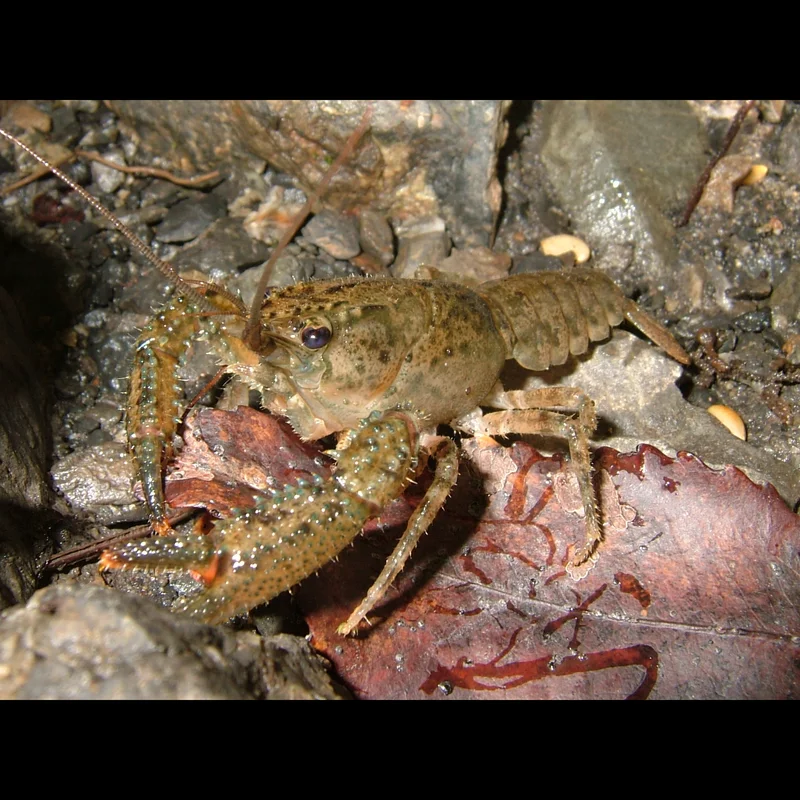
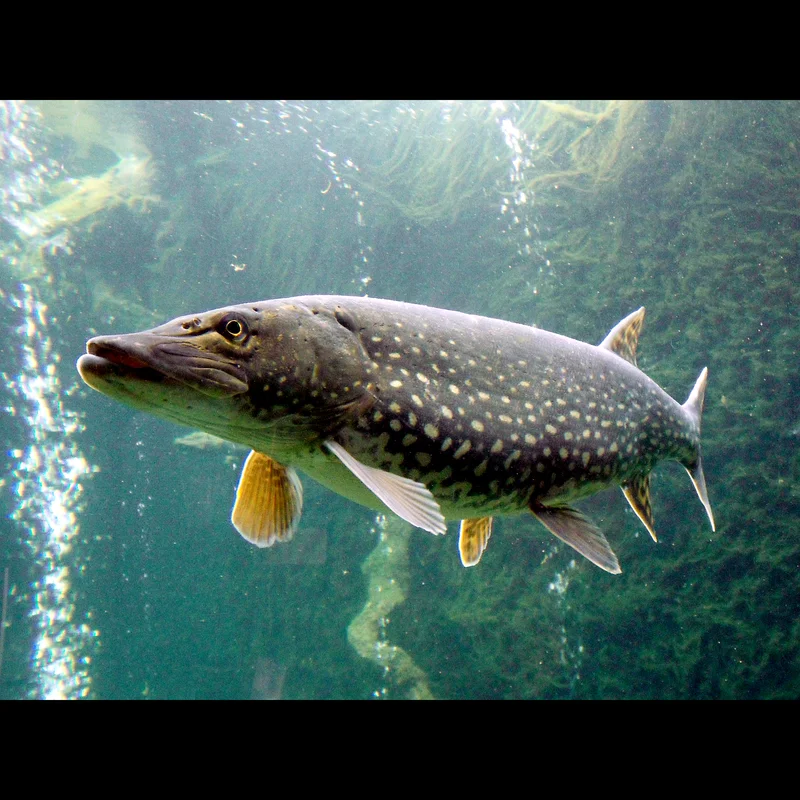
Divers commonly encounter pikeperch (Snoekbaars) and pike (Snoek), often lurking among the structures. Eels and crayfish are also frequently observed, making their homes within the crevices and under the debris.
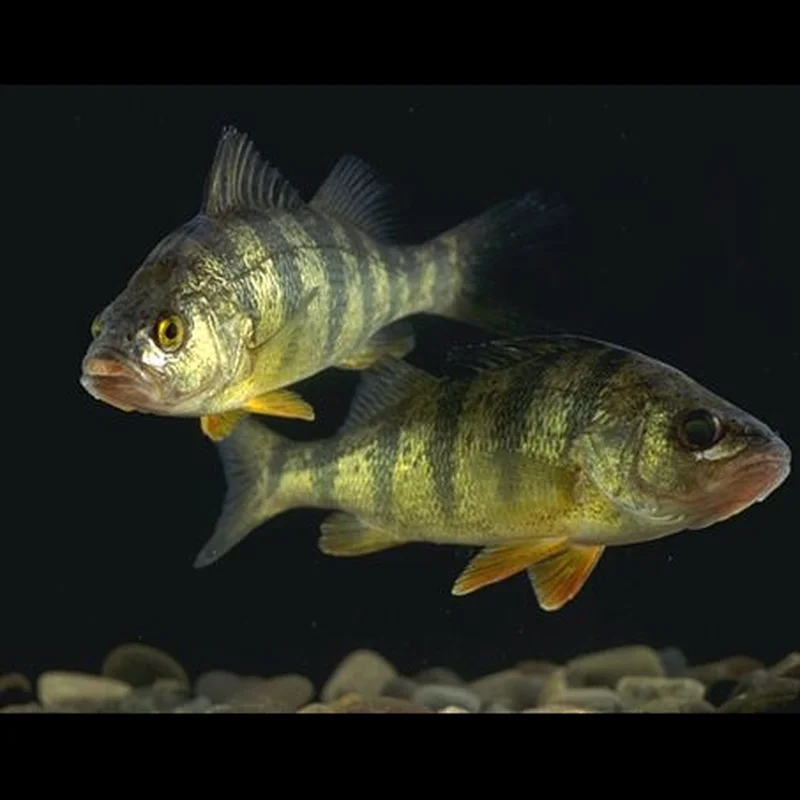
Perch (Baars) are abundant, contributing to the site's 'fish-rich' description and often forming schools around the more developed underwater objects.
Dive Centers Near De Baars / Put van Heel
Today: 09:00 - 17:00

Nearest Airports
Nearest airports to help plan travel to this dive area.
Search Flights
Check available flights and routes on Expedia, using the nearby airports listed in this section.
Search Flights on ExpediaFrequently Asked Questions
What is the maximum depth at De Baars?
De Baars is a freshwater quarry dive site with a maximum reported depth of 20 meters / 65 feet, offering ample depth for various certification levels.
What kind of dive site is De Baars?
It is a freshwater quarry characterized by a varied underwater landscape, including densely vegetated banks, mud walls, headlands, tree roots, and extensive construction rubble, all on a sandy bottom.
Are there any specific hazards to be aware of?
Yes, divers should be cautious of sharp objects embedded within the large areas of construction rubble. Always maintain good buoyancy control and situational awareness when exploring these sections.
What marine life can be seen at De Baars?
The site is rich in freshwater fish, with common sightings including pikeperch, pike, eels, crayfish, and perch. These creatures often utilize the overgrown debris and natural structures for shelter.
Which entry point is recommended at De Baars?
There are two entry points, but the easternmost one is generally recommended. It provides more space for preparation and features a gentle slope into the water, making entry and exit easier.
When is the best time to dive for good visibility?
While conditions can vary, optimal visibility is often experienced from late spring through early autumn, roughly March to October. During these months, surface air temperatures are also more comfortable for divers.
Is parking available at the dive site?
Limited parking is available near the transmitter mast. Divers will need to walk a short distance across a small bridge to reach the water from the parking area.
Planning to dive De Baars / Put van Heel?
Send one inquiry and receive offers directly from the best verified local dive operators.
Conditions are Good
Optimal conditions expected
Current conditions near De Baars / Put van Heel show 16° air, --° sea temperature, N/A waves, and 28 km/h wind. Forecast data is refreshed regularly to ensure accuracy.