
Diving at Den Osse Nieuwe Kerkweg (Netherlands)
Den Osse Nieuwe Kerkweg offers an approachable diving experience within Lake Grevelingen, appealing to divers seeking diverse underwater structures and marine life. Its accessible shore entry via a jetty provides a straightforward start for exploration. This site features a mix of natural elements and artificial reef structures, making each dive distinct. It's a location where both novice and experienced divers can find engaging features to explore.
Evening condition tracking at Den Osse Nieuwe Kerkweg features an air temperature of 17.5°C. We have recorded wave heights measuring 1.2 m during this period. These figures outline the environmental parameters currently present.
Dive Site Location & Key Facts
Dive Site Overview
The underwater landscape here unfolds as a dynamic mix of varied topography, encompassing both artificial and natural elements. Divers venturing from the jetty and turning right (east) will encounter a series of purpose-built reefballs.
These spherical structures are strategically placed, creating essential artificial habitats that attract and shelter a diverse array of smaller marine organisms. As one progresses further into the dive, substantial concrete plates become a dominant feature, sloping gradually downwards from shallower areas to depths reaching approximately 15 m / 50 ft. These robust slabs form an accessible, structured pathway for exploration, frequently revealing invertebrates and fish nestled within their angles and crevices.
Directly opposite the jetty, the weathered remnants of an old breakwater extend, forming a transitional zone that leads towards these deeper concrete sections. Beyond these prominent structures, the site transitions into expansive sandy bottoms interspersed with scattered oyster banks.
These areas provide contrasting environments, offering opportunities to spot burrowing flatfish or observe hermit crabs moving across the substrate. While many key points of interest are concentrated within the upper twenty meters, the dive site itself extends to its reported maximum depth, allowing for varied profiles based on diver experience and air consumption.
Most divers find rich exploration by focusing on the defined structures and their immediate surroundings, typically remaining at shallower profiles.
Conditions are Moderate
High Wind Advisory (48km/h). Unsafe surface.
Current conditions near Den Osse Nieuwe Kerkweg show 18° air, 20° sea temperature, 1.6 m waves, and 48 km/h wind. Forecast data is refreshed regularly to ensure accuracy.
Best Time to Dive
Seasonal variations significantly influence the dive experience here. The spring and summer months generally offer more favorable conditions, with average air temperatures ranging from approximately 13.5°C (May) to 19°C (August). During this period, water temperatures typically rise, reaching up to 17-20°C / 63-68°F in summer, making dives more comfortable. Rain levels are also lower in months like June, with averages around 1.55mm, contributing to potentially better visibility. Conversely, autumn and winter bring colder conditions, with air temperatures dropping to around 4.5°C in January and rain increasing, particularly in November, averaging 4.08mm. Visibility can be more challenging during these cooler, wetter periods, though the site remains diveable.
PEAK SEASON SCORE
Scores combine air & water temps, waves, wind & rainfall for overall conditions.
BEST MONTHS TO DIVE
Monthly records compiled from satellite and marine observation nodes over the last 3 years. Data provided by Open-Meteo and MET Norway.
Dive Experience & Conditions
Accessing the dive site via the convenient jetty with stairs ensures a smooth entry. Once in the water, divers often explore the reefballs located immediately to the east, which serve as crucial habitats for marine life. As one continues to descend, the concrete plates appear, gradually sloping into deeper areas. Visibility at Den Osse Nieuwe Kerkweg is variable, often ranging from 1 to 12 meters, with an average commonly reported around 4 meters. Currents typically remain minimal, noted between 0 and 2 knots, simplifying navigation. Water temperatures fluctuate significantly throughout the year, experiencing a chilly 4°C / 39°F in winter and reaching a much warmer 23°C / 73°F in summer.
Dive Difficulty & Safety Guidelines
Navigating Den Osse Nieuwe Kerkweg requires attention to potential hazards and site-specific considerations. Divers must be aware of the presence of fishing nets within the area; it's critical not to touch them to prevent entanglement or damage. This site can become very busy, especially during peak seasons, so arriving early is advisable to secure parking and ensure an uncrowded entry.
Parking on the side of the road is not permitted, as it can obstruct through traffic and emergency services. For night diving, attaching a lamp to the jetty is a practical guideline to enhance safety and orientation.
Recommended Equipment
- Dive Computer
- Hard-soled Dive Boots
This gear list is based on verified equipment signals for Den Osse Nieuwe Kerkweg, Netherlands. Always confirm final gear choices with your dive operator, guide, or liveaboard.
Recommended Dive Suit
Individual comfort in the water can vary significantly from diver to diver, even under the same conditions.
For most recreational dives, 5mm wetsuit should provide comfortable protection. Consider warmer surface protection (like a boat coat) due to brisk winds. Forecast conditions over the next few days suggest temperatures will remain relatively stable.
Water temperatures across the dive area at Den Osse Nieuwe Kerkweg are presently estimated to be around 20°C (67°F). Surface air temperatures are resting at 18°C (64°F).
Emergency & Medical Support
Essential information to help you plan your dive trip to Den Osse Nieuwe Kerkweg.

Hyperbaric chambers are a critical part of dive safety infrastructure. Availability varies significantly by region, and not all dive areas have immediate access.
Before diving, it's recommended to:
- confirm nearest medical facilities
- check emergency procedures with local dive operators
- ensure dive insurance covers evacuation if required
Divers Alert Network
Diving emergency assistance available through DAN Europe.
+39 0642115685- 24/7 emergency hotline
- Diving medical assistance
- Evacuation coordination
Emergency contacts are provided for reference. Always verify local emergency services before diving.
Closest Listed Hyperbaric Chambers
Showing listed hyperbaric chamber facilities within 200 km of this dive site.
Distances are approximate straight-line distances and may not reflect emergency travel time.
ADRZ Hospital/Medisch Centrum Hyperbare Zuurstoftherapie
24/7 ListedGoes, Netherlands•Approx. 29 km straight-line
ADRZ Hospital/Medisch Centrum Hyperbare Zuurstoftherapie
24/7 ListedInformation is provided for reference and planning purposes only. Dive Navigator does not verify operational status, staffing, availability, or quality of care at listed facilities. In an emergency, contact local emergency services, DAN, your dive operator, or the chamber directly. Do not travel to a facility without calling ahead.
Hyperbaar Geneeskundig Centrum Rijswijk (HGC)
24/7 ListedRijswijk, Netherlands•Approx. 46 km straight-line
Hyperbaar Geneeskundig Centrum Rijswijk (HGC)
24/7 ListedInformation is provided for reference and planning purposes only. Dive Navigator does not verify operational status, staffing, availability, or quality of care at listed facilities. In an emergency, contact local emergency services, DAN, your dive operator, or the chamber directly. Do not travel to a facility without calling ahead.
Amsterdam University Medical Center
24/7 ListedICU CapableAmsterdam, Netherlands•Approx. 96 km straight-line
Amsterdam University Medical Center
24/7 ListedICU CapableInformation is provided for reference and planning purposes only. Dive Navigator does not verify operational status, staffing, availability, or quality of care at listed facilities. In an emergency, contact local emergency services, DAN, your dive operator, or the chamber directly. Do not travel to a facility without calling ahead.
Marine Life at Den Osse Nieuwe Kerkweg
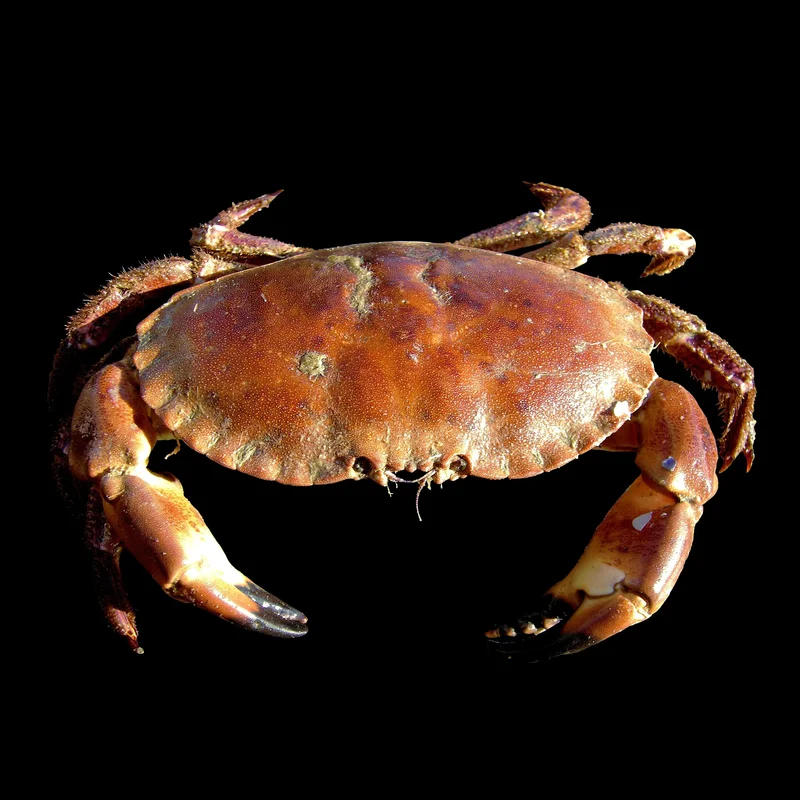
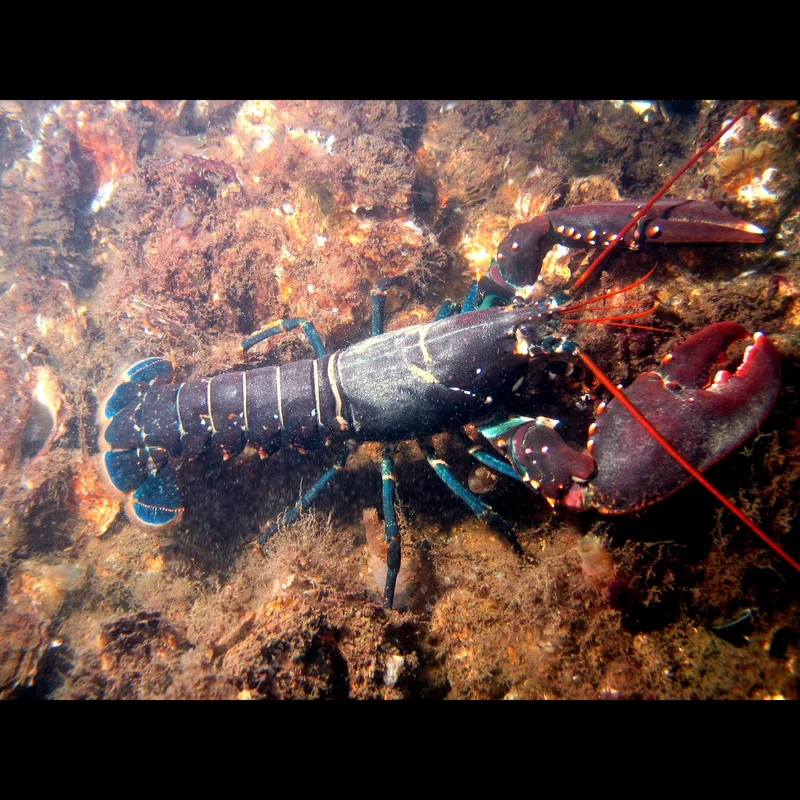
Upon entering, divers are often greeted by various crabs and lobsters seeking shelter within the reefballs and crevices. Flat fish can be spotted burrowed into the sandy bottom, using camouflage as protection.
Donderpad, also known as tompot blennies, are frequently observed hidden amongst the seaweed. At night, the site reveals a different ecosystem, with eels and lobsters becoming more active and visible.
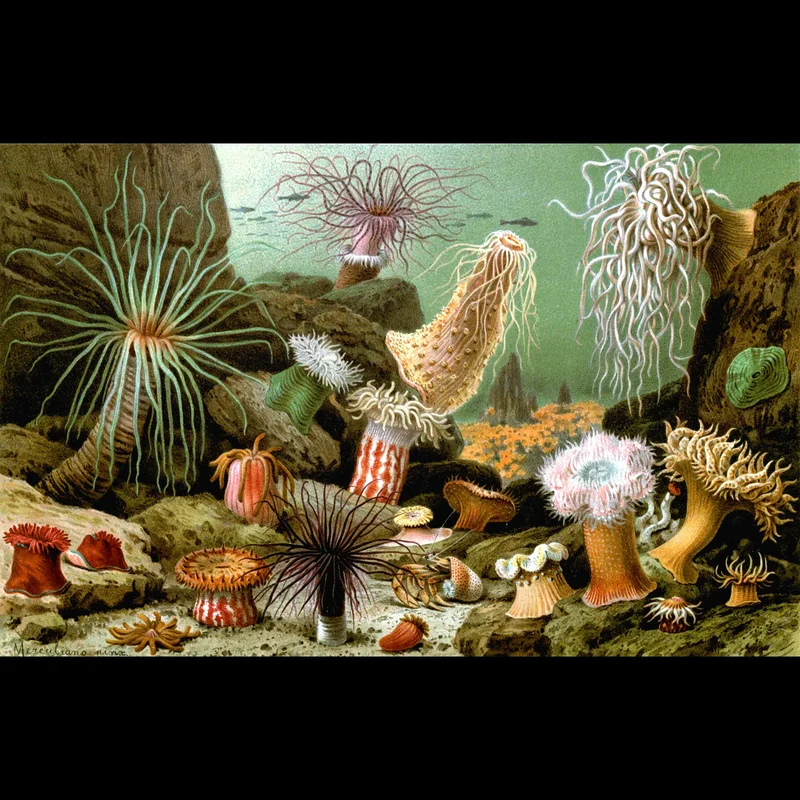
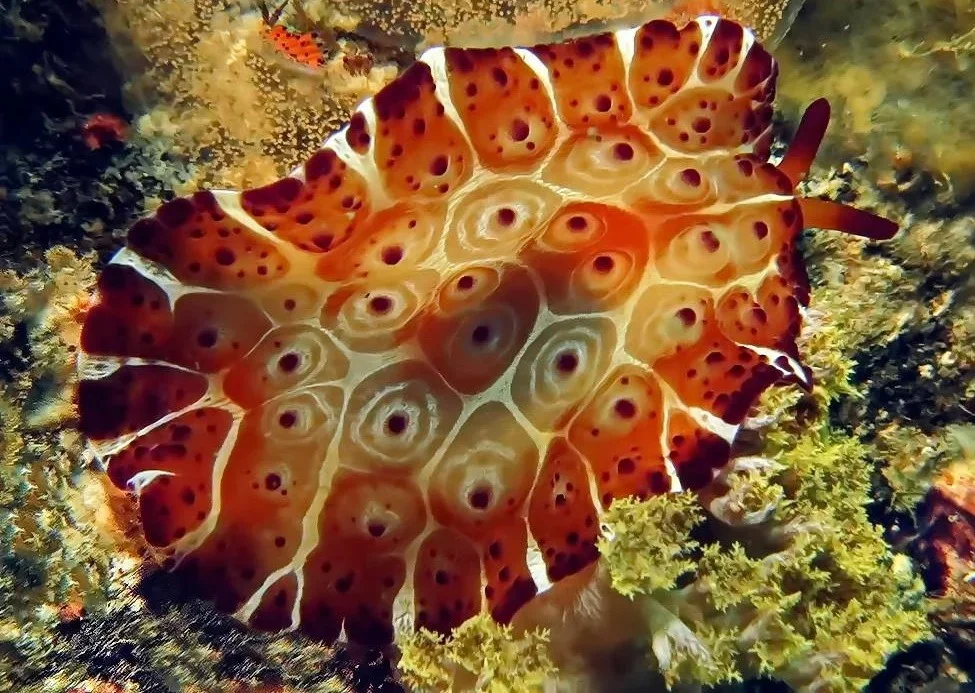
The area also hosts a variety of sea slugs, including the Rosse Sterslak, along with sea anemones and different types of sea squirts.

Dive Sites Near Den Osse Nieuwe Kerkweg
View all dive sites in NetherlandsDiscover more underwater gems in this area.
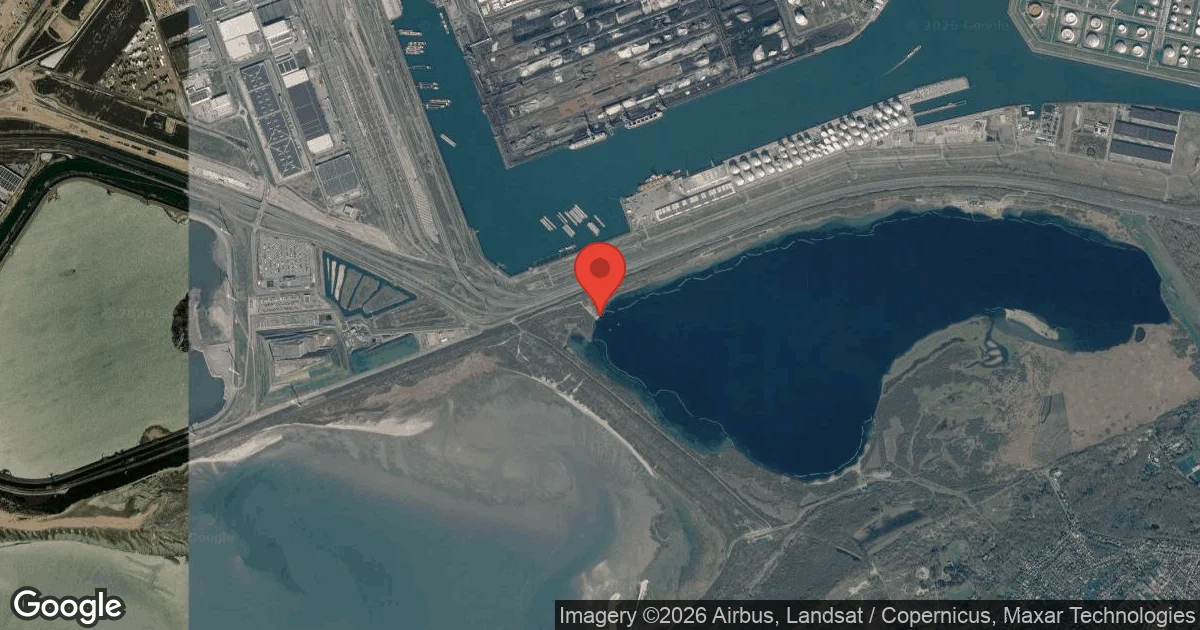
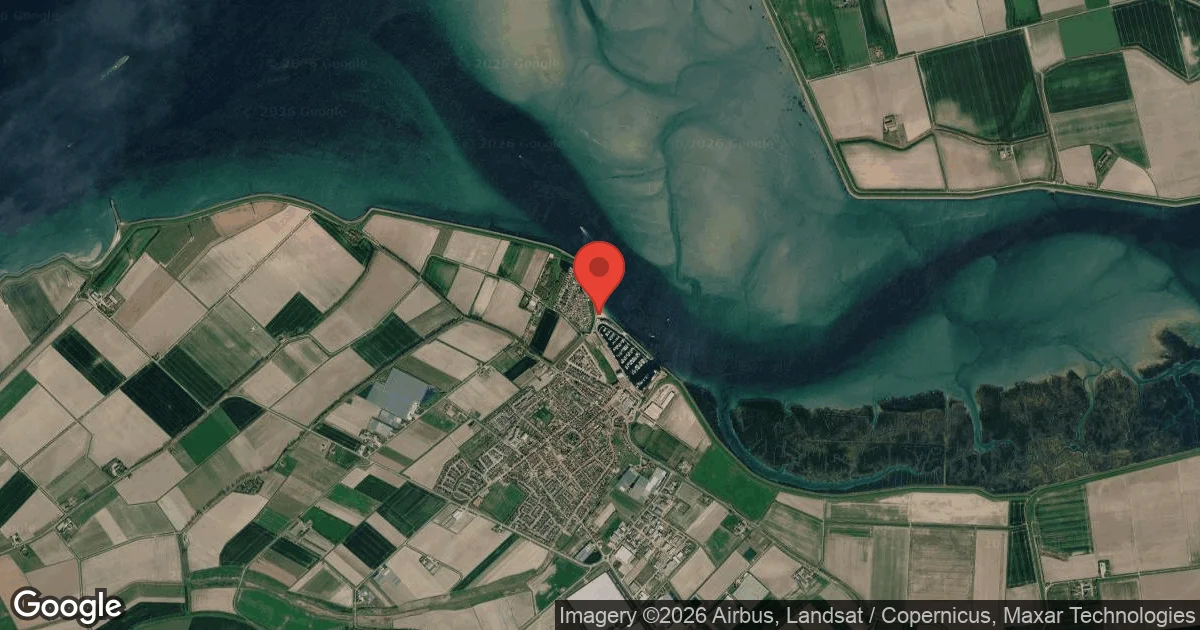
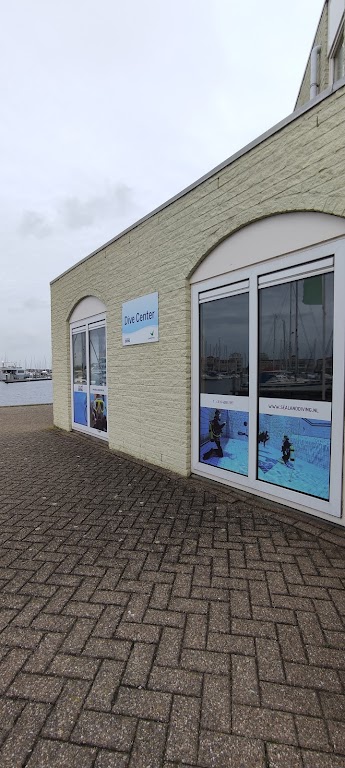
Dive Centers Near Den Osse Nieuwe Kerkweg
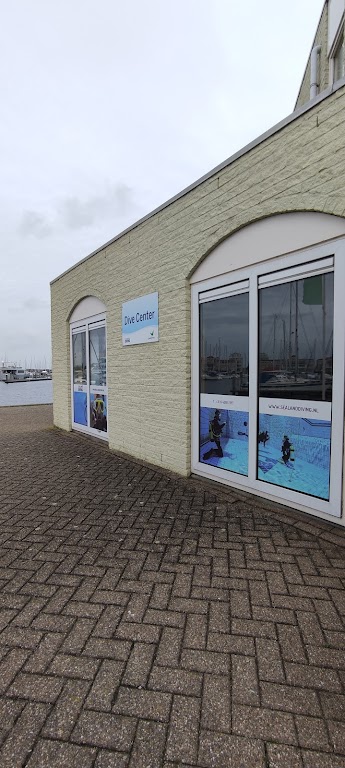
Today: 10:00 - 18:00
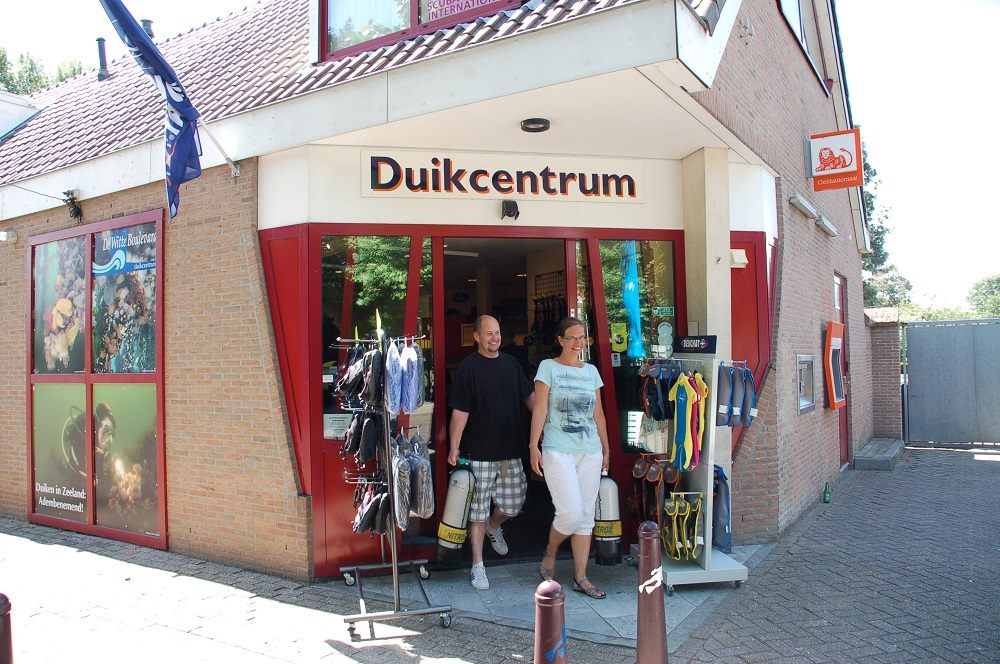
Nearest Airports
Nearest airports to help plan travel to this dive area.
Search Flights
Check available flights and routes on Expedia, using the nearby airports listed in this section.
Search Flights on ExpediaFrequently Asked Questions
What is the typical entry method at Den Osse Nieuwe Kerkweg?
Divers typically enter the water via a well-maintained jetty equipped with stairs. This provides straightforward and convenient access directly into the dive site.
What are the primary underwater features to explore?
The site's main attractions include artificial reefballs and concrete plates, which slope gradually from shallower zones. You'll also find the remnants of an old breakwater near the jetty, along with expansive sandy bottoms and oyster banks.
How deep is the dive site?
Key features like the concrete plates are generally found in the upper sections of the site. While the average exploration depth is around 13 meters, the site itself is known to reach greater depths, supporting varied dive profiles up to its reported maximum.
Is night diving possible here?
Yes, Den Osse Nieuwe Kerkweg is a popular spot for night diving. Divers often attach a lamp to the jetty for orientation. During nocturnal dives, you can observe marine life like eels and lobsters becoming more active and visible.
What is the usual visibility?
Visibility at this site is highly variable, often ranging from 1 to 12 meters. An average clarity of around 4 meters is commonly noted, but conditions can change significantly based on weather and recent water activity.
Are there any specific safety warnings for this site?
Divers should be aware of fishing nets within the area and avoid contact to prevent entanglement. It's also a busy site, so arriving early is recommended for parking and an uncrowded entry. Proper parking is essential to avoid obstructing traffic.
What types of marine life can I expect to see?
The site is home to diverse species including various crabs, lobsters, and flat fish, often found near the reefballs or sandy bottoms. You can also spot donderpad among the seaweed, alongside sea anemones, different sea slugs, and eels, especially on night dives.
Planning to dive Den Osse Nieuwe Kerkweg?
Send one inquiry and receive offers directly from the best verified local dive operators.
Conditions are Moderate
High Wind Advisory (48km/h). Unsafe surface.
Current conditions near Den Osse Nieuwe Kerkweg show 18° air, 20° sea temperature, 1.6 m waves, and 48 km/h wind. Forecast data is refreshed regularly to ensure accuracy.