
Diving at MS Mikhail Lermontov Wreck (New Zealand)
The MS Mikhail Lermontov Wreck offers a dramatic descent, with its shallowest point at 12-14 m / 40-46 ft and the deepest sections reaching 34-37 m / 112-120 ft. This extensive depth profile allows both open water divers to explore its exterior and advanced technical divers to venture deep within its structure. The colossal liner rests on its starboard side, providing varied exploration opportunities for different certification levels.
Evening condition tracking at MS Mikhail Lermontov Wreck features an air temperature of 15°C. We have recorded wave heights measuring 0.4 m during this period. These figures outline the environmental parameters currently present.
Dive Site Location & Key Facts
Dive Site Overview
The MS Mikhail Lermontov, a formidable Russian cruise liner that sank in 1986, lies on its starboard side in Port Gore. This immense wreck, measuring 155-176 meters / 508-578 feet in length, presents an impressive underwater landscape.
Open water divers can explore its shallowest sections, observing the exterior hull and the impact of marine growth over decades. For those with advanced wreck penetration training, the deeper parts offer access to various internal areas like the ballroom and The Nevsky Bar. Navigation inside can be complex, so proper training and planning are essential.
The wreck environment is often silty, necessitating excellent buoyancy control to maintain visibility. A navigational marker buoy is present; however, divers should avoid using it for mooring.
Protected as a voluntary no-take area, the wreck fosters a thriving marine ecosystem, adding to the dive's appeal. Its sheer scale and the history behind its demise contribute to a profound diving experience.
Conditions are Moderate
High Wind Advisory (58km/h). Unsafe surface.
Current conditions near MS Mikhail Lermontov Wreck show 15° air, 13° sea temperature, 0.8 m waves, and 58 km/h wind. Forecast data is refreshed regularly to ensure accuracy.
Best Time to Dive
Optimal diving at the MS Mikhail Lermontov Wreck typically aligns with New Zealand's warmer months, offering air temperatures that enhance the overall experience. January, February, and March generally show strong dive scores, with average air temperatures ranging from 15.5-17°C / 60-63°F, and minimal rainfall around 1.5-2.1 mm. Wave heights are often manageable, usually under 0.7 meters. Conversely, cooler air temperatures prevail during winter, with July dropping to an average of 10.5°C / 51°F. Despite this, August can still present good diving opportunities, with air temperatures averaging 10°C / 50°F, indicating that conditions aren't solely dictated by warmth. Wind speeds vary, sometimes reaching over 30 km/h / 18 mph, particularly in spring. Due to the wreck’s exposure to Cook Strait, conditions can fluctuate; checking real-time weather and sea state predictions before any dive is always recommended.
PEAK SEASON SCORE
Scores combine air & water temps, waves, wind & rainfall for overall conditions.
BEST MONTHS TO DIVE
Monthly records compiled from satellite and marine observation nodes over the last 3 years. Data provided by Open-Meteo and MET Norway.
Dive Experience & Conditions
Accessing the MS Mikhail Lermontov typically requires boat diving experience, as the site is exposed to the varied conditions of Cook Strait. Upon entry, divers encounter a large wreck lying on its starboard side, extending from its shallowest points down to its deepest sections. This depth profile makes it accessible for open water divers to explore the outer hull. For those with advanced training, particularly in wreck penetration, the deeper interior spaces offer extensive exploration. Buoyancy control is paramount here; the wreck is notably silty, and disturbing the sediment can drastically reduce visibility for everyone. Utilizing Nitrox is highly recommended for advanced divers to extend bottom time safely given the depth profile. Conditions can vary, with currents sometimes present depending on tidal movements and weather patterns.
Dive Difficulty & Safety Guidelines
Exceptional buoyancy control is paramount when exploring the MS Mikhail Lermontov Wreck. Silt inside and around the vessel poses a significant hazard; disturbing this sediment can quickly obscure visibility, making exit and navigation extremely challenging within the wreck's interior. Proper finning techniques are essential to prevent this.
Due to its exposure to Cook Strait, expect variable currents and sea conditions, requiring prior boat diving experience. Wreck penetration should only be attempted by divers with appropriate technical training and certification, as the ship's intricate layout and potential entanglement hazards demand advanced skills and specialized equipment.
For site preservation, divers must not use the navigational marker buoy for mooring, and the entire area operates as a voluntary no-take zone to protect marine life.
Recommended Equipment
Deep dive hazard. Increased narcosis and gas consumption risk.
Overhead / entanglement risk. Wreck penetration requires proper training.
- Dive Computer
- DSMB
- Primary & Backup Lights
- Wreck Reel
- Cutting Tool
This gear list is based on verified equipment signals for MS Mikhail Lermontov Wreck, New Zealand. Always confirm final gear choices with your dive operator, guide, or liveaboard.
Recommended Dive Suit
With water temperatures around 13°C (55°F), many divers find a 7mm wetsuit or semidry provides comfortable protection.
Being prepared with flexible exposure options is a common approach among experienced divers.
Weather models indicate a small drop in surface temperatures later this week. Cooler days are ahead; you might want a warmer option for later in the week. A warmer option can provide additional comfort if conditions shift.
Emergency & Medical Support
Essential information to help you plan your dive trip to MS Mikhail Lermontov Wreck.

Hyperbaric chambers are a critical part of dive safety infrastructure. Availability varies significantly by region, and not all dive areas have immediate access.
Before diving, it's recommended to:
- confirm nearest medical facilities
- check emergency procedures with local dive operators
- ensure dive insurance covers evacuation if required
Divers Alert Network
Diving emergency assistance available through DAN World.
+1-919-684-9111- 24/7 emergency hotline
- Diving medical assistance
- Evacuation coordination
Emergency contacts are provided for reference. Always verify local emergency services before diving.
Marine Life at MS Mikhail Lermontov Wreck
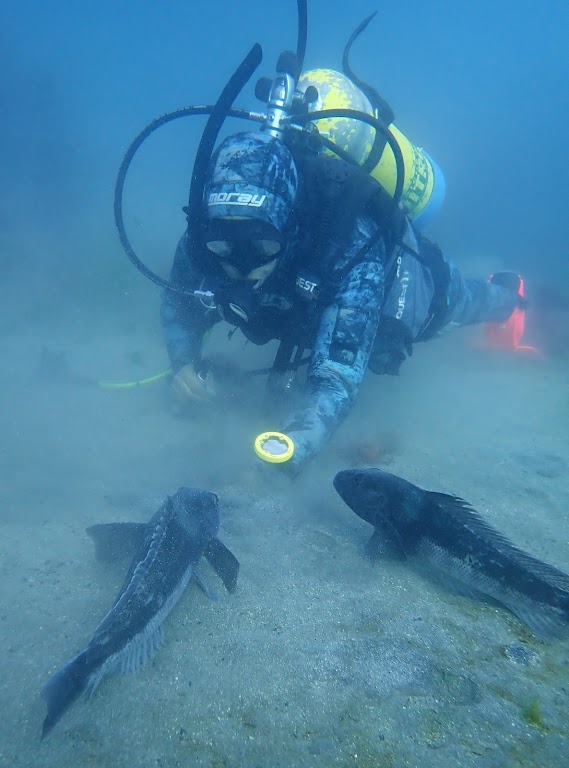
Abundant fish life thrives around the MS Mikhail Lermontov Wreck, a consequence of its status as a voluntary no-take area. Divers frequently encounter curious and often friendly blue cod, a highlight for many, which approach closely.
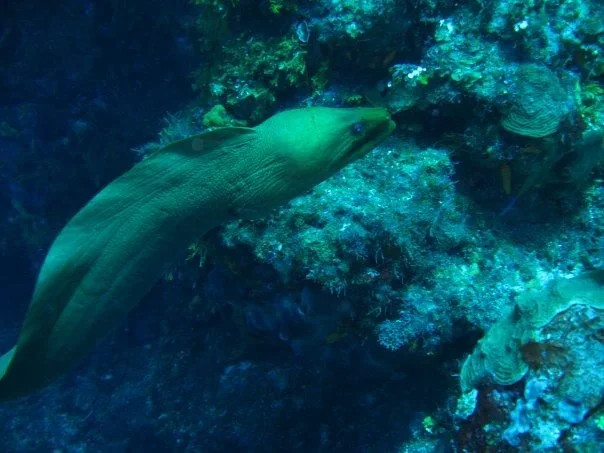
The wreck now functions as a substantial artificial reef, supporting considerable biodiversity, considered among the best in the Marlborough Sounds. Schools of other reef fish populate various sections, and keen observers might spot moray eels tucked into crevices, or even occasional larger pelagics passing by the deeper parts of the hull. This vibrant ecosystem provides dynamic interactions for divers.

Dive Centers Near MS Mikhail Lermontov Wreck
Today: 09:00 - 16:00
Nearest Airports
Nearest airports to help plan travel to this dive area.
Search Flights
Check available flights and routes on Expedia, using the nearby airports listed in this section.
Search Flights on ExpediaFrequently Asked Questions
How deep is the MS Mikhail Lermontov Wreck?
Its shallowest point is around 12-14 meters (40-46 feet), descending to its deepest sections at 34-37 meters (112-120 feet). This profile provides exploration opportunities for various certification levels.
What dive certifications are needed for this wreck?
Open water certified divers can explore the exterior of the wreck. For those seeking to penetrate the interior, advanced wreck penetration certification and technical diving experience are essential due to the complex environment.
What marine life can I expect to see?
As a voluntary no-take area, the wreck hosts abundant fish life. Divers often encounter very friendly and curious blue cod, making for interactive wildlife encounters.
What are the main safety considerations for this dive?
Silt is a significant factor; excellent buoyancy control is needed to prevent disturbing visibility, particularly inside. The site's exposure to Cook Strait also means conditions and currents can vary, so boat diving experience is recommended.
Is wreck penetration allowed?
Yes, wreck penetration is possible in various areas for properly trained and certified technical divers. Without specialized training and equipment, internal exploration is not advised.
What makes the MS Mikhail Lermontov unique as a dive site?
As one of the largest and most accessible cruise liner wrecks of the modern era, its immense size and relatively shallow upper sections offer diverse exploration opportunities. It’s also protected as a voluntary no-take zone, enhancing marine biodiversity.
Planning to dive MS Mikhail Lermontov Wreck?
Send one inquiry and receive offers directly from the best verified local dive operators.
Conditions are Moderate
High Wind Advisory (58km/h). Unsafe surface.
Current conditions near MS Mikhail Lermontov Wreck show 15° air, 13° sea temperature, 0.8 m waves, and 58 km/h wind. Forecast data is refreshed regularly to ensure accuracy.